

Commercial Sweeping Supplies in Floor Care








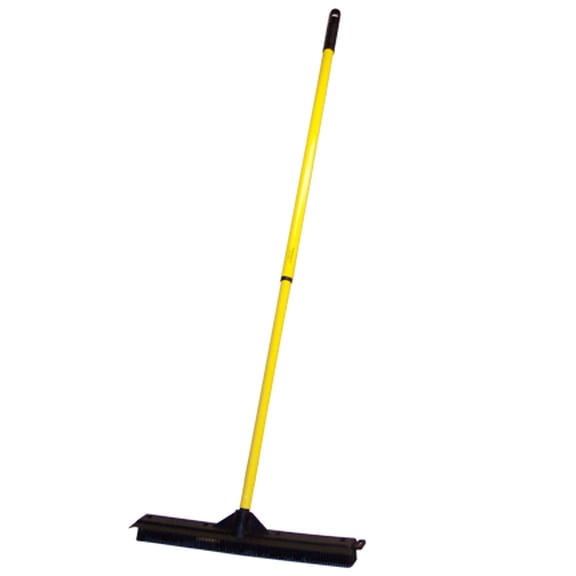
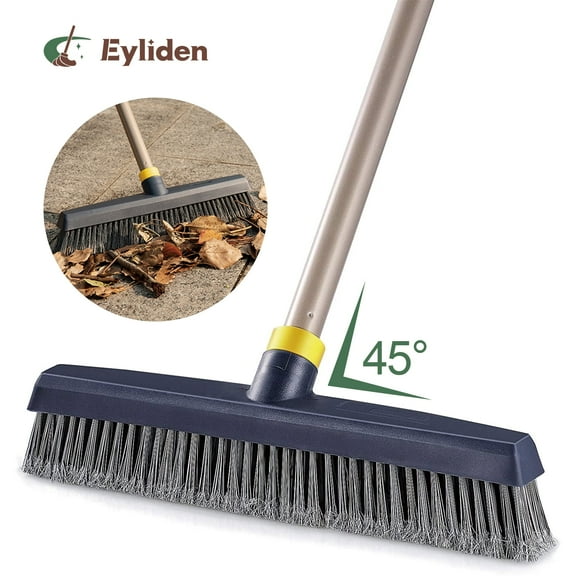
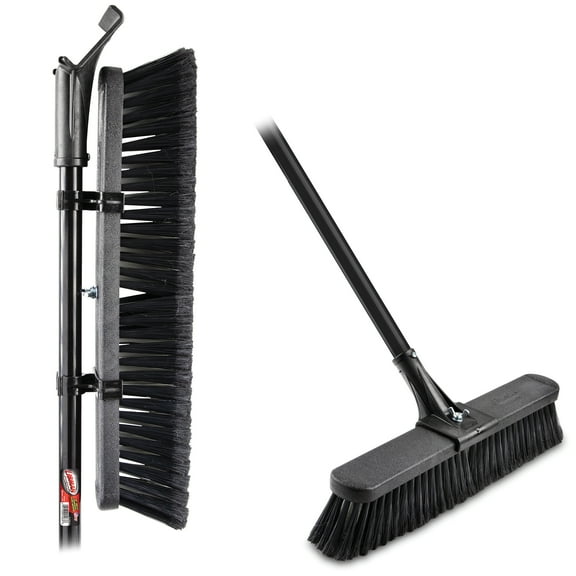
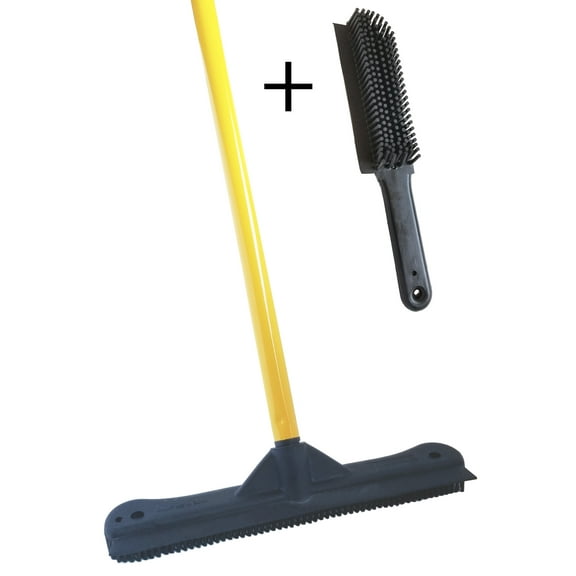

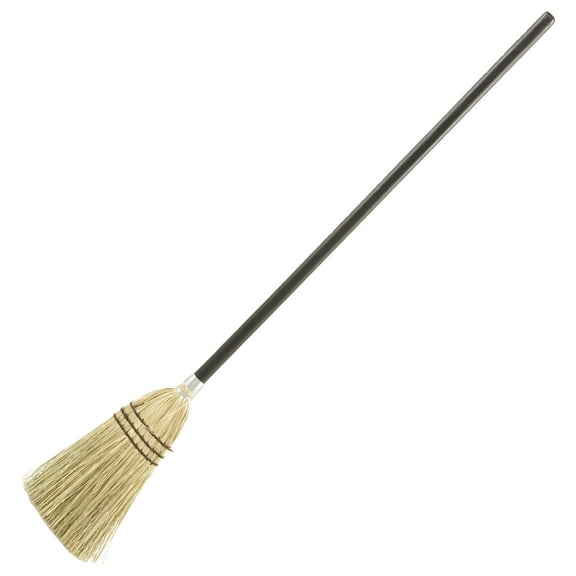
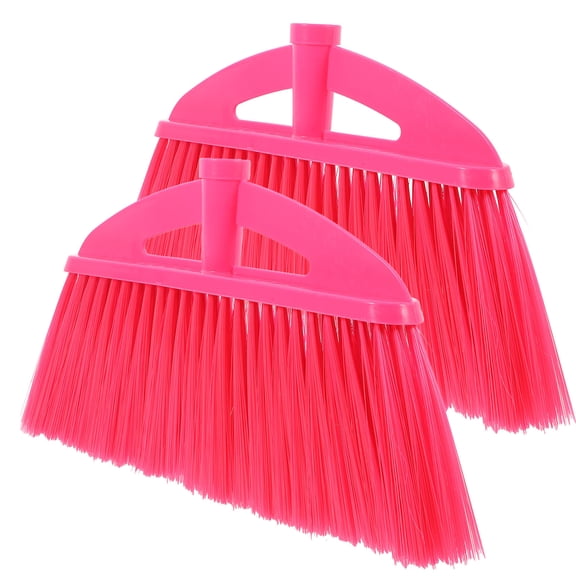

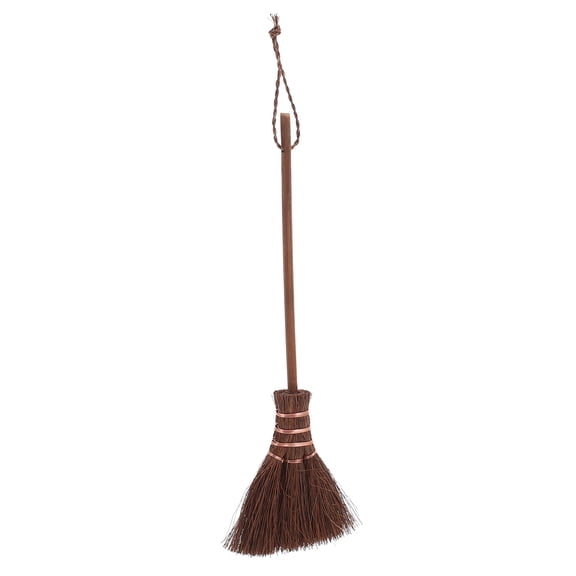
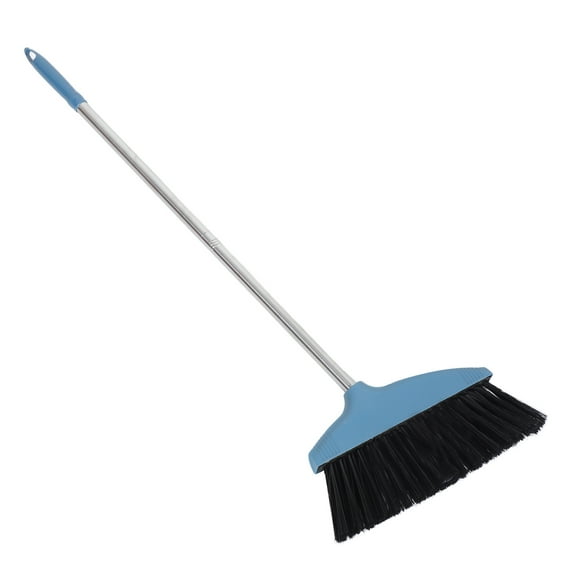
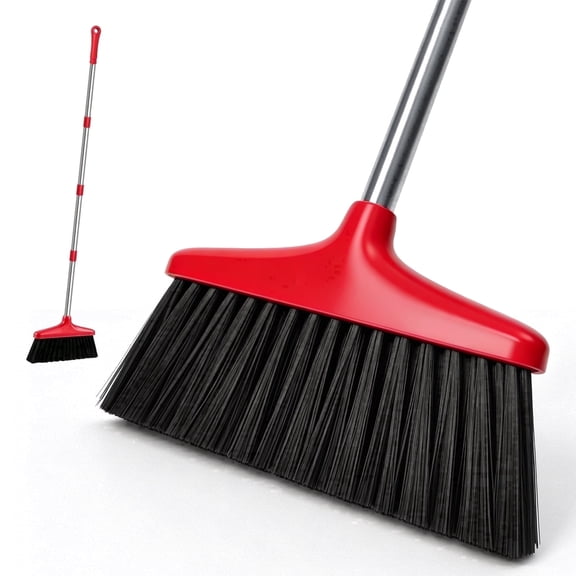
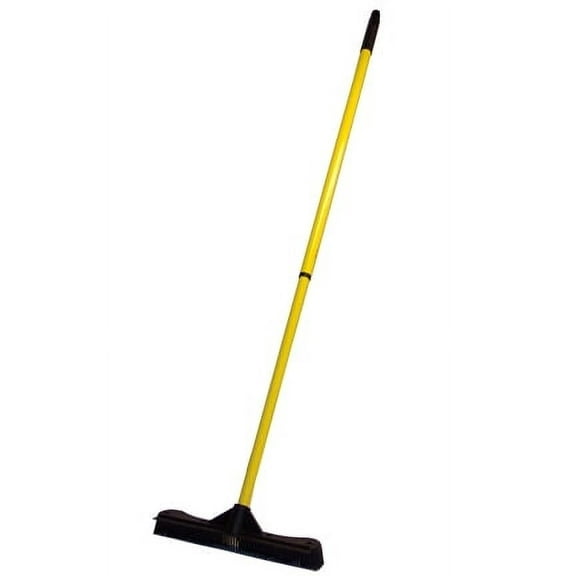


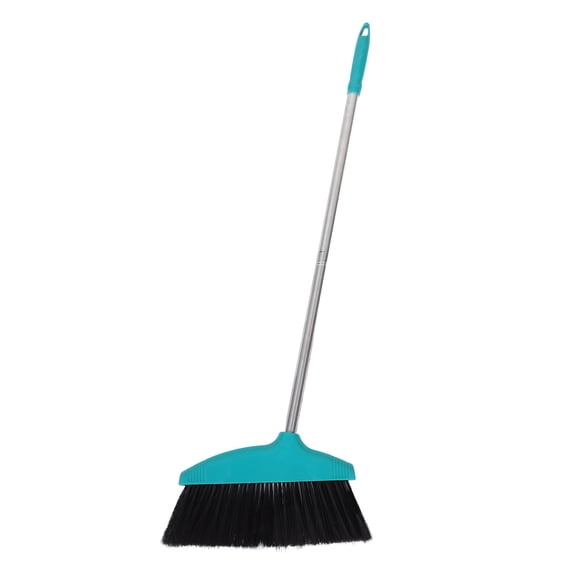










About Commercial Sweeping Supplies in Floor Care - Walmart.com
Commercial sweeping supplies help you keep busy floors clear, presentable, and ready for daily traffic. You can compare bristle type, surface compatibility, sweeper style, and handle construction to match your space.
If you manage a warehouse, storefront, school, or jobsite, you need tools built for repeated sweeping. You can use this guide to compare commercial brooms, industrial sweepers, and accessories with more confidence.
How to choose commercial sweeping supplies
You should start with the debris and floor type in your space. Your choice changes when you sweep fine dust on sealed floors or heavy gravel on outdoor pavement.
For indoor dust, you may prefer flagged bristles because your sweep can feel more controlled on smooth surfaces. For rough concrete, you may need stiff or medium-stiff fills that move grit and larger particles.
You can also compare wet or dry use before you choose a broom head or sweeper. Your workflow may call for tools that handle damp entryways, dry warehouse aisles, or mixed debris.
- You can choose stiff bristles for rough concrete, asphalt, and heavy debris.
- You can choose flagged bristles for finer dust on smoother indoor floors.
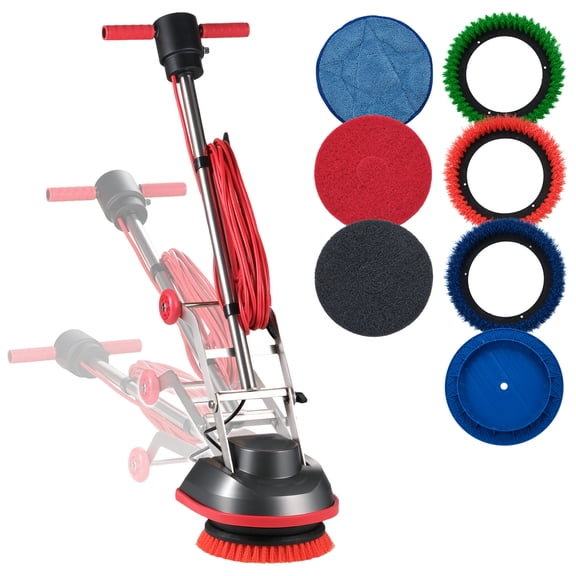
- You can compare manual push, walk-behind, mechanical, and tow-behind sweepers by coverage area.
- You can check wood, fiberglass, steel, and telescopic handles by comfort and durability.
Choosing commercial brooms by bristle type and handle design
You should match bristle type to the material sitting on your floor. Your sweeping gets easier when the fibers fit the debris size and the floor texture.
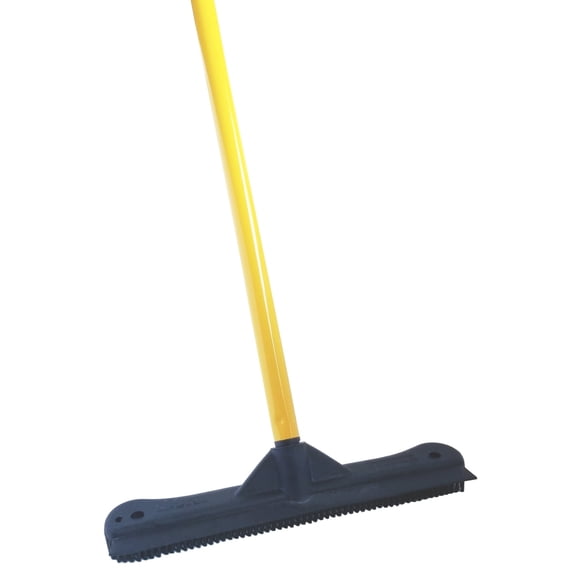
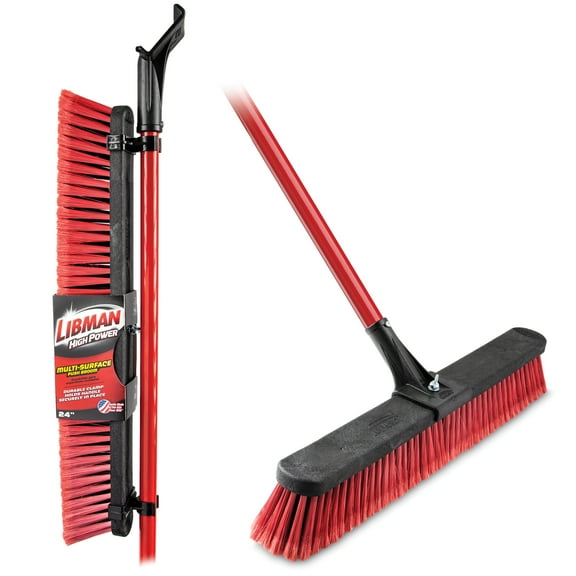
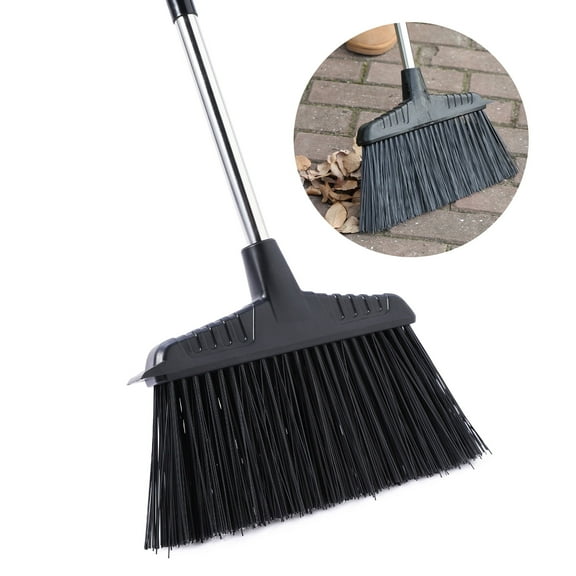
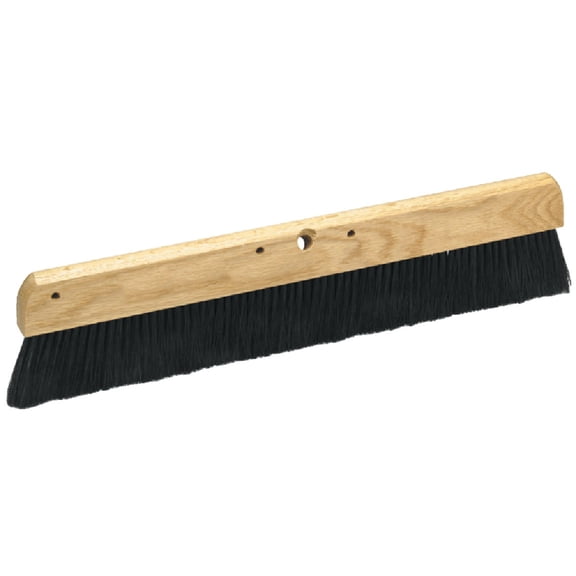
Heavy duty push brooms usually suit bigger particles, rougher ground, and longer sweeping paths. You may prefer wire options for stubborn outdoor debris, while medium-stiff fills support mixed daily cleanup.
When you compare commercial brooms, you should also check handle material and connection style. Your broom can feel steadier with brace support, and your threaded handle should match the block correctly.
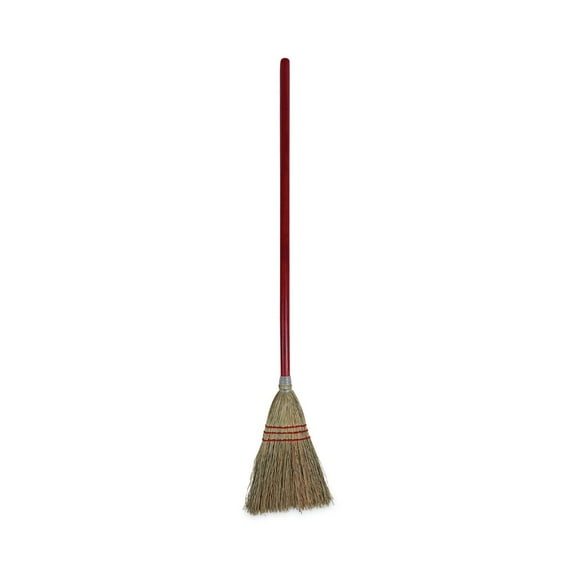
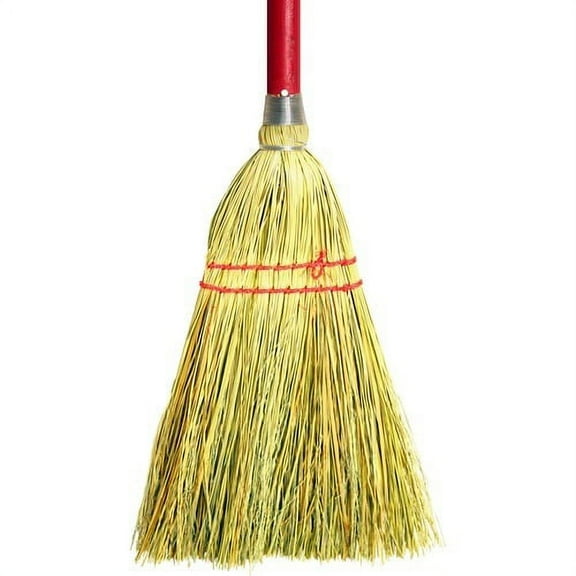
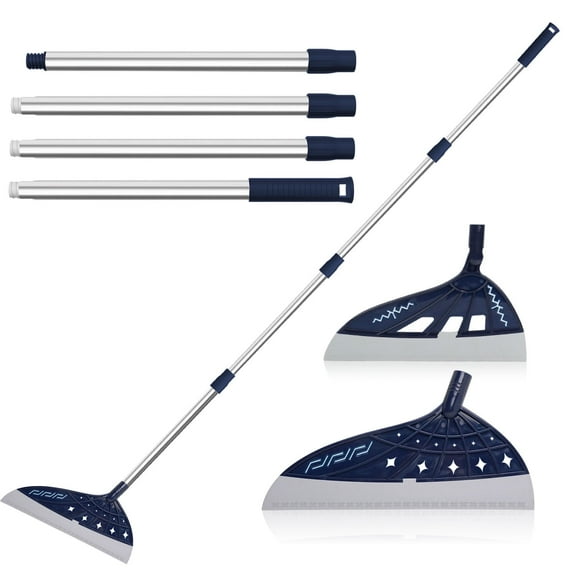
Wood handles can feel familiar in routine indoor use, while fiberglass can suit damp conditions and frequent cleaning rounds. Steel handles can support demanding environments, and telescopic styles help you adjust reach.
You should consider ergonomics if your team sweeps large areas every day. Your comfort can improve when handle length, grip position, and head width fit the space.
Comparing industrial sweepers for coverage and debris load
You can move from manual tools to industrial sweepers when your floor area grows or debris builds up faster. Your selection depends on coverage needs, turning space, and the type of material collected.
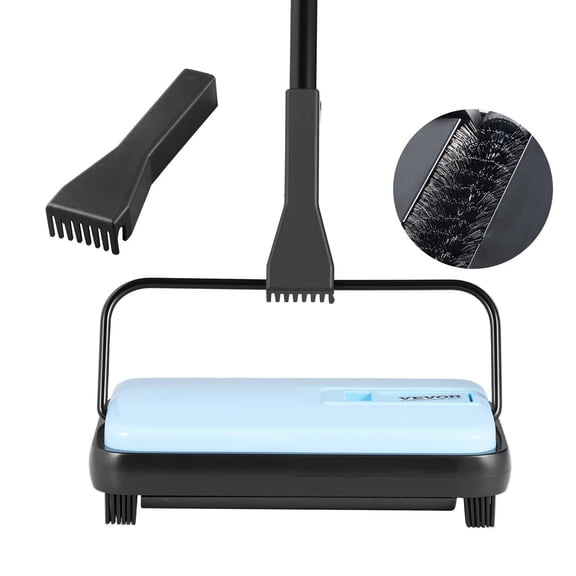
Manual push models can suit smaller commercial zones and routine touchups between deeper cleanings. Walk-behind and mechanical options can support wider paths when you need steadier pickup across open floors.
Tow-behind units can make sense when you cover large outdoor lots, loading zones, or long warehouse lanes. You should compare hopper capacity and brush width if your debris includes gravel, dust, or packaging scraps.
You may also want to compare side brushes, brush path, and maneuverability around racks or displays. Your route matters because narrow aisles need tighter handling than open concrete pads.
For fine dust, you should focus on collection control and consistent brush contact. For heavier debris, you should look for stronger sweeping action and room for larger material.
Matching warehouse sweeping supplies to your surface
Warehouse sweeping supplies should match the floor finish under your wheels, pallets, and foot traffic. Your cleaning routine on sealed concrete differs from your routine on rough asphalt or mixed indoor and outdoor areas.
On concrete, you may need medium-stiff or stiff bristles that reach into surface texture. On hardwood or smoother sealed floors, you may want flagged fibers that gather dust without scattering it.
For asphalt, you should expect rough contact and larger debris near entries, docks, and parking zones. Your tools may need tougher broom blocks, stronger handle materials, and wider heads for faster passes.
Multi-surface spaces call for practical tradeoffs, especially when your team moves from offices to stockrooms. You can simplify buying by comparing heads and sweepers that support mixed debris and varied floor textures.
You should also think about indoor versus outdoor application before choosing size and stiffness. Your indoor areas may need cleaner edges and tighter control, while outdoor spaces may need broader coverage.
Use cases for indoor, outdoor, and heavy debris sweeping
You can use commercial sweeping supplies in retail backrooms, school hallways, maintenance shops, and distribution centers. Your needs may change by shift, traffic level, and the kind of debris left behind.
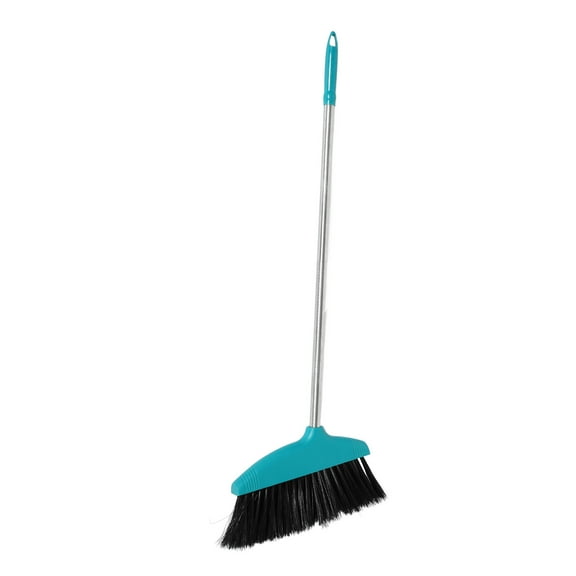
For indoor daily cleanup, you may choose commercial brooms with flagged bristles and lighter heads. Your team can guide them around shelving, corners, and narrow walkways with less effort.
For warehouse sweeping supplies, you may need wider broom heads or industrial sweepers for long concrete aisles. Your operation can benefit from tools that cover more ground and handle carton dust, straps, and grit.
For outdoor paths and loading areas, heavy duty push brooms can help you move leaves, gravel, and tracked-in dirt. You should look for stiff fills, reinforced braces, and durable handles for repeated passes.
If your site handles mixed debris, you can compare manual push tools with walk-behind or tow-behind options. Your final choice should reflect surface type, debris volume, and how often you sweep.
With the right commercial sweeping supplies, you can build a more efficient routine for concrete floors, outdoor pavement, and busy shared spaces. Your cleaner paths, faster passes, and steadier tool control can support smoother daily operations.