

Craft Supplies & DIY Crafting Materials | Walmart


























About Craft Supplies & DIY Crafting Materials | Walmart - Walmart.com
Craft foam helps you build colorful projects with clean cuts and smooth layers. You can compare thickness, format, and material fast when your project needs flexible pieces or firm structure.
If you're making classroom shapes, party decor, or costume details, craft foam gives you lightweight material that's easy to trim. You can also choose colors, packs, and sizes that fit simple crafts or detailed builds.
How to choose craft foam for your project
You should start with thickness because it changes how your foam bends, stacks, and holds shape. You can use 2mm sheets for easy cutting, while 10mm options add more dimension.
When you compare thin and thick craft foam, consider whether you need flexibility or structure. You'll usually want thinner pieces for layered letters and thicker pieces for props, signs, and raised shapes.
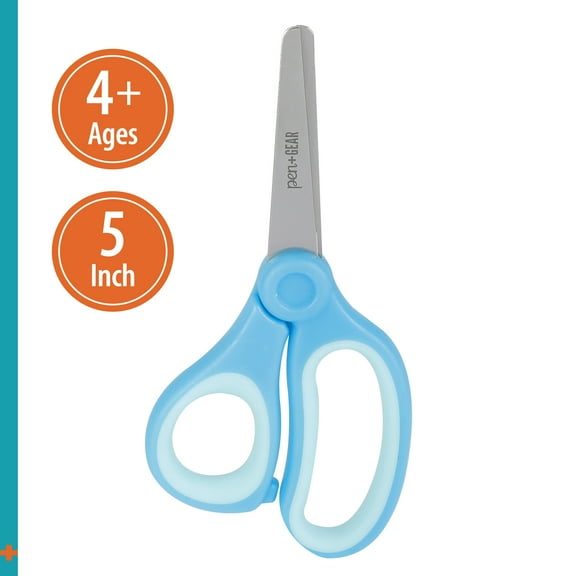
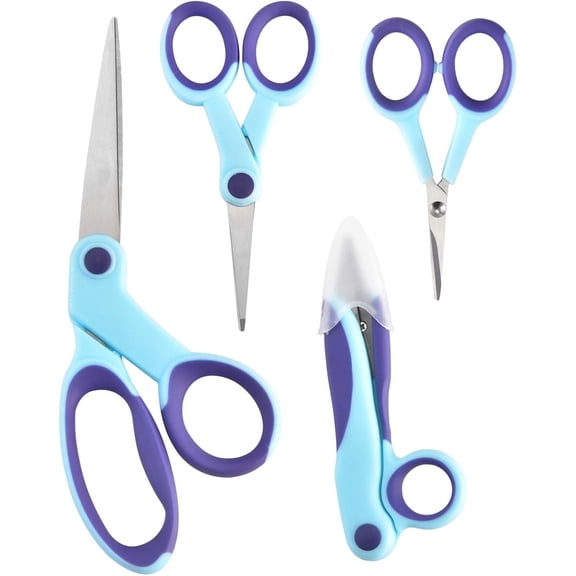
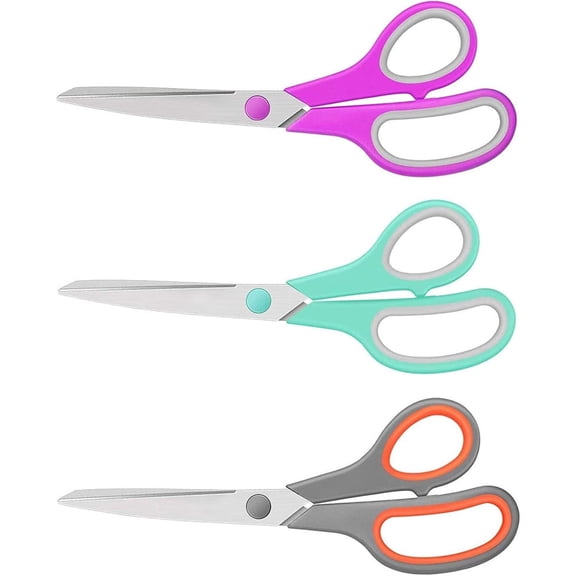
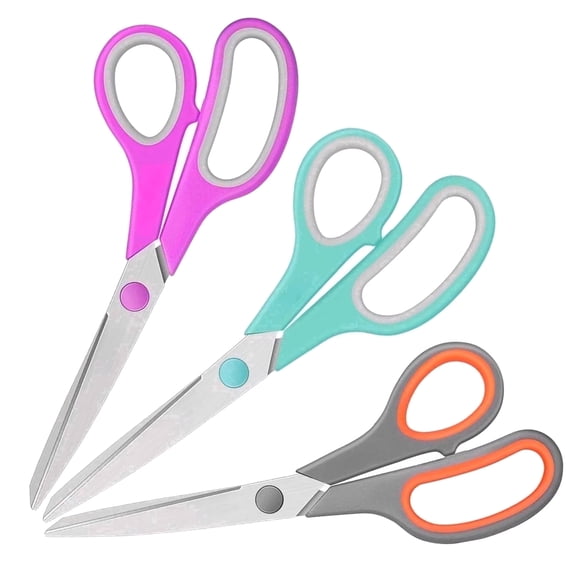
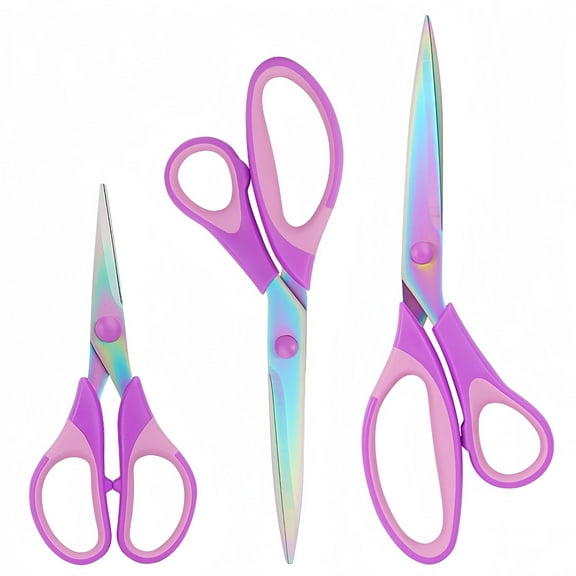
You can also check whether your project needs clean edges after cutting with scissors, dies, or craft knives. Your choice matters because thicker foam blocks feel sturdier, while thinner sheets handle curves more easily.
Choosing between craft foam sheets, rolls, blocks, and shapes
You can narrow your options by format before you compare color or material. Craft foam sheets work well when you need flat pieces for letters, masks, frames, and classroom activities.
If you need longer continuous coverage, you may prefer a craft foam roll for borders, backdrops, and large panels. You'll get fewer seams, which helps when your project needs smooth wrapping surfaces.
Blocks and pre-cut shapes help you skip extra trimming when your project needs thickness or repeated forms. You can use foam circles for crafts, seasonal cutouts, and dimensional accents on signs.
- You can choose sheets for flat craft pieces and layered designs.
- You can choose rolls when your project needs long coverage or wide trimming options.
- You can choose blocks when you want more depth for models or displays.
- You can choose shapes when you need fast setup for classroom or holiday projects.
Understanding EVA foam sheets and other material types
You should compare material type because it affects flexibility, texture, and finish. EVA foam sheets usually feel smooth and consistent, which helps when you need even cuts and painted surfaces.
If you're planning cosplay craft foam builds, you may look for EVA craft foam that bends and layers well. You'll often find it easier to shape for armor details, masks, and prop parts.
Polystyrene and polyurethane options can suit different modeling tasks, depending on texture and firmness. You should check product details when your project needs a certain surface feel or density.
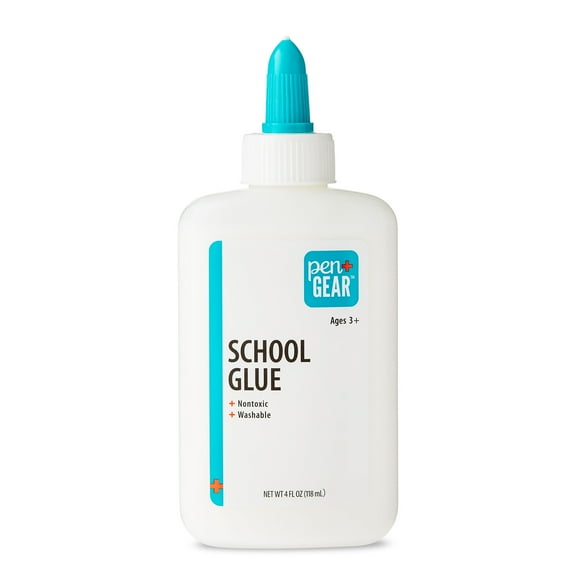
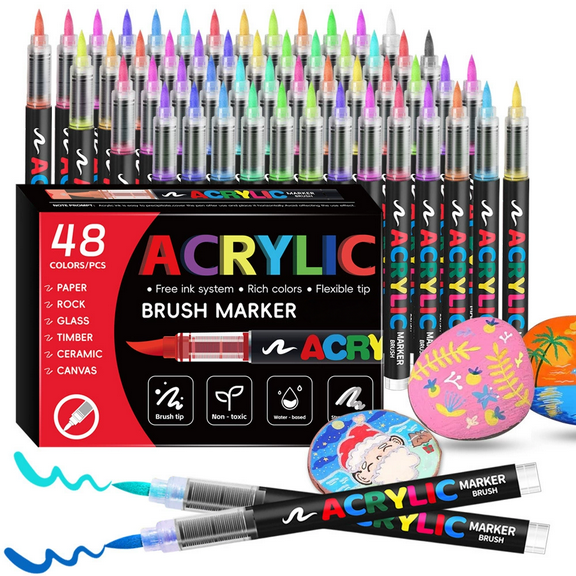
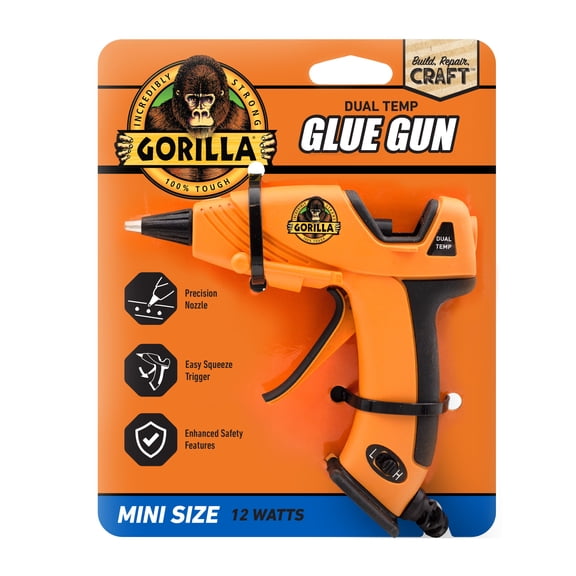
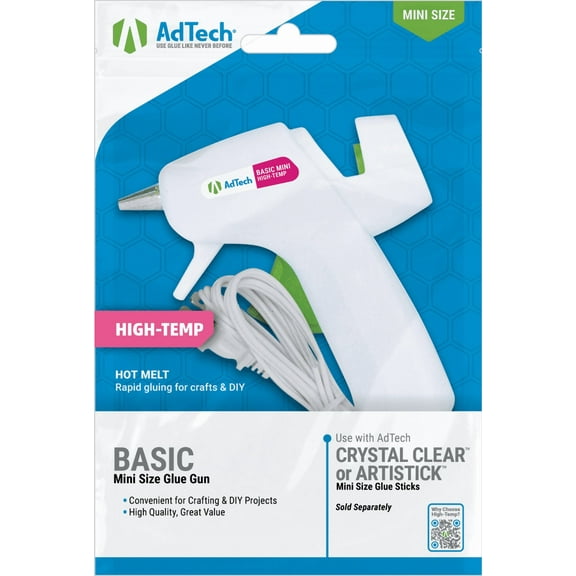
You may also want to confirm compatibility with hot glue and acrylic paint before you start. You'll get more predictable results when your foam accepts adhesive evenly and holds painted details cleanly.
Comparing thickness, color, and finish
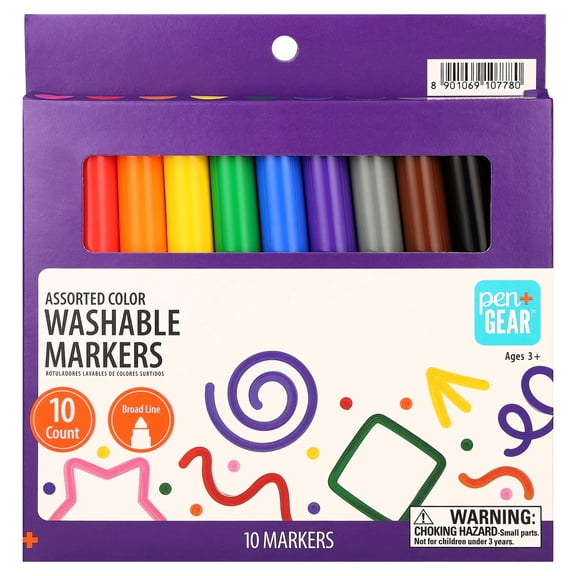
You can use color as a time-saving choice when you want fewer painting steps. Colored craft foam works well for kids' crafts, posters, party pieces, and holiday decorations.
White and black options give you a simple base for custom painting, lettering, and contrast-heavy designs. You can also choose multi-color packs when your project needs variety in one set.
Surface finish matters when you want crisp paint lines, glitter accents, or layered embellishments. You should look for smooth faces and consistent thickness when your pieces need to align neatly.
Using craft foam for cosplay, school projects, and modeling
You can match your foam choice to the project type for easier assembly and cleaner results. School projects often need easy-to-cut sheets, bright colors, and simple pre-cut shapes for fast classroom use.
For DIY modeling, you may want blocks or thicker sheets that hold depth in letters, scenery, or display parts. You'll appreciate extra thickness when your model needs raised sections or carved detail.
Cosplay builds usually call for EVA foam sheets in several thicknesses, so you can layer flexible and structured parts. You can use thinner foam for trim and thicker pieces for armor panels.
If you're crafting with kids, you may check whether the product listing includes non-toxic certification details. You'll want clear labeling when your project is for school crafts or group activities.
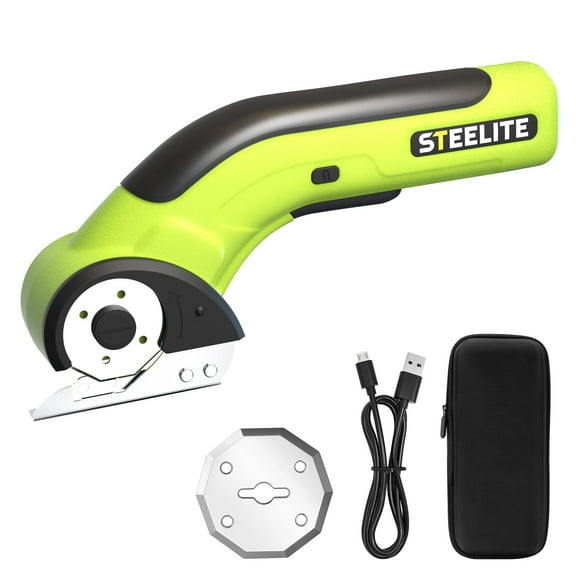
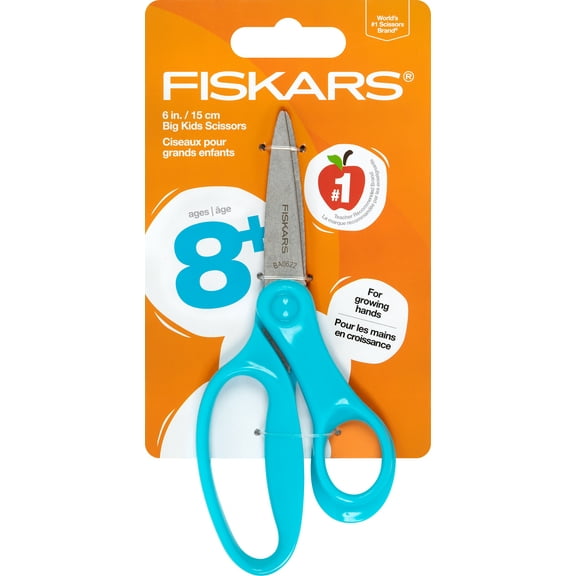
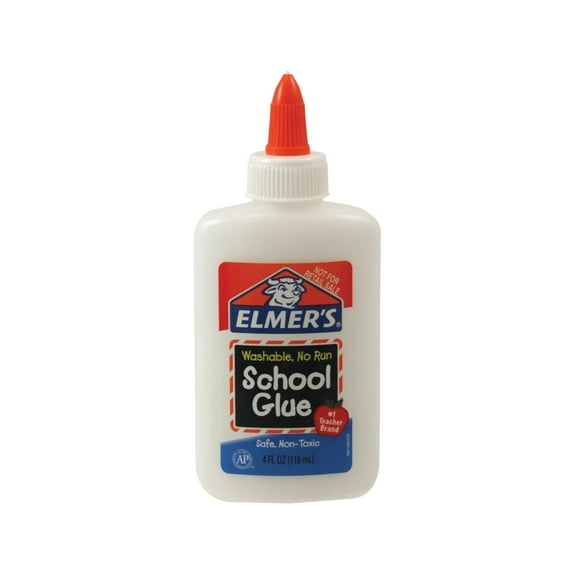
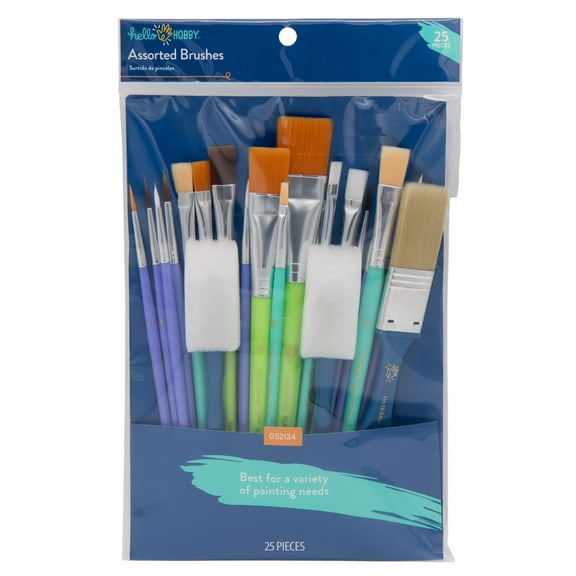
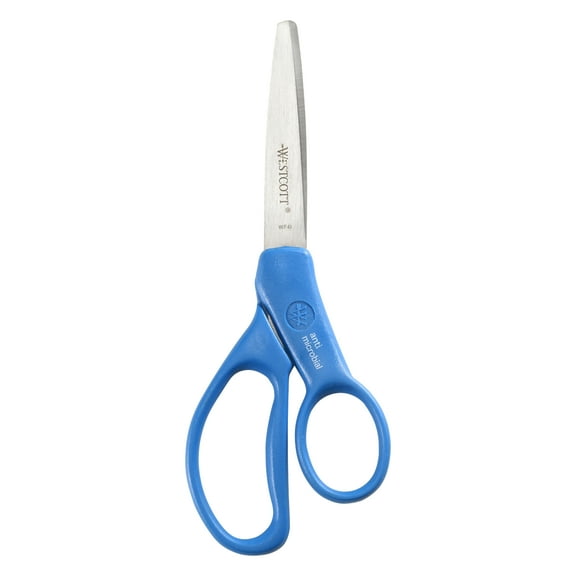
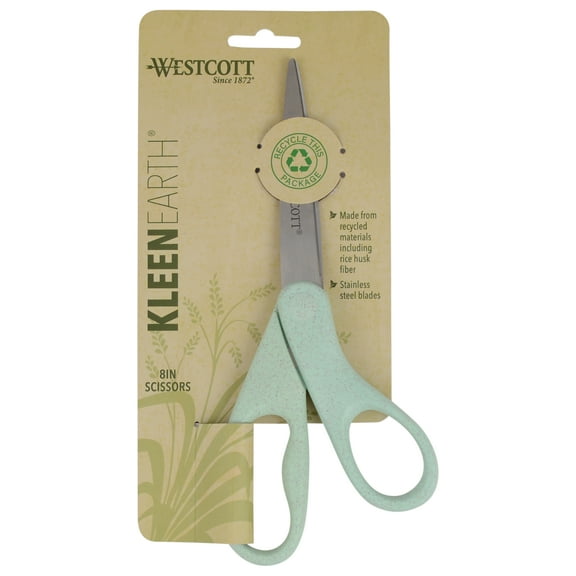
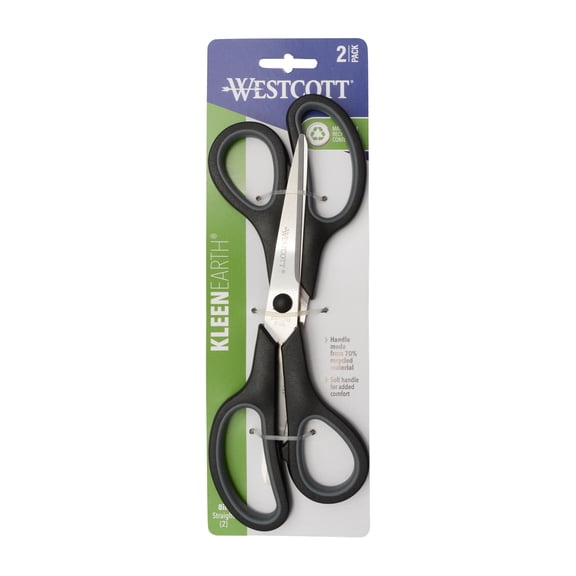
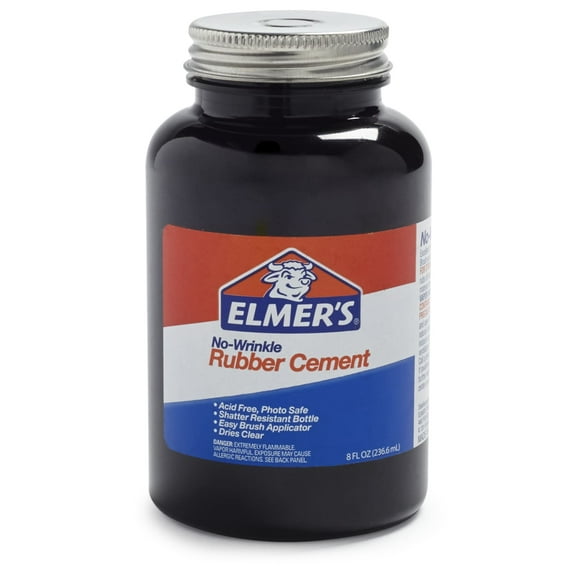
You can also pair your foam with cutting tools, adhesives, and paint supplies for smoother project planning. Your setup works more efficiently when your materials match the size and shape of each design.
What to look for before you choose craft foam
You should compare thickness, format, and material together instead of choosing by color first. You'll make a cleaner match when your foam supports the way you cut, glue, paint, and layer.
With the right craft foam, you can move from simple classroom shapes to detailed costume pieces with less trial and error. Your finished project looks more polished when the foam fits the job from the start.