

Stencils & Templates in Scrapbooking


























About Stencils & Templates in Scrapbooking - Walmart.com
Stencils templates help you add clean shapes, letters, and patterns to craft projects with less guesswork. You can compare materials, formats, and uses to match painting, journaling, drawing, and home decor plans.
If you want crisp edges on wood, fabric, paper, or walls, you need the right stencil style. You can also narrow choices by reusability, thickness, and whether you prefer adhesive placement.
How to choose stencils templates for your project
You should start with the surface and medium you plan to use. Your paint, ink, pencil, or wood burning tool affects which stencil material feels easiest to control.
For repeated designs, you may prefer reusable stencils that hold their shape through multiple projects. For one-time decorations, you might choose paper formats that feel simple for quick tracing.
- You can use craft stencils to repeat borders, icons, and layered motifs across cards, signs, and scrapbook pages.
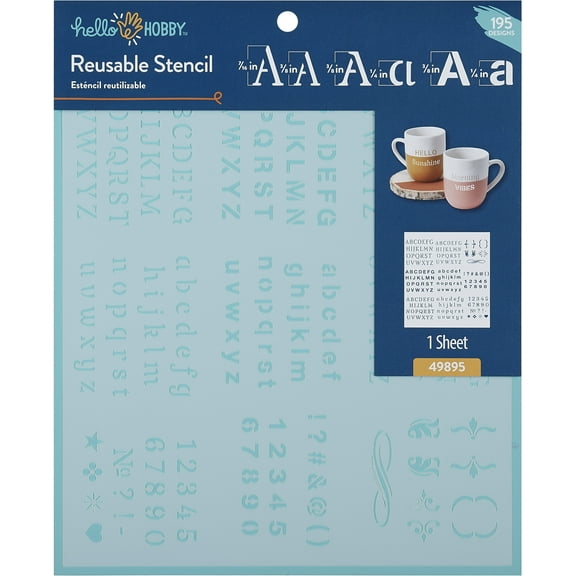
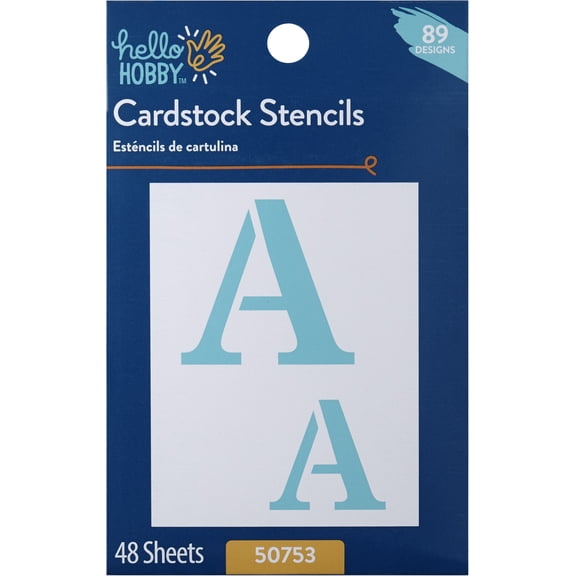
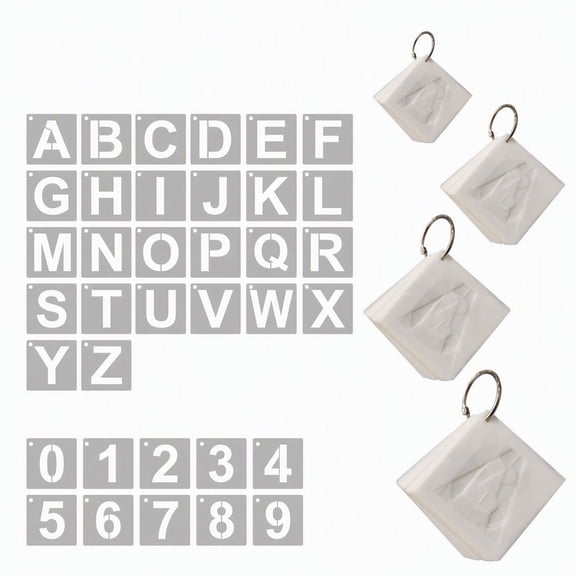
- You can pick letter stencils when your labels, posters, and classroom signs need even spacing and readable characters.
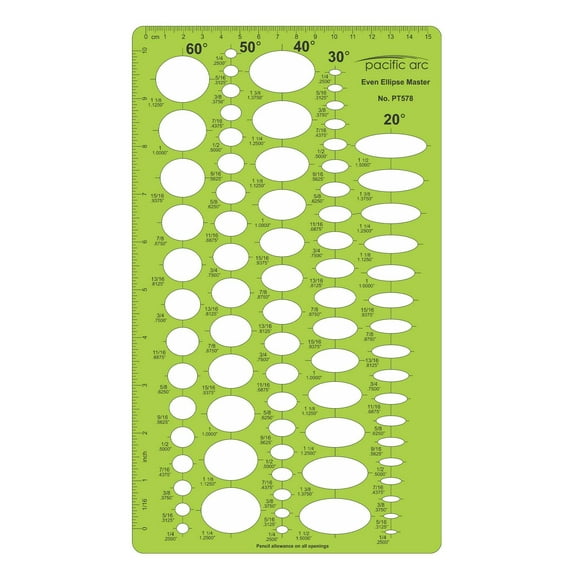
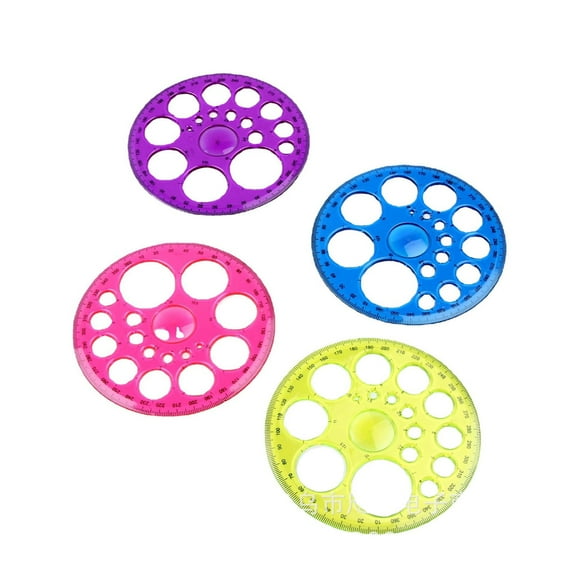
- You can choose drawing templates when your sketching or planning needs circles, symbols, guides, or geometric shapes.
- You can rely on painting stencils when your walls, furniture, canvases, or tote bags need consistent patterns.
You may also want adhesive options when your surface is curved or slick. Your design often stays aligned easily when the stencil stays in place.
Choosing the right material and thickness
You can compare plastic, mylar, paper, and metal to find the feel you want. Your choice changes flexibility, edge definition, and how often you can reuse the same design.
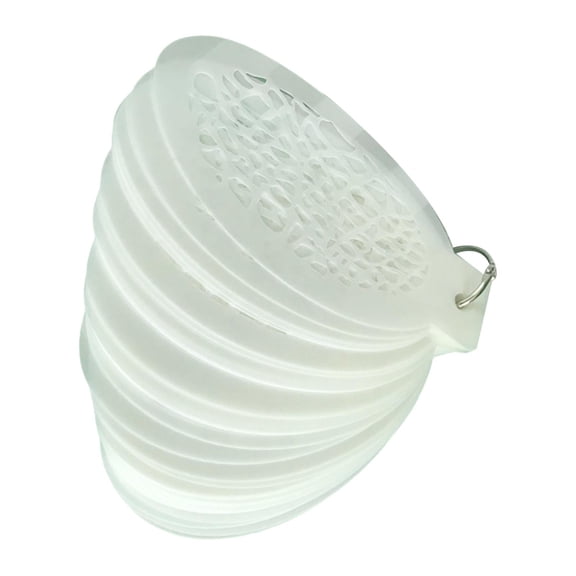
Plastic stencils usually give you a flexible sheet that bends around jars, furniture edges, or rounded surfaces. You can also wipe them clean after acrylic paint or ink projects.
Mylar sheets often matter when you want a balance of flexibility and shape retention. You can look for mylar thickness details because a thicker sheet usually feels steadier during repeated use.
Paper templates can work well when you want simple tracing on flat pages. You may find them useful for single-use craft sessions, school projects, or quick layout planning.
Metal templates can suit projects where you want a firmer guide for repeated outlines. You can use them for drawing tasks where a rigid edge helps you trace neatly.
Comparing type, layout, and design detail
You should match the stencil type to the look you want to create. Your options may include letter, number, pattern, and drawing formats for very different project goals.
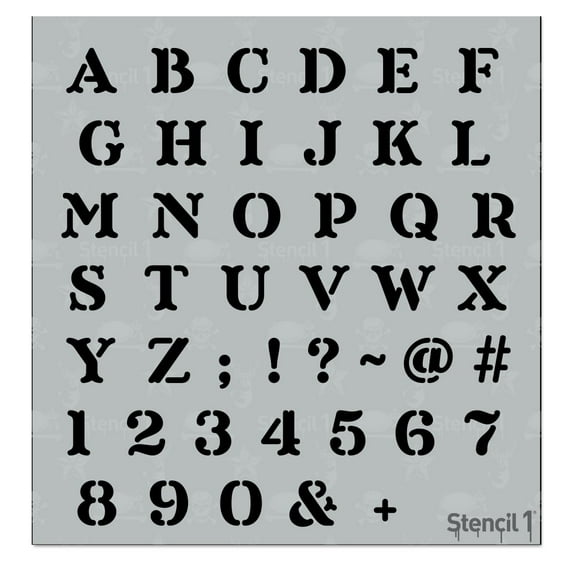
Letter stencils help you keep titles, mailbox numbers, and storage labels uniform. You can choose different font styles and sizes when your project needs a bold or simple look.
Number sets help you mark bins, calendars, sports signs, and classroom materials clearly. You may prefer larger cutouts when your project needs visibility from farther away.
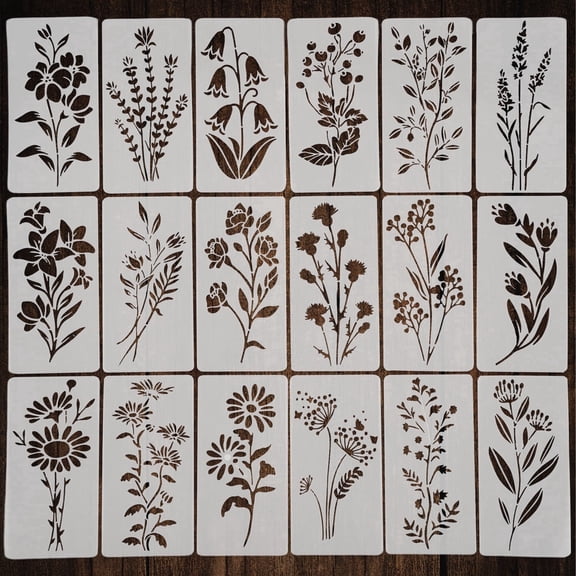
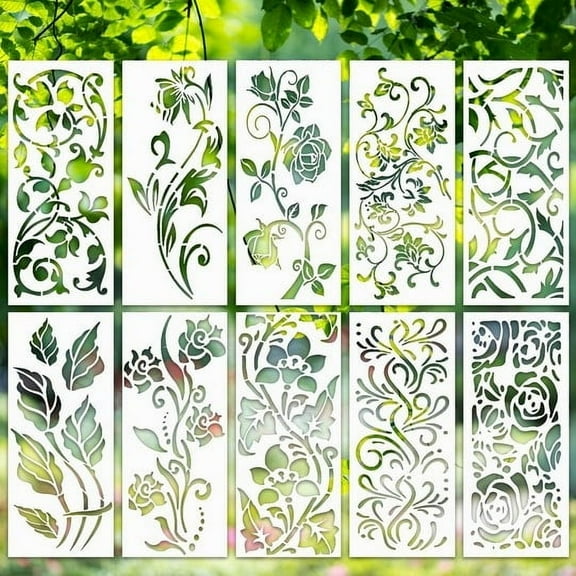
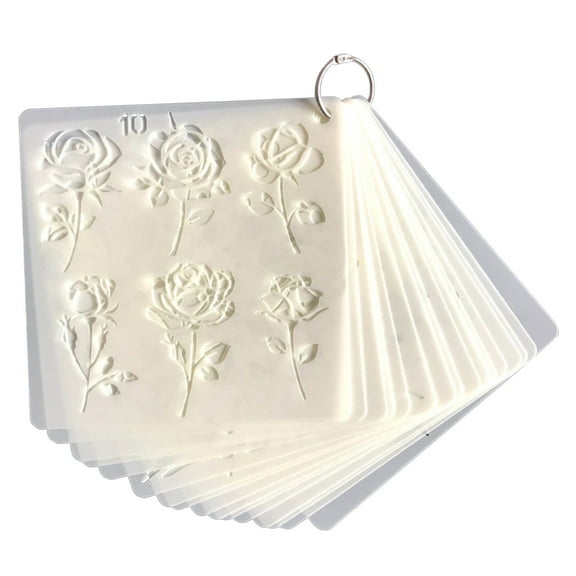
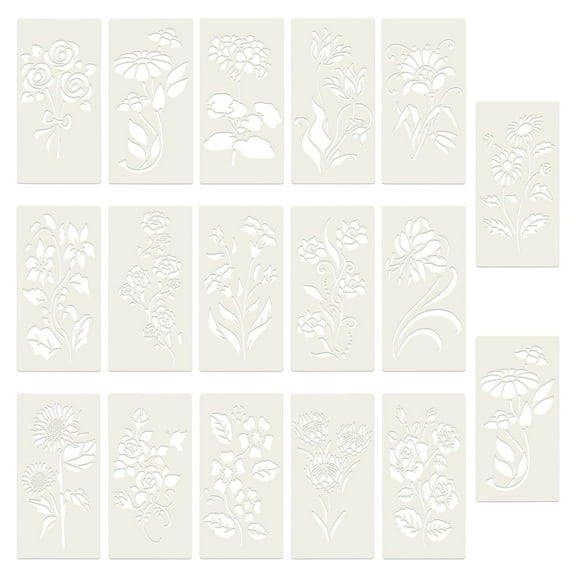
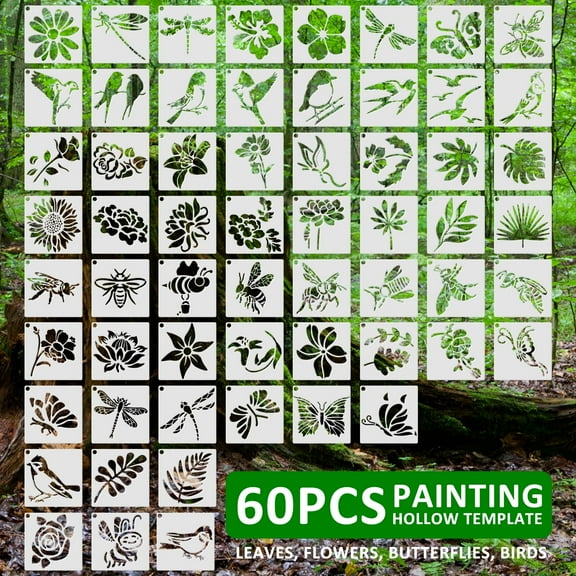
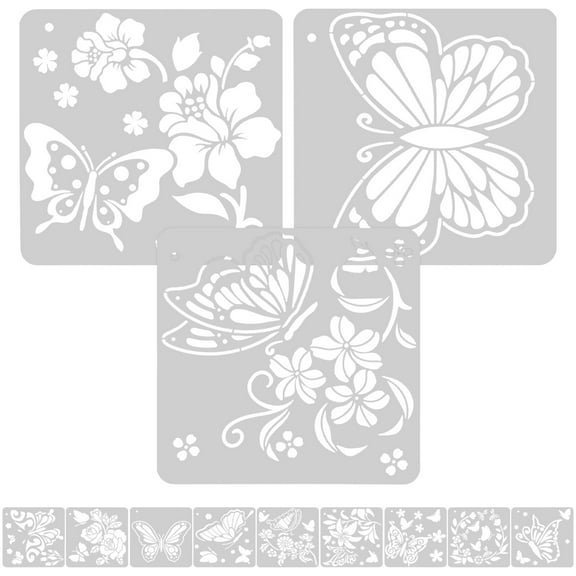
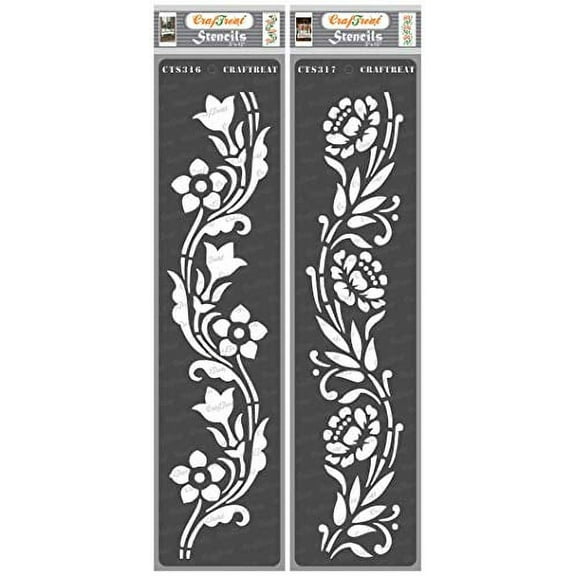
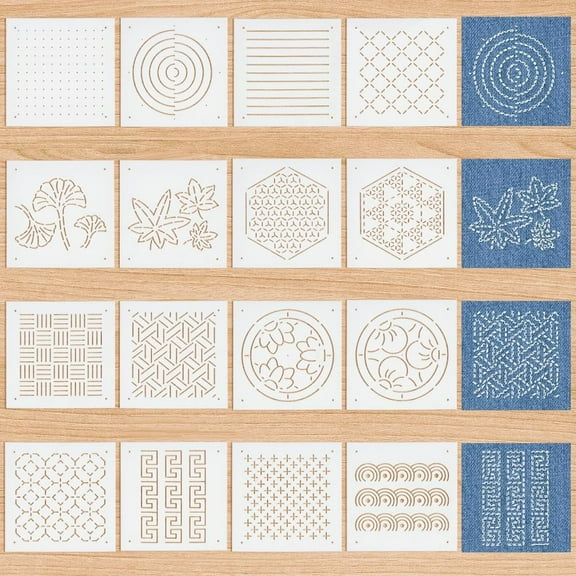
Pattern sheets help you build repeating borders, florals, mandalas, or seasonal shapes across larger spaces. You can combine several craft stencils to create layered backgrounds and focal points.
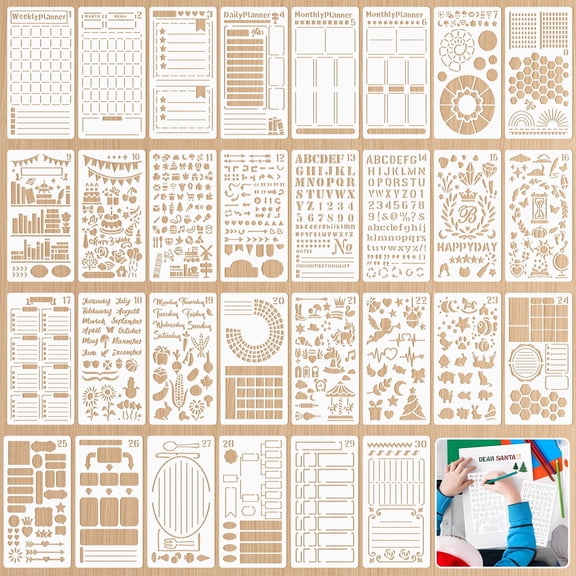
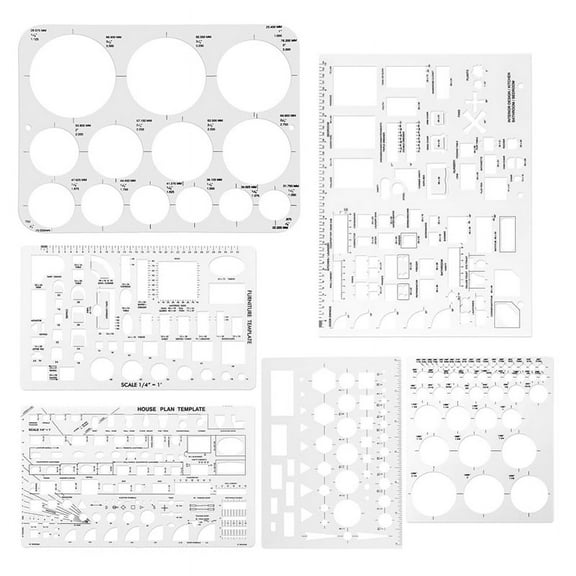
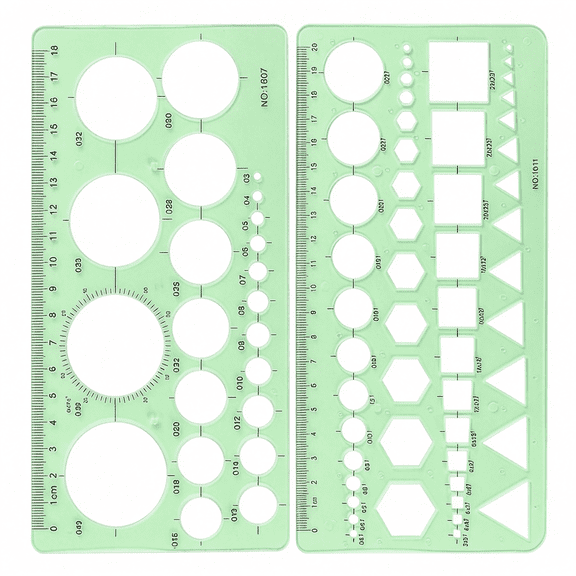
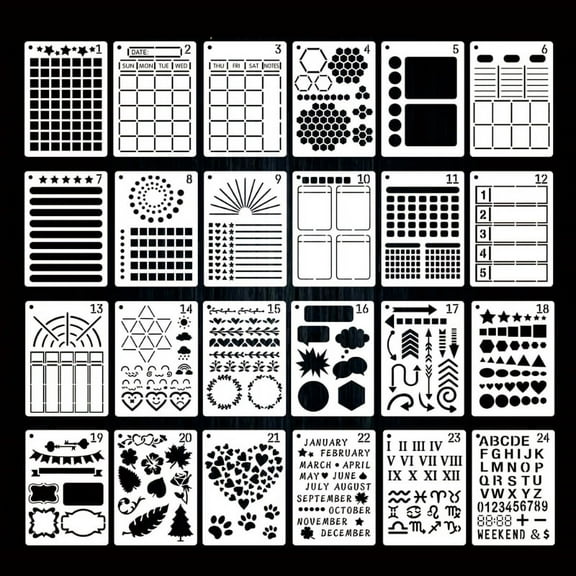
Drawing templates support planners, bullet journal stencils, and sketch work with measured shapes. You can trace circles, banners, icons, and frames with less manual measuring when your page needs clean spacing.
What to look for in reusability and cleanup
You should consider how often you plan to repeat the same design. Your choice between reusable stencils, single-use sheets, and adhesive formats affects setup and cleanup time.
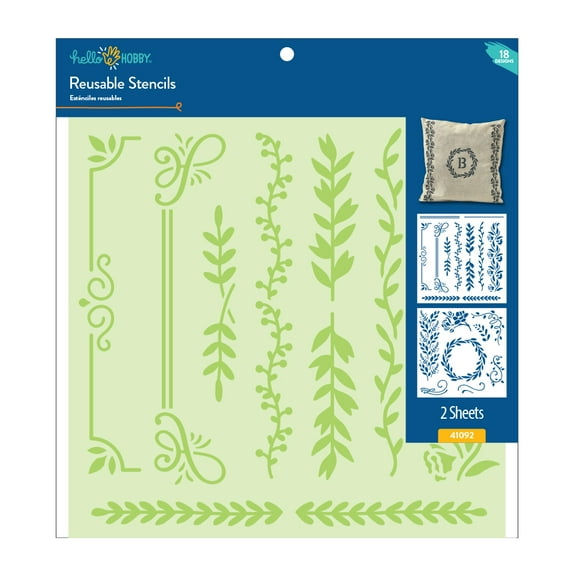
Reusable stencils make sense when you decorate multiple signs, shirts, or walls with one pattern. You can rinse off acrylic paint with mild soap and water after the project dries.
If you use ink for journaling or paper crafts, you can usually clean the surface with a gentle wipe. You should check small cut details because dried ink can collect in narrow openings.
Adhesive styles help you position designs on fabric, glass, or curved decor pieces. You can reduce slipping during application when your design includes fine lines or small lettering.
Single-use options can feel practical for messy finishes or heavy texture pastes. You do not need to preserve the sheet when your project only needs one transfer.
Matching painting stencils to real projects
You can use painting stencils for furniture flips, accent walls, and handmade signs. Your results often look even when the stencil size matches the scale of the surface.
For wood projects, you may want a material that lies flat over boards and plaques. You can pair pattern or letter formats with acrylic paint for visible, defined shapes.
For fabric painting, you should check whether the stencil stays stable on soft material. You may prefer adhesive backing or flexible plastic when your tote bag or pillow cover shifts.
For journaling and paper crafts, bullet journal stencils and drawing templates help you build neat layouts. You can add headers, boxes, habit trackers, and icons without measuring each line.
If you decorate walls or large canvases, you should compare sheet size and repeat pattern spacing. You can cover large areas efficiently when your stencil supports consistent alignment from section to section.
You can also use stencil templates with sketchbooks, paintbrushes, and acrylic paint supplies for a coordinated craft setup. Your project planning feels straightforward when your tools match the surface and design style.
With the right stencils templates, you can create clean lettering, steady patterns, and repeatable designs across many crafts. You gain control over placement, detail, and finish, which helps every project look polished.