

Clothing Steamers in Irons, Steamers & Accessories






















About Clothing Steamers in Irons, Steamers & Accessories - Walmart.com
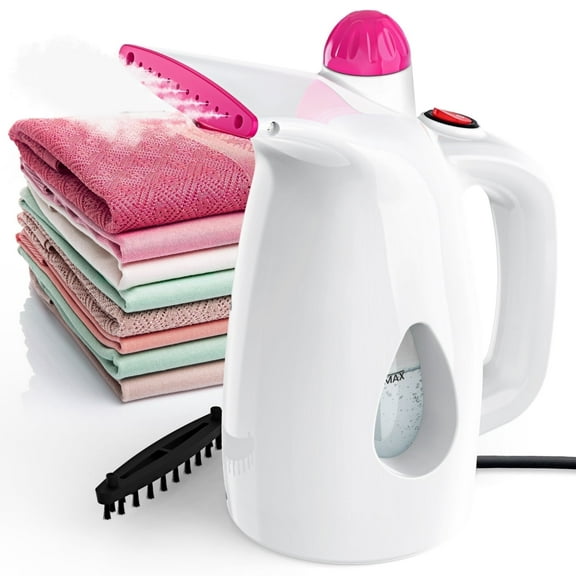
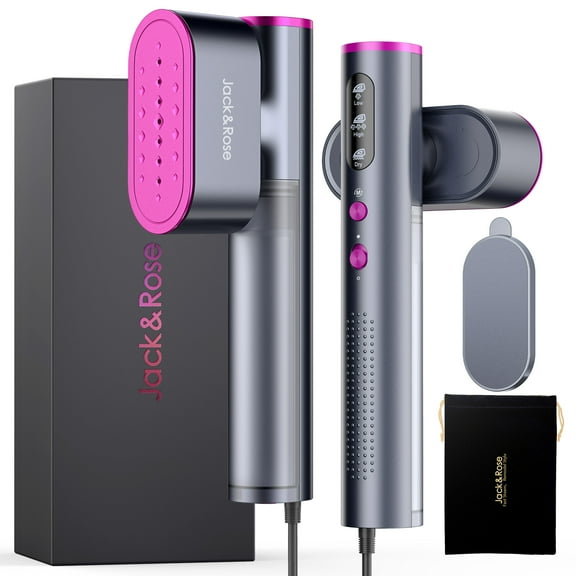
Clothing steamers help you smooth shirts, dresses, and jackets with less setup than a full ironing station. You can compare handheld, travel, and standing options by tank size, heat-up speed, and fabric compatibility.
How to choose clothing steamers by form factor
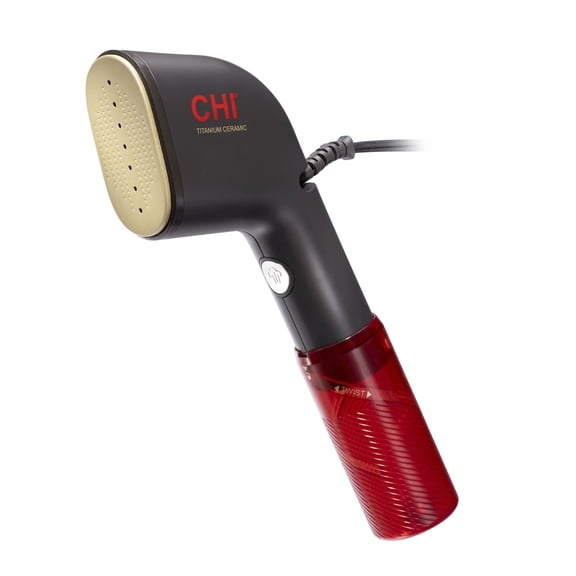
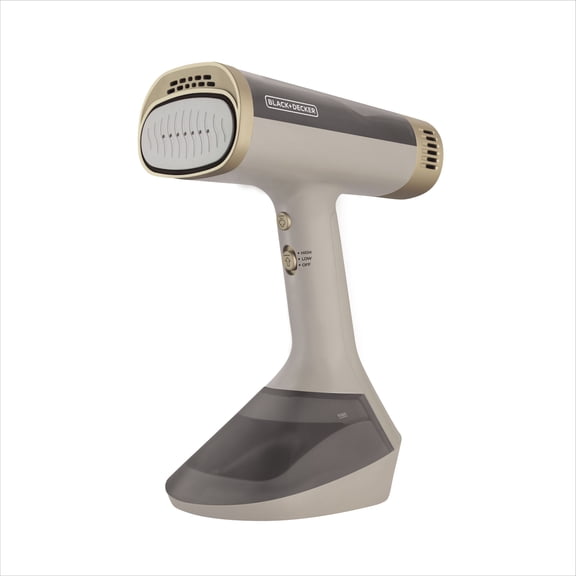
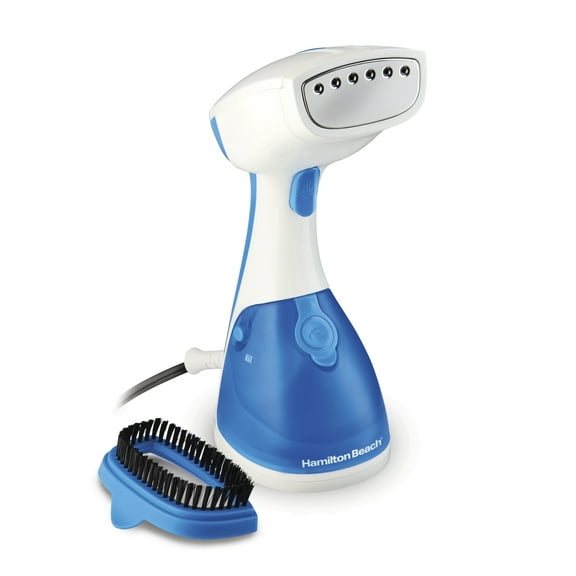
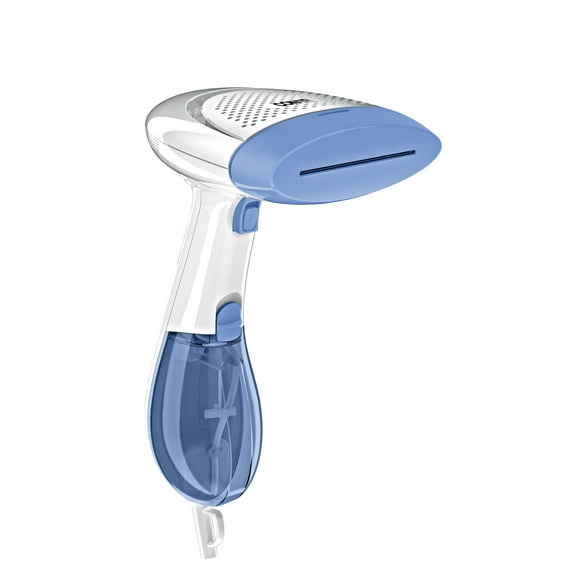
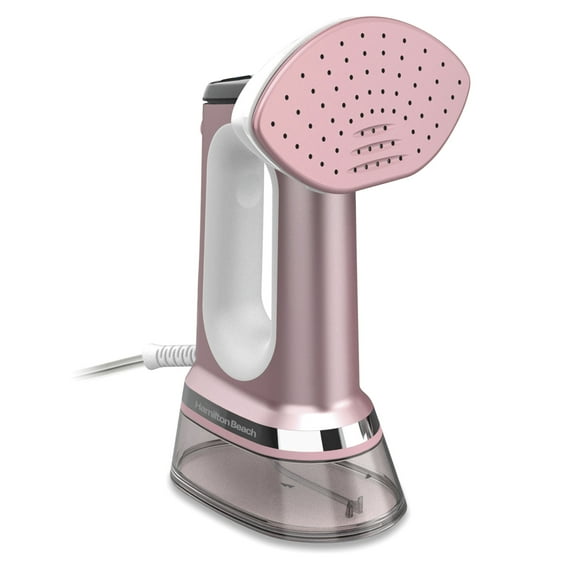
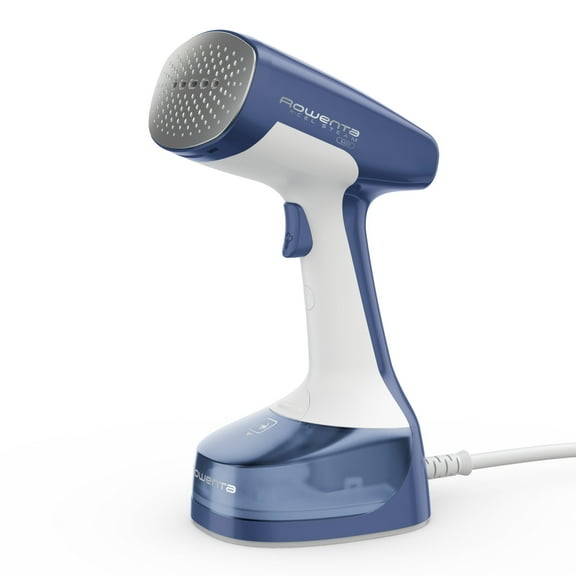
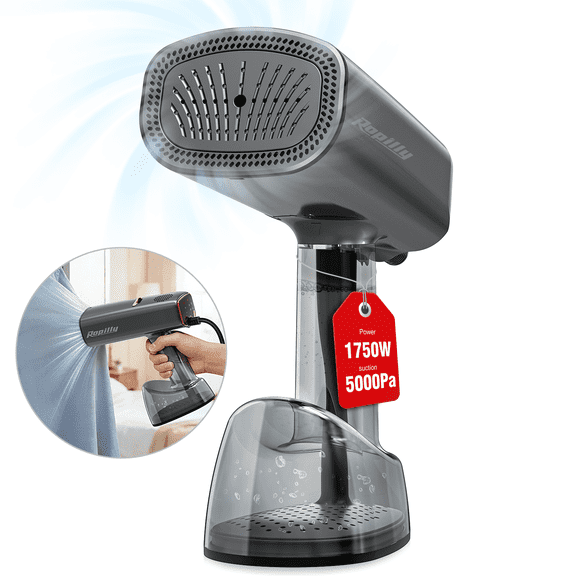
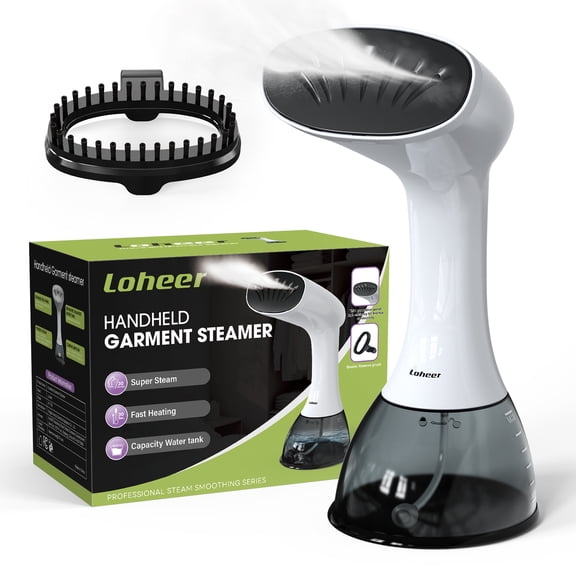
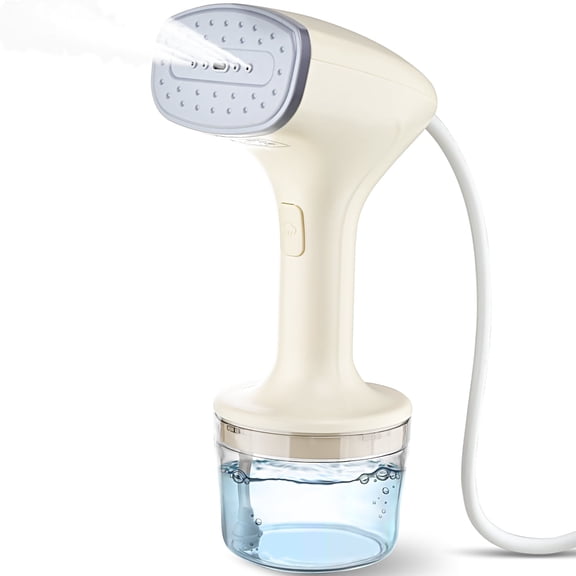
You should start with form factor because it shapes how often you can use your steamer and where you can store it. You can keep a handheld garment steamer in a closet, while an upright unit suits frequent touch-ups.
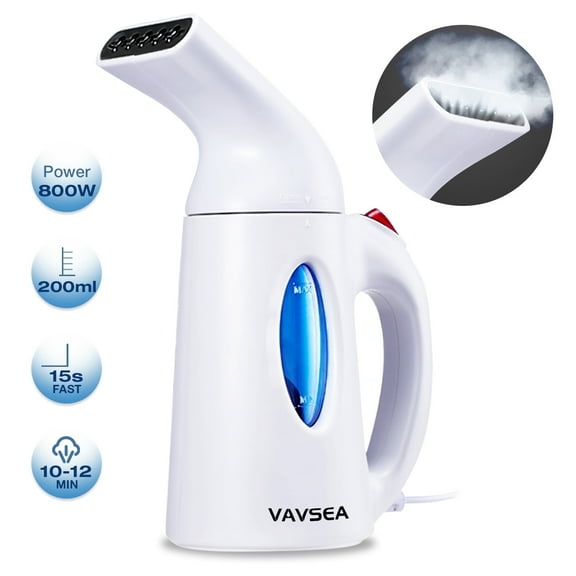
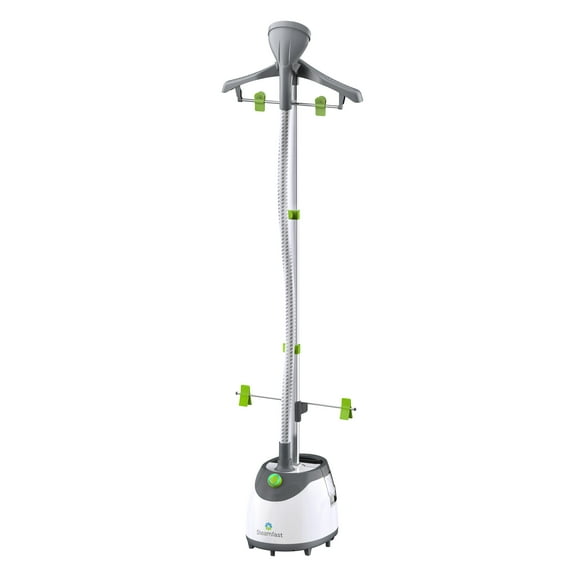
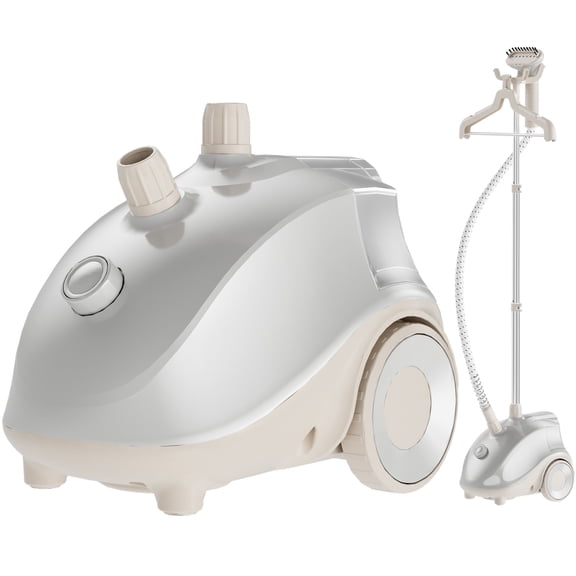
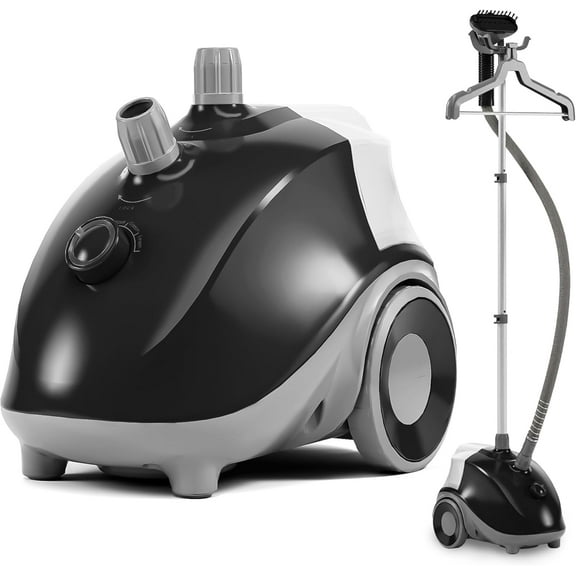
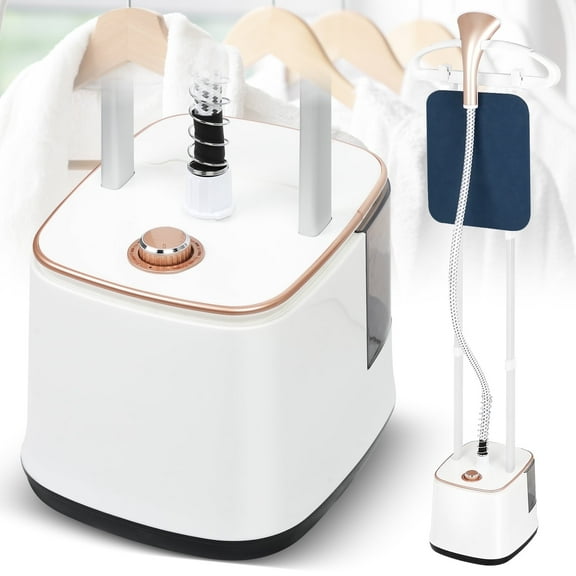
If you need quick passes before work, you may prefer a compact steamer for clothes that feels light in your hand. If you handle long garments often, you may prefer a standing clothes steamer with a hose and pole.
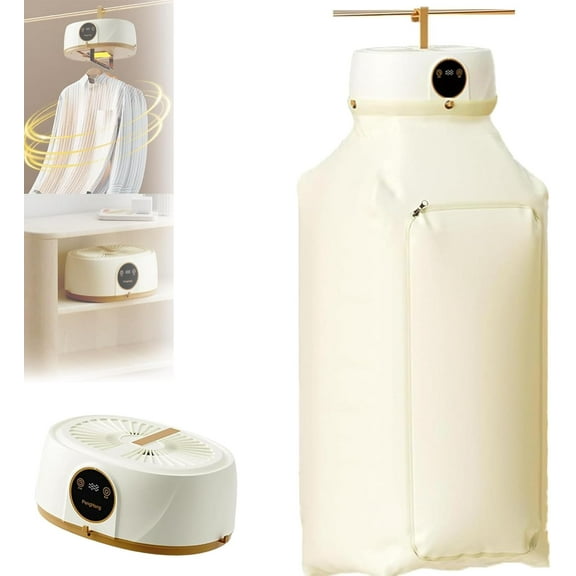
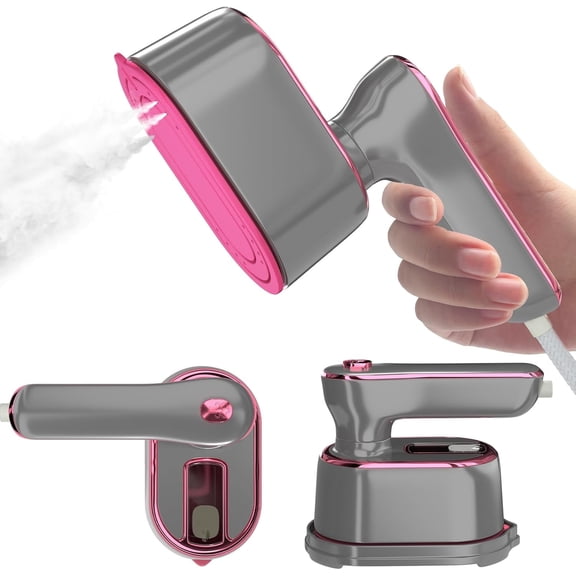
Travel-focused models work well when you pack lightly and want a portable fabric steamer for hotel rooms or event prep. Upright models work well when you steam several items in one session and want fewer refills.
What you gain from the right steamer for clothes
You can keep daily touch-ups simple when your steamer matches your routine and storage space. You can also skip the full ironing board setup when you need shirts, dresses, or jackets ready quickly.
When you choose the right size and runtime, you can handle anything from one blouse to several work outfits. You can also refresh hanging garments that feel awkward on a flat board.
- You can smooth collars, cuffs, hems, and pleats with less setup.
- You can prep travel outfits in compact spaces like hotel rooms.
- You can refresh drapes, upholstery edges, and long garments while they hang.
- You can choose shorter or longer runtime based on how many pieces you steam.
- You can match gentler or stronger steam to silk, cotton, wool, or denim.
These choices matter because a small travel clothes steamer fits different needs than a large upright unit. You can narrow options quickly when you connect each design to your actual laundry routine.
What to look for in clothing steamers
You should compare a few core details before you choose. You may want to check tank capacity, runtime, heat-up speed, cord length, and steam output.
Tank size tells you how long you can steam before a refill. Heat-up time tells you how quickly you can start on a wrinkled shirt before work.
When you compare wattage, you’re checking how much power supports heat and steam production during use. When you compare steam flow rate, you’re checking how steadily steam reaches the fabric surface.
You can use smaller tanks for quick touch-ups on one shirt or blouse. You can use larger reservoirs when you handle dresses, uniforms, curtains, or several garments in one session.
Storage space matters too, because a handheld garment steamer fits shelves and drawers differently than a standing clothes steamer. You can get a clearer match when you weigh size, runtime, and reach together.
Choosing water tank capacity and runtime
You should think about runtime in minutes, not just the tank label. A travel size tank under 100 milliliters usually fits quick touch-ups, while larger tanks support longer sessions.
If you only refresh a collar, hem, or single top, you may not need much water at all. If you steam pants, dresses, and jackets together, you may appreciate fewer refill breaks.
For home use, you may find 100 to 300 milliliters gives you a practical balance of size and convenience. For frequent steaming, you may prefer over one liter for steadier sessions.
Comparing heat-up speed and portability
You should consider how quickly you need steam each morning or before an event. A travel clothes steamer usually emphasizes compact storage, while larger units may focus on longer runtime.
If you move between rooms or pack for trips, you should look for a lighter body and easy-to-carry shape. If you keep your steamer in one spot, you may prioritize reach and session length.
Quick heat-up can matter when you’re getting ready in a hurry and want fewer steps than setting up an ironing board. You may notice that compact models often fit smaller spaces and luggage easily.
Checking fabric compatibility and steam settings
You should match your steamer to the fabrics you wear and maintain most often. You may need gentle steam for silk and delicates, or stronger output for cotton, wool, and heavier pieces.
You can use that guidance to sort options for blouses, denim, suits, uniforms, or upholstery. You should also check whether your preferred model offers settings that feel easier to control across fabric types.
Fabric choice matters because light materials react differently than thick weaves and textured surfaces. You can compare a portable fabric steamer with adjustable settings when your closet includes both delicate tops and heavier layers.
Matching clothing steamers to your routine
You can narrow your choice quickly when you connect features to real use cases. A handheld garment steamer suits quick weekday touch-ups, while a standing unit suits larger loads.
For travel, you may want a compact body, a travel size tank, and quick heat-up for hotel-room refreshes. For home use, you may want more runtime for dresses, shirts, and pants in one session.
If you handle heavier fabrics, you should compare wattage and steam consistency for coats, wool pieces, and structured garments. If you prep displays, uniforms, or repeated outfit changes, you may want an upright model with a larger reservoir.
You may also use a wrinkle remover steamer for curtains, upholstery edges, and other fabric surfaces that don’t sit neatly on a board. You can get more flexibility when your space or schedule makes flat pressing less convenient.
What to expect from the right clothing steamers
You should expect a smooth routine when your steamer matches your closet, storage space, and schedule. You can feel more confident choosing clothing steamers when you compare form factor, runtime, portability, and fabric needs clearly.