


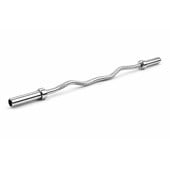
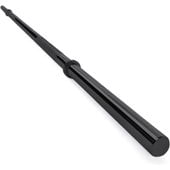
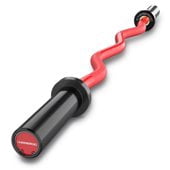
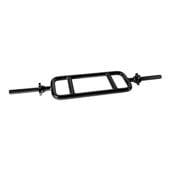
Standard Barbells in Barbells
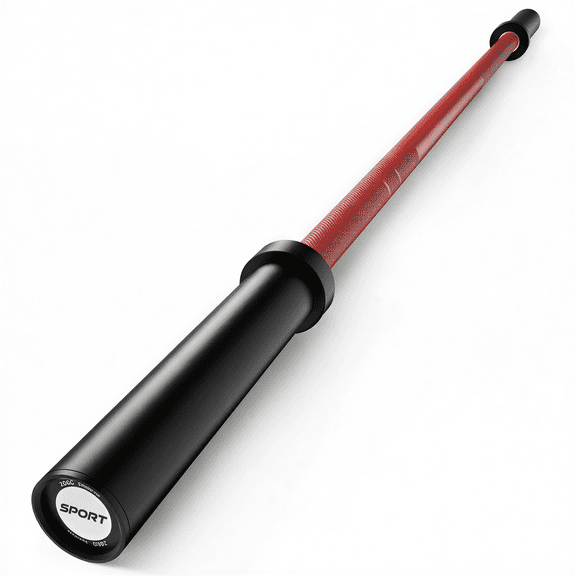

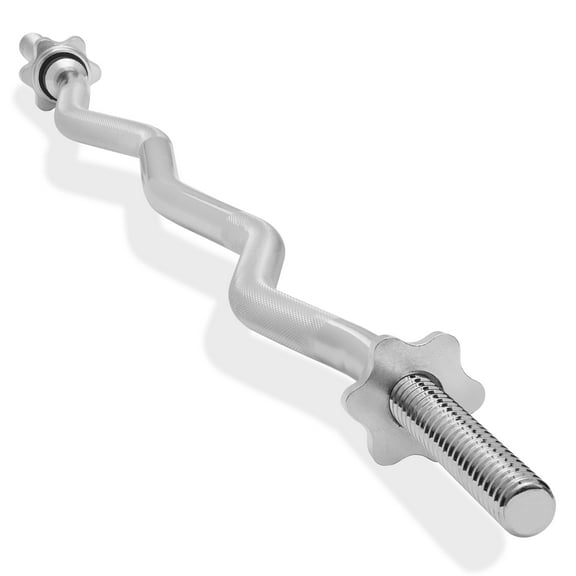
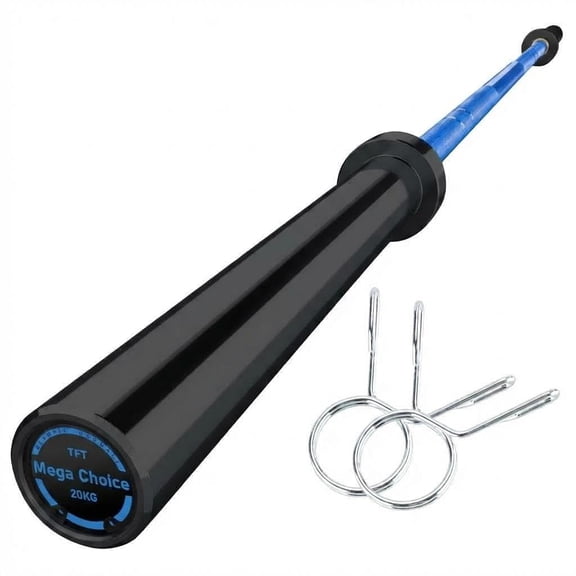










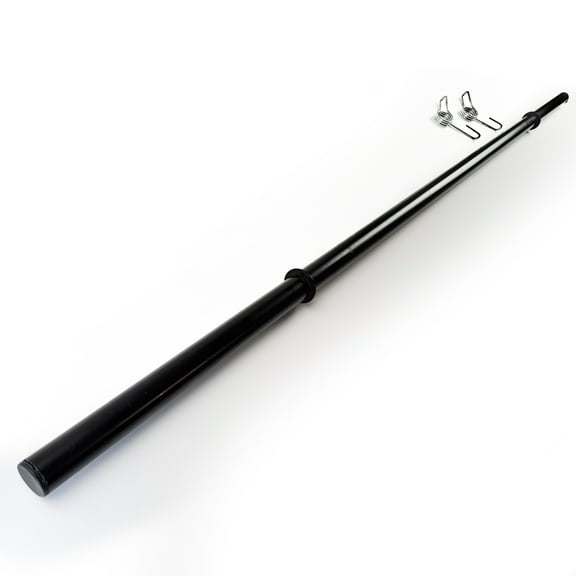

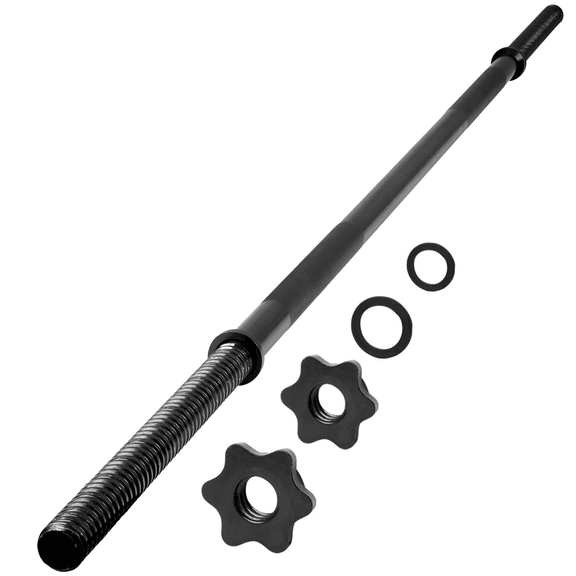


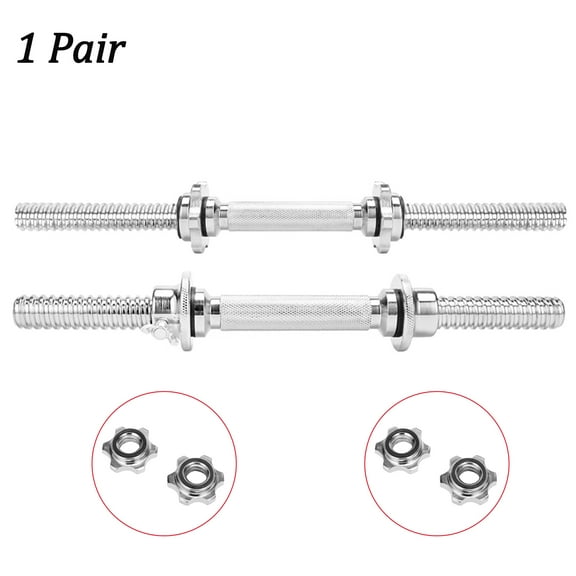


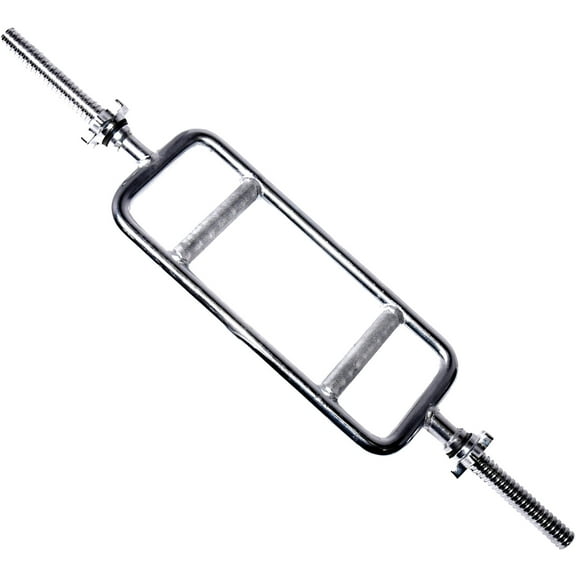


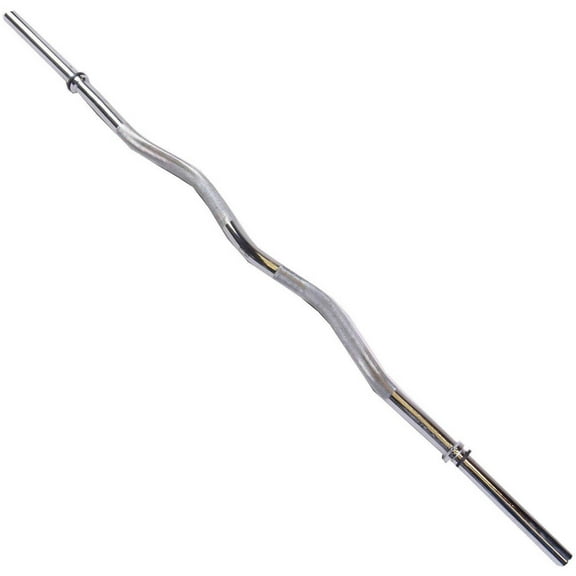


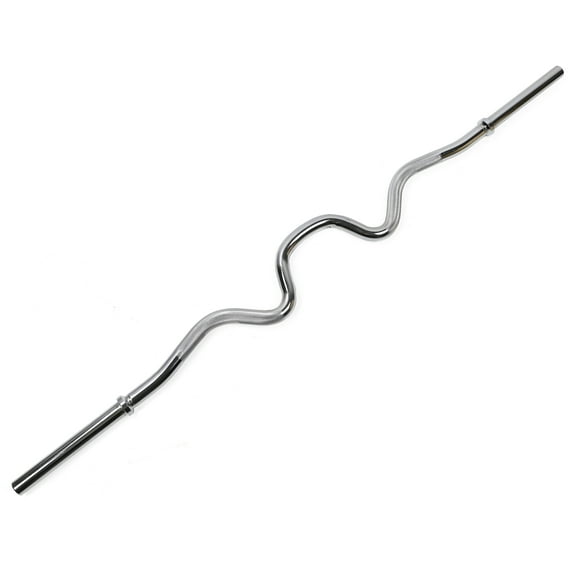
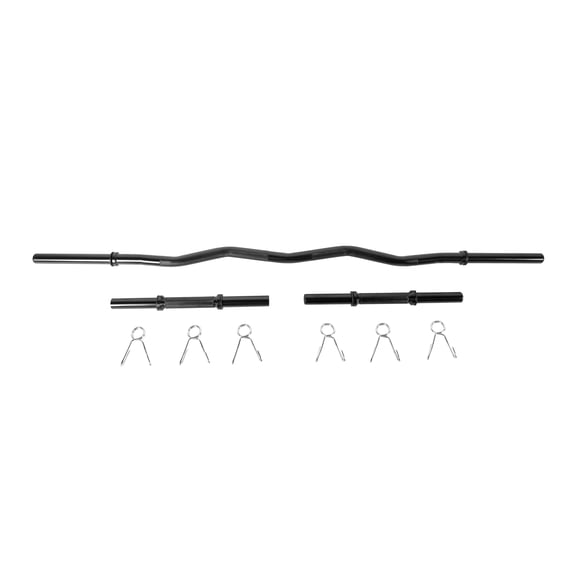


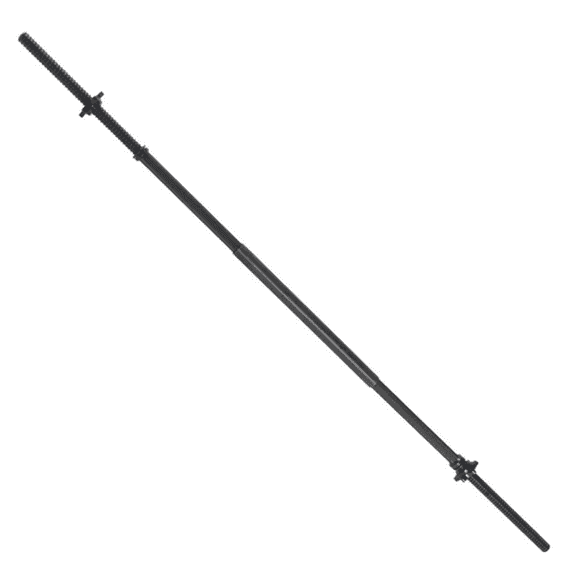

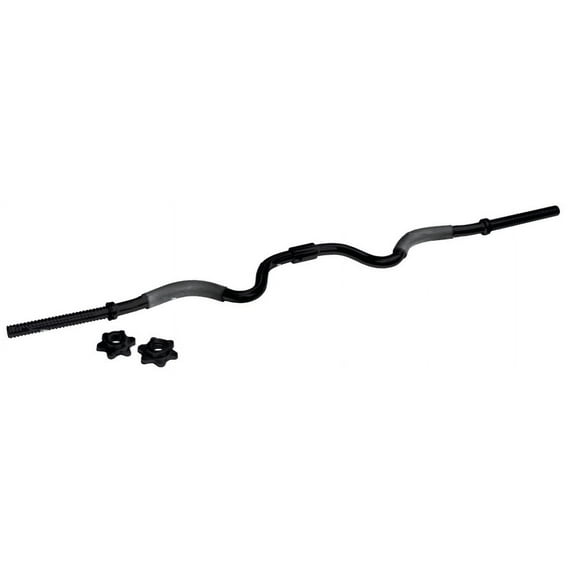
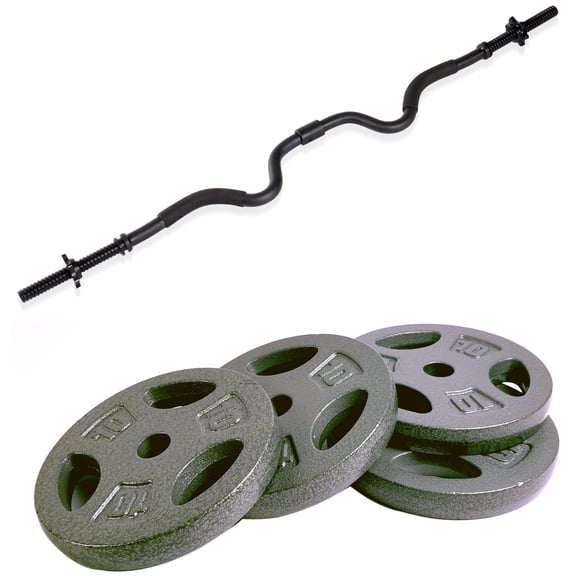

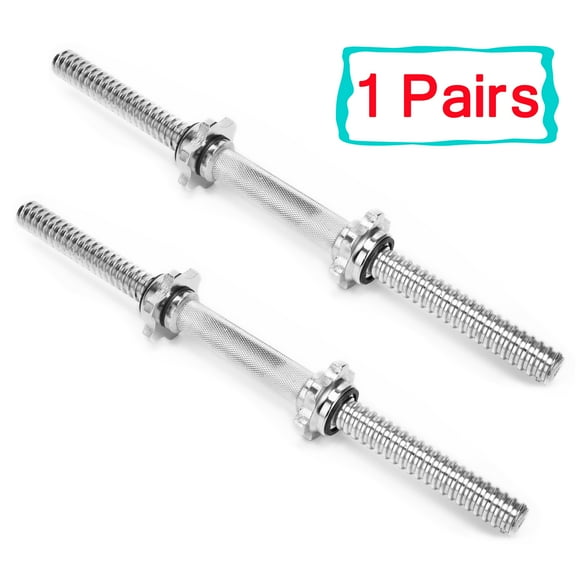


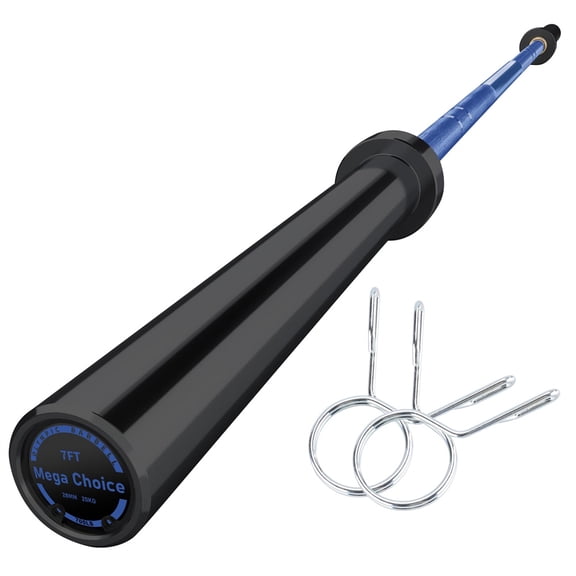


About Standard Barbells in Barbells - Walmart.com
You can choose a standard gym bar with more confidence when you know sleeve size, bar length, and capacity before you buy. You’ll also avoid the common mix-up between 1-inch standard bars and 2-inch Olympic bars.
If you’re building a home setup, you’ll want a bar that fits your plates, your rack space, and your training style. You’ll find that standard bars often suit lighter to moderate lifting, compact rooms, and everyday strength sessions.
Choosing the right standard gym bar
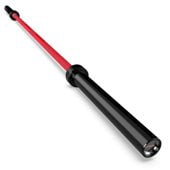
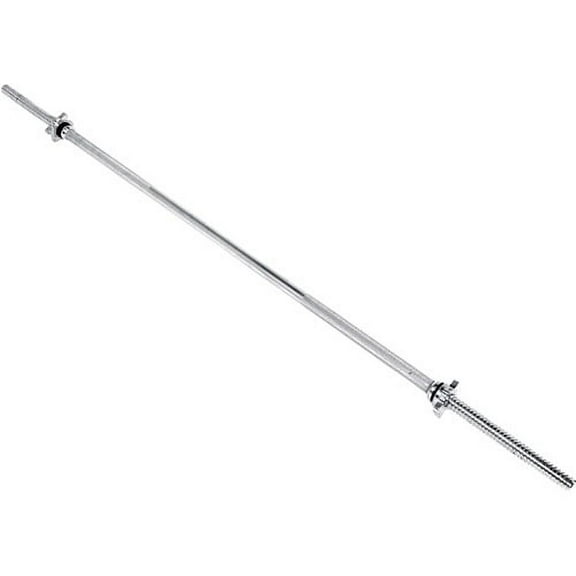
You should start with sleeve diameter because your existing plates need to fit the bar correctly. You’ll usually see a standard barbell with 1-inch sleeves, while Olympic bars use 2-inch sleeves.
When you compare a standard olympic barbell mention in search results, you should read the sleeve measurement first. You can avoid a return by matching your bar to your current plate hole size.
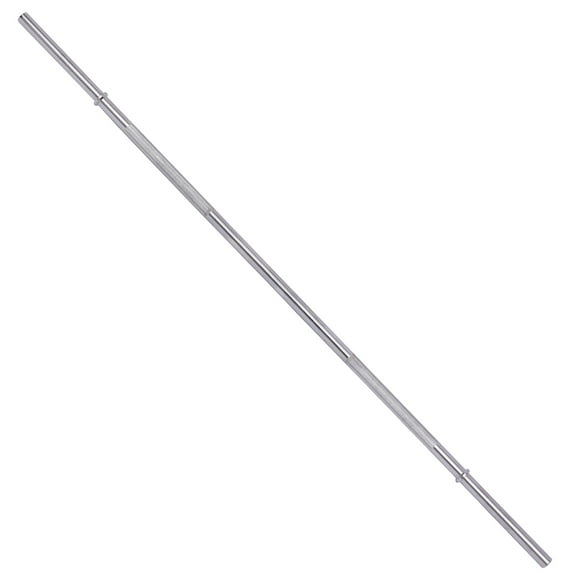
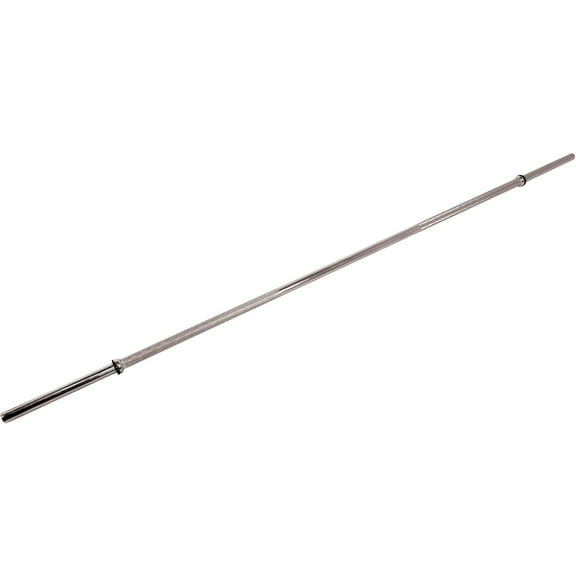
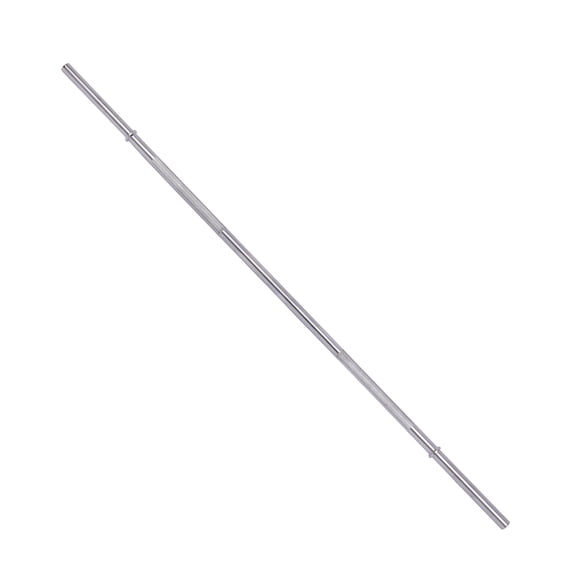
You may also compare bar length before you pick a model for your space. You’ll commonly see 5-foot, 6-foot, and 7-foot options, and each one changes how the bar fits your room.
- You can use a 5-foot bar when your workout area is tight and your movements stay compact.
- You may prefer a 6ft barbell 1 inch style when you want extra loading room without a full 7-foot footprint.
- You can choose a 7-foot bar when your setup has more width and your lifts need longer sleeve space.
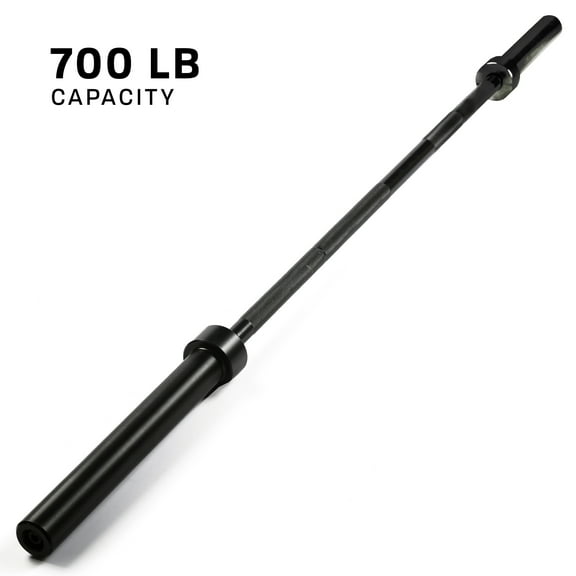
You should also check the listed weight capacity before you load more plates. You’ll often see ratings like 150 pounds, 200 pounds, 250 pounds, or 300 pounds.
If you’re progressing over time, you should leave room above your current working weight. You can use that capacity rating as a quick filter for a standard weightlifting bar that matches your routine.
How to compare standard barbell features
You can use bar weight as another practical decision point before checkout. You’ll often see bars around 10 pounds, 15 pounds, or 20 pounds, depending on length and build.
If you’ve searched how much is a normal barbell, you may actually mean the bar’s own weight or the loaded total. You should check both numbers so your starting load makes sense for your plan.
You’ll also want to compare grip texture, often called knurling, before you choose a bar. You can look for a pattern that feels secure in your hands without feeling overly sharp.
When you train with higher reps, you may prefer moderate knurling that stays comfortable through longer sets. If you focus on controlled curls, presses, or rows, you’ll notice grip comfort matters every session.
You can also review sleeve length because it affects how many plates fit on the bar. If you use thicker plates, you’ll need enough loading space for your planned weight.
Some shoppers also look at spin, end hardware, and finish, but you should keep compatibility first. You’ll get more practical use from the right 1-inch fit than from details that don’t match your plates.
How much is a standard barbell and what size should you choose
If you’re asking how much is a standard barbell, you may be comparing several things at once. You’re usually weighing bar size, plate fit, bar weight, and capacity for your home gym.
You can narrow your choice by measuring your workout area before you pick a length. You’ll want enough room to load plates, clear walls, and move through presses, rows, and floor work.
For smaller rooms, you may find a mini barbell or shorter standard option easier to manage. You can keep your setup flexible while still using 1-inch plates you already own.
If your bench area has moderate space, you may lean toward a 6-foot bar for balanced handling. You’ll often get a useful middle ground between compact storage and steady two-handed lifts.
When you have more room and broader lifting plans, you can consider a 7-foot standard size barbell. You’ll have extra sleeve room for loading, though you should confirm your plates still use 1-inch centers.
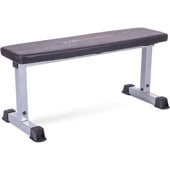
You should also think about how your bar pairs with nearby equipment. If you use standard weight plates, collars, or a weight bench, you’ll want dimensions that work together smoothly.
As you compare options, you can use technical details in a simple way. You should measure sleeve diameter, compare bar length, and check max weight capacity before anything else.
You’ll make a clearer choice when the specs match your plates, your room, and your training level. That approach helps you avoid buying a bar that feels too long, too light, or incompatible.
What to look for in a standard gym bar for home workouts
You can get more everyday use from a standard gym bar when its specs match your routine. You’ll appreciate that fit during bench presses, curls, upright rows, and general strength circuits.
If you train in a garage, spare room, or apartment corner, you should compare footprint as carefully as capacity. You can often get a more practical setup by choosing the right length first.
You may also want a standard barbell for lighter plate collections and simple storage. You’ll often find the 1-inch format easier to match with existing standard plates and collars.
When you choose with compatibility in mind, you’ll spend less time second-guessing your setup. You can move into your next workout knowing your bar fits your plates, your space, and your planned loads.