


Power Racks


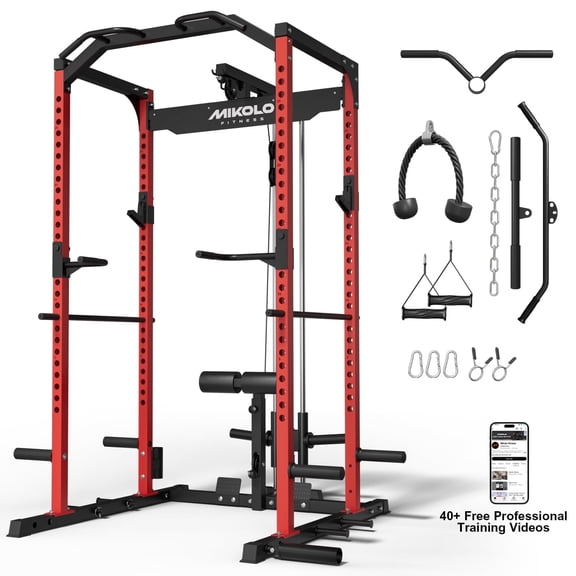


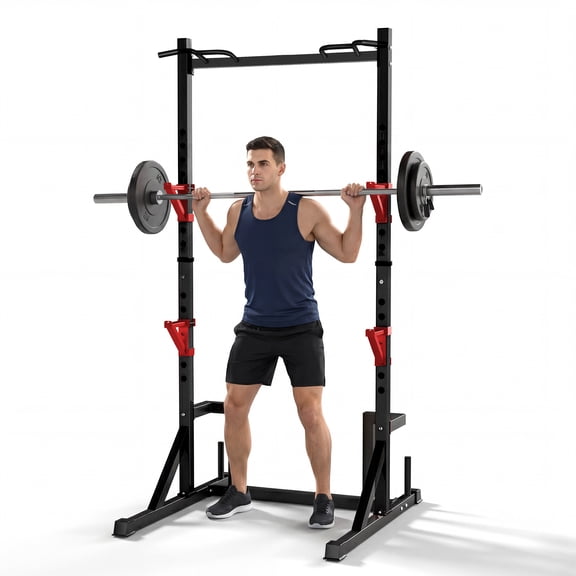


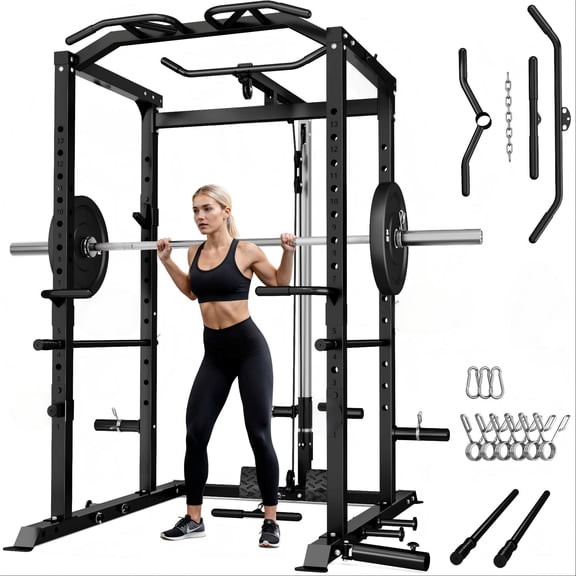


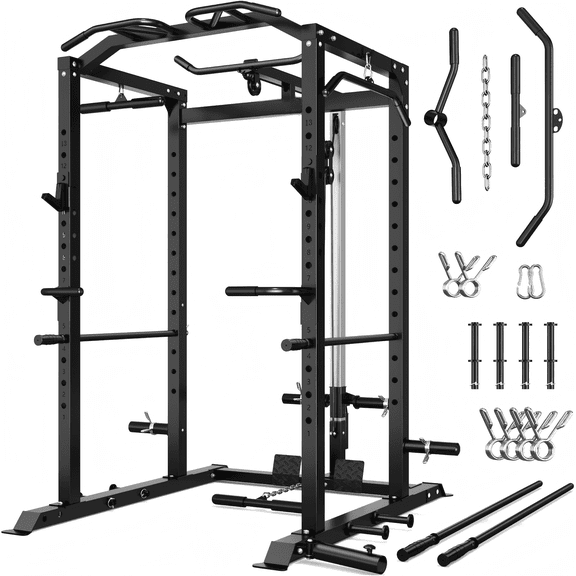






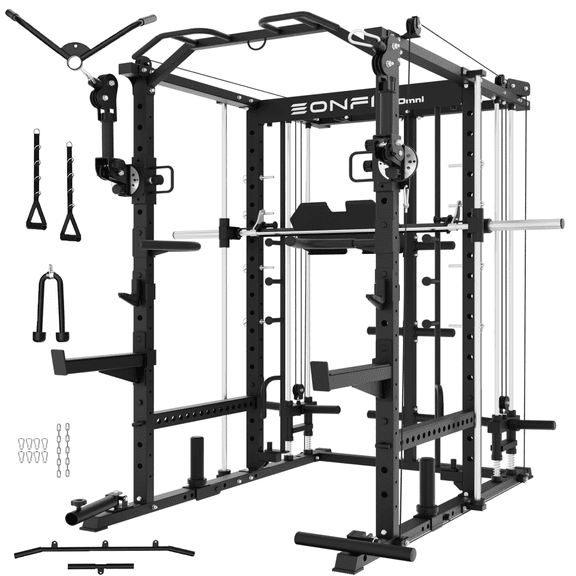


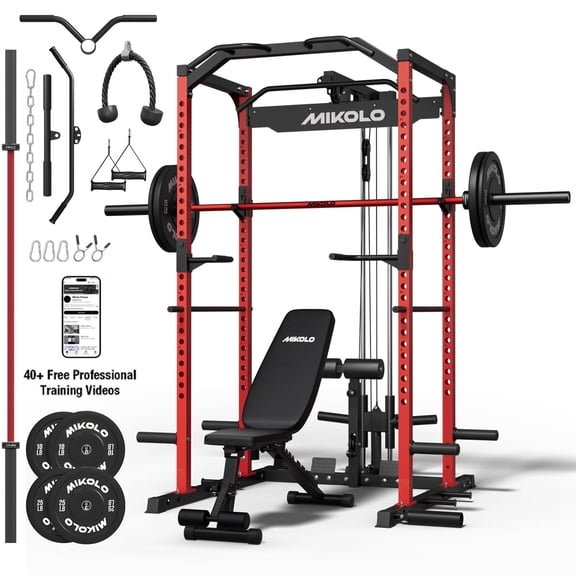


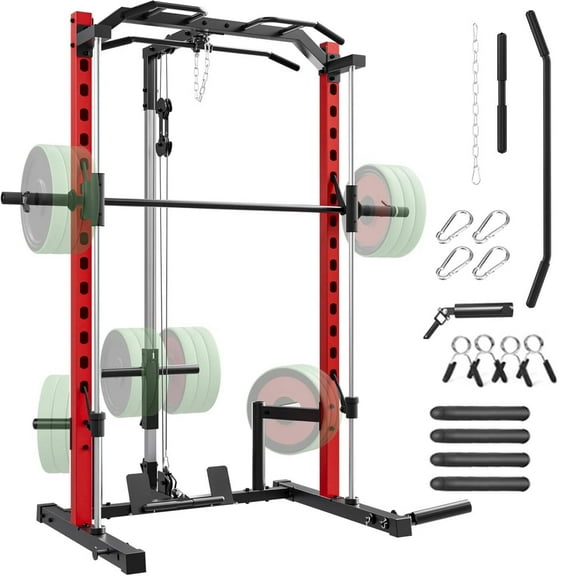


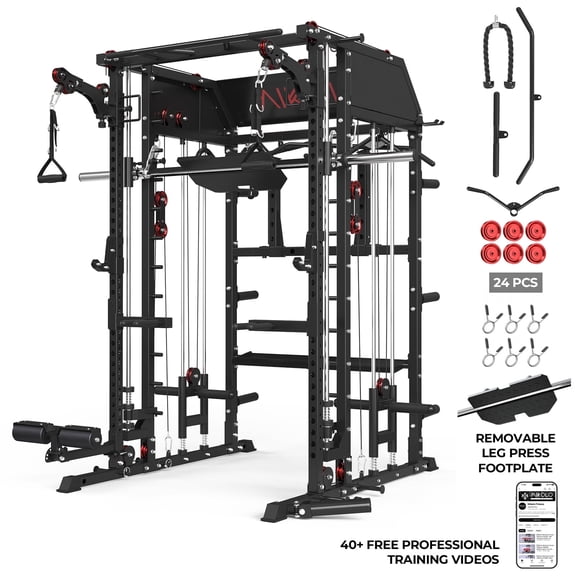














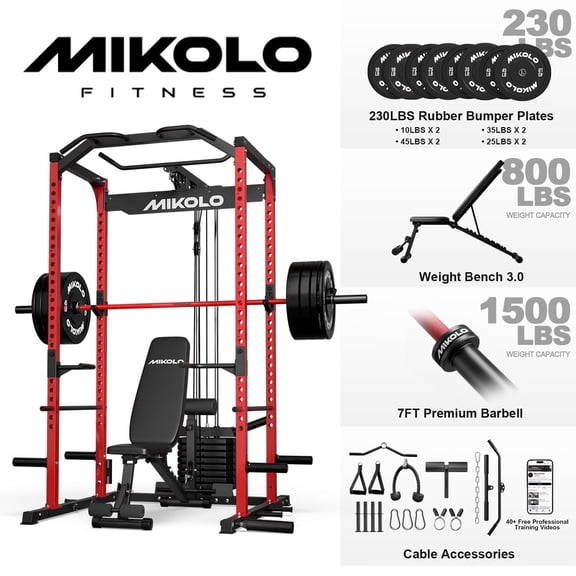
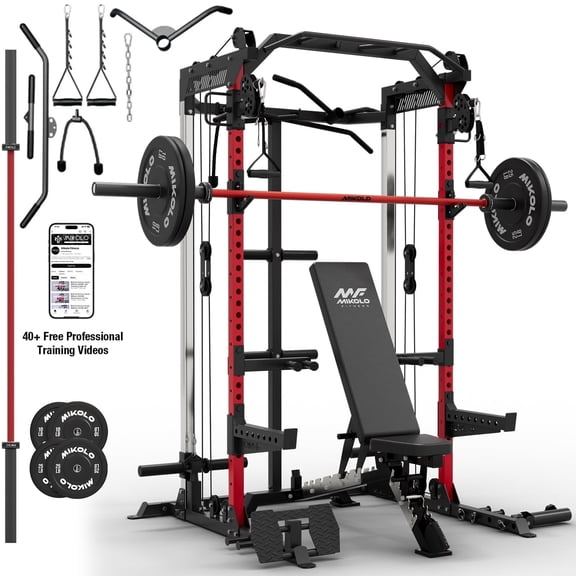


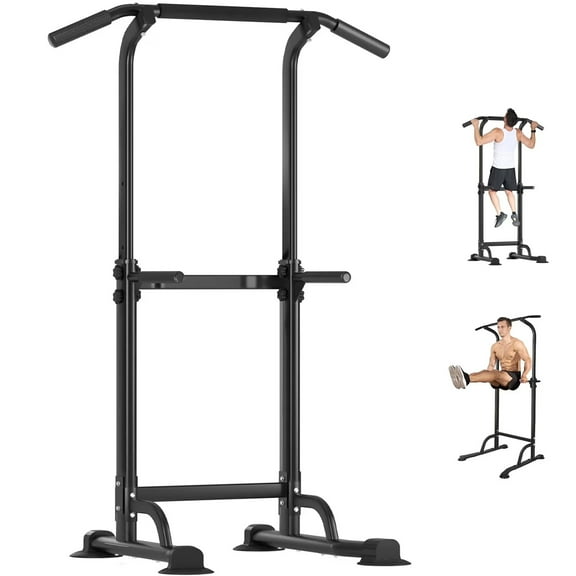


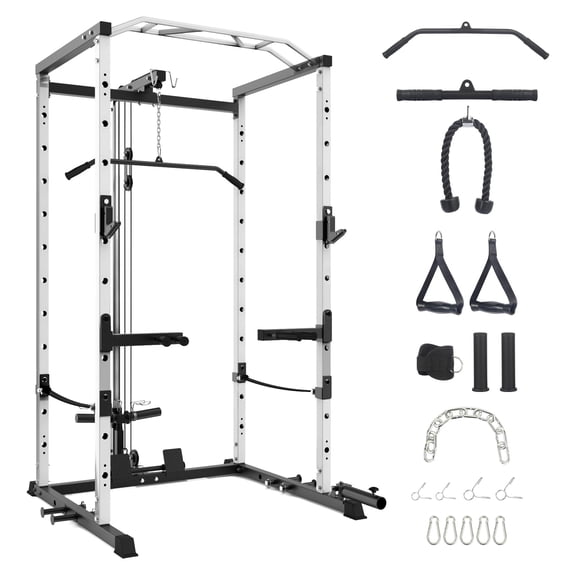












About Power Racks - Walmart.com
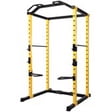
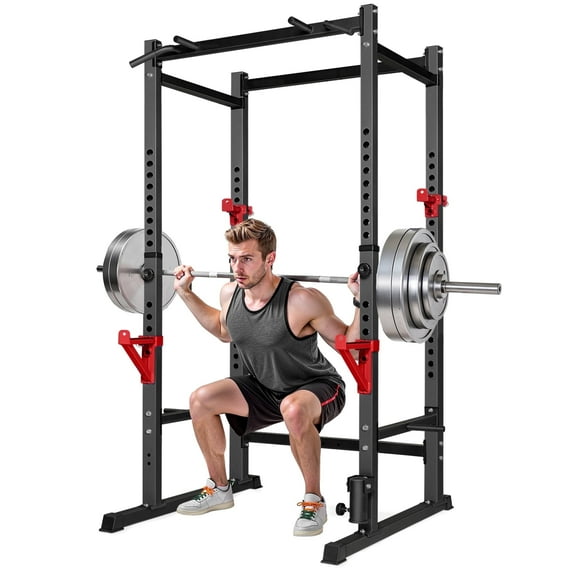
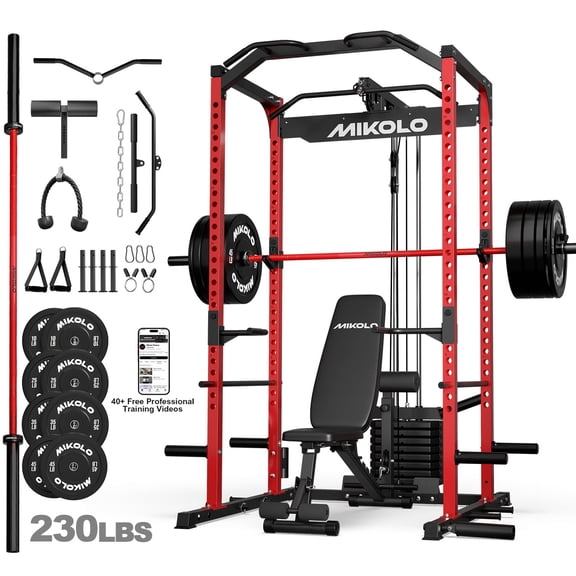
Your workout cage helps you build a safer, more organized lifting setup at home. You can compare frame strength, attachment options, and clearance needs before you choose a power rack.
If you're training with barbells, a workout cage gives you guided lifting space for squats, presses, and pulls. You can also narrow your options faster when you know how steel gauge, height, and safeties affect daily use.
Choosing the right workout cage for your home
When you compare a workout cage for home, you should measure ceiling height first. You need room for the frame, your pull-up bar, and overhead movement with plates loaded.
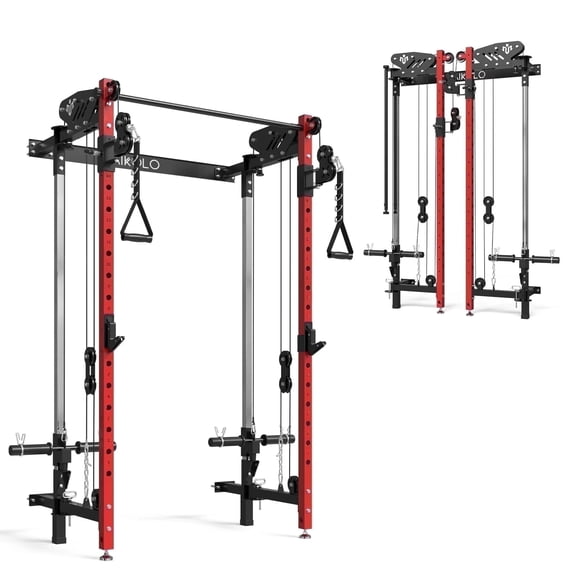
A compact frame can help you fit strength training into tighter rooms. A folding design can also suit shared spaces where you need the floor open between sessions.
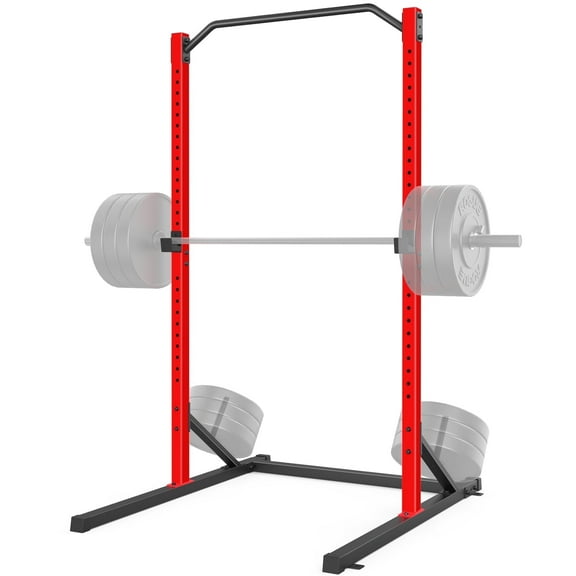
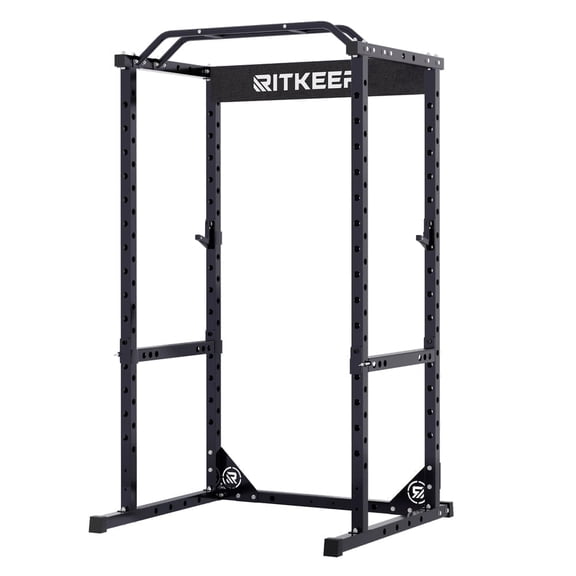
If you have a dedicated garage or gym room, a full-size cage gives you more interior space. You can often move a bench more easily and set safeties at more positions.
- You can create a defined lifting station for squats, bench work, and overhead presses.
- You can keep plates, barbells, and attachments organized around one training zone.
- You can choose compact, folding, or full-size designs based on your room layout.
- You can add pull-up, dip, or lat pull-down options to expand your routine.
Comparing steel gauge and free weight cage capacity
Steel thickness is one of the first details you should compare in a free weight cage. You'll often see 11-gauge, 12-gauge, or 14-gauge steel listed on a power cage.
When you choose 11-gauge steel, you usually get a thicker frame feel during heavy barbell work. If you choose 14-gauge steel, you may prefer it for lighter training setups and smaller footprints.
You should also check weight capacity with your training style in mind. A 500 pound rating can suit lighter home use, while 800 pound and 1000 pound options support heavier barbell loading.
It's smart to compare how brands describe static and dynamic load limits. You want a cage weight rack that matches how you actually squat, rack, and rerack loaded bars.
Checking attachments and exercise cage versatility
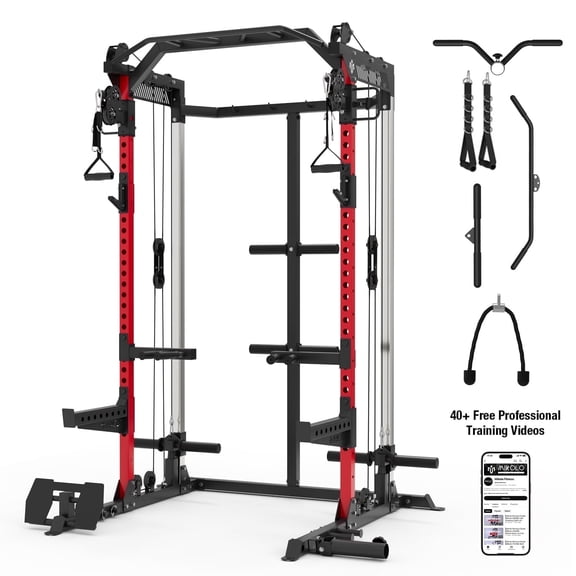
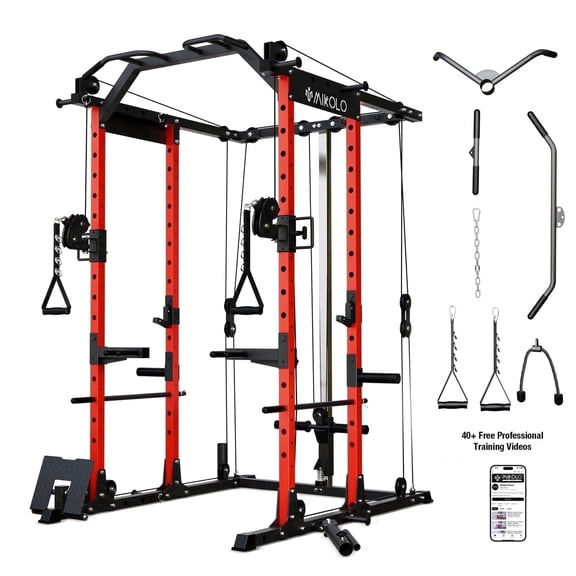
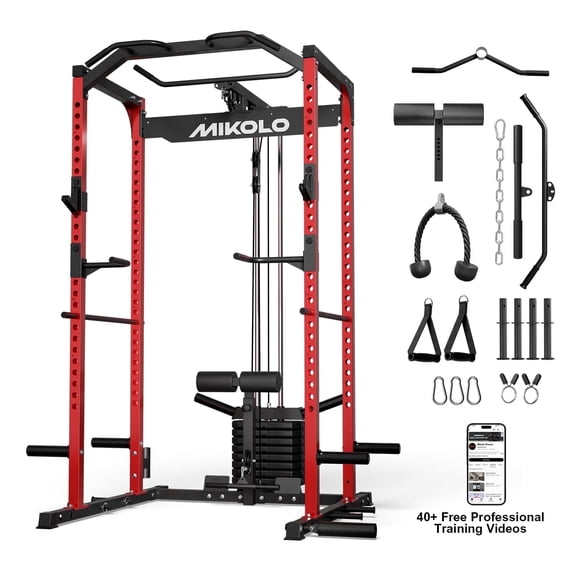
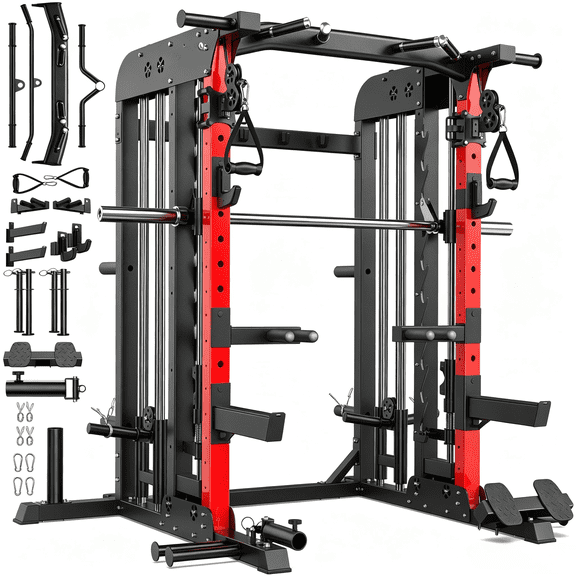
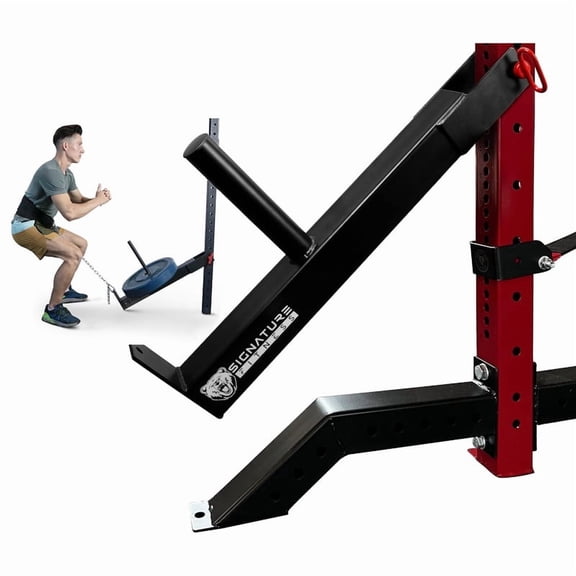
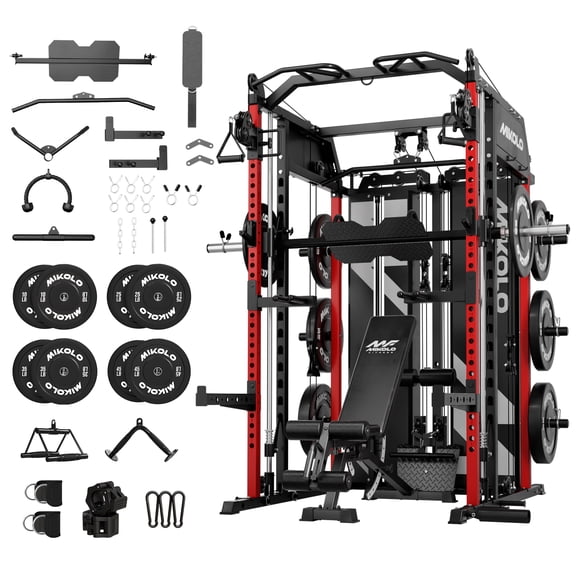
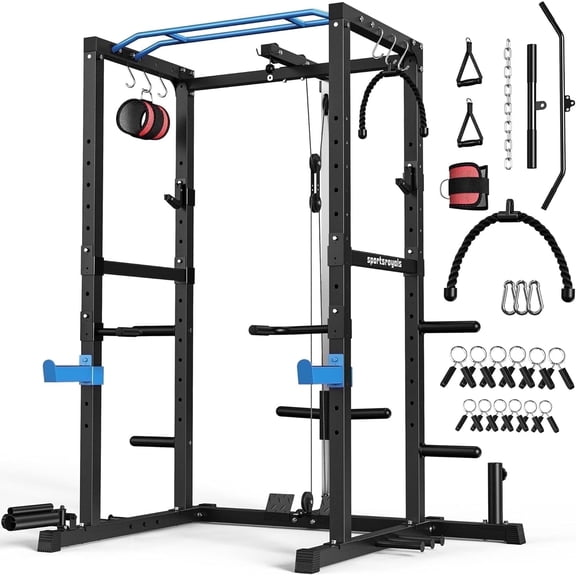
Attachment compatibility can change how much you can do with one exercise cage. You should look for included or compatible pull-up bars, J-cups, dip bars, and lat pull-down stations.
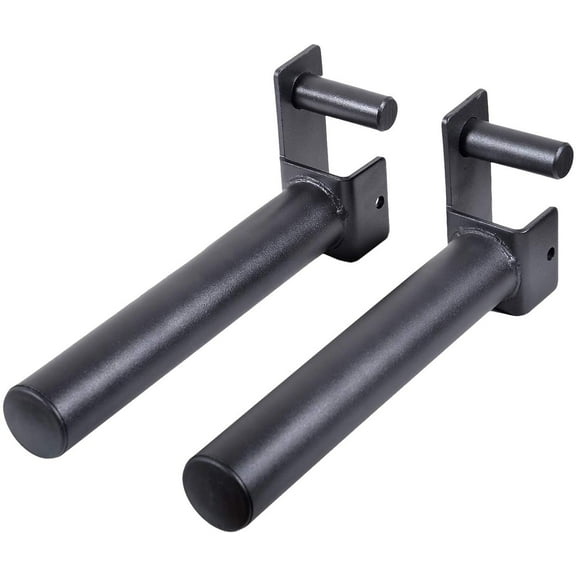
J-cups affect how you rack your bar and start each lift. You want adjustments that let your bar sit at a comfortable height for squats, presses, and bench work.
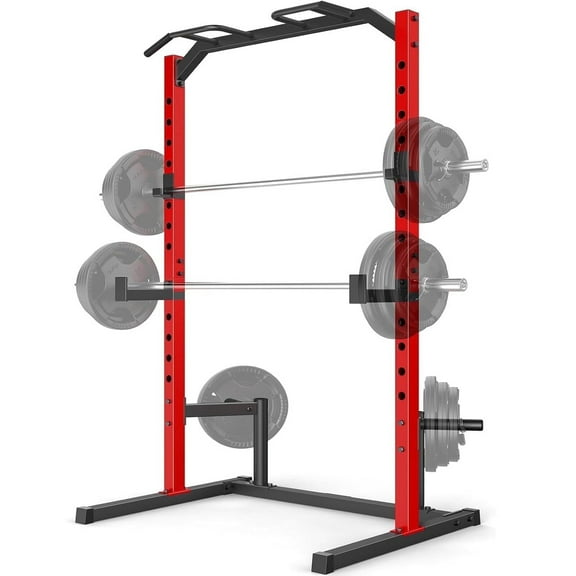
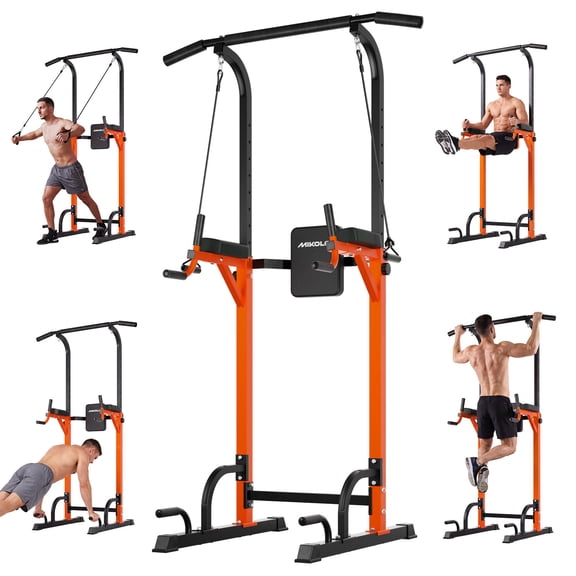
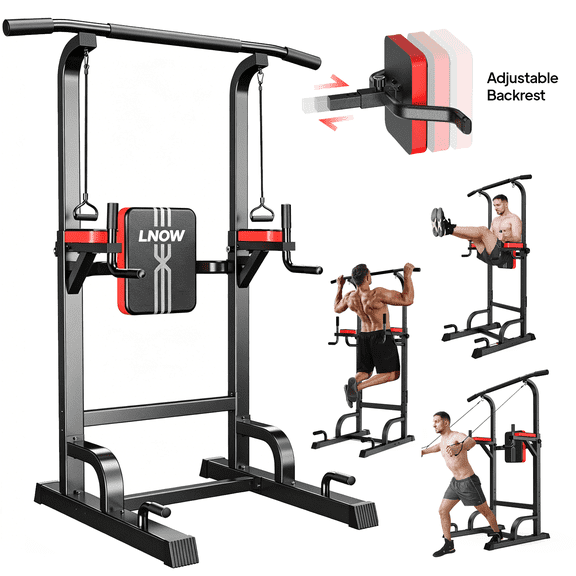
A pull-up bar can turn your rack into an upper-body station without adding another footprint. Dip bars can also help you expand bodyweight work when you want more training variety.
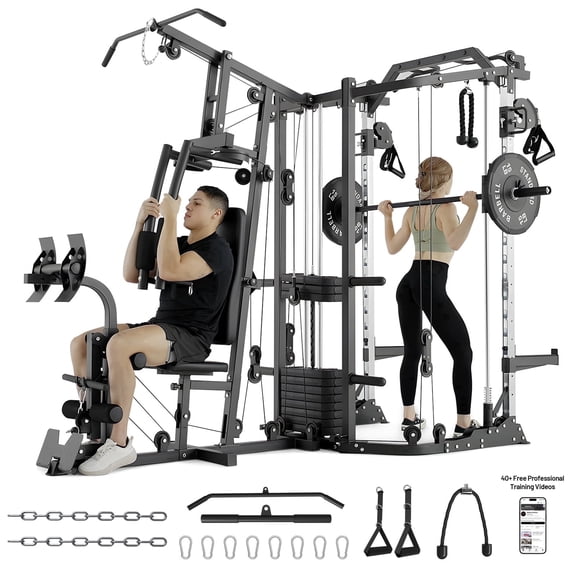
If you want cable-style movement, you should check whether a lat pull-down attachment fits the frame. That option can help you keep more exercises inside one lifting area.
Understanding safety bars, strap safeties, and spotter arms
Safety features matter because you want confident barbell training inside your power rack. You should compare spotter arms, safety bars, and strap safeties based on how you lift.
Safety bars give you a solid catch point and straightforward setup. You may prefer them when you want a simple adjustment system for squats, presses, and rack pulls.
Strap safeties can give you a different contact surface and rack feel. You should check adjustment holes and attachment points so your safeties line up with your lifting positions.
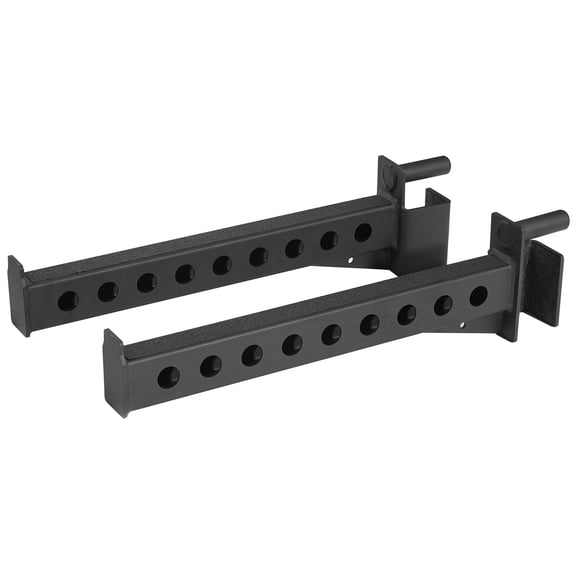
Spotter arms often appear on more open rack designs or as added support options. You should make sure your setup gives you clear walkout space and reliable bar placement.
Matching a power cage to real training setups
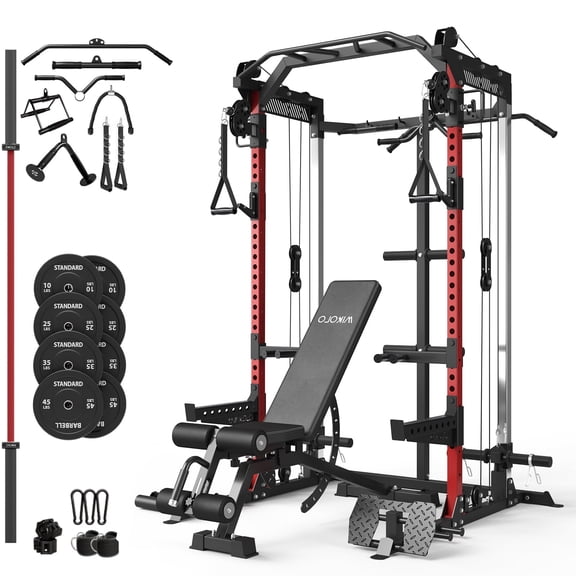
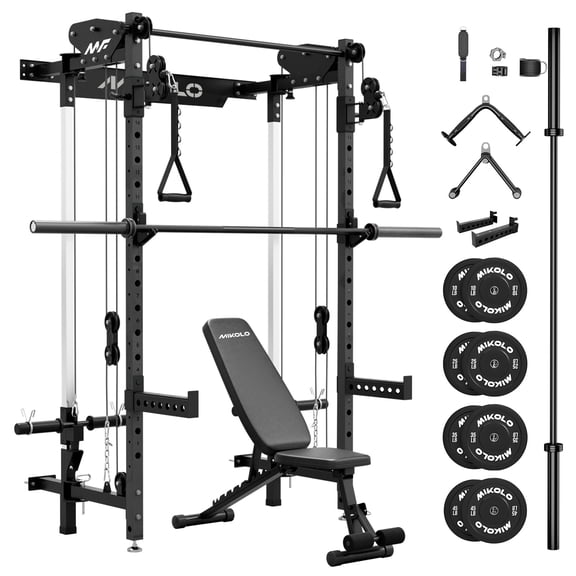
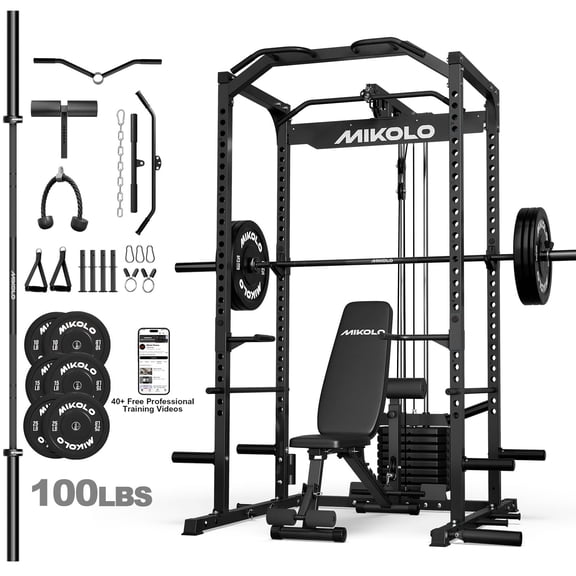
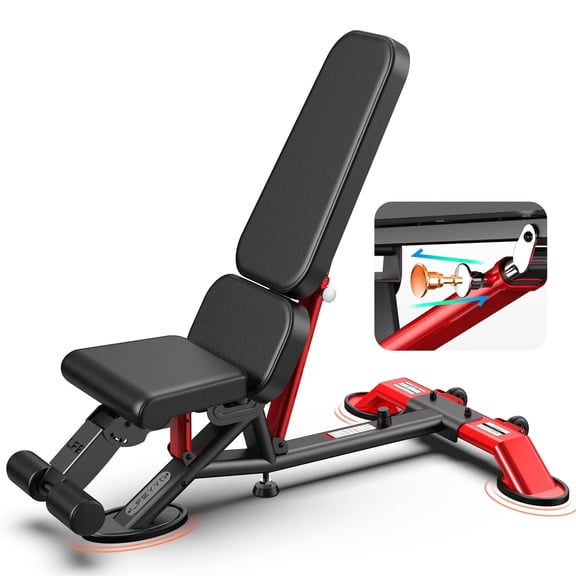
If you're building a garage gym, you may want a full-size power rack with higher capacity. You can pair that layout with a bench, barbell, and plates for classic strength sessions.
For a spare room or apartment setup, you may prefer a compact or folding frame. You can keep your footprint tighter while still having space for squats and presses.
If your routine centers on barbell basics, you should focus on J-cup range and safety adjustments. You want smooth transitions between back squats, bench press sets, and overhead press work.
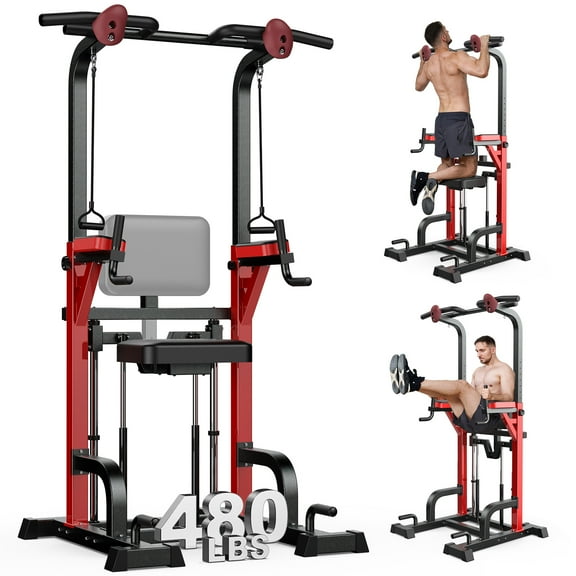
When your plan includes bodyweight work, you should prioritize pull-up and dip compatibility. You can turn one frame into a broader station without filling your room with separate equipment.
If you train with heavier loads over time, you should compare 11-gauge builds and 1000 pound class options. You can choose a frame that better matches progressive loading and repeated reracking.
When you want one station to anchor your home gym, a workout cage gives you clear structure. You can train with more confidence when your size, steel, and safety choices fit your space.