

Spray Sealants in Caulking & Sealants













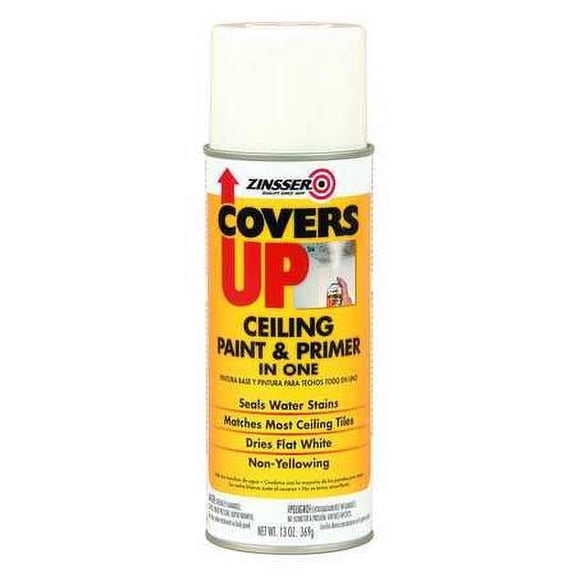
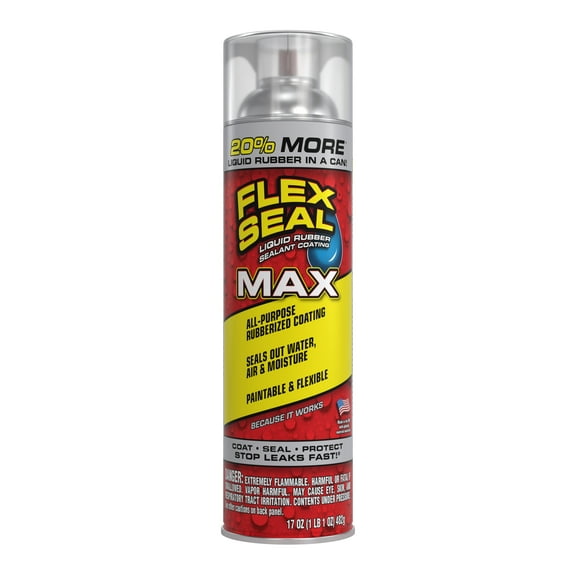


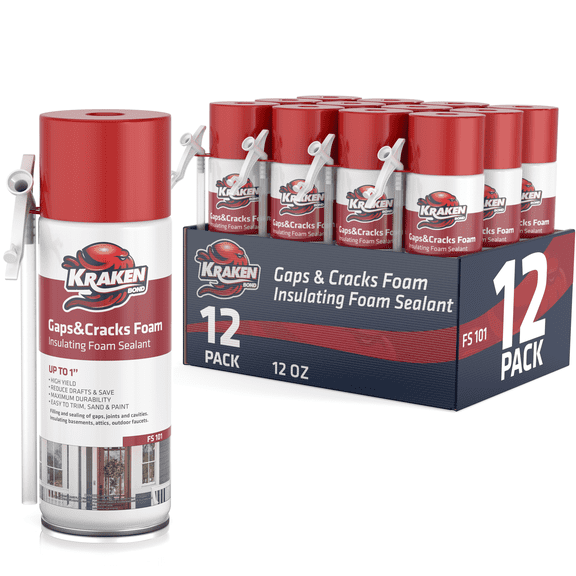


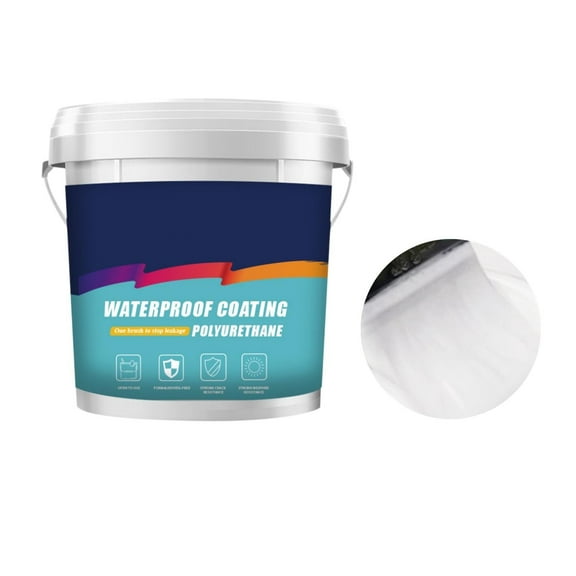



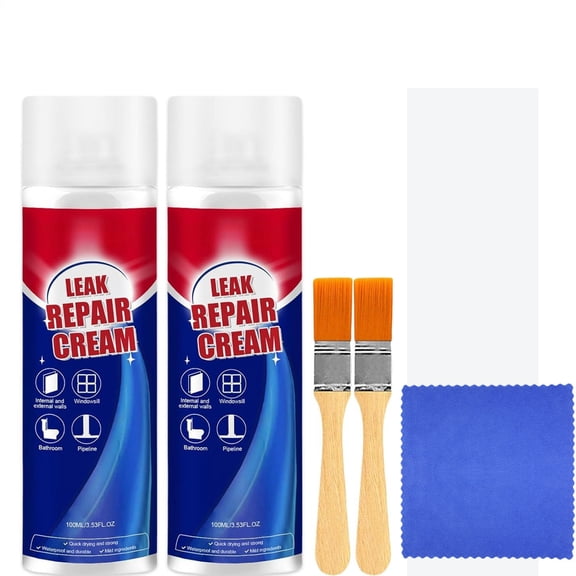


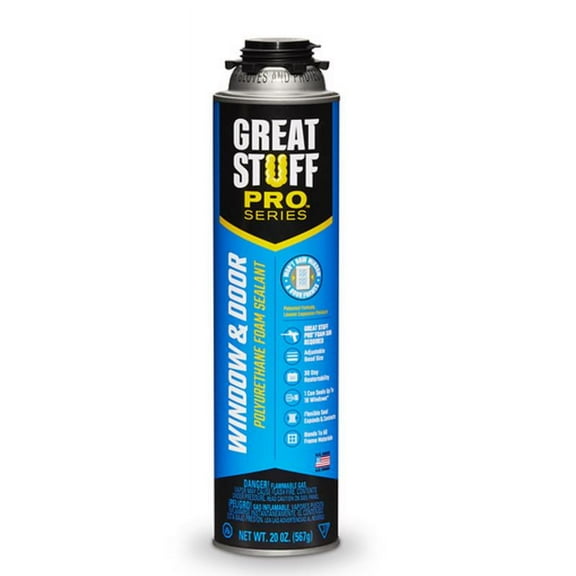


About Spray Sealants in Caulking & Sealants - Walmart.com
You can use spray sealants to cover seams, coat trouble spots, and create a fast barrier on roofs, gutters, pipes, and foundations. You’ll find this category especially useful when you want broad coverage, flexible application, and cleaner access to uneven surfaces.
Unlike cartridge products, spray sealants let you coat textured areas, corners, and overlapping joints with fewer stops. You can compare formulas by base material, finish, target surface, and waterproof level before you choose the right match.
How to choose spray sealants by material and finish
You should start with base material because it affects flexibility, adhesion, and outdoor wear. You can compare rubberized, silicone, acrylic, and polyurethane options based on the surface and finish you want.
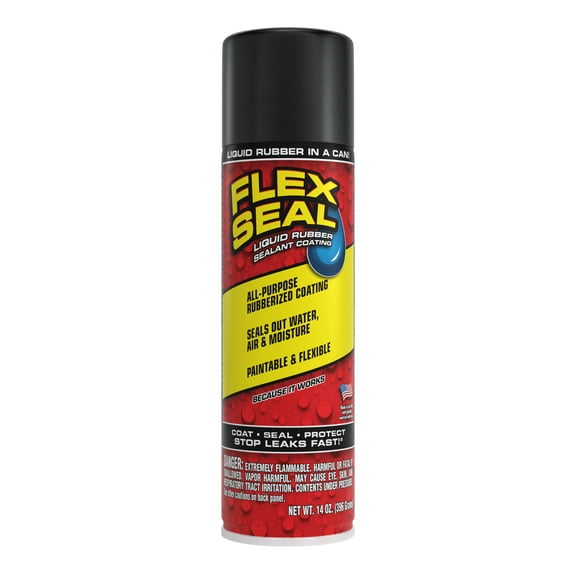
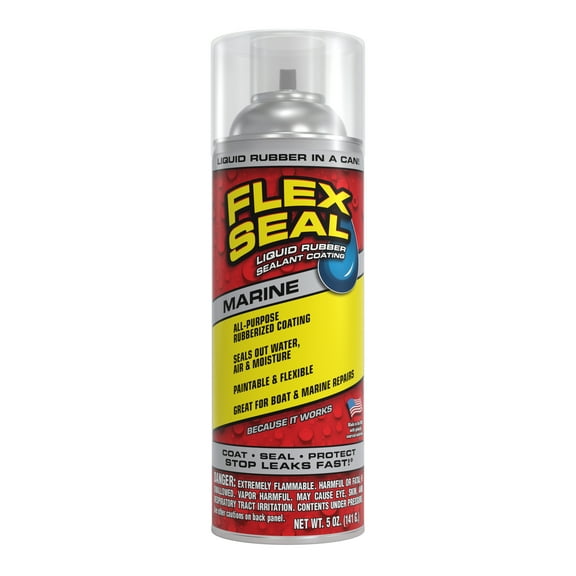
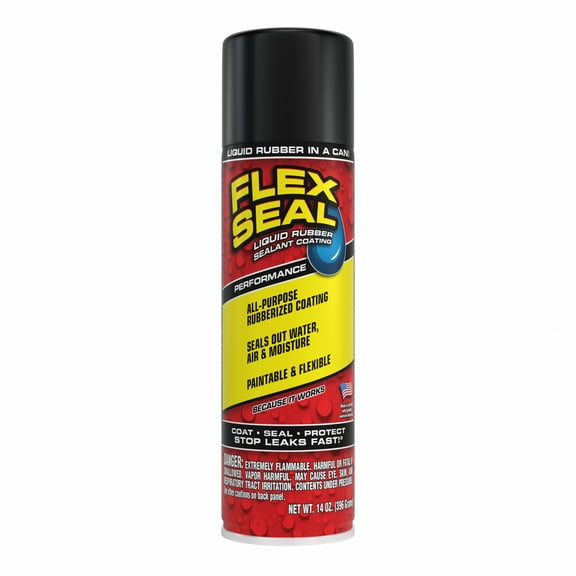
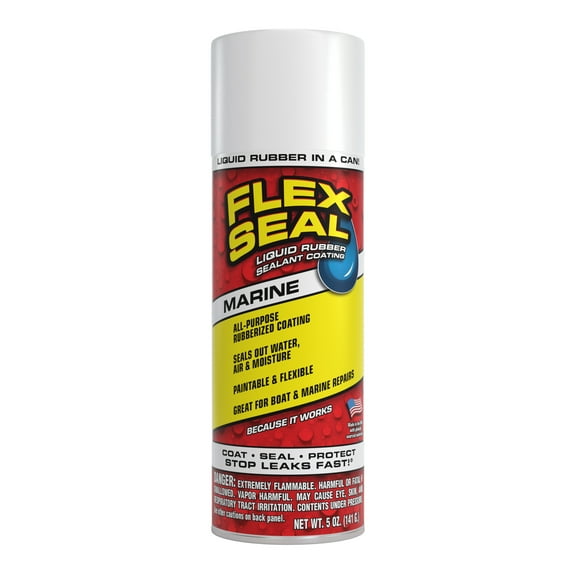
If you need movement and gap coverage, you may prefer a rubberized spray sealant for a flexible coating. If your project needs a smooth painted look later, you may want to check whether the cured formula is paintable.
You can also compare finish colors before you spray large visible areas. A clear spray sealant helps you keep the original surface visible, while black, white, or gray can blend with roofing and trim.
What you gain from waterproof spray sealant options
You can use a waterproof spray sealant when you need broad coverage on exposed areas that face rain, splashing, or standing moisture. You’ll notice that coverage style matters when you’re coating fasteners, seams, flashing, or gutter joints.
- You can coat irregular shapes more easily than with a bead-only application.
- You can reach corrugated metal, roof edges, and overlapping materials with less touch-up.
- You can choose formulas for water-resistant coverage, 100% waterproof barriers, or underwater applicable jobs.
- You can match the sealant to visible surfaces by choosing clear, black, white, or gray finishes.
When you’re comparing waterproof levels, you should look for the use case on the label first. If you’re handling an active leak or damp area, you should check whether the formula adheres on wet surfaces.
You may also want outdoor durability when the coating stays exposed through sun and weather. You can look for UV-resistant formulas because they help your finished layer keep its coverage and appearance longer.
Choosing application targets and leak repair spray uses
You should match your product to the area you’re sealing because roofs, windows, and foundations have different demands. A roof sealant spray may need broader weather exposure support, while a window project may need a neater paintable finish.
For gutters and downspouts, you can use a leak repair spray on seams, joints, and end caps. For pipes, you should check surface compatibility first, since metal, plastic, and coated materials may call for different formulas.
On masonry or foundation areas, you may want a coating that handles rough texture and wider surface coverage. On trim or siding details, you may prefer a finish that stays discreet or accepts paint after curing.
What to look for in adhesion, cure time, and paintability
You should compare substrate compatibility before you spray, especially on metal, wood, concrete, vinyl, or masonry. You’ll get a more reliable match when you check whether the formula is intended for the exact surface you’re sealing.
If you’re addressing damp conditions, you should review wet-surface adhesion details in plain terms. That tells you whether you can spray during active moisture or whether you need a fully dry area first.
You may also care about cure time because it affects when you can handle, coat, or paint the surface. If appearance matters, you should check whether the dried finish stays paintable for exterior touchups.
Outdoor jobs need durability against sunlight, temperature swings, and repeated weather exposure. You can look for notes about UV resistance because they help you judge whether the coating can hold up on exposed rooflines.
How to match spray sealants to real projects
If you’re sealing a small gutter seam, you may want a rubberized or silicone formula with strong water coverage. If you’re coating a visible joint, you may prefer clear or color-matched coverage that blends into the surface.
When you’re working on flashing, vents, or roof penetrations, you should look for a waterproof spray sealant made for exterior exposure. You can use broad spray coverage to reach screw heads, lap joints, and textured roof sections.
For window trim, door frames, or siding details, you may want an acrylic or paintable option. You can keep the project looking finished when your cured coating fits your trim color plan.
If you’re handling a foundation patch or a utility penetration, you should compare masonry compatibility and waterproof level. You may also want a flexible sealant spray that follows rough surfaces without leaving uncovered edges.
You can shop this category with more confidence when you compare base material, finish, application target, and waterproof level together. You’ll choose a spray that fits your surface, your conditions, and the clean coverage your project needs.