





Spider Trap in Spider




















About Spider Trap in Spider - Walmart.com
You can compare spider traps by trap type, placement, and safety details, so you choose options that fit indoor corners, basements, cars, and entry points. You’ll also find guidance on sticky surfaces, bait formats, and scent profiles that match how you plan to monitor crawling pests.
If you’re narrowing choices for a busy home, you may want simple disposal and clear placement options. You can use this guide to compare sticky spider traps, indoor spider trap formats, and category details that matter during everyday cleanup.
How to choose spider traps
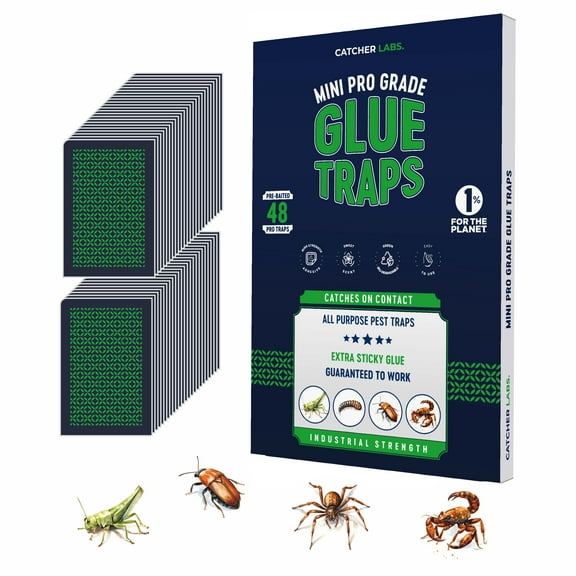
You should start with trap type because it shapes placement, cleanup, and visibility. You can compare sticky board, glue trap, and spider bait trap options based on how you want to catch or monitor spiders.
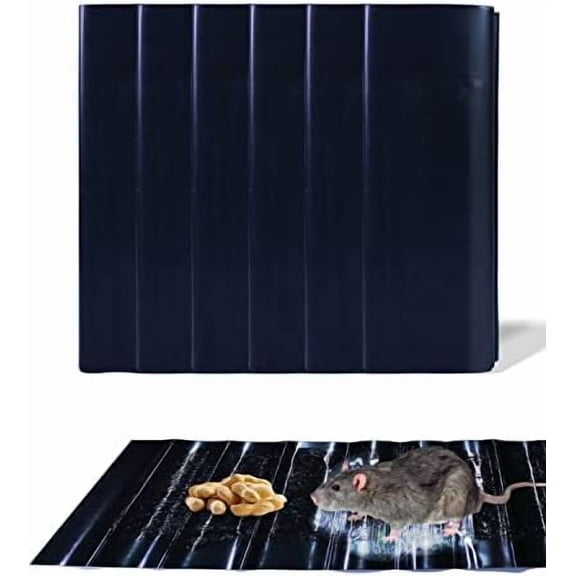
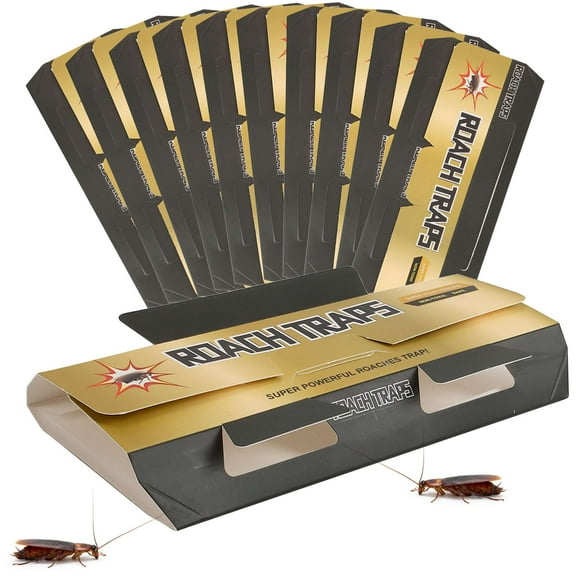
When you choose sticky board styles, you can place flat surfaces along baseboards, under shelves, or behind storage bins. You’ll often prefer that shape when you want low-profile coverage in narrow gaps.
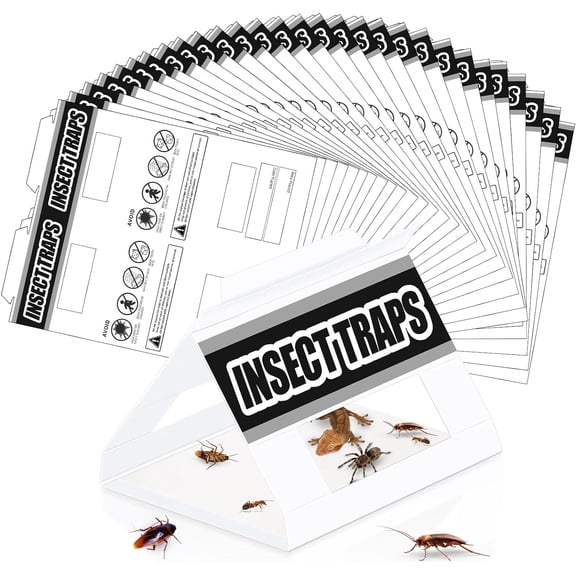
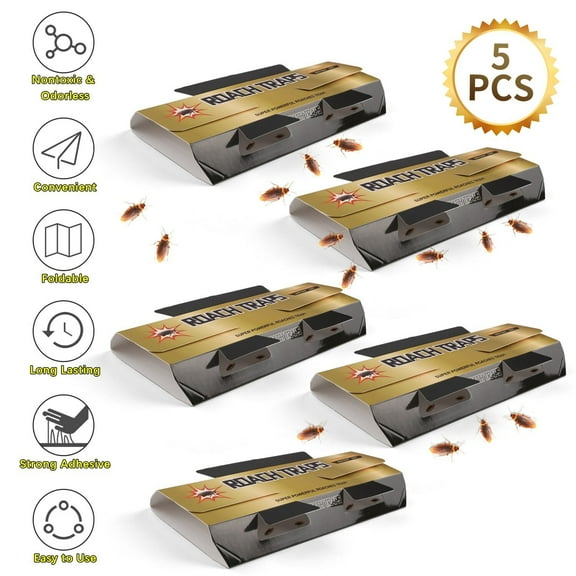
If you compare glue trap designs, you may notice folded or tented formats that help shield the adhesive surface. You can use those when you want a tidier look in living areas or near door thresholds.
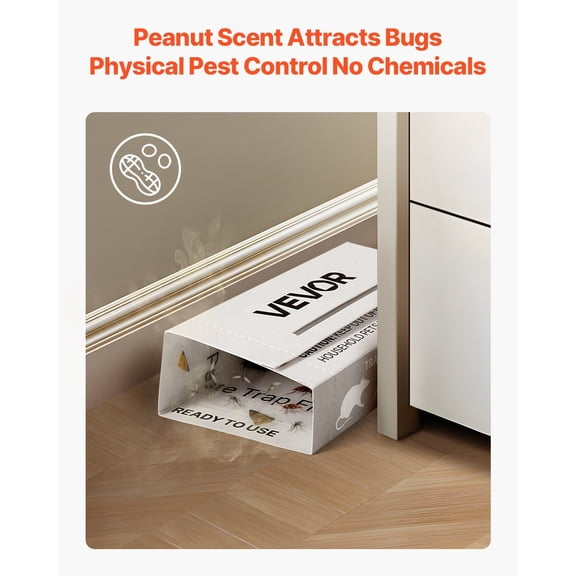
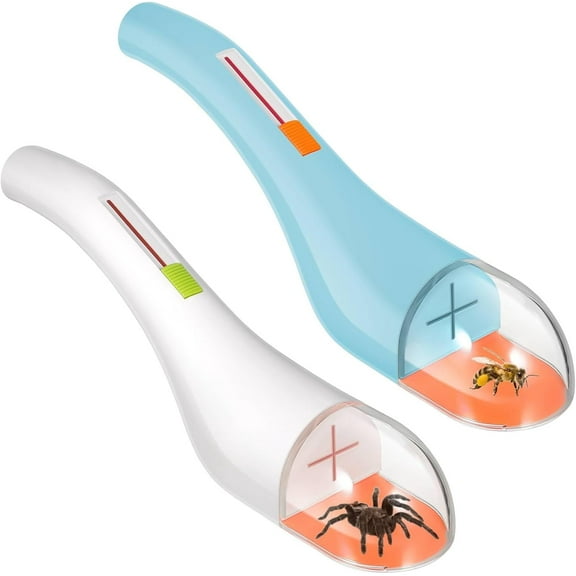
With a spider bait trap, you can focus on enclosed placement and reduced mess during disposal. You should check the package details so your chosen format matches your intended rooms and traffic patterns.
What to look for in an indoor spider trap
You’ll usually prioritize easy placement, simple disposal, and household compatibility. You can also compare whether an indoor spider trap uses non-toxic, poison-free, or pesticide-free positioning for everyday spaces.
- You can place flat traps in corners, behind furniture, and along walls where spiders travel.
- You can choose enclosed styles when you want less visible adhesive in shared rooms.
- You can compare scent-free or pheromone-scented options based on where you plan to use them.
- You can look for non-toxic and pesticide-free wording when pets or children share the space.
For many homes, you’ll appreciate traps that don’t require spraying or complicated setup. You can place them quickly in dark spaces, then check them during regular cleaning.
You may also want options that help you monitor activity patterns from one room to another. You can use that visibility to decide whether basements, closets, laundry rooms, or garages need extra attention.
Another key benefit is cleaner handling when it’s time to replace used traps. You’ll often prefer formats that fold closed or lift easily from hard surfaces without much fuss.
Choosing trap type, spider attractant, and safety profile
You should compare attractant type carefully because it affects where and how you want to use traps. You can choose pheromone-scented options when targeted lure support matters, or scent-free styles for shared rooms.
If you prefer simple placement around beds, sofas, or storage shelves, you may lean toward scent-free options. You’ll often like that choice when you want discreet monitoring without added fragrance.
You can also compare pesticide-free adhesive designs when safety language matters in everyday spaces. You should read labels for non-toxic, poison-free, or pet-safe wording that matches your household routine.
Trap longevity matters too, especially if you’re covering several rooms at once. You can check how long the adhesive stays tacky, because that tells you when replacement may fit your cleaning schedule.
When you’re comparing target species notes, you should review package details for common household spiders. You may look for references to brown recluse, hobo spiders, or black widows when those names matter to your decision.
Those species references are useful because you can match the trap to specific monitoring goals. You shouldn’t assume every format covers the same situations, so label details help you narrow choices.
Where to place spider traps for different spaces
You can improve coverage when you match the trap shape to the room layout. You should place traps where spiders travel, including corners, dark spaces, under furniture, and along basement walls.
For spider traps for basement use, you may want several placements instead of one central spot. You can line storage edges, utility areas, and wall perimeters to cover cool, quiet spaces.
In living rooms and bedrooms, you’ll often want low-profile traps behind furniture or near baseboards. You can keep placement discreet while still covering spots where crawling pests pass.
If you’re considering spider traps for cars, you should look for compact sizes that fit under seats or in cargo areas. You can monitor enclosed spaces without using bulky formats that shift during travel.
For spider traps outdoor use, you should focus on covered areas like porches, sheds, and garage edges. You can compare package guidance because moisture and open exposure can affect placement success.
You may also want to place traps near entry points, including doors, vents, and utility gaps. You can use that approach to spot movement patterns before you add more traps elsewhere.
Matching combinations to your household routine
You can choose sticky boards with scent-free adhesive when you want flat placement in bedrooms, closets, or under couches. You’ll likely appreciate that combination if you prefer quiet monitoring during routine cleaning.
If your basement has shelves, bins, and utility corners, you may want glue traps with a folded shape. You can tuck them along edges where clutter leaves narrow travel lanes.
For shared spaces with pets, you might compare enclosed bait formats with pet-safe label language. You should also check whether the trap is designed for indoor placement and easy pickup.
When your goal is vehicle monitoring, you can compare compact traps that fit under seats and mats. You’ll want a shape that stays put and doesn’t interfere with normal use.
If you’re covering porches or garages, you may combine outdoor placement guidance with scent profile preferences. You can choose formats that suit covered areas and make replacement checks simple.
You can feel more confident when your spider traps match your rooms, your cleanup habits, and your safety preferences. You’ll get a clearer path to consistent placement, easier monitoring, and more organized pest control decisions.