

Spectrum Analyzers & RF Signal Test Equipment | Walmart



















About Spectrum Analyzers & RF Signal Test Equipment | Walmart - Walmart.com
You can compare spectrum analyzers more confidently when you understand frequency range, portability, and kit contents before you choose. You may be testing RF signals, checking audio output, or equipping a workbench for repeatable measurement tasks.
You’ll notice this category stands out because your decision often depends on GHz coverage, resolution bandwidth, and included accessories. You can use that technical detail to narrow options faster and match your workflow with fewer compromises.
How to choose spectrum analyzers
You should start with the signal type and frequency range you need to observe. You’ll want RF signal analysis for wireless work, while your audio spectrum analyzer needs focus on lower-frequency measurement.
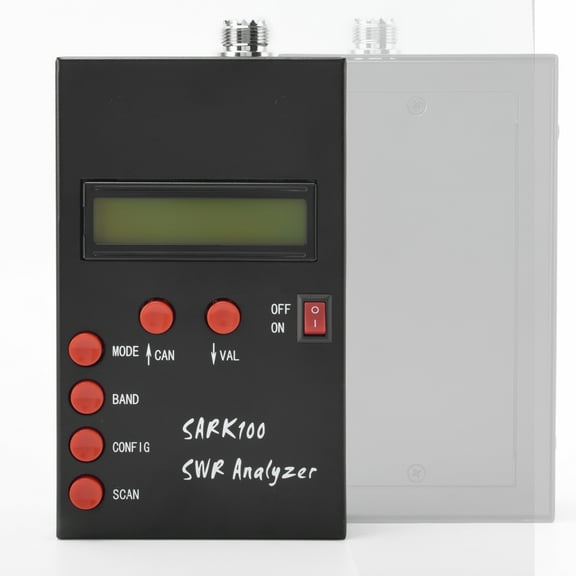
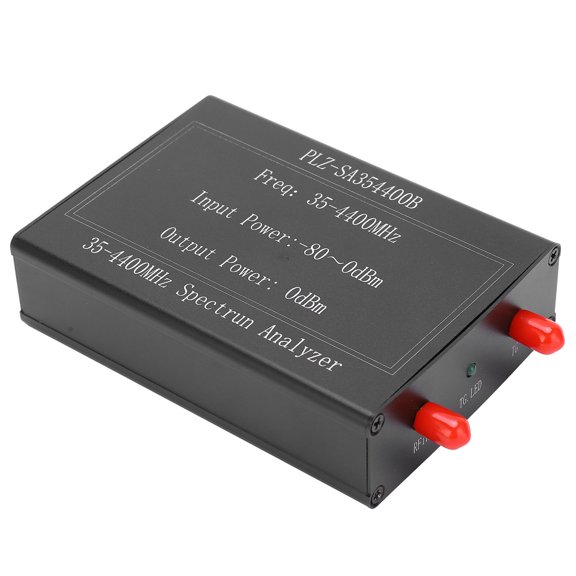
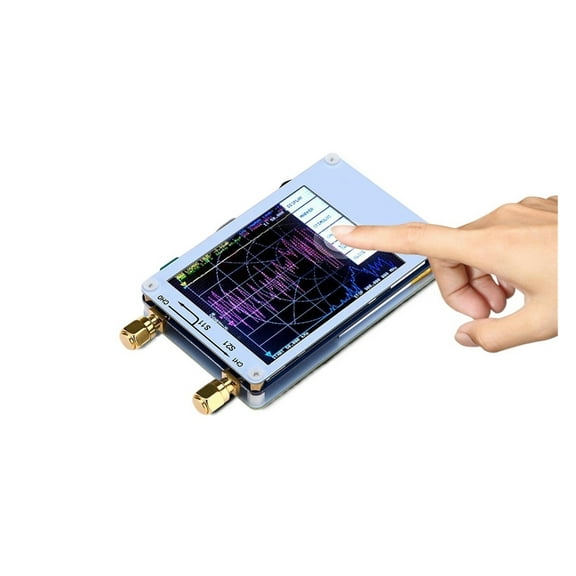
You can also compare form factor before you compare anything else. You may prefer a benchtop unit for stable lab setups, while your handheld or USB-hosted option fits mobile or compact work areas.
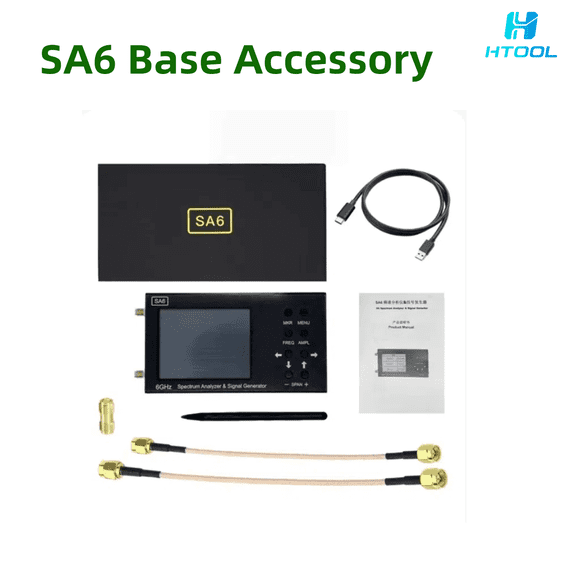
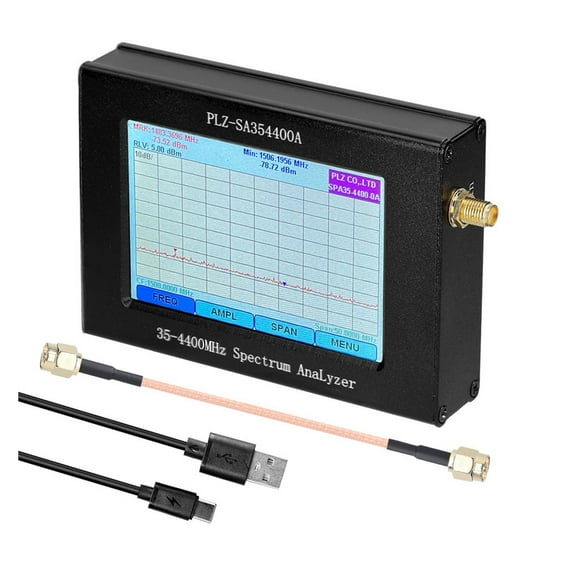
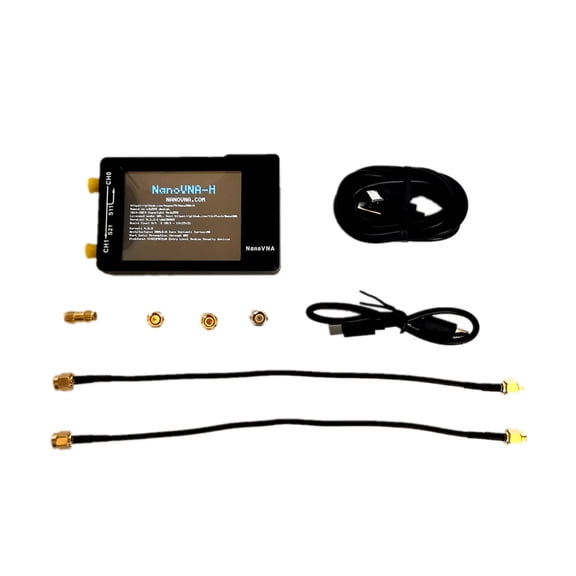
You’ll often save setup time by checking whether a spectrum analyzer kit includes the accessories your tasks require. You can compare standalone units, complete kits, and packages with calibration cables before you commit.
- You can track wireless activity across defined frequency bands for clearer troubleshooting.
- You can match handheld, benchtop, or USB-hosted formats to your workspace.
- You can choose kits with antennas or tracking generators for broader testing tasks.
- You can compare resolution bandwidth settings for finer signal separation.
Choosing form factor, accessories, and spectrum analyzer kit options
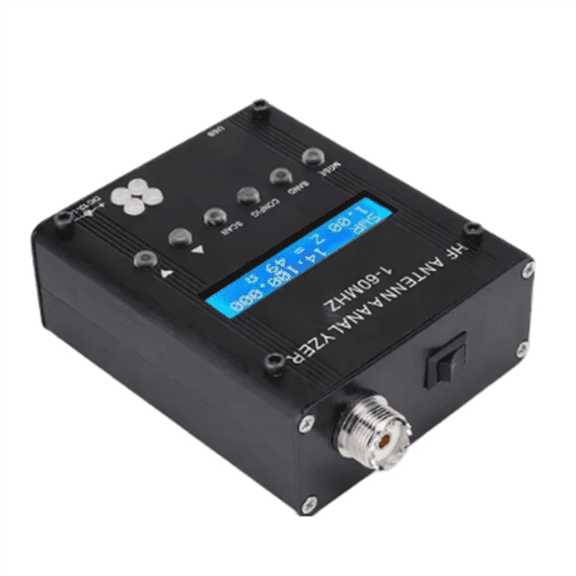
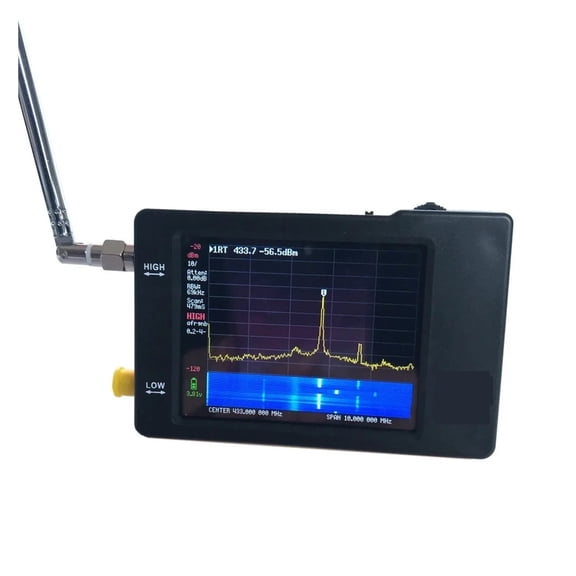
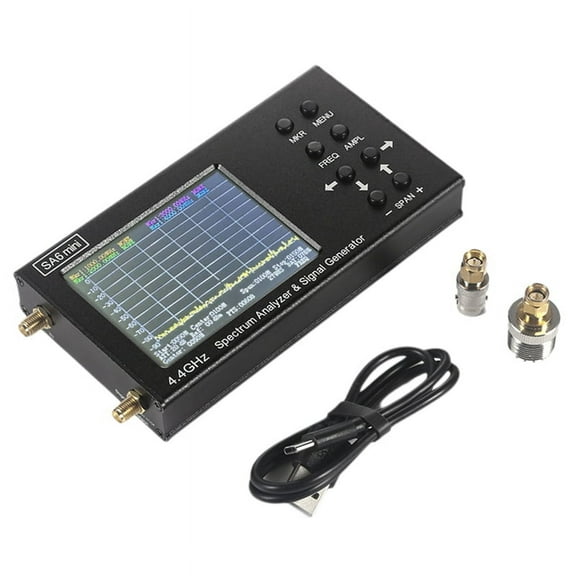
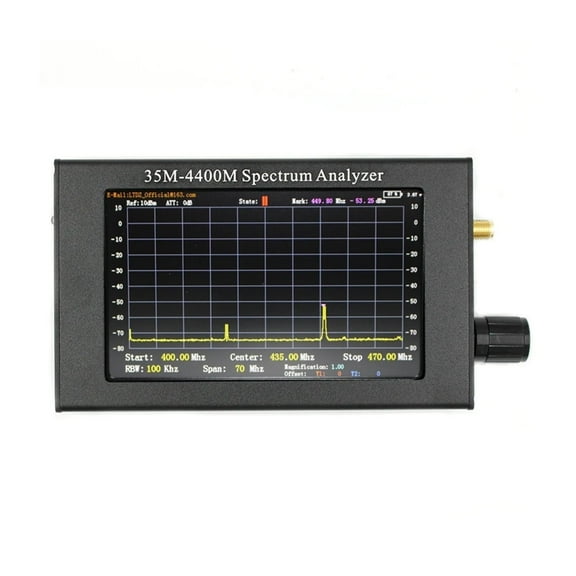
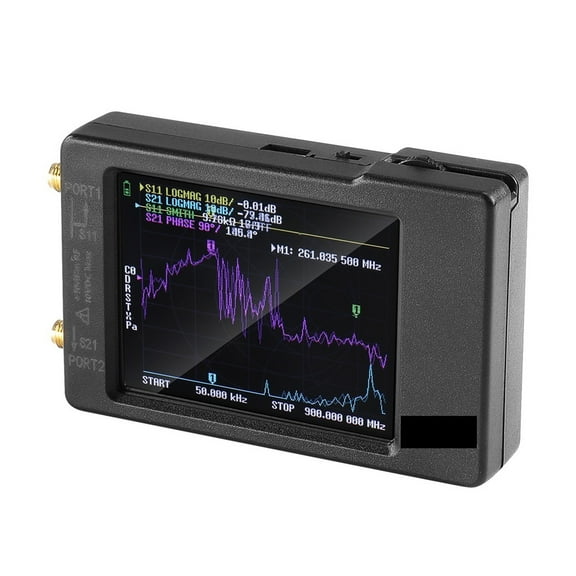
You should compare handheld models if your work moves between job sites, rooftops, or equipment rooms. You’ll get easier transport, and your measurements stay within reach during field checks.
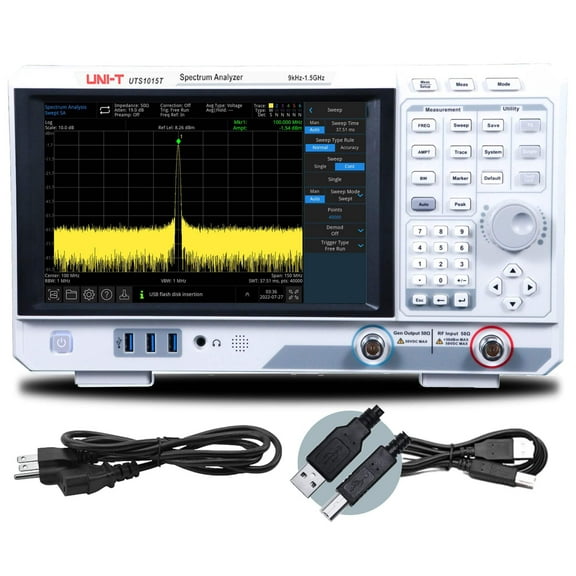
You may prefer benchtop units when your bench needs a larger display and more steady controls. You can review traces longer and adjust settings with more precision during repeated tests.
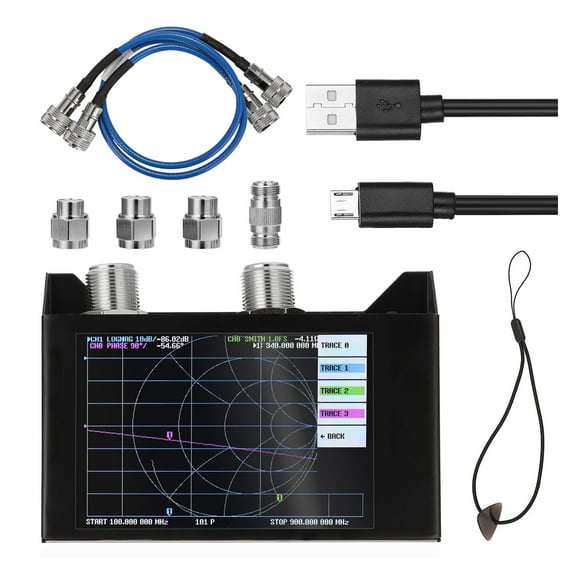
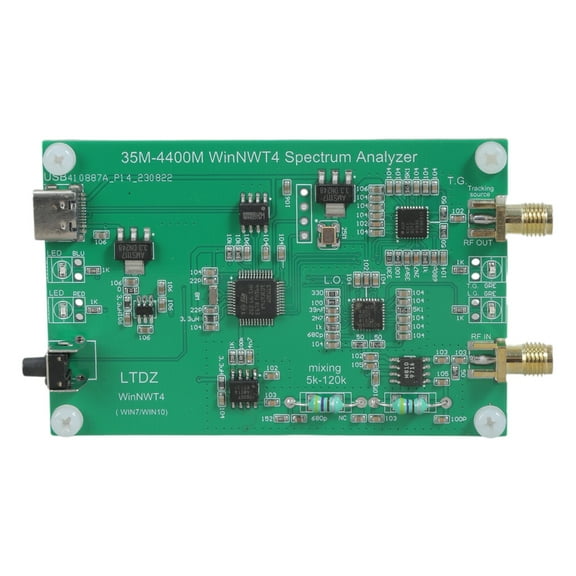
You can consider a usb spectrum analyzer when your space is tight or your workflow centers on a connected computer. You’ll often gain screen flexibility and data handling that suits logging or classroom use.
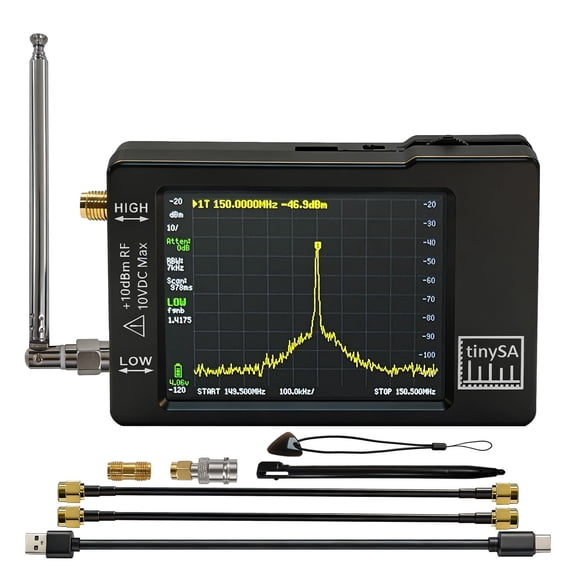
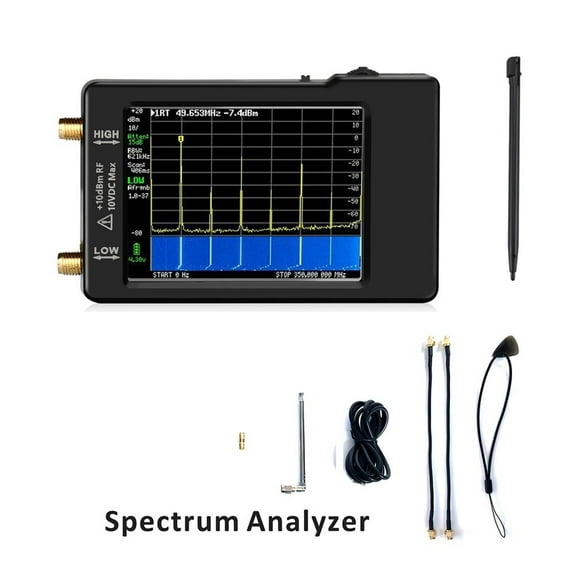
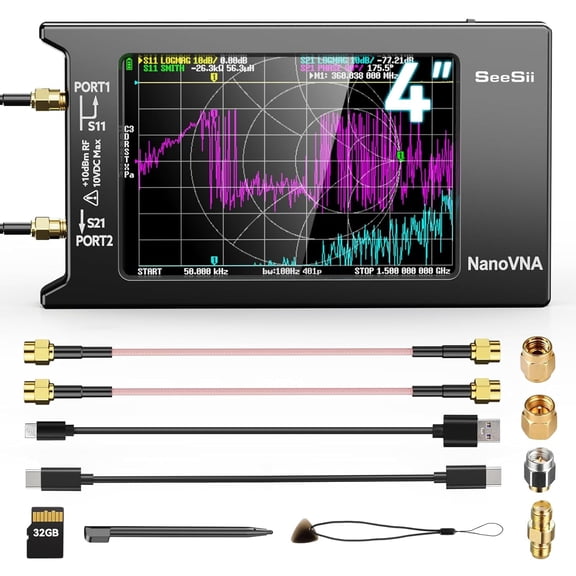
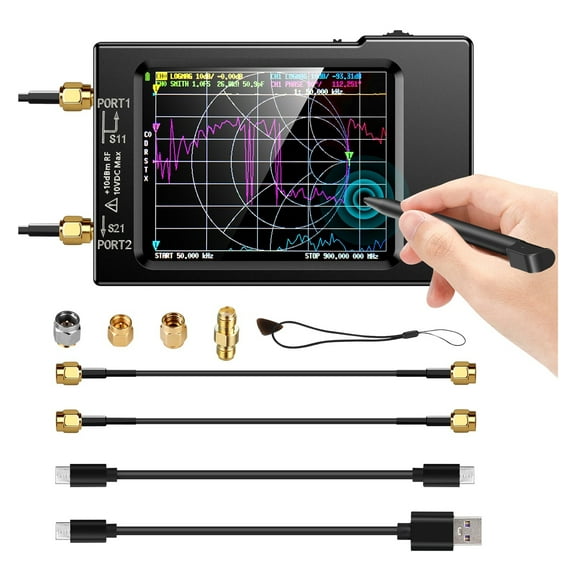
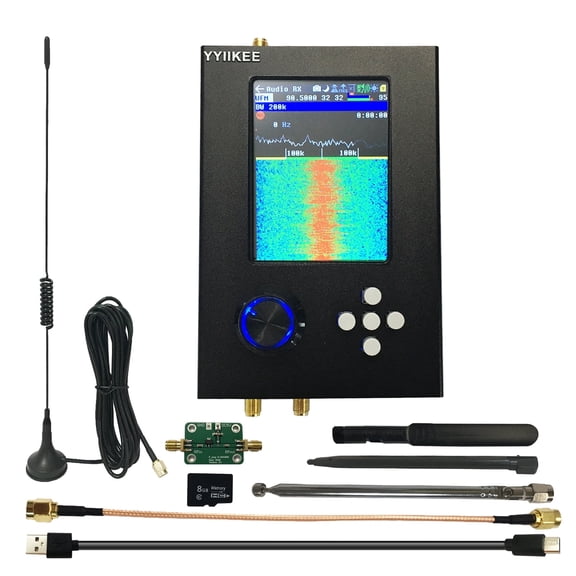
You should also review included accessories because they shape what you can test right away. You may need a spectrum analyzer antenna for over-the-air signals, or your setup may call for a tracking generator.
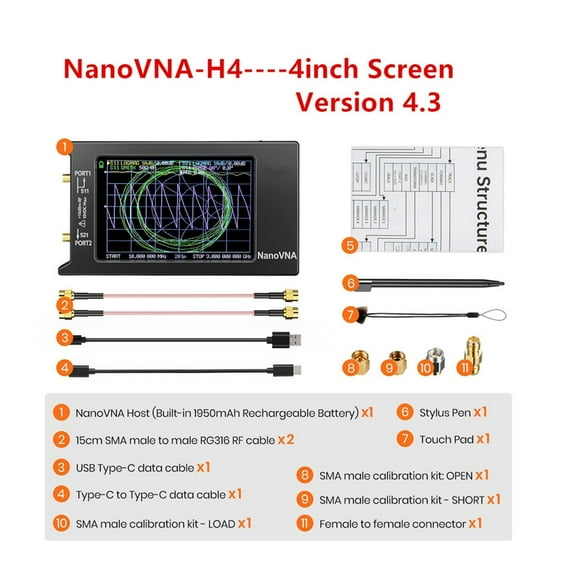
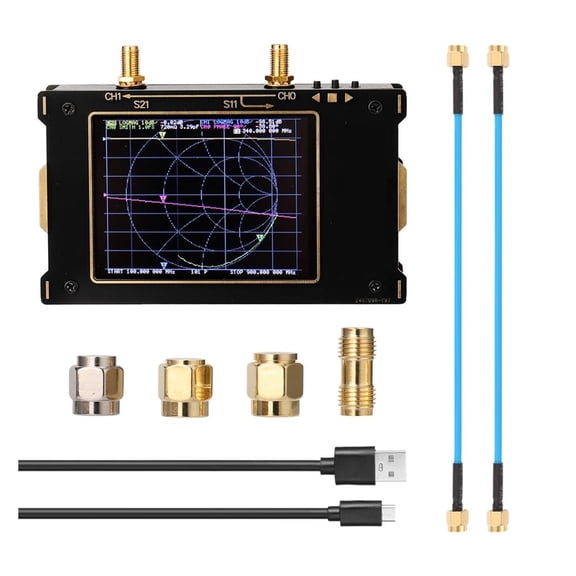
You can choose a bare tool if your lab already has compatible leads and adapters. You may want a complete kit when your team needs calibration cables and common accessories in one package.
Comparing bandwidth, frequency range, and spectrum analyzer price
You should check the upper frequency limit first because it determines which signals your instrument can actually display. You’ll need higher GHz coverage for many wireless and telecom tasks.
You can use resolution bandwidth, or RBW, to understand how clearly nearby signals separate on screen. You’ll notice narrower RBW helps reveal closely spaced signals during detailed analysis.
You should also compare input signal limits, often shown in dBm, before connecting active sources. You can protect your workflow by choosing ranges that fit your expected signal levels.
You may see spectrum analyzer price differences tied to broader frequency coverage, finer RBW control, and included accessories. You can weigh spectrum analyser cost against the measurements you actually perform most often.
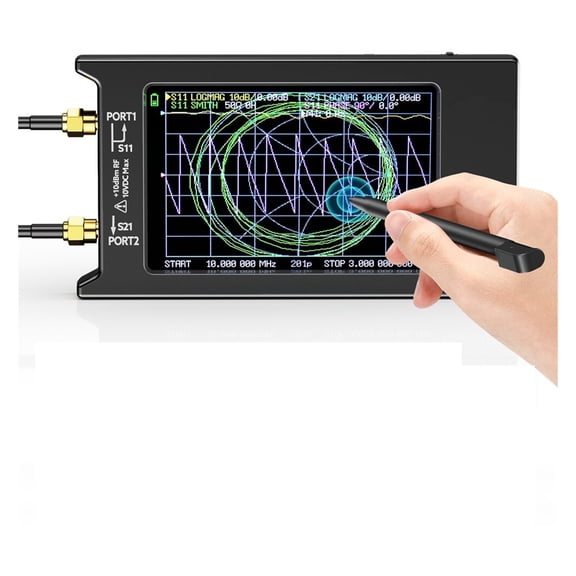
You’ll also want to compare display size, trace functions, and interface options with your daily routine. You can prioritize simple controls for quick checks or deeper menu control for advanced test work.
Matching application type to your testing environment
You can focus on RF signal analysis when your work involves antennas, transmitters, wireless modules, or interference checks. You’ll want coverage and accessories that align with those frequencies and connectors.
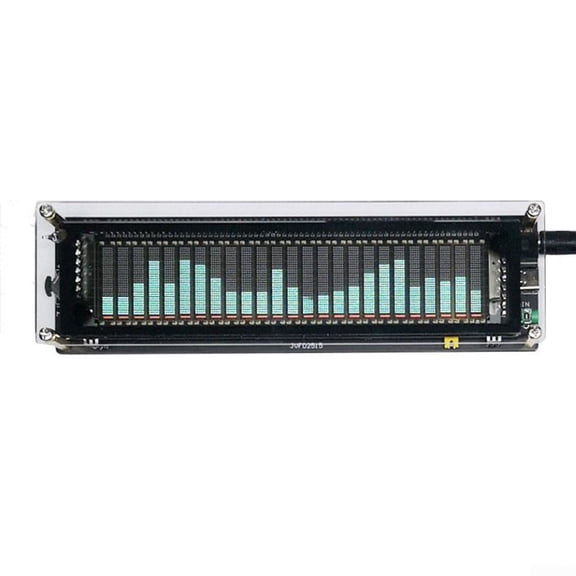
You may choose an audio spectrum analyzer for speaker testing, signal path review, or classroom demonstrations. You can use that format when your project centers on audible frequency content instead of RF bands.
You should compare telecommunications models when your environment involves communication links and network equipment. You’ll benefit from frequency support that lines up with your systems and your inspection routines.
You can pair a handheld format with antenna accessories when your tasks involve field surveys and portable signal checks. You may pair a benchtop unit with calibration cables when your bench handles repeated verification.
You’ll often find complete kits helpful for training labs, service departments, and maintenance teams starting from scratch. You can move faster when your package arrives ready for common test connections.
You should choose spectrum analyzers by matching signal type, frequency limits, and accessories to the work in front of you. You’ll end up with a tool that fits your bench, your field routine, and your measurement goals.