

Soldering Irons in Soldering


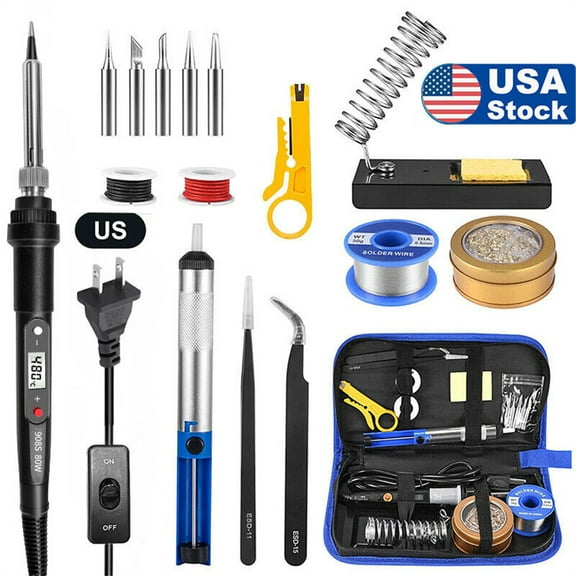
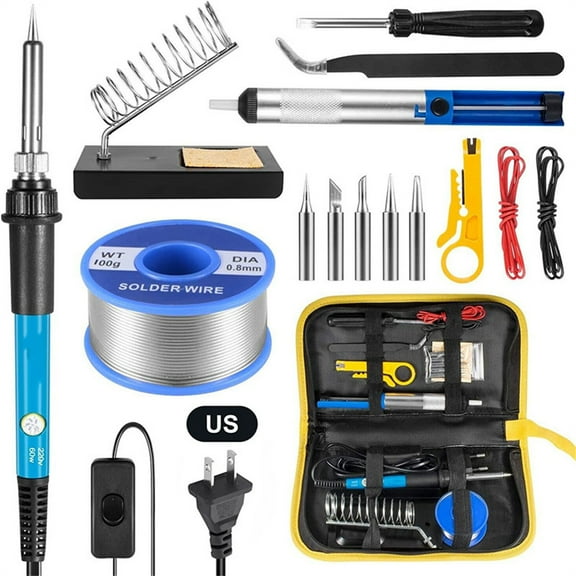

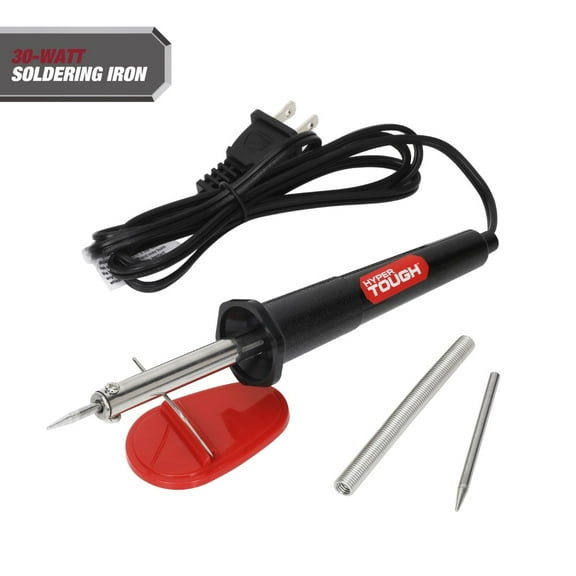
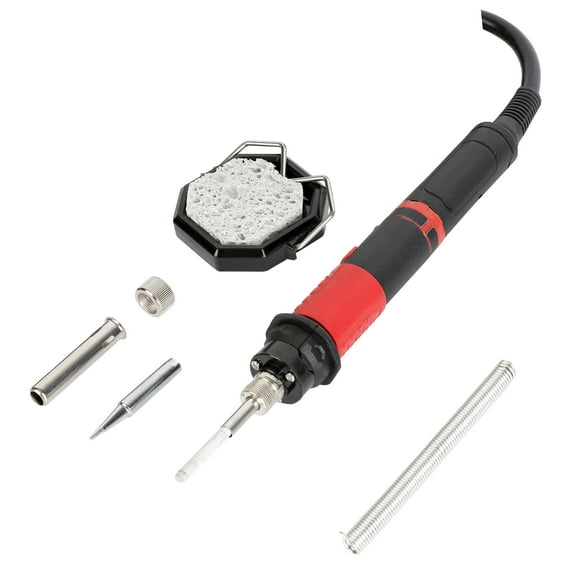
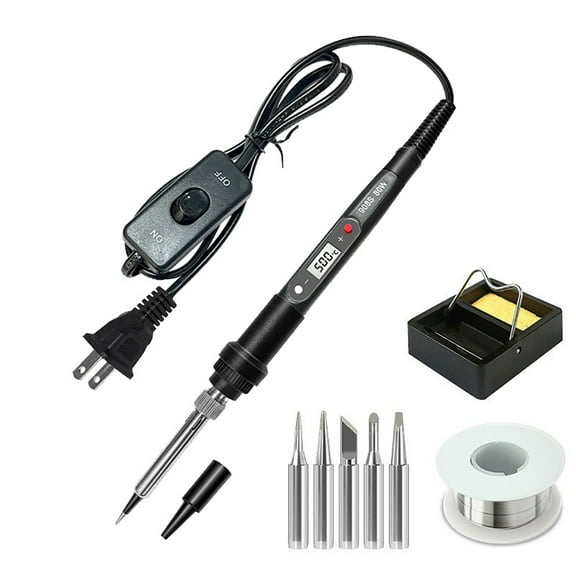
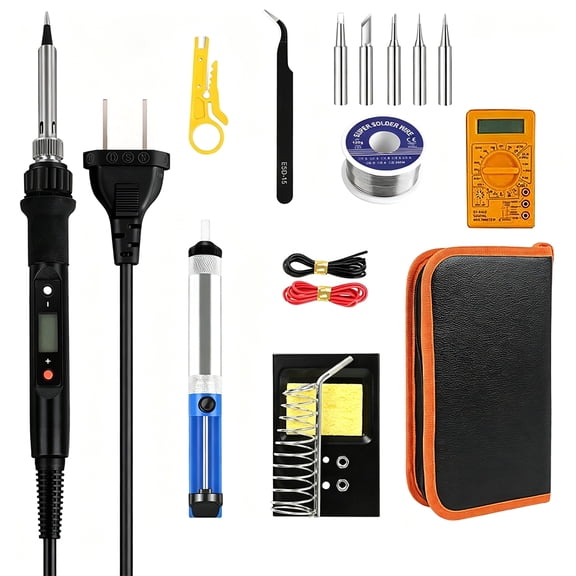
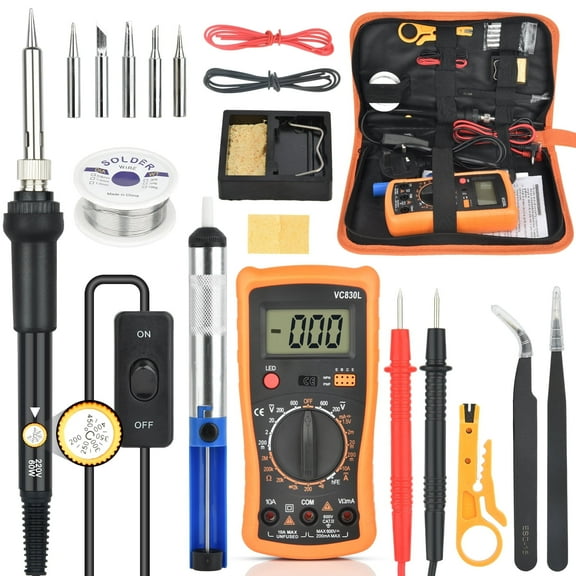


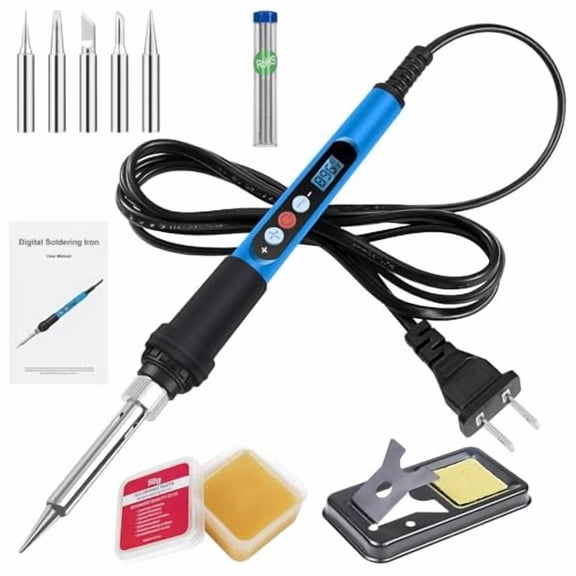

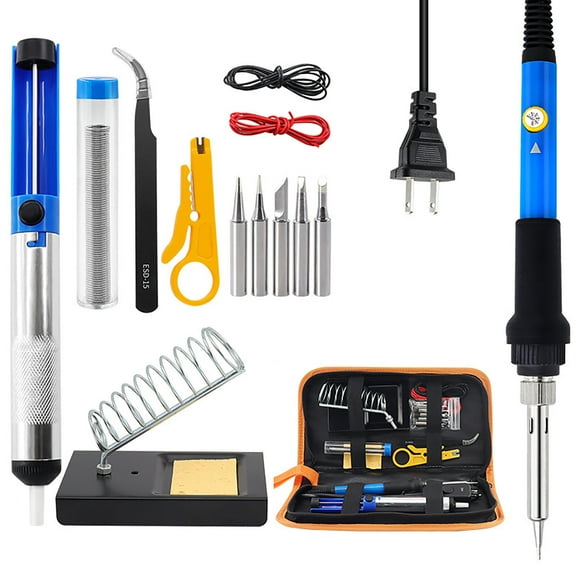
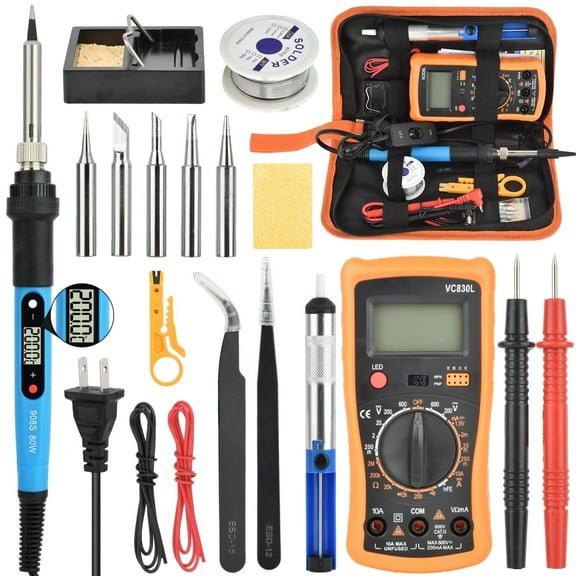



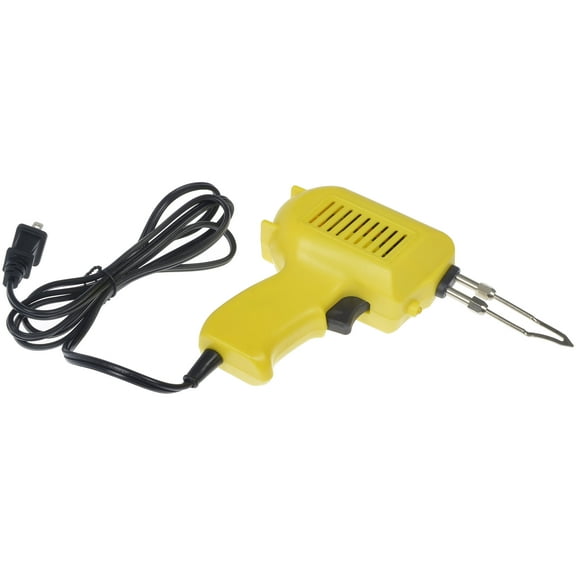




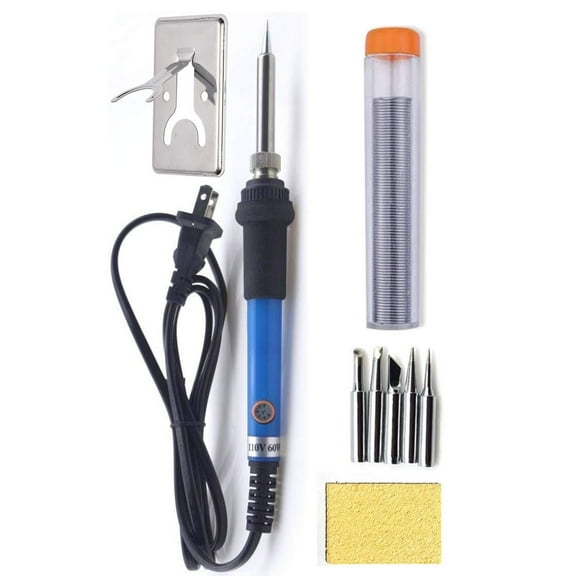
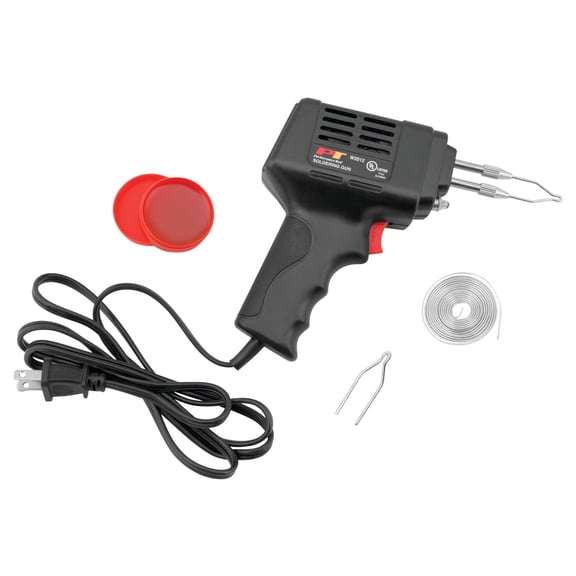
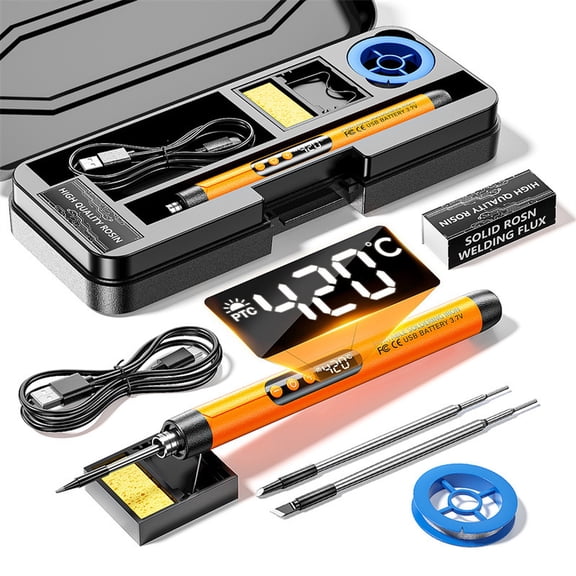
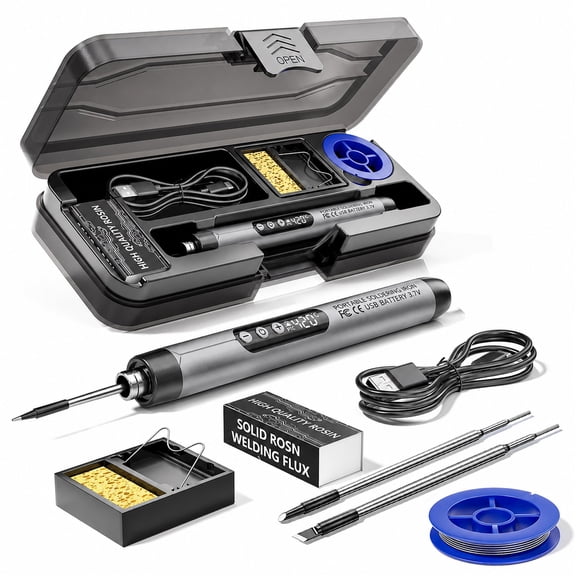





About Soldering Irons in Soldering - Walmart.com
Deep fryers help you serve crisp wings, fries, and onion rings with steady heat and batch-friendly capacity. You can compare basket layouts, power sources, and safety details that fit your kitchen or outdoor setup.
If you cook for game nights or family dinners, you’ll want a fryer that matches your batch size and cleanup routine. You can narrow your choice faster when you understand capacity, temperature control, and exterior design.
How to choose deep fryers by capacity
Capacity shapes how much food you can fry at one time, so you should start with your usual serving size. You may prefer a 2-liter model for snacks, while a 4-quart option suits larger batches.
If you like cooking different foods together, you should compare single and double basket deep fryers carefully. You can keep fries separate from shrimp, or split portions for faster serving.
Triple basket layouts give you added flexibility when you want a larger main compartment and smaller side baskets. You can switch between one large batch and separated foods without changing appliances.
- You can choose small deep fryers for compact counters and quick snack portions.
- You can pick larger capacities when your household serves several people at once.
- You can use double basket styles when you want separate foods frying together.
- You can look for removable baskets when your cleanup routine matters.
Choosing between electric deep fryers and propane models
Power source affects where and how you cook, so you should match it to your space. You’ll often choose electric deep fryers for indoor counters and familiar plug-in convenience.
If you want a home kitchen setup, you may prefer electric models with adjustable heat dials and enclosed heating elements. You can place them on a stable counter and monitor cooking more easily.
Propane options make sense when you fry outdoors and need more room around your cooking area. You can use them for fish fries, large gatherings, or other bigger outdoor batches.
When you compare power types, you should also check temperature control behavior. You’ll notice thermostat sensitivity and recovery time matter when you add cold food to hot oil.
A responsive thermostat helps you hold a steadier temperature during each batch. You can get more even browning when heat recovers quickly after the basket goes in.
What to look for in materials and cleanup
Material choice affects how your fryer fits your kitchen style and cleaning habits. You may lean toward stainless steel deep fryers if you want a polished look and a sturdy exterior.
If you want a lighter body, you can compare models with bpa-free plastic exteriors and cool-touch handles. You’ll often appreciate those details when your fryer moves from cabinet to counter.
Cleanup can shape your long-term satisfaction, so you should check how oil drains and how parts come apart. You can look for easy-drain systems, removable lids, and dishwasher-friendly components.
A viewing window can help you monitor color without lifting the lid too often. You can reduce splatter on nearby surfaces when the lid stays in place during cooking.
Odor filters and covered heating areas may also make regular use feel more manageable. You can keep your routine simpler when crumbs collect in removable parts instead of fixed corners.
Comparing safety details and temperature control
Safety details matter when you fry at home, especially if your counter space feels busy. You should look for cool-touch sides, stable feet, and secure basket handles.
An exterior that stays cooler to the touch can feel easier to manage during active cooking. You can move around your kitchen with more confidence when handles and controls stay comfortable.
Auto shut-off features and clear indicator lights also help you track cooking status. You can tell when oil is heating or ready without guessing from the dial alone.
Temperature range matters because different foods brown well at different heat levels. You should compare adjustable controls if you fry fries, chicken, seafood, and vegetables regularly.
Recovery time becomes important when you cook multiple batches back to back. You can keep texture more consistent when your fryer returns to the selected temperature quickly.
Matching home deep fryers to your cooking routine
Home deep fryers fit different routines, so you should think about where you’ll use yours most often. You may want a compact unit for weeknight sides or a larger fryer for party snacks.
If your counter space is limited, small deep fryers can fit better between other appliances. You can tuck them away more easily and still make fries, mozzarella sticks, or tempura.
For frequent hosting, you may prefer a larger electric model with double baskets and a timer. You can serve batches faster and keep different foods organized during busy meals.
If you cook outdoors, you should compare larger propane-ready setups with more open capacity. You can handle fish, hush puppies, or other crowd-ready foods with extra room.
Commercial-style designs may appeal to you if you want larger baskets, stronger housing, and straightforward controls. You can bring a more structured frying setup into your routine without overcomplicating operation.
When you compare capacity, power source, materials, and safety details together, you can choose with more clarity. The right fryer helps you turn out crisp batches, cleaner counters, and steadier cooking at home.