







Snow Blowers























About Snow Blowers - Walmart.com
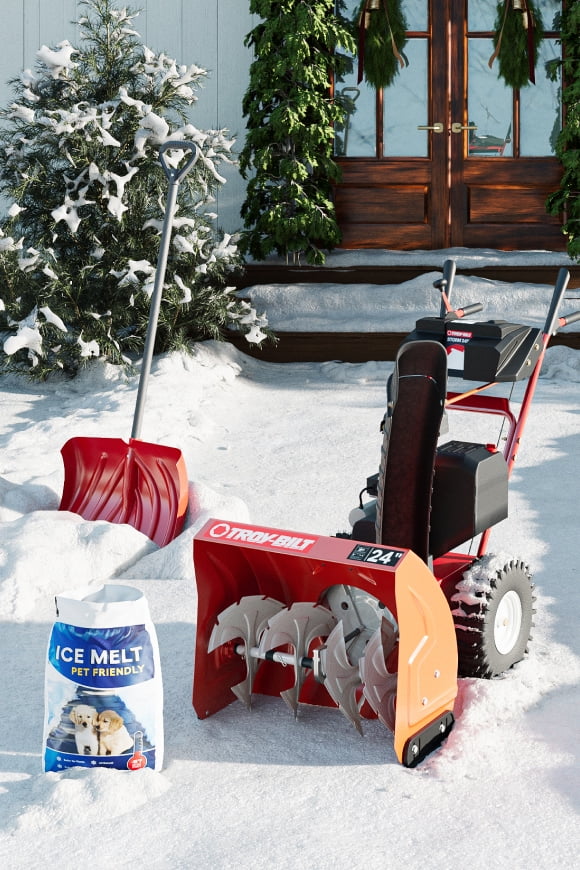
Snow blowers help you clear driveways, walkways, and paved paths with less lifting during winter cleanup. You can compare power source, stage design, clearing width, and terrain fit before you choose.
How to choose snow blowers for your space
You should start with your driveway size, snowfall depth, and surface type before you compare models. You can narrow choices faster when you match machine size to the areas you clear frequently.
If you clear short sidewalks or small paved areas, you may prefer a compact machine that stores easily. If you handle wider driveways, you may want additional clearing width and stronger throwing distance.
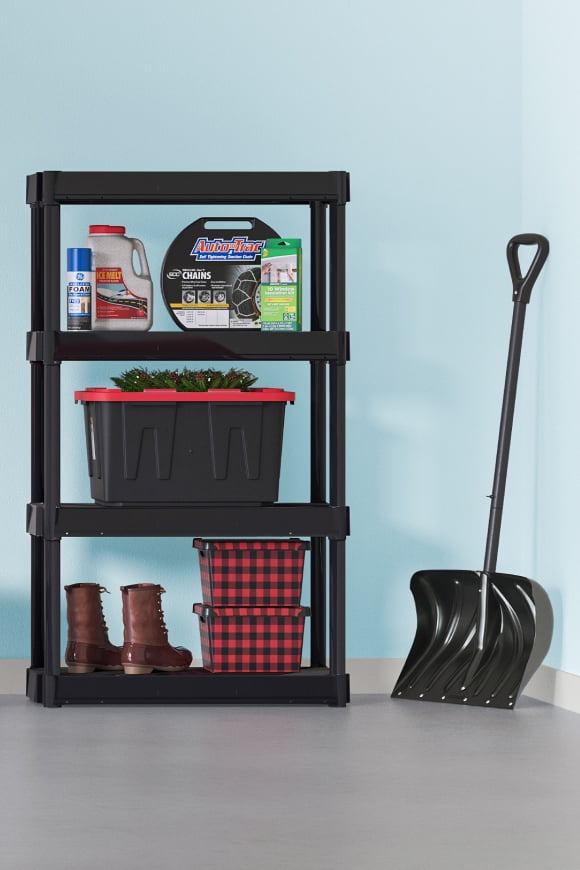
You should also measure your storage area before you choose a larger unit. You can avoid a tight fit when you need room for folding handles, charging gear, or fuel containers.
Choosing between gas snow blowers and electric options
You can choose gas snow blowers when you want longer run time and strong output for repeated passes. You should expect routine upkeep, since you manage fuel, oil, and seasonal storage steps.
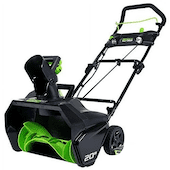
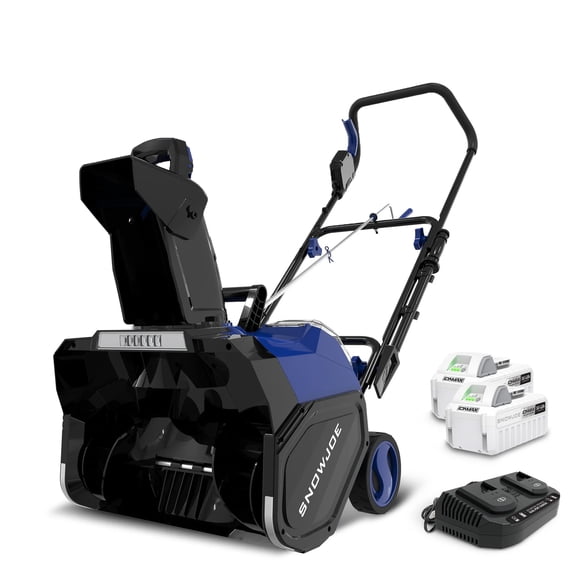
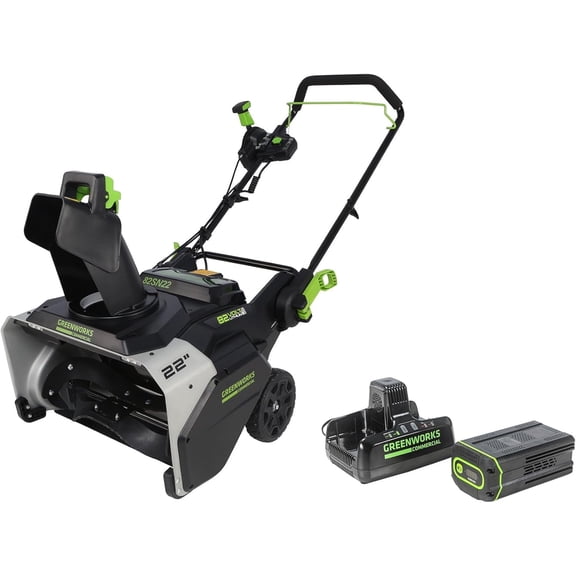
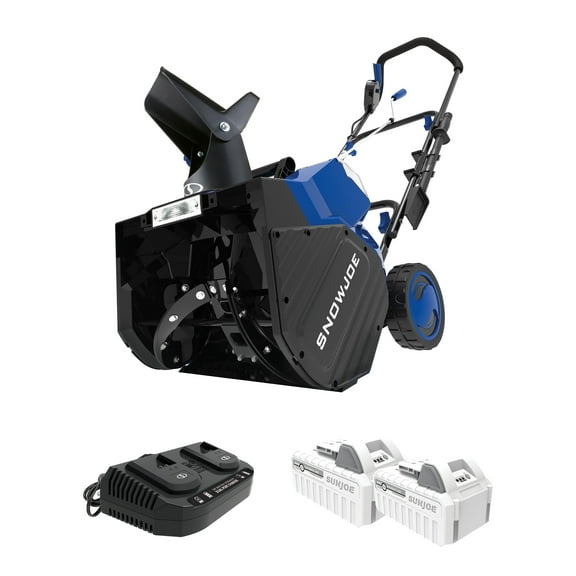
If you want simple startup and lighter handling, you may prefer corded electric or cordless snow blowers. You can avoid fuel storage, and you can often move these options with ease in tighter spaces.
You should compare these power choices based on your routine and snowfall pattern. You can use this quick guide to match the right format to your space.
- You may choose gas when you clear large driveways or deeper snow after heavy storms.
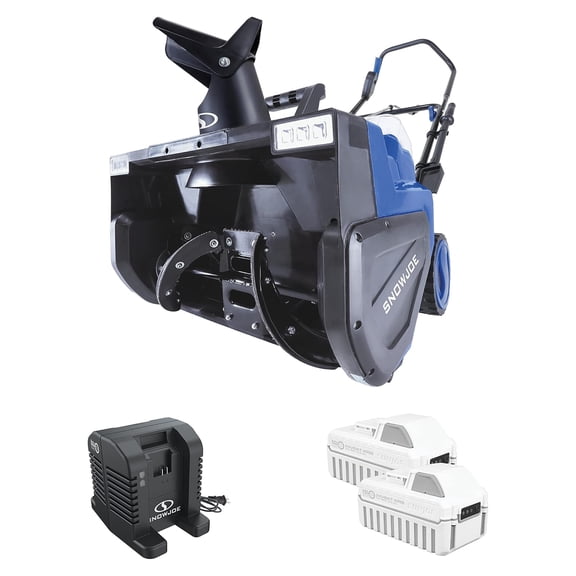
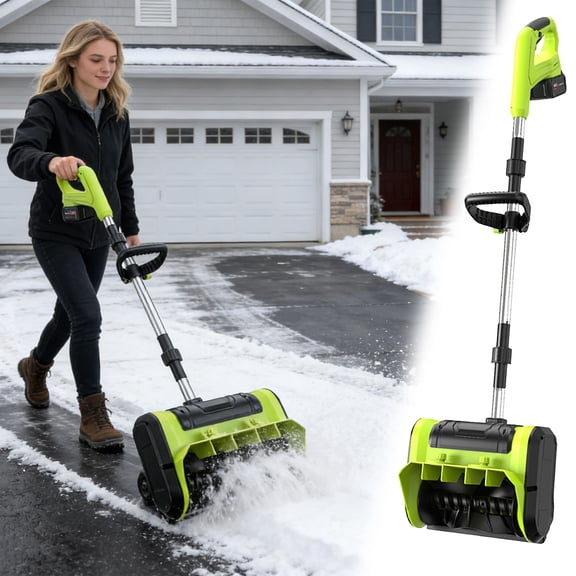
- You may choose a battery powered snow blower when you want cordless movement and quick startup.
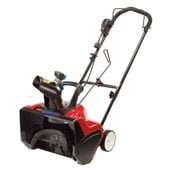
- You may choose electric snow blowers when you clear smaller paved areas close to an outlet.
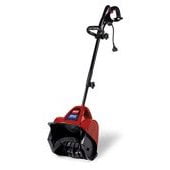
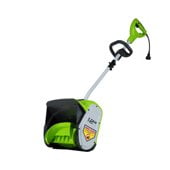
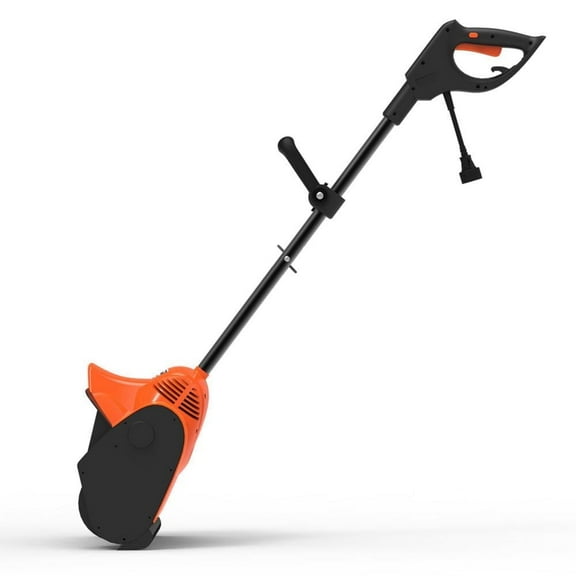
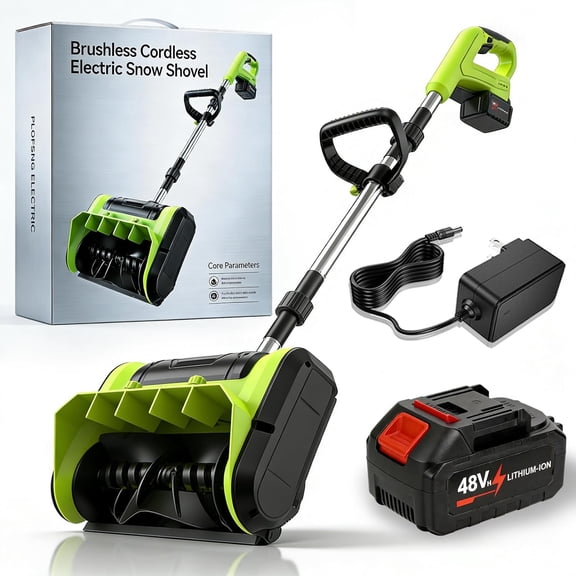
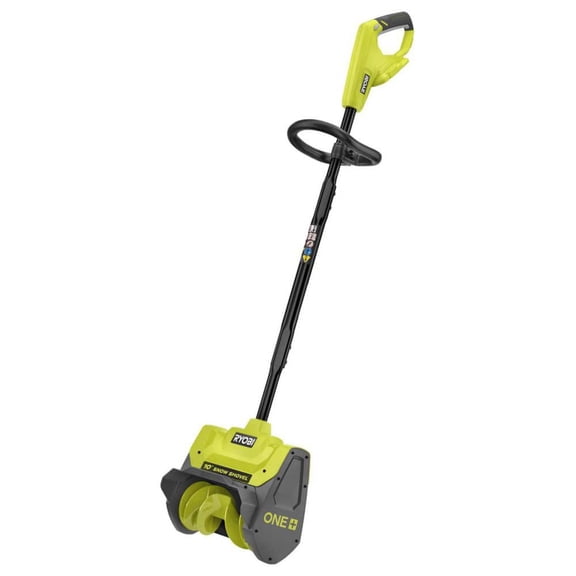
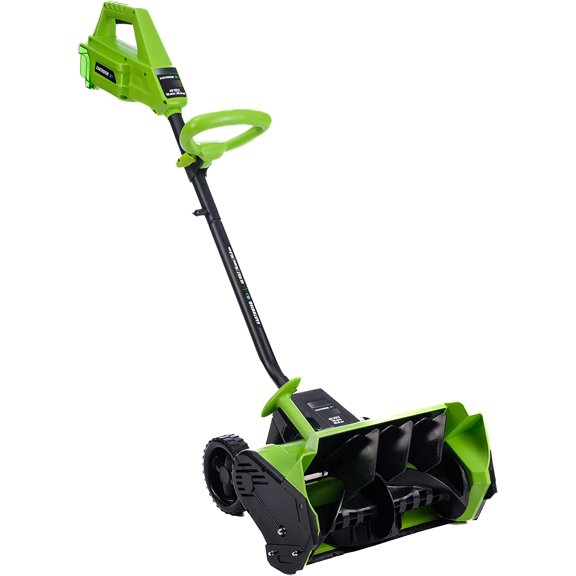
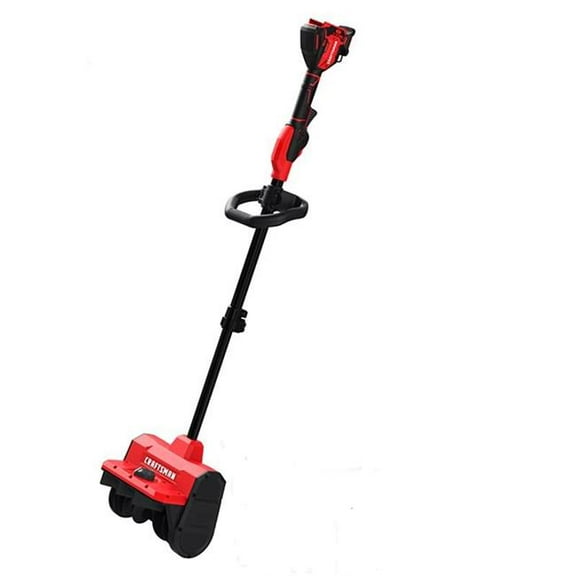
- You may consider an electric snow shovel for steps, short paths, and light touch-up work.
You should also consider weight and storage when you compare power sources. You can often store smaller electric units easily if your garage space feels tight.
Choosing between single-stage and two stage snow blowers
You should compare stage design closely because it affects how the machine gathers and throws snow. You can make a smarter choice when you consider snow depth, density, and intake height.
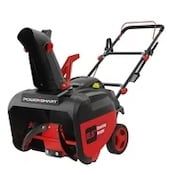
If you usually clear lighter snowfall on smooth pavement, a single stage snow blower may fit your needs. You can get a simpler design that works well for routine passes on smaller areas.
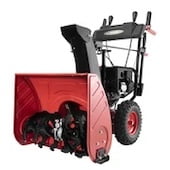
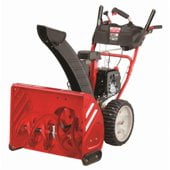
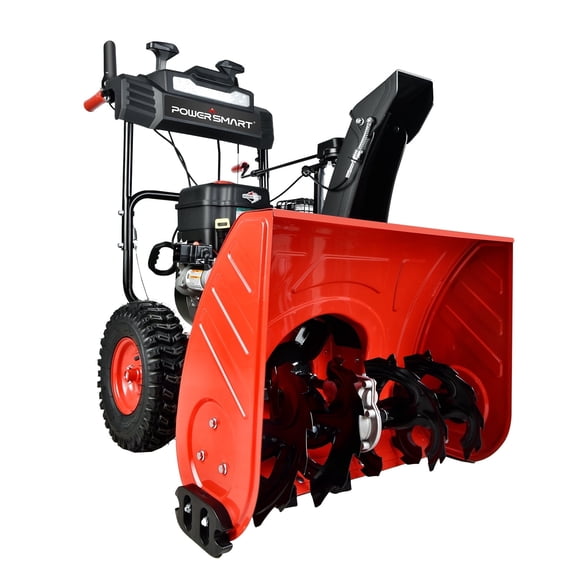
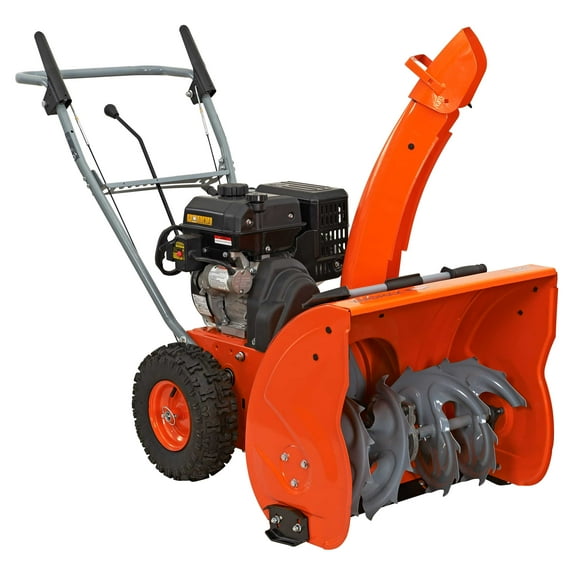
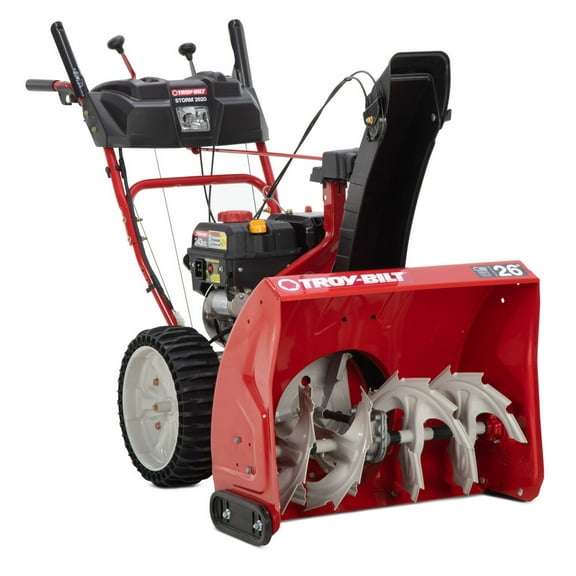
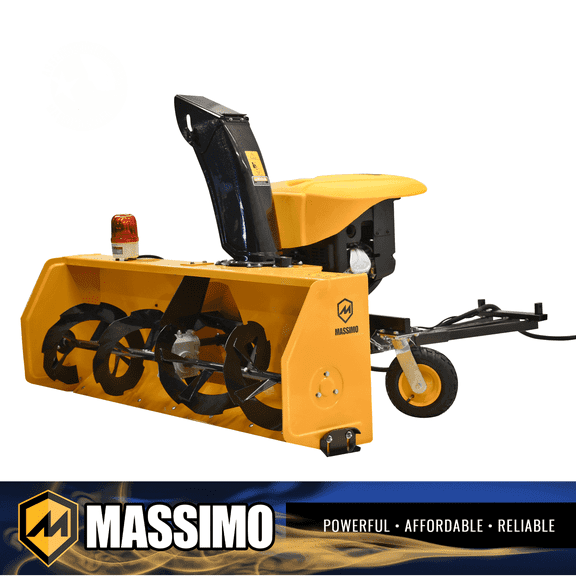
When you face deeper snowfall, two stage snow blowers give you separate collecting and throwing actions. You can use that setup on wider driveways and denser snow.
If your area gets frequent accumulation from major storms, you may also compare three-stage designs. You can look for that extra capacity when you need faster clearing through taller banks near the street.
You should pay attention to intake height because it helps you judge how much snow the machine can take in. You can match intake capacity to typical storm depth and avoid an oversized machine.
Choosing clearing width and terrain compatibility
You should choose clearing width based on the space you cover and the number of passes you want. You can finish broad driveways faster with 24+ inch options, while smaller paths may need less machine.
If you clear narrow sidewalks or short entry areas, under 18 inches can feel easier to guide. You may prefer 18-22 inches when you want a balance of coverage and storage convenience.
You also need to match your machine to your surface type before winter starts. You can protect your results when you choose equipment that suits flat paved driveways, gravel paths, or steep slopes.
For gravel paths, you should look closely at two-stage designs because they lift snow differently from many single-stage models. You can reduce unwanted stone pickup when you choose the right setup for loose surfaces.
If you clear steep slopes, you should think about weight, traction, and how easy the machine feels to control. You can choose a model that fits your comfort level during repeated uphill or downhill passes.
Matching snow blowers to real winter jobs
You may want compact snow blowers for townhome walkways, short driveways, and quick early-morning cleanup. You can appreciate lighter handling when you move around parked cars or tight corners.
If you maintain a longer suburban driveway, you may prefer mid-size or wide units with more reach. You can cut down on extra passes when storms leave deeper snow at the curb.
You can choose heavy duty snow blowers for regions with repeated accumulation and dense piles that snowplows pack down. You can benefit from stronger stage designs when your snow turns wet, tall, and hard to move.
If you need a versatile option for paved surfaces, a snow thrower with the right width can simplify routine clearing. You should compare startup style, chute control, and storage footprint before deciding.
You should also think about who uses the machine throughout the season. You can make ownership easier when you choose controls, weight, and maintenance needs that fit your household routine.
With the right match in power source, stage, width, and terrain fit, you can clear snow with fewer interruptions. You can head into winter with equipment that suits your driveway and your storage space.