


Snow Blower Attachments and Equipment in Outdoor Power Equipment Parts and Accessories





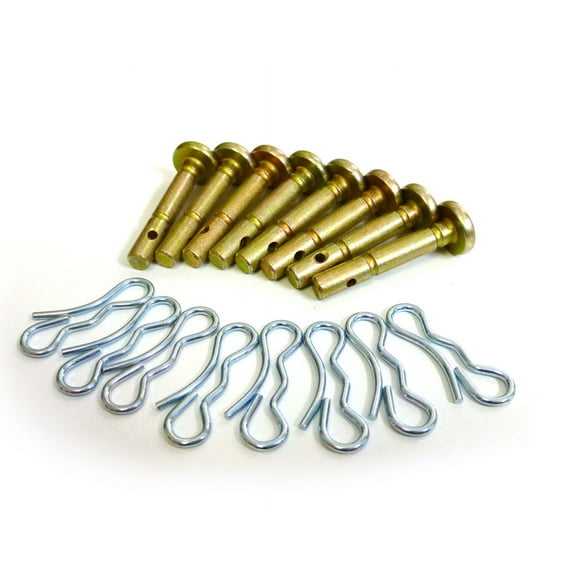
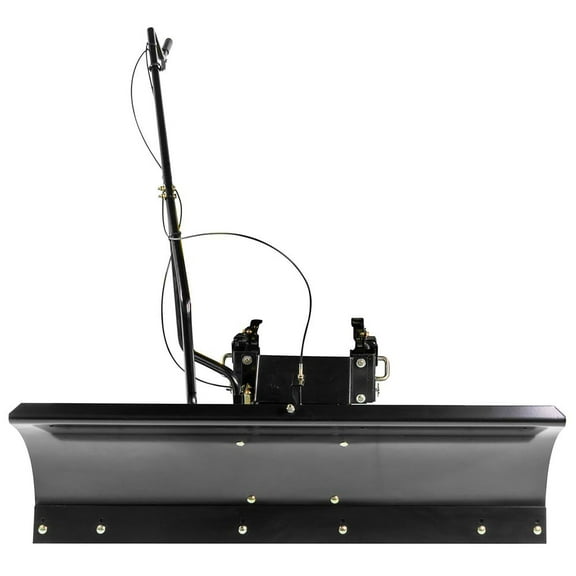


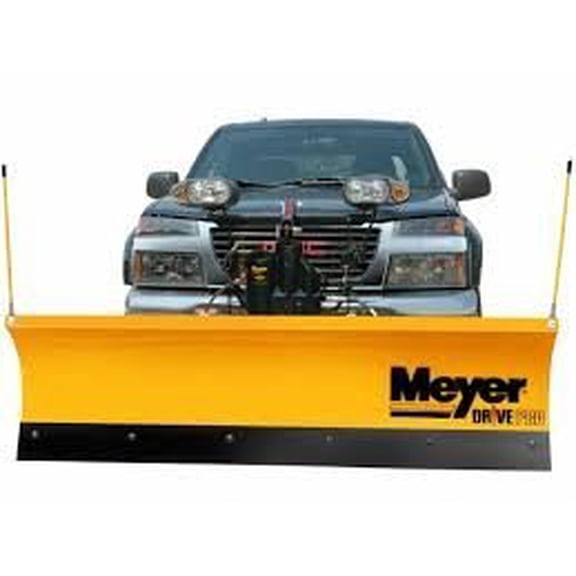

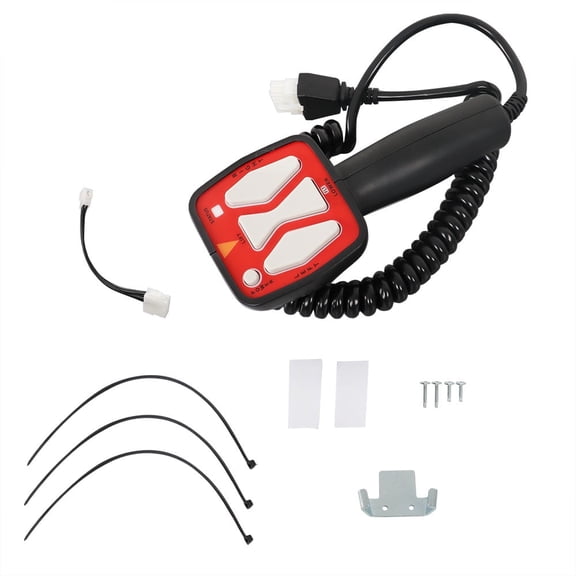












About Snow Blower Attachments and Equipment in Outdoor Power Equipment Parts and Accessories - Walmart.com
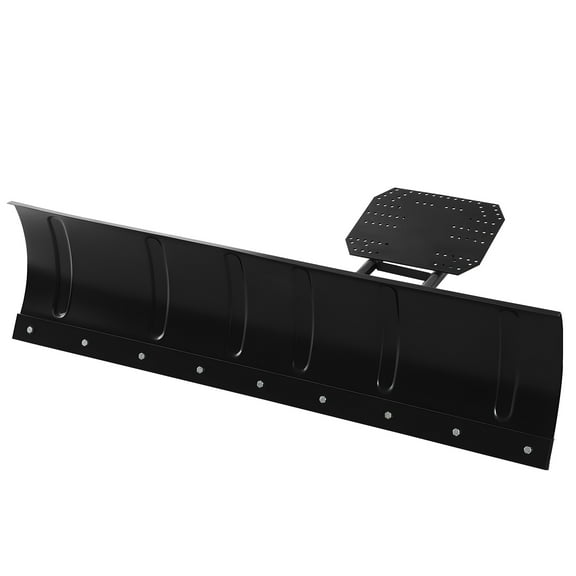
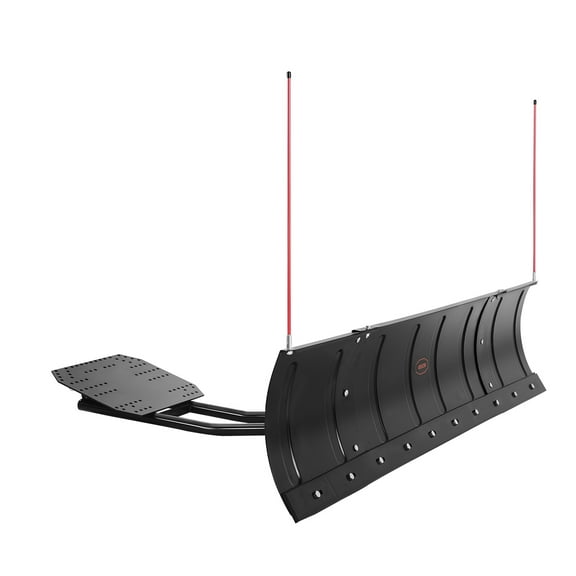
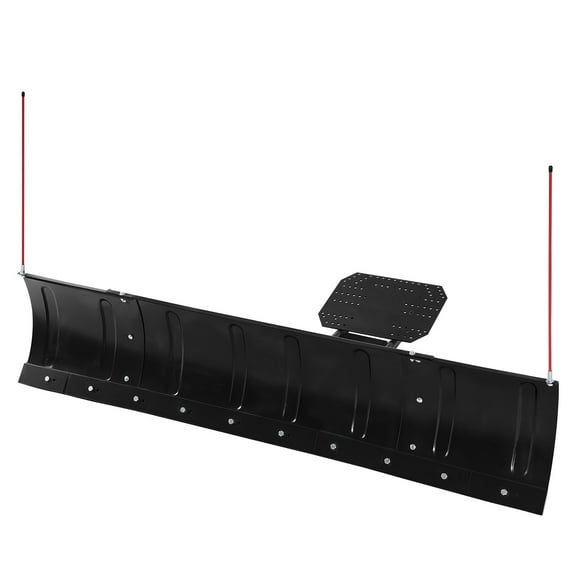
You can compare a snow blade attachment here by fit, width, and material before winter weather hits your driveway or private lane. You’ll also find guidance on snow blower attachments, tire chains, and mounting hardware that match your equipment.
Choosing the right snow blade attachment
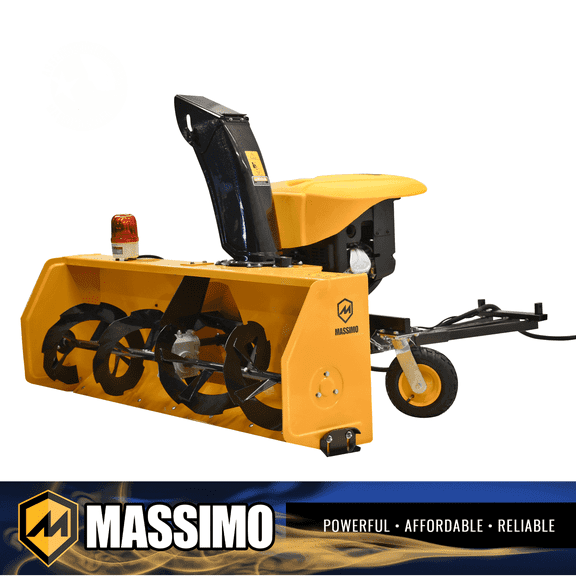
Start with attachment type, because your clearing job changes what you should choose. You may want a snow blade for pushing, a blower for deeper snowfall, or tire chains for extra traction.
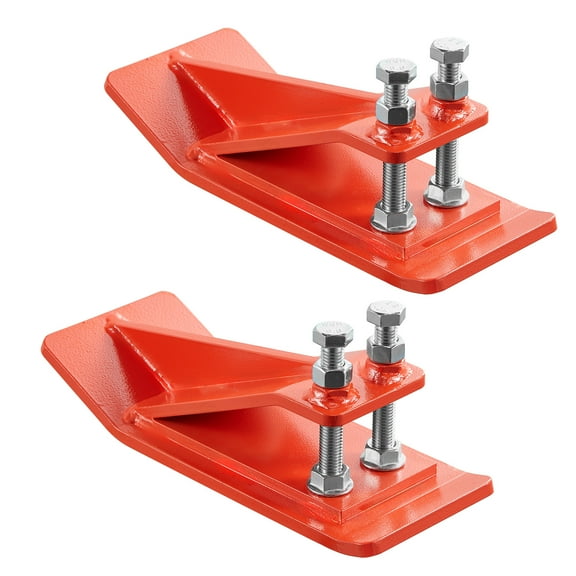
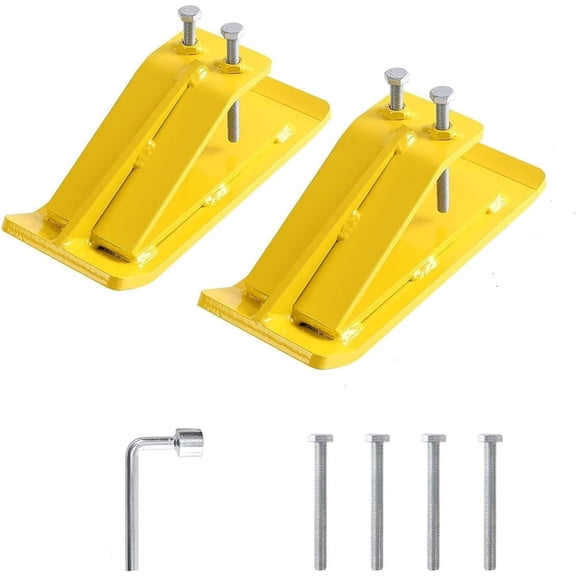
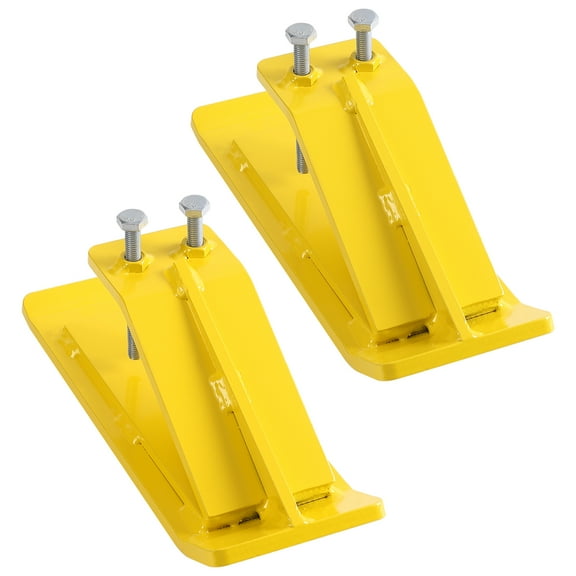
Weight brackets matter when you need steadier contact across packed snow. You can use them to help balance your machine and keep your setup working smoothly.
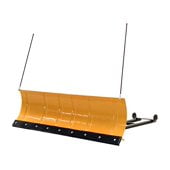
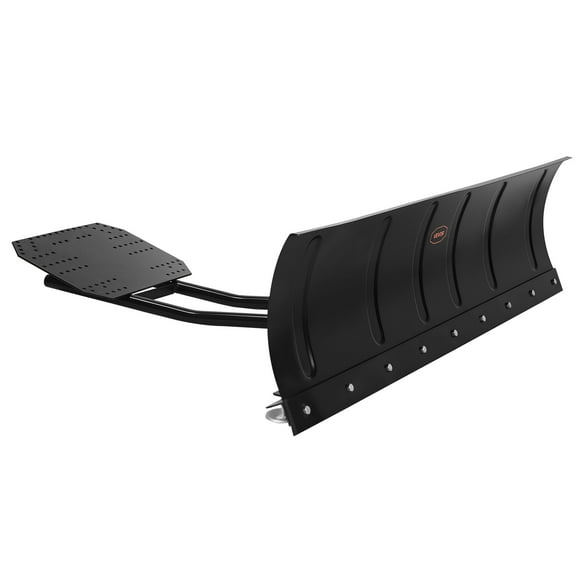
- You can push light to moderate snowfall quickly with a front blade.
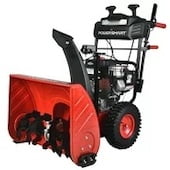
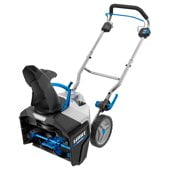
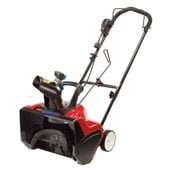
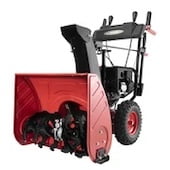
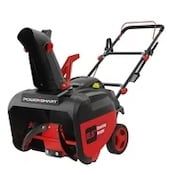
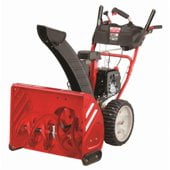
- You can clear deeper accumulation with snow blower attachments that throw snow away from the path.
- You can improve grip on slick ground with snow blower tire chains.
- You can add weight brackets when you want steadier plowing contact.
When you compare options, think about where snow needs to go after each pass. You’ll often prefer a blade for broad, open areas and a blower for tighter banks.
How to check tractor snow blade compatibility
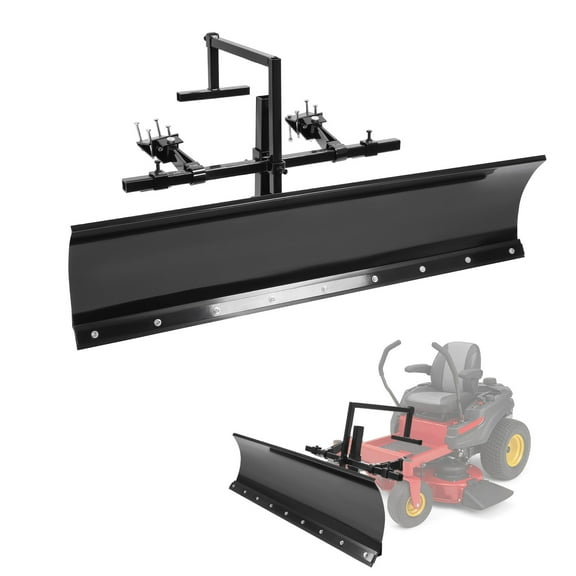
Compatibility is your first real buying decision, because mounts vary by machine and frame design. You should check your tractor model number, mounting bracket style, and front hitch layout before you choose.
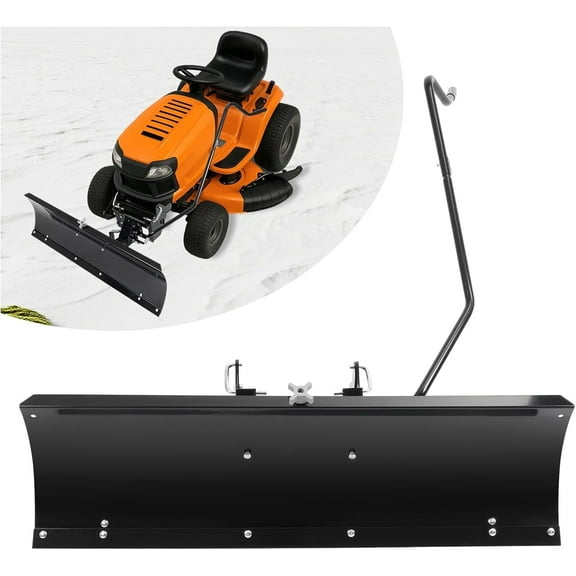
A riding mower may support lighter-duty setups, while a garden tractor may handle wider or heavier equipment. You can also compare ATV and UTV options when you need clearing power on long private paths.
Universal fit can help you narrow options, but you should still confirm bracket details and lift linkage points. You’ll want the attachment to line up cleanly with your machine’s connection system.
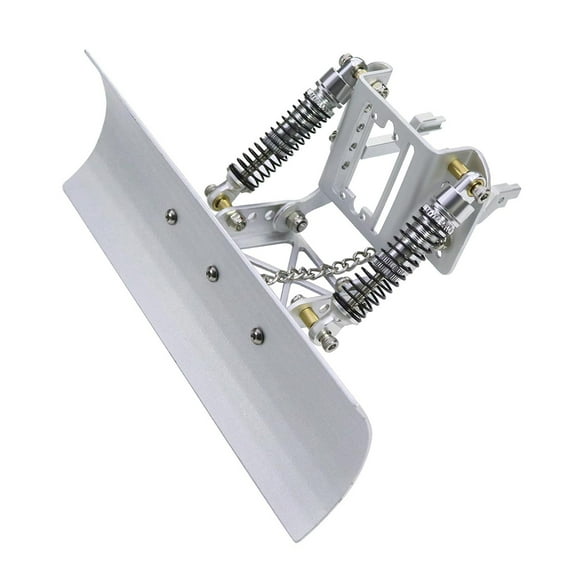
Lift mechanism matters during repeated passes across changing snow depth. You may prefer manual lift for straightforward control, or hydraulic lift for easier raising and lowering from the seat.
What blade width means for your driveway
Blade width affects how much ground you clear in each pass and how easily you move around edges. You should compare 42 inch, 46 inch, 48 inch, and 50+ inch widths against your machine size.
If you clear a short driveway or narrow walkway entrance, you may prefer a smaller blade. You’ll usually get easier turning and simpler storage with a more compact width.
If you maintain a wide driveway, parking pad, or private road, you may want a broader blade. You can clear more surface in fewer passes when your machine supports it.
Width should also match your plowing style and turning space near garages or sheds. You’ll want enough reach for coverage without making corners awkward or uneven.
Comparing materials and cutting edges
Material changes how your attachment handles repeated use, changing surfaces, and cold-weather cleanup. You can compare heavy-duty steel, alloy steel, and polyethylene parts based on the surface you clear.
Heavy-duty steel can suit frequent plowing and packed snow on larger areas. You may like alloy steel when you want strong construction with dependable wear characteristics.
Polyethylene components can help when you want lighter handling and smoother movement across certain surfaces. You should compare the full build, because the frame and edge matter as much as the moldboard.
Cutting edge choice is another practical decision for your property. You may choose steel edges for firmer scraping on concrete, while rubber edges can feel gentler on gravel or decorative surfaces.
Using snow blower attachments for different setups
You can match snow blower attachments and blades to the way your property fills with snow. You should consider snowfall depth, surface type, and storage space before you decide.
For a suburban driveway with concrete, you may choose a mid-width blade and a steel cutting edge. You’ll get direct pushing power for routine storms and quick cleanup around straight runs.
For gravel lanes or uneven ground, you may look for rubber-edge options and compatible tire chains. You can keep traction and maintain better control when surfaces shift under the machine.
If your property gets drifting snow near fences or garages, you may prefer blower setups that move snow farther away. You’ll reduce pileup along the edges where repeated storms can crowd your path.
On larger lots, you may combine a tractor snow blade with weight brackets for steadier contact. You can create a setup that matches long passes, wider turns, and heavier seasonal use.
You’ll feel more confident when your snow blade attachment matches your machine, driveway width, and surface type. You can make winter cleanup more predictable with the right fit, the right lift style, and the right edge.