


Slam Balls in Exercise & Fitness Accessories






About Slam Balls in Exercise & Fitness Accessories - Walmart.com
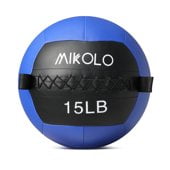
If you're comparing a slam ball for strength training, conditioning, and explosive drills, you'll want clear weight guidance and dependable no-bounce control. You'll find this category stands out with sand-filled designs, textured shells, and training-focused weight ranges that suit overhead slams and rotational work.
Whether you're building a garage gym or refreshing a training corner, you need equipment that matches your routine and your space. You'll notice slam-focused designs help you reset quickly between reps because the ball stays close instead of rolling away.
Choosing the right slam ball weight
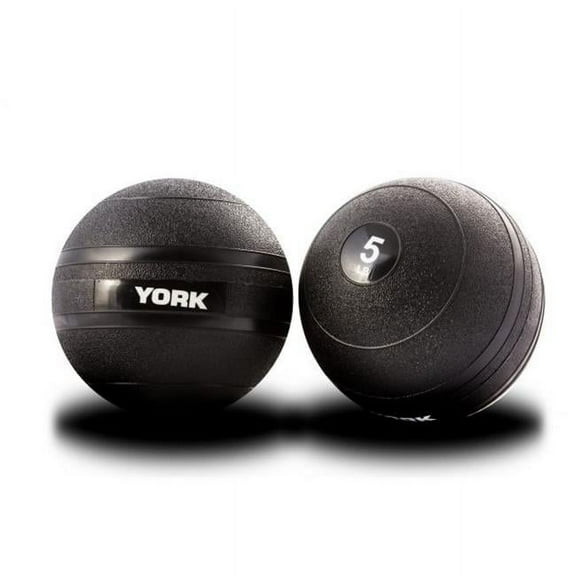
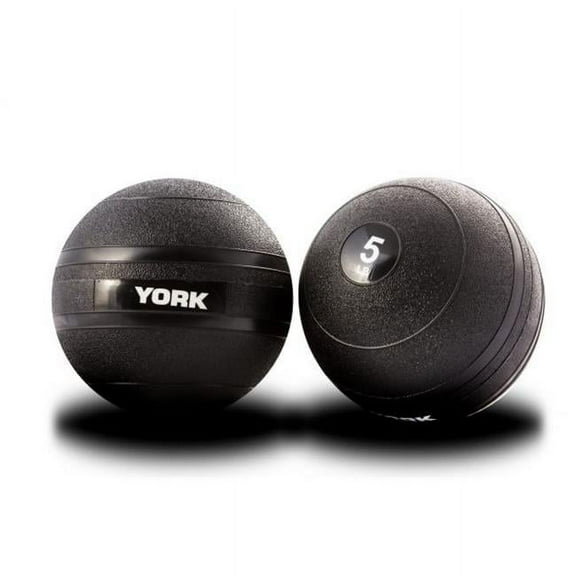
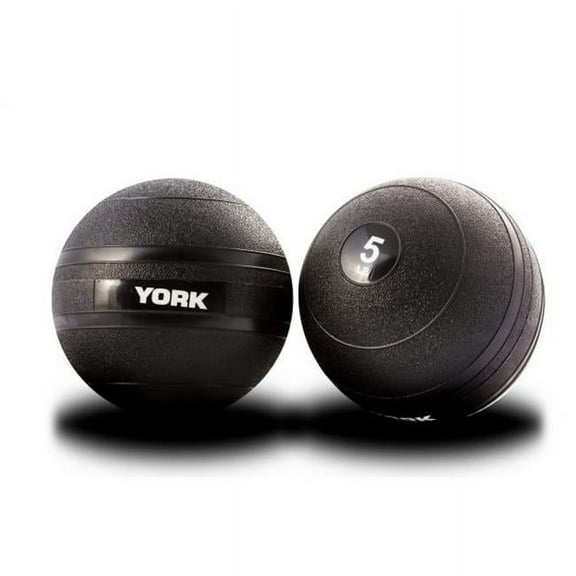
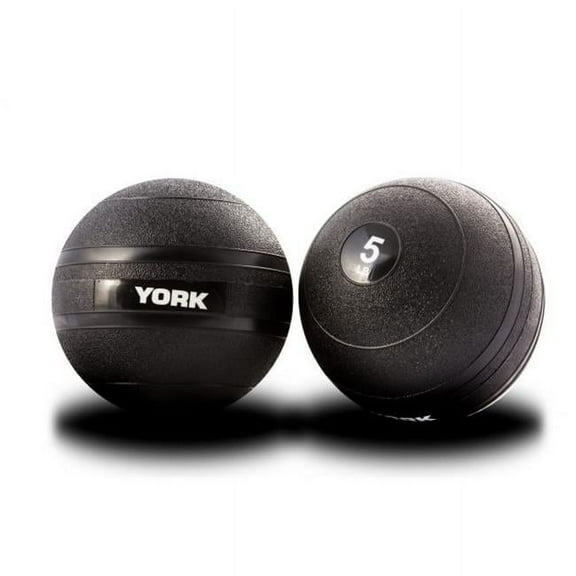
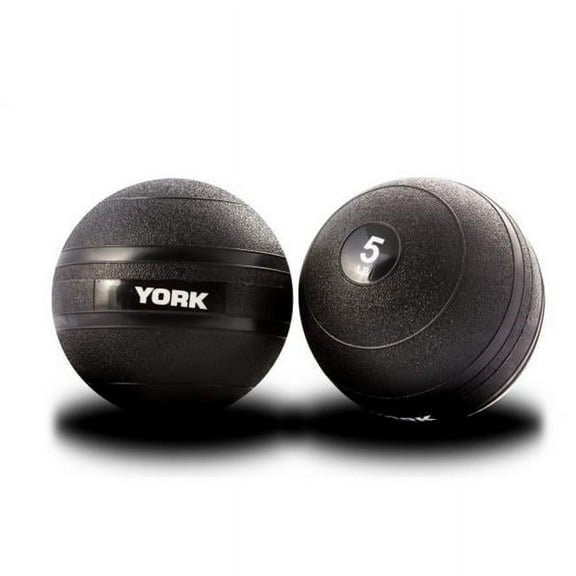
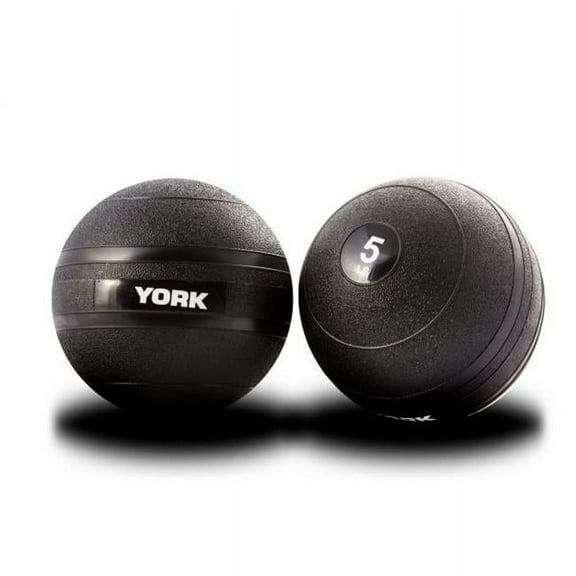
When you compare weight ranges, you should match the load to your experience level and your exercise style. If you're newer to conditioning, you may start with a 5 lb slam ball or a 6 lb slam ball.
As your power and control improve, you may consider 10 lb and 20 lb options for faster sets. If you train regularly, a slam ball 20 lbs or 20 lbs slam ball can support squats, carries, and repeated slams.
For heavier work, you can compare a slam ball 30 lbs, a 25lb slam ball, or a 50lb slam ball. You'll want more weight when your sessions focus on slower reps, higher force, and stronger bracing.
- You can choose lighter weights for faster pace, cleaner form, and higher-rep circuits.
- You can move into mid-range weights for mixed conditioning, squats, and partner drills.
- You can use heavier options when your training emphasizes power, control, and short, intense sets.
What to look for in a weighted slam ball shell
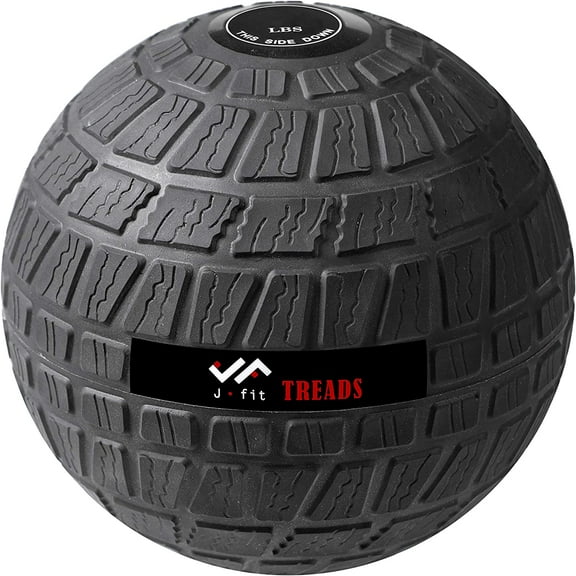
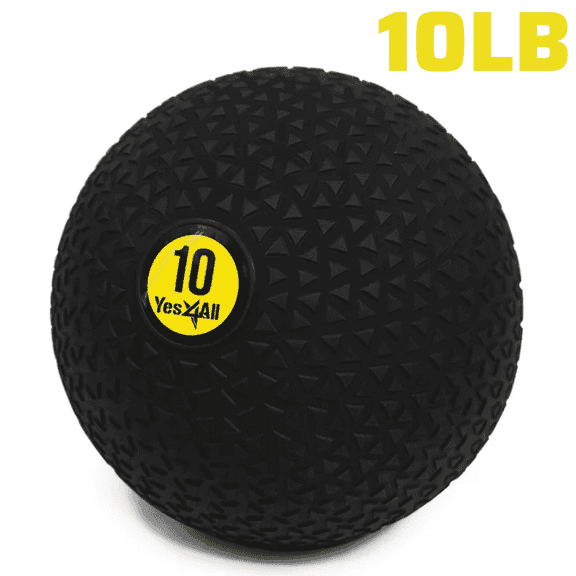
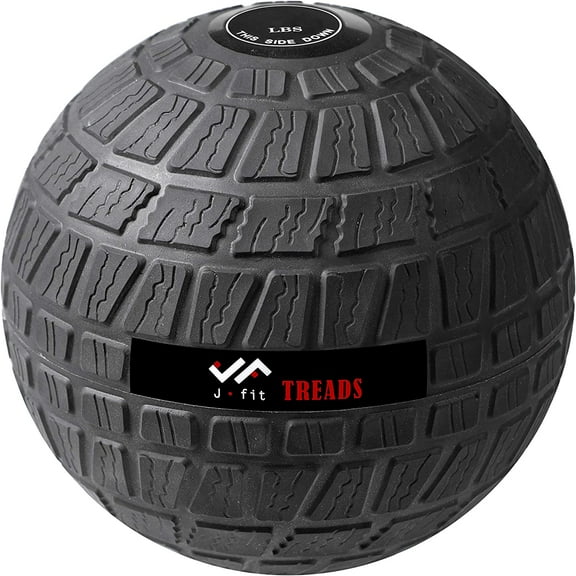
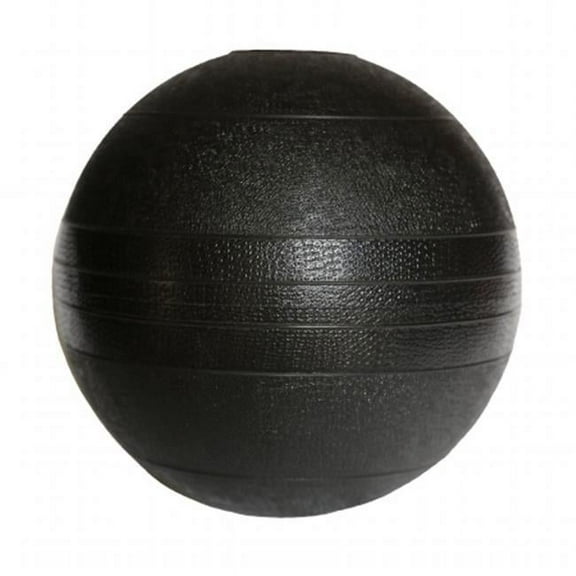
When you check shell materials, you should focus on grip, surface texture, and how the ball feels in sweaty hands. You'll often compare textured rubber, heavy-duty PVC, and tread-pattern shells during this step.
If you want a steadier hold during overhead slams, you should look for raised texture or a tread-style surface. You'll get more control during catches, resets, and transitions between floor work and standing movements.
Shell thickness matters when you repeat hard slams on training floors, mats, or durable home gym surfaces. You'll want a weighted slam ball that feels dense and secure, with a cover built for repeated impact.
Comparing filling type and dead-bounce control
When you review filling types, you should compare sand-filled, iron sand, and steel dust options. You'll notice these fills affect how the ball settles, how it lands, and how quickly you can start the next rep.
A lower dead-bounce rating usually means the ball stays close after impact instead of popping back up. You'll appreciate that control during fast intervals because you can keep your rhythm without chasing the ball.
If your training includes overhead slams, you'll usually want a denser fill and a lower bounce profile. You'll get a more grounded feel that supports repeated contact with the floor during demanding circuits.
How exercise type changes your choice
You should choose your ball around the drills you actually perform, not just the number on the label. If your routine centers on overhead slams, you may want a grippy surface and a controlled landing.
For squats and loaded core work, you may prefer a size and weight that you can hold comfortably at chest height. You'll want balanced filling so the ball feels steady during front-loaded movements and twists.
If you practice wall balls or rotational throws, you should check shape consistency and surface grip before deciding. You'll want a ball that feels secure in motion and predictable when you release or receive it.
Durability details that matter in slam ball training
When you compare durability, you should look closely at shell thickness, seam construction, and filling retention. You'll want designs that stay compact through repeated training sessions and regular impact.
Sand leakage is a key concern in this category, so you should favor sturdy construction and well-finished outer surfaces. You'll reduce cleanup concerns and keep your training area ready for the next session.
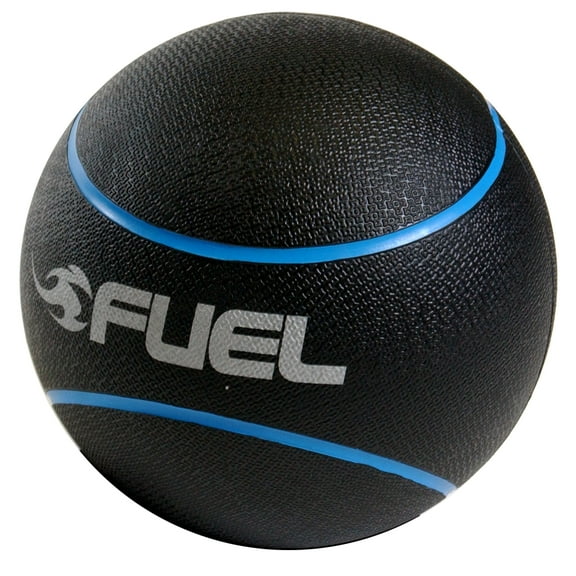
This category differs from standard medicine balls because you need a build intended for forceful slams and low bounce. You'll also want grip texture that supports resets between reps, especially during fast conditioning blocks.
Using slam balls in real training routines
You can build an efficient conditioning circuit by pairing slams with squats, lunges, and carries in one session. You'll keep transitions simple because one ball can support power work and loaded movement patterns.
If you train in a compact home gym, you may prefer one mid-range ball for mixed-use workouts. You'll cover core drills, short intervals, and strength finishers without needing a large equipment footprint.
For skill progression, you can start lighter while you refine timing, grip, and body position. You'll then move to heavier options as your control improves during overhead slams, rotational throws, and squat variations.
When you want category-specific guidance, you should compare weight range, shell texture, filling type, and dead-bounce behavior together. You'll make a smarter slam ball choice when those details match your training style, rep speed, and workout space.