










Similac Baby Formula










About Similac Baby Formula - Walmart.com
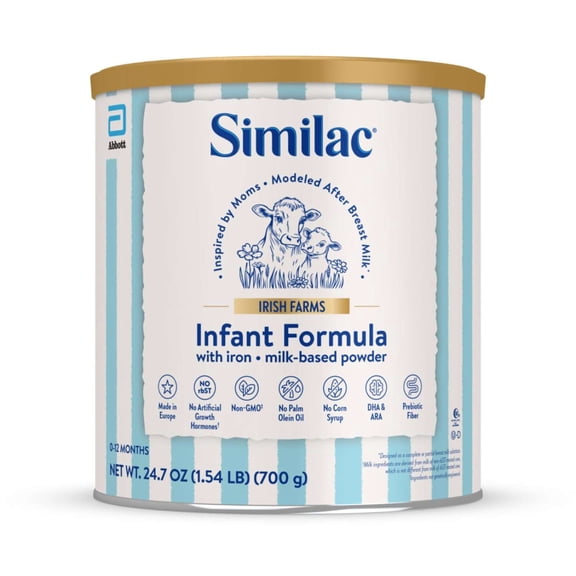
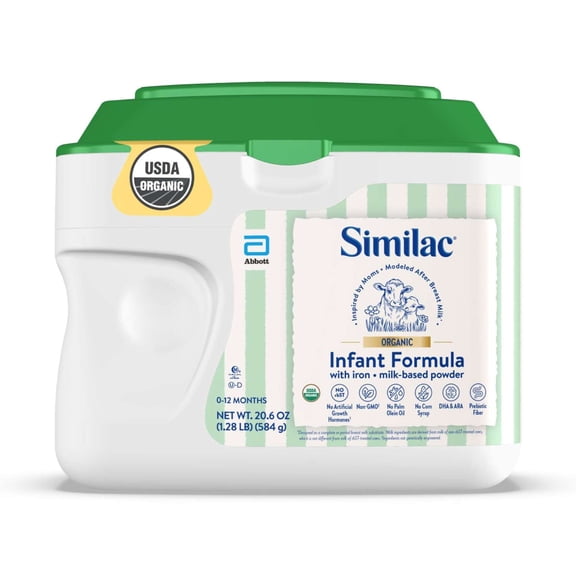
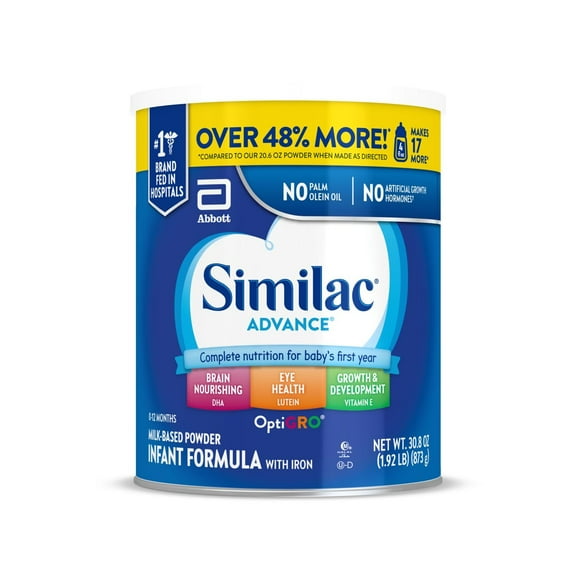
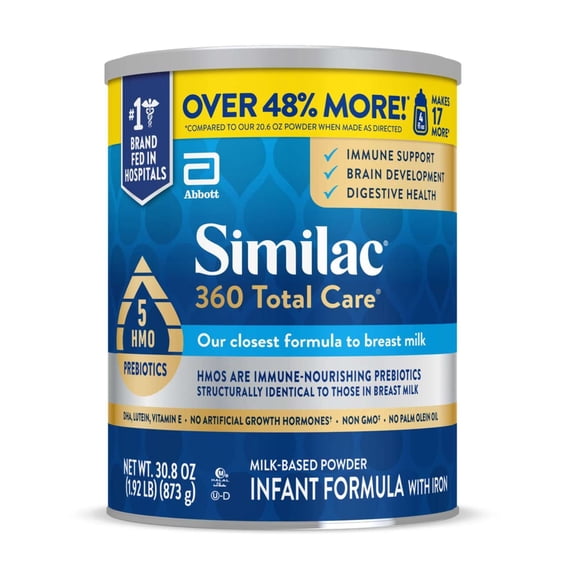
Similac baby formula helps you compare feeding stages, formats, and dietary needs in one browse path. You get practical guidance that matches newborn routines, bottle prep habits, and changing age needs.
As you review options, you can sort choices by formula stage, package type, and everyday convenience. You can also compare powder, liquid, and specialty picks without losing sight of your routine.
Choosing Similac baby formula by stage
Start with formula stage, because your choice should match your child’s labeled age range and feeding phase. That step helps you narrow newborn, infant, and toddler options with less guesswork.
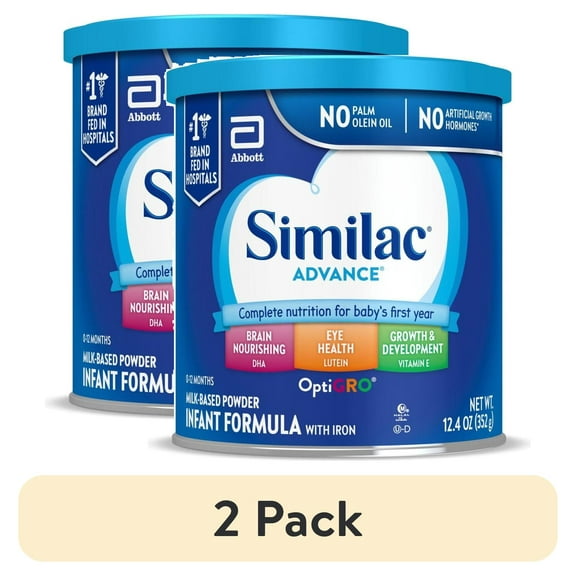
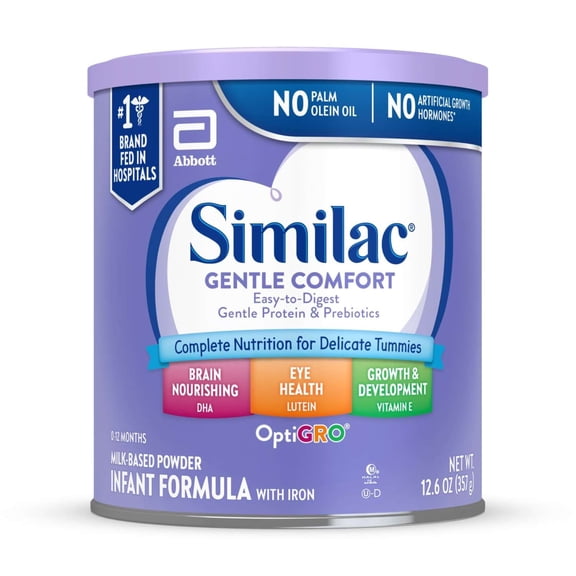
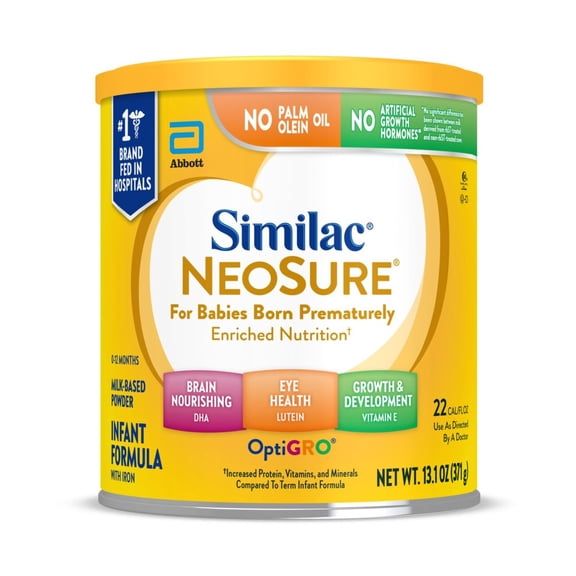
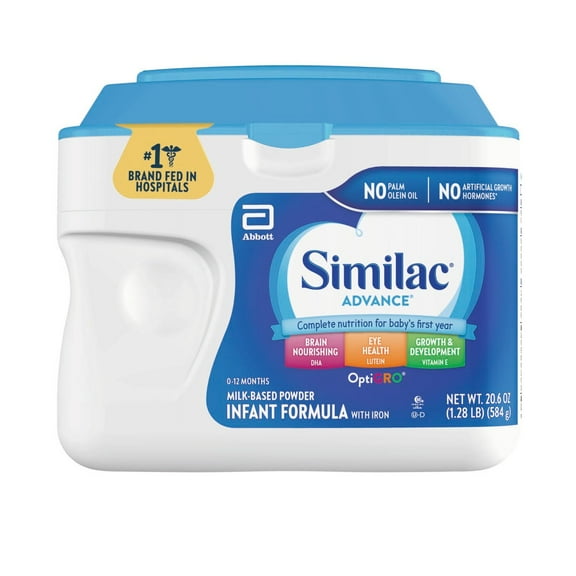
If you’re shopping for early months, you may focus on Similac infant formula for newborn and infant feeding routines. As feeding habits change, your search may shift toward a Similac toddler drink for older children.
Check the package label for age guidance and stage wording before you compare sizes or formats. That quick review helps your shortlist stay relevant to your child’s current milestones.
Comparing formats for daily prep
Next, compare format based on how you mix bottles, travel, and restock. That decision shapes how much measuring, storage, and prep time fits into your day.
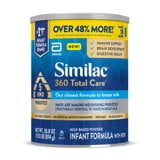
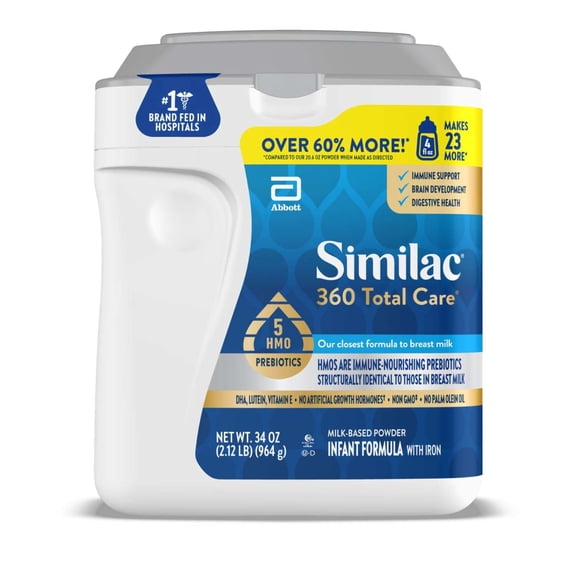
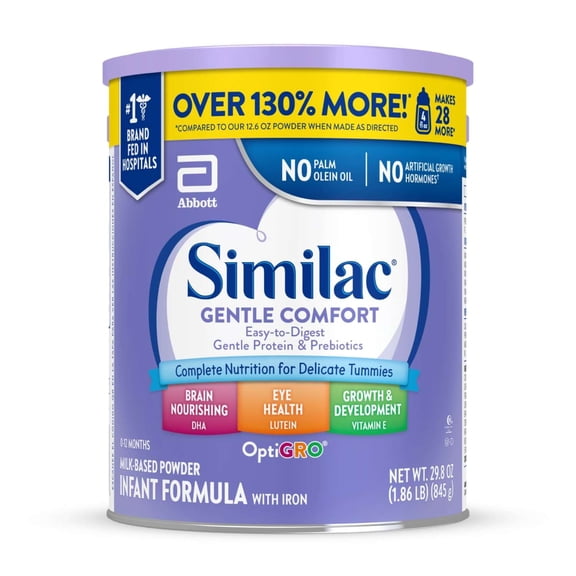
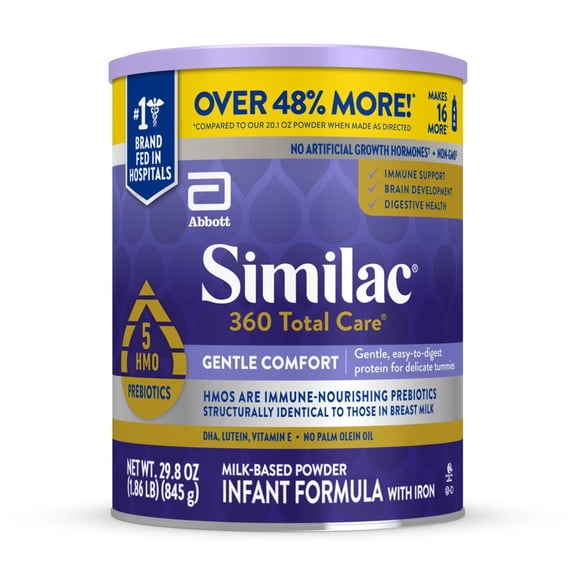
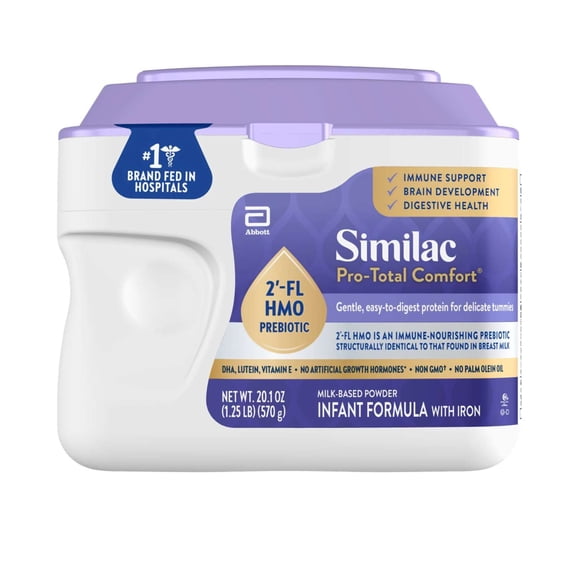
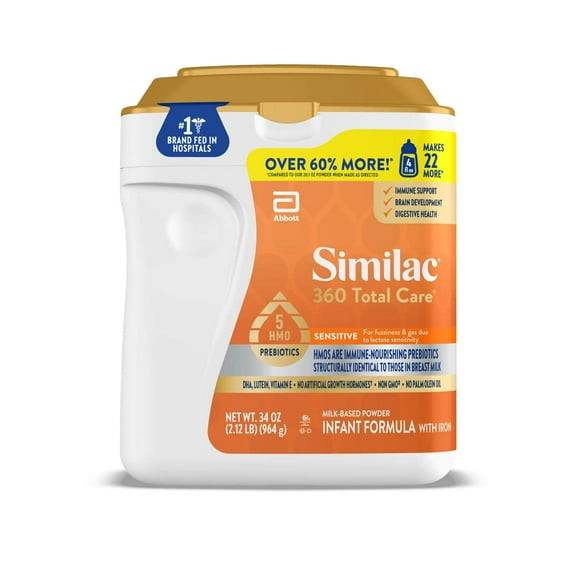
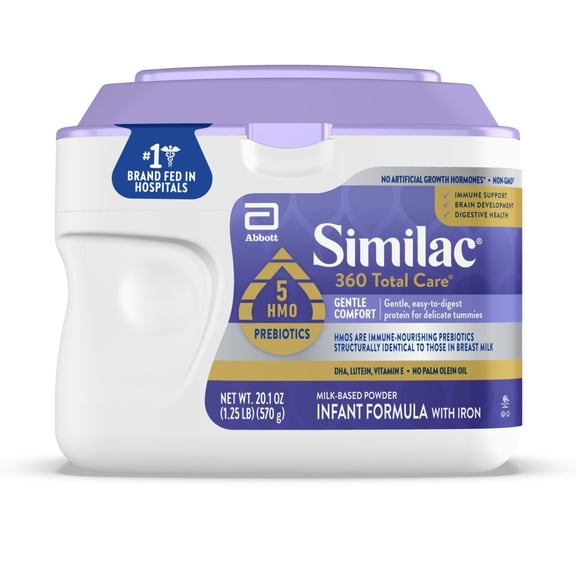
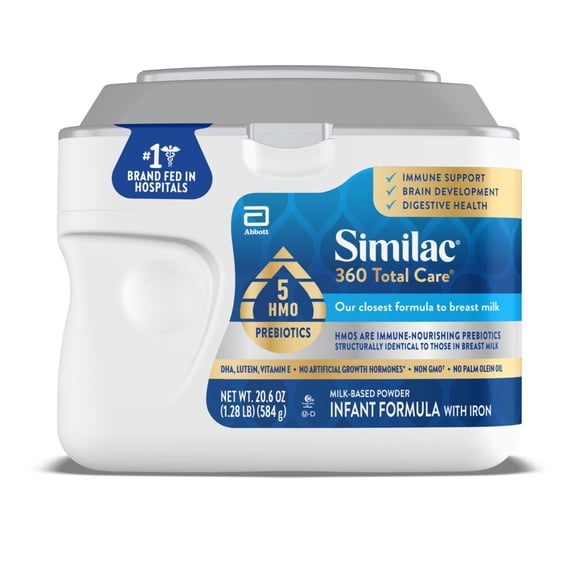
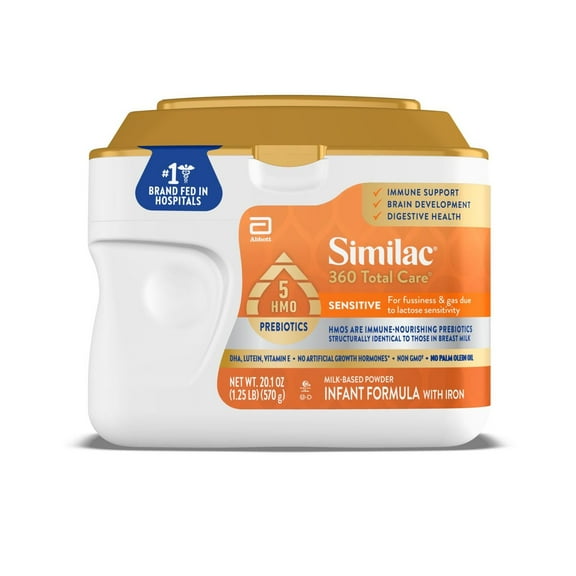
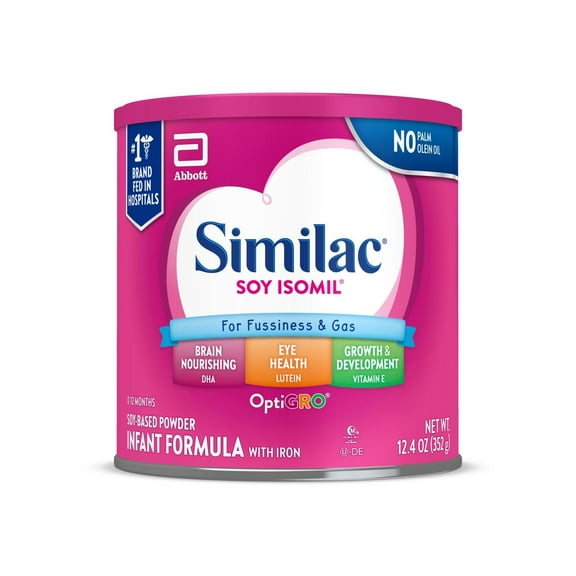
- You may prefer Similac powder formula when your home routine includes scoop-based bottle prep and flexible portions.
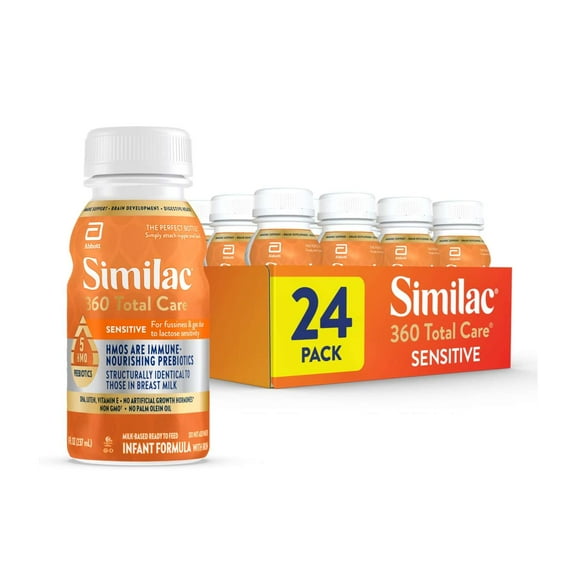
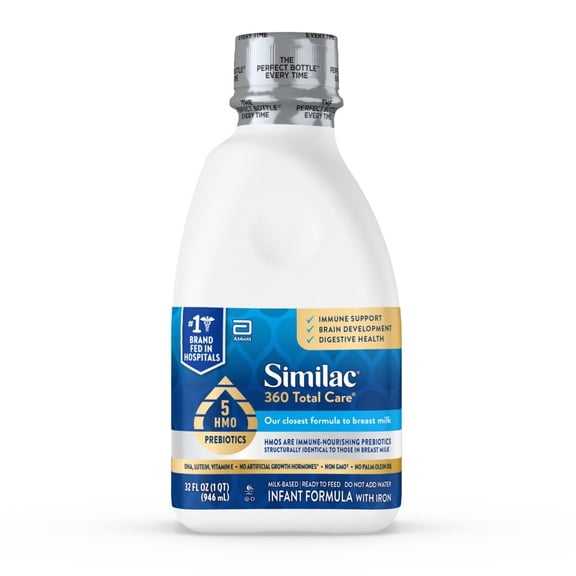
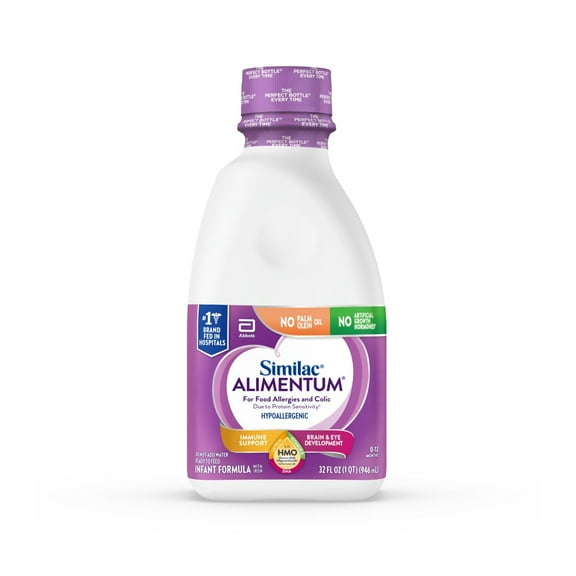
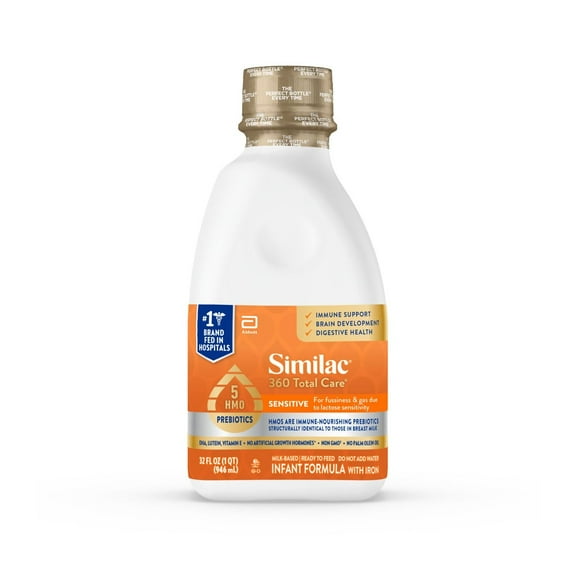
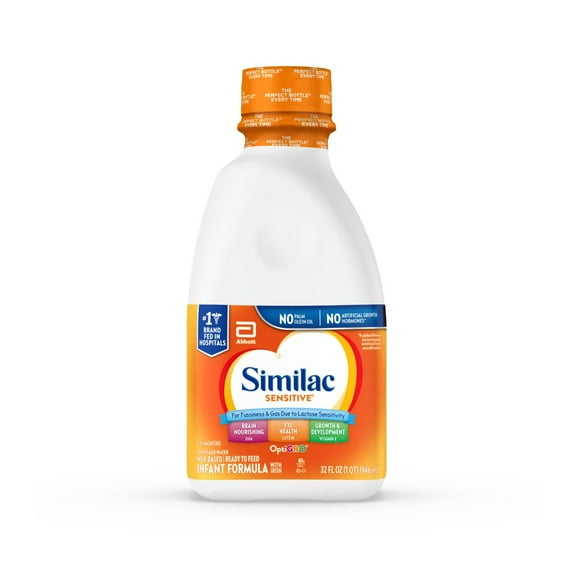
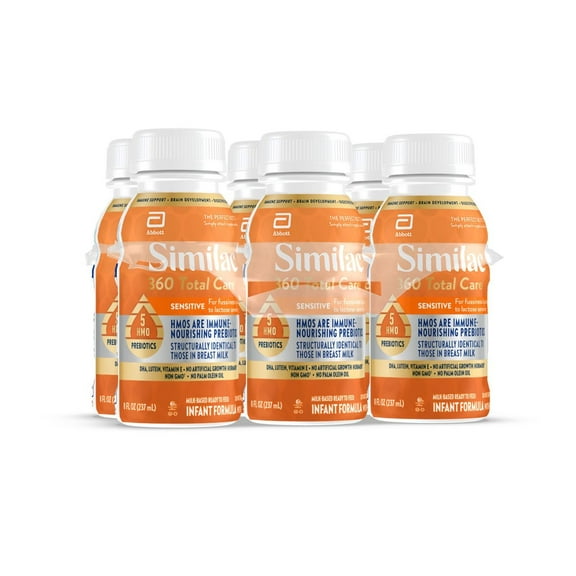
- You may choose Similac ready to feed options when your schedule calls for quick bottles with less measuring.
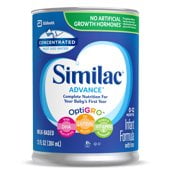
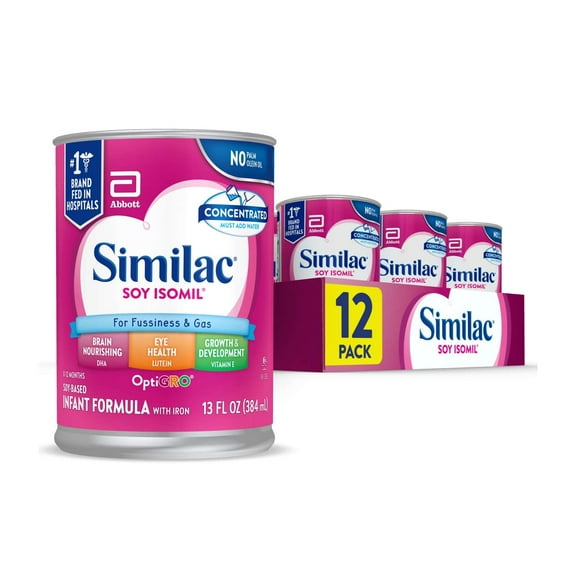
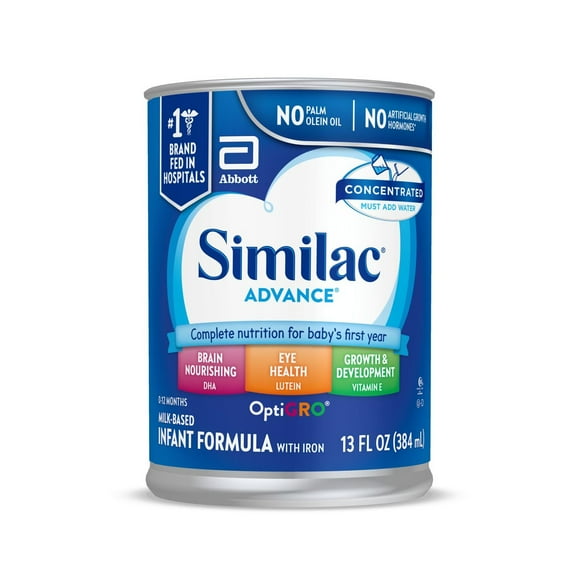
- You may consider concentrated liquid when your routine falls between dry powder storage and fully prepared bottles.
Powder often makes sense when your feeding setup stays at home and pantry space matters. Ready-to-feed works well when your diaper bag, car, or overnight plan needs simple bottle prep.
Concentrated liquid deserves a look when you want a middle option with compact storage and mixing steps. Compare each format with your daily pace, because convenience looks different in every household.
Choosing Similac sensitive formula and specialty options
Dietary needs can guide your next decision, especially when you’re comparing standard and specialty labels. You should read each package closely, because ingredient approaches differ across the category.
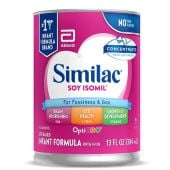
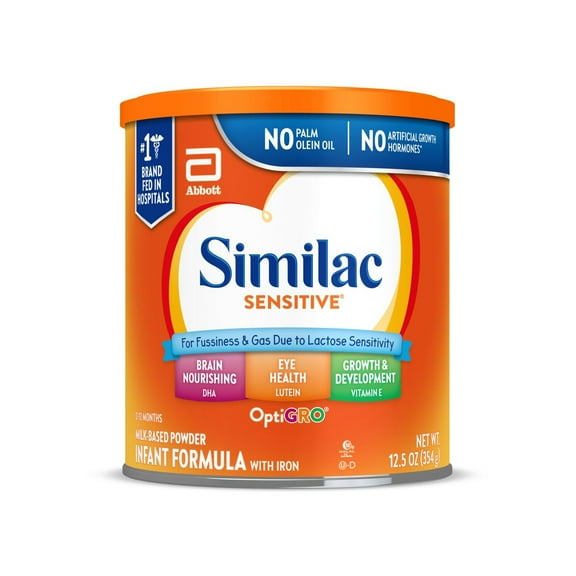
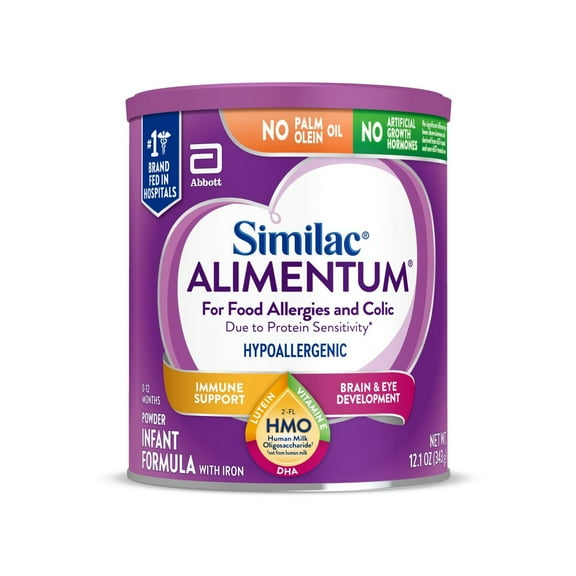
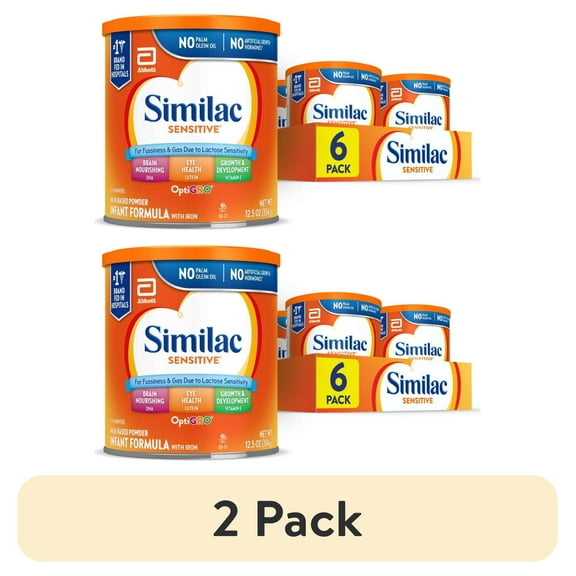
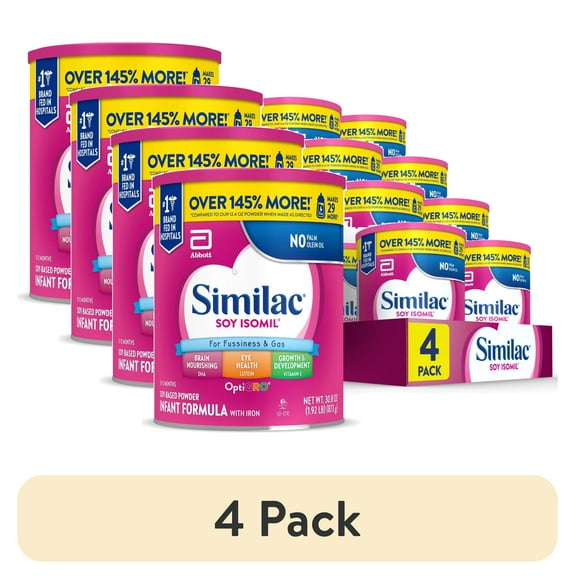
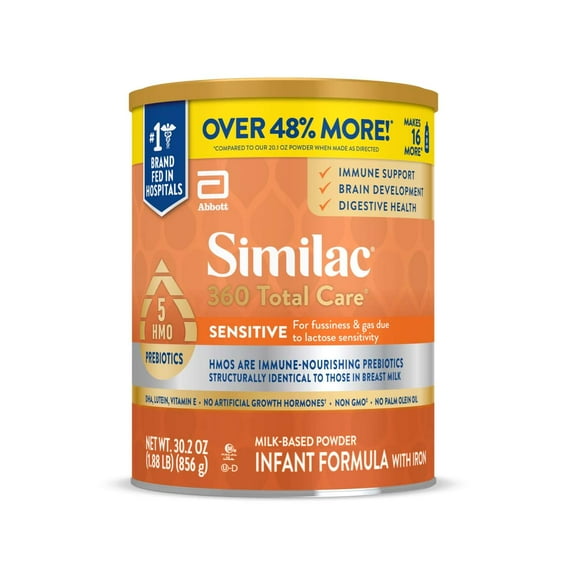
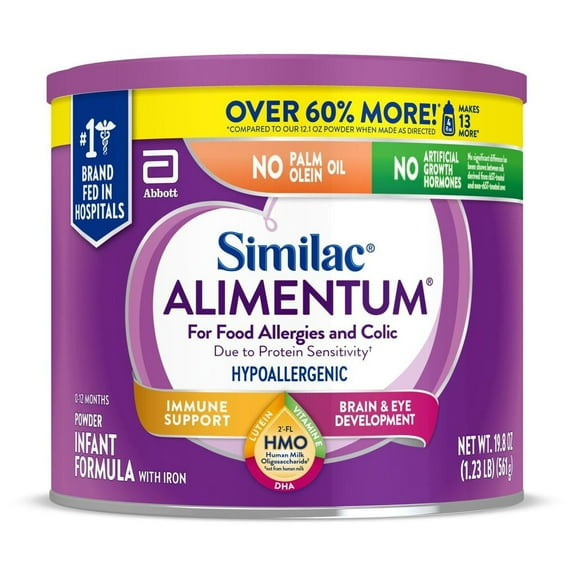
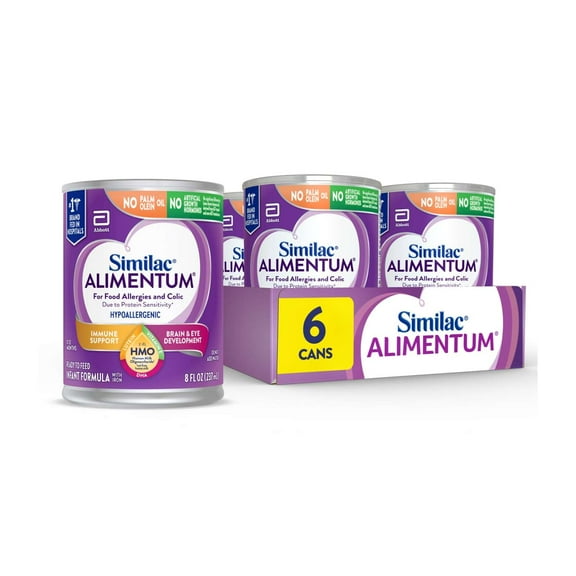
If your routine calls for gentler everyday choices, you may look at Similac sensitive formula in powder or liquid forms. If your list includes specialty feeding needs, you may compare hypoallergenic baby formula and soy-based options.
Look for plain-language label details such as lactose-free wording or hydrolyzed proteins when you compare formulas. Those terms help you understand how one option differs from another during your decision process.
What package size means for your routine
Package size affects storage, reorder timing, and how often you open a new container. You should compare single tubs, canisters, and larger packs with your weekly feeding rhythm.
A single tub may fit your trial period, a new stage, or a changing routine. A larger pack may fit a steady household pattern when you already know the format and formula type.
Measure your cabinet space before you commit to larger containers or multipacks. That small step helps your setup stay organized and aligned with how quickly you use each product.
How to compare category attributes together
When you combine stage, format, dietary needs, and package size, your shortlist becomes easier to manage. You can compare products in a way that reflects real feeding decisions instead of isolated features.
For example, your newborn routine may point you toward an infant stage option in ready-to-feed form. Your at-home setup may point you toward powder in a canister or larger pack.
Another household may need sensitive labeling, compact storage, and bottles that move between caregivers. In that case, your comparison should balance formula type, format convenience, and package footprint together.
Use cases for Similac baby formula
Your nighttime routine may call for bottles that require fewer steps during late feedings. In that situation, ready-to-feed formats can match a faster, simpler setup.
If daycare drop-offs shape your week, you may look for containers that travel easily and support handoffs. Your choice might lean toward compact liquid options or portable powder packaging.
Your pantry-first routine may favor powder when you prep bottles at home and refill on a predictable schedule. Your comparison can then focus on scoop prep, container size, and how often you restock.
When your child moves into a new stage, your attention may shift from infant labeling to toddler drink options. That transition becomes easier when you compare age guidance and package size at the same time.
If your shopping list includes specialty feeding needs, your filter may start with sensitive, soy-based, or hypoallergenic labels. Then your next step should compare whether powder, liquid, or ready-to-feed suits your daily pattern.
Making your final choice with confidence
Similac baby formula becomes easier to compare when you use stage, format, dietary needs, and package size as your guide. That approach helps you land on an option that fits your feeding routine with fewer tradeoffs.