

Danger Signs in Safety Signs









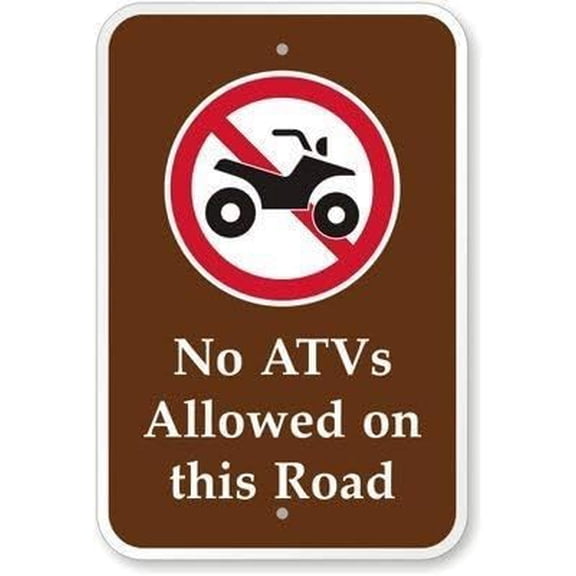


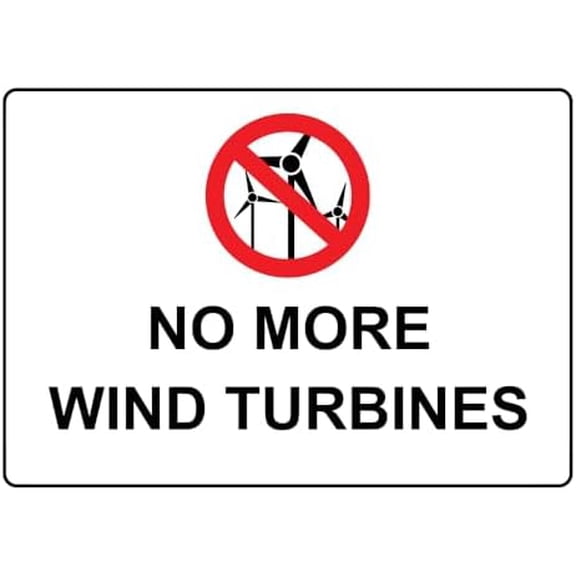
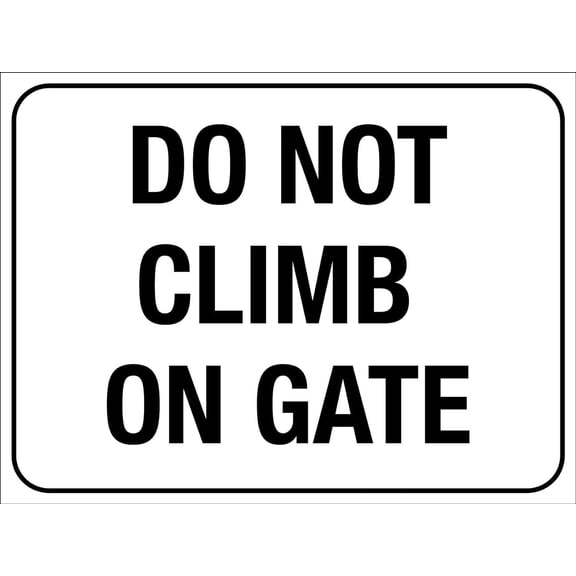

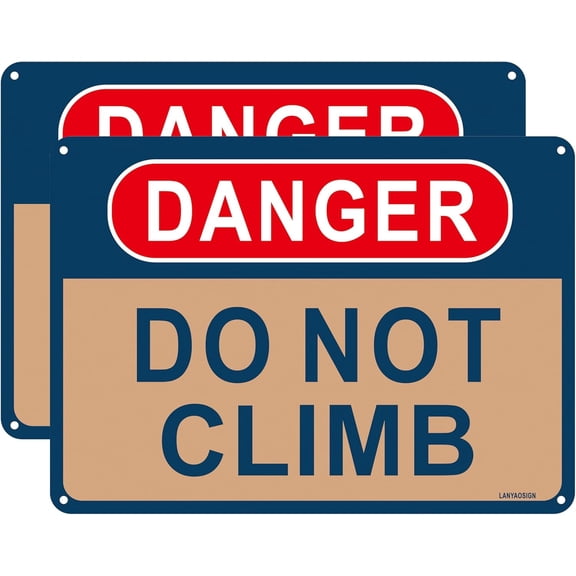














About Danger Signs in Safety Signs - Walmart.com
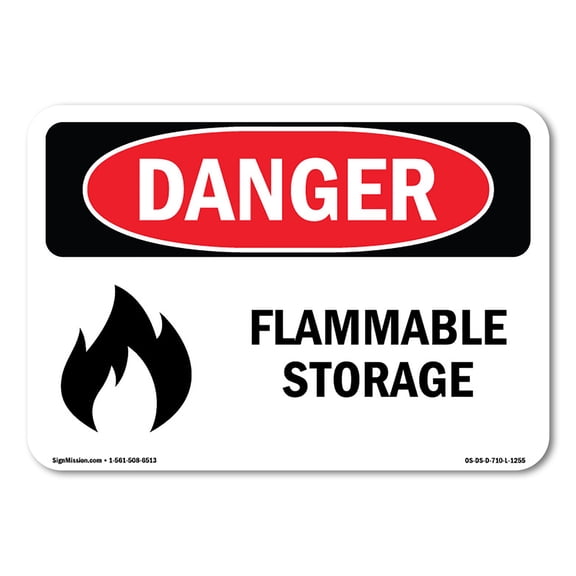
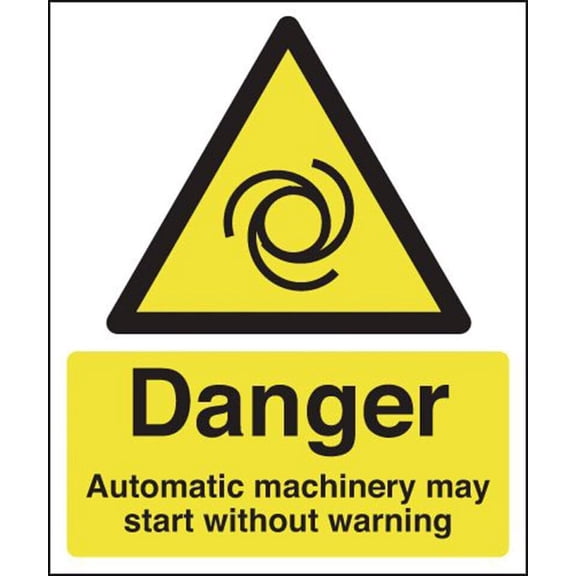
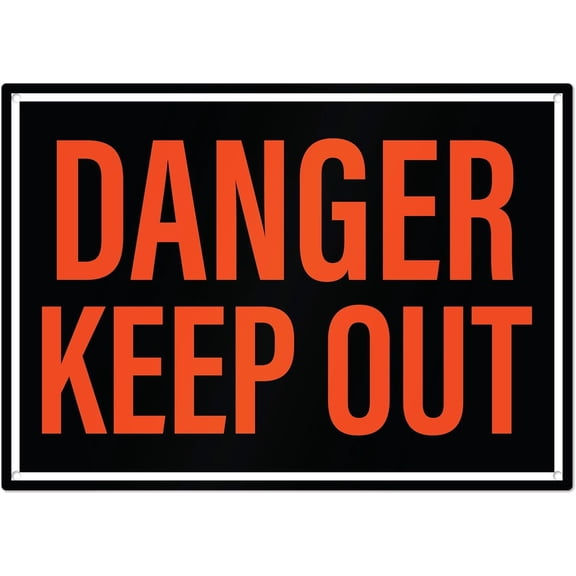
Danger signs help you mark severe hazards with clear red, black, and white messaging. You can use this category to compare compliance formats, materials, languages, and hazard-specific wording.
You may shop this page when your facility needs direct visual communication around energized equipment, chemical areas, or restricted spaces. You can narrow choices by checking OSHA guidance, mounting style, and viewing distance first.
How to choose danger signs for compliance
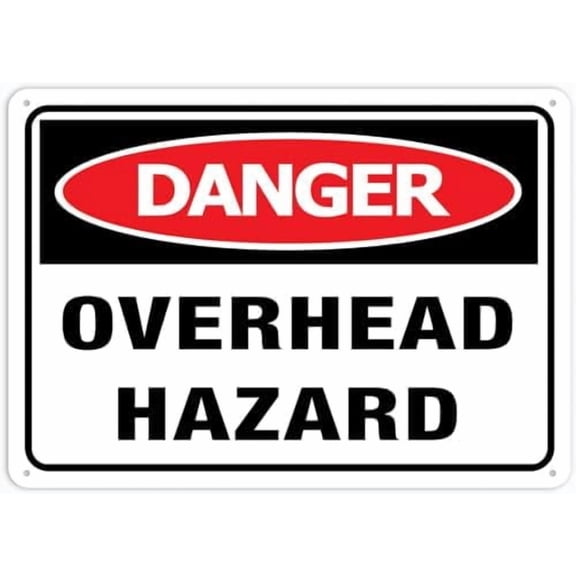
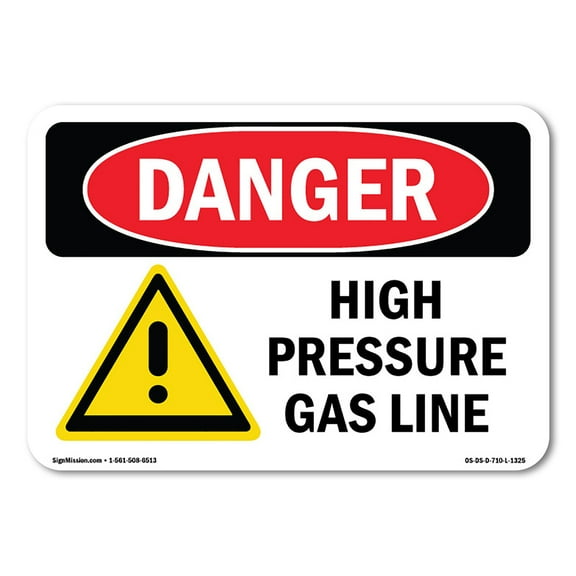
You should start with danger signs that align with OSHA 1910.145 or ANSI Z535 guidance. You can compare header color, signal wording, and symbol clarity before you choose placement.
With osha danger signs, you should look for layouts that support regulated workplace communication. You can also compare ANSI-aligned options when your site follows updated visual standards.
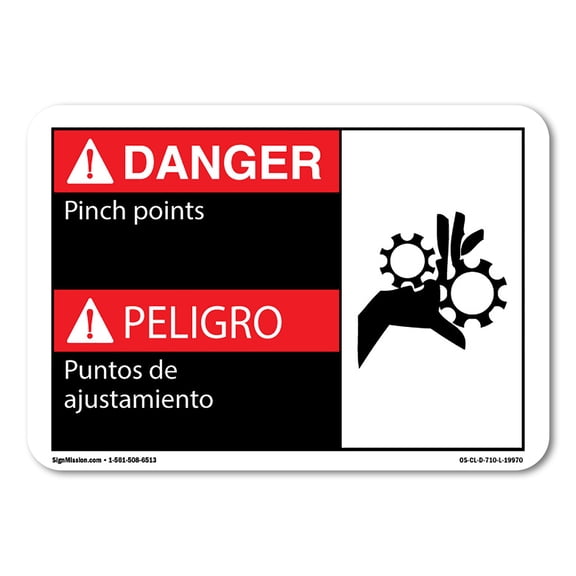
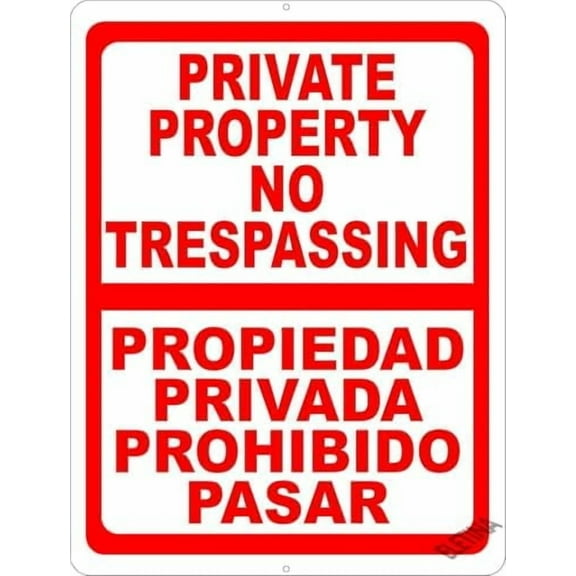
Mixed-language settings call for clear wording that every reader can scan quickly. You can compare bilingual danger signs with English and Spanish text for warehouses, plants, and shared job sites.
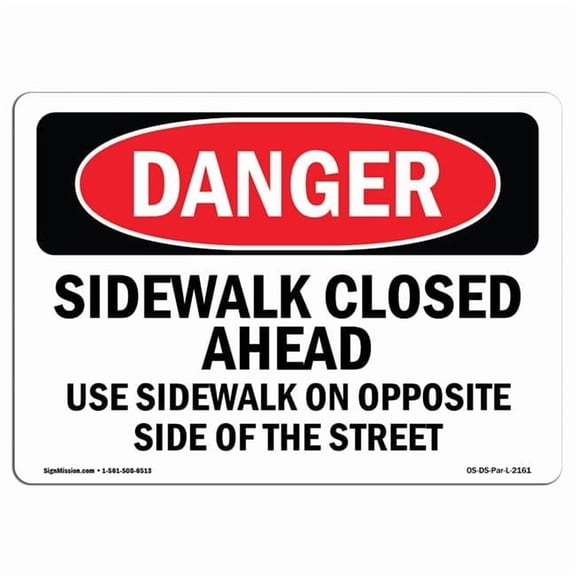
- You can identify severe hazards with the familiar red, black, and white danger header.
- You can compare OSHA compliant, ANSI compliant, and non-compliant formats based on your site requirements.
- You can match wording to high voltage, chemical hazard, no trespassing, or construction zone messaging.
- You can select English, Spanish, or bilingual formats for your workforce and visitor needs.
Viewing distance should guide the size you choose for each marked area. You can use larger formats for open yards, long corridors, and busy loading zones.
Choosing the right danger signs material
Material choice affects where your sign fits and how it holds up over time. You should compare aluminum, rigid plastic, adhesive vinyl, and magnetic formats by surface and exposure.
Aluminum danger signs suit fences, posts, and exterior walls where weather exposure matters. You can also look for pre-drilled holes when your mounting hardware needs a simple match.
Rigid plastic works well on doors, corridors, and indoor equipment areas. You can use it when your space needs a lightweight panel with a structured shape.
Adhesive vinyl fits smooth cabinets, control panels, and entry points with a flat profile. You can apply it where a low-profile label provides a cleaner fit for the surface.
Magnetic formats support temporary placement on metal racks, cabinets, and machinery. You can reposition them as workflows shift without changing your mounting setup.
Outdoor conditions deserve extra attention before you finalize a material. You should compare UV exposure, moisture, and temperature swings against the surface you need to mark.
Comparing hazard type, language, and visibility
The wording on safety danger signs should match the exact hazard in the marked area. You can compare danger warning signs for electrical zones, chemical storage, access control, and active work areas.
High voltage danger signs belong near panels, transformers, and restricted electrical rooms. You should check contrast, letter size, and message clarity when energized equipment sits nearby.
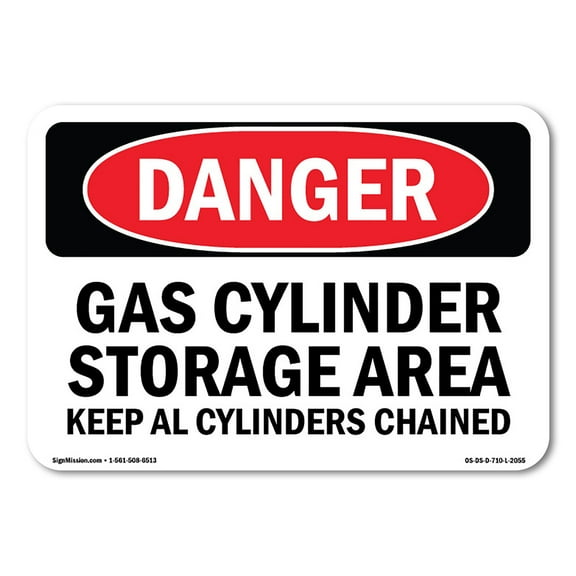
Chemical hazard wording fits tanks, storage doors, and handling stations with specific site messaging. You can keep communication direct by choosing text that reflects the actual posted area.
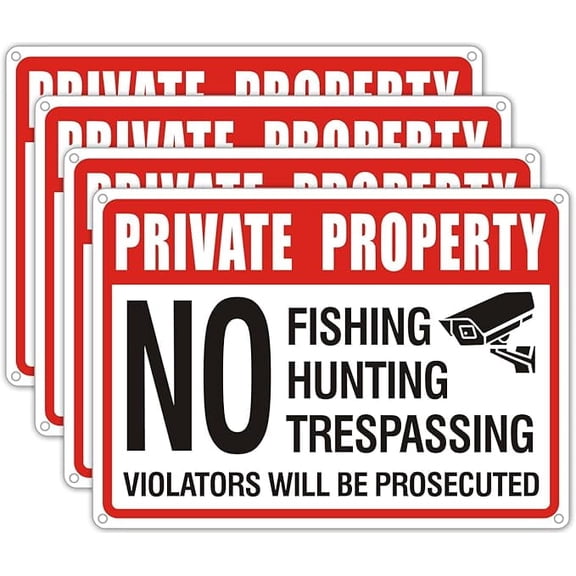
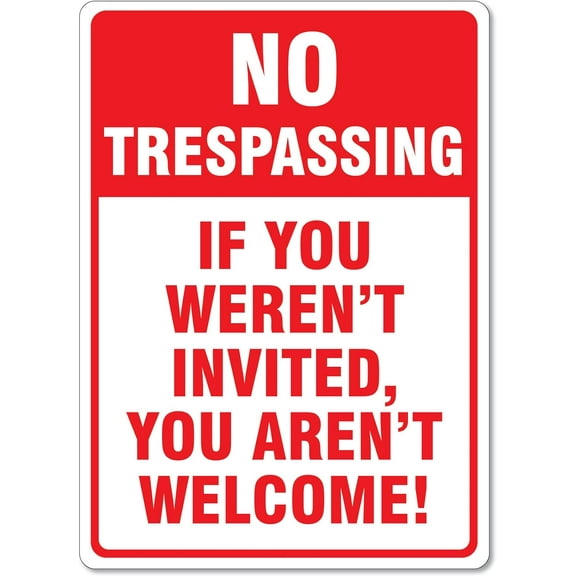
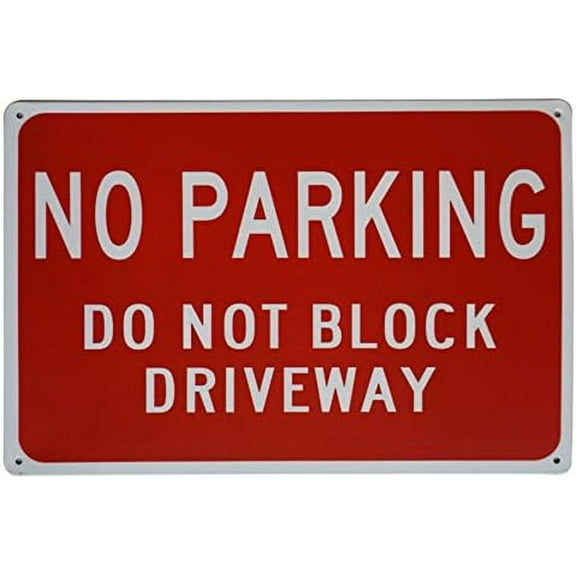
No trespassing and restricted-entry formats help define boundaries around fenced zones and secured spaces. You can support clearer access communication before visitors or staff reach the entry point.
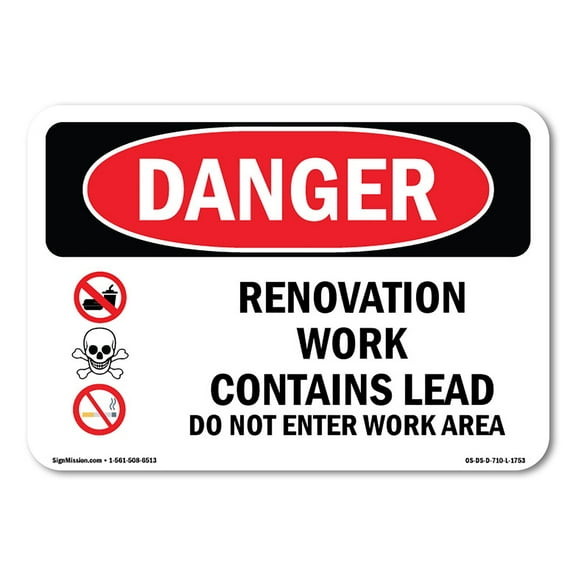
Construction zone messages fit temporary work areas, renovation paths, and blocked sections inside active facilities. You can pair those notices with magnetic or rigid plastic formats when layouts change often.
What to look for in mounting and placement
Mounting style matters because each surface needs a different installation approach. You should check for pre-drilled holes, self-adhesive backing, or magnetic attachment before you choose a format.
Walls, doors, machinery, and racks each call for different sign setups. You can match aluminum or rigid panels to hardware mounting, while vinyl supports smooth flat surfaces.
Placement also depends on where readers first approach the hazard area. You should measure height, line of sight, and available space so your message stays easy to read.
Orientation can shape how clearly your message fits the marked location. You can compare portrait, landscape, or label-style designs based on the surface and text length.
Using danger signs in real facility settings
You can use danger signs across warehouses, factories, laboratories, utility rooms, and construction sites. You should match each sign to the hazard source, material demands, and expected viewing distance.
In a warehouse, you may combine bilingual danger signs with magnetic or rigid plastic formats near electrical panels. You can update placement as aisles, storage zones, and equipment layouts evolve.
On exterior fencing, aluminum danger signs fit no trespassing and high voltage messaging. You can maintain clear visibility where weather exposure and longer sight lines affect legibility.
Inside a plant, adhesive vinyl works on control boxes, doors, and smooth machine guards. You can mark chemical hazard points and access restrictions without adding bulky hardware.
Custom danger signs may suit site-specific instructions, equipment labels, or named restricted areas. You can align message details with facility rules while keeping the standard danger header format.
With the right material, language, and compliance format, your danger signs support clearer facility communication. You can create hazard marking that fits your environment, mounting needs, and sign-reading distance.