

Safety Goggles in Personal Protective Equipment





























About Safety Goggles in Personal Protective Equipment - Walmart.com
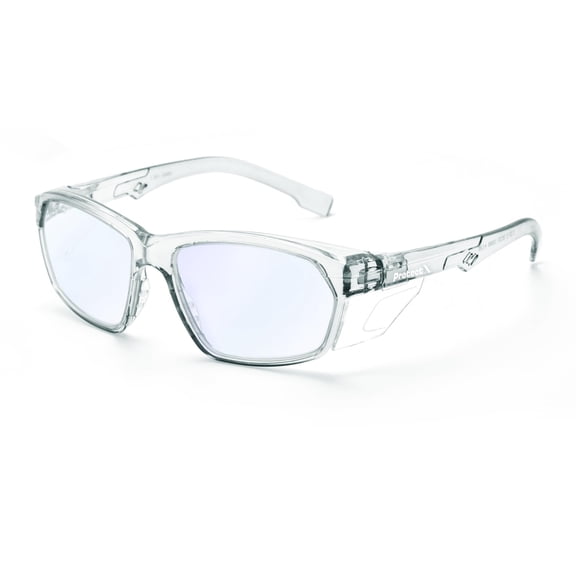
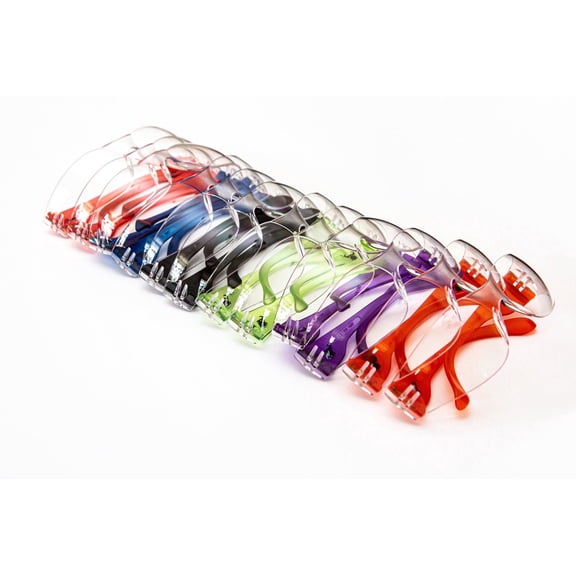
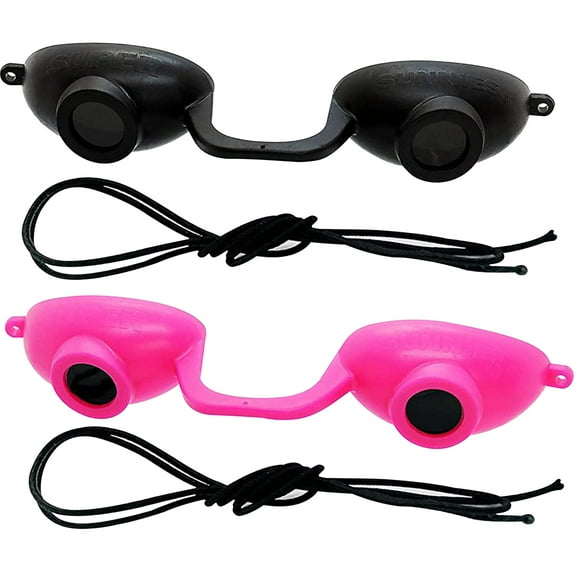
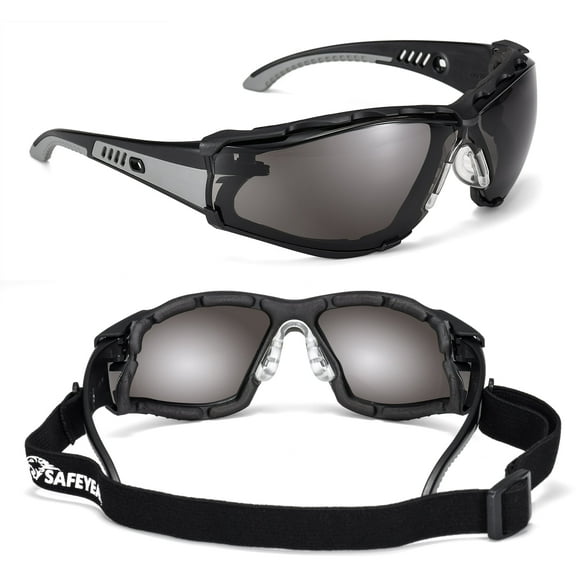
You can compare safety glasses and goggles by fit, lens coating, and impact rating, so your eyewear matches your work area and routine. You’ll also find options for sawdust, shop debris, lab splashes, and outdoor glare, which makes this category useful across many tasks.
How to choose safety glasses and goggles
Start with the job in front of you, because your workspace shapes the coverage and comfort you’ll want. You may prefer slim temple arms for bench work, or you may need a sealed style for dusty tasks.
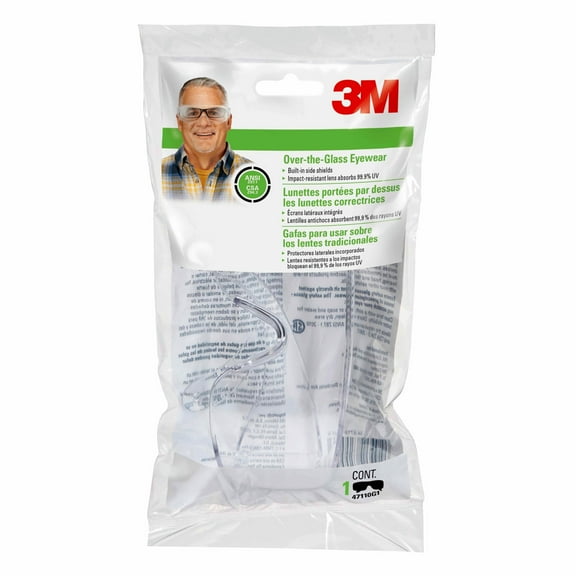
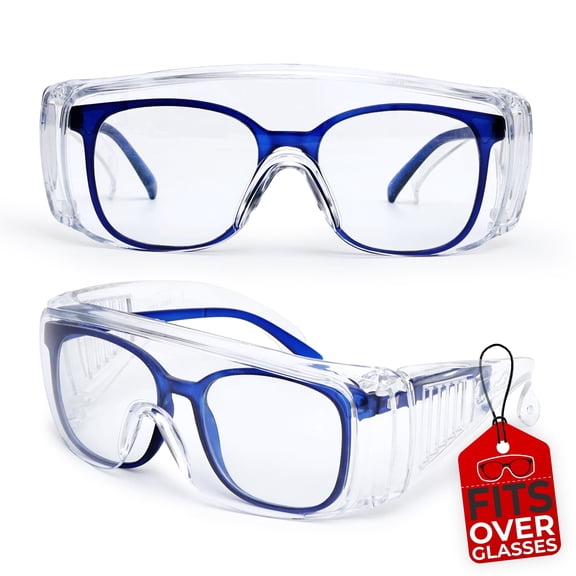
Next, check whether your eyewear needs to fit over prescription frames, since that decision changes the shape and depth you should compare. You’ll usually notice over-the-glasses designs leave room around your lenses without pressing too tightly at the temples.
As you compare protective eyewear, look for details that matter during long wear. You’ll appreciate lighter frames, adjustable nose pieces, and padded contact points when your project lasts for hours.
Comparing lens coatings and comfort features
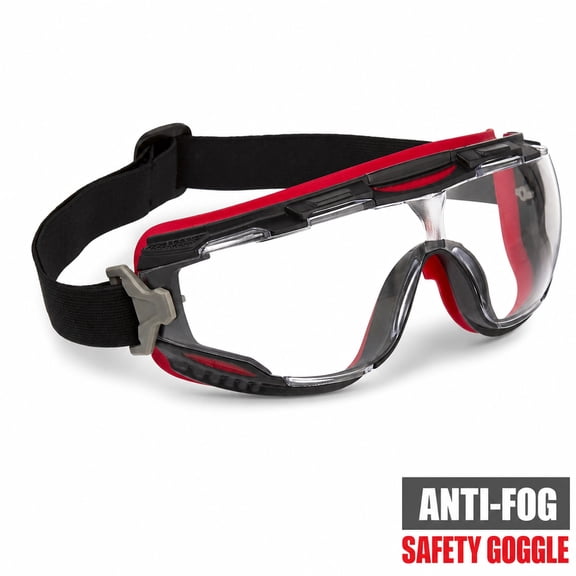
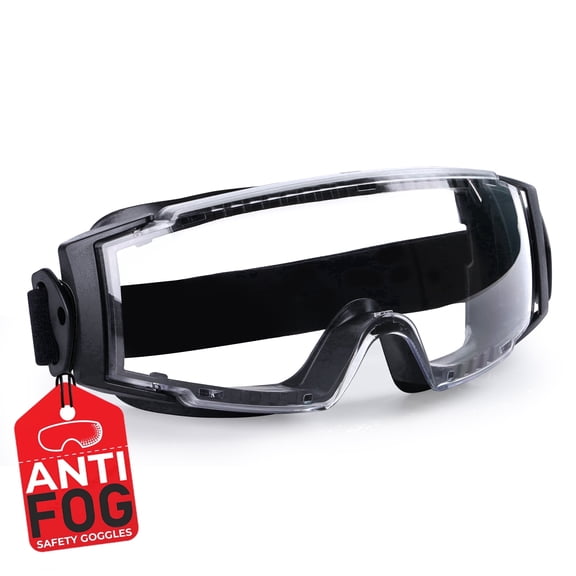
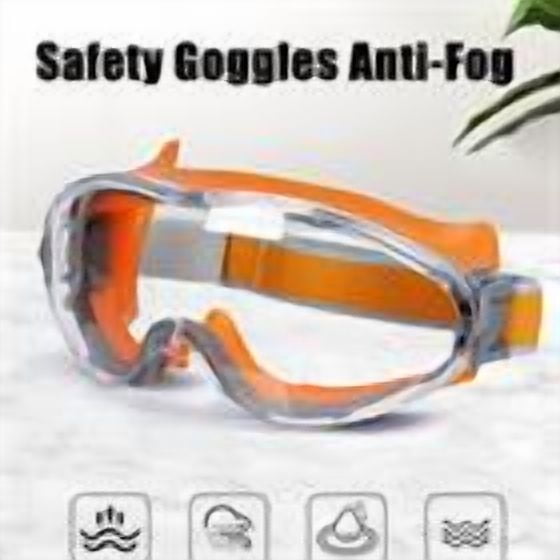
If heat, humidity, or fast temperature changes are part of your routine, anti fog safety glasses can help you keep your view clear. You should also compare vented designs, since airflow can affect how your lenses perform during active work.
Scratch-resistant coatings can make sense when you handle tools, hardware, or jobsite gear all day. You’ll want that extra surface durability when your eyewear moves between pockets, benches, tool bags, and storage bins.
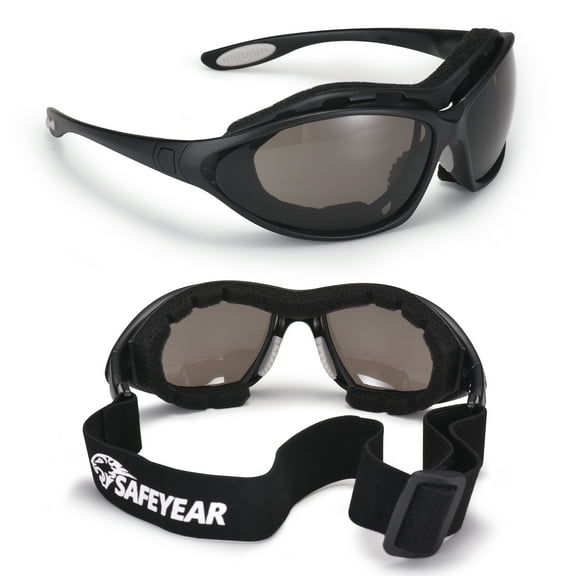
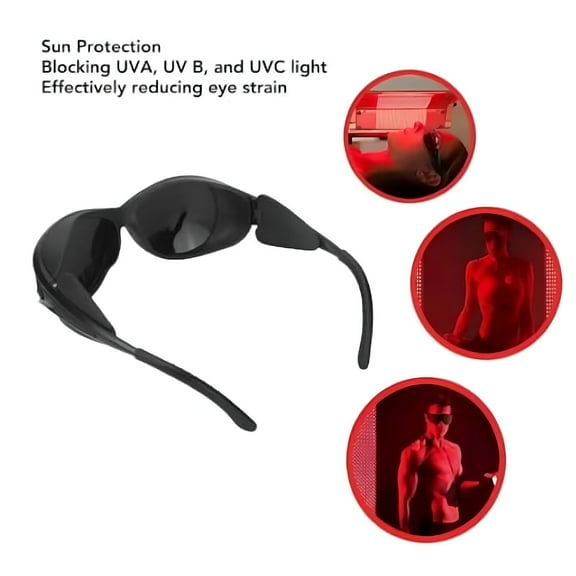
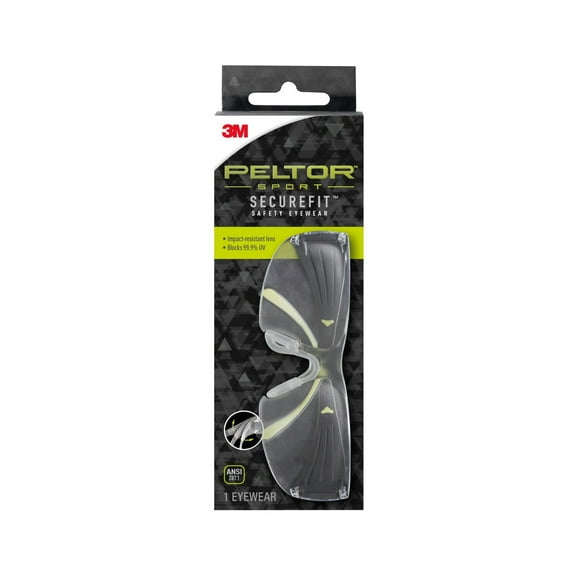
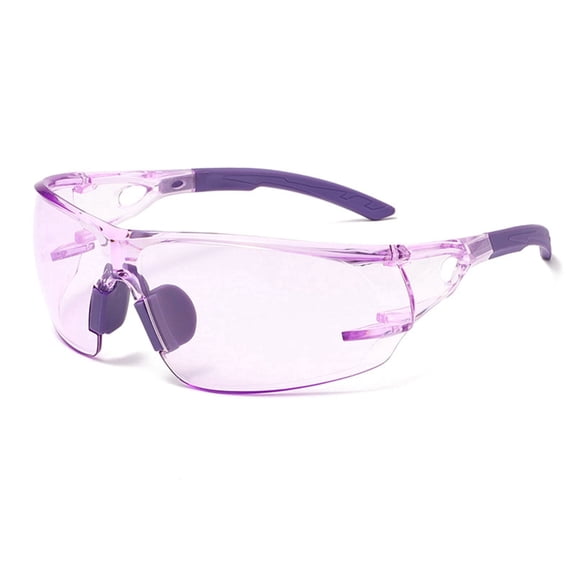
UV protection matters when your work takes you outdoors for roofing, landscaping, or yard projects. You may also prefer wrap-around frames, because they can help you keep side coverage in bright and windy conditions.
- You can choose anti-fog coatings for humid garages, workshops, and changing temperatures.
- You can compare adjustable temples and nose pieces for a steadier, more comfortable fit.
- You can pick wrap-around or sealed styles based on dust, debris, or splash exposure.
- You can select lighter frames when your shift or project keeps eyewear on for hours.
Choosing over the glasses safety glasses and fit
If you wear prescription frames, over the glasses safety glasses can give you added coverage without forcing a lens change. You should measure your current frame width and height, so your OTG option sits comfortably over your everyday pair.
Wrap-around designs work well when you want a close fit and broad side coverage. You may prefer adjustable temples for shared use, or when your hat, earmuffs, or other gear changes your fit.
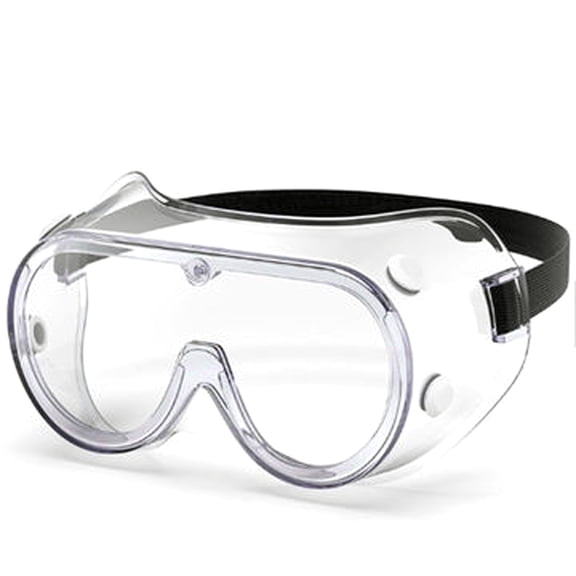
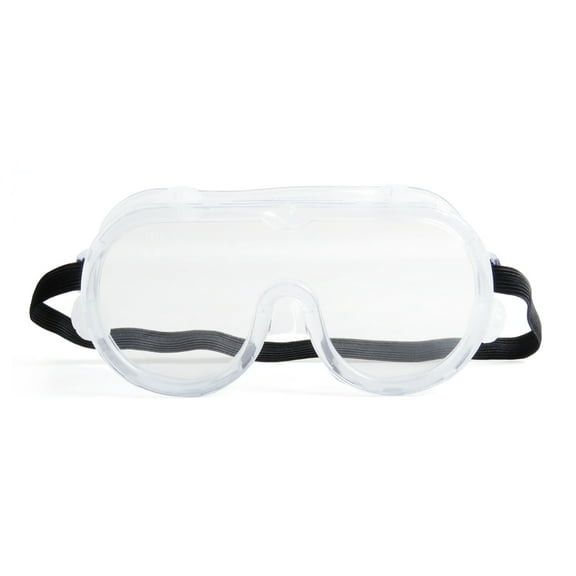
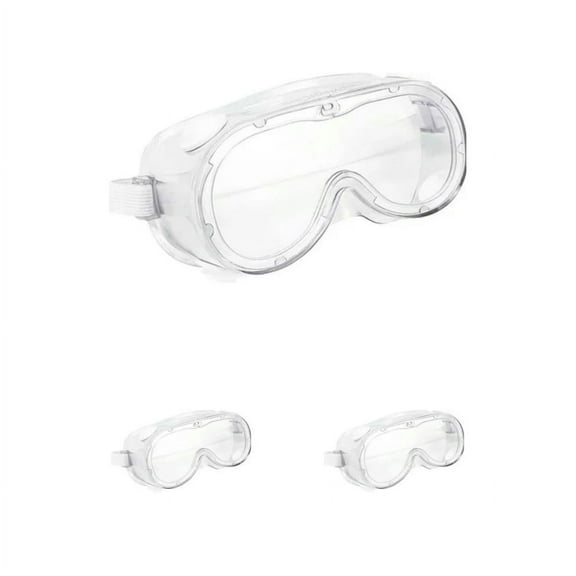
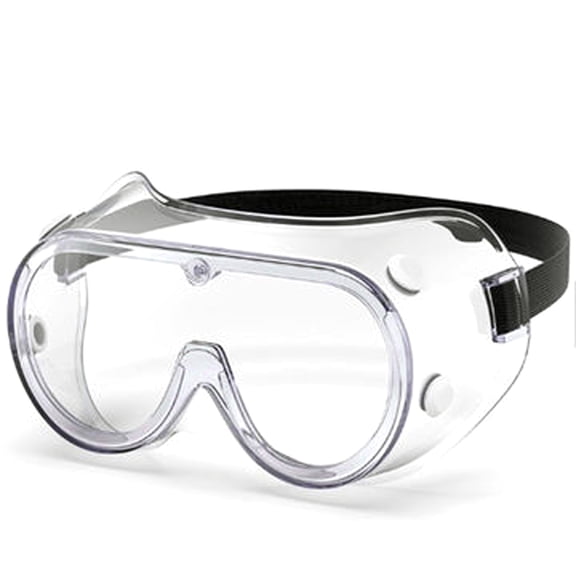
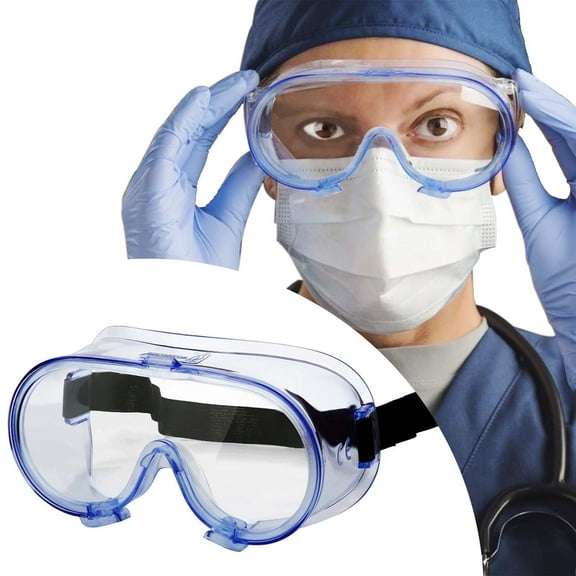
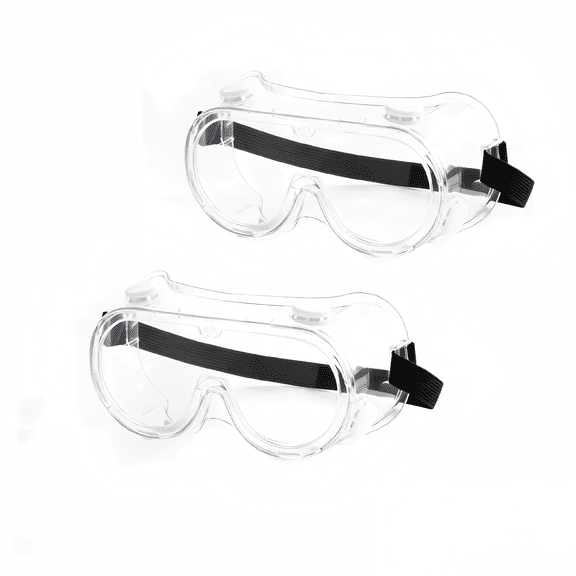
Some shoppers need goggles instead of open-frame glasses, especially when a fuller seal suits the task. You’ll often want that style for dusty cutting, grinding, or lab settings where fuller coverage is part of your checklist.
Understanding ANSI Z87.1 safety ratings and lens colors
When you compare ansi z87.1 safety glasses, you’re checking for a recognized impact standard many shoppers use as a starting point. You should review product details carefully, because markings and use guidance help you match the eyewear to your task.
Some shoppers also compare ballistic rated or OSHA-oriented options when their workplace requirements are more specific. You’ll want to confirm those details in each listing, since your job rules may call for certain markings or design features.
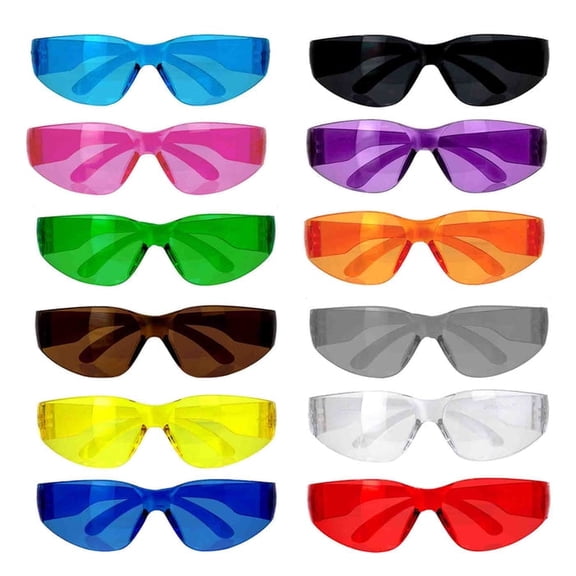
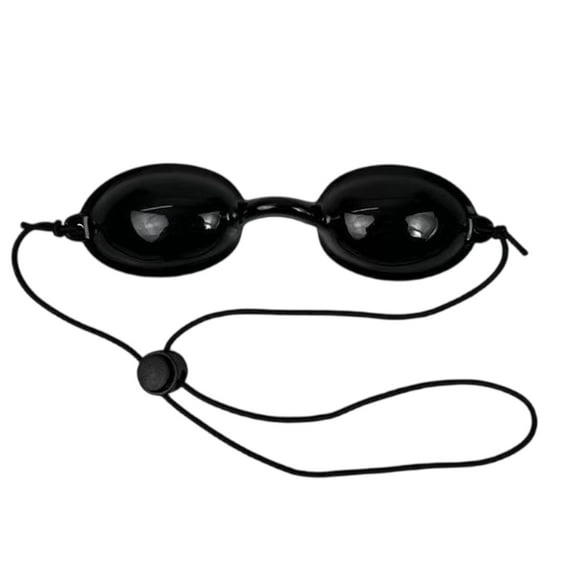
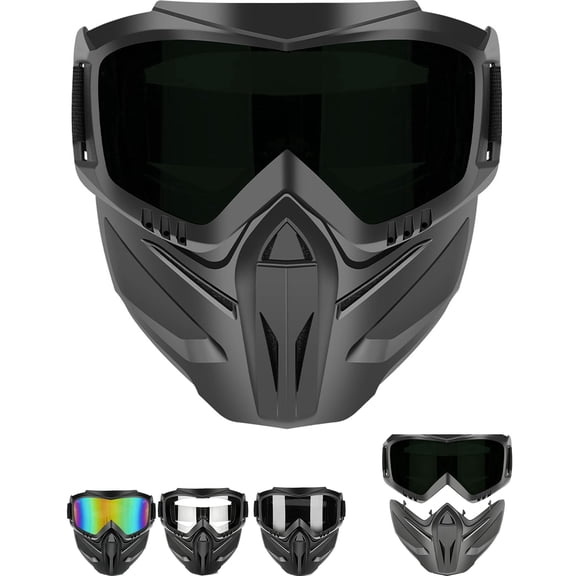
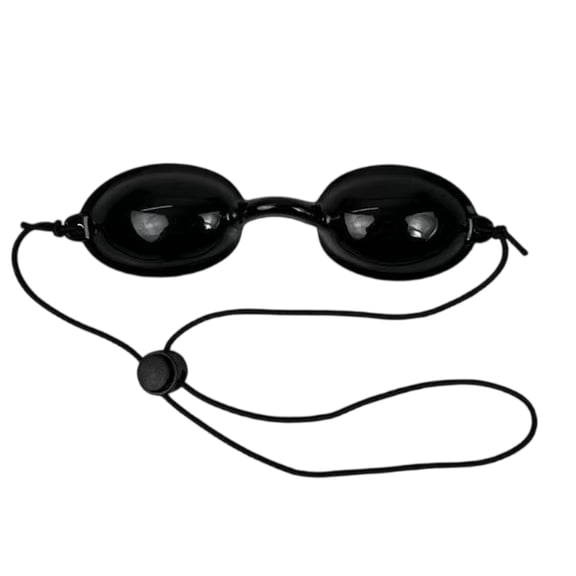
Lens color also changes how your eyewear feels during different projects and lighting conditions. You can choose clear lenses for indoor tasks, smoke lenses for bright sunlight, amber lenses for contrast, or polarized lenses for glare-heavy work.
Matching your eyewear to real projects
For construction, woodworking, and home repair, you’ll often want impact-rated lenses and a stable frame that stays put. You may also want side coverage and anti-fog performance when your pace picks up in warm spaces.
For lab work, cleaning, or splash-prone tasks, you might compare goggles with a more enclosed design. You’ll usually want a secure fit that works well with masks, gloves, and other task-specific gear.
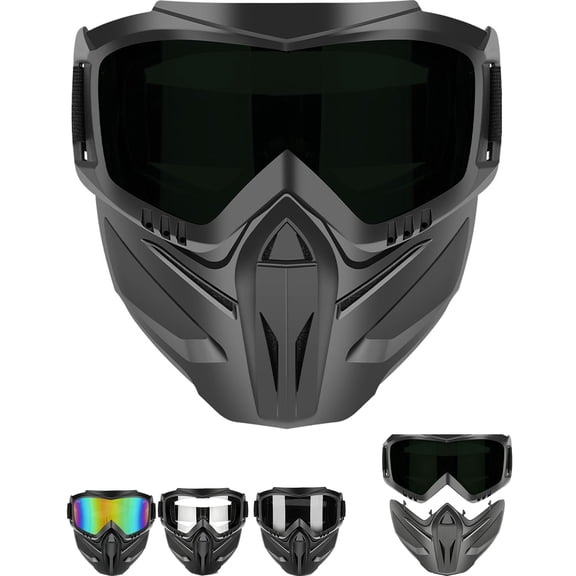
For mowing, trimming, and other outdoor projects, tinted or smoke lenses can make bright conditions easier to manage. You may also appreciate UV coverage and wrap-around styling when wind and airborne particles are part of your day.
If your prescription glasses stay on all day, OTG styles can simplify your setup without changing your routine. You’ll also want to check temple shape and brow clearance, because those small fit details often affect comfort the most.
When you choose the right combination of fit, coating, rating, and lens color, your eyewear works more naturally with your task. You’ll finish with clearer vision, steadier comfort, and coverage that fits the way you actually work.