


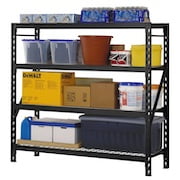
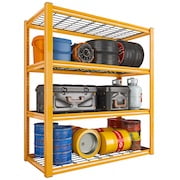
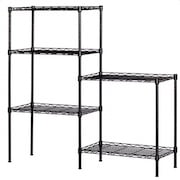
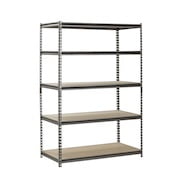
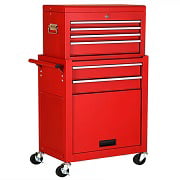
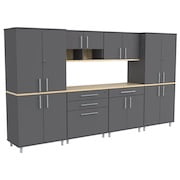
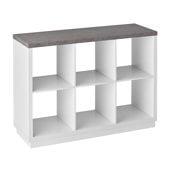

Shelving Units in Garage Shelves and Racks
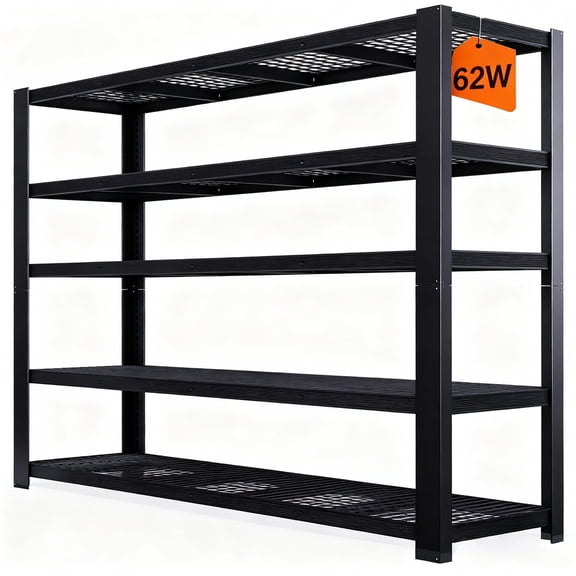
























About Shelving Units in Garage Shelves and Racks - Walmart.com
Garage shelving units help you turn crowded floor space into organized storage for tools, totes, paint cans, and seasonal gear. Your choice gets easier when you compare material, weight capacity, mount type, and shelf adjustability for your garage layout.
How to choose garage shelving units
A smart first step is measuring your wall width, ceiling height, and walking clearance before you compare sizes. That prep helps you keep aisles open around vehicles, doors, and work areas.
Your next decision is what you store most often and how heavy each shelf load may be. Weight capacity in pounds per shelf matters because it shapes stability and everyday function.
Another helpful filter is sorting by the storage job you need to handle most. These common priorities can help you compare options faster.
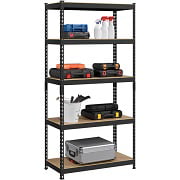
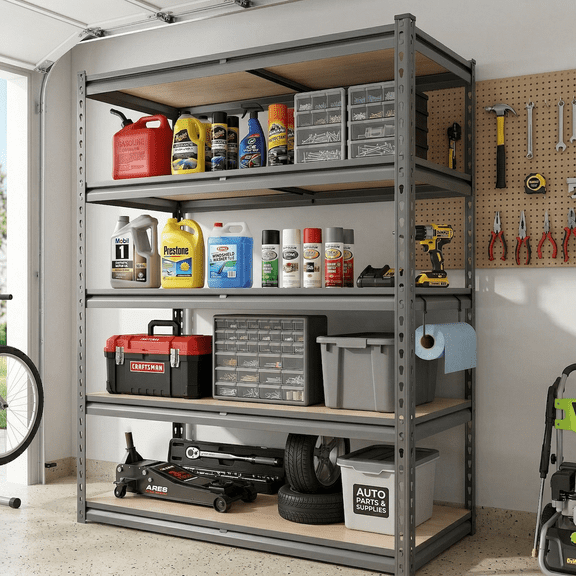
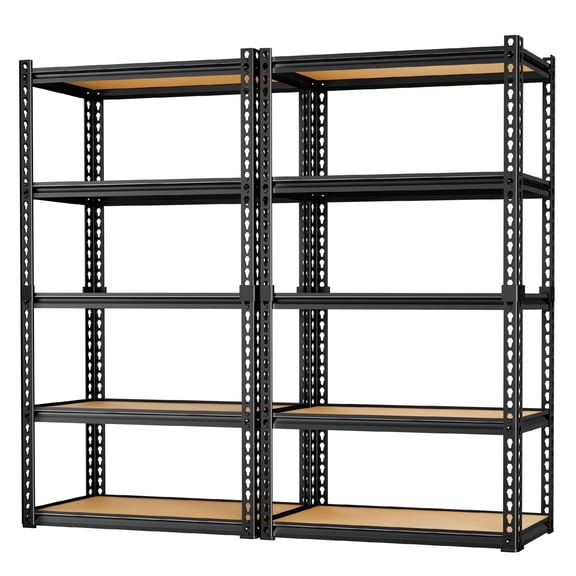
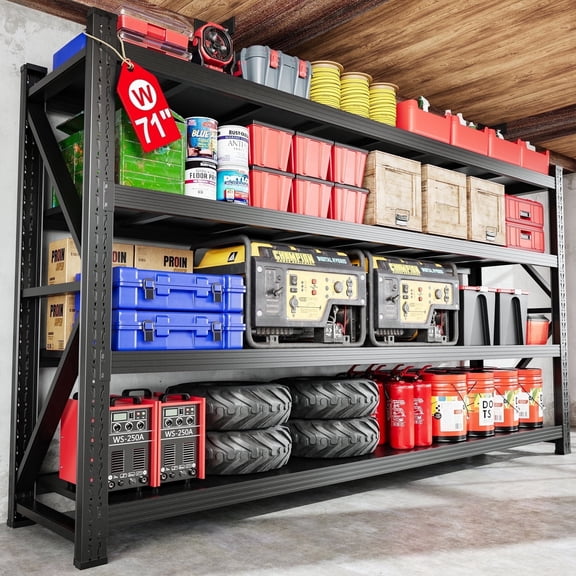
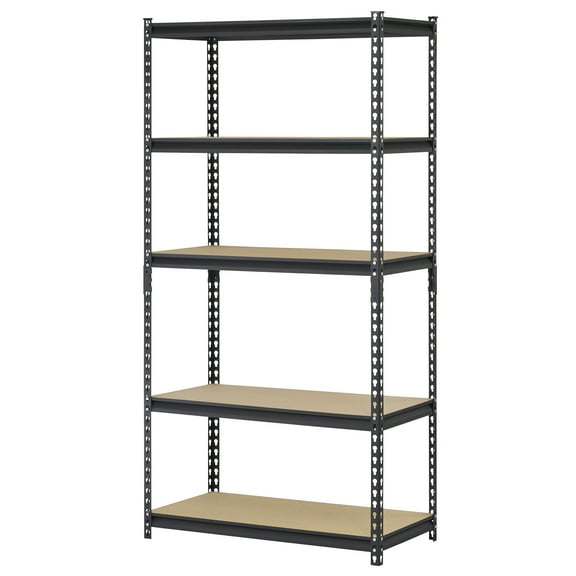
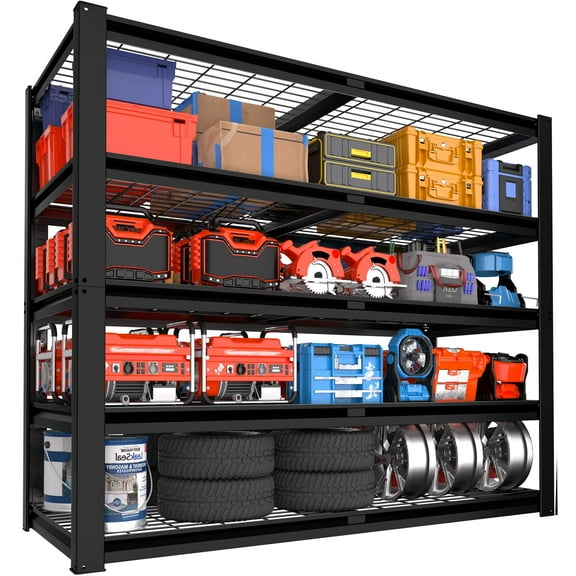
- You can choose heavy duty shelving for loaded bins, tools, paint, and hardware.
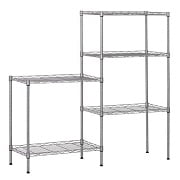
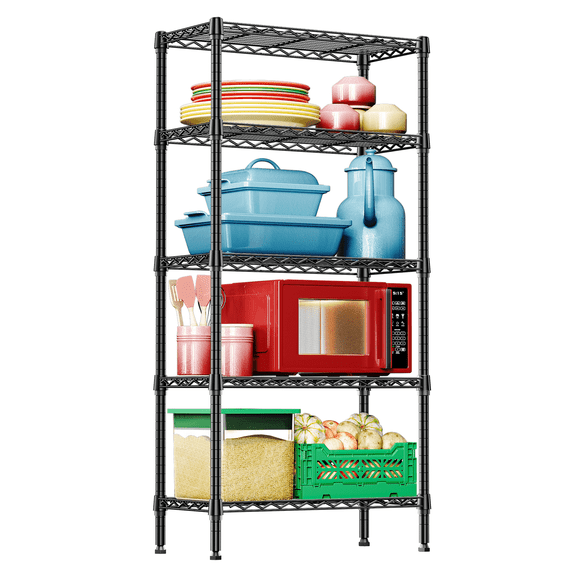
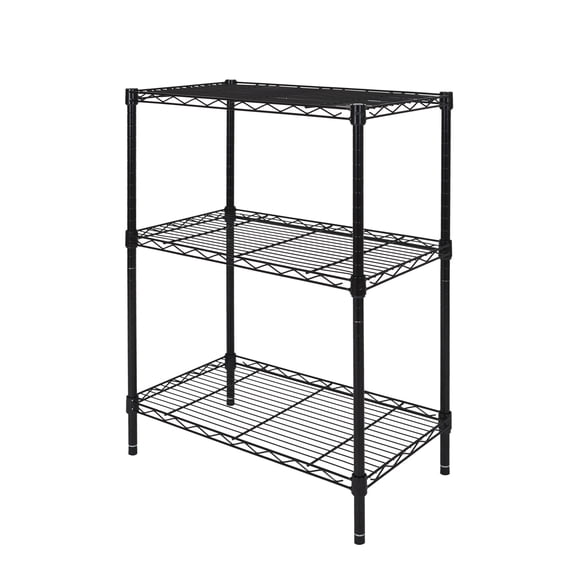
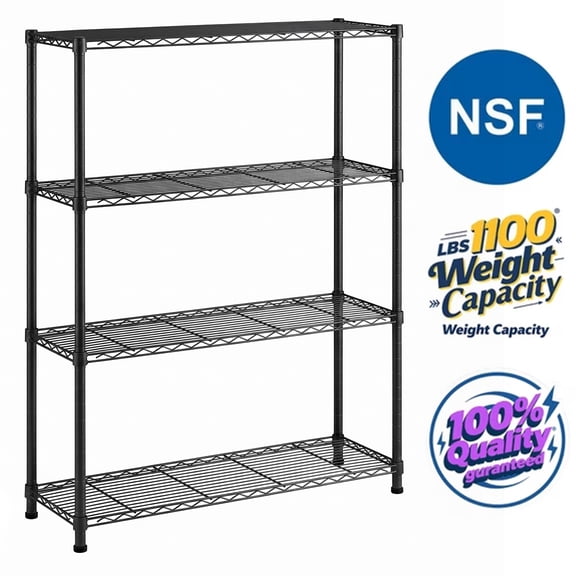
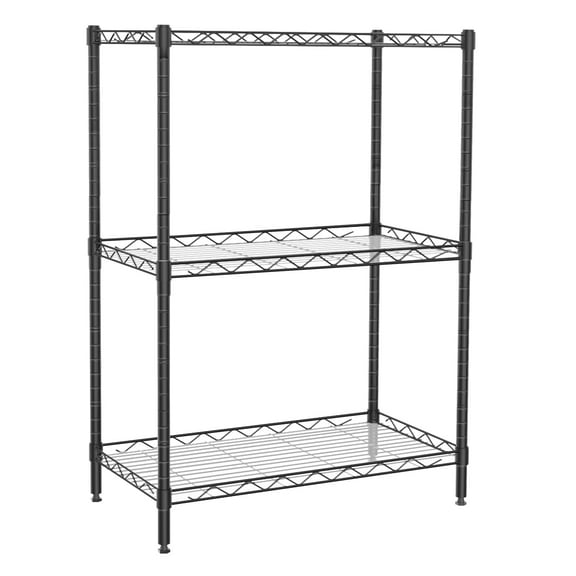
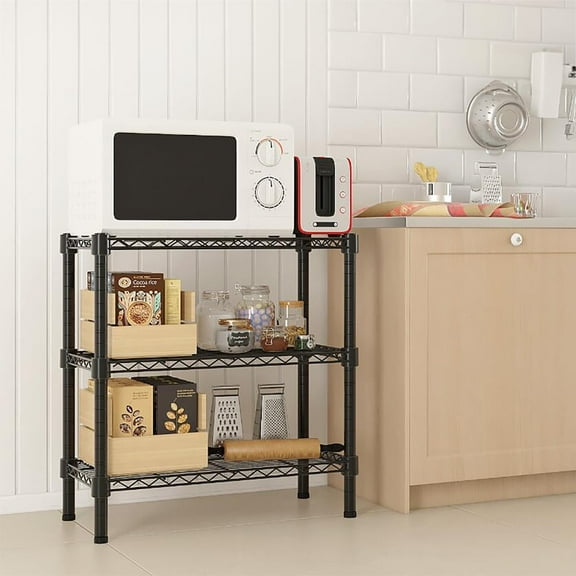
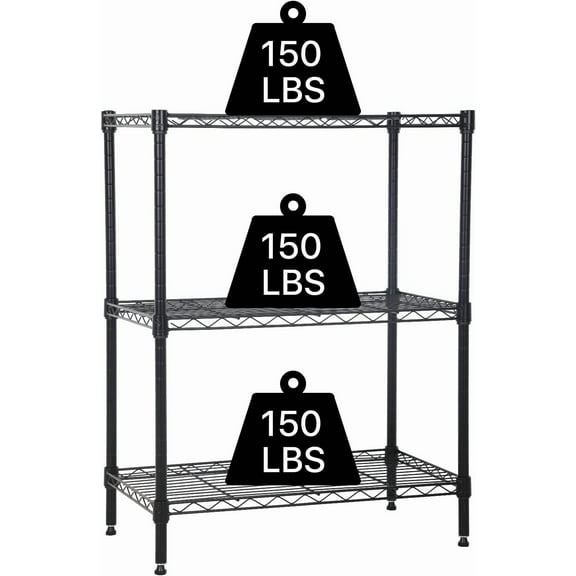
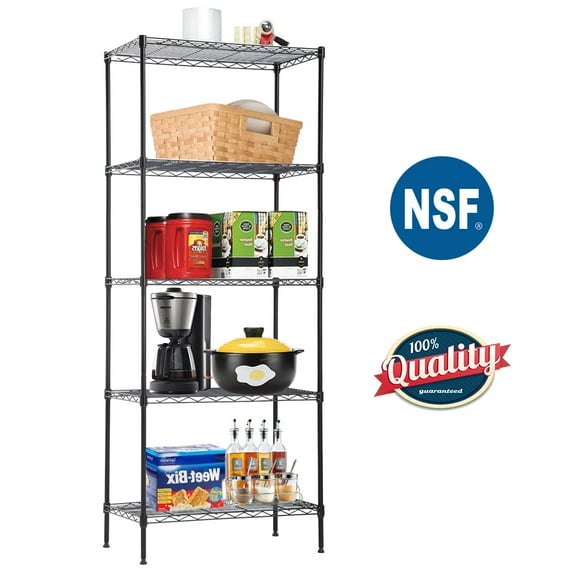
- You may pick wire shelving units when your setup needs open visibility and airflow.
- Adjustable shelves help you fit tall jugs, short cases, and changing seasonal bins.
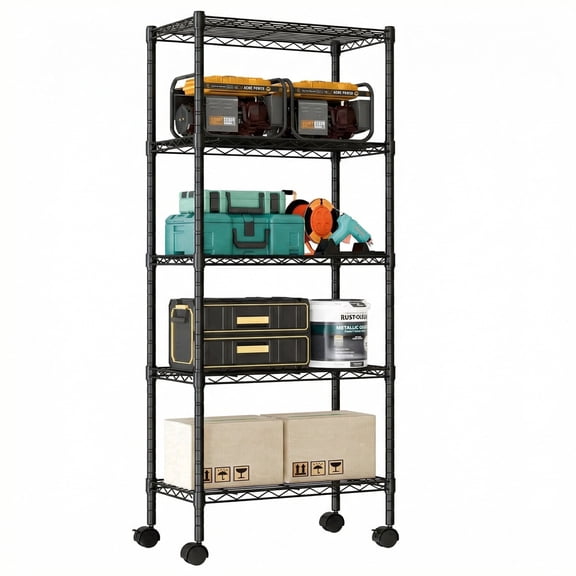
- Freestanding storage racks give you flexible placement when your garage layout changes.
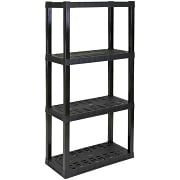
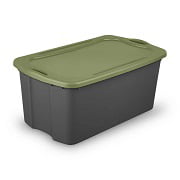
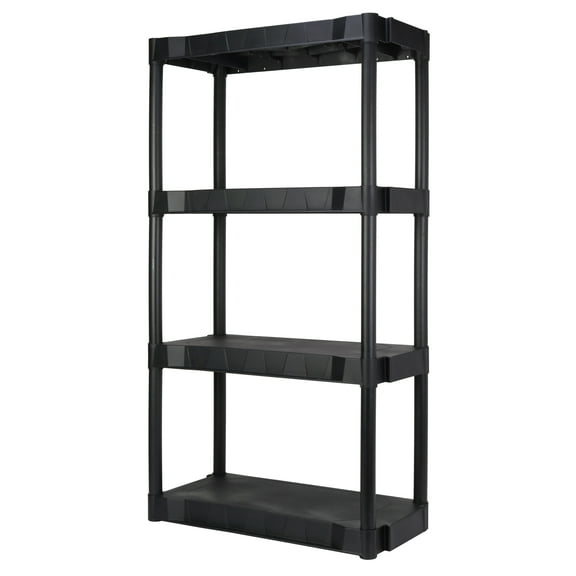
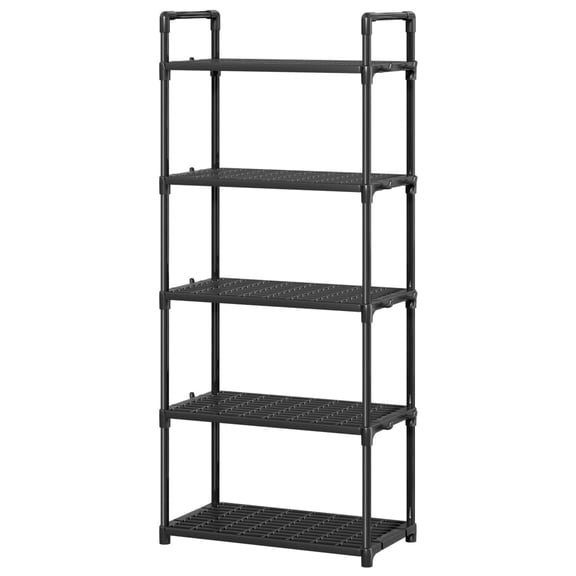
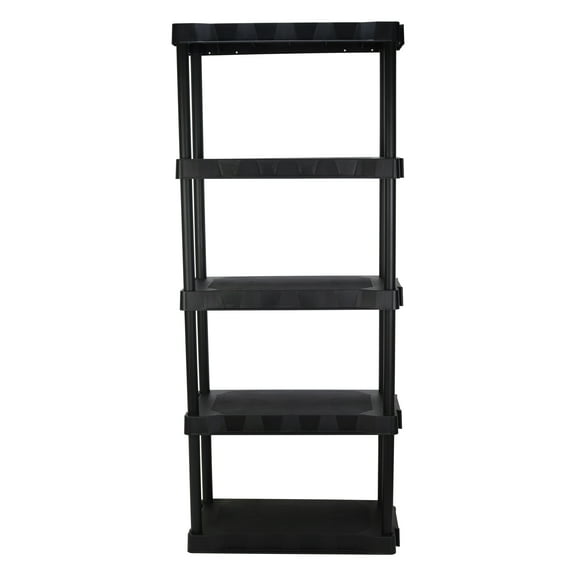
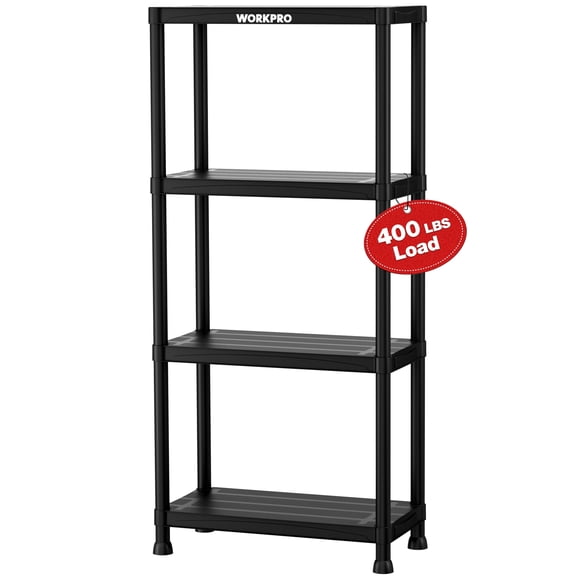
- Plastic utility shelves work well when your storage needs are lighter and easier to move.
Choosing heavy duty shelving and weight capacity
Weight capacity should lead your decision if you store dense items like power tools, automotive fluids, or boxed parts. Comparing pounds per shelf helps you sort options with more confidence.
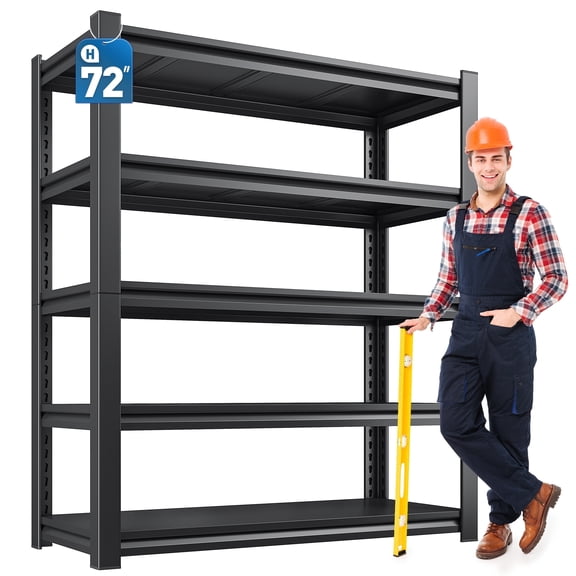
Many shoppers choose heavy duty shelving for taller storage plans and loaded containers. That added support can make stacked bins and uneven gear feel more manageable.
Your setup works harder when you match capacity to real use instead of appearance alone. It also helps to check whether the listed load applies per shelf or across the full unit.
Medium duty shelves may suit sports gear, paint trays, and mixed household bins in active garages. Light duty options fit paper goods, decor tubs, and lighter overflow you want off the floor.
Comparing metal shelving units, wire, and plastic
Material gives you a quick way to compare strength, cleanup, and year-round garage conditions. Your decision should reflect how damp, dusty, or busy the space feels.
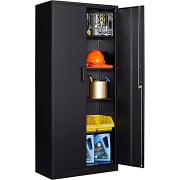
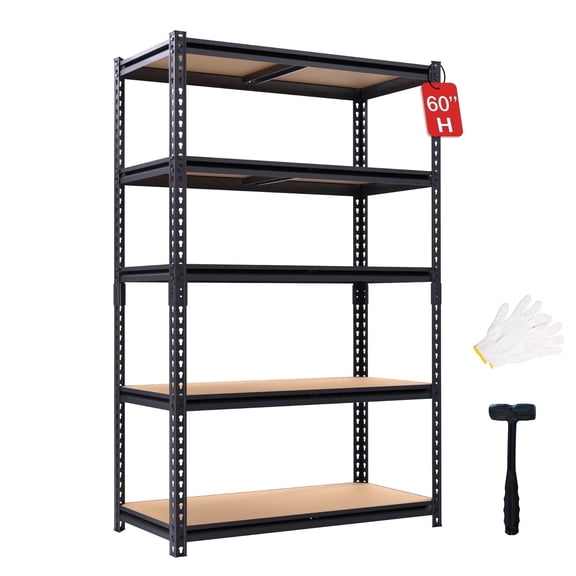
Metal shelving units and steel frames often appeal when your storage includes tools and dense supplies. Powder-coated surfaces can also make cleanup easier in humid garages.
Wire shelving units suit shoppers who want airflow around stored items and a clear view from several angles. Dust cleanup also feels simpler when your shelves stay open and accessible.
Plastic shelves fit lighter loads and easier repositioning in household overflow areas. Even then, your final choice should still reflect shelf capacity and overall frame design.
Deciding between freestanding, wall-mounted, and overhead styles
Freestanding storage racks make sense when your layout changes with vehicles, lawn gear, or project supplies. That flexibility helps you shift zones without committing to one wall.
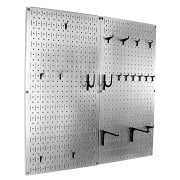
Wall-mounted utility shelves can free up floor area above benches or along side walls. Your smaller items stay within reach while the garage floor remains easier to navigate.
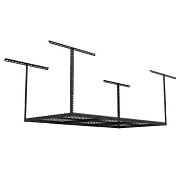
Overhead storage may fit garages with open ceiling clearance above parked vehicles or door tracks. Careful measuring helps your shelves work around lights, openers, and movement paths.
Some shoppers start with garage organization shelves on the floor, then add wall or overhead storage later. Your setup becomes easier to scale when each zone has a clear purpose.
Checking adjustable shelves, assembly, and fit
Adjustable shelves matter when your storage includes tall jugs, short tool cases, and bulky totes. That flexibility lets you change spacing as projects and seasons shift.
Assembly style can also shape your choice, especially if your tools and time are limited. Boltless designs, snap-together parts, and framed units each create a different setup experience.
Dimensions deserve close attention before you place any unit in a narrow garage bay. Your height, width, and depth measurements should leave room for freezers, workbenches, and door swings.
A simple plan can make setup feel smoother once your shelving arrives at home. Heavier items belong lower, daily-use bins fit well in the middle, and lighter overflow works above.
Matching utility shelves to real garage storage needs
Utility shelves can organize gardening supplies, car care items, sports equipment, and holiday bins in one space. Your garage feels easier to manage when each category gets its own shelf zone.
Lower levels often hold denser items, while middle shelves suit medium bins and daily-use supplies. Upper shelves can keep lighter extras nearby without crowding your work area.
Your workshop corner may need industrial shelving strength, while household overflow may need simpler adjustable storage. Mixing styles can help you give each garage zone a more practical role.
Garage shelving units work harder when your choice reflects weight, material, fit, and adjustability. That match gives you cleaner aisles, easier access, and more usable garage space every day.