

Shelf Brackets in Retail Shelving











About Shelf Brackets in Retail Shelving - Walmart.com
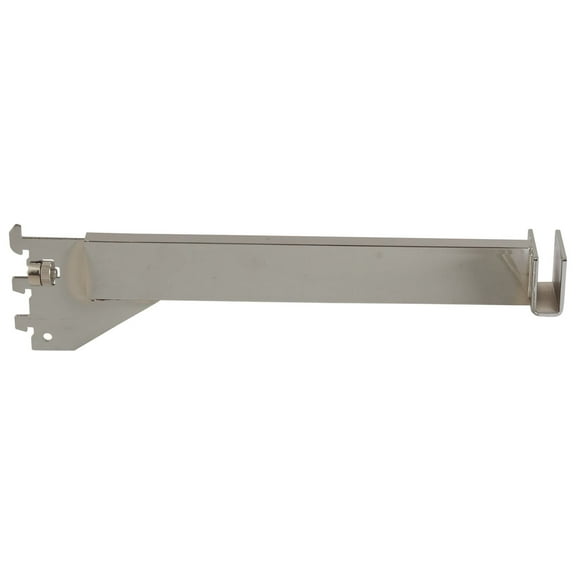
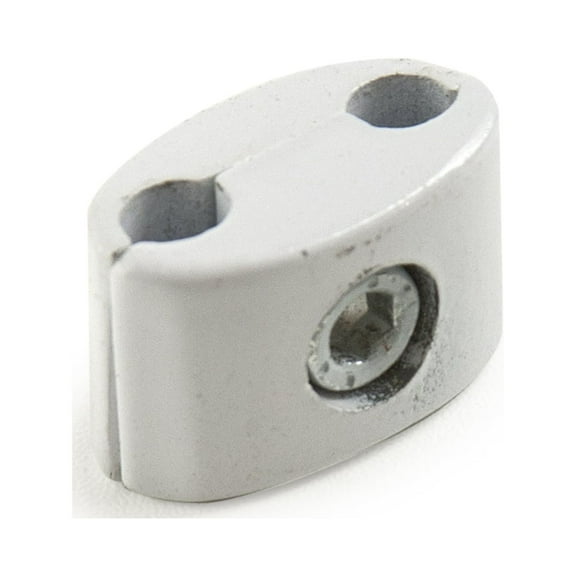
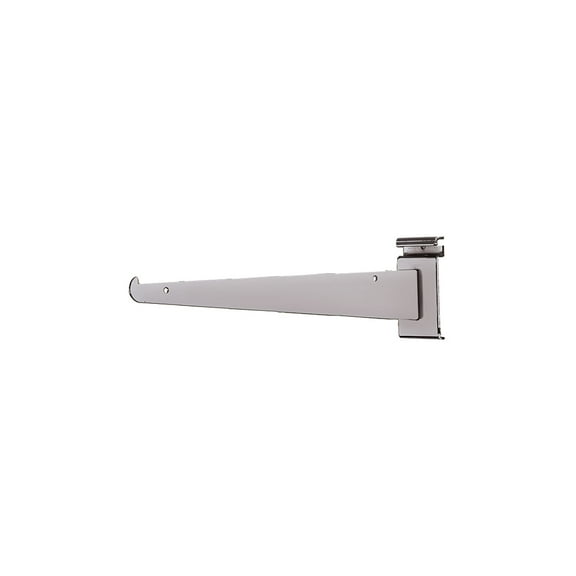
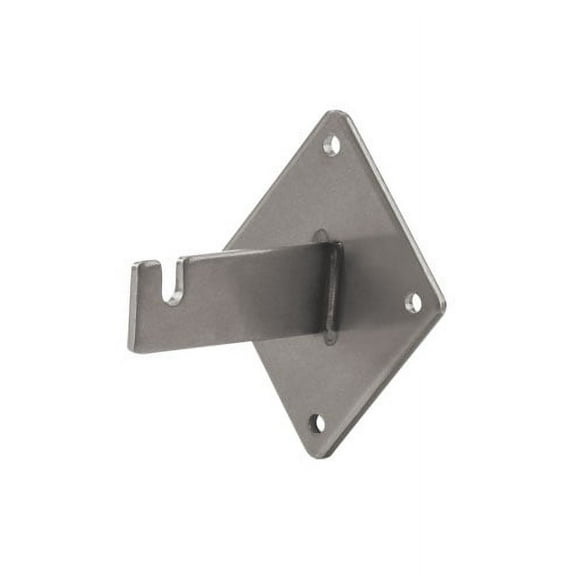
Shelf brackets help you build secure retail displays, organized stock areas, and clean wall storage with support that fits your shelving plan. You can compare bracket type, material, application, and weight capacity to fit your layout and mounting system.
How to choose shelf brackets for your setup
You should start with the shelf location and the items you plan to place on it. You can choose a bracket style that matches your wall standard, gondola system, or open wall application.
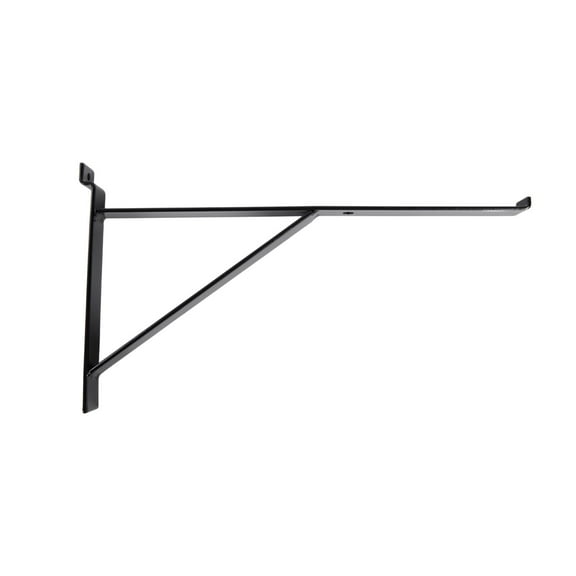
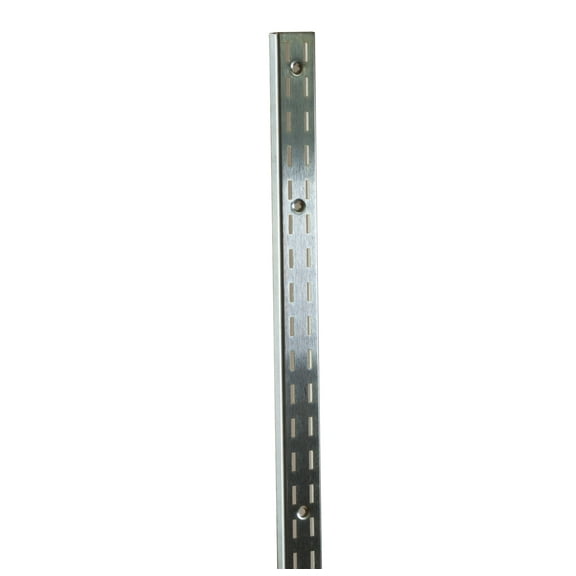
When you compare shelf brackets, you should check projection, mounting points, and shelf depth before you choose. You can also confirm whether your shelf uses a shelf arm, slotted standard, or direct wall mount.
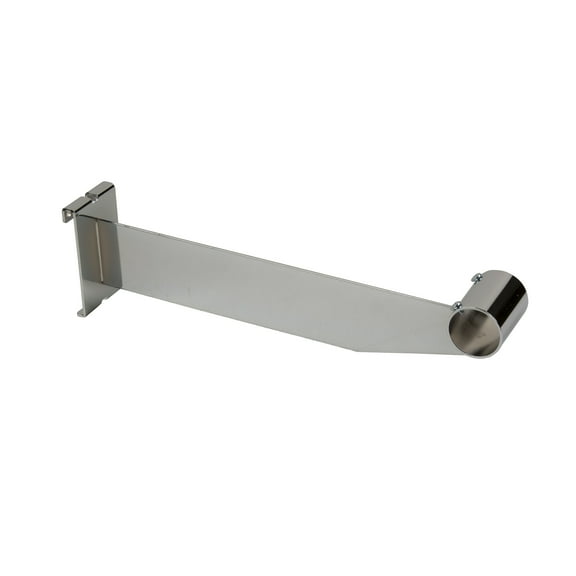
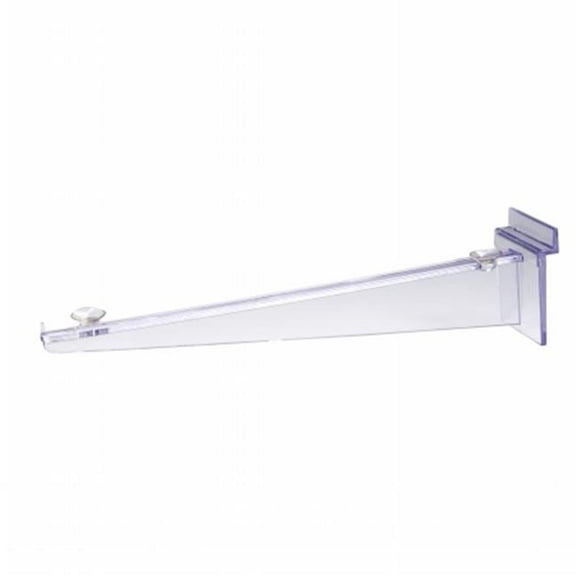
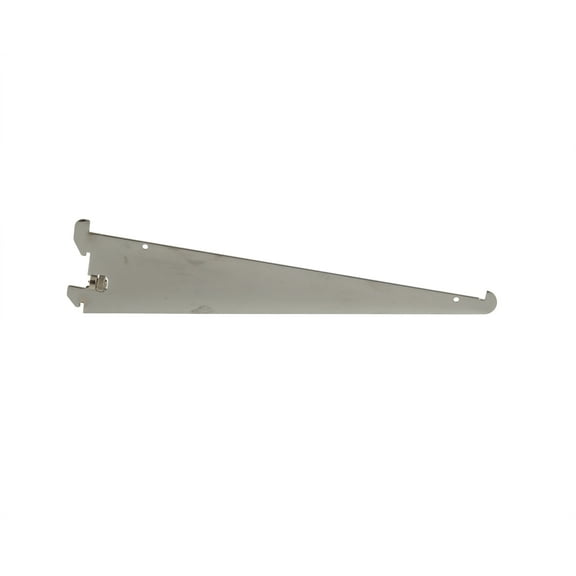
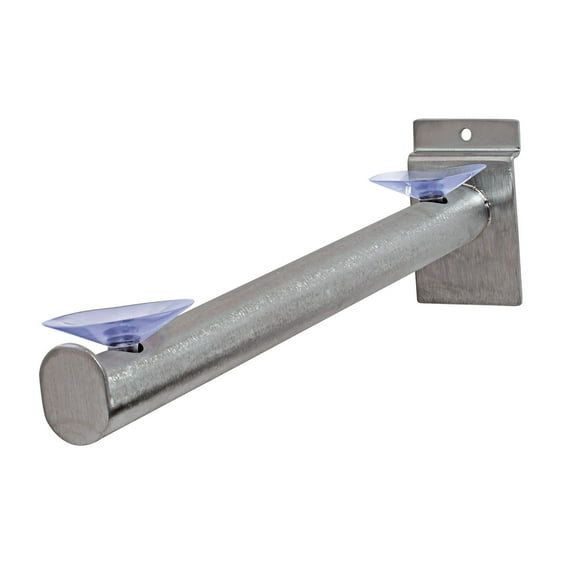
For retail layouts, you may need store shelf brackets that fit gondola uprights or wall standards used in merchandise displays. For workshops or utility rooms, you may prefer simpler wall-mounted supports with a straightforward profile.
Choosing material and retail shelf fasteners
You can use material as a quick guide to strength, finish, and long-term wear. You may see steel, cast iron, brass, and zinc-plated options across commercial and residential shelving projects.
Steel brackets usually suit you when you need sturdy support for backrooms, stock shelves, or display walls. Cast iron can give your setup a heavier look that works well for visible shelving.
Brass finishes may fit your space when your shelf hardware needs a warmer appearance in customer-facing areas. Zinc-plated retail shelf fasteners can help you handle frequent use in utility, retail, or storage environments.
- You can use steel when your shelves hold boxed inventory, tools, or dense merchandise.
- You can choose cast iron when your shelving needs a substantial look with dependable support.
- You can select brass-tone hardware when your display calls for a polished finish.
- You can look for zinc-plated parts when your bracket setup needs a practical protective finish.
Comparing bracket type and weight capacity
You should match bracket type to both shelf style and load demands. You can compare L-bracket, floating, gondola, and heavy-duty designs before installation.
L-brackets can work for many wall shelves because you get a visible right-angle support under the shelf. Floating styles can suit you when you want a cleaner appearance with less visible hardware.
Gondola brackets matter when you’re fitting retail shelving support into existing store fixtures and uprights. Heavy-duty styles can make sense when you’re planning deeper shelves or placing dense products on each level.
You should always check weight capacity per bracket instead of guessing from appearance alone. You can choose light-duty options for lighter goods, medium-duty support for everyday storage, and heavy-duty hardware for demanding shelf loads.
If you’re building a long shelf, you should also consider bracket spacing across the full run. You can improve support by matching bracket count, shelf material, and shelf depth to the intended load.
Checking compatibility with store shelf brackets
You should confirm compatibility before installation, especially if your shelving uses standards, tracks, or gondola uprights. You can avoid fit issues by measuring slot spacing, bracket length, and shelf depth first.
Some store shelf brackets are designed for retail wall standards, while others mount directly to studs or masonry. You should compare the bracket hook pattern or screw-hole layout with your current hardware system.
If your shelving uses a shelf hanger format, you should check how it locks into the vertical support. You can also compare left and right orientation when your fixture system requires a specific fit.
Mounting hardware can vary by wall type, so you should check whether the manufacturer includes anchors, screws, or standards separately. You can choose hardware that matches drywall, wood, metal standards, or masonry surfaces.
Matching application to retail, industrial, and residential use
You can narrow your choice faster when you decide where you will use the brackets. You may see different needs across retail floors, industrial storage, residential walls, and store fixture systems.
In retail settings, you may need a clean profile that supports folded goods, packaged items, or merchandising shelves. You can also choose a finish and bracket shape that looks consistent across multiple display bays.
In industrial areas, you may focus more on load support, simple installation, and compatibility with stockroom shelving. You can prioritize heavy-duty construction when your shelves hold parts bins, tools, or boxed supplies.
For residential rooms, you may prefer floating or decorative shapes that fit kitchens, offices, or laundry spaces. You can choose dimensions that support books, baskets, or everyday storage without taking over the room.
When your project blends stockroom and sales floor needs, retail shelving support with clear compatibility details can simplify planning. You can make informed choices when you compare application, finish, and capacity together.
What to look for before installation
You should measure shelf depth, wall surface, and bracket projection before ordering. You can also confirm how many brackets your shelf length requires for balanced support.
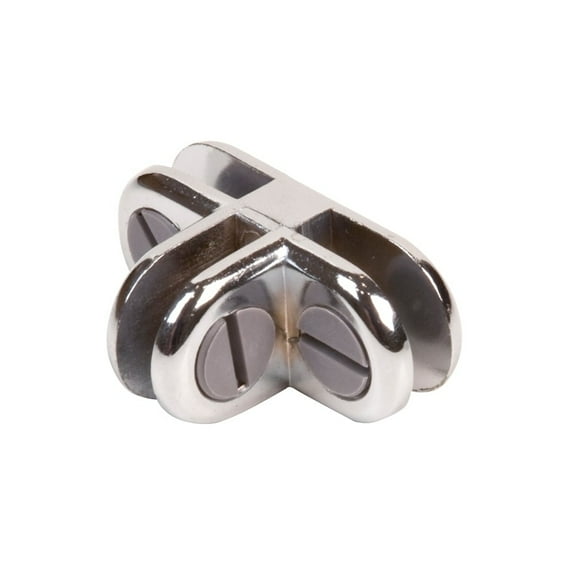
You should check whether your shelf board, glass shelf, or laminate panel matches the bracket design. You can confirm hole placement, mount style, and hardware requirements before setup.
With the right bracket style and capacity, you can create shelving that fits your fixture system and supports your intended load. You can get a cleaner installation and steadier everyday performance from the start.