

Stone knife Sharpeners in Knife Sharpeners






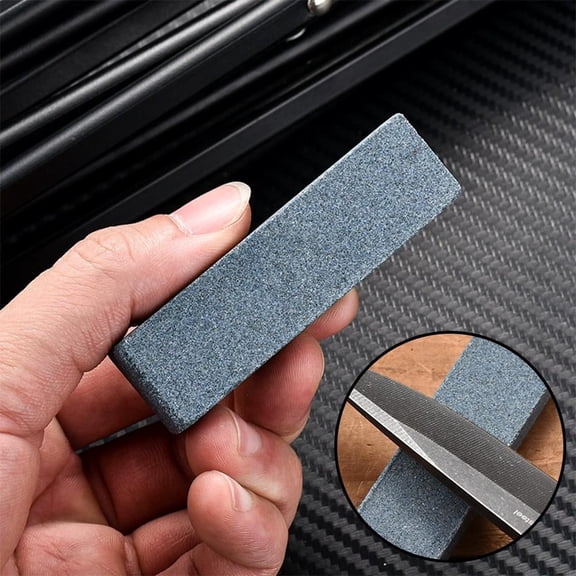
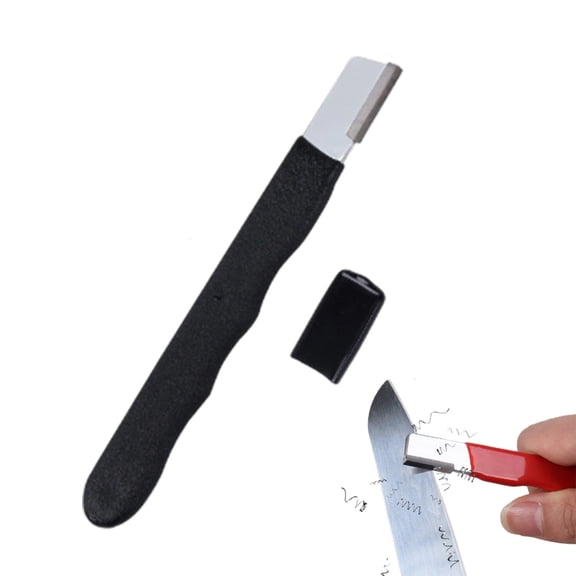


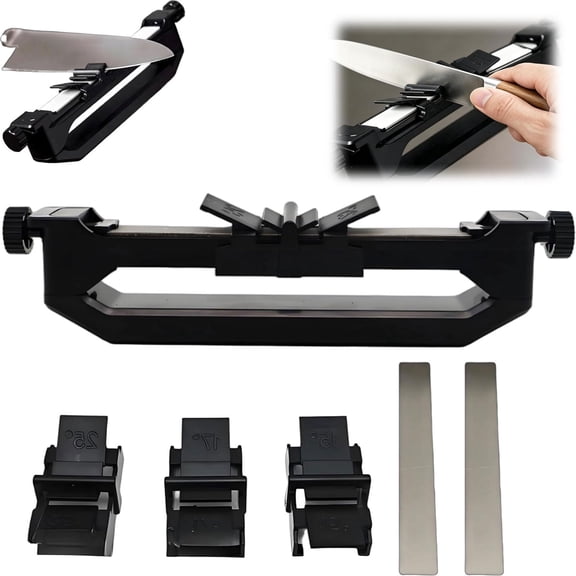
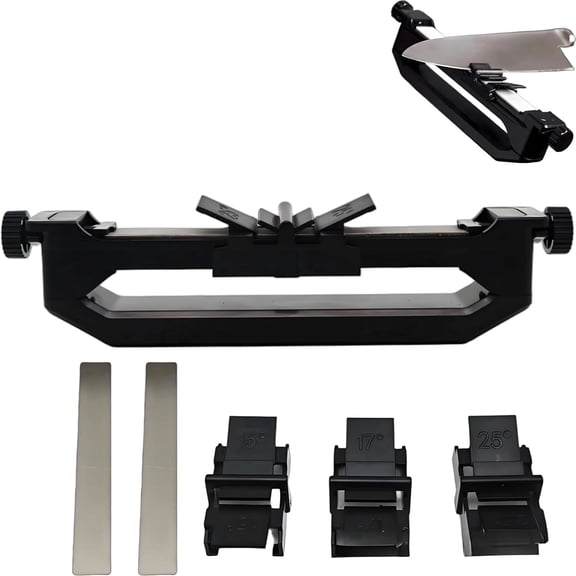











About Stone knife Sharpeners in Knife Sharpeners - Walmart.com
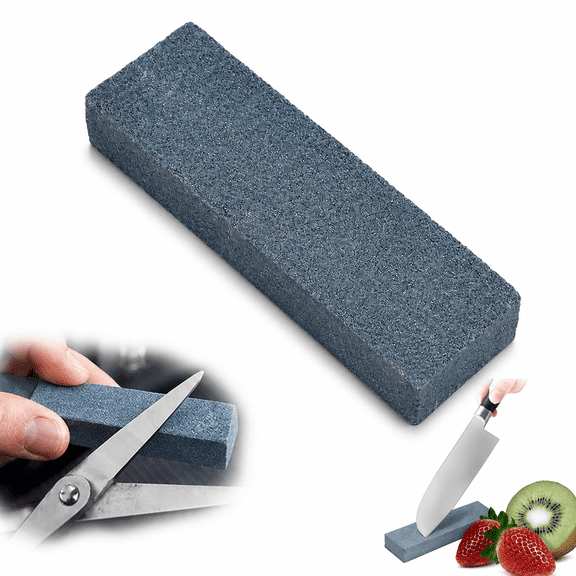
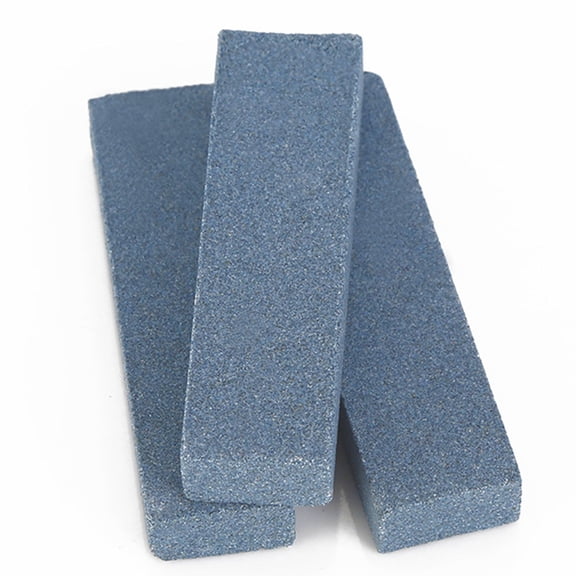
You can improve edge upkeep with a whetstone knife sharpener that matches your knives, your skill level, and your sharpening routine. You’ll find this category stands out because you can compare grit ratings, lubricant types, stone materials, and kit formats in one place.
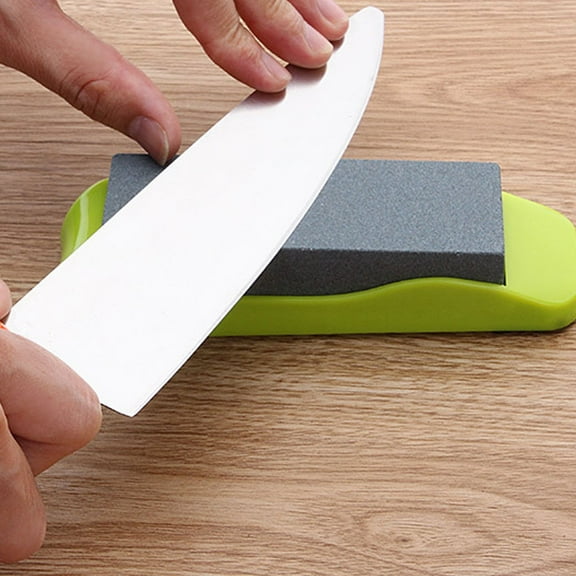
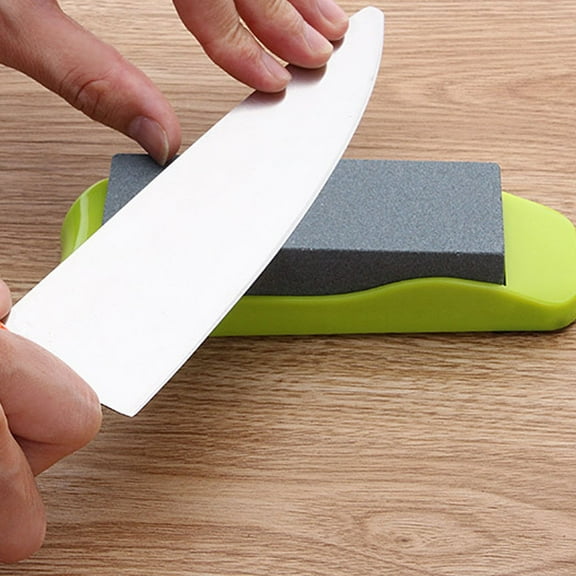
When you choose the right stone, you can restore a dull kitchen blade, refine a pocket knife edge, or maintain a favorite chef’s knife. You’ll also get more control than pull-through tools because you can guide the angle and pressure yourself.
How to choose a whetstone knife sharpener
You should start with grit level because it tells you how aggressively your knife sharpening stone reshapes the edge. You’ll usually use coarse grit for damaged edges, medium grit for regular sharpening, and fine grit for polishing.
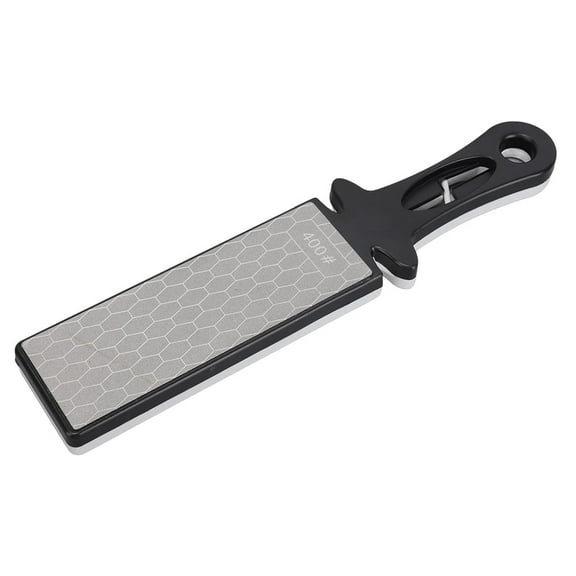
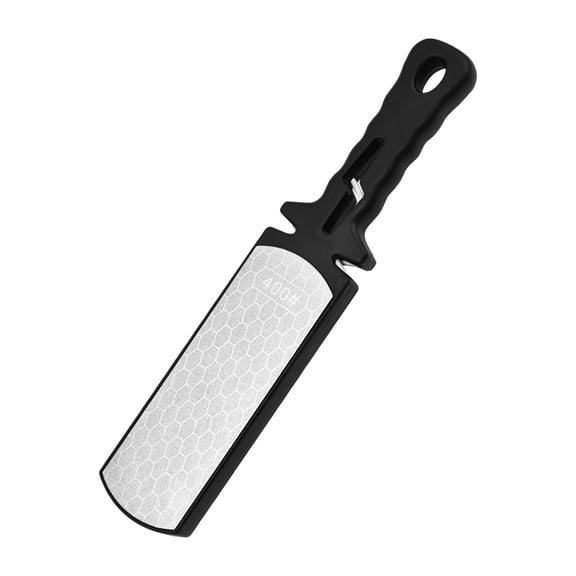
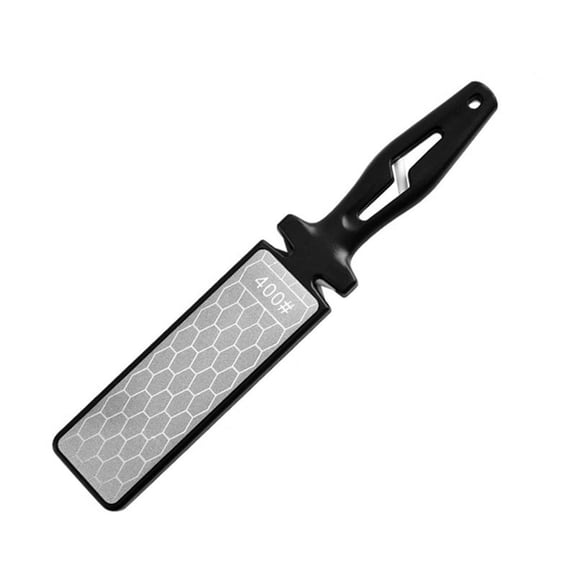
If your blade feels very dull, you can begin with around 400 grit to rebuild the bevel. If your knife only needs routine upkeep, you’ll often reach for 1000 grit first.
You can move to 3000 grit when you want a smoother finish after sharpening. You can choose 8000 grit when your routine focuses on edge refinement and a more polished cutting surface.
- You can use coarse stones to reshape chipped or very dull edges faster.
- You can use medium stones for everyday sharpening on kitchen and utility knives.
- You can use fine and extra fine stones to refine the edge and improve cutting feel.
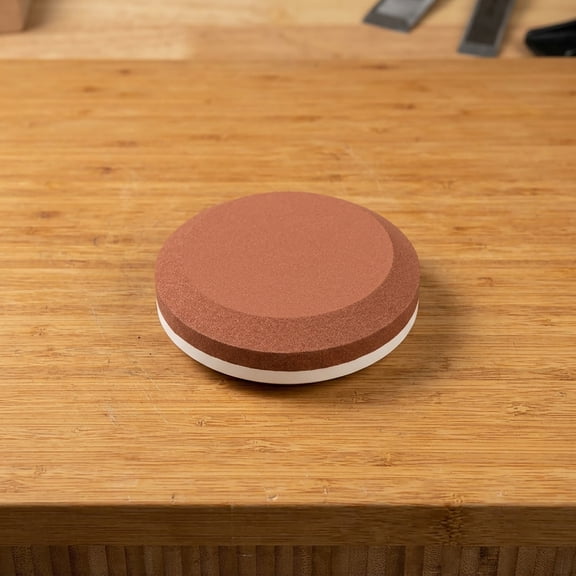
- You can choose combination stones when you want two grit options in one block.
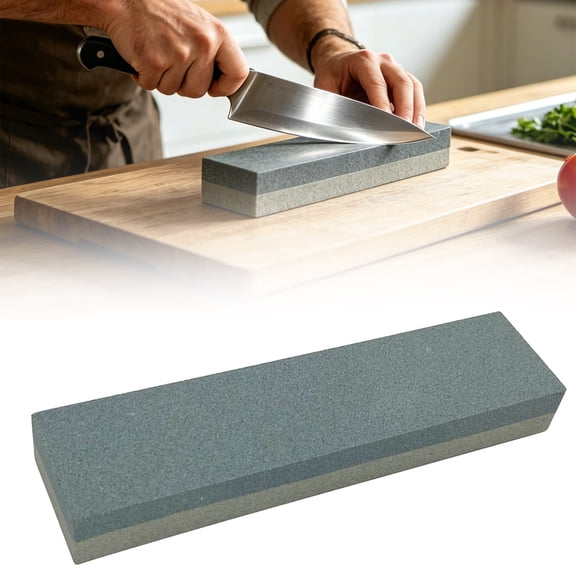
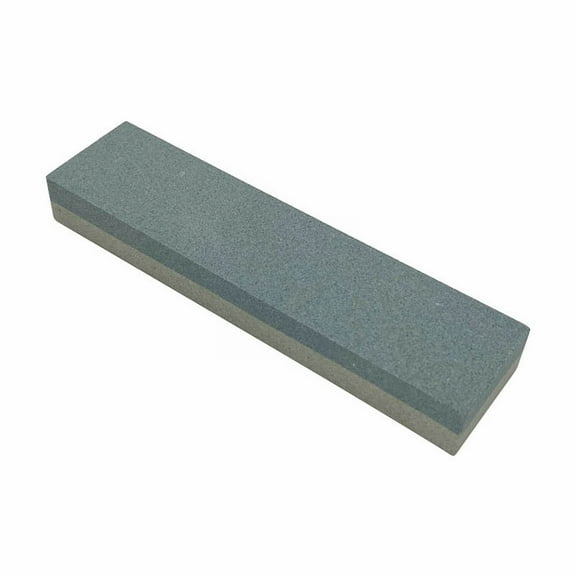
You’ll often find a double-sided stone especially useful when you’re learning. You can start on the lower grit, then flip to the finer side without changing tools.
Choosing the right knife sharpening stone material
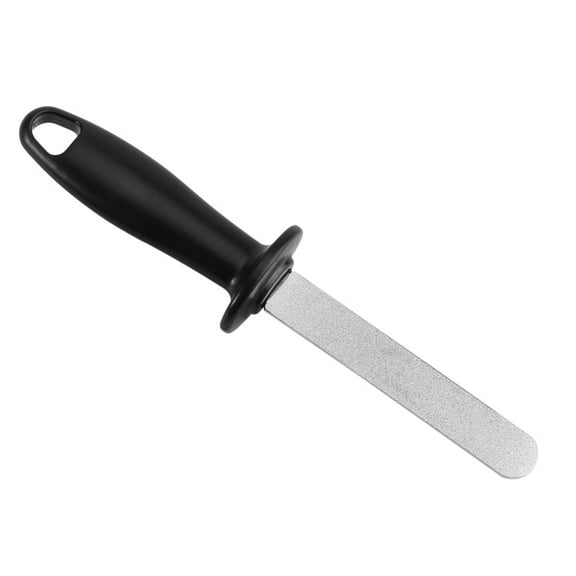
You should compare stone material next because each surface changes how quickly you remove metal and how the stone feels under the blade. You’ll commonly see corundum, novaculite, diamond, and ceramic options in stone knife sharpeners.
You can choose corundum when you want a familiar synthetic whetstone feel and a wide range of grit combinations. You’ll often see it in wet stone knife sharpener sets made for routine kitchen use.
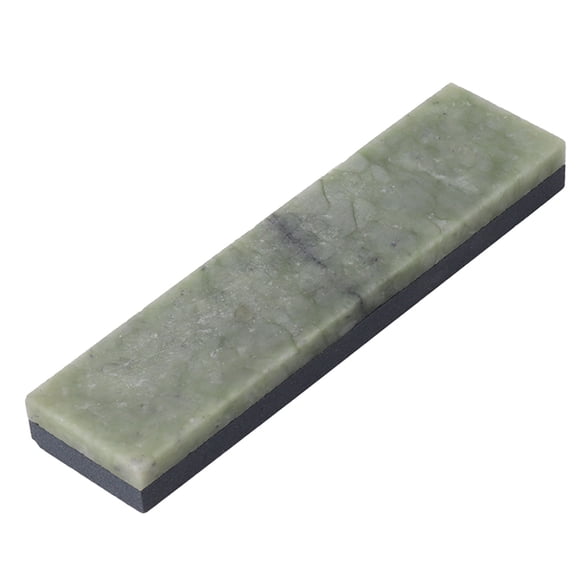
If you prefer a traditional feel, you can look at novaculite, often called Arkansas stone. You’ll notice it’s commonly paired with oil and used as an oil stone knife sharpener.
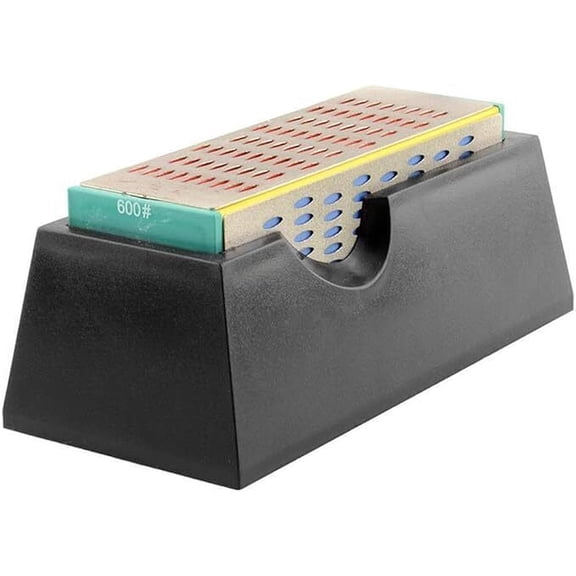
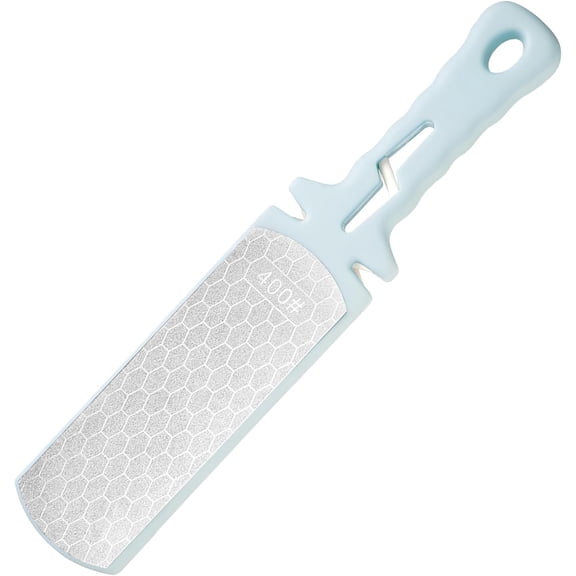
You can consider diamond surfaces when you want fast cutting action and a flatter sharpening surface over time. You may prefer ceramic when you want a harder finishing surface for touch-ups and edge refinement.
You should also think about maintenance because stone type affects prep and cleanup. You’ll usually spend more time soaking some water stones, while oil-based options need the matching lubricant before use.
Wet stone knife sharpener or oil stone knife sharpener
You should check lubricant type before sharpening because each stone works with a specific prep method. You’ll generally use water with whetstones, oil with oilstones, and some stones can work dry.
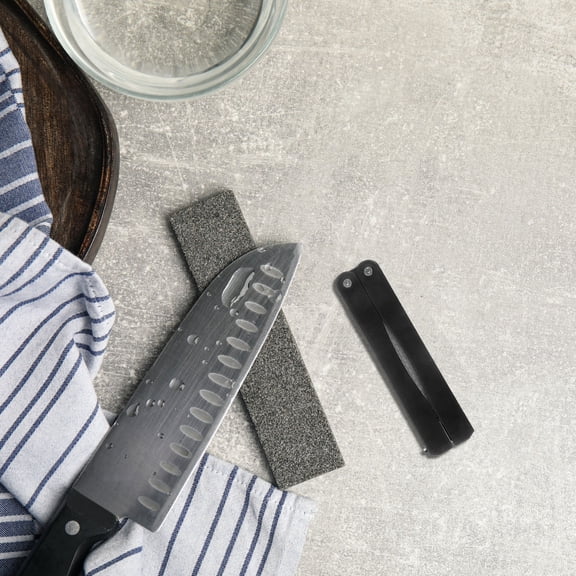
If you want easier cleanup, you may prefer a wet stone knife sharpener for regular kitchen sharpening. You can soak or splash the stone, then rinse away the slurry after your session.
If you like a traditional sharpening method, you may prefer an oil stone knife sharpener. You’ll use honing oil on the surface, and you can expect a different feel as the blade moves across the stone.
You can also compare dry-use options when you want less setup between sharpening sessions. You should still check the product directions so your chosen stone matches the lubricant method it was designed for.
You’ll get more consistent results when you keep the surface prepared the right way from the start. You can avoid guesswork by matching your stone, your lubricant, and your cleanup preference before sharpening.
What to look for in a stone knife sharpening kit
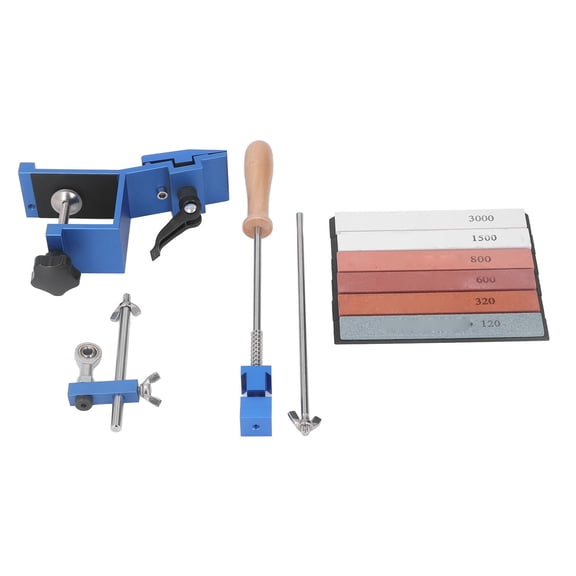
You should compare configuration if you want the right level of guidance and versatility. You’ll see single-grit stones, double-sided stones, and complete sharpening kit options across this category.
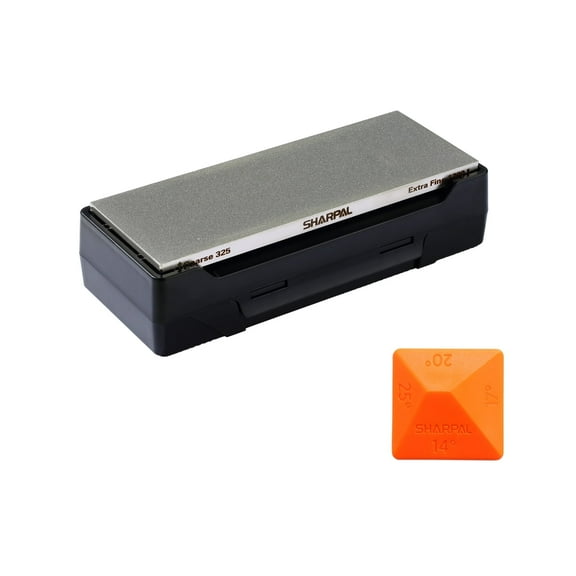
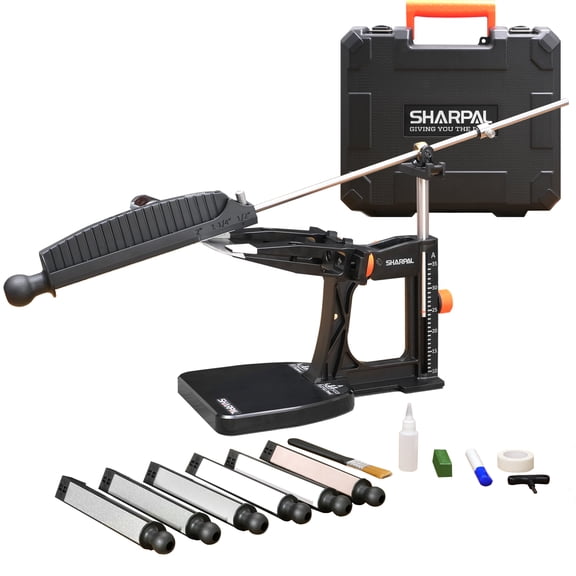
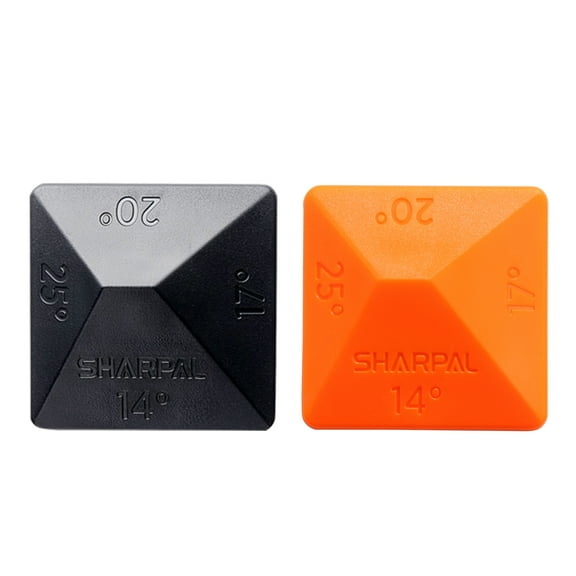
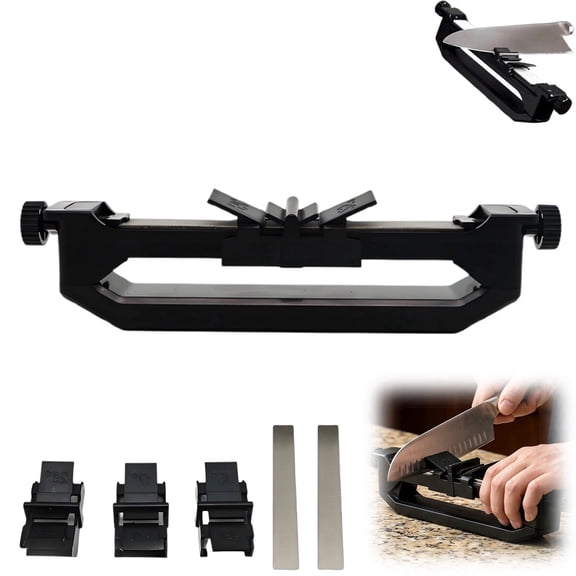
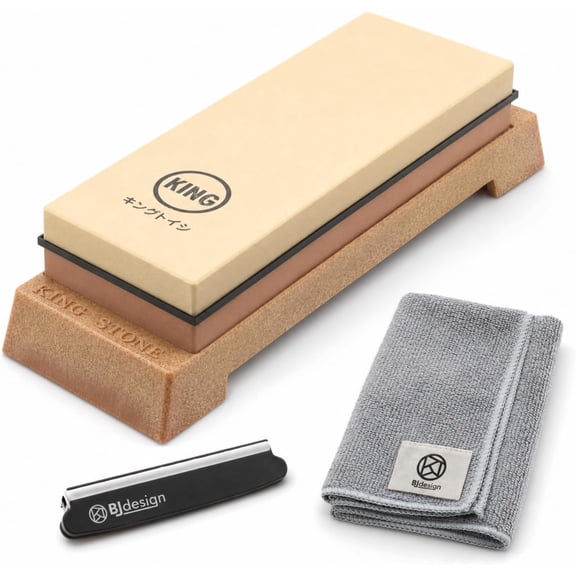
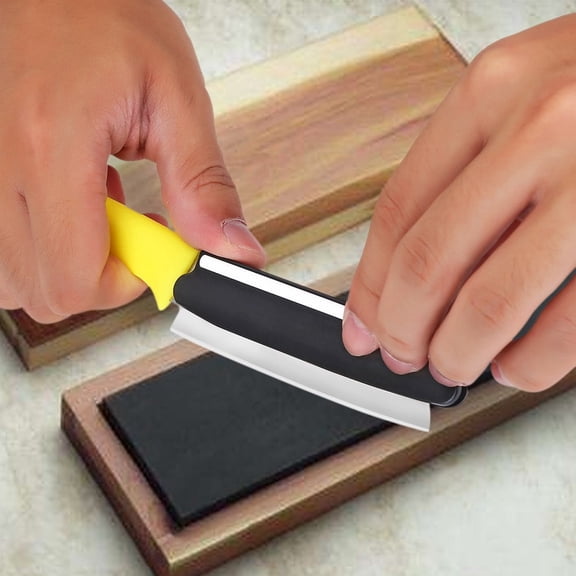
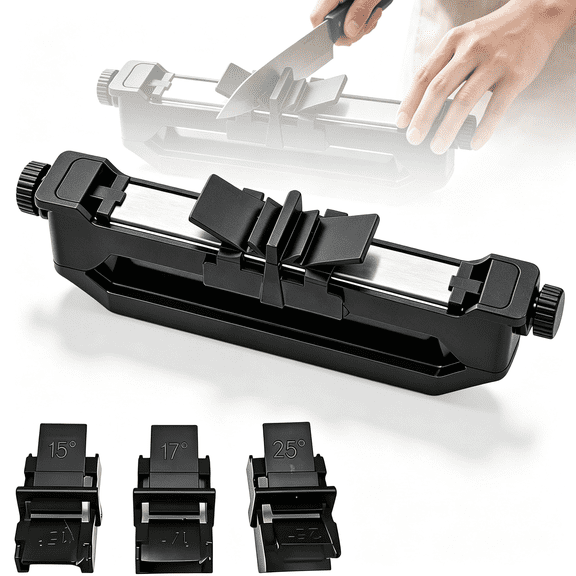
If you’re just starting, you may find a stone knife sharpening kit easier to use. You can look for sets with a non-slip base, an angle guide, and a flattening stone for upkeep.
You should pay attention to angle guides because they help you hold a steady bevel during each pass. You’ll usually aim around a 20-degree angle for many general kitchen knives.
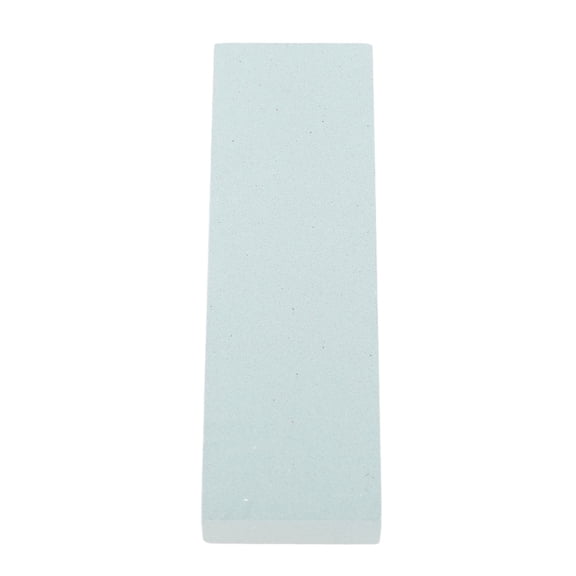
If you already know your preferred grit, you may want a single-grit stone for a specific sharpening step. You can keep one coarse stone for edge repair or one fine stone for finishing work.
You can choose a combination stone when you want flexibility without adding multiple separate pieces. You’ll cover sharpening and refining in one tool, which makes it practical for beginners and regular home use.
Using stone knife sharpeners for different knives
You can match grit, material, and configuration to the knives you use most often. You’ll sharpen chef’s knives, paring knives, pocket knives, and outdoor blades more effectively when your stone fits the task.
For kitchen prep, you may want a 1000 and 3000 combination stone that supports routine sharpening and finishing. You can maintain slicing performance on everyday knives without jumping between several stones.
For very dull utility or outdoor blades, you may want a coarser starting point like 400 grit. You can restore the edge shape first, then move to a finer surface for a cleaner finish.
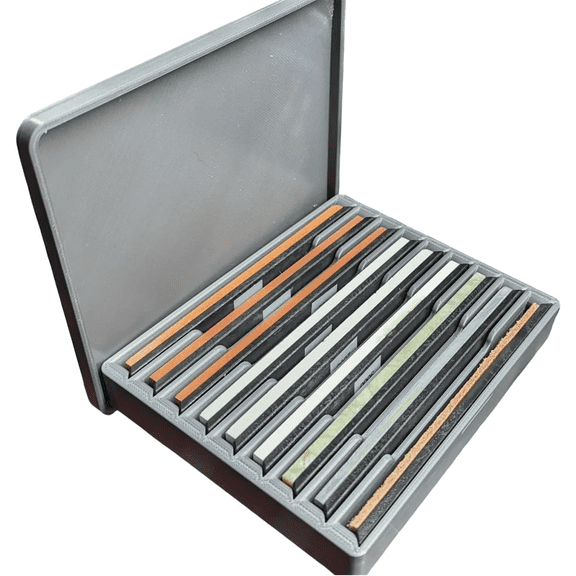
If you maintain several blade types, you may prefer stone knife sharpeners sold as multi-piece kits. You can keep your process organized with a base, guide, and flattening accessory close at hand.
You should also think about related knife care needs as you build your setup. You can pair your sharpening routine with chef’s knives, pocket knives, or kitchen knife sets for a more complete prep station.
You’ll feel more confident choosing a sharpening stone when you compare grit, lubricant, material, and kit format together. You can build a routine that keeps your edges consistent, controlled, and ready for precise cutting.