

Scrapers & Sharpeners




















About Scrapers & Sharpeners - Walmart.com
With scrapers and sharpeners, you can prep surfaces, remove buildup, and maintain cutting edges with fewer interruptions. You can compare blade materials, grip styles, and sharpening media to match paint removal, floor adhesive cleaning, knife sharpening, and woodworking edge prep.
How to choose scrapers and sharpeners
You should start with tool type, because your project changes what shape and edge style you need. You may want scrapers for lifting paint, sharpeners for restoring edges, or multi-use tools for mixed tasks.
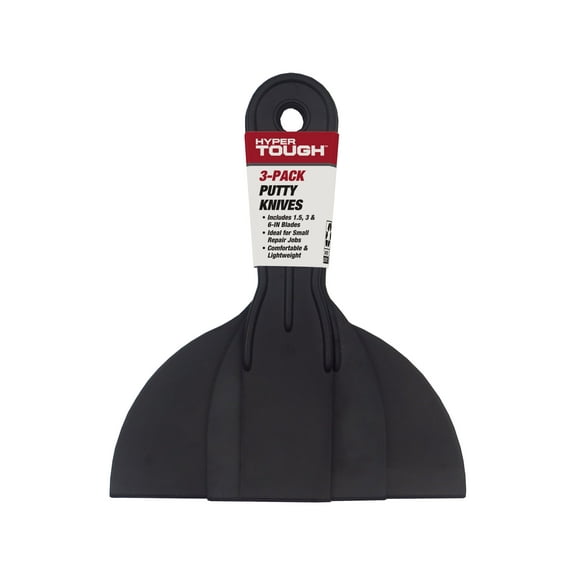
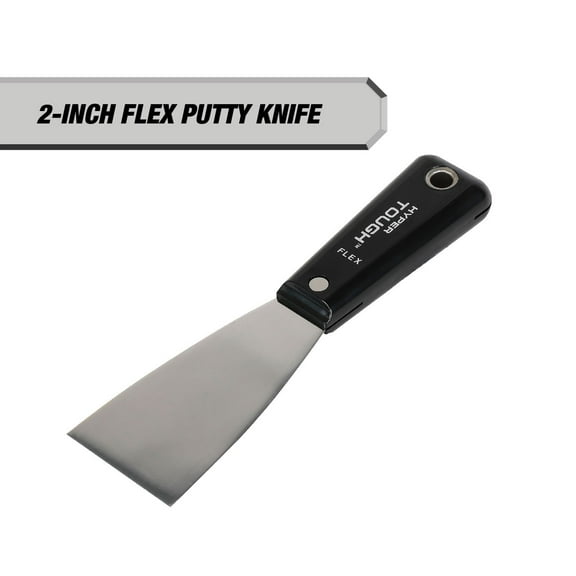
When you compare hand scrapers, you should look at blade width, handle shape, and replaceable edge options. When you compare blade sharpeners, you should check whether the sharpening medium matches your blade material.
You can narrow your options faster by focusing on the job each tool handles well. You’ll often notice that paint scrapers, floor scrapers, and tool sharpeners solve very different workshop tasks.
- You can remove dried paint, residue, and adhesive with controlled pressure.
- You can refresh working edges instead of replacing tools after light wear.
- You can choose grips that help your hands stay comfortable during longer projects.
- You can match blade material to stubborn buildup, delicate surfaces, or repeated use.
Choosing blade material for hand scrapers
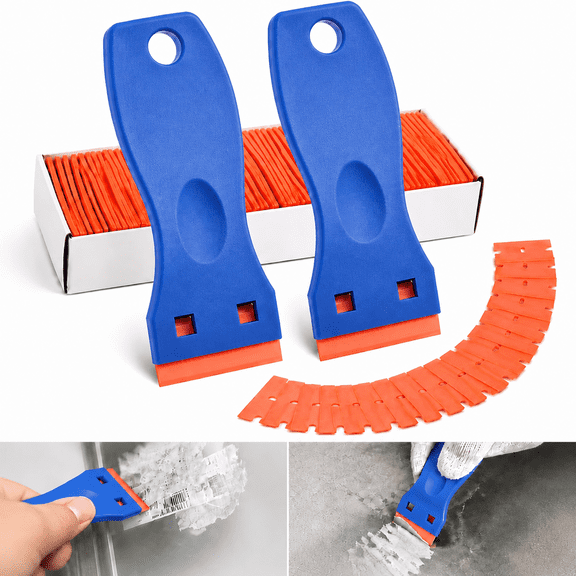
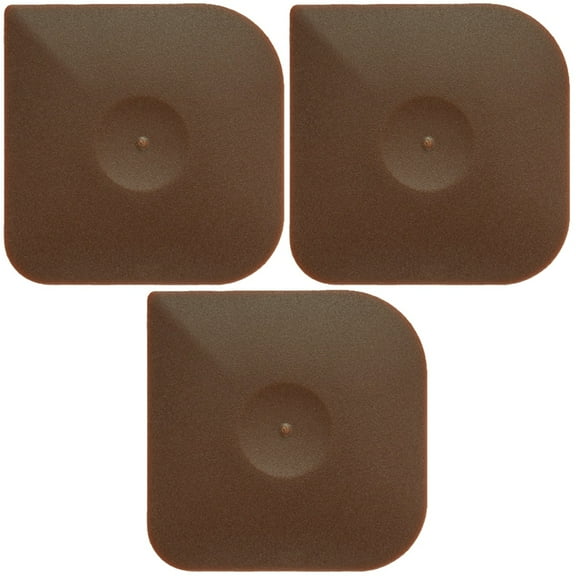
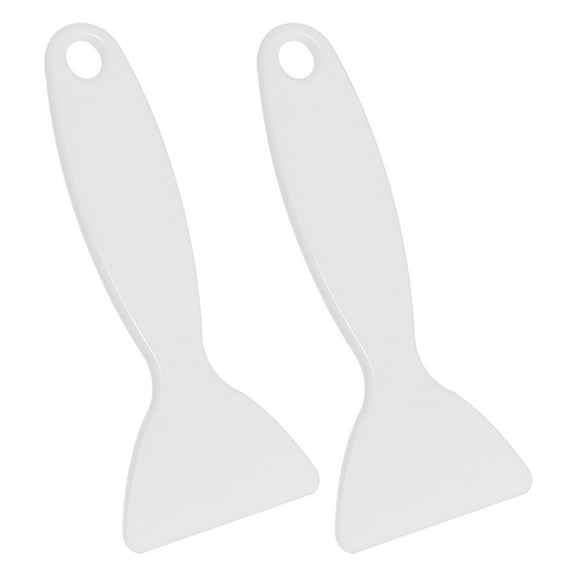
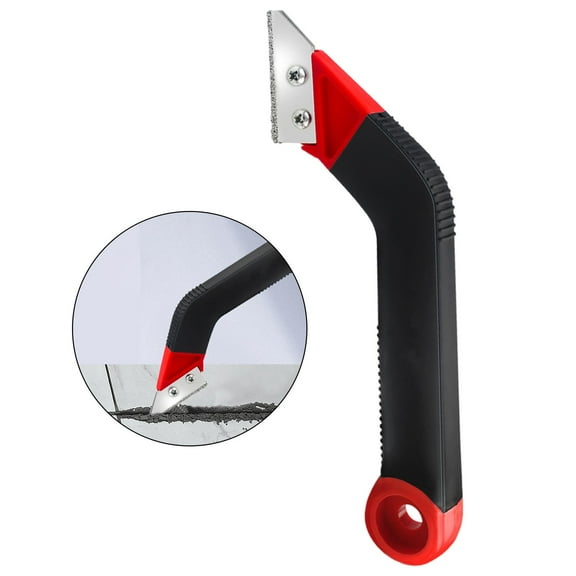
You should compare blade material first, because it affects stiffness, wear, and surface contact. You may choose carbon steel for dependable scraping, stainless steel for damp spaces, carbide scrapers for hard residue, or plastic for gentler surfaces.
When you need edge retention, you’ll often look closely at carbide versus high-carbon steel blade hardness. You’ll usually find carbide scrapers hold an edge longer, while carbon steel can feel easier to touch up.
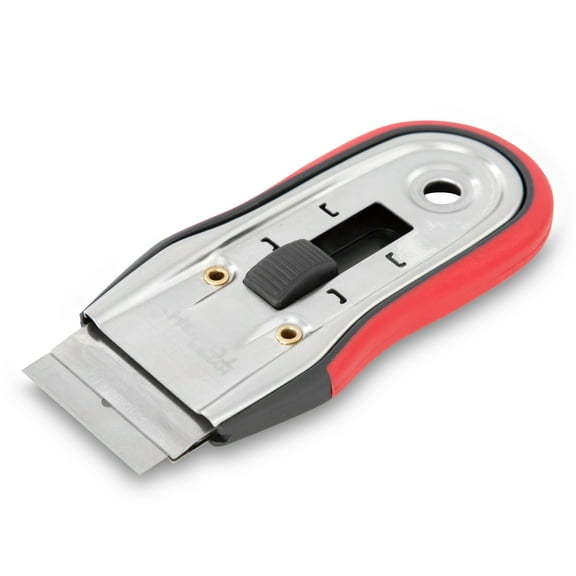
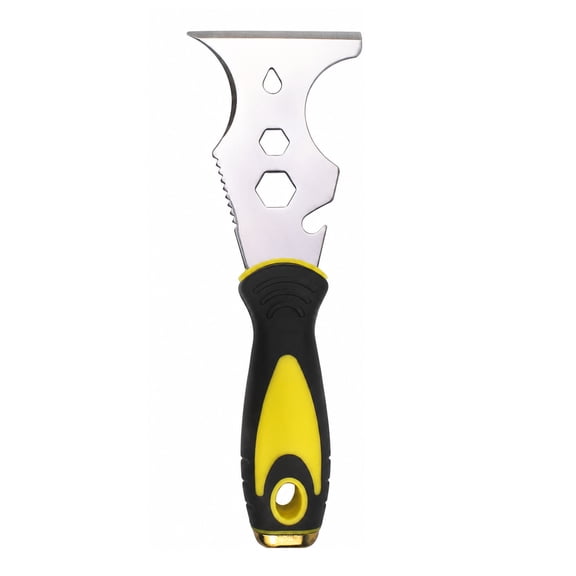
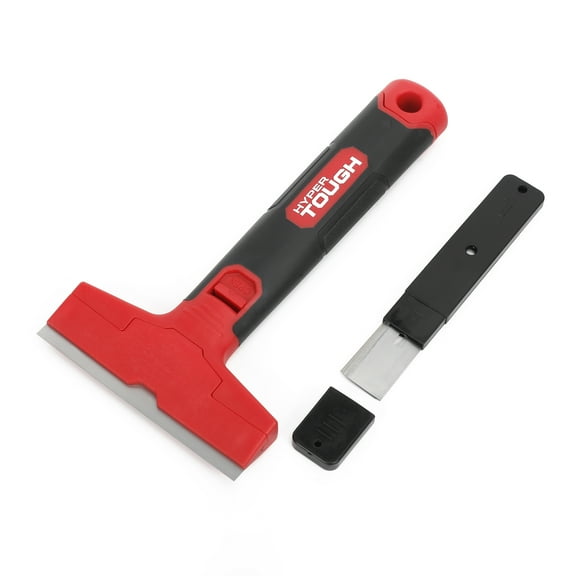
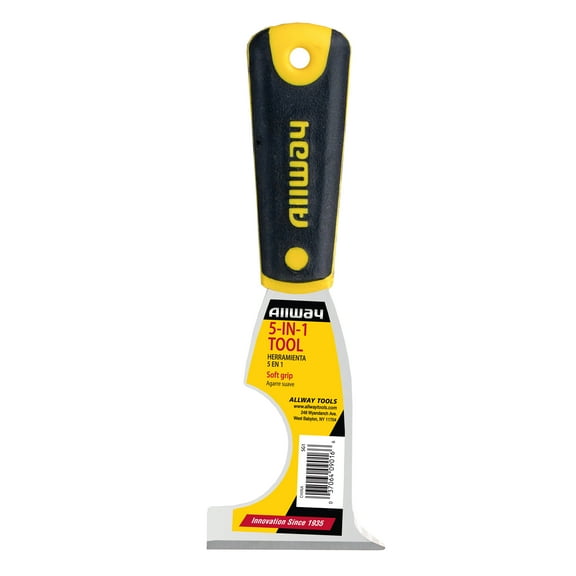
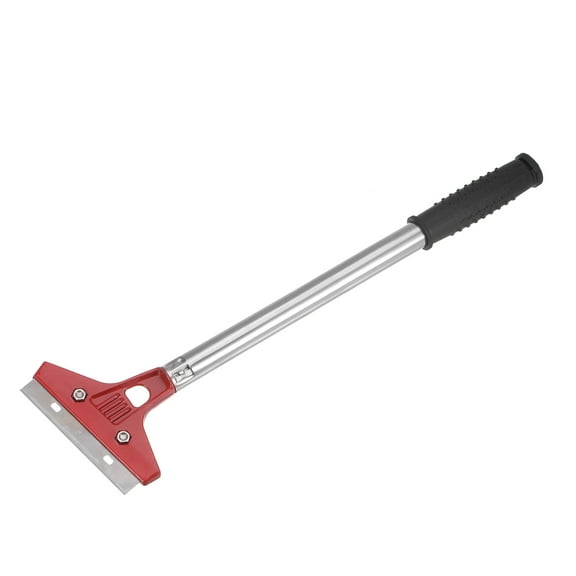
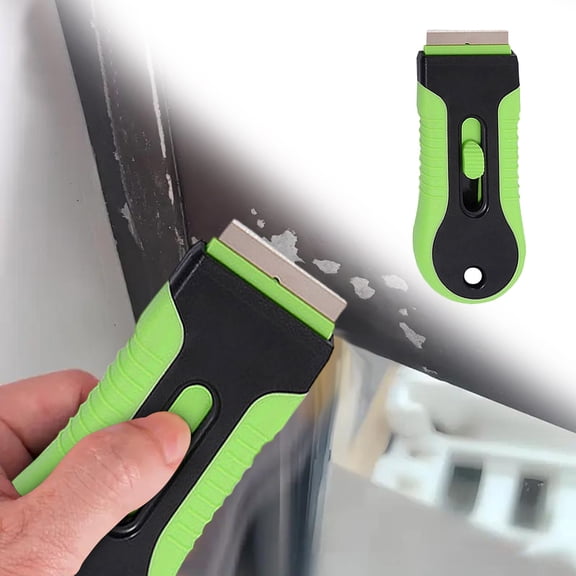
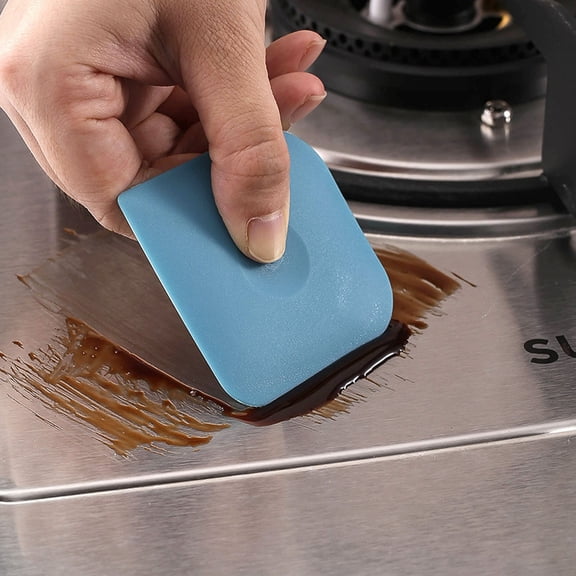
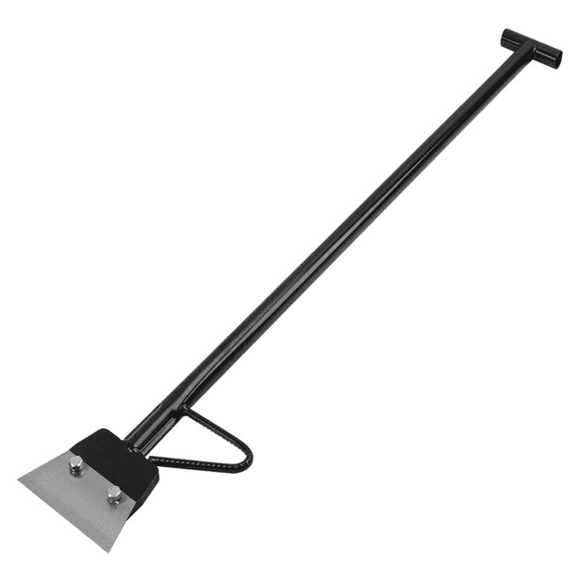
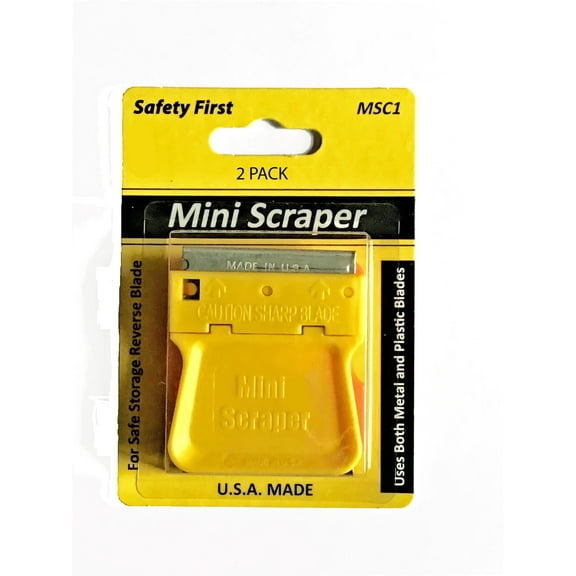
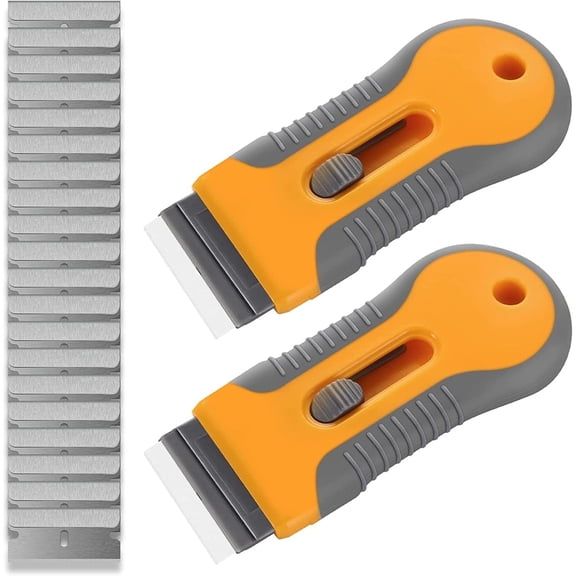
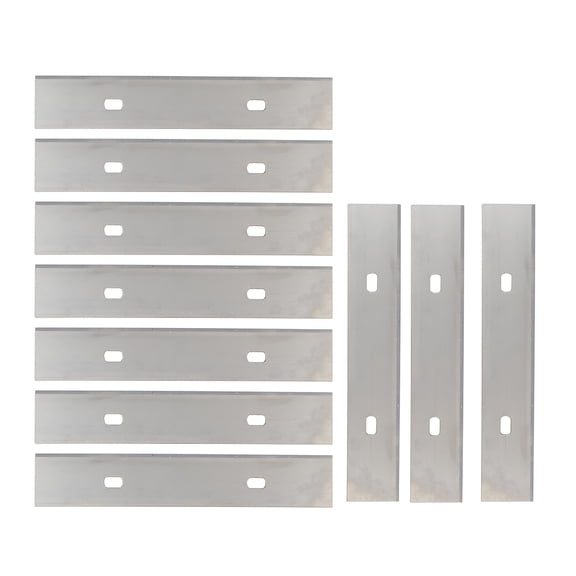
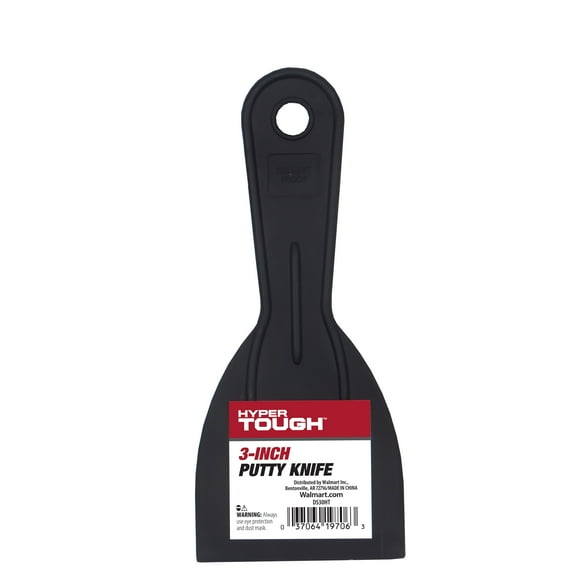
If you’re removing paint from trim or windows, you may prefer razor blade scrapers for thin, precise passes. If you’re clearing wider adhesive patches, you may prefer floor scrapers with broader heads and longer reach.
Comparing handle grip types and comfort
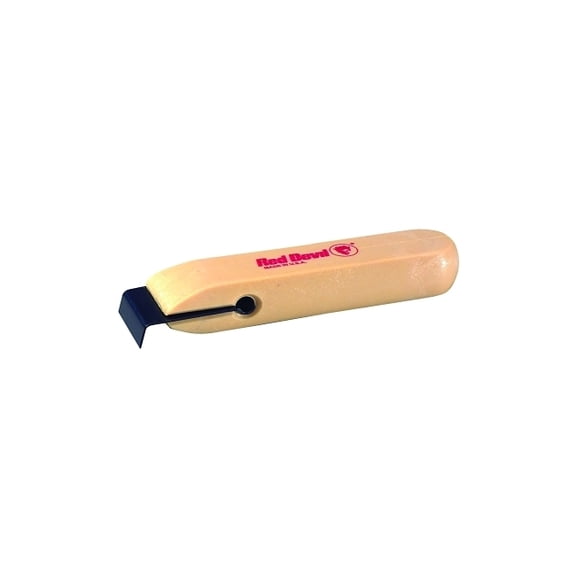
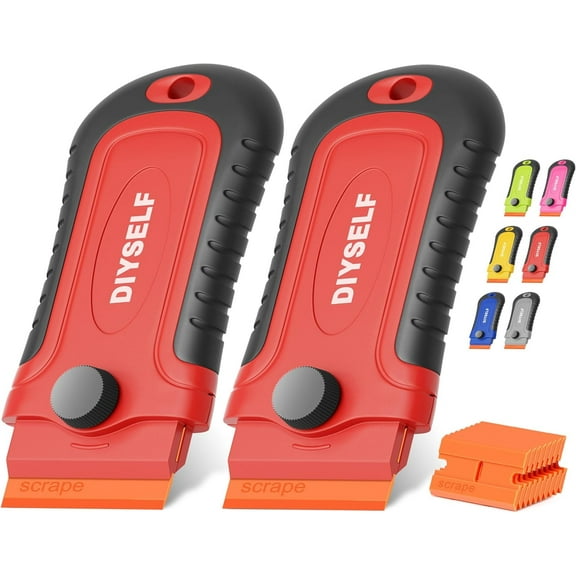
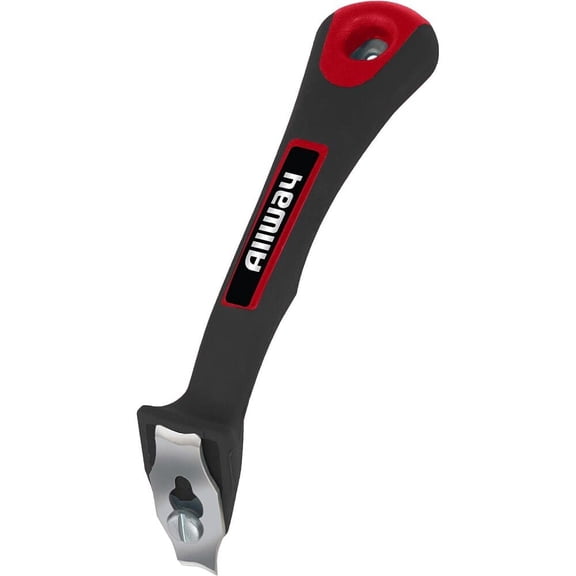
You should consider handle grip type before longer jobs, because your comfort affects control. You may prefer ergonomic rubber for a steadier hold, wooden handles for a classic feel, or bi-material contoured grips for balanced cushioning.
During repeated strokes, you’ll notice grip shape can influence hand fatigue and wrist position. You can often keep more consistent pressure when your handle fills your hand without feeling bulky.
If you work in tight corners, you may want a compact handle that turns easily. If you tackle larger walls or floors, you may want a longer handle that gives your reach more leverage.
How to compare blade sharpeners and sharpening media
You should match the sharpening medium to your blade and your routine. You may choose diamond dust for quick cutting action, ceramic for routine touch-ups, tungsten carbide for fast edge restoration, or natural whetstone for controlled sharpening.
When you compare manual sharpeners, you should check whether they suit knives, utility blades, or shop tools. You can avoid guesswork by choosing tool sharpeners designed for the edge profile you already use.
If your edge is only slightly dull, you may sharpen it and return to work quickly. If your scraper blade is chipped, bent, or heavily worn, you may replace it instead of reworking it.
Matching tool type to your project
You can make cleaner progress when you match the tool to the task instead of forcing one option everywhere. You may use paint scrapers for peeling coatings, floor scrapers for adhesive cleanup, and blade sharpeners for regular edge maintenance.
For woodworking edge prep, you may want a scraper that lifts finish without gouging nearby surfaces. For kitchen or utility knives, you may want sharpeners that restore a usable edge with repeatable passes.
In mixed home projects, you may keep multi-use tools nearby for quick transitions between scraping and sharpening. You can reduce downtime when your setup supports both surface prep and edge maintenance in one work area.
Using related categories to complete your setup
You may also compare tools from Hand Tools when you’re building a more capable toolbox. You can pair scrapers and sharpeners with utility knives, replacement blades, and other project essentials.
If you’re handling paint removal, you may also look through Paint Supplies for prep materials and cleanup tools. You can create a smoother workflow when your scraping tools fit the rest of your project plan.
When you choose scrapers and sharpeners with the right material, grip, and sharpening medium, you can work with more control. You’ll finish prep and maintenance tasks with tools that fit the way you actually work.