

RV Air Conditioners in RV Heating and Cooling















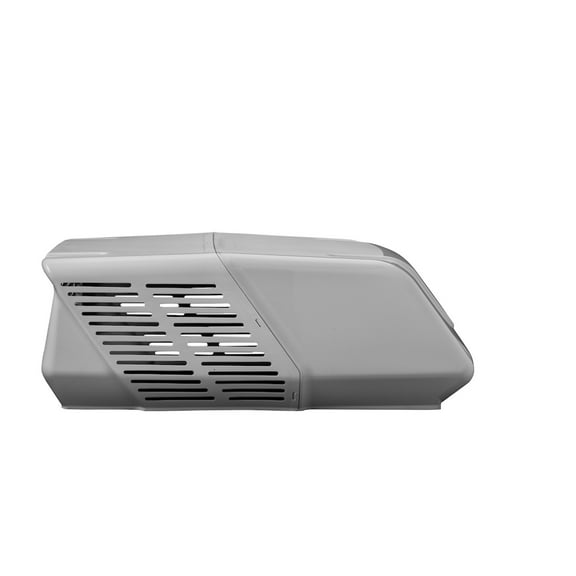
About RV Air Conditioners in RV Heating and Cooling - Walmart.com
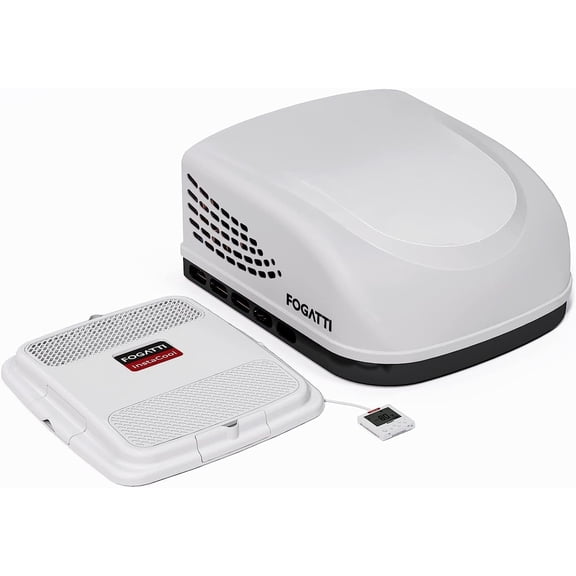
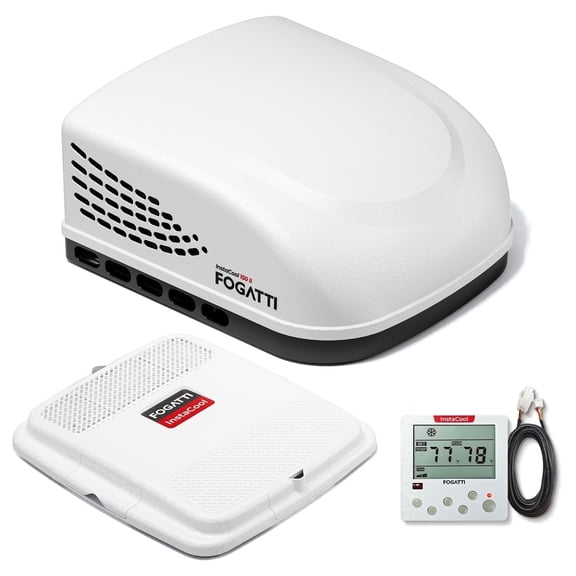
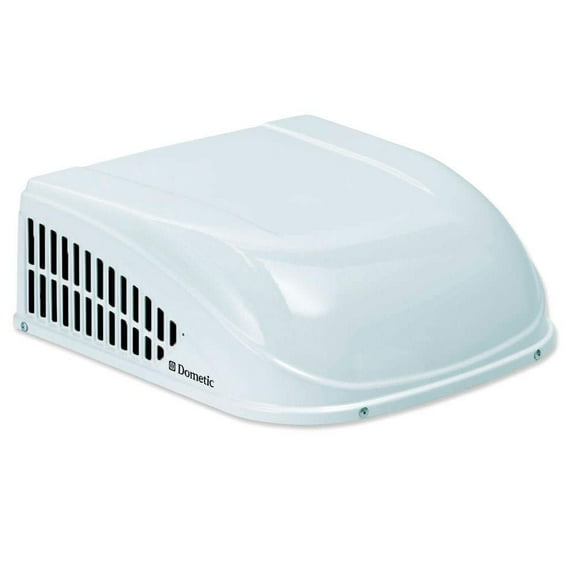
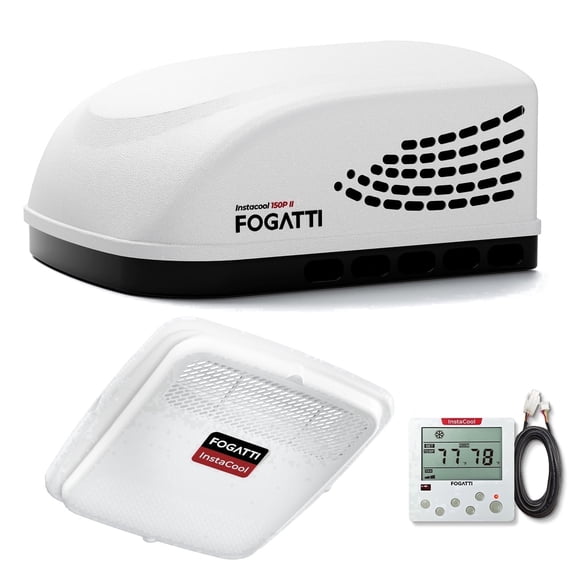
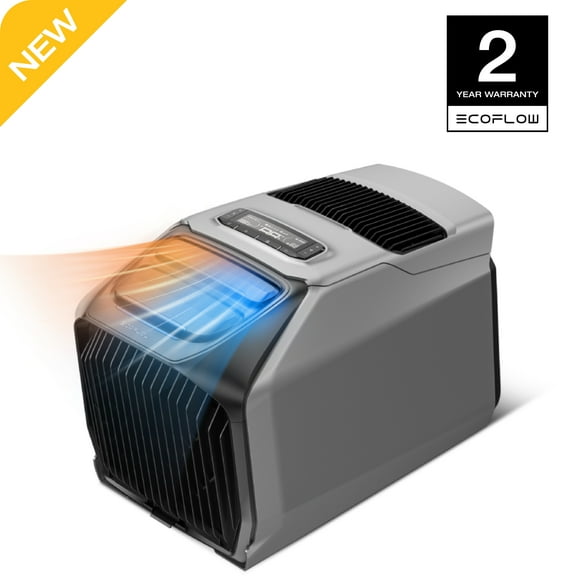
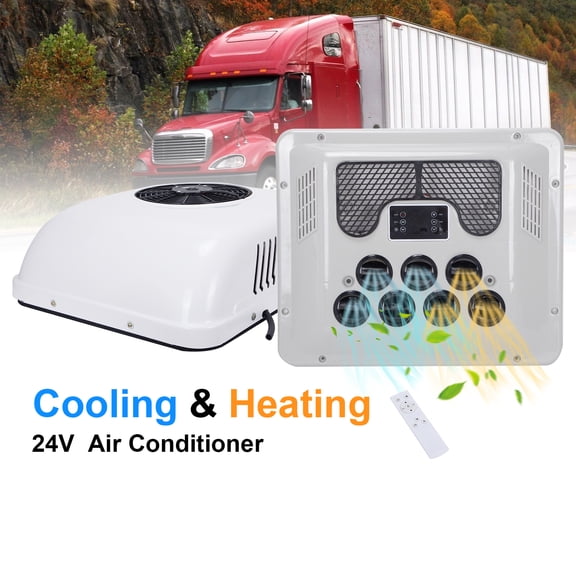
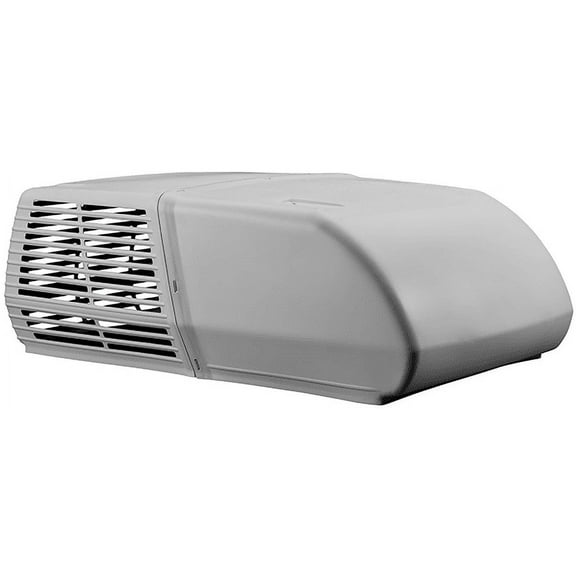
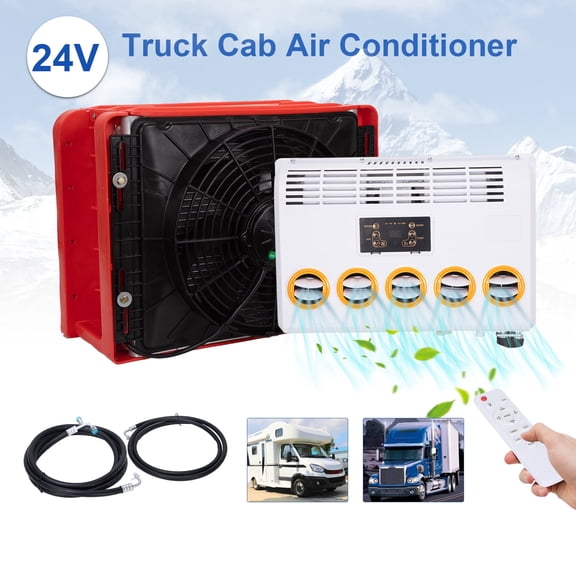
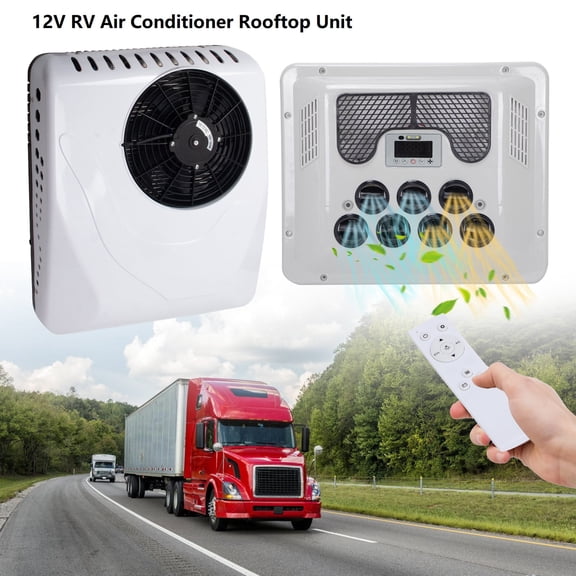
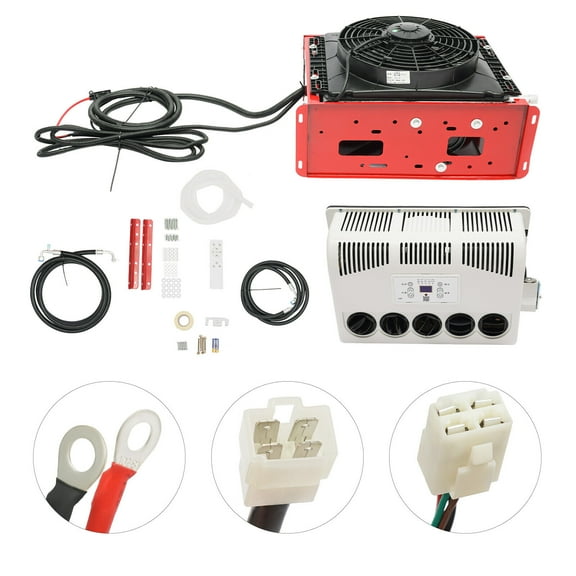
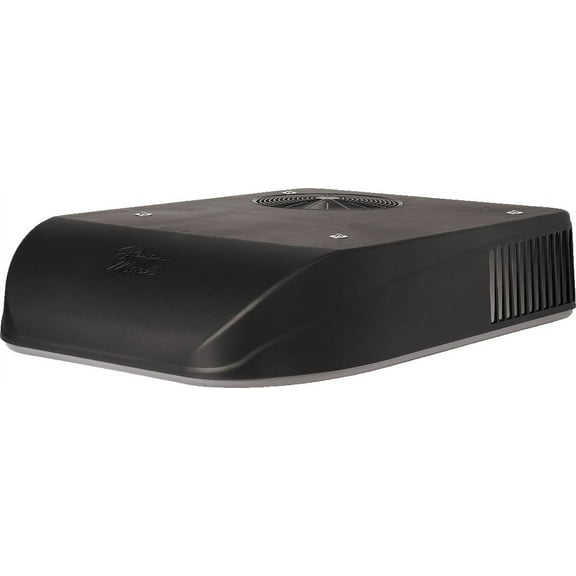
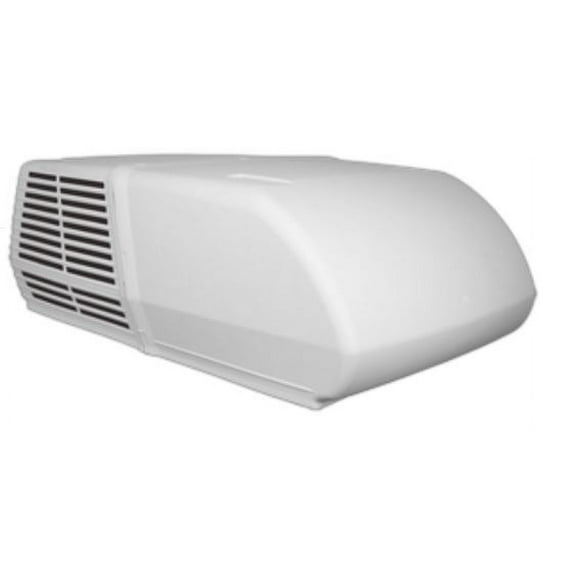
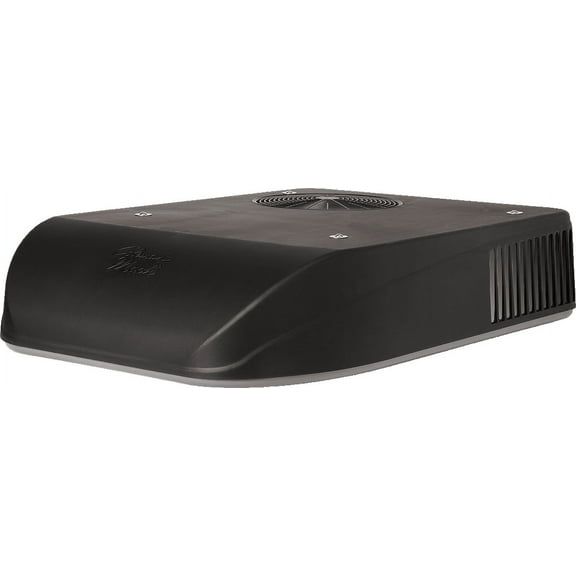
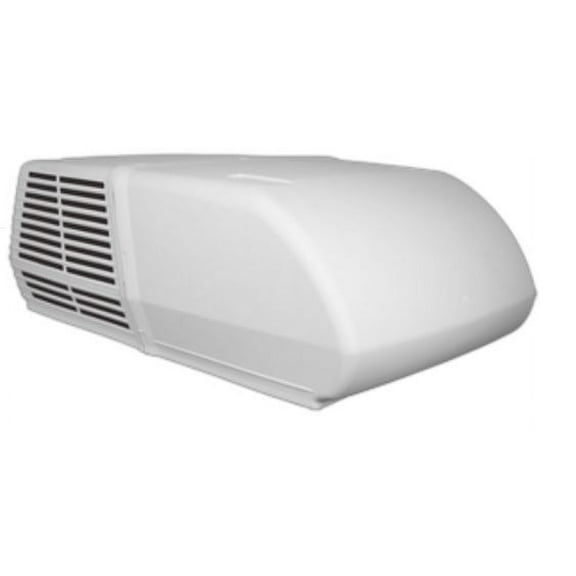
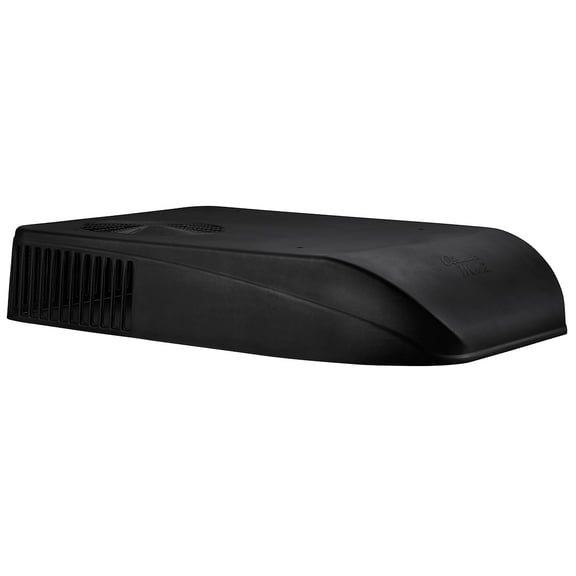
RV air conditioners help you cool your camper cabin while matching your roof opening, wiring setup, and power supply. You can compare BTU ranges, mounting styles, and electrical needs before you replace a rooftop unit.
If you're updating an older setup, you should check more than overall size. You should compare duct style, ceiling assembly fit, and whether your system supports cooling only or dual-climate comfort.
Choosing rv air conditioners by cooling capacity
You should start with cooling capacity because your cabin size affects how hard your unit must work. You may find that compact campers need less output than larger fifth wheels or motorhomes.
For many shoppers, a 13000 btu rv air conditioner fits common travel trailer layouts and everyday camping needs. You may prefer 15,000 BTU when your interior has larger living zones or longer sun exposure.
You can also compare 11,000 BTU options when your space is smaller or your electrical setup is more limited. That choice helps you balance cabin comfort with available power.
- You can match BTU output to your camper length and interior layout.
- You can compare cooling needs with your generator capacity and hookup style.
- You can choose airflow that suits ducted or direct ceiling delivery.
- You can decide between cooling-only models and heat pump configurations.
When you compare output carefully, you can avoid a unit that cycles too often or runs too hard. You get a setup that fits your travel style and cabin layout.
Choosing between rooftop and rv ceiling ac unit setups
You should compare mounting style next because your RV may already require a specific installation style. You can narrow choices faster when you know whether your rig uses rooftop, ceiling assembly, ducted, or non-ducted parts.
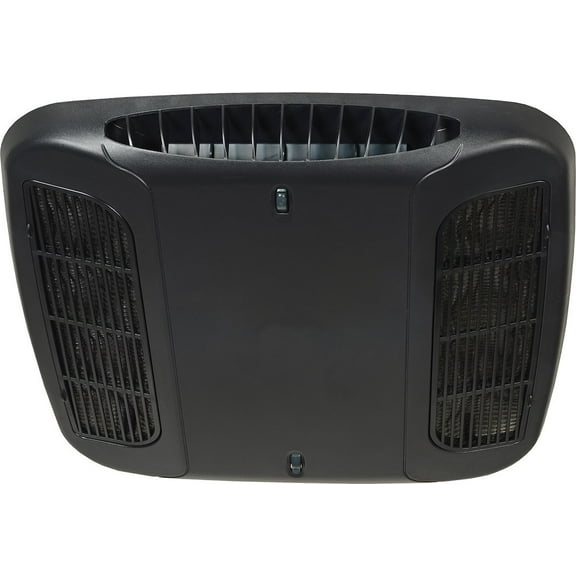
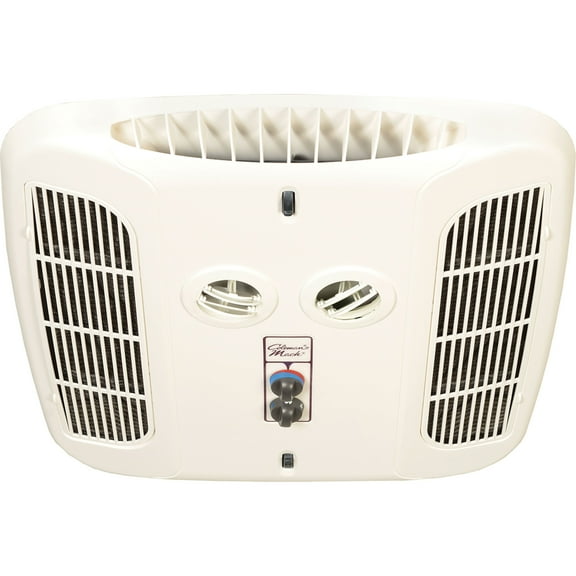
If your RV uses ceiling ducts, you should check whether your replacement matches the existing duct template and plenum kit. That step helps you keep airflow aligned with the vents already built into your cabin.
With a non-ducted layout, you may want an air box that sends airflow straight into the living area. You often see that setup in smaller campers where direct cooling makes practical sense.
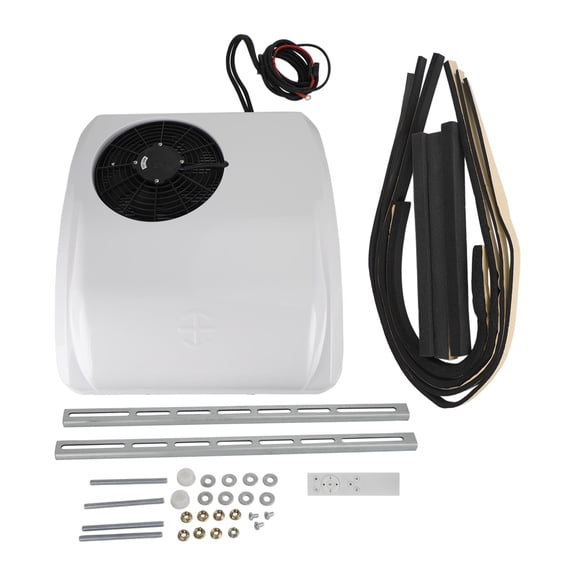
If you're replacing rv ac units, you should measure the standard 14 x 14 roof opening first. You should also inspect the gasket seal area so your new unit sits evenly on the roof.
What to check for camper and vehicle compatibility
You should choose by vehicle type because your camper roof, travel trailer ceiling, or motorhome layout can differ. You may need a different profile, airflow path, or assembly style for each setup.
When you compare an ac camper replacement, you should think about cabin volume, ceiling height, and how many zones you cool. Those details guide you toward a BTU range that fits daily use.
If your fifth wheel has a wider main room, you may want higher output with ducted airflow. If your camper is compact, you may prefer a simpler non-ducted configuration with direct ceiling delivery.
You might also search aire acondicionado de rv, ac para rv, or aire para rv during a replacement project. You can use the same fit checks, wiring checks, and BTU steps across each search phrase.
Checking electrical requirements before you install
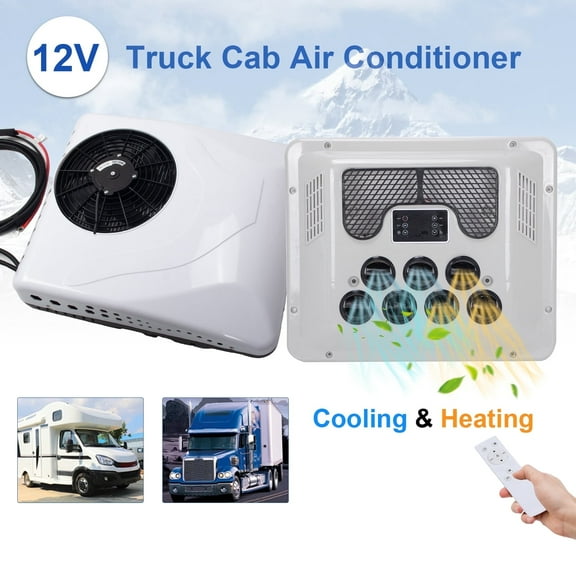
You should confirm voltage and amp service before you choose an rv ac air conditioner for your rig. You may need to compare 115V options, 12V DC models, 30 amp service, or 50 amp service.
Your generator capacity matters because starting watts can exceed normal running watts during compressor startup. You should check both numbers so your unit matches your off-grid plans or campground hookups.
If your current setup struggles during startup, you should check whether a soft start kit works with your system. That detail helps you plan around generator limits without guessing.
You should also decide whether you want cooling only or a heat pump. That choice gives you simple cooling or added comfort during cool mornings and changing weather.
Using these checks for real RV travel needs
If you're replacing a rooftop unit before a long trip, you should focus on roof opening size, gasket fit, and wiring compatibility. Those details help you narrow options quickly and avoid mismatched parts.
When you're updating an older travel trailer, you may compare a ducted replacement with a non-ducted conversion. You should check the ceiling path and plenum area before you change system style.
If you camp with generator power, you should compare starting amps with your generator's available output. That step matters when you want steady cabin cooling at remote sites or overnight stops.
For seasonal travel, you may want a unit that balances cooling output with manageable electrical demand. You get a smoother replacement path and more consistent comfort across changing camp setups.
With rv air conditioners, you can choose more confidently when you measure first and match your setup carefully. You get fit guidance that supports reliable cabin comfort on the road.