


Measuring Tools & Layout Tools



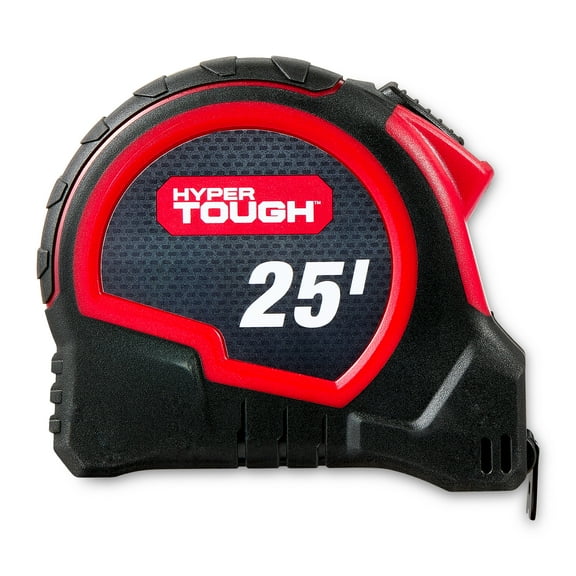


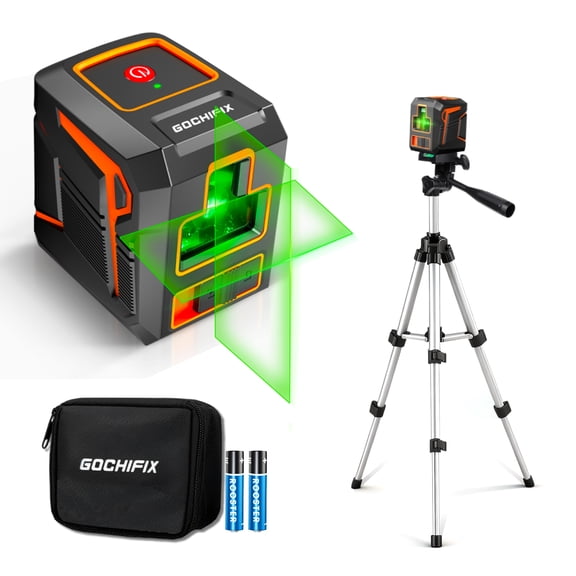
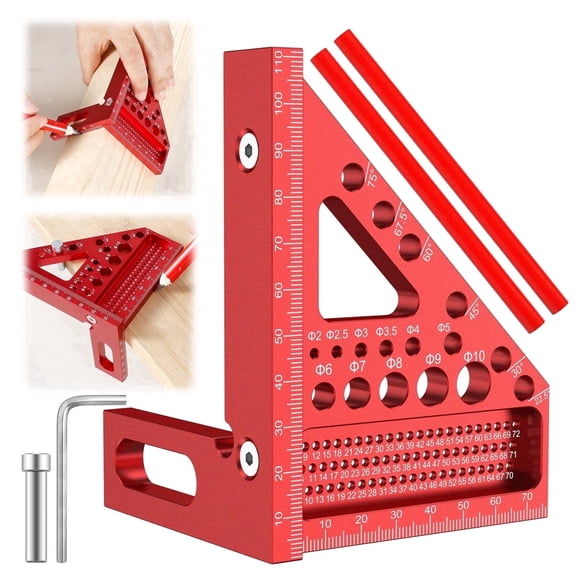














About Measuring Tools & Layout Tools - Walmart.com
You can compare measurement tools efficiently when you know how tool type, precision, and readout style affect your project results. You can find category guidance here for home improvement measuring tools, from tape measures and levels to calipers and laser measures.
Choosing measurement tools by tool type
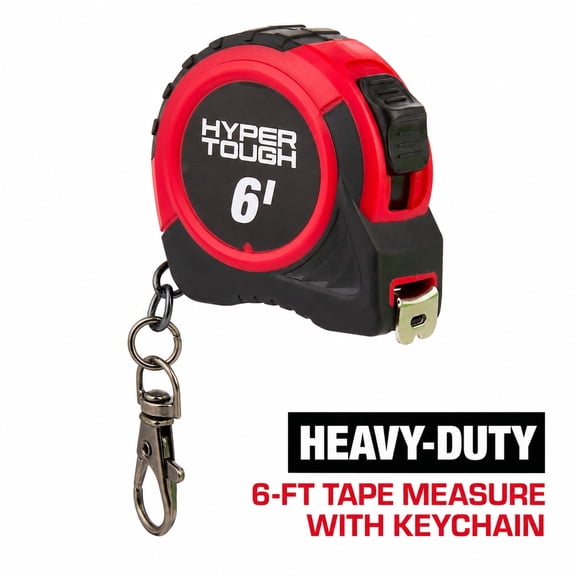
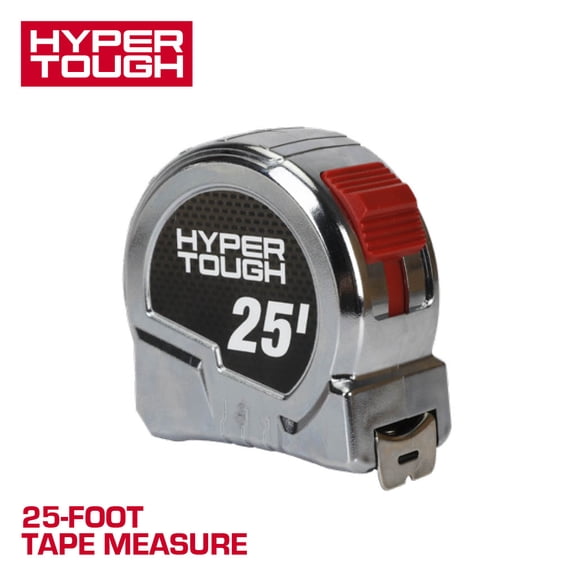
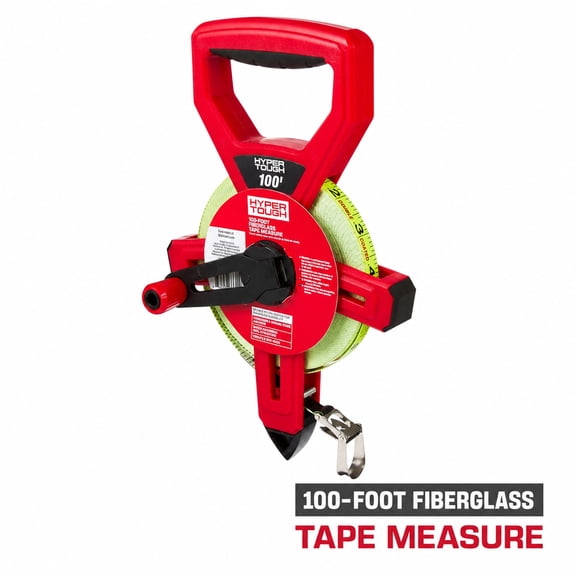
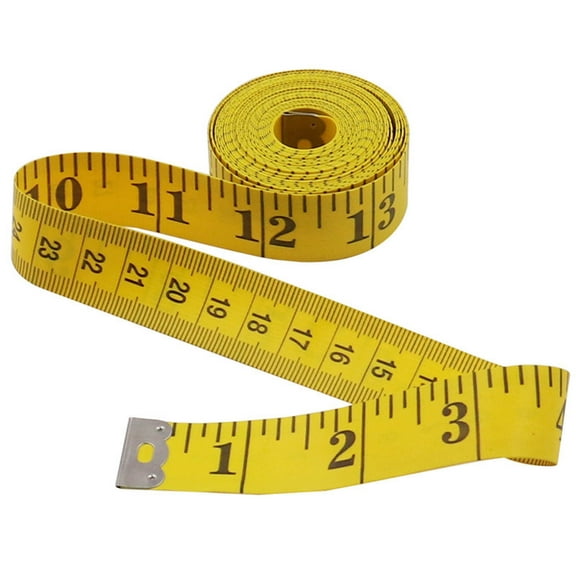
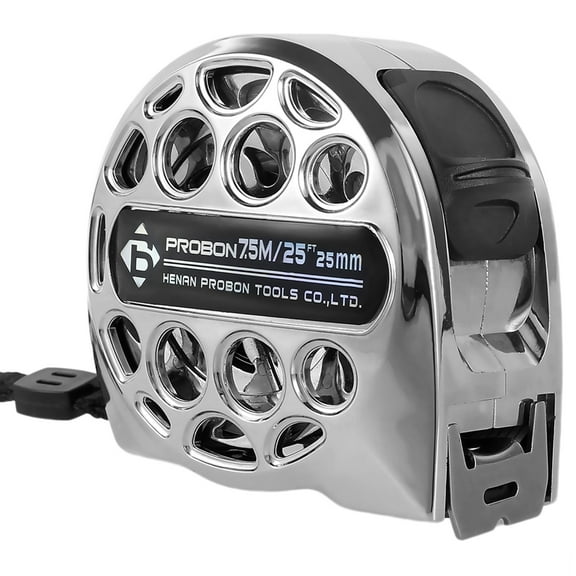
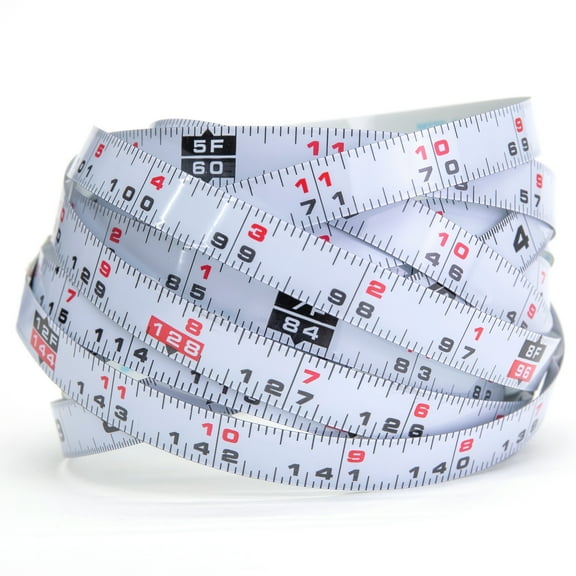
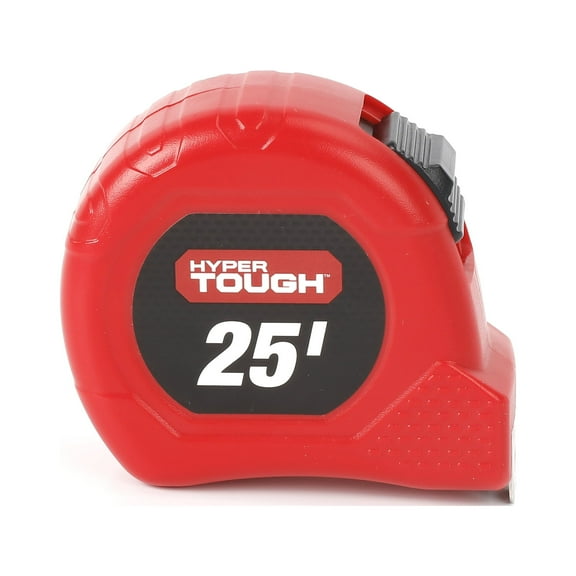
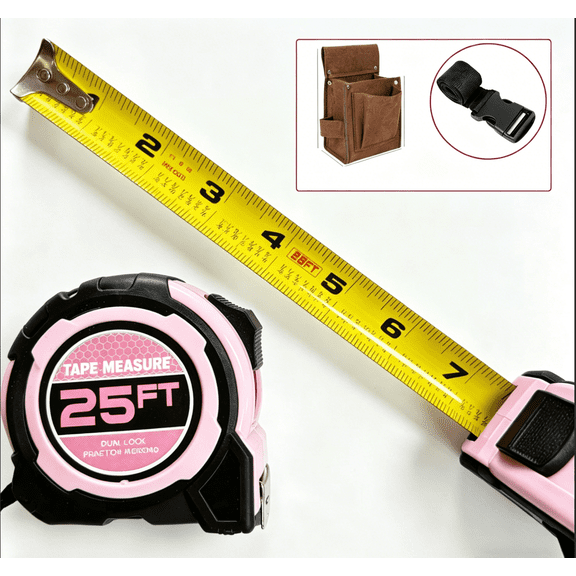
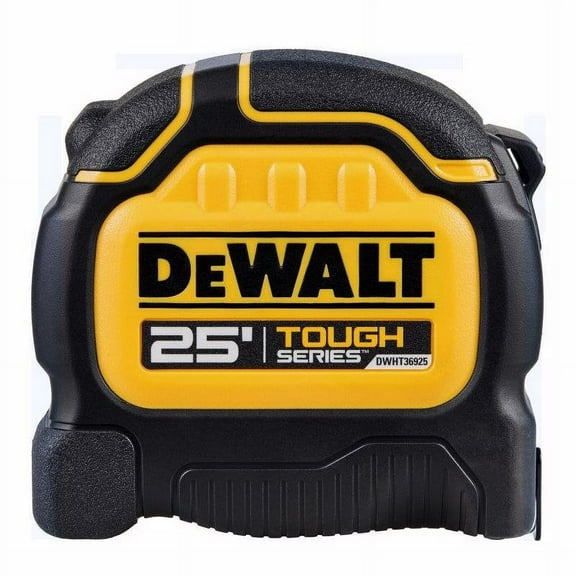
You should start with tool type because each option solves a different measuring task. You can reach for tape measures when your project needs flexible length checks across walls, boards, or furniture.
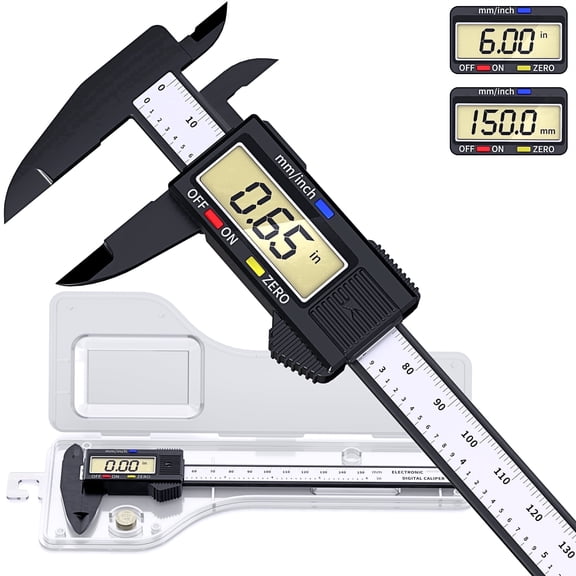
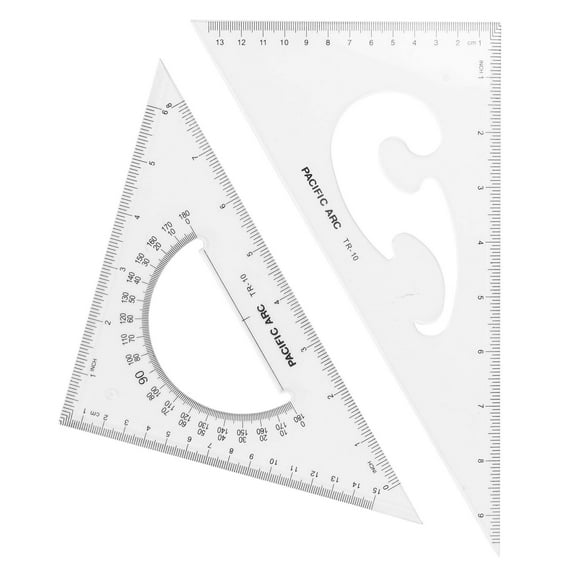
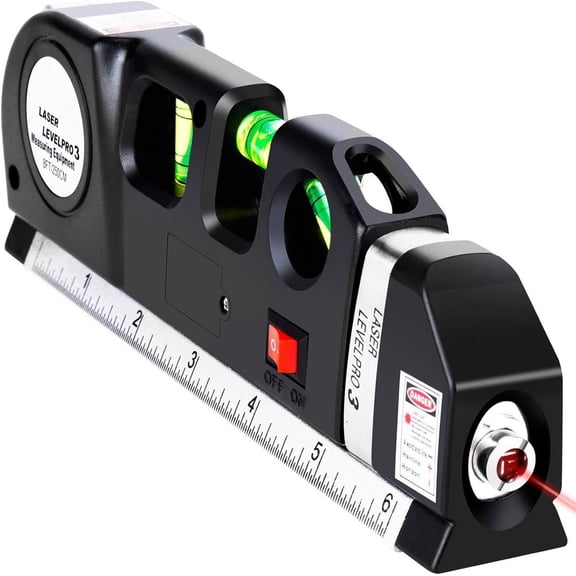
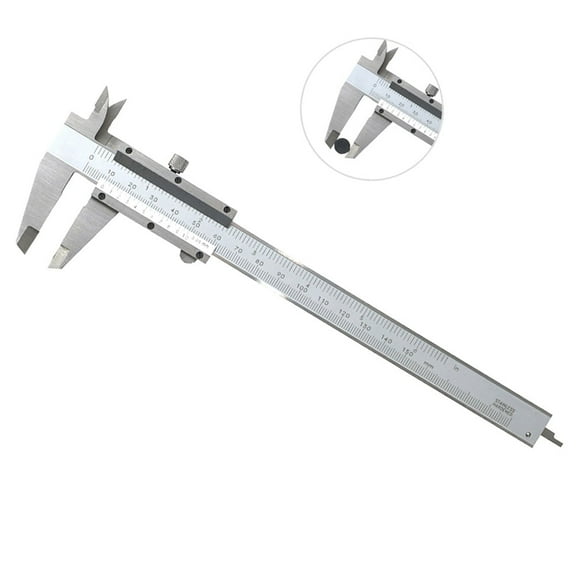
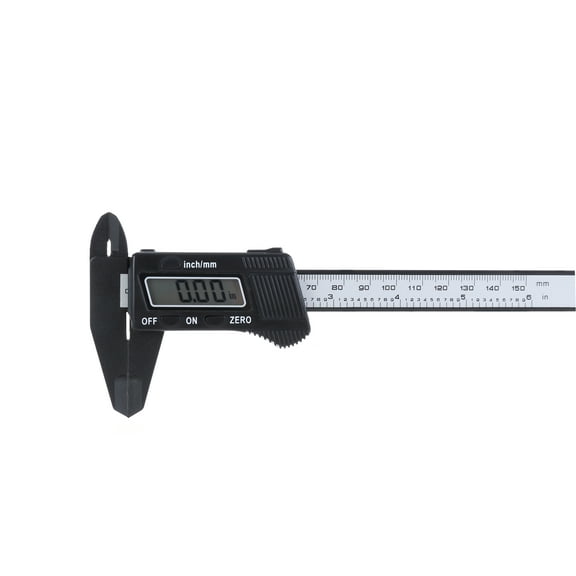
If your work depends on flat, level, or plumb lines, you should compare levels with easy-to-read vials or digital displays. You may prefer rulers for quick bench measurements, while calipers help you check inside, outside, and depth dimensions.
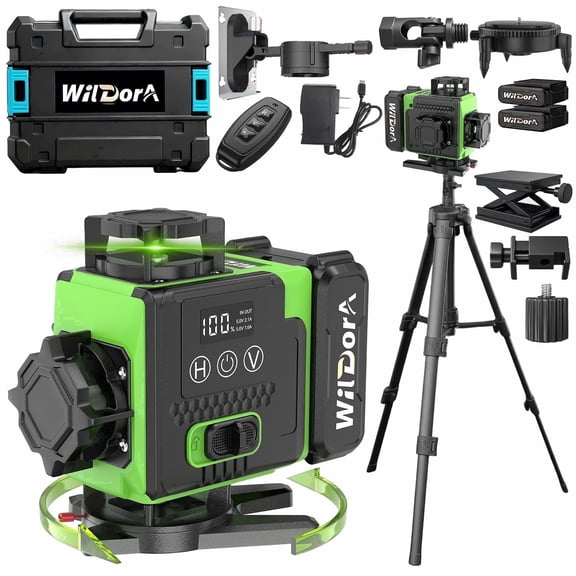
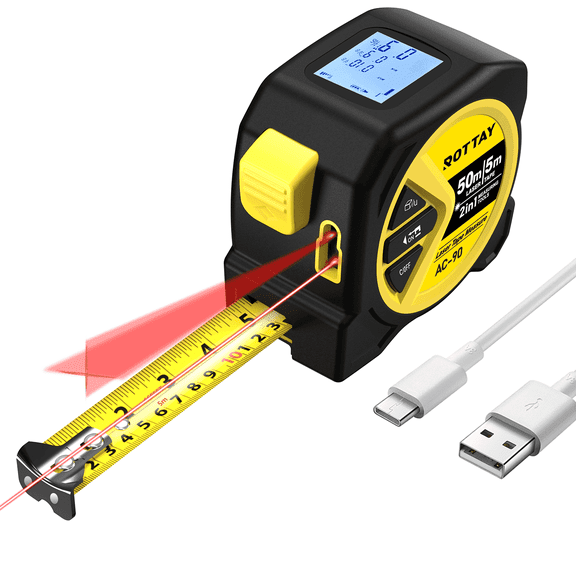
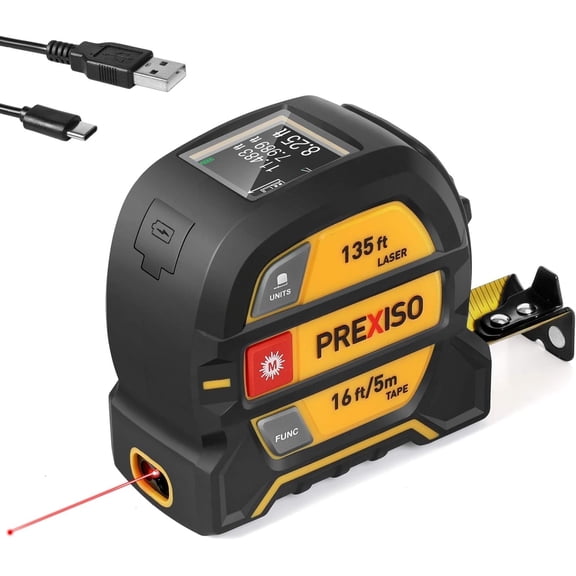
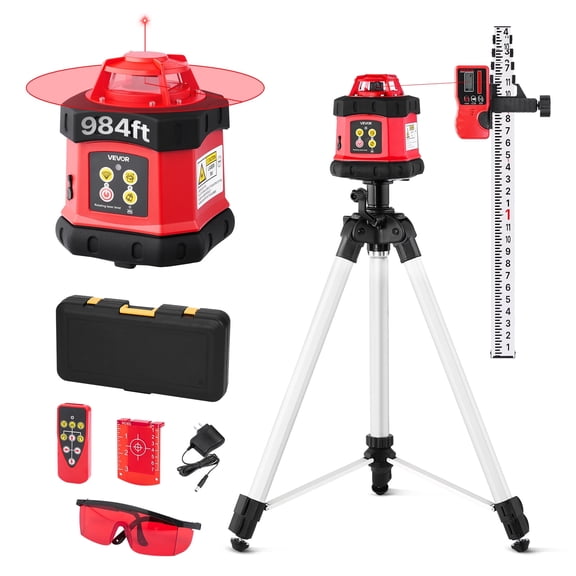
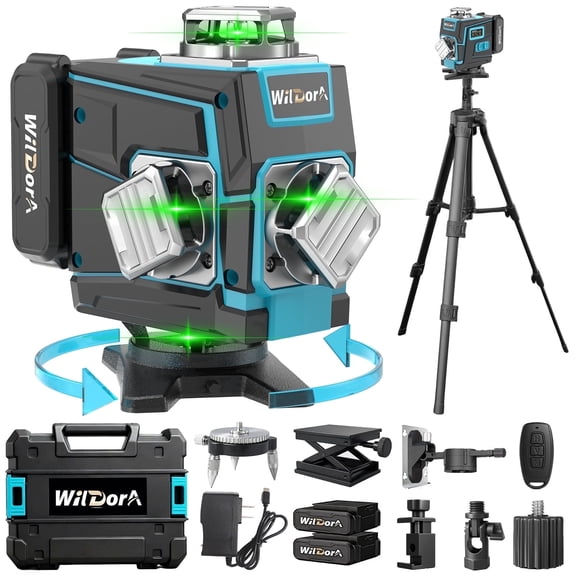
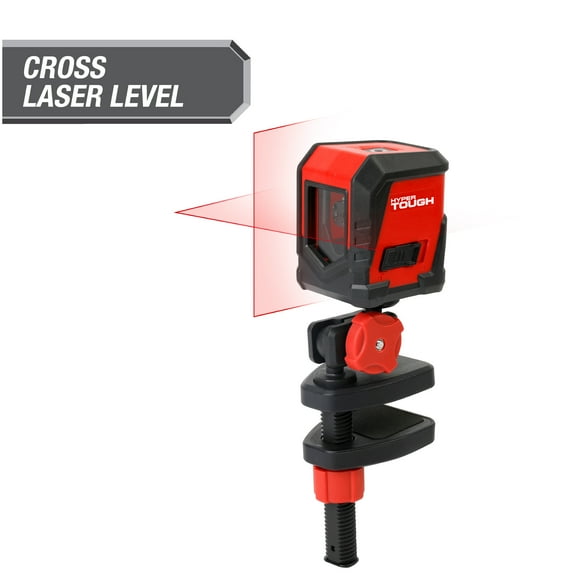
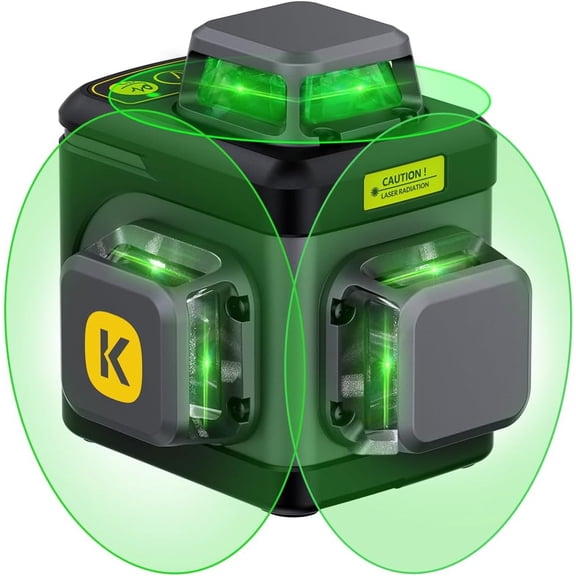
Laser measurement tools help you measure long spans without bending a blade across open rooms. You can use them for flooring layouts, room planning, and measuring tools for construction where distance matters.
How to compare key benefits for your project
You can get more reliable fit and layout results when your tool matches your accuracy needs. You can also reduce repeat measuring when your markings, display, and range stay easy to read the first time.
For busy garages, workshops, and job sites, you should also compare durability and handling. You may want a tool that feels secure in your hand and stands up to dust, bumps, and frequent transport.
- You can check dimensions quickly with the right mix of manual and digital measurement tools.
- You can improve layout confidence when your scale, vial, or screen stays easy to read.
- You can match short indoor tasks or longer runs by comparing measuring range before you buy.
- You can keep projects moving when your tool suits woodworking, construction, DIY home improvement, or metalworking.
When you compare measurement systems, you can avoid conversion slowdowns during cutting or installation. You may prefer metric, imperial, or dual-read formats depending on your plans, materials, and everyday workflow.
Choosing precision measurement tools and readout options
You should compare tolerance needs before picking precision measurement tools for detailed work. You may want standard accuracy for basic household tasks, while high-precision or professional grade tools suit tighter measurements.
If your work involves trim, hardware spacing, or metal parts, you may need tighter calibration standards and finer graduations. You can make clearer decisions when you compare how exact your final fit needs to be.
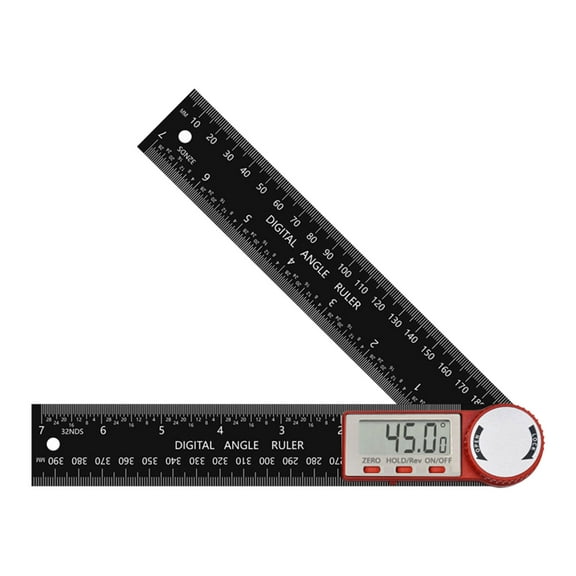
Digital measurement tools can make small numbers highly legible in changing light. You may prefer a digital display for calipers or laser devices, while high-contrast physical markings suit quick manual checks.
For long sessions, you should check whether the display stays visible from your normal working angle. You can also look for buttons and scales that feel simple, especially when your hands are busy holding materials.
What to look for in measurement system, power, and range
You should choose a measurement system that matches your plans and your usual materials. You can find dual-read tools helpful when your project mixes metric hardware with imperial lumber dimensions.
Power source matters when you compare convenience, maintenance, and runtime. You may like manual tools for grab-and-go use, while battery-operated and rechargeable options support digital measurement tools and laser measurement tools.
If you measure cabinets, shelves, or small parts, you can focus on shorter range tools with fine markings. You should compare longer range options for open rooms, exterior layouts, and measuring tools for construction.
Durability also deserves a close look before you decide. You can look for housings, grips, and protective design details that feel ready for workshops, trucks, and active home improvement spaces.
Matching measurement tools to woodworking, construction, and DIY tasks
You can narrow your options quickly when you match attributes to the work you actually do. You may want a tape measure and level for hanging shelves, framing walls, or aligning cabinets during DIY home improvement.
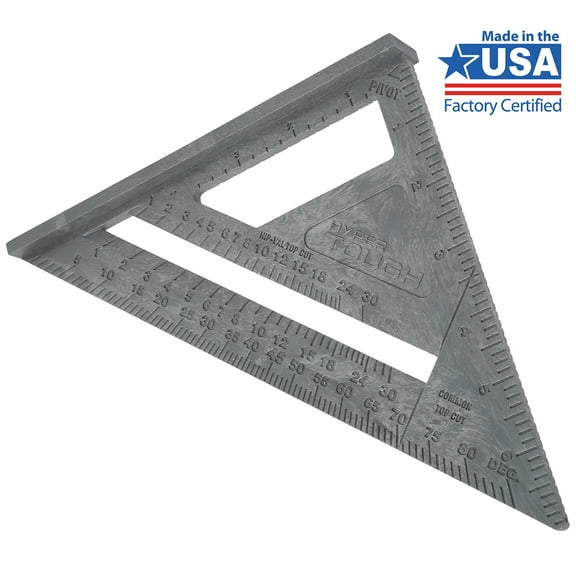
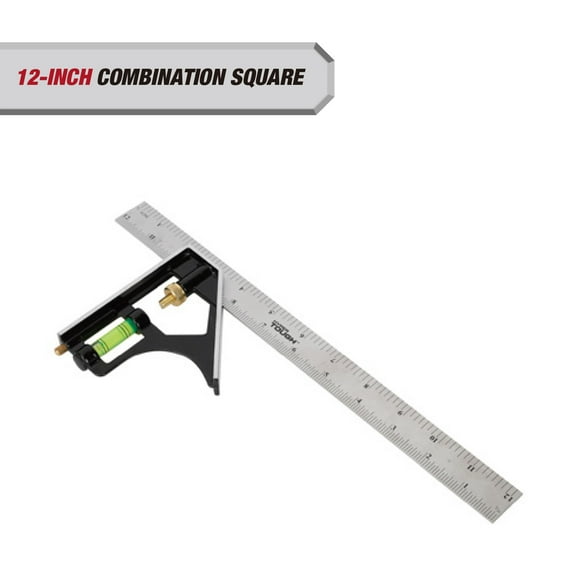
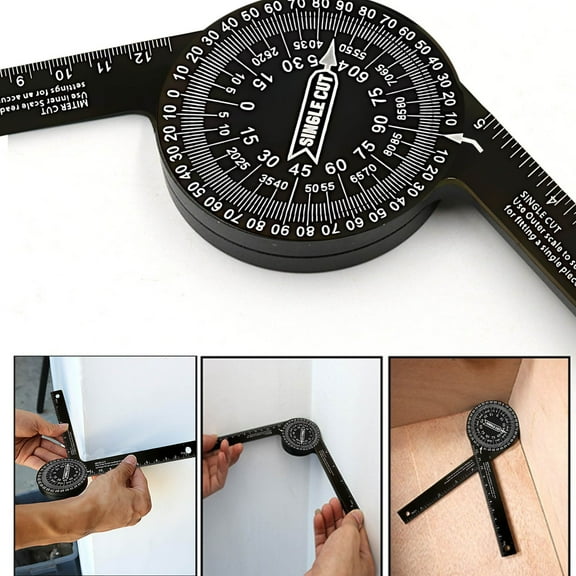
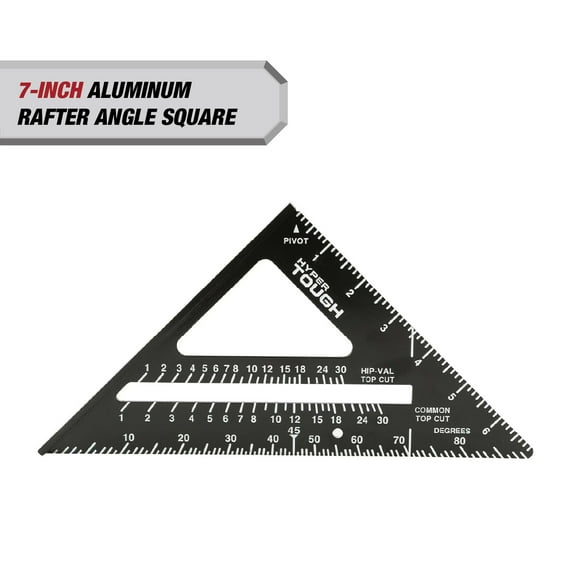
For woodworking, you should compare rulers, squares, and calipers that support repeatable cuts and joinery checks. You can appreciate readable markings and steady measurements when you build furniture, trim pieces, or storage projects.
In metalworking, you may look for precision measurement tools with finer increments and digital readouts. You can verify thickness, diameter, and depth more confidently when your tool supports close-tolerance part checks.
For construction, you should consider laser measurement tools, longer tape measures, and rugged levels built for varied spaces. You can benefit from extended range, visible readings, and durable bodies when your project moves room to room.
If your task changes often, you can build flexibility with a mix of manual and digital options. You can cover quick household fixes, remodel planning, and detailed bench work with fewer measuring interruptions.
Why the right measurement tools matter
You can make clean cuts, steady layouts, and confident installations when your measurement tools match your range, precision, and display needs. You can finish projects with fewer guesswork moments and smoother fit checks from start to finish.
Popular in Measuring Tools & Layout Tools - Walmart.com
- Performance Tool Measuring & Layout Tools
- Count On Tools
- Saker Measuring Tool
- Moody Tool Measuring & Layout Tools
- Measurement Tool
- Central Tools Measuring & Layout Tools
- Degree Measuring Tool
- Measuring Tools Workshop
- Greatneck Measuring & Layout Tools
- Capri Tools Measuring & Layout Tools
- Gap Measuring Tool
- Johnson Square Tool