






Roach Bait and Trap in Roach

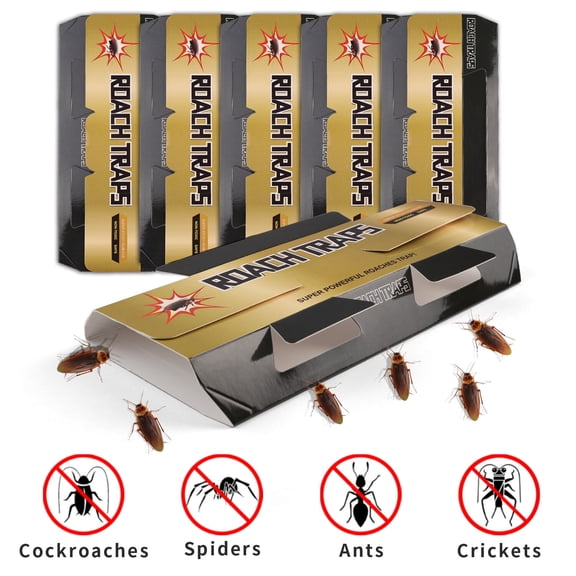

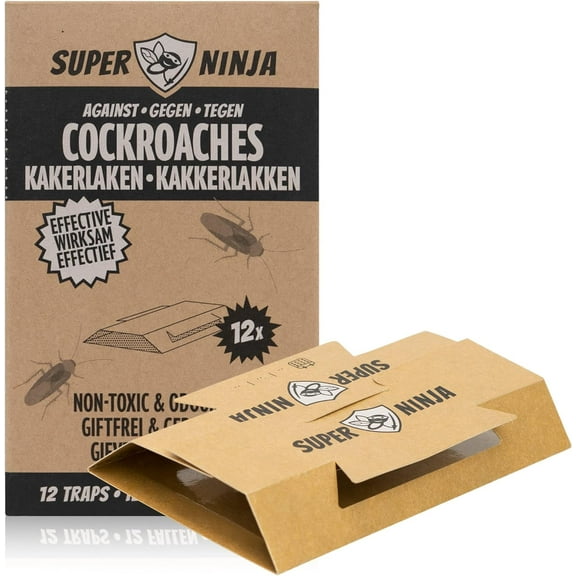
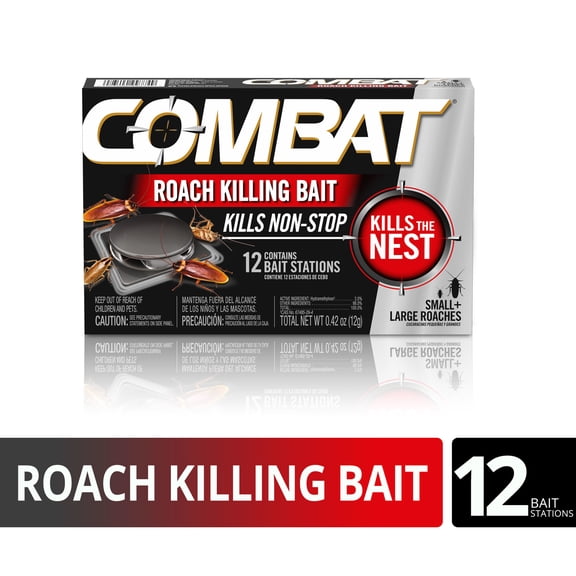

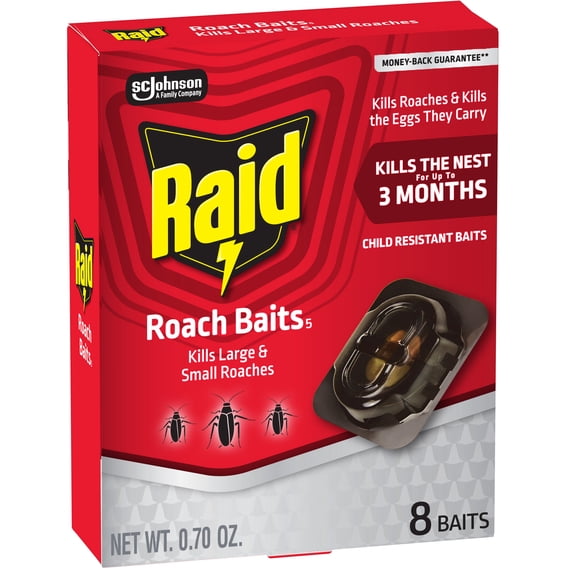

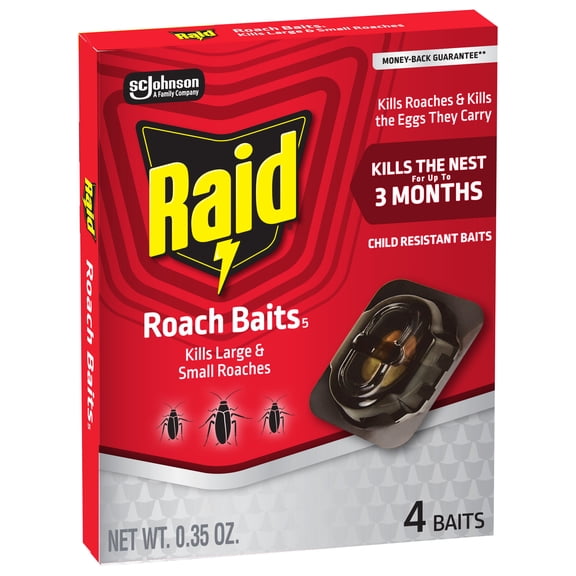


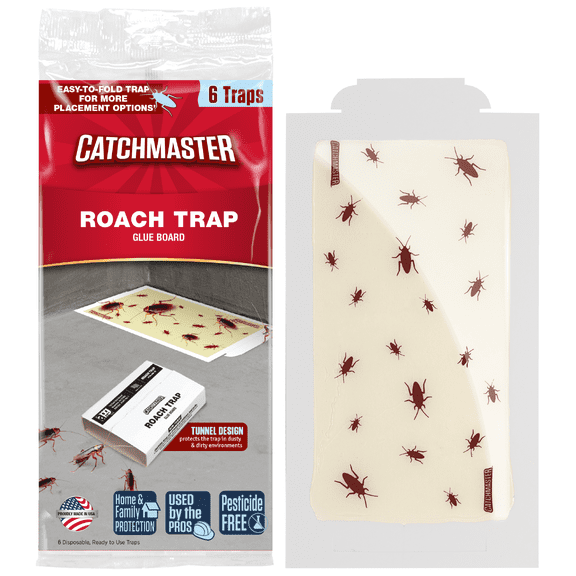


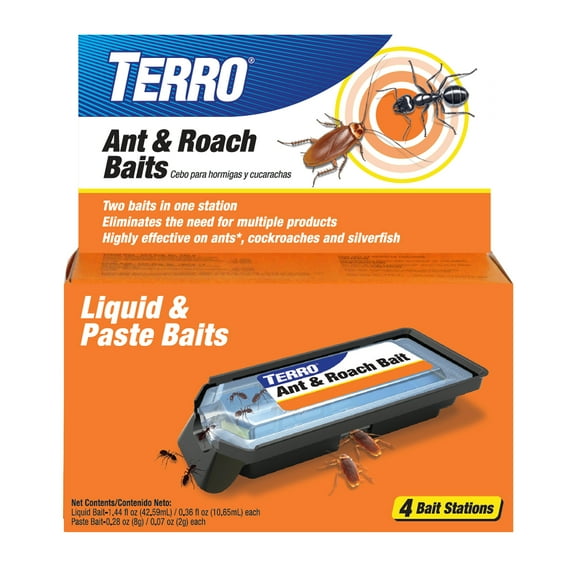



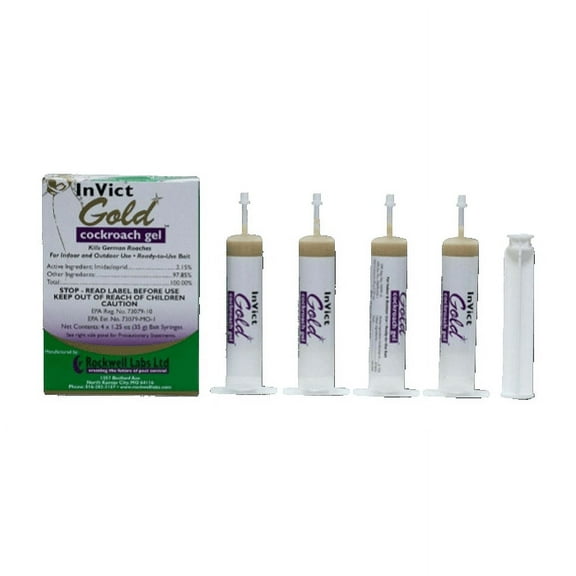












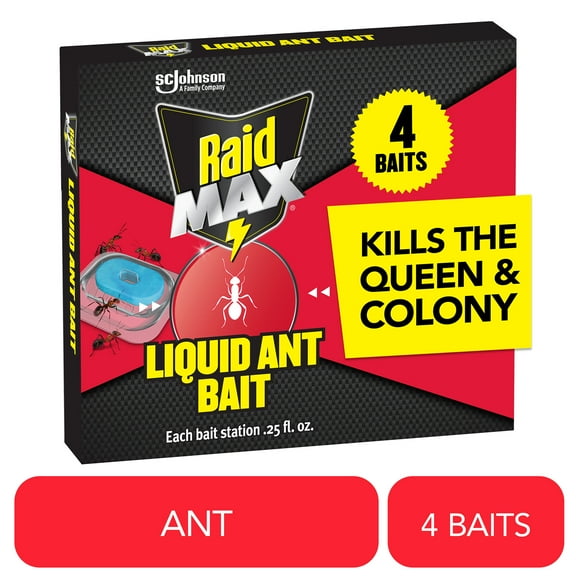

About Roach Bait and Trap in Roach - Walmart.com
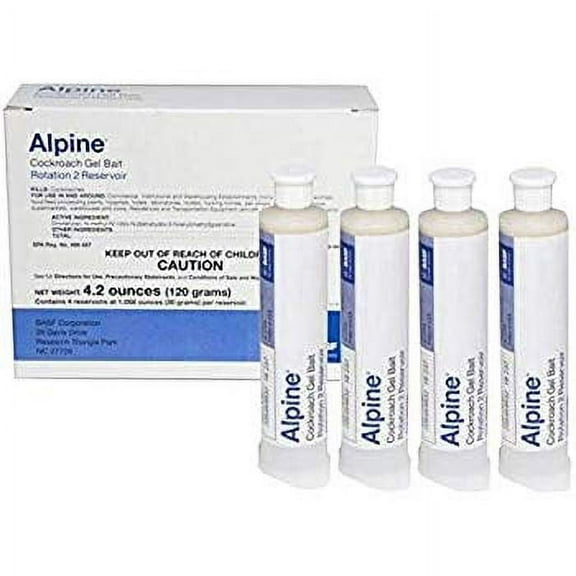
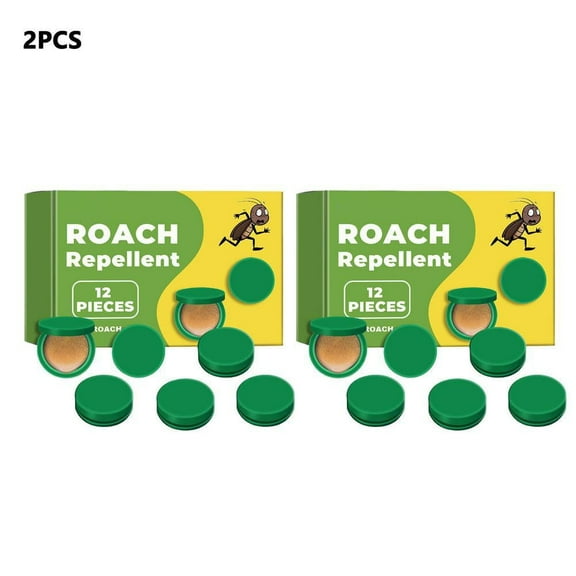
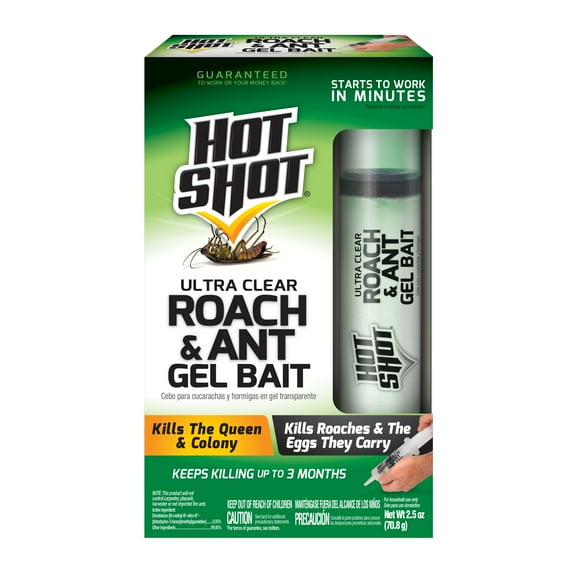
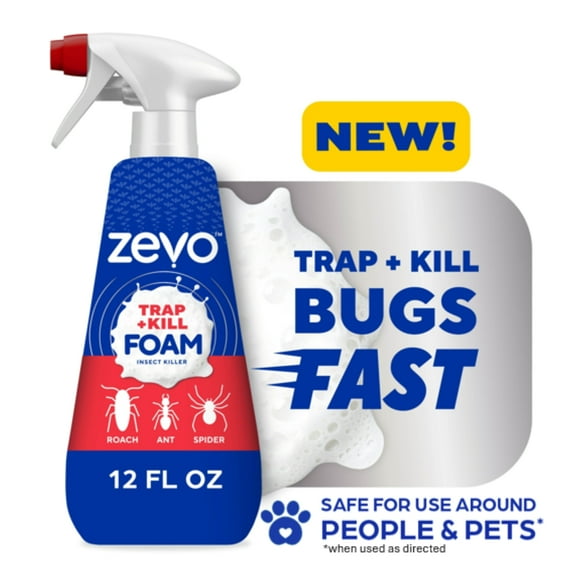
With roach bait and trap options, you can target hidden activity in kitchens, bathrooms, and utility spaces with more control. You can compare bait stations, sticky traps, gel bait, and liquid bait formats based on placement, coverage, and monitoring needs.
How to choose roach bait and trap options
You should start by deciding whether you want nest-targeting bait, catch-and-monitor traps, or both. You’ll usually use bait when you want roaches to carry material back to shared hiding spots.
For visible activity, you may prefer roach traps that help you track movement along walls and behind appliances. You can also pair indoor roach traps with bait stations when you want both monitoring and ongoing control.
When you compare form factors, you’ll notice each one fits a different placement strategy. You can use gel bait in cracks, bait stations in protected areas, sticky traps along travel paths, and liquid bait in select locations.
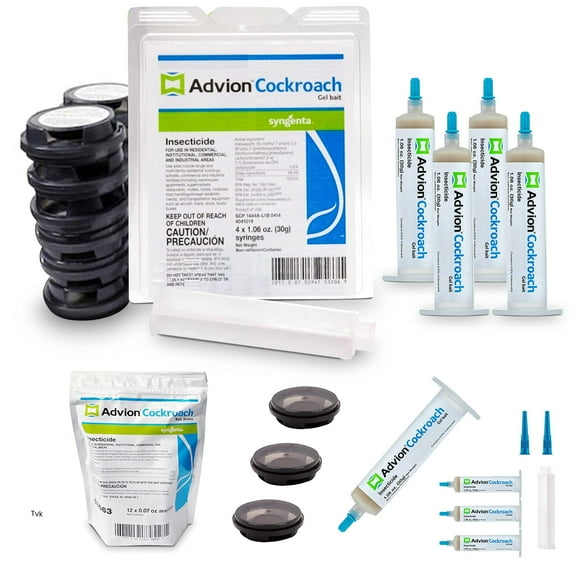
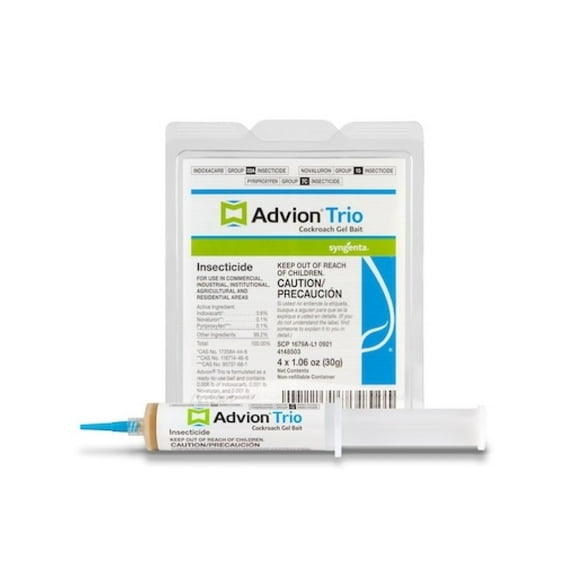
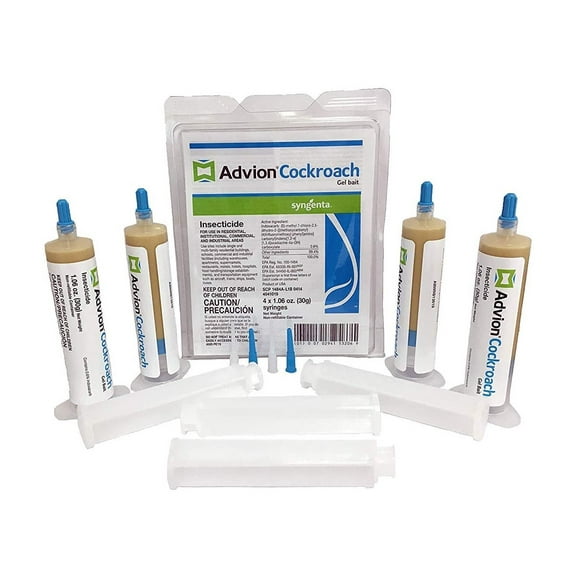
- You can use roach gel bait for tight gaps around cabinets, baseboards, and pipe openings.
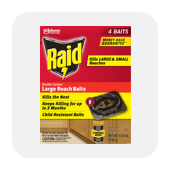
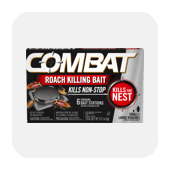
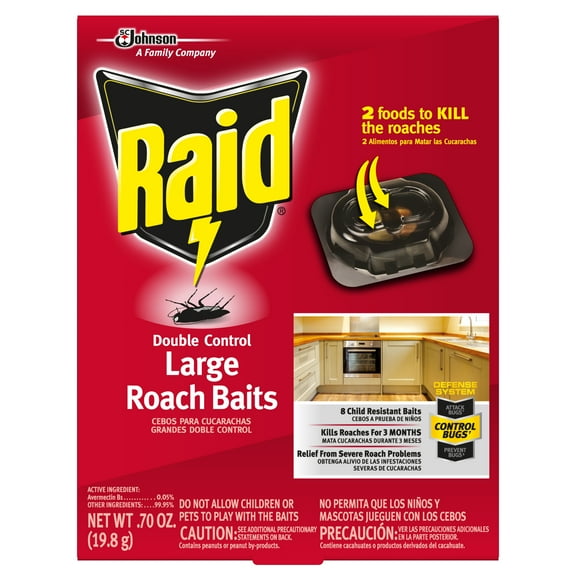
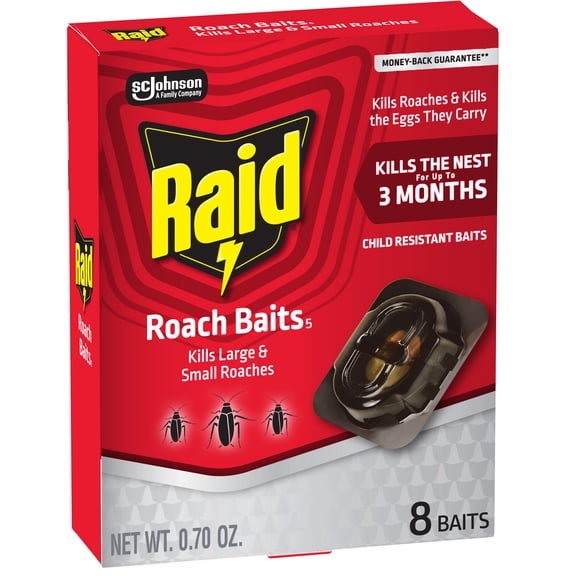
- You can place roach bait stations under sinks, behind toilets, and near refrigerators for contained placement.
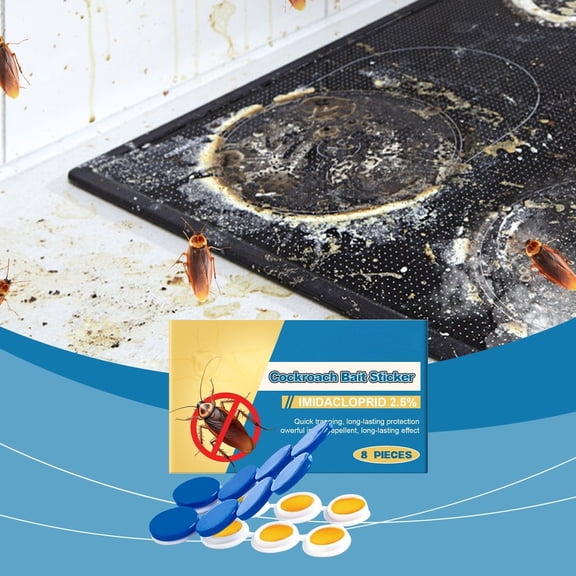
- You can use sticky pest control traps to monitor movement near corners, walls, and entry points.
- You can choose liquid bait when you want a format that fits specific product instructions and target areas.
Choosing the right roach bait for species and ingredients
You’ll want to check target species because German cockroaches, American cockroaches, and oriental roaches can show up in different spaces. You can narrow your choice by reading labels that match your household’s pest pattern.
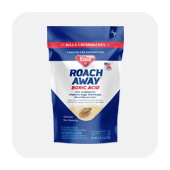
If you’re comparing a cockroach killer by active ingredient, you should focus on placement and product format first. You can then review ingredients like Fipronil, Hydramethylnon, Boric Acid, or Indoxacarb for decision support.
You may notice delayed-action bait matters when you want roaches to return to shared harborages before the bait takes effect. You can use that approach when your goal is longer-lasting control instead of immediate catch results.
For family spaces, you should check whether your preferred roach bait stations use tamper-resistant construction. You can also review label directions carefully when pets or children access kitchens, laundry rooms, or bathrooms.
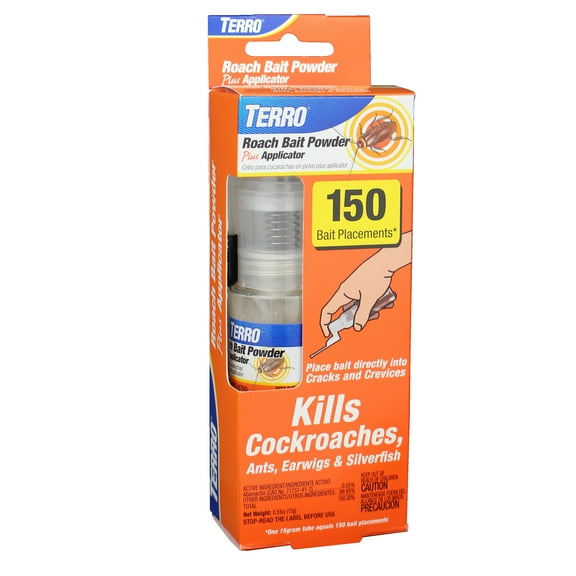
When you want direct placement in narrow seams, you may choose roach gel bait with an applicator format. You can place small amounts in hidden cracks where you’ve noticed activity, according to label directions.
Comparing indoor roach traps and placement locations
You should match your product type to the room where you’re seeing activity most often. You can focus on indoor roach traps for kitchens, bathrooms, pantries, and other enclosed household areas.
In kitchens, you’ll often look behind refrigerators, under sinks, and near trash areas where crumbs and moisture collect. You can use bait stations there when you want a contained option with clear placement points.
In bathrooms, you may check around toilets, vanities, and plumbing entries where moisture draws activity. You can use sticky traps there to monitor traffic and confirm whether bait placement needs adjustment.
For garages, patios, or exterior edges, you may compare outdoor roach bait options during warmer months. You should review product labels closely so your chosen format matches the intended outdoor use area.
You can also think about severity before choosing a format. If you’re seeing frequent movement, you may combine roach bait, roach traps, and monitoring points across several rooms.
Using roach bait stations and traps for real household needs
If you’re handling occasional sightings, you may start with a few sticky traps to learn where movement happens. You can then place bait stations near those travel routes for more focused follow-up.
When you’re noticing activity after dark in the kitchen, you may use roach bait and trap products together. You can monitor corners with traps and place bait near hidden paths behind appliances.
If you’re seeing pests around bathroom plumbing, you may prefer compact stations or gel bait for tighter spaces. You can keep placement discreet while still targeting cracks, gaps, and wall edges.
For larger homes or multi-room activity, you should compare packs that support wider coverage. You can create a placement plan that includes under-sink areas, pantry edges, laundry spaces, and shared wall lines.
You may also want exterminator supplies that help you maintain a clear routine between deeper cleanups and regular checks. You can use pest control traps to monitor changes and adjust placement based on new activity.
With the right mix of roach bait, roach traps, and bait stations, you can build a more informed placement plan. You’ll gain clearer monitoring, targeted application, and a setup that fits your household spaces.