

Safety, Caution, & Reflective Tape in Safety Signs, Tapes, & Markers












































About Safety, Caution, & Reflective Tape in Safety Signs, Tapes, & Markers - Walmart.com
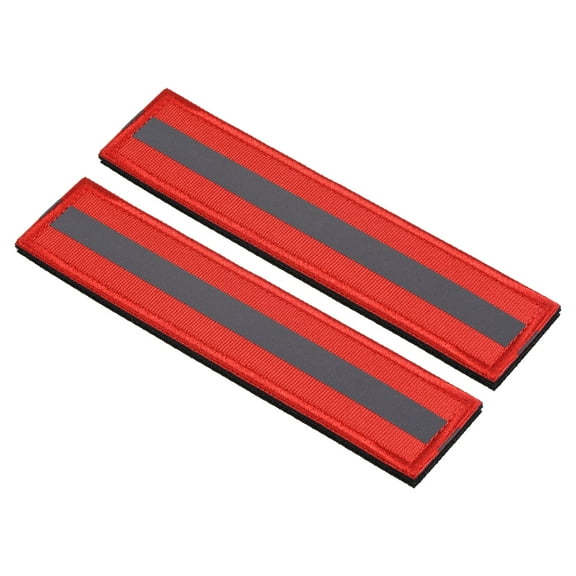
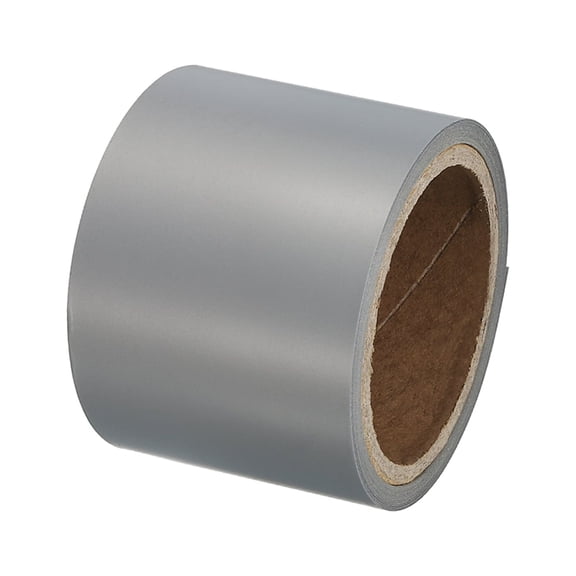
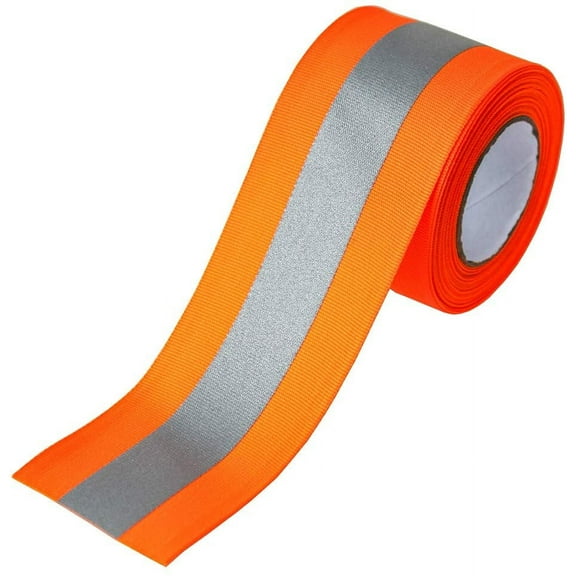
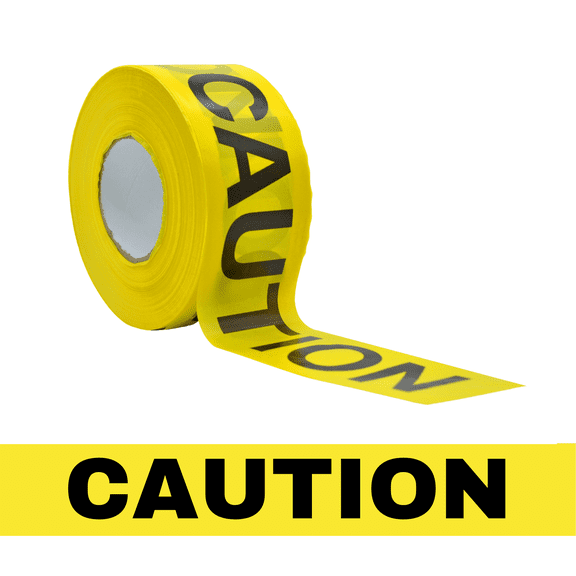
Safety caution reflective tape helps you mark trailers, docks, and work zones with visible guidance in low light. You can compare color patterns, reflective grades, adhesives, and roll sizes for your exact placement needs.
If you manage vehicles, warehouses, or exterior pathways, you need markings that stay visible after dark and through changing weather. You can use this category to narrow options for DOT-C2 needs, facility guidance, and durable surface labeling.
How to choose safety caution reflective tape
When you compare safety caution reflective tape, you should start with your job site and your surface type. You should also check whether you need vehicle compliance, pedestrian guidance, or hazard borders.
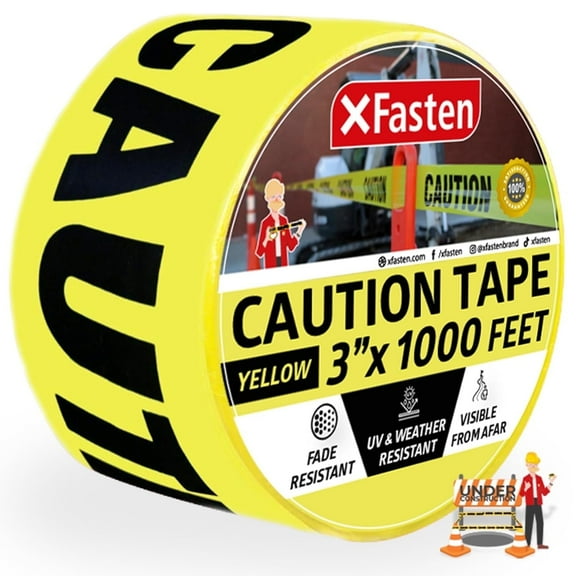
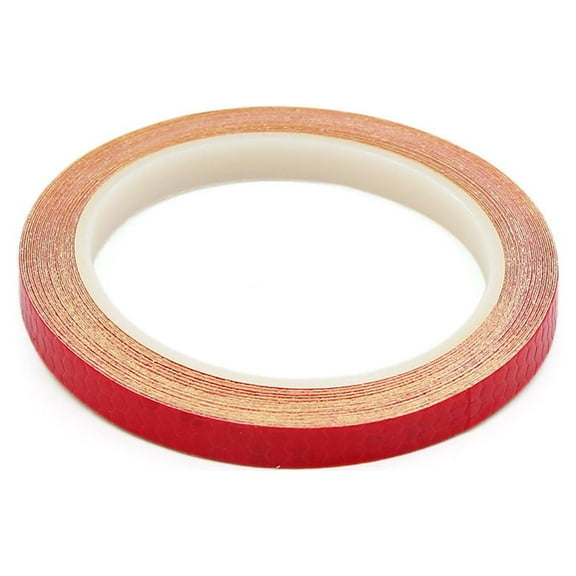
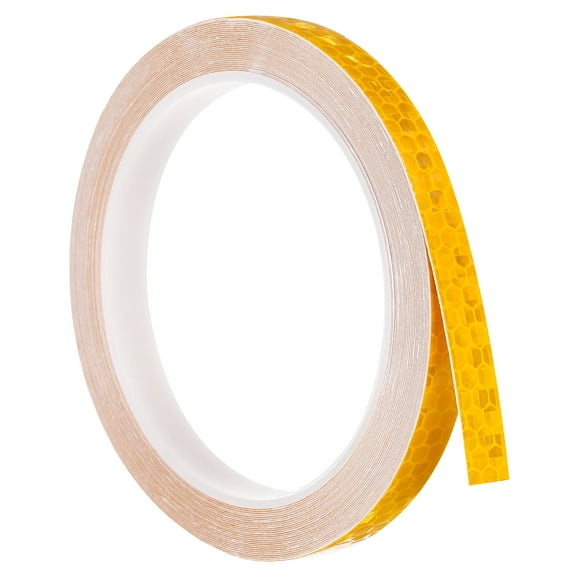
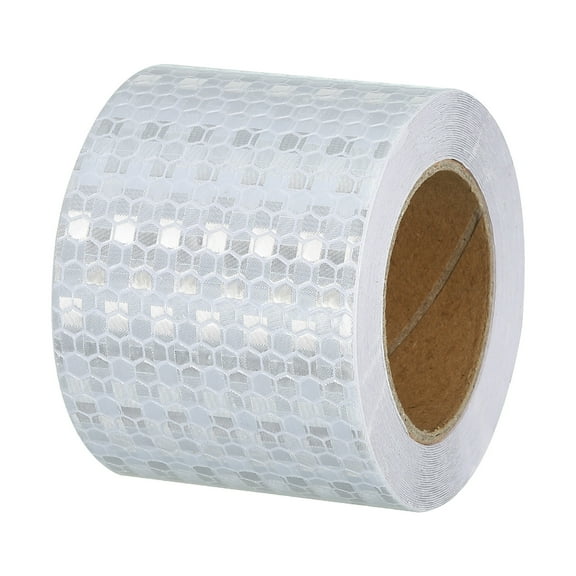
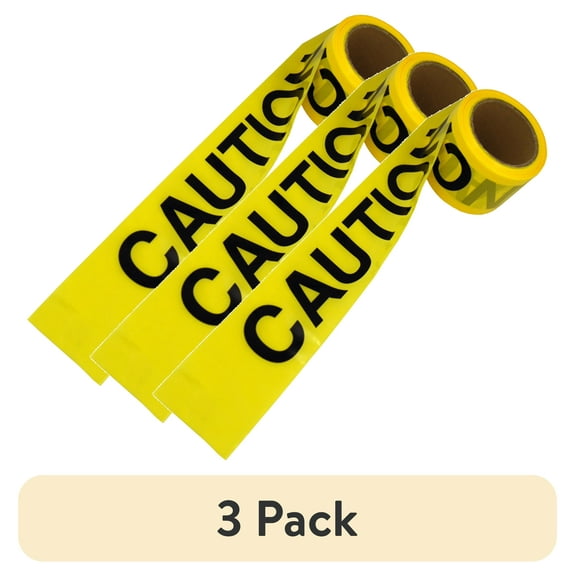
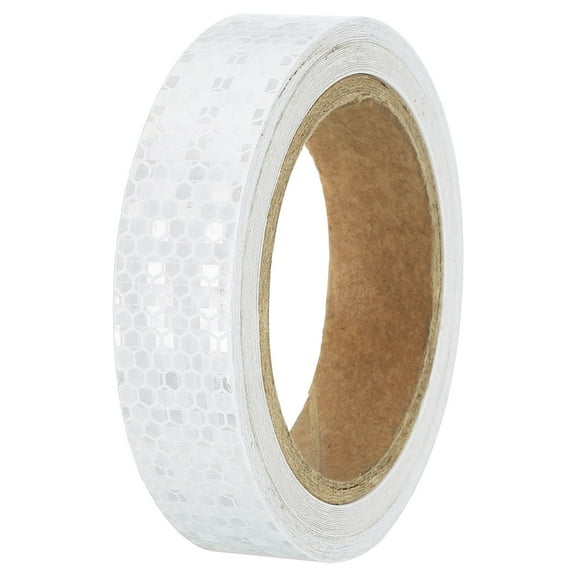
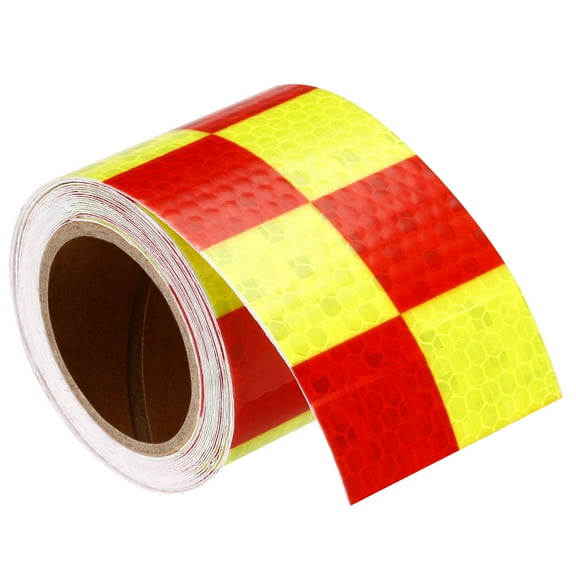
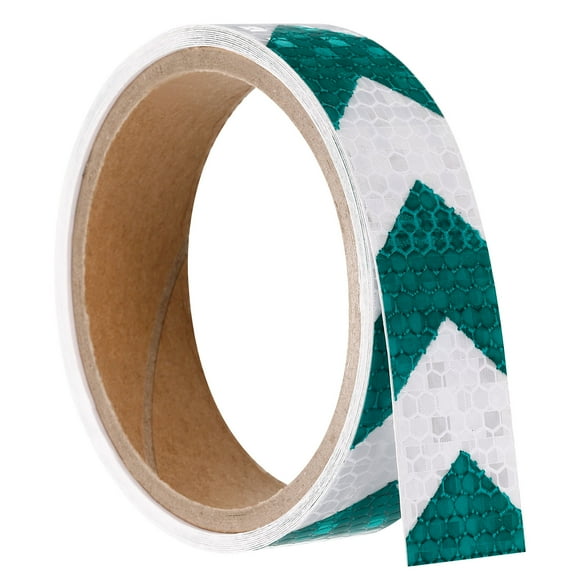
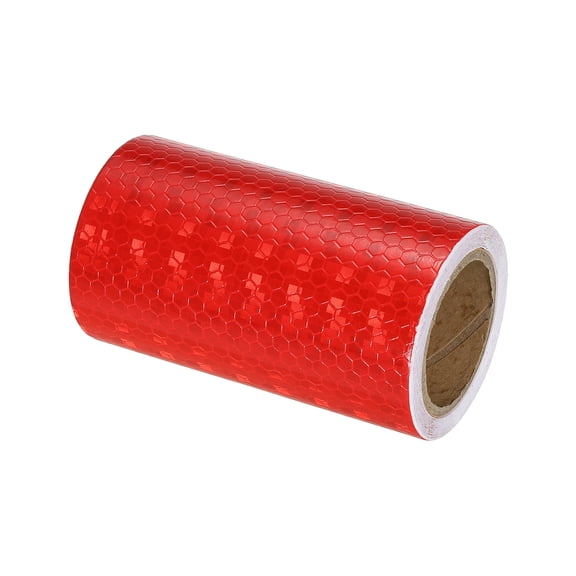
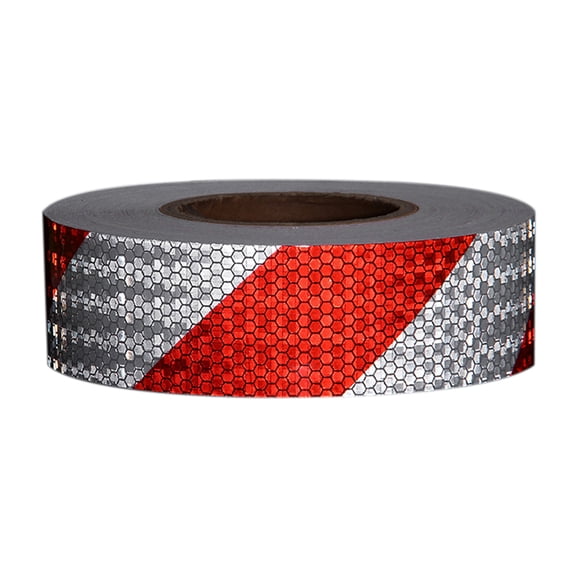
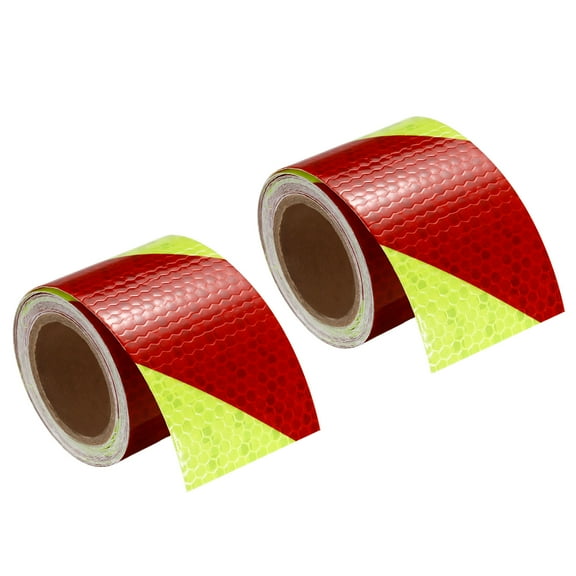
Color and pattern affect how you communicate caution at a glance. Choose red and white reflective tape for trailers, solid yellow for markings, yellow and black for hazard edges, or lime green for guidance.
- You can improve nighttime visibility on trailers, gates, bollards, and barriers.
- You can support clean lane, dock, and aisle markings in industrial spaces.
- You can compare patterns and grades that match commercial or facility needs.
- You can apply tape to metal, fiberglass, concrete, and other common surfaces.
Reflective grade is another key decision because it affects brightness and intended use. You can compare engineering grade, high intensity prismatic, diamond grade, and conspicuity tape for different visibility needs.
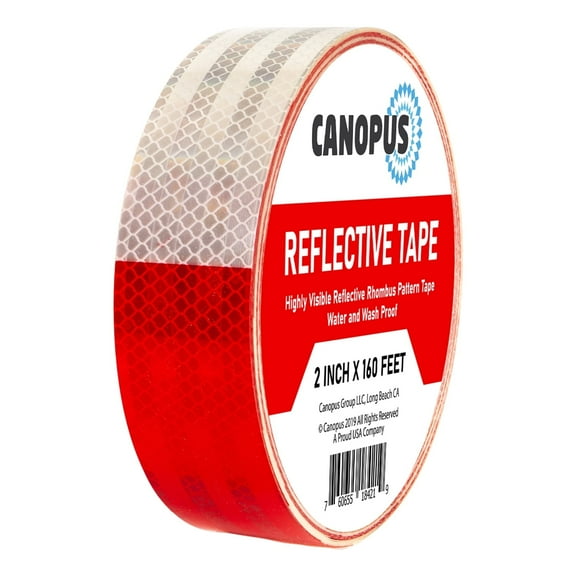
If you need compliant markings for commercial vehicles, you should look closely at DOT-C2 certified options. You should also check for certification markings and alternating red and white sections when your trailer setup requires that standard.
Choosing reflective safety tape by color, grade, and size
Reflective safety tape works differently depending on where you place it and how drivers view it. You should compare visibility distance, pattern clarity, and roll dimensions before you choose a format.
For trucks and trailers, you may need tape that reflects clearly under headlight beams across long distances. For warehouse floors or posts, you may focus on contrast, edge definition, and easy placement.
Roll dimensions change how efficiently you cover long rails, rear doors, or perimeter lines. Select 2-inch by 150-foot rolls for long runs, or choose smaller sizes for quick tasks.
Wide tape can help you create bold visual borders on docks, columns, and gate arms. Short rolls can help you handle quick replacements without storing extra material.
You should also compare pattern needs with your application. Red and white reflective tape often fits vehicle conspicuity tape needs, while yellow and black patterns can highlight steps, corners, and fixed obstacles.
Comparing conspicuity tape and adhesive durability
Conspicuity tape matters when you need a recognized marking format for trailers and fleet equipment. You should review certification markings, reflective grade, and the recommended surface before choosing a roll.
Adhesive strength shapes how well your tape bonds during outdoor use. You can look for heavy-duty construction, permanent adhesive, and waterproof reflective tape when your markings face rain, sun, and temperature changes.
Surface compatibility is especially important on aluminum, steel, fiberglass, and concrete. You should check product details so your tape matches smooth trailer panels, utility bodies, warehouse posts, or pavement-edge surfaces.
If you apply tape to metal equipment, you may want a firm bond for long runs and vibration exposure. If you mark concrete or rough areas, you should compare application guidance and surface fit carefully.
Weather-resistant materials can help you maintain clean visibility through outdoor seasons. You can look for options designed for UV rays, heavy rain, and changing temperatures without losing visible reflection.
Waterproof reflective tape can also make sense for gates, docks, and exterior barriers. You should compare indoor and outdoor placement so your adhesive and film match your environment.
Using safety caution reflective tape for vehicles and facilities
You can use safety caution reflective tape on trailers, service trucks, utility vehicles, and equipment bodies. You can also use it around loading docks, warehouse aisles, parking barriers, and fenced work areas.
For fleet and transport tasks, you may prioritize DOT-C2 certified tape with alternating red and white sections. That setup can help you align with common conspicuity requirements for commercial vehicle applications.
For facilities, you may choose yellow, black, or lime green options to direct traffic and define edges. Those colors can help you mark posts, ramps, stairs, and restricted zones with strong visual contrast.
If you handle nighttime deliveries, you may need bright grades for rear and side markings. If you manage indoor operations, you may focus on clean application, durable hold, and clear line definition.
You should think about how far away your reflection needs to remain visible. Headlight visibility matters for road equipment, while close-range contrast matters for dock doors, carts, and storage areas.
When you compare category options, you can match your tape to your exact job instead of guessing. That approach can help you cover long trailer runs, small repairs, or wide hazard borders with fewer tradeoffs.
With the right combination of grade, pattern, adhesive, and roll size, you can create markings that stay visible and easy to follow. You can finish your job with visible guidance for drivers, crews, and facility traffic.