

Recessed Outlets in Outlets
















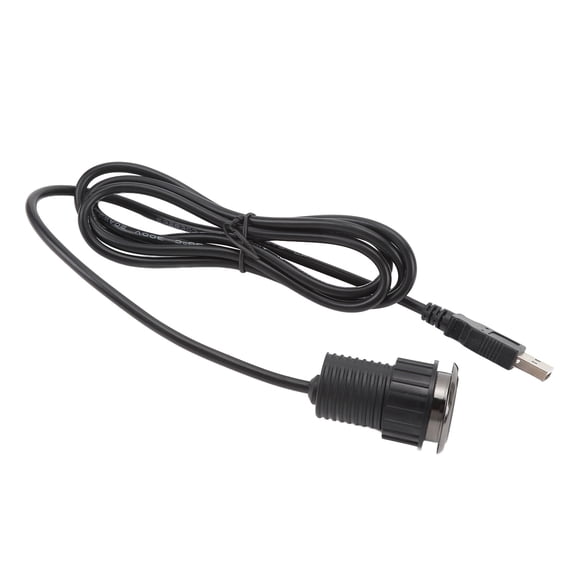
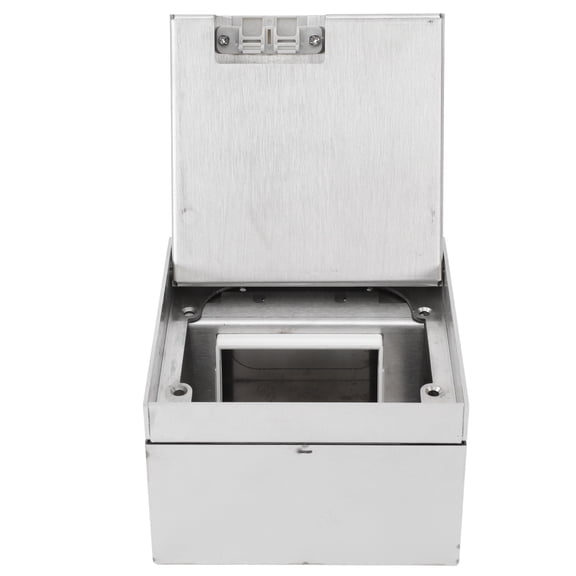
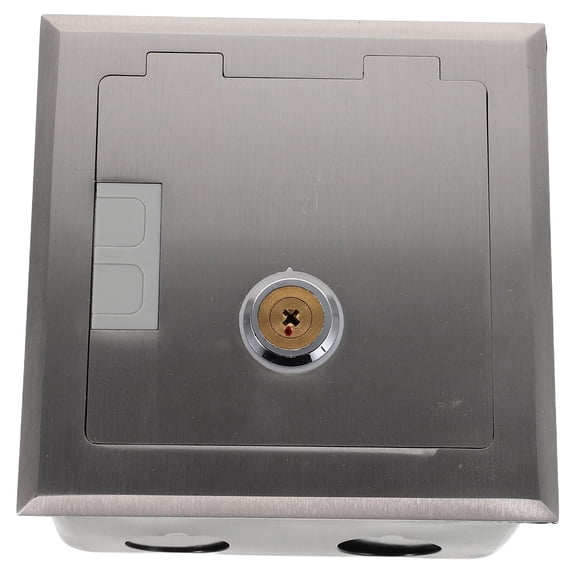
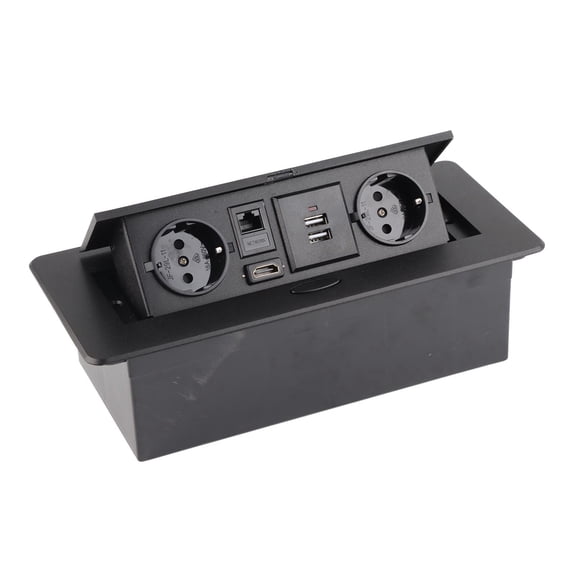


About Recessed Outlets in Outlets - Walmart.com
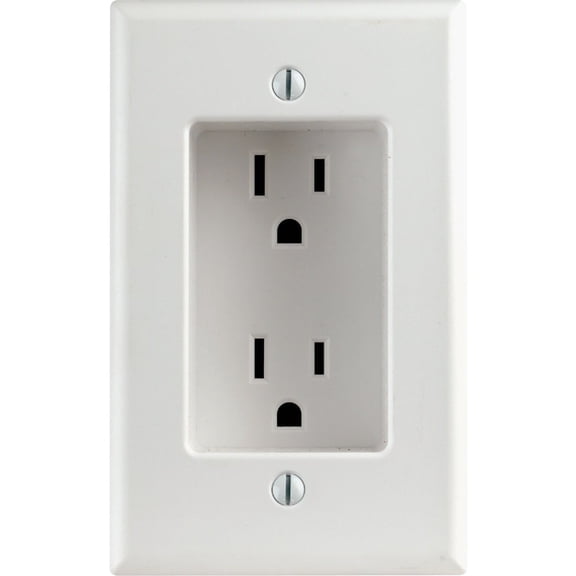
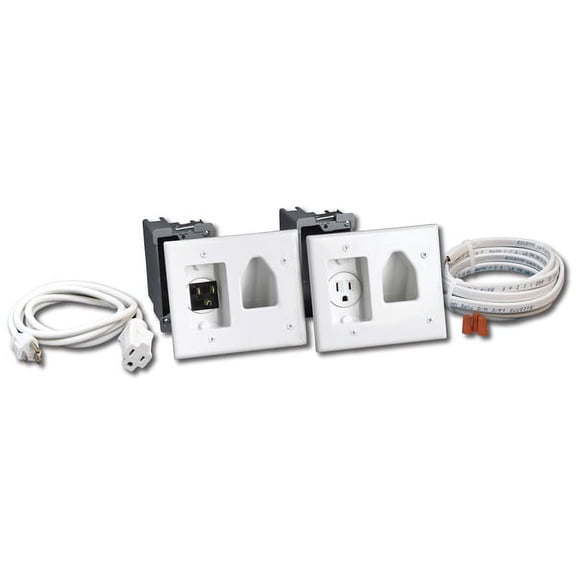
An in wall power relocation kit helps you create a cleaner TV setup with cords routed inside the wall and plugs sitting flatter behind screens. You can compare recessed outlets here by depth, outlet style, and box design, so your installation matches your wall mount and room layout.
If you're mounting a slim TV, you may need a recess outlet that keeps bulky plugs from pushing the screen forward. You may also want code-ready options, easier installation steps, and a faceplate that looks neat once your project is finished.
How to choose an in wall power relocation kit
When you compare each in wall power relocation kit, start with recess depth because that detail affects how closely your TV can sit to the wall. You should also check whether your project needs a complete relocation setup or a recessed socket box for a new outlet location.
You'll usually choose between flush mount, deep recessed, and in-wall box styles. If your bracket sits close to drywall, you may prefer a flush recessed outlet that keeps cords and plug heads tucked back.
Before you decide, consider these practical buying points for recessed outlets and TV wall projects. You'll narrow your options faster when you match each feature to your wall type and plug layout.
- You should measure recess depth if your ultra-thin mount leaves very little space behind the screen.
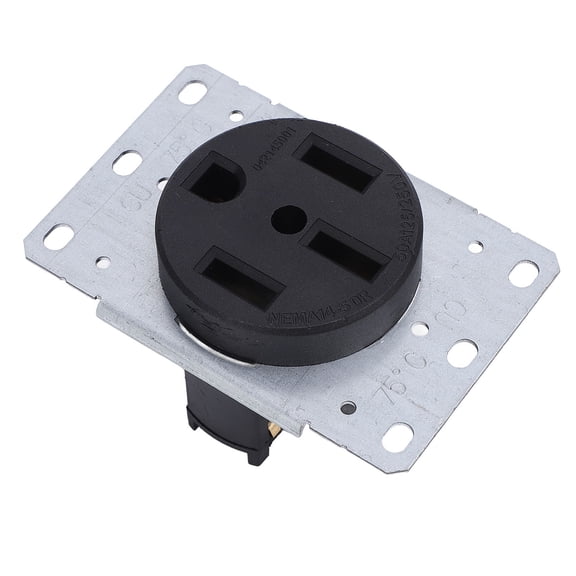
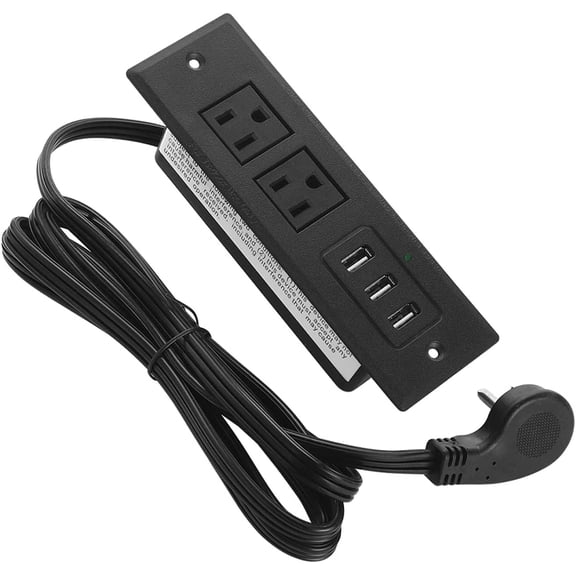
- You should check outlet configuration, including duplex, single, USB combo, or GFCI, before you start cutting drywall.
- You should look for a recessed socket box or receptacle faceplate based on how finished you want the opening to look.
- You should compare pre-wired kits and raw wiring setups if you want a simpler DIY path.
- You should confirm listed, code-ready in-wall use details if your project must align with local electrical requirements.
Choosing outlet configuration and mounting style
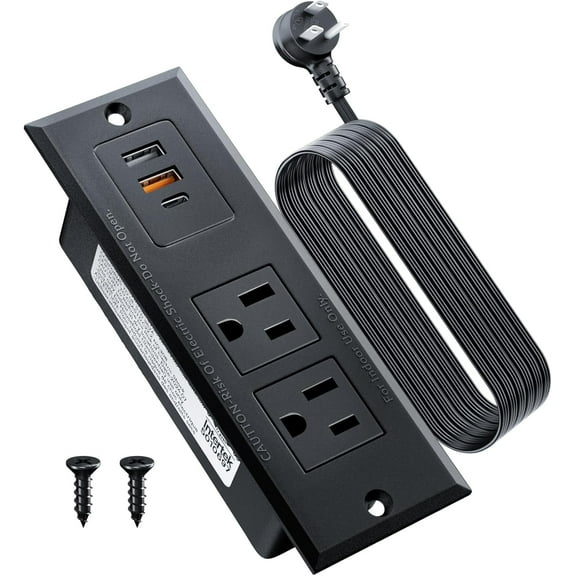
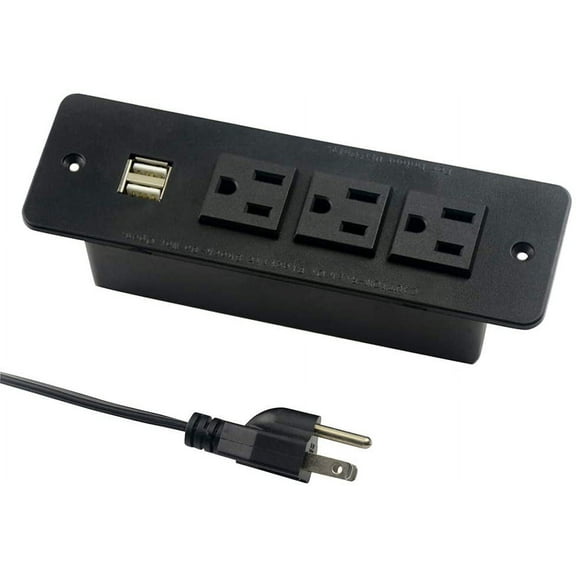
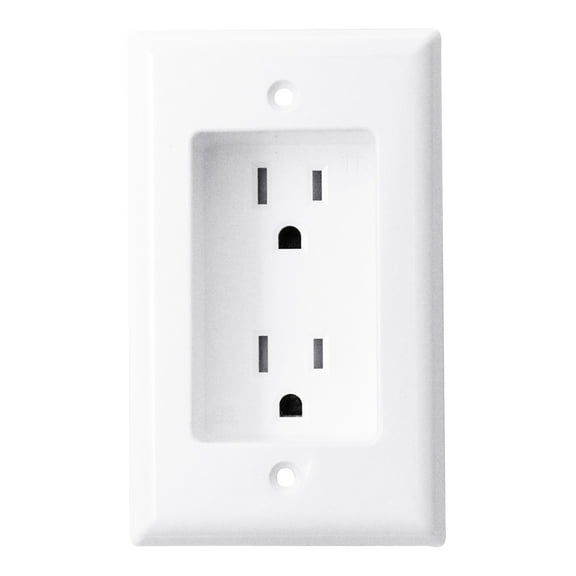
Your outlet configuration changes how many devices you can connect and how cleanly cords route behind furniture. If you power a TV and soundbar together, you may want a recessed duplex receptacle outlet instead of a single connection.
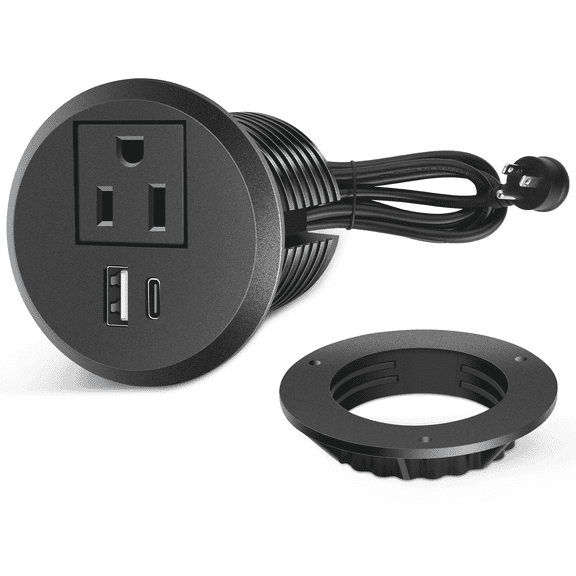
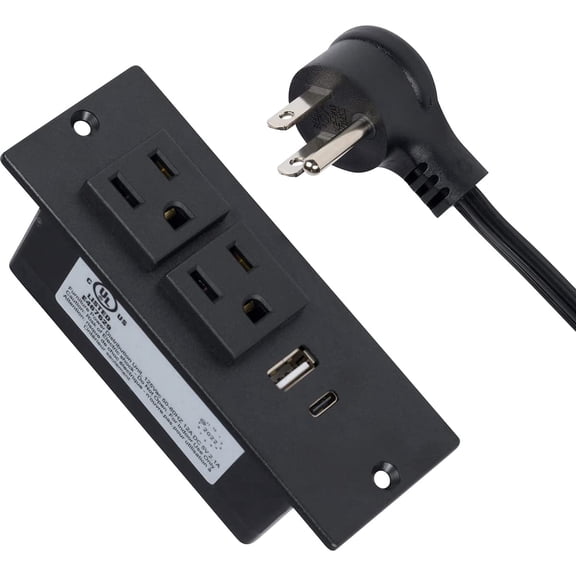
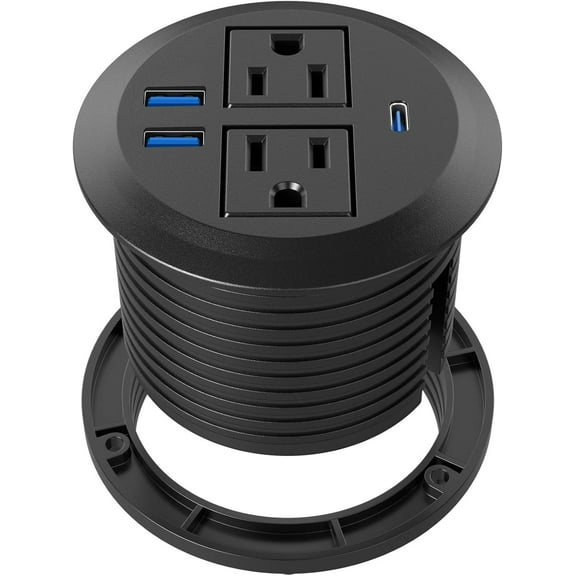
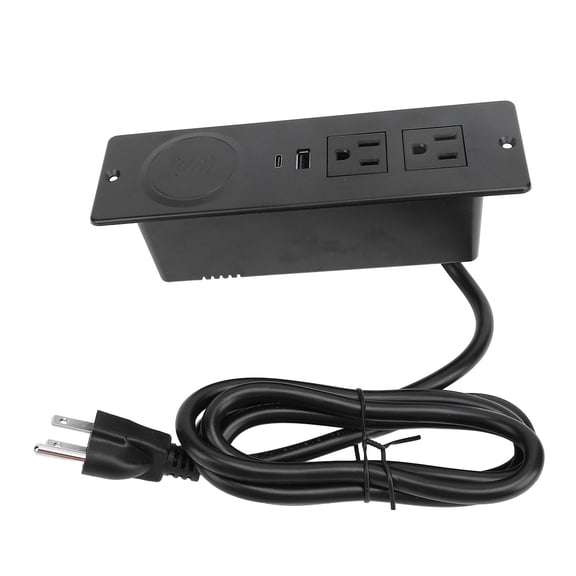
If you charge streaming devices or accessories nearby, you may look for a USB combo design to reduce adapter clutter. If your space includes a kitchen, bath, or utility area, you may need a GFCI recessed outlet that suits those locations.
Your mounting style matters just as much as outlet count. A flush recessed outlet helps you keep plug heads low-profile, while a deep recessed design gives you extra space for thicker adapters.
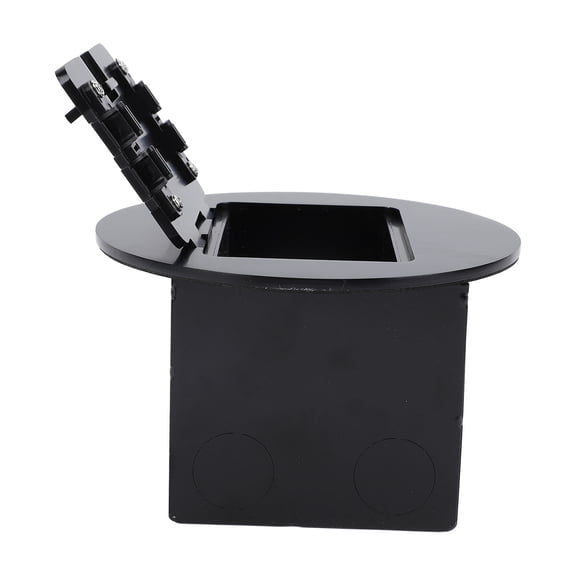
An in-wall box style can make sense when you need more structure around the opening and cable pass-through area. You should compare wall cavity space, stud location, and mount clearance before you commit to one style.
What to look for in a recessed socket box
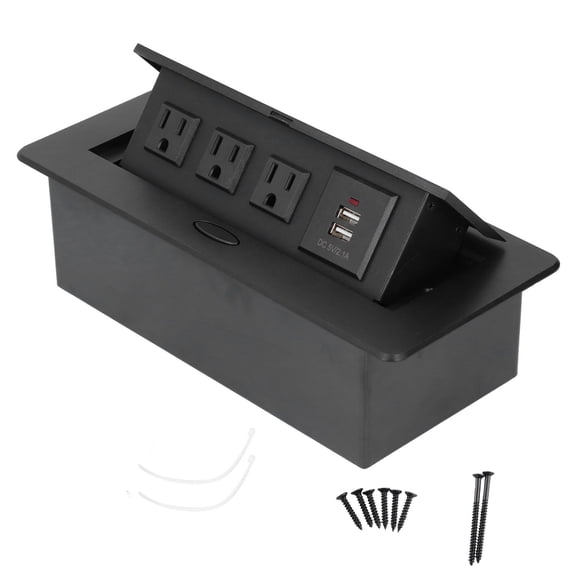
A recessed socket box can help you organize power and low-voltage cables in one cleaner wall area. You should check whether the design supports the cable path you want for a TV wall mount, media console, or equipment shelf.
If you want a polished finish, you may compare enclosure types such as a full socket box or a simpler receptacle faceplate. A box style can provide more room for bends and connectors, while a faceplate can suit a tighter, cleaner opening.
You should also review installation format because some projects call for pre-wired convenience and others call for direct wiring choices. If you're handling a straightforward media wall update, you may prefer options that simplify planning and reduce extra parts.
Code alignment can shape your decision too. You should look for clear in-wall use information and listing details, especially when your project needs dependable electrical compatibility.
Matching recessed outlets to your room and project
If you're building a living room media wall, you may want recess outlets that let your TV mount sit close and your cords disappear from view. A recess plug design with enough depth can keep HDMI and power connections from pressing against the screen.
For kitchens, bathrooms, or utility spaces, you may compare a GFCI recessed outlet with the location's electrical needs in mind. You should review the area requirements first, then match the outlet style to the room's layout.
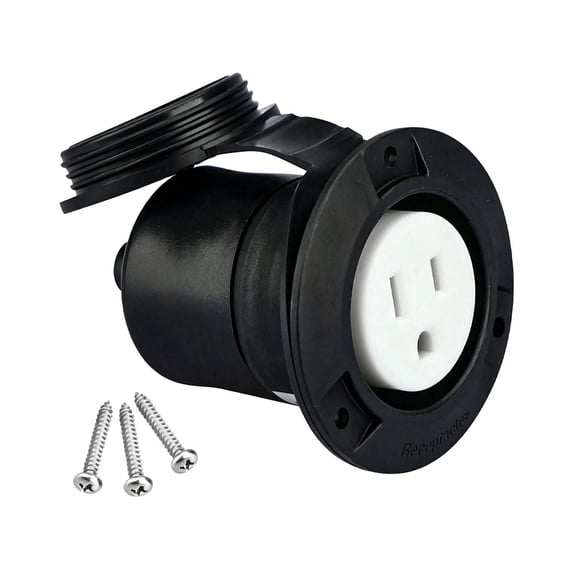
If you're wiring a workshop or shed, you may notice that application details matter as much as outlet shape. A recessed male plug for shed use can suit projects where you want a tidier wall connection and less protrusion.
Floor-level or furniture-adjacent projects may call for a recessed double outlet or a compact single opening. You should think about cord direction, plug size, and how often you need to reach the connection after installation.
DIY planning also matters when you compare kits across this category. You may want a setup that feels manageable, with components that support a cleaner install path for your wall type.
When you choose carefully, your recessed outlets can support a flatter TV mount, cleaner cable routing, and a more finished wall appearance. You end up with an installation that fits your space without bulky plugs getting in the way.