

Purdy Paint Supplies & Tools in Paint Supplies & Tools





















About Purdy Paint Supplies & Tools in Paint Supplies & Tools - Walmart.com
Purdy paint supplies help you choose painting tools with clear control, clean edges, and project-specific options for walls, trim, cabinets, decks, and concrete. You can compare brush bristles, roller naps, and handle styles in one place, which makes your next paint project easier to plan.
How to choose Purdy paint supplies for your project
When you compare tool type first, you can narrow your options quickly and match each step of your project. You may reach for paint brushes for detail work, paint rollers for broad coverage, extension poles for height, and scrapers for surface prep.
If you're painting trim or cabinets, you may want precise control around corners, edges, and narrow surfaces. If you're covering walls and ceilings, you may prefer roller setups that help you move steadily across larger sections.
For decks and concrete, you may look for tools that handle textured surfaces and wider coverage paths. When you sort by project type, you can avoid guesswork and focus on tools built for the finish you want.
Key benefits you can expect from Purdy paint brushes and rollers
You can get clean cut-in lines when you choose the right brush edge and bristle type for your paint. You can also keep your pace steady when your roller nap matches the surface texture.
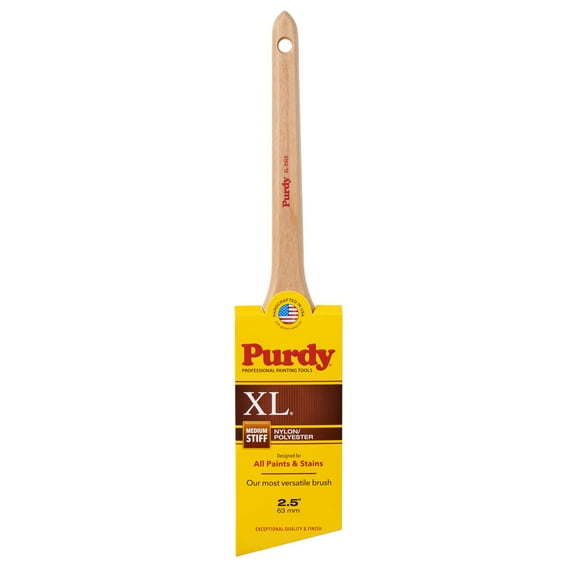
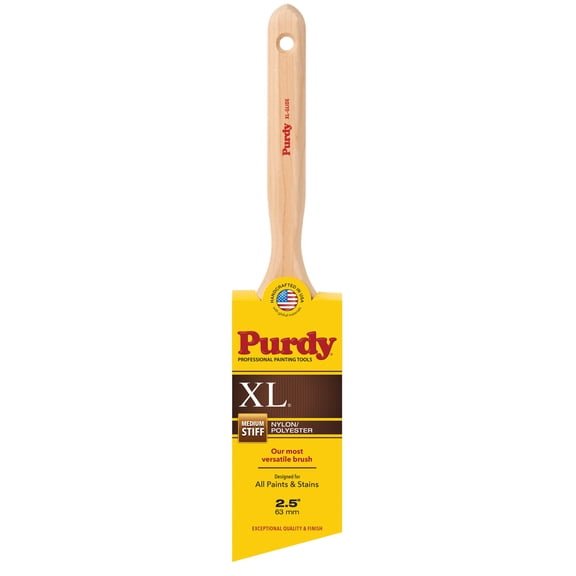
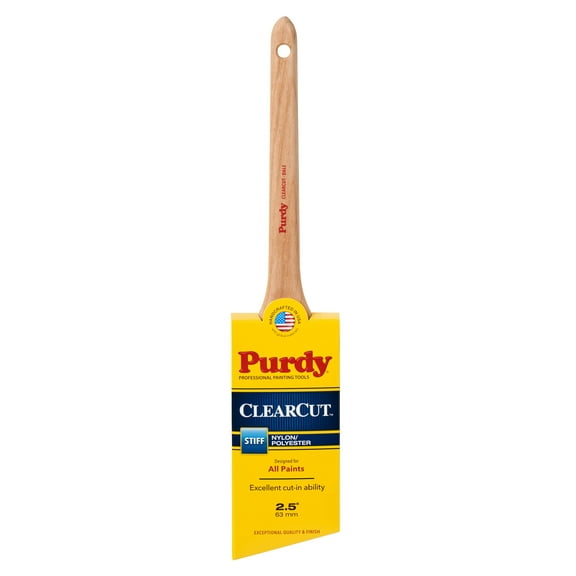
- You can use angle sash brushes when your project needs tight lines around trim, windows, and ceiling edges.
- You can choose roller covers by nap thickness, so smooth walls and rough surfaces each get the coverage they need.
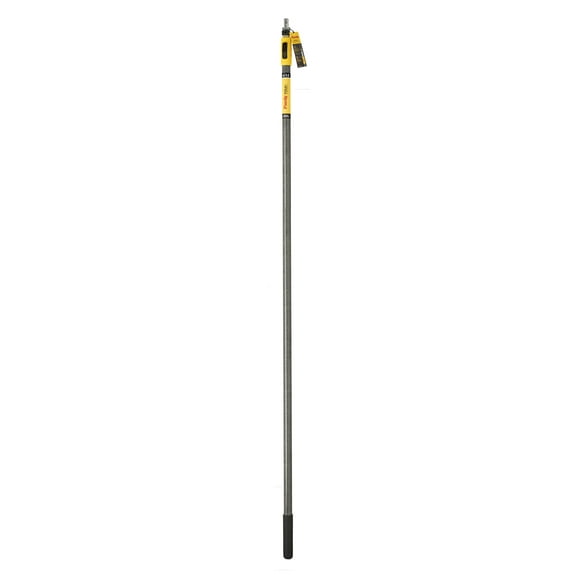
- You can add extension poles when you want extra reach for ceilings, tall walls, and exterior areas.
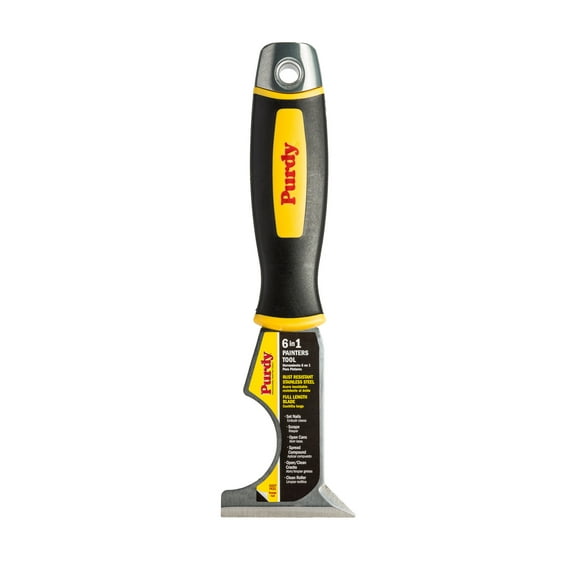
- You can use scrapers during prep, which helps you start with a more even painting surface.
Your project can feel manageable when you match each tool to a specific task instead of using one brush for everything. You may also notice less rework when your tool choice supports smooth application from the first coat.
Because these are professional paint supplies, you can compare details that matter before you start opening paint cans. You can look at bristle material, brush shape, nap thickness, and handle style as practical decisions, not extras.
Choosing bristle type, brush shape, and handle style
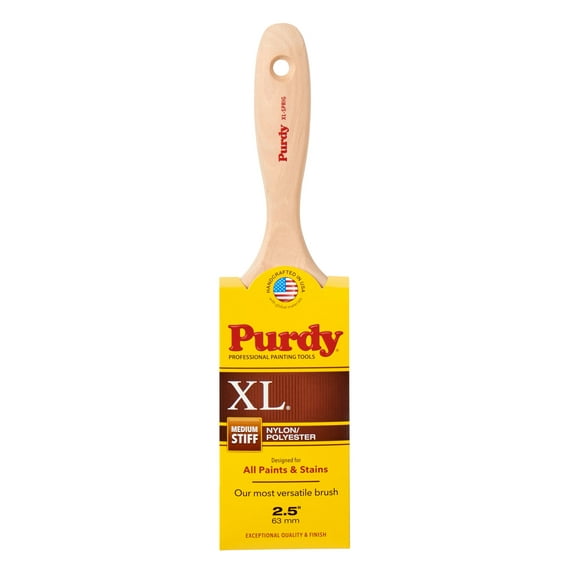
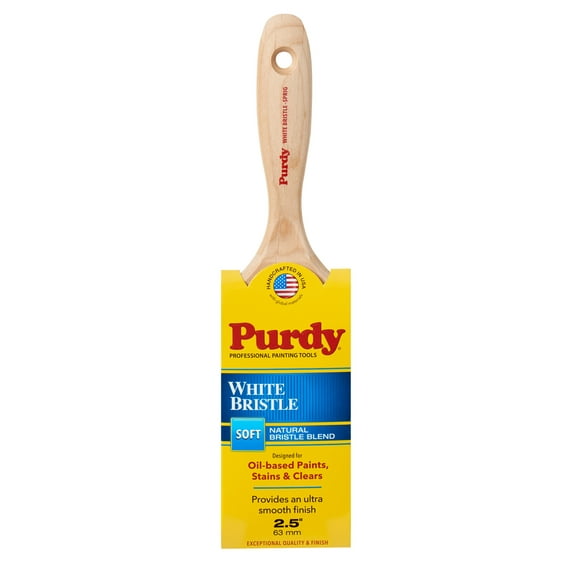
When you're selecting Purdy paint brushes, bristle type is one of the first details to compare. You can use a nylon-polyester blend with latex paint, while natural black china bristle suits oil-based coatings.
If you're choosing between nylon-polyester blend and Chinex, you should compare the finish and cleanup style you want. You may prefer Chinex when you want a brush that keeps a consistent working edge through longer painting sessions.
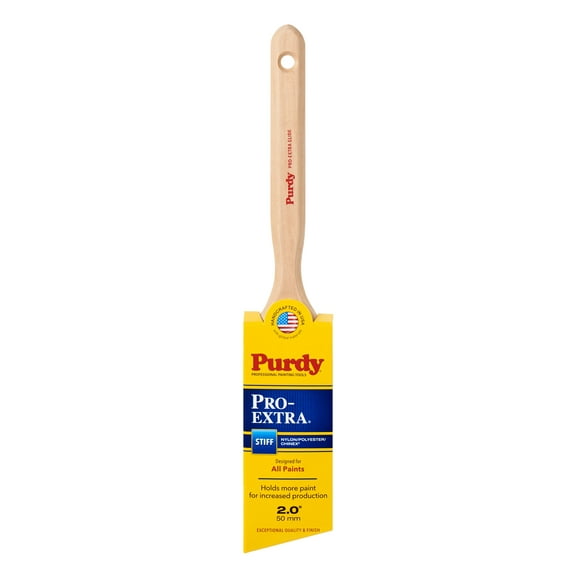
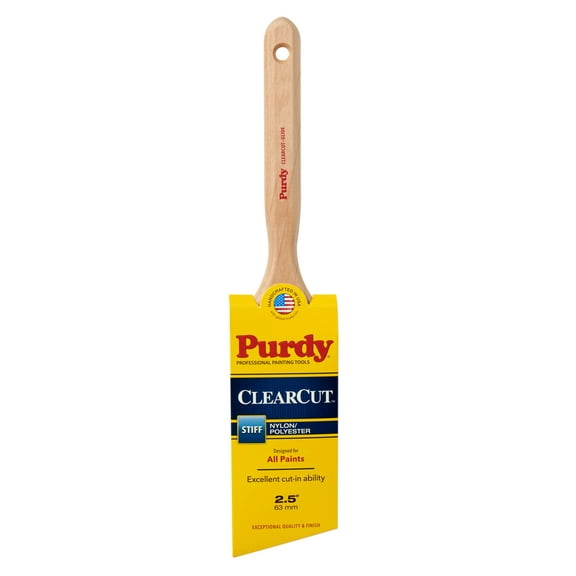
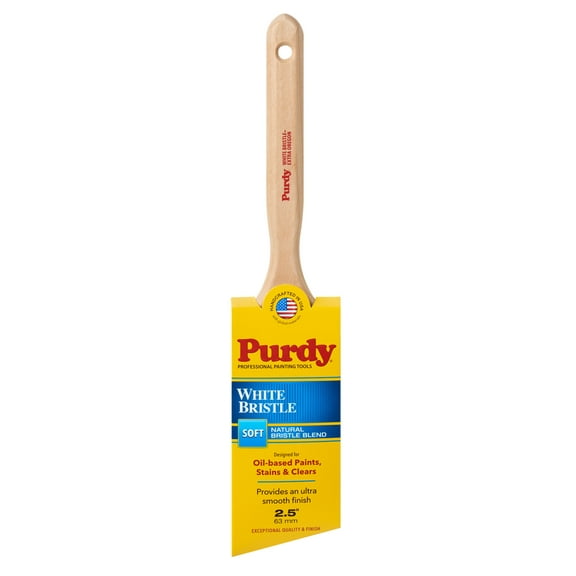
Brush shape also changes how your project feels in your hand and how precisely you paint. You can choose an angle sash brush for cutting in, while a flat brush can help you cover broader, straight sections.
Handle style matters when you're painting for longer stretches or working in tighter spots. You can compare rattail, fluted, and short handles based on comfort, grip, and the control your project needs.
If you're working around cabinets, door frames, or baseboards, you may want a handle that supports a steady wrist position. When you're painting open trim runs, you may prefer a shape that helps you keep a smooth motion.
Comparing Purdy paint rollers by nap thickness
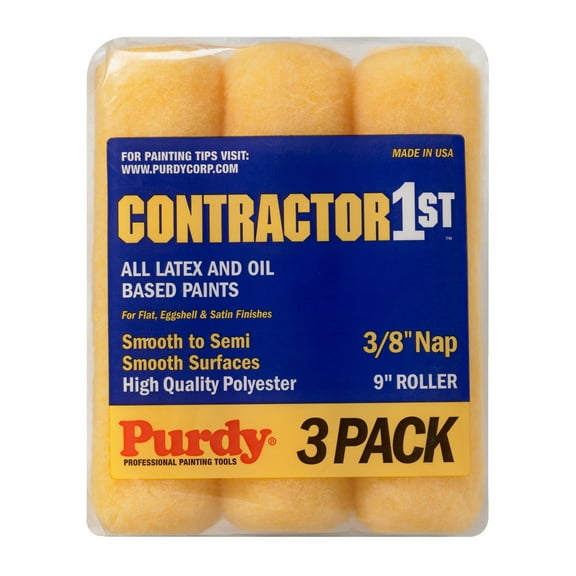
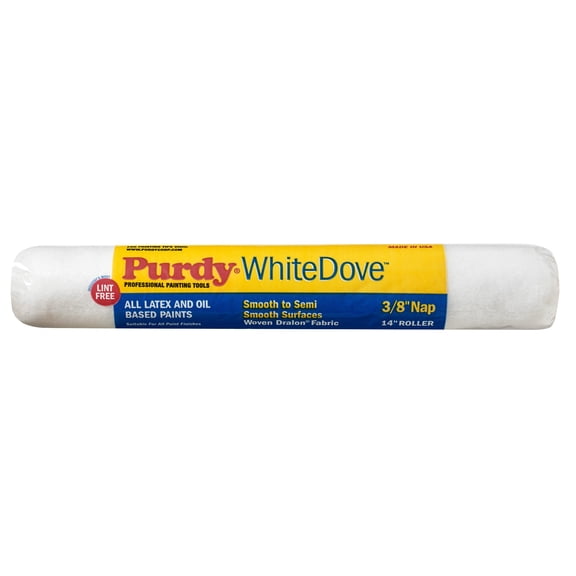
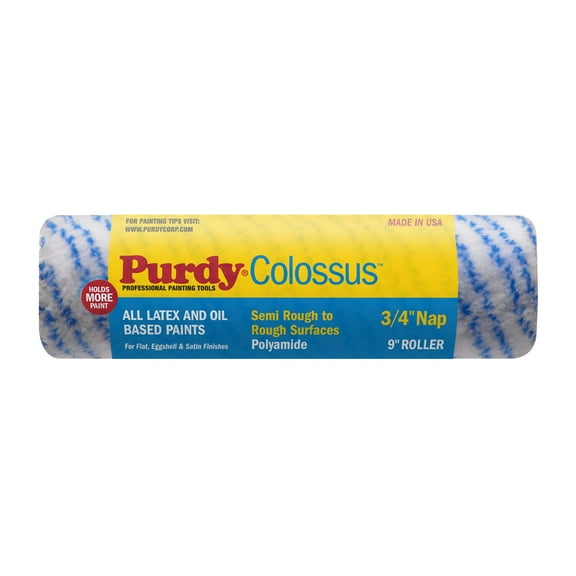
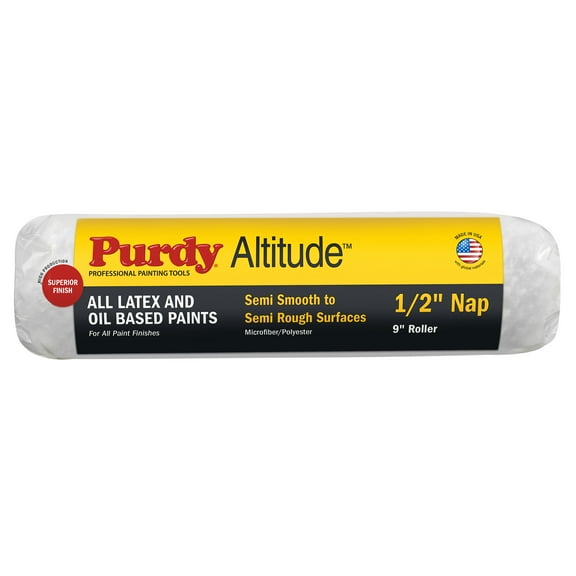
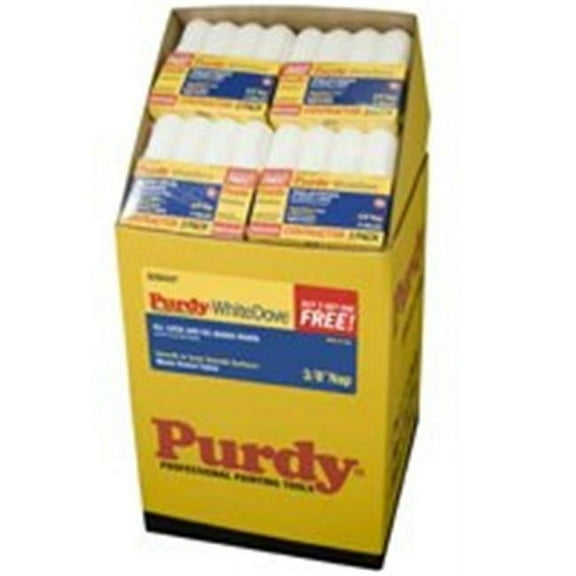
When you're reviewing Purdy paint rollers, nap thickness is the detail that usually affects coverage directly. You can start with 3/8 inch for smooth walls, then move up as your surface gets more textured.
You may choose 1/2 inch nap when your walls have light texture and need a little reach into the surface. You can consider 3/4 inch nap for rougher areas like masonry, stucco, decks, or concrete.
If you use a nap that's too short, you may spend extra time trying to cover uneven texture. If you use a nap that's too thick on smooth walls, you may notice a heavier finish than you wanted.
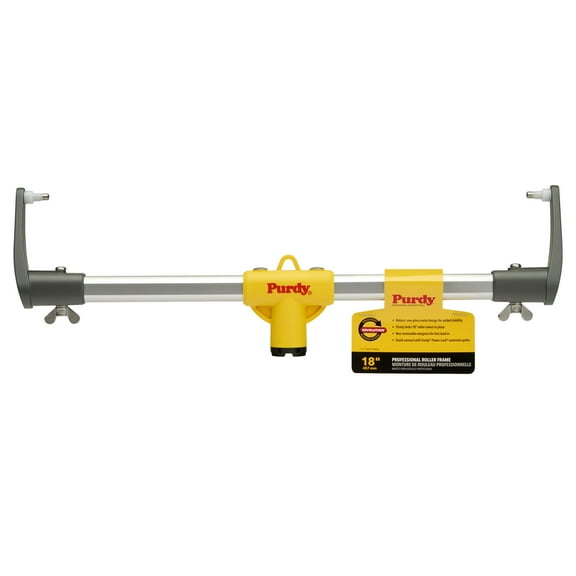
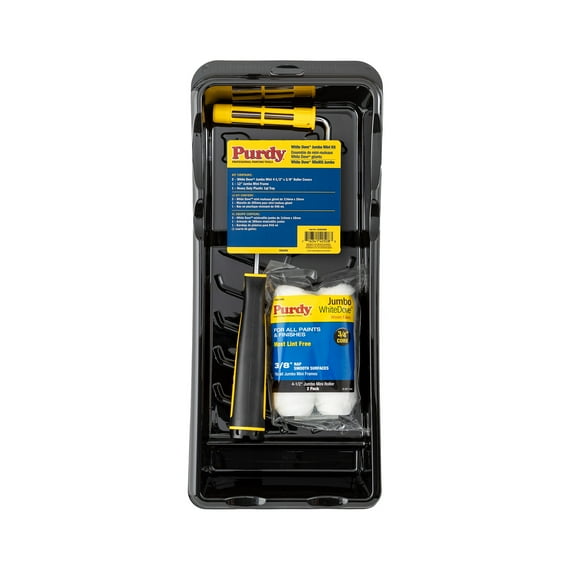
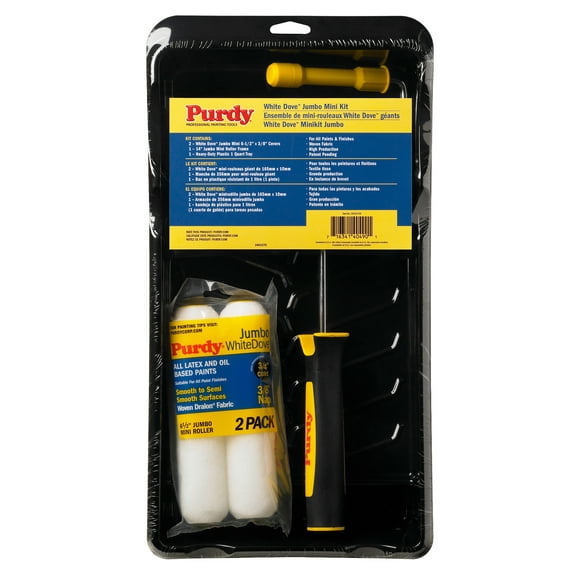
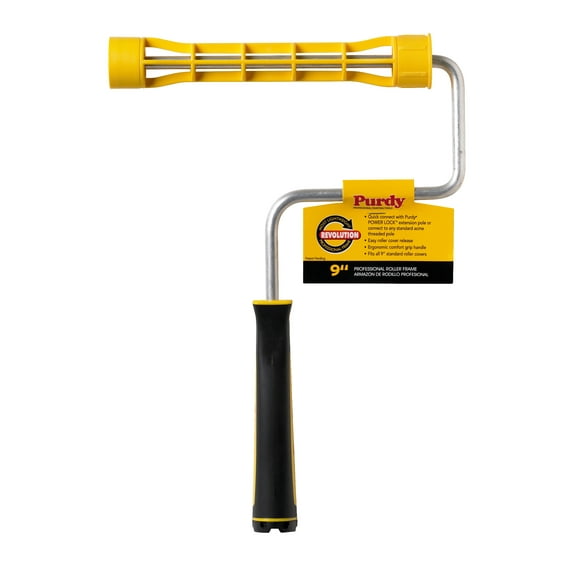
Roller selection also works well when you think about room type and paint area size. You can pair the right cover with trays, frames, and poles to keep larger jobs moving with fewer interruptions.
Matching tools to walls, trim, cabinets, decks, and concrete
If you're painting walls and ceilings, you can start with roller covers sized for broad, even passes. You can then add an angle sash brush for corners, ceiling lines, and switch plates.
When you're updating trim and cabinets, you may focus more on brush control and edge precision. You can compare flat and angled brush styles, then choose bristles that fit the paint you're applying.
For decks and concrete, you may need reach into textured surfaces and wider areas. You can look for roller naps that suit rough finishes, plus extension poles that help you keep a steady position.
If your project includes prep work, you can use scrapers before painting to clear loose material from the surface. That step can help you create a clean starting point before you move to brushes or roller covers.
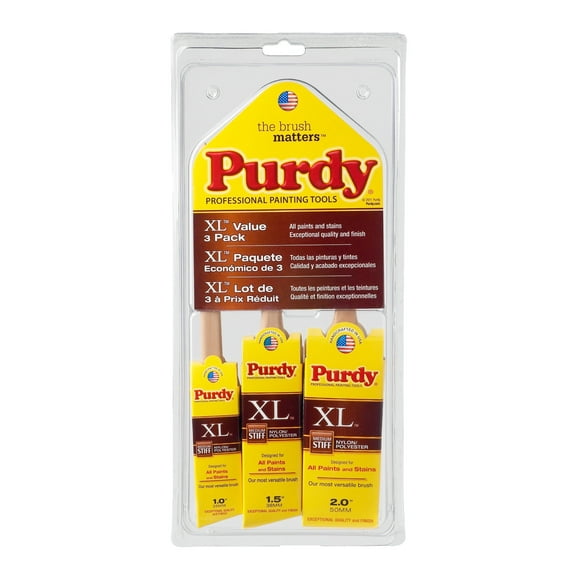
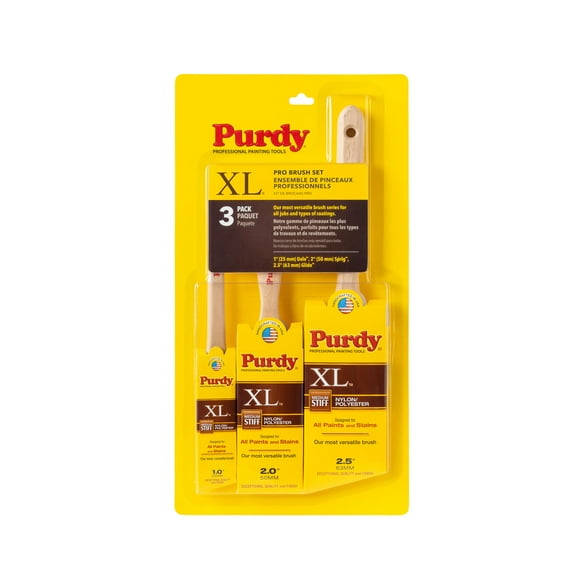
You may also build a practical Purdy brush set by combining edge tools and general coverage tools. When you choose pieces by project type, you can keep detail work and broad coverage equally supported.
What to look for in professional paint supplies
You should compare paint compatibility, surface texture, brush shape, and reach before you choose your tools. You can also check whether your project needs accessories like paint trays, painter's tape, or interior paint for a complete setup.
When you use this decision guide, you can sort Purdy options with confidence and minimal trial and error. You can finish with tools that match your paint, your surface, and the kind of control your project demands.