

Foldable Stairs for Attic & Attic Ladders | Walmart




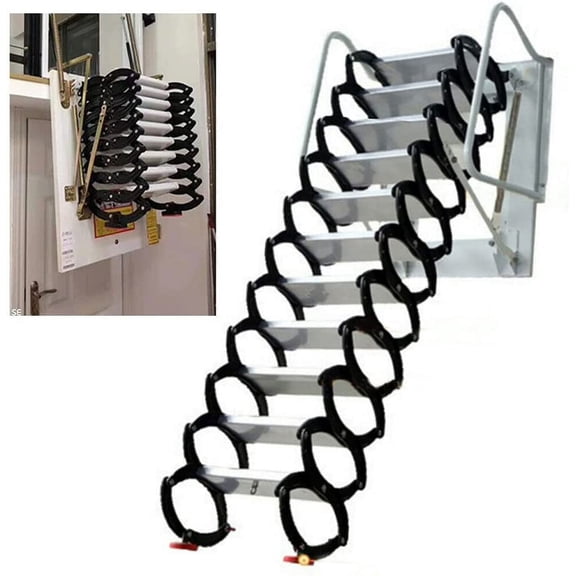
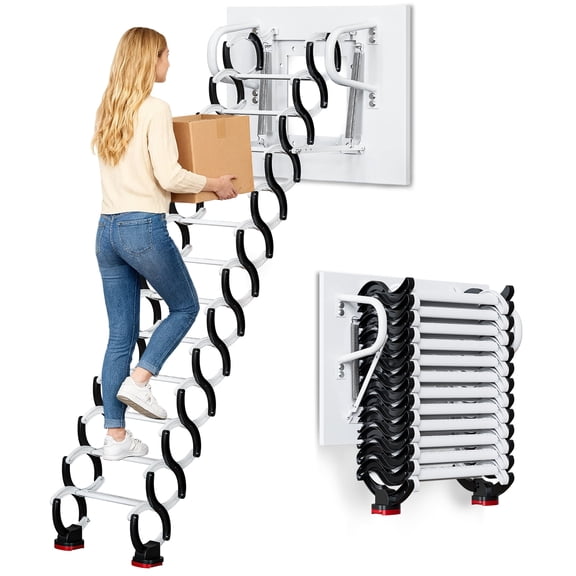

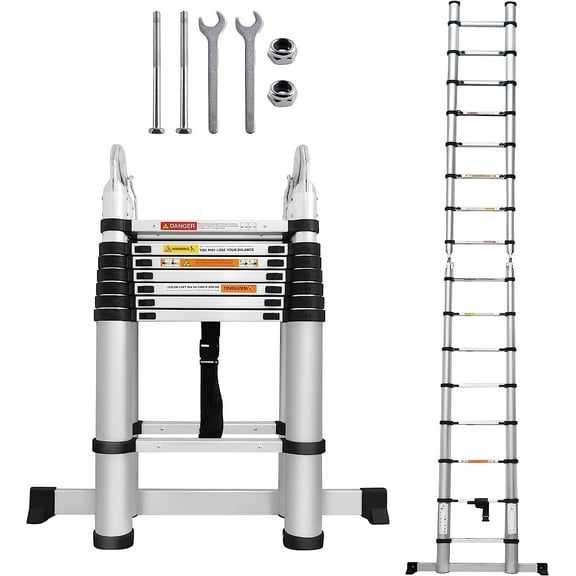

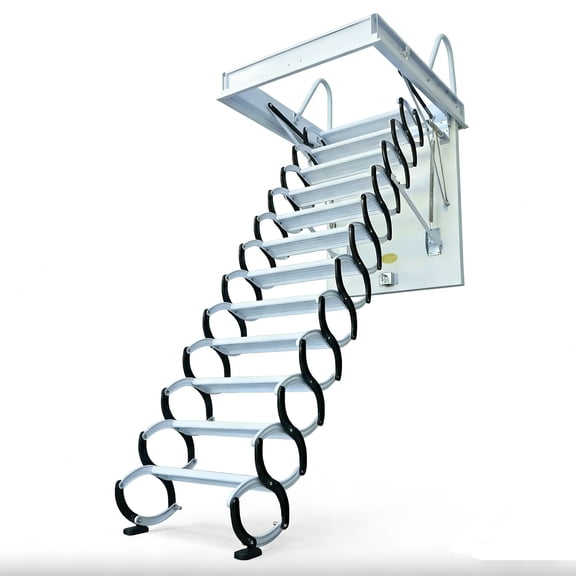













About Foldable Stairs for Attic & Attic Ladders | Walmart - Walmart.com
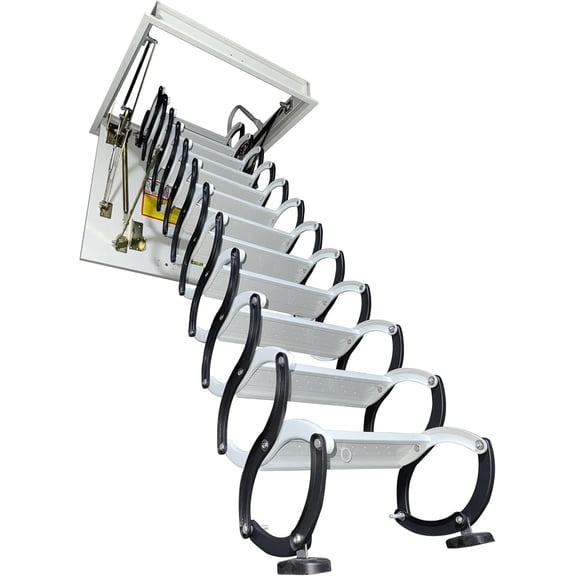
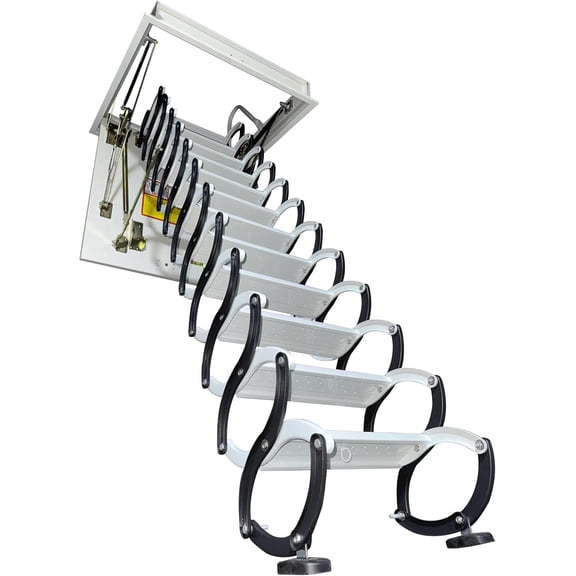
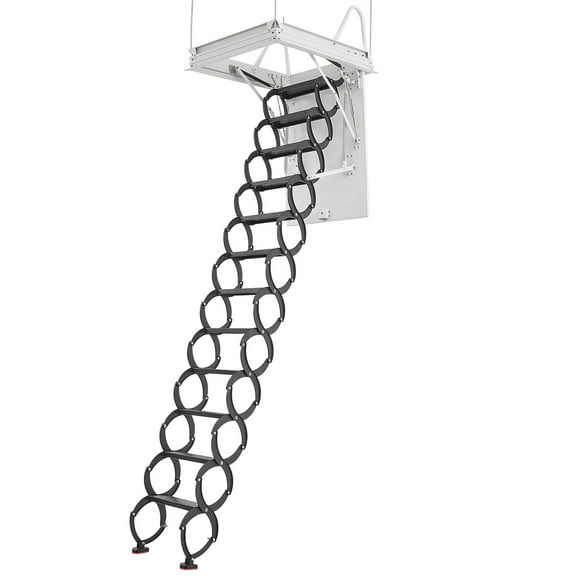
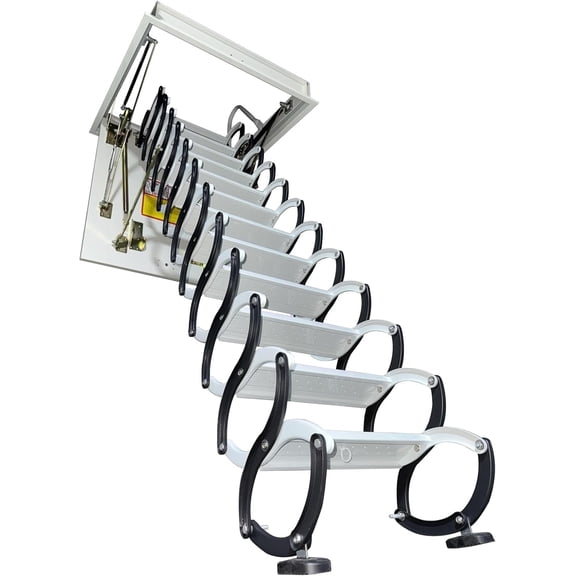
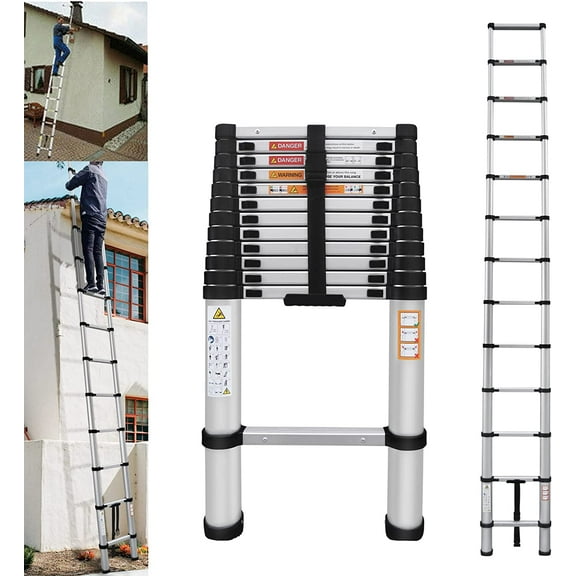
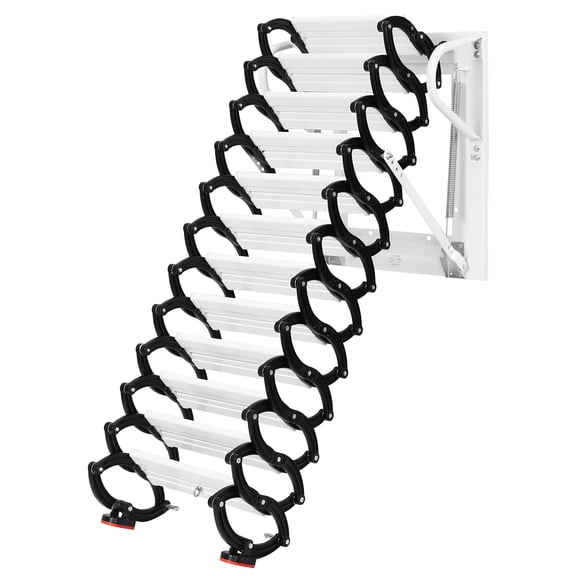
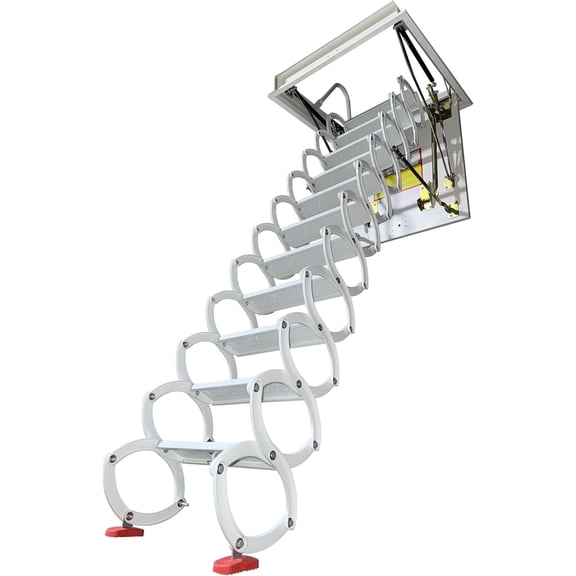
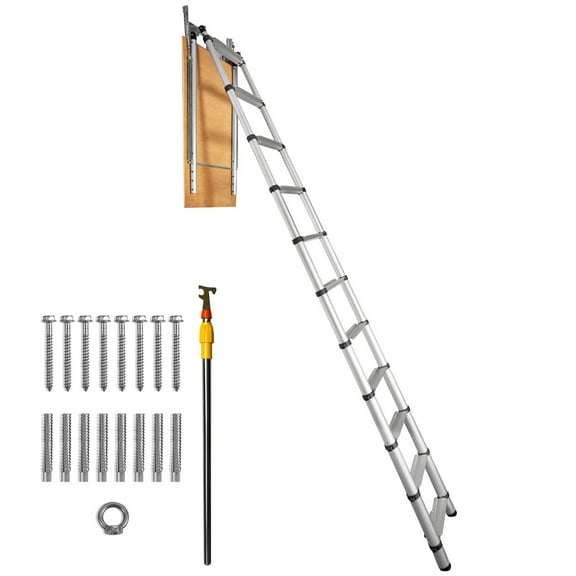
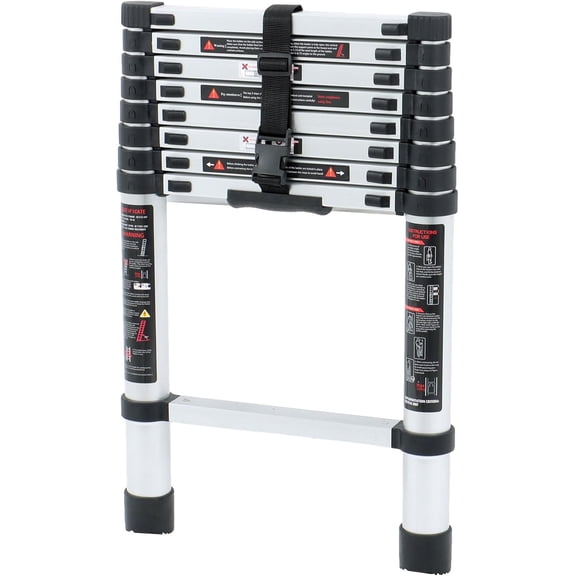
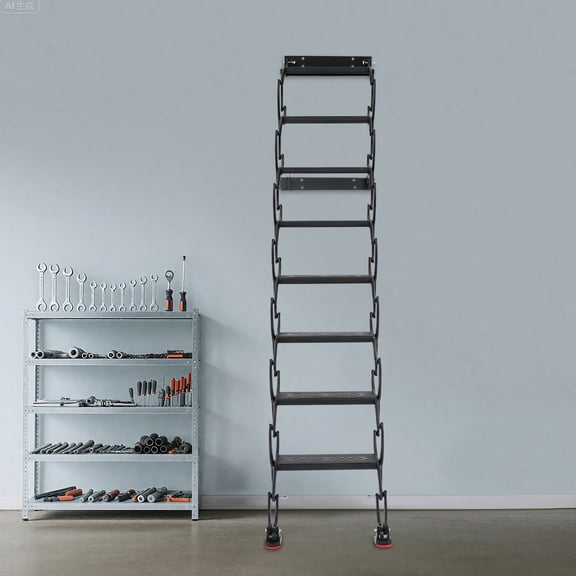
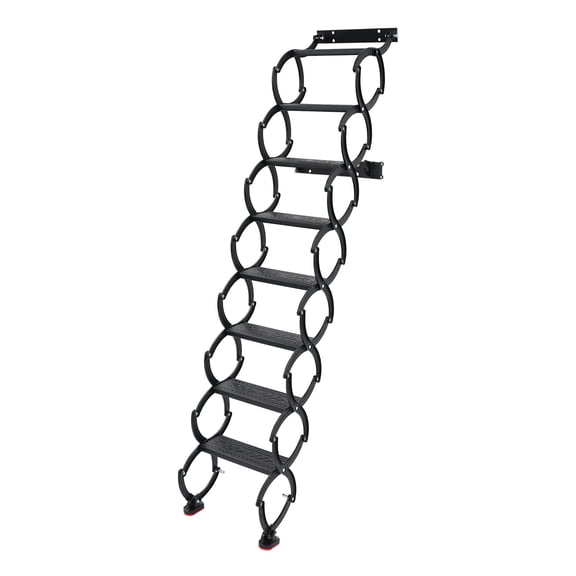
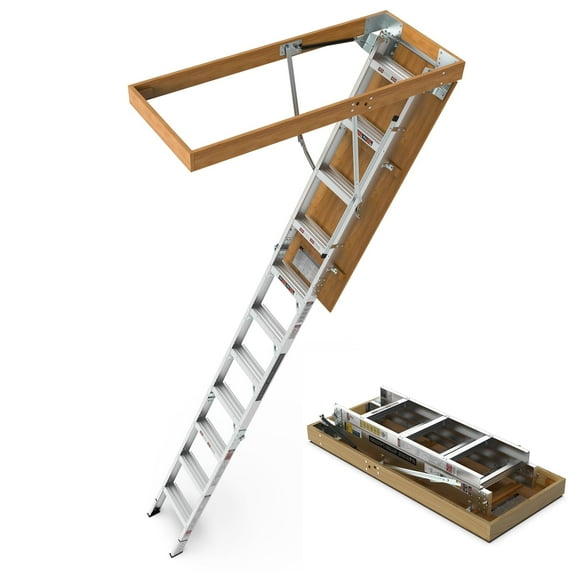
You can compare foldable stairs for attic access by fit, capacity, and material before you cut into your ceiling. You'll notice this category includes options for different ceiling heights, rough openings, and storage routines.
If you're replacing an older attic ladder, you'll want clearer guidance on measurements and step design. You can also compare handrails, deep treads, and folding formats that suit everyday household access.
How to choose foldable stairs for attic access
You should start with ceiling height and rough opening size because those numbers determine whether your ladder fits correctly. You'll usually compare models for eight-foot, 10-foot, or 12-foot ceilings before reviewing other details.
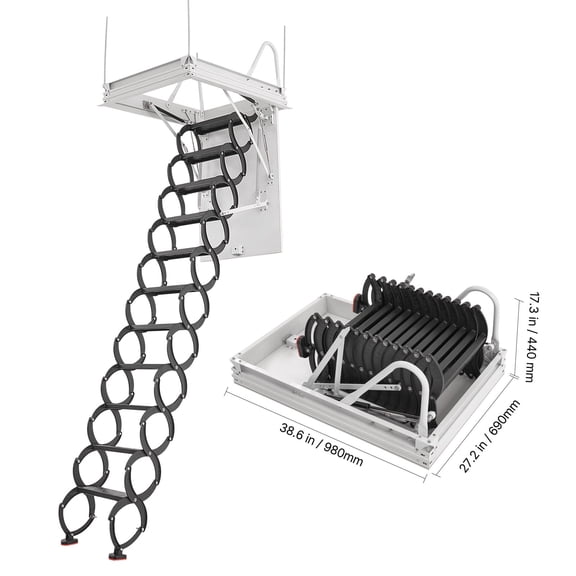
When you measure your opening, you should check the exact length and width in inches from framing edge to framing edge. You'll also want to confirm swing clearance below the hatch and landing space on your floor.
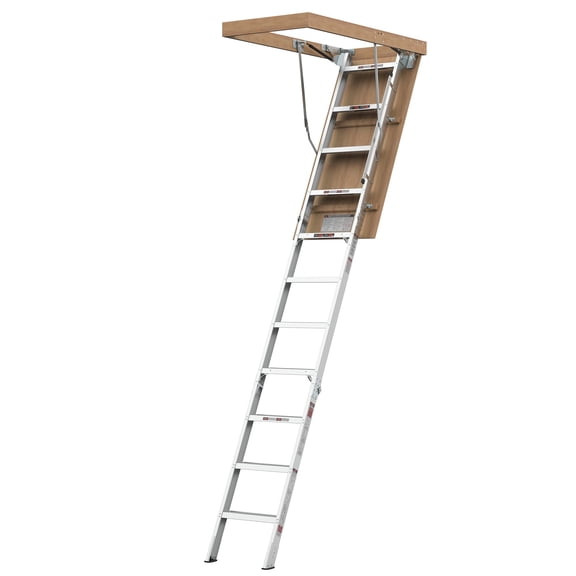
Your material choice affects how the ladder feels during setup and repeated use. You'll often find aluminum lighter to handle, while wood can feel steadier and easier to paint.
If you prefer a more rugged frame, you can compare steel designs for a solid feel. You'll want to check product dimensions carefully because heavier materials can change installation and handling expectations.
- You can choose aluminum when your priority is lighter handling and rust-resistant construction.
- You can choose wood when your priority is a sturdy feel and a finish that blends with trim.
- You can choose steel when your priority is a solid frame and a durable hardware setup.
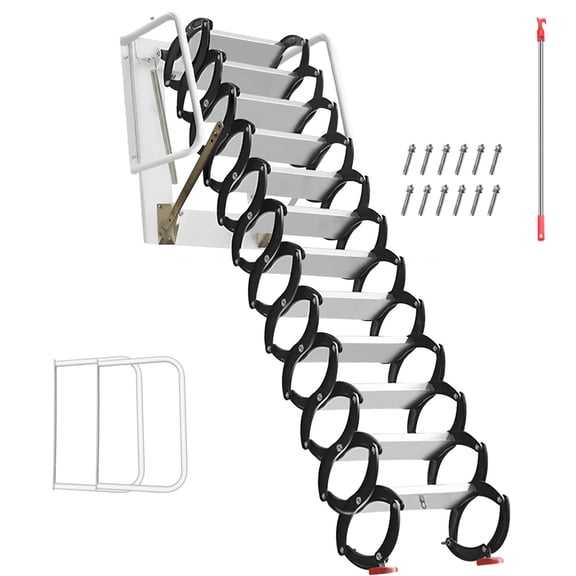
- You can compare handrails, slip-resistant steps, and deep treads for more confident climbing.
Choosing a fold down attic ladder by capacity and safety
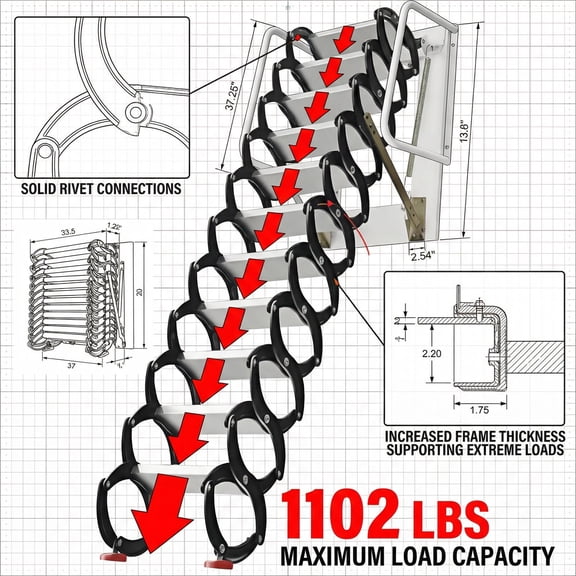
You should match weight capacity to both your body weight and the items you plan to carry. You'll commonly see 250-pound, 300-pound, and 375-pound ratings across attic ladders.
If you carry light seasonal decor, you may find a lower rating fits your routine. When you move storage bins or heavier boxes, you'll want extra capacity and more stable footing.
You should also compare safety features that change how secure each climb feels. You'll often look for handrails, slip-resistant steps, and deep treads that give your feet more contact.
When you review technical details, you can also check whether a model lists ANSI or OSHA safety ratings. You'll get a clearer picture of the design standards behind the ladder.
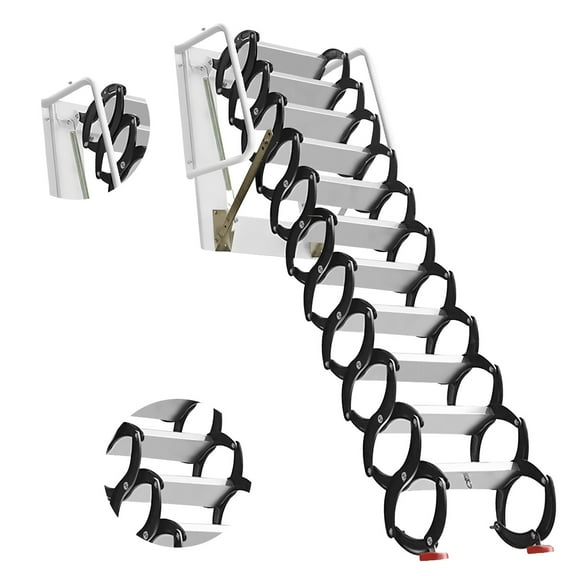
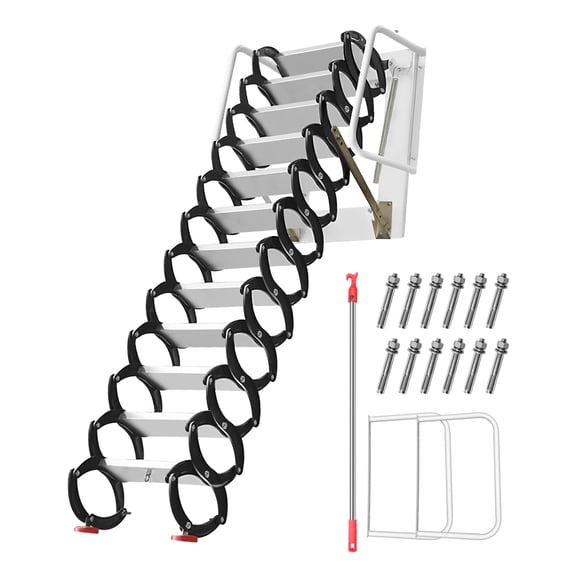
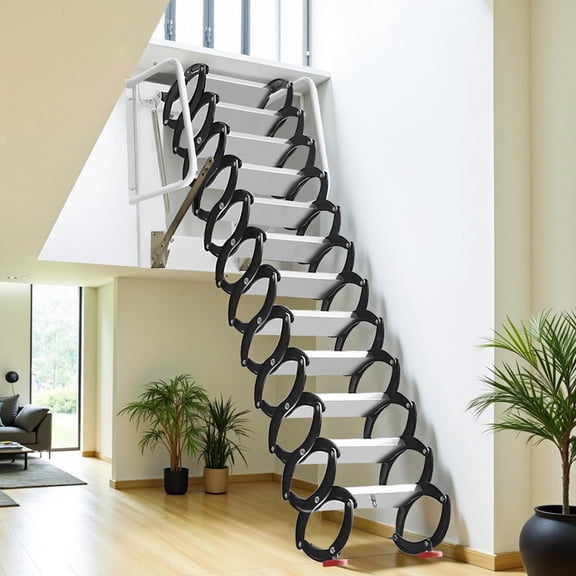
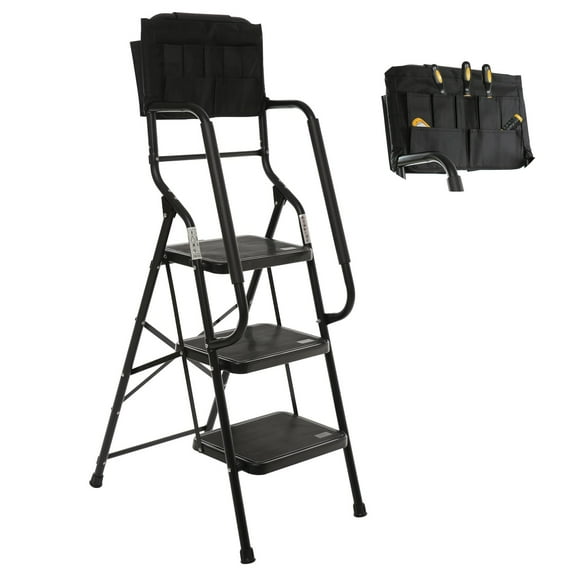
If you're focused on steadier entry, you may prefer folding attic stairs with handrail support. You'll especially appreciate that feature when you climb with one hand occupied by light storage items.
What to look for in loft ladders and attic ladder measurements
You can narrow your choices faster when you compare measurements before style details. You'll want exact rough opening requirements because even small differences can affect fit and installation.
For many homes, you should verify ceiling height first and then review ladder reach and door size. You'll avoid guesswork when you compare those numbers with your existing attic hatch.
If your home has a compact hallway or garage entry point, you should check clearance around the opening. You'll want enough unfolding room for the sections to extend without crowding nearby walls or shelves.
You may also compare step spacing and tread depth when comfort matters during repeat trips. You'll notice deeper treads can feel more secure when you move decorations, archive boxes, or household tools.
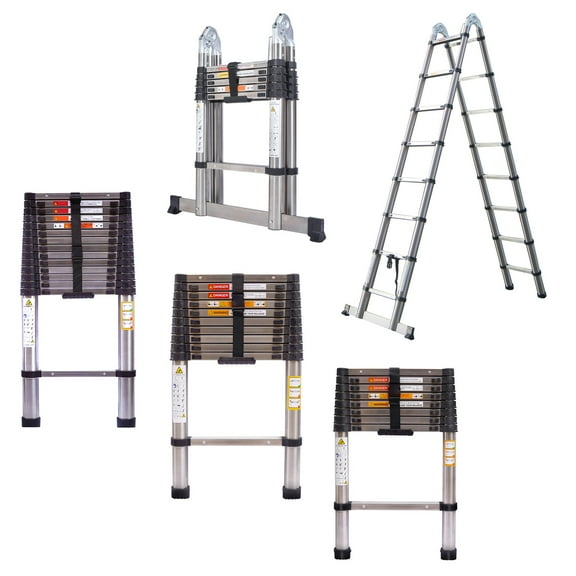
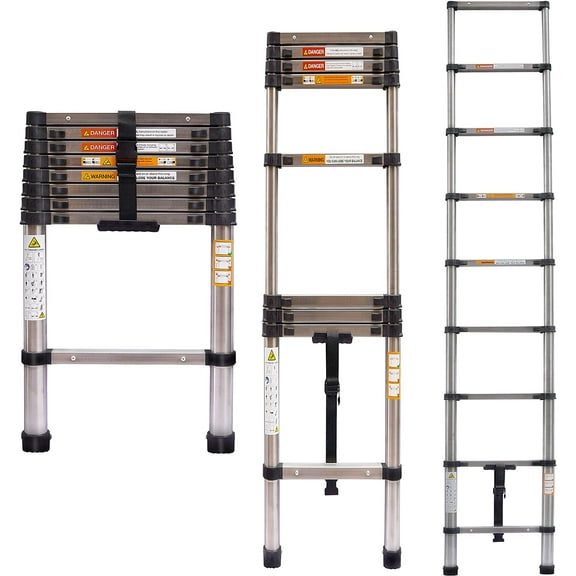
When you're choosing loft ladders for occasional access, you may prioritize a lighter folding ladder for attic storage checks. If you use the space often, you'll likely focus on tread comfort and hand support.
Matching attic ladders to real household use
You can choose different combinations of features depending on how often you enter the attic. You'll shop differently for weekly storage access than for occasional holiday decorating trips.
If your attic holds light bins and keepsakes, you may prefer aluminum with a moderate capacity rating. You'll get lighter handling that can feel easier during opening and closing.
When your attic stores heavier totes, equipment, or packed archive boxes, you should look at higher capacity options. You'll also want deep treads and a handrail for steadier movement up and down.
If you want a ladder that coordinates with a finished utility area, you may lean toward wood. You'll appreciate a surface that can be painted to match nearby trim or ceiling details.
For garages, workshops, or utility spaces, you may compare steel or aluminum frames with slip-resistant steps. You'll get practical materials that suit frequent use and changing temperatures.
You can also think about nearby projects when planning attic access updates. You'll often pair these choices with attic insulation, step ladders, or ceiling fans during broader home improvement work.
When you compare foldable stairs for attic projects with your exact opening, ceiling height, and storage habits, you'll make a more informed choice. You'll end up with attic access that fits your space and feels easier to use.