








Power Generators
















About Power Generators - Walmart.com
Portable generators help you keep power available for home backup, RV trips, and outdoor jobs. You can compare wattage, fuel type, and start options to match your routine.
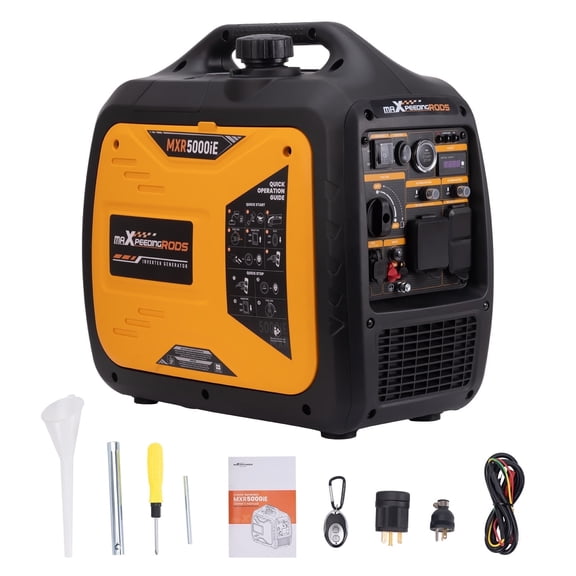
When you shop this category, you’ll see inverter generators, dual fuel generators, and quiet portable generators in several output ranges. You can use this guide to compare surge watts, runtime, and portability before you choose.
Choosing portable generators by wattage and use
You should start with running watts and starting watts before you compare any other feature. You’ll need enough continuous load capacity for steady use and enough surge watts for motor startup.
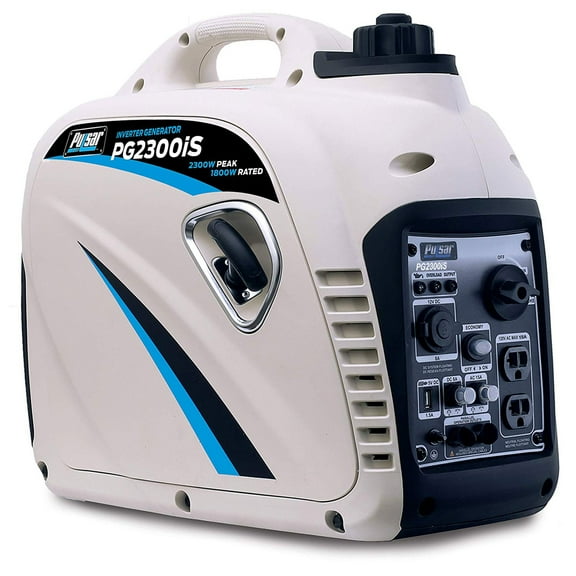
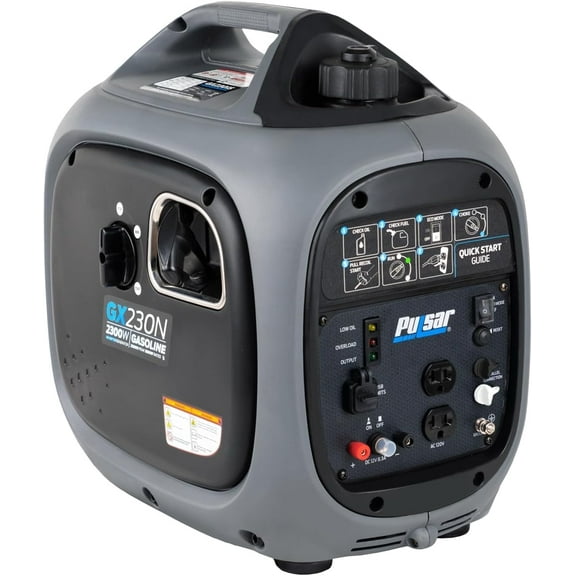
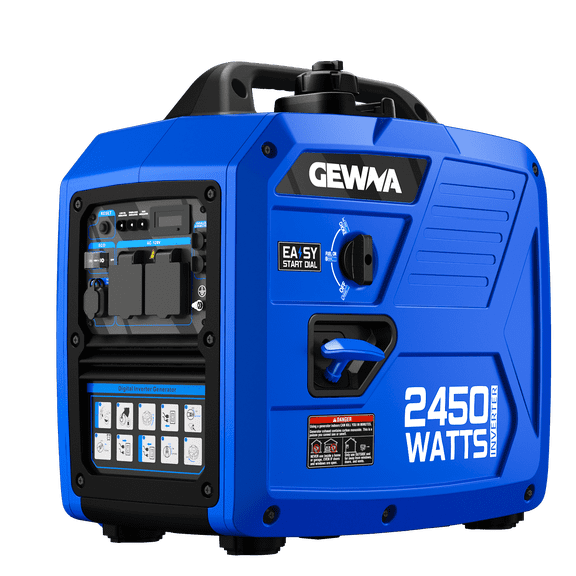
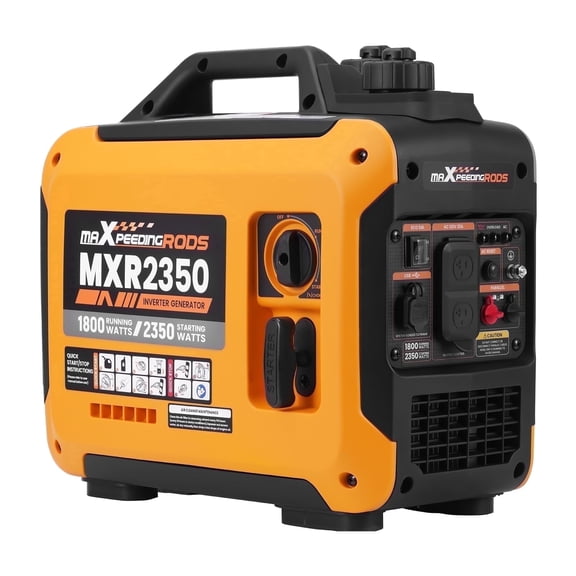
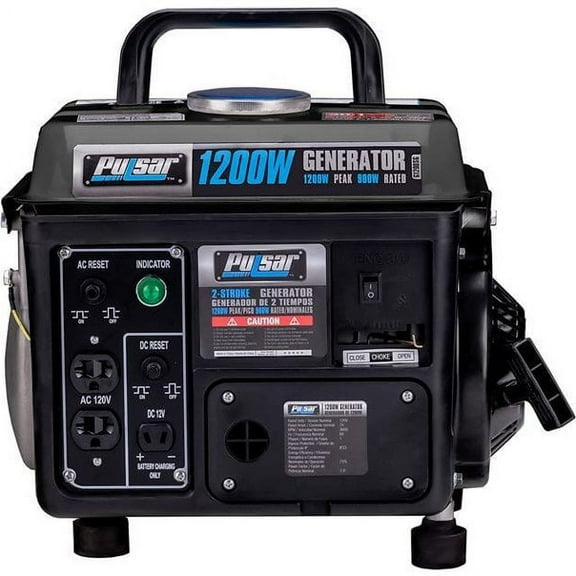
If you need generators for camping, you may prefer under 2000W models for lights, fans, and device charging. You’ll usually get lighter frames that you can lift, store, and move more easily.
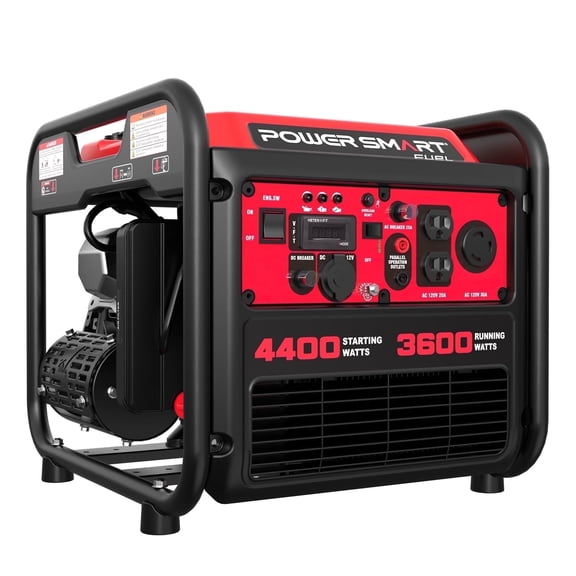
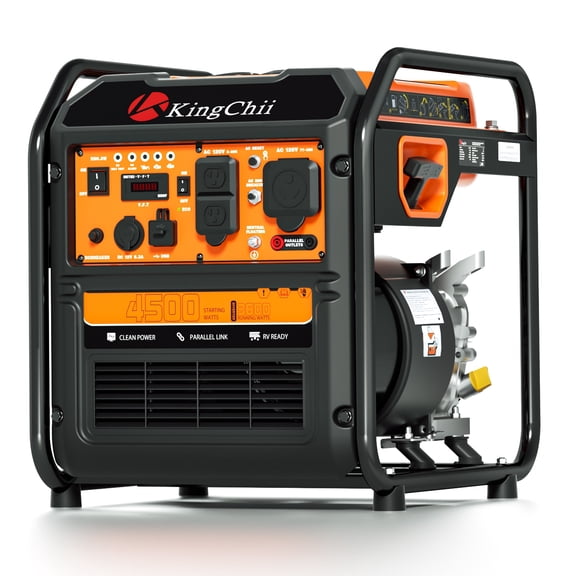
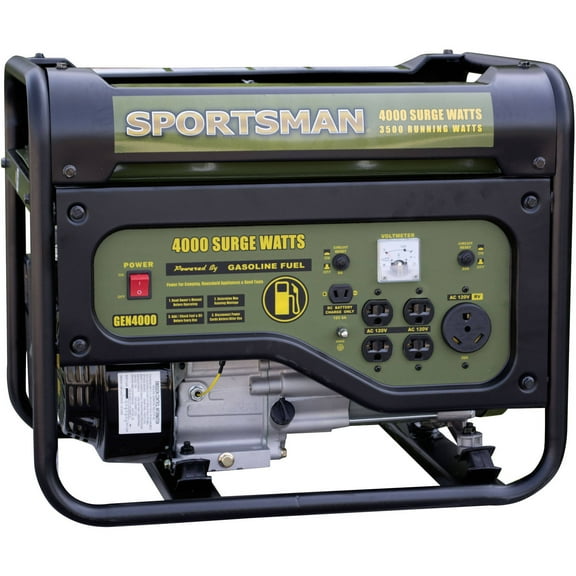
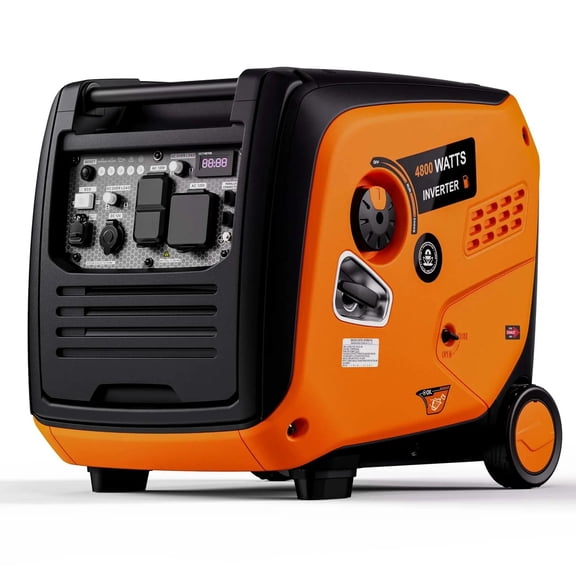
For 2000W to 5000W units, you can cover more appliances, RV essentials, or small tools. You may find this range fits weekend trips, tailgates, and light backup needs.
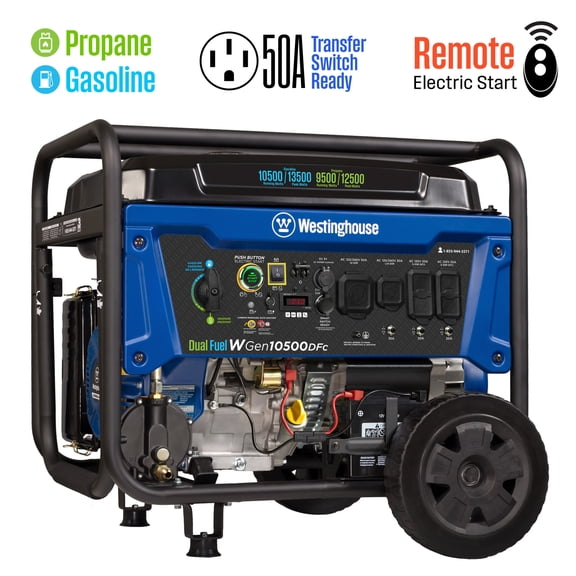
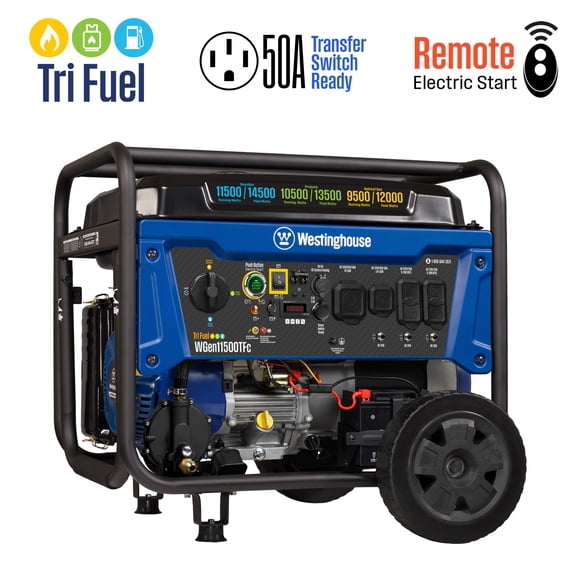
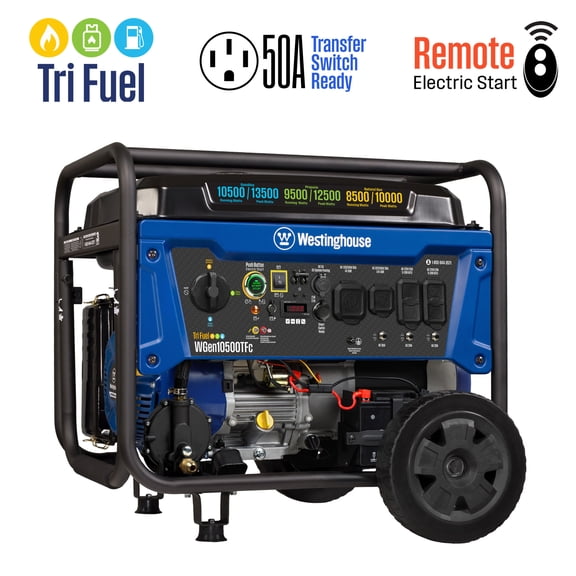
In the 5000W to 10000W range, you can support larger home circuits, sump pumps, refrigerators, or heavier jobsite equipment. You should check outlet types and transfer switch compatibility before you decide.
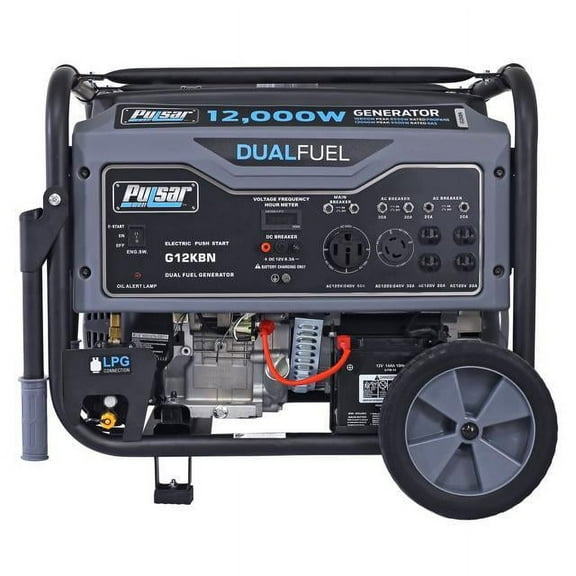
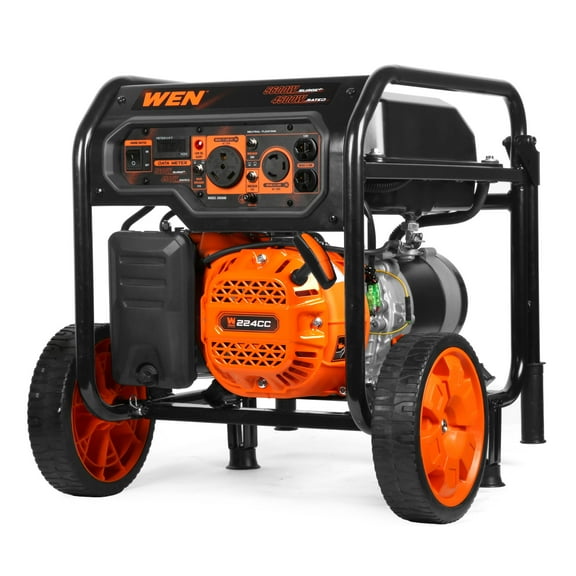
If you need over 10000W output, you can handle broader home backup demands or demanding construction tasks. You’ll want to confirm wheel design, handle style, and footprint for easier movement.
- You can match lower wattage models to camping, tailgating, and basic charging.
- You can use mid-range output for RV generators, household essentials, and small workshops.
- You can choose higher wattage units for home backup generators and larger equipment loads.
- You can compare surge watts with continuous load capacity to avoid underpowering motor-driven items.
Comparing inverter generators and conventional designs
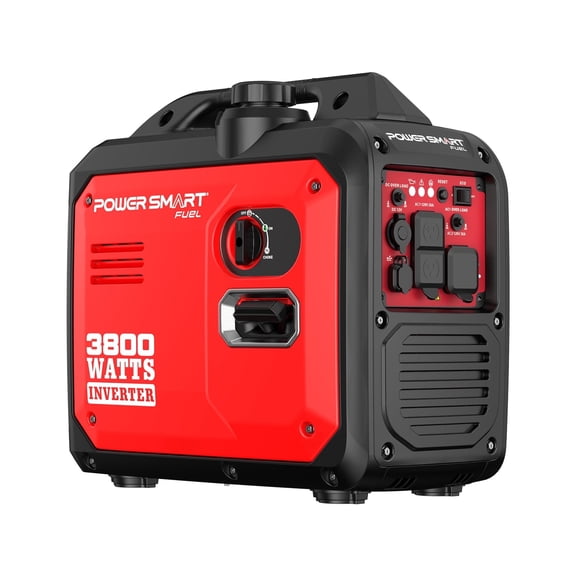
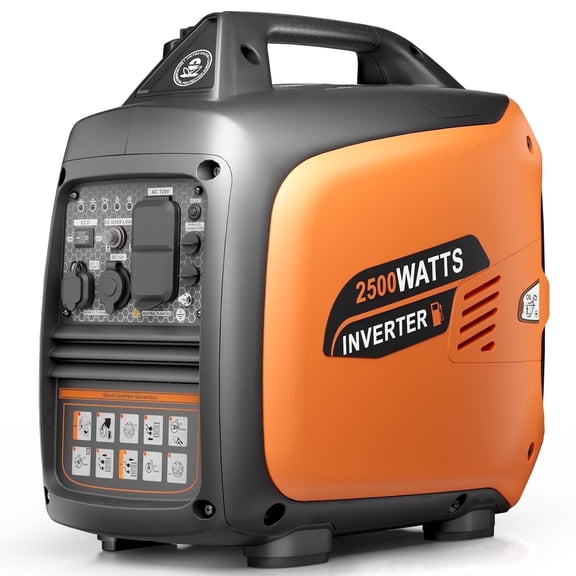
You should compare technology type early because it changes sound, portability, and power quality. Inverter generators usually give you cleaner power for electronics and smaller footprints for transport.
If you want quiet portable generators, you’ll often look at inverter models with lower decibel ratings. You can think of many inverter units as closer to conversation-level sound than open-frame designs.
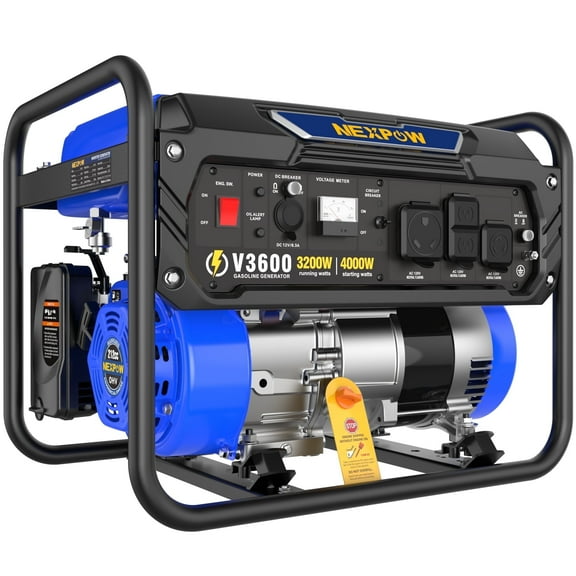
Conventional open-frame units can suit larger output needs, outdoor work areas, and broad appliance coverage. You may accept more sound when you need stronger wattage and extended operation.
You should check decibel ratings when your campsite, driveway, or worksite has tighter noise expectations. You’ll make a clearer choice when you compare sound levels with your setting and schedule.
Understanding fuel type and dual fuel generators
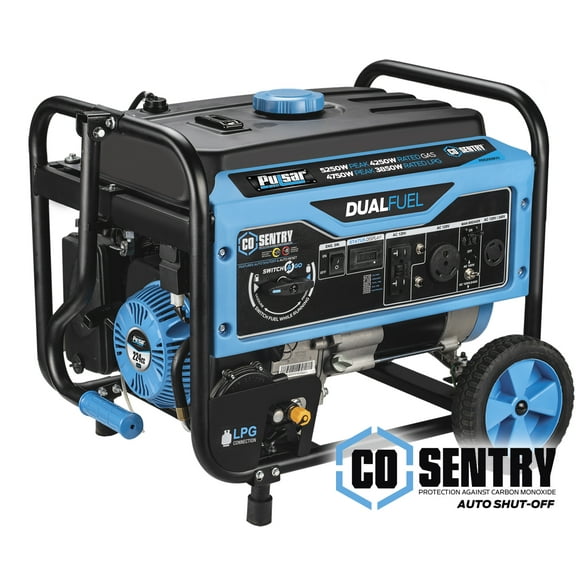
You should choose fuel type based on availability, storage plans, and how you expect to use your generator. Dual fuel generators let you switch between gasoline and propane for added flexibility.
If you want backup options during changing conditions, you may like the convenience of two fuel choices. You can keep your setup adaptable when one fuel source is easier to access.
Gasoline models can feel familiar if you already store fuel for yard equipment or outdoor tools. You should review tank size and runtime to understand how often you’ll refuel.
Propane-capable units can appeal when you want clean storage and simple tank swaps. You may find that portable cylinders fit camping, RV use, or planned backup setups.
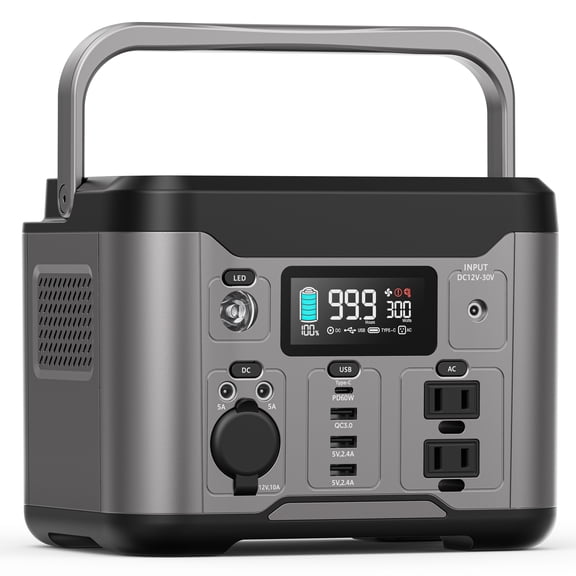
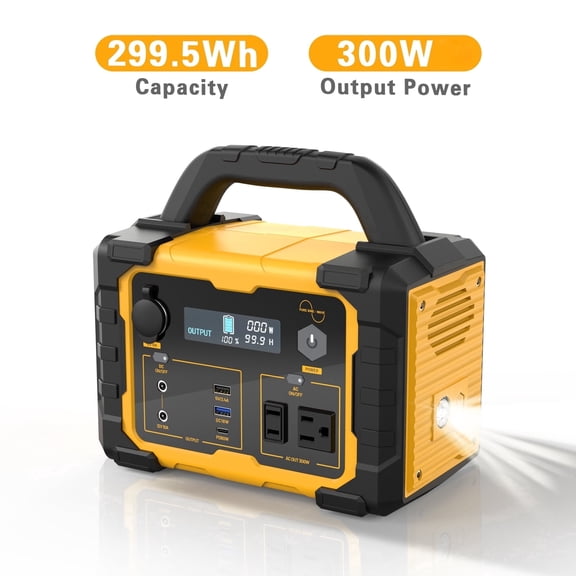
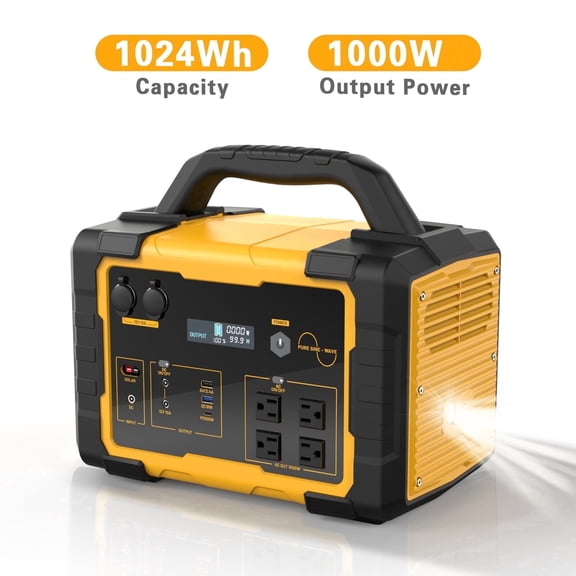
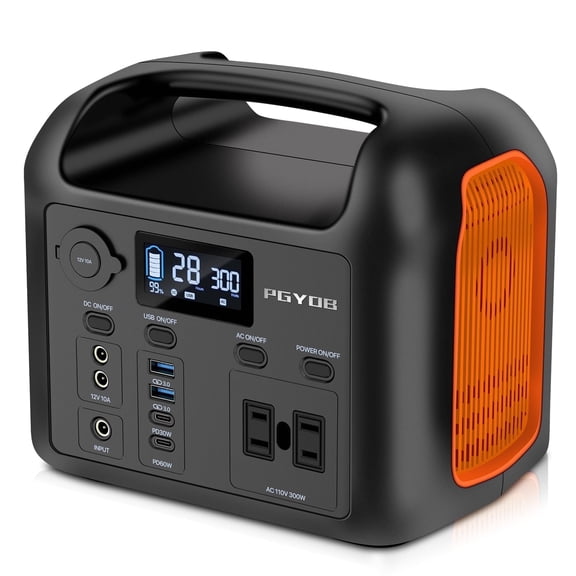
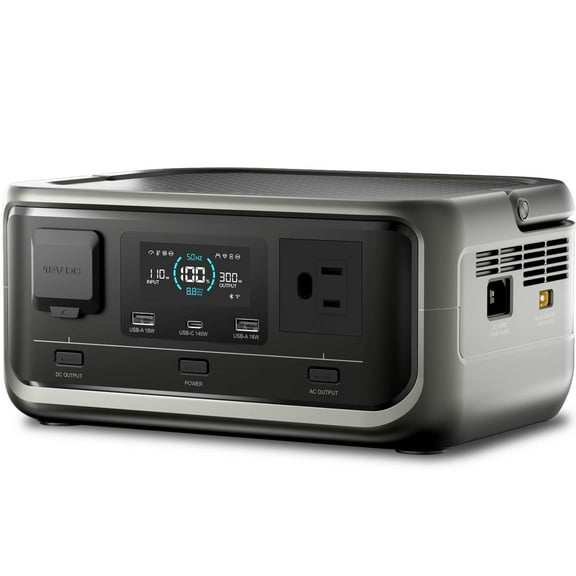
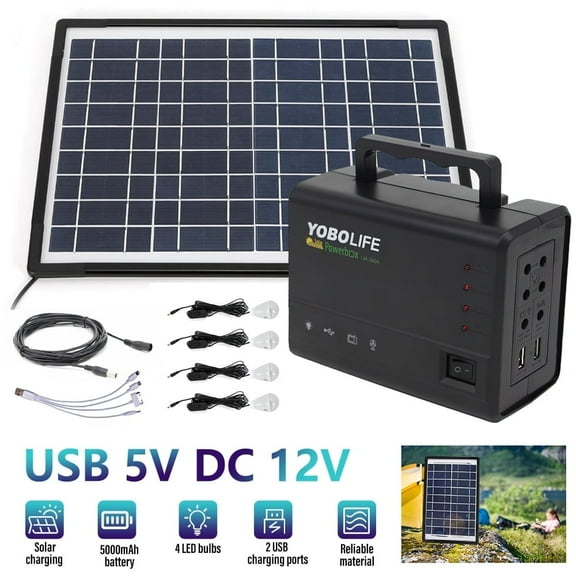
If you’re comparing solar portable generators, you’re usually comparing battery power stations with charging options. You can use them for light electronics, small appliances, and quiet operation in low-demand settings.
Checking start type, outlets, and safety features
You should compare start type because it affects convenience during cold mornings, storms, and frequent use. Electric start generators let you power up with less manual effort.
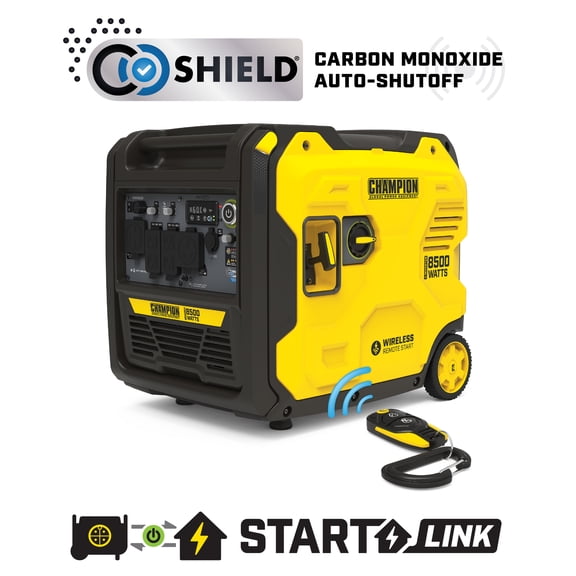
Recoil pull start models can keep operation simple when you want fewer powered components. Remote start units can help you start from a short distance when setup access matters.
You should also check outlet selection before you choose a model for your home, RV, or tools. You’ll want the right mix of household outlets, RV-ready connections, and higher-amperage plugs.
For safety features, you should look for CO automatic shutdown and GFCI protected outlets. You can use these details as decision criteria when you compare outdoor power equipment.
You should also review wheel kits, folding handles, and frame shape for transport and storage. You’ll notice these details matter when you move a generator across gravel, grass, or pavement.
Matching portable generators to real-life setups
If you’re planning home backup, you should list the circuits and appliances you want to cover first. You can then compare home backup generators by wattage, outlet access, and fuel flexibility.
For RV generators, you should check running watts for air conditioners, microwaves, and battery charging. You’ll also want quieter operation and RV-ready outlets for smoother campground use.
If you need generators for camping, you may focus on compact size, inverter output, and lighter carrying weight. You can keep phones, lights, coffee makers, and fans powered with less bulk.
On a jobsite, you should compare higher wattage, frame durability, and multiple outlet options. You’ll want enough surge capacity for saws, compressors, and other motor-driven tools.
During storm season, you may look at emergency portable generators for planned outage preparation. You can compare runtime, start type, and fuel storage plans before bad weather arrives.
You should also think about accessories that support setup and upkeep over time. You can pair your unit with extension cords, generator covers, fuel cans, and transfer switches for a more complete power plan.
When you choose portable generators with the right wattage, fuel, and safety features, you get a setup that fits your routine. You can narrow your options faster and power what matters with more confidence.