

Shop Portable Generators & Power Stations for Home & Camping(260)
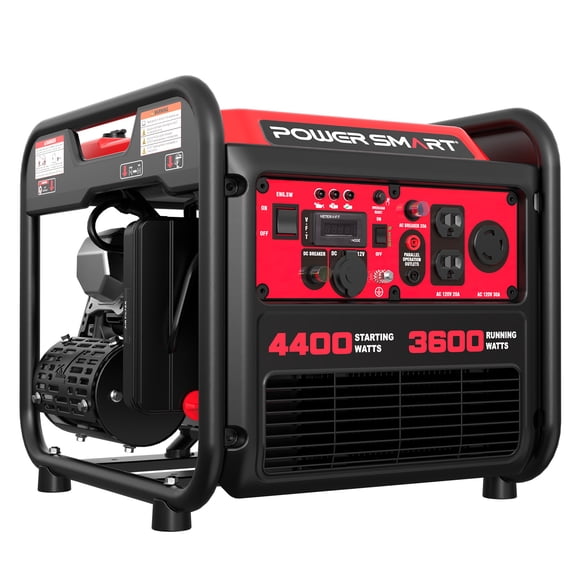
Deal, PowerSmart 4400-Watt Powered for Outdoor and Home Use, EPA Compliant Gas Portable Inverter Generator, Price Now $289.99 Was $509.99

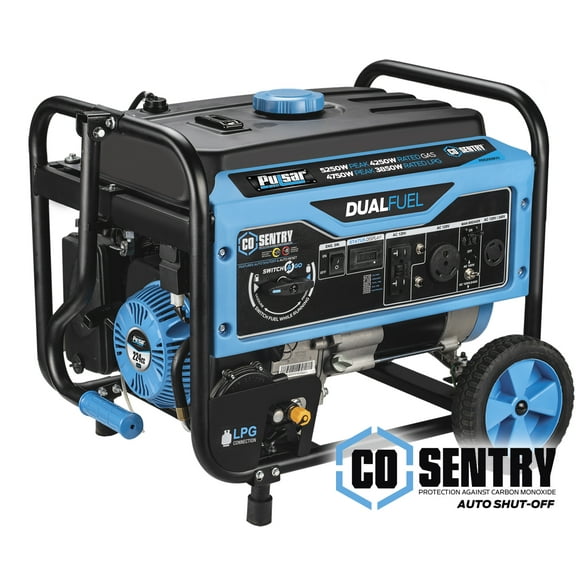
In 50+ people's carts, Pulsar Products Inc Dual Fuel Portable Power Generator 5250 Peak Watts 224cc Engine, Price $524.00
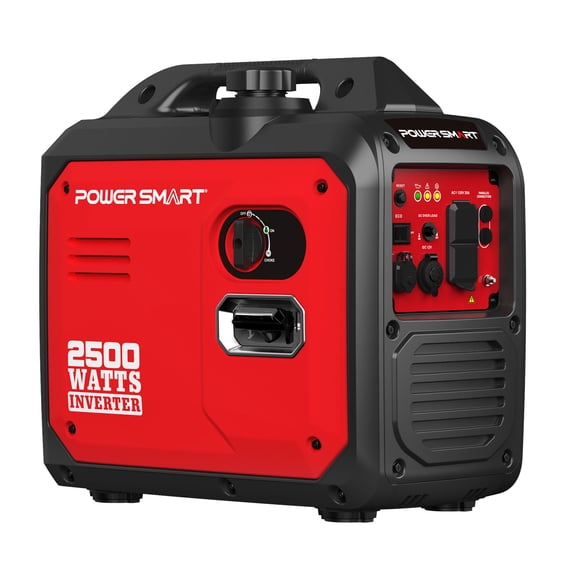
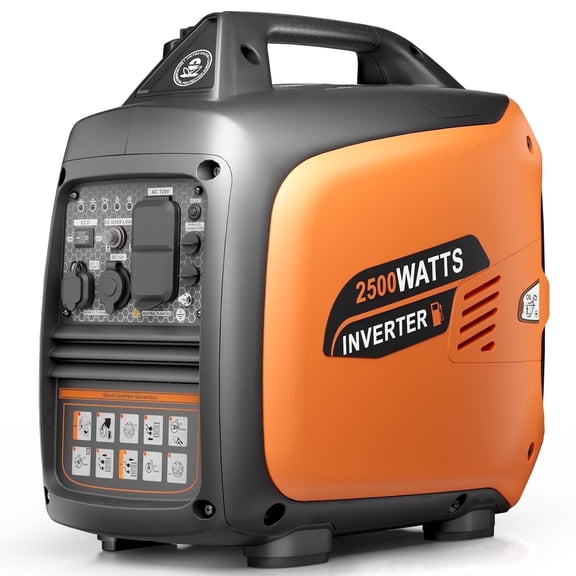
Deal, PowerSmart 2500W Portable Inverter Gas Generator Super Quiet Low Oil Shutdown Low Noise for Camping, Price Now $299.99 Was $489.99
Aceup Energy 1500W Peak Portable Gas Generator, 1200W Running 79.8cc 4-Stroke Ultralight Recoil Start for Camping, Outdoor & Home Emergency, EPA Compliant, Price $259.99 Options from $129.99

PowerSmart 4800W CO Detect with Manual Start Portable Wheel for Outdoor & Home Gas Inverter Generator, Price Now $519.99 Was $719.99

Deal, PowerSmart Portable Powered 3600W,Usb Output, Low Noise Quiet for Home Gas Inverter Generator EPA Compliant, Price Now $359.99 Was $529.99

Deal, NEXPOW 2250W Portable Inverter Generator, Gasoline Power Quiet Lightweight for Backup Home & Camping, Eco-Mode Feature, Parallel Capability, EPA Compliant, Price Now $275.48 Was $578.99

Deal, PowerSmart Portable Powered 3600W,Usb Output, Low Noise Quiet for Home Gas Inverter Generator EPA Compliant, Price Now $359.99 Was $529.99
Deal, NEXPOW 2250W Portable Inverter Generator, Gasoline Power Quiet Lightweight for Backup Home & Camping, Eco-Mode Feature, Parallel Capability, EPA Compliant, Price Now $275.48 Was $578.99
Deal, Maxpeedingrods 3900 Watt Recoil Start Inverter Generators Overload LED Alert, Price Now $519.99 Was $549.99

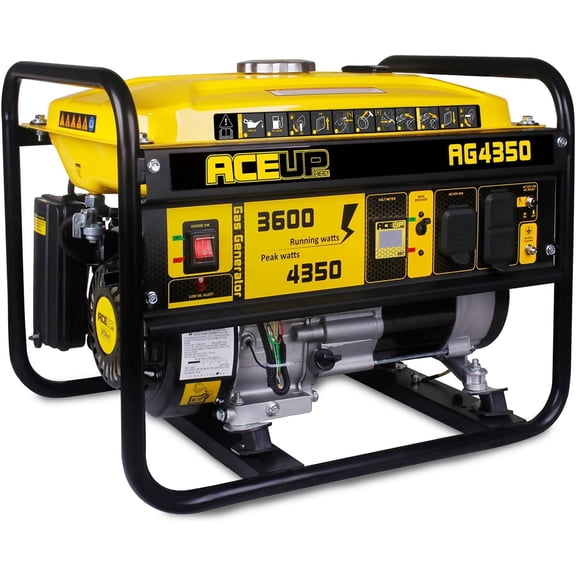
Deal, Aceup Energy 4350 Watt Portable Generator, 3600 Running Gas Generator with 30A Outlet & 4 Gal Tank, Pull Start for Home Backup Job Site Camping, EPA CARB, Price Now $309.99 Was $459.99 Options from $309.99 – $309.99
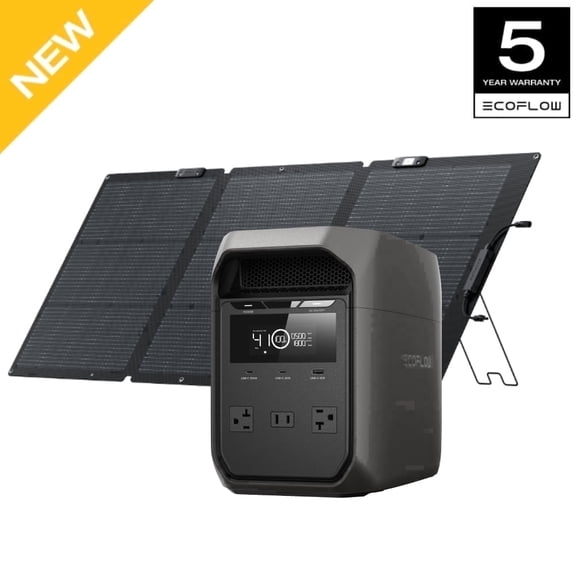
Deal, EF EcoFlow Portable Power Station DELTA 3 Classical 1000 Dark LiFePO4 (LFP) Battery with 160W Solar Panel Solar Generator,1800W AC Output for Outdoor Camping,Home Backup,Emergency,RV, Price $649.00 Options from $499.00
PowerSmart 4800W CO Detect with Manual Start Portable Wheel for Outdoor & Home Gas Inverter Generator, Price Now $519.99 Was $719.99
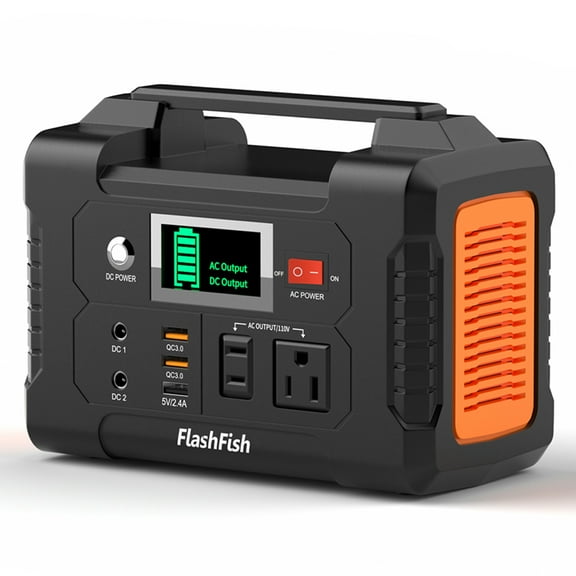
Deal, Flashfish 200W Portable Power Station, 40800mAh Solar Generator, Portable Generator for Camping Travel Emergency, Price Now $89.99 Was $99.99 Options from $89.99 – $188.99


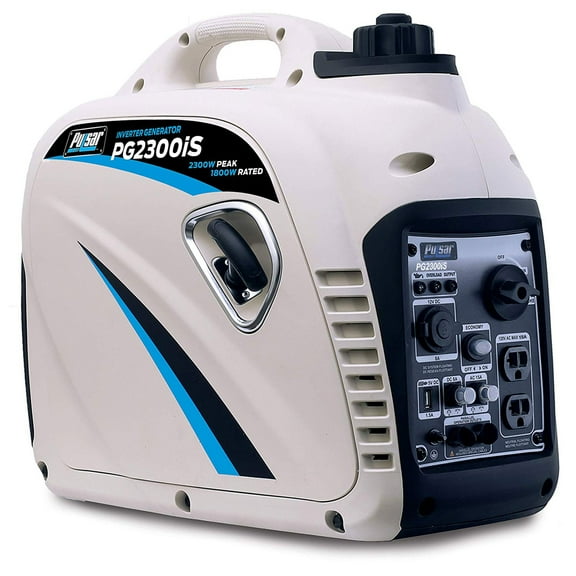
Pulsar 2300-Watt Super Quiet Gasoline Powered Inverter Generator with USB, Price $398.00
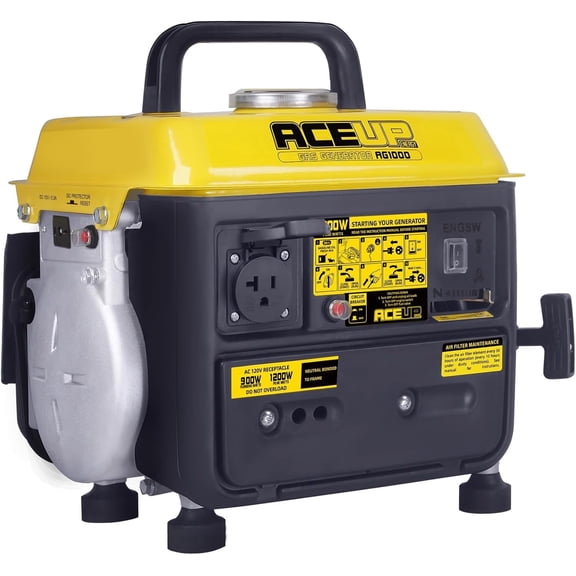
Deal, Aceup Energy 1200W Gas-Powered Generator, Pull Cord Start,Small Portable Generator Camping Ultralight, EPA & CARB Compliant, Price Now $129.99 Was $199.99 Options from $129.99 – $259.99
Deal, Flashfish Portable Power Station Mini Solar Generator, 98Wh 26400mAh Lithium Battery, 120W 110V AC Outlets with LED Light Backup Battery For Camping Outdoor, Price Now $55.99 Was $69.99

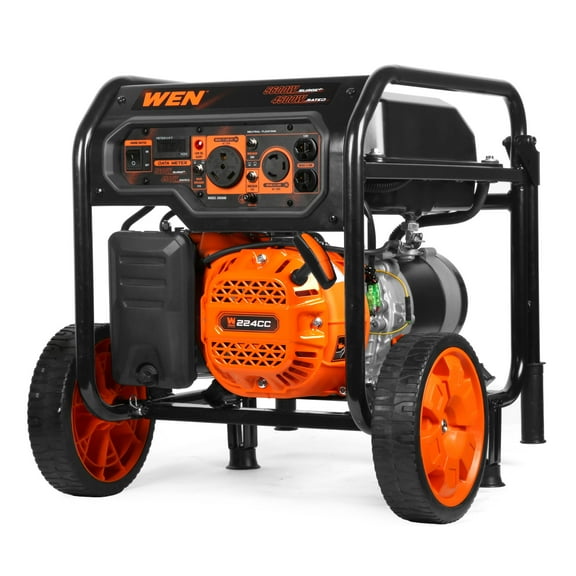
WEN 5,600-Watt Portable Generator with Wheel Kit, 224cc, Transfer-Switch, and RV-Ready (GN5600), Price $376.00
Deal, PowerSmart 1200W 2-Stroke Gas Generator Portable for Camping Outdoor, Low Noise with AC Outlet, Price Now $129.99 Was $199.99
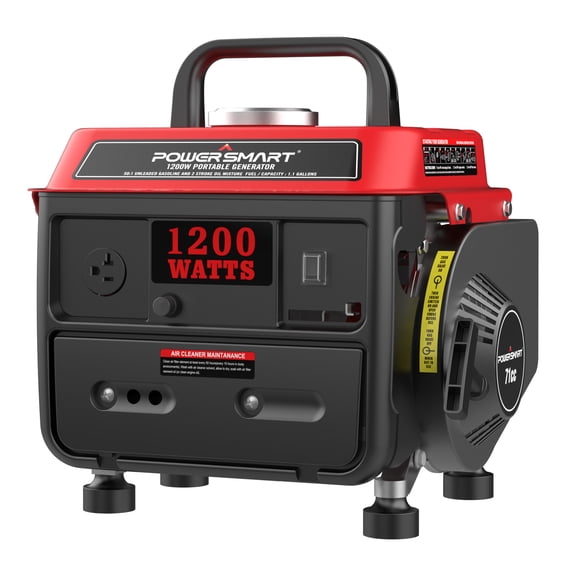
Portable Generator Gas Powered, Home Backup Generator Low Noise, 71CC Powerful Generator Portable w/Handle, 38.5lbs Light Weight Generator 2-stroke Engine, Price Now $119.99 Was $229.99 + $59.99 shipping Options from $119.99 – $149.99

Ford 2,500-Watt Super Quiet Gasoline Powered Inverter Generator – CARB Compliant, Price $429.99

Deal, PowerSmart 2500W Portable Inverter Gas Generator Super Quiet Low Oil Shutdown Low Noise for Camping, Price Now $299.99 Was $489.99
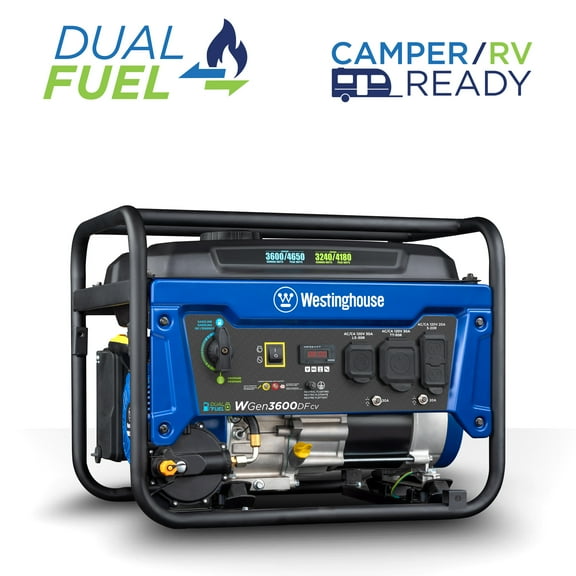
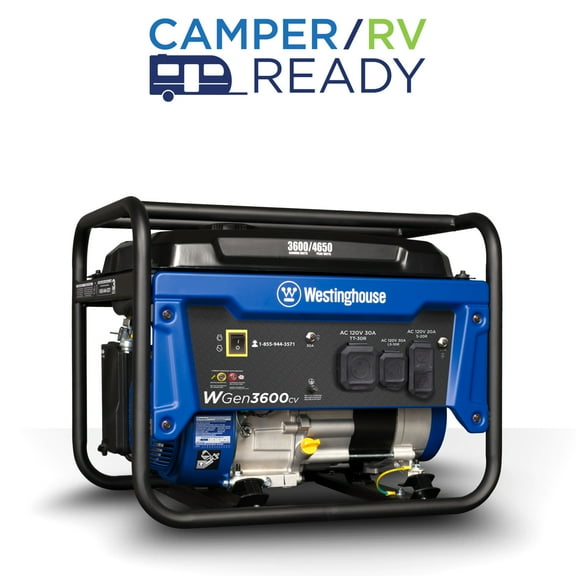
Westinghouse 4650 Peak Watt Dual Fuel Portable Generator with RV Outlet and CO Sensor, Price $399.00
Deal, Efurden 2500-Watt Portable Inverter Generator Gas Powered, EPA Compliant, Parallel Capability, CO Shutdown, Low Noise for Camping and Home Use, Price Now $278.97 Was $499.99 Options from $278.97 – $289.00
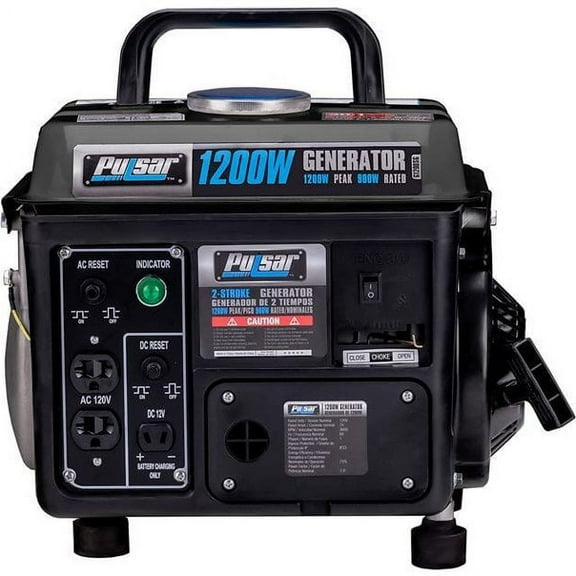
Deal, Pulsar G1200SG Portable Gas-Powered Generator with Carrying Handle, 1200W, Black/Gray, Price Now $159.00 Was $179.00
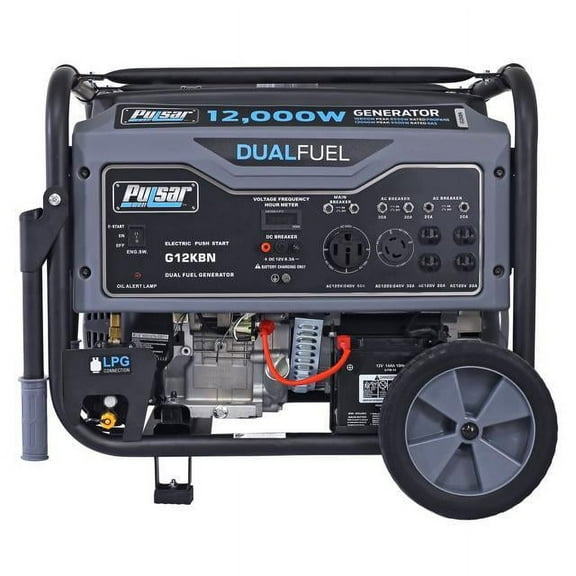
Deal, Pulsar 12,000W Dual Fuel Portable Generator in Space Gray with Electric Start, G12KBN, Price $799.00 Options from $799.00 – $1099.00
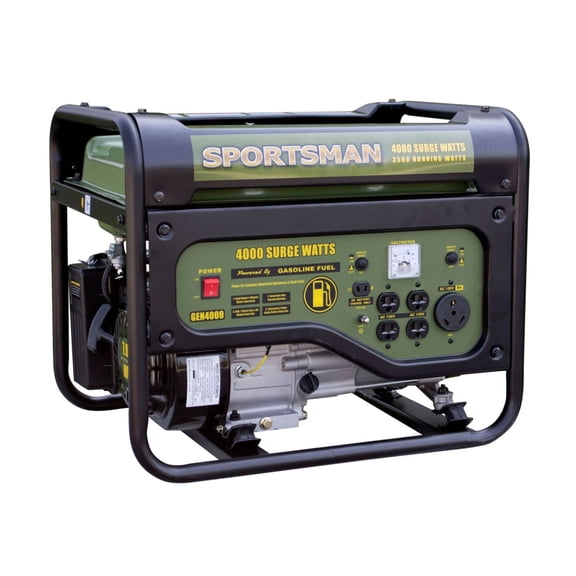
Sportsman Gasoline 4000W Portable Generator, Price $299.00
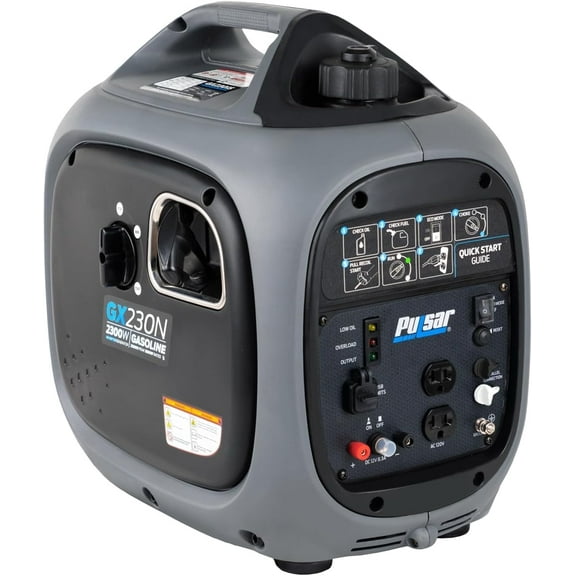
Pulsar 4000-Watt Super Quiet Gas Powered Inverter Generator with CO Sentry, RV Ready, Price $498.00

Deal, Pulsar 2,300W Portable Gas-Powered Quiet Inverter Generator for Home Emergency Backup, Parallel Capability, RV Ready, Long Run Time, GX230N, Price Now $319.00 Was $349.00 Options from $319.00 – $519.00
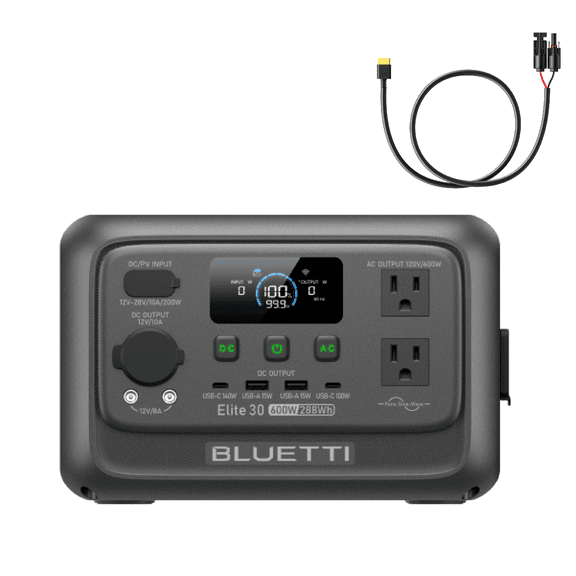
BLUETTI Elite 30 V2 Lightweight Portable Power Station, 288Wh 600W, Solar Generator for Outdoor Use, Price Now $279.99 Was $299.00
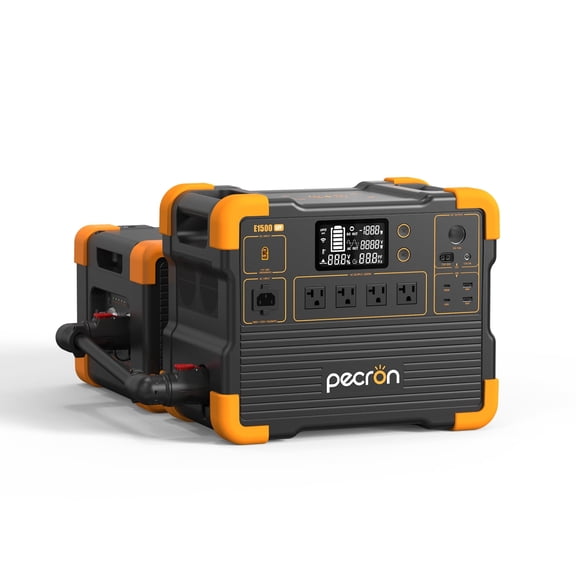
PECRON E1500LFP Portable Power Station 1536Wh with EP3800-48V 3840Wh Expansion Battery Pack Up to 5376Wh Capacity LiFePO4 Solar Generators 2200W AC Outlets UPS for Home Emergency Backup, Price $1348.00
Swiss Tech Portable Power Station 2400W 2060Wh Solar Generator for Tailgating, Camping, Traveling & Emergency Backup, Price $849.94

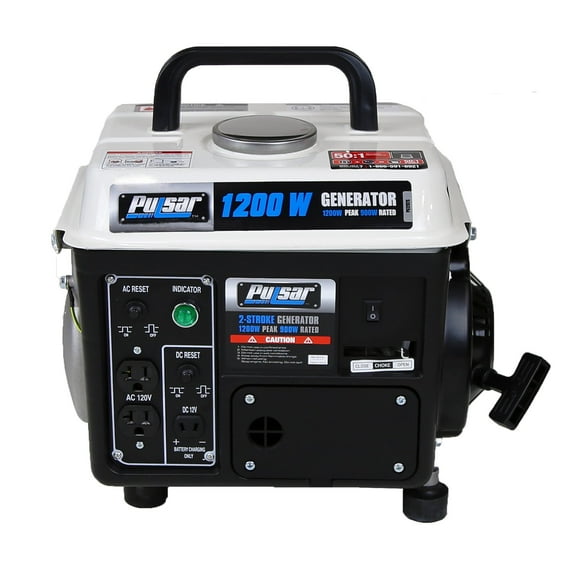
Pulsar PG1202SA 1200 Peak Watt, 900 Running Watt Portable 2-Cycle Gas Powered Generator, Price $174.49
Westinghouse 4650 Peak Watt Dual Fuel Portable Generator, Remote Electric Start, RV Ready Outlet, CO Sensor, Price $499.00

Deal, Aceup Energy 4350 Watt Portable Generator, 3600 Running Gas Generator with 30A Outlet & 4 Gal Tank, Pull Start for Home Backup Job Site Camping, EPA CARB, Price Now $309.99 Was $459.99
Deal, Aceup Energy Portable Generator 4500 Watt Gas Powered Equipment with Wheel Kit & Oil, 4000W Generator EPA & CARB Compliant, Price Now $339.99 Was $509.99 Options from $305.00

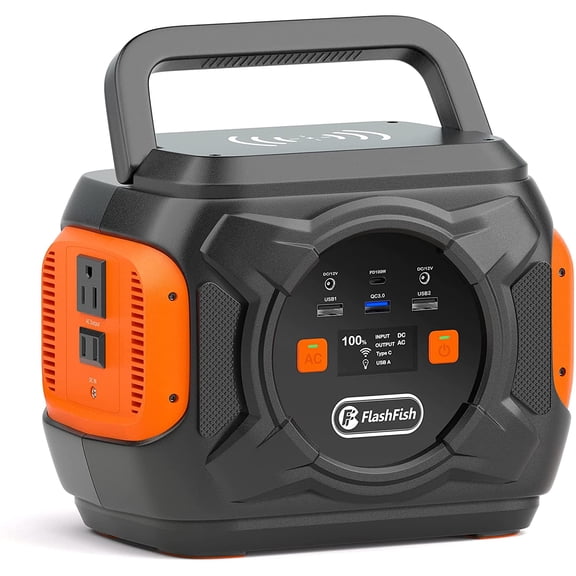
FlashFish A301 320W Continuous / 600W Peak Portable Power Station, Price $119.99
Westinghouse 4650 Peak Watt Portable Gas Powered Generator, Recoil Start, RV Ready Outlet, CO Sensor, Price $349.00 $3.26/lb
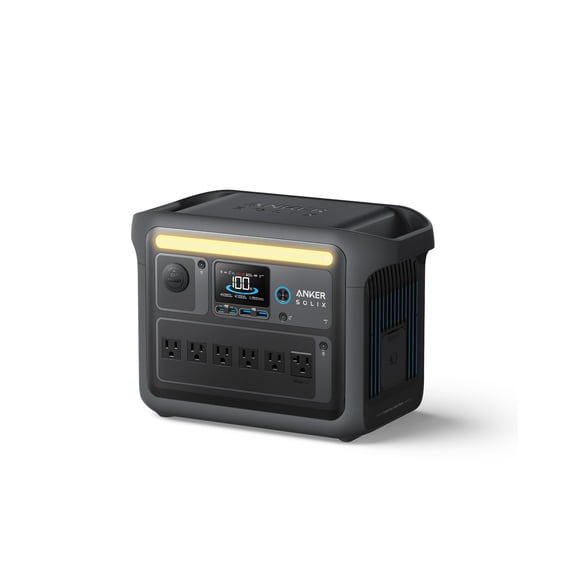
Anker SOLIX C1000X Portable Power Station, 1800W (Peak 2400W) Solar Generator, New, Price $450.94
WEN 4,750-Watt 120V/240V Dual Fuel Portable Generator with CO Watchdog (DF472X), Price $468.00

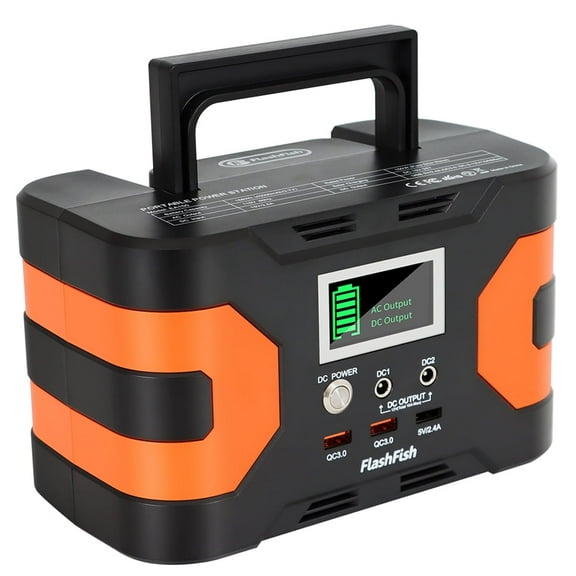
Power Station Portable, Flashfish Solar Generator 200W Peak, 45000mAh/166Wh Backup Battery with 2 110V AC Outputs/2 DC Ports/3 USB Ports for Outdoor, Emergency, Home Use, Price $109.99 Options from $109.99 – $179.99


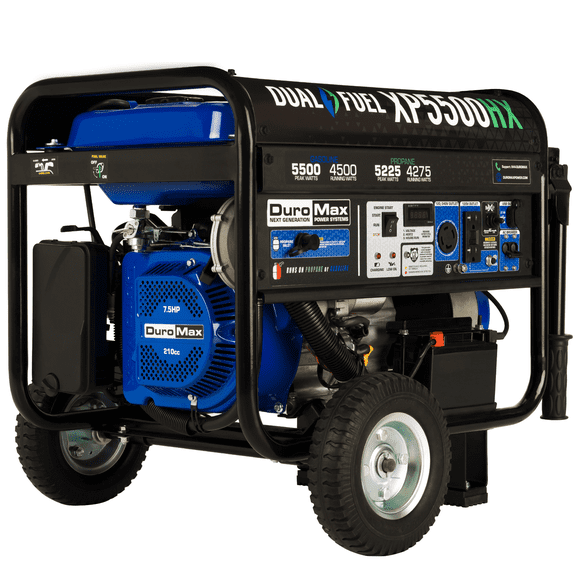
DuroMax XP5500HX 5,500 Watt Portable Dual Fuel Gas Propane CO Alert Generator, Price $629.00
Westinghouse 12,500 Peak Watt Dual Fuel Portable Generator, Electric Start, Transfer Switch Ready, Price $999.00

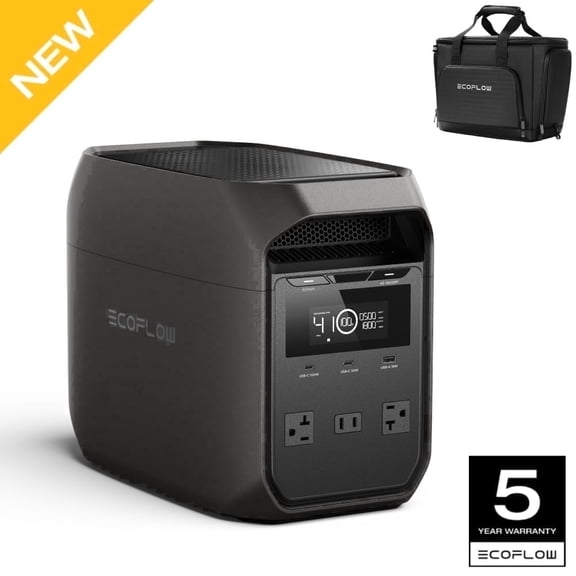
Online only, EF EcoFlow DELTA 3 Classical 1000Wh Portable Power Station with Bag,LiFePO4 (LFP) Battery Solar Generator,1800W AC Output for Outdoor Camping,Home Backup,Emergency,RV, Price $499.00 Was $659.00 Options from $499.00 – $749.00
About Shop Portable Generators & Power Stations for Home & Camping - Walmart.com
Power your summer celebrations with portable generators from Walmart, bringing reliability and flexibility to every outdoor event. Whether you're prepping for the Fourth of July, an impromptu backyard gathering, or aiming to stay ready during storm season, discover easy-to-use solutions designed for both fun and peace of mind.
- Versatile for festive events: Keep party lights, electric grills, and music going wherever you host—campgrounds, patios, or driveways—without skipping a beat.
- Adaptable fuel options: Select from gasoline, dual fuel, or solar-supported units to match your location and resources, ensuring uninterrupted enjoyment.
- Effortless mobility: Compact frames, wheels, and convenient handles make setup and relocation simple, perfect for changing venues or activities.
- Quiet performance: Opt for low-noise inverter generators, so conversations and music aren’t overshadowed by unwanted sound during your festivities.
- Dependable emergency power: Safeguard your essential home appliances against unexpected outages, maintaining comfort and security when storms hit.
- Clear wattage guidance: Compare starting and running watts to confidently cover everything from powering speakers to supporting household essentials.
Shop portable generators at Walmart for trusted solutions that fit your holiday plans, outdoor adventures, and backup needs. Enjoy the convenience and assurance of reliable power, all season long.
Popular in Shop Portable Generators & Power Stations for Home & Camping - Walmart.com
FAQ
What size portable generator do I need for my house?
Choosing the right size portable generator depends on the appliances and devices you want to power. Start by making a list of essential items (like refrigerators, lights, and medical equipment) and check their wattage requirements. Add up the total watts needed, including starting watts for larger appliances. For most homes, a generator between 5,000 and 7,500 watts can handle basics, but larger homes or more devices may require higher wattage. Always check the generator's specifications and consult a licensed electrician for guidance on safe usage and installation.
Are there any downsides to using portable generators?
- Noise: Some portable generators can be loud, especially gas-powered models.
- Fuel Storage: You'll need to safely store gasoline or propane, which can be tricky.
- Limited Run Time: Portable generators typically require refueling after several hours.
- Manual Operation: Most models need to be started and monitored by hand.
- Safety Risks: Improper use can lead to carbon monoxide exposure, so always operate outdoors and follow safety guidelines.
Consider your needs and environment before deciding if a portable generator is right for you.
What does the 20/20/20 rule mean for generators?
The 20/20/20 rule is a safety guideline for generator use. It suggests keeping your generator at least 20 feet away from your home, ensuring it's placed in a well-ventilated area, and checking for 20 minutes after starting to make sure it's running safely and efficiently. This helps reduce the risk of carbon monoxide buildup and protects your household from potential hazards. Always follow manufacturer instructions and local safety codes for best results.
How long will a 20 lb propane tank run a 7500 watt generator?
Run time depends on the generator's load and efficiency. Generally, a 20 lb propane tank holds about 4.7 gallons of propane. If a 7,500 watt generator is running at half load, it may operate for roughly 8-10 hours on a full tank. Actual run time can vary based on how many appliances you're powering and the generator's fuel consumption rate. Always check your generator's manual for specific fuel usage and safety instructions.
Can I use a portable generator for camping and emergencies?
Yes, portable generators are popular for camping trips and emergency backup. They can power lights, small appliances, and charge devices when you're off the grid or during power outages. Look for models with quiet operation and easy portability for outdoor use. Remember to always use generators outdoors, away from tents or enclosed spaces, and follow all safety precautions to prevent carbon monoxide exposure.