














Binding Machines in Binders & Accessories
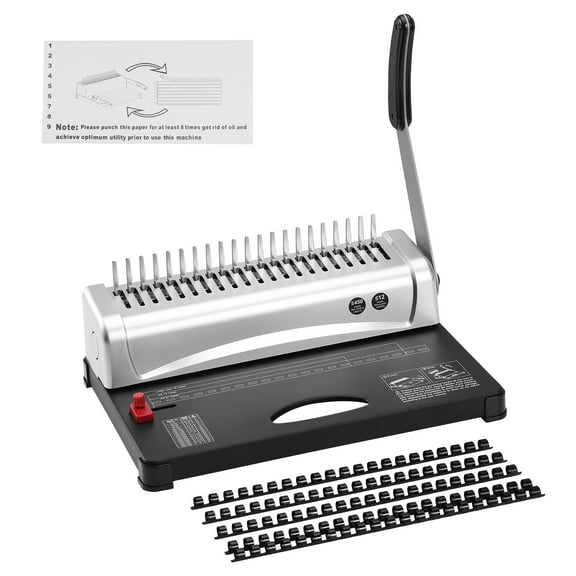
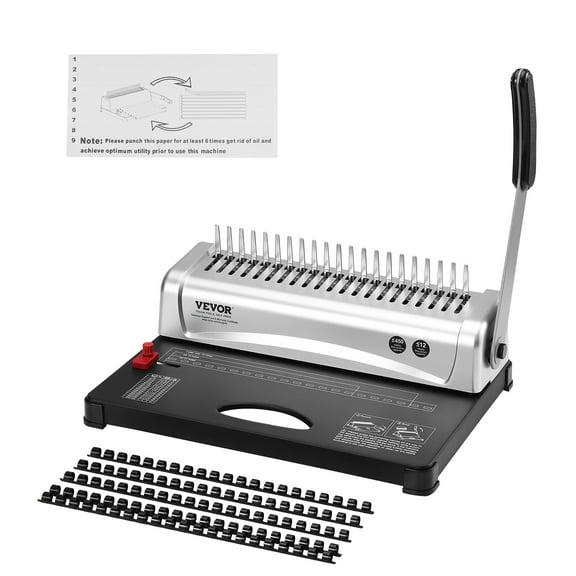
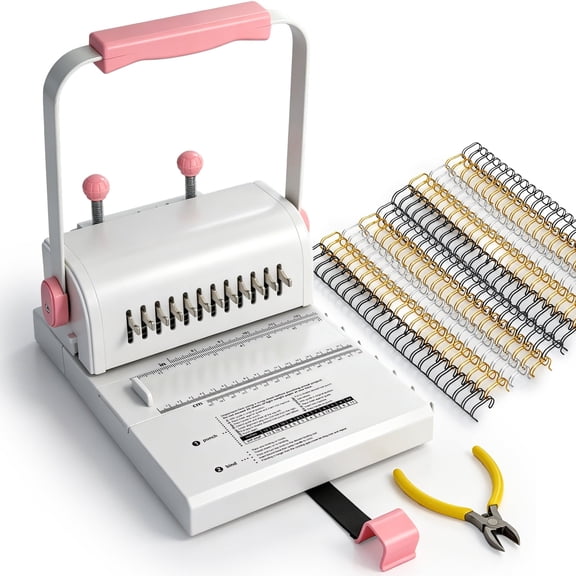















About Binding Machines in Binders & Accessories - Walmart.com
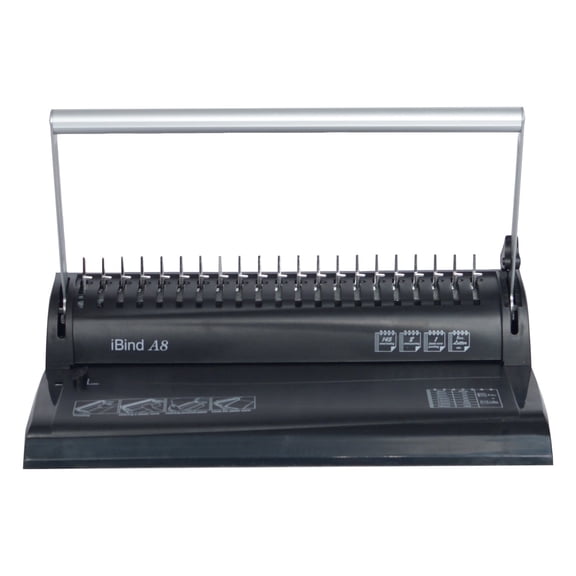
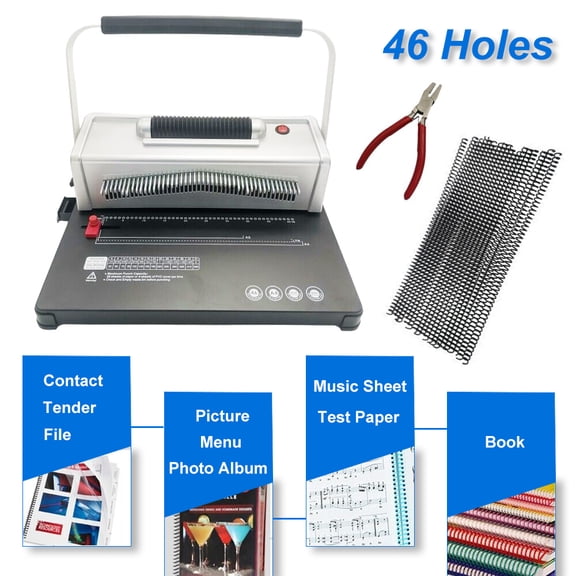
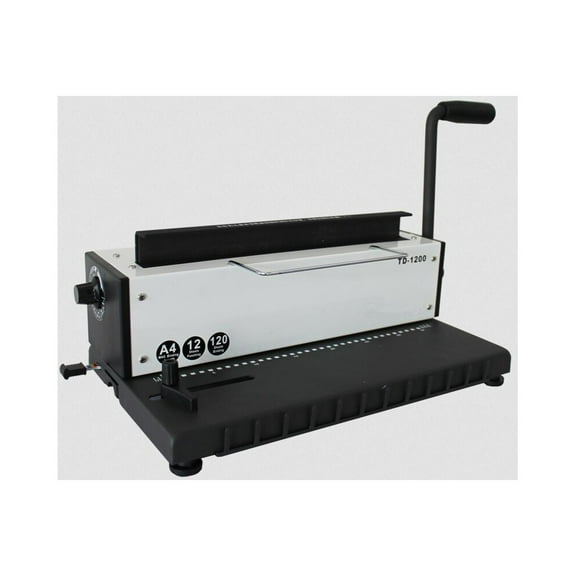
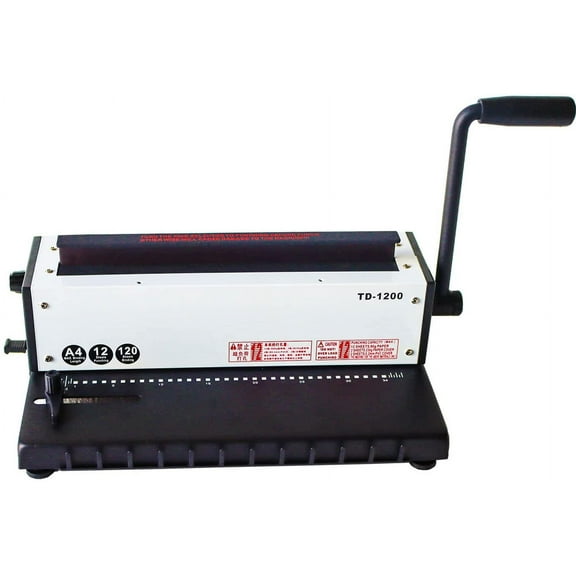
Your comb binding machine should help you turn loose pages into clean reports, training manuals, and presentations. You can compare binding styles, paper sizes, punching capacity, and accessories here, so your setup fits daily office, school, or home projects.
Choosing a comb binding machine
When you choose a comb format, you get pages that open smoothly and edit easily later. You can add or remove sheets without remaking the whole document.
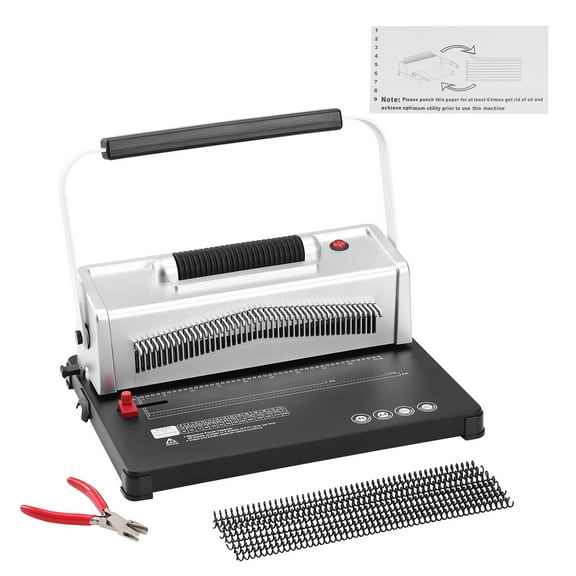
If you compare comb with a spiral binding machine, you'll notice a different page feel. You may prefer comb for updates, while you may prefer spiral for notebooks that need a tighter coil.
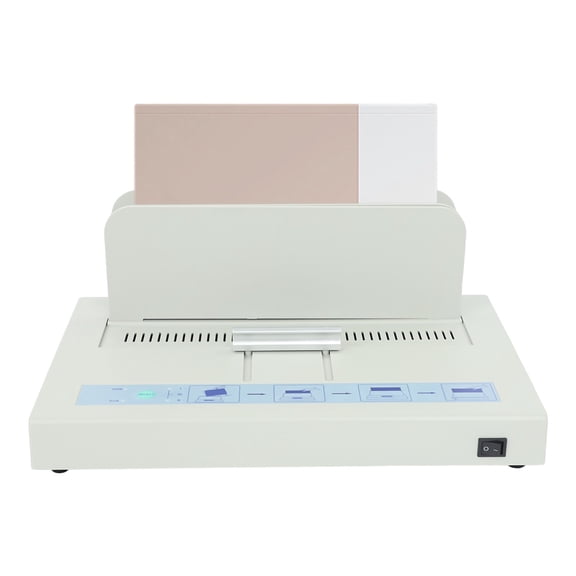
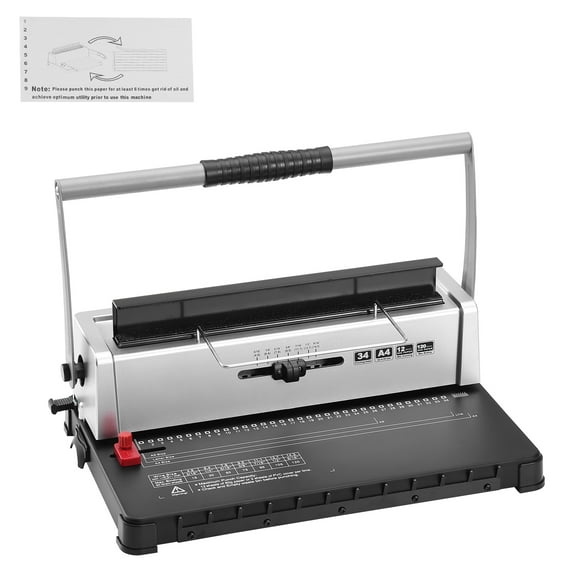
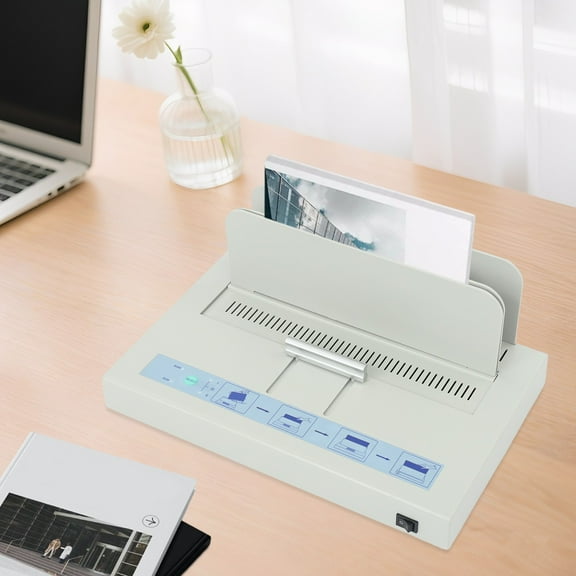
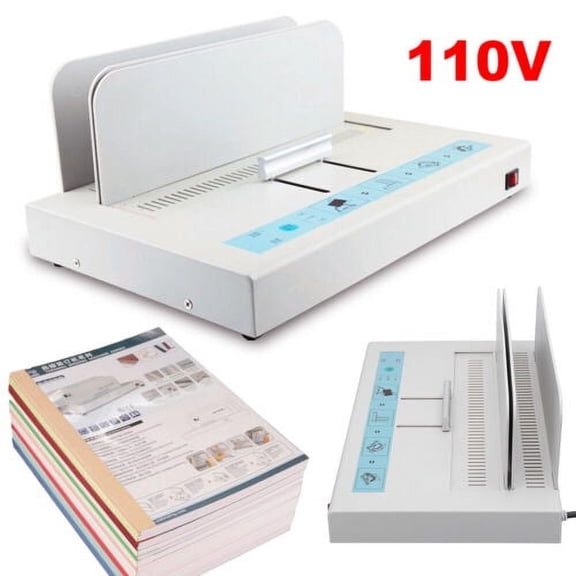
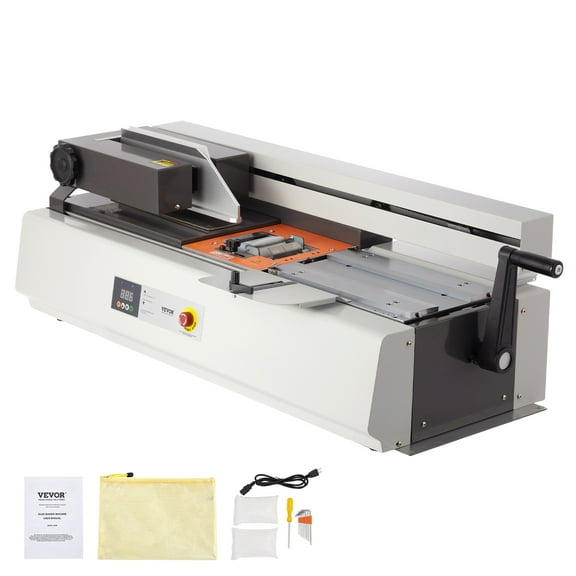
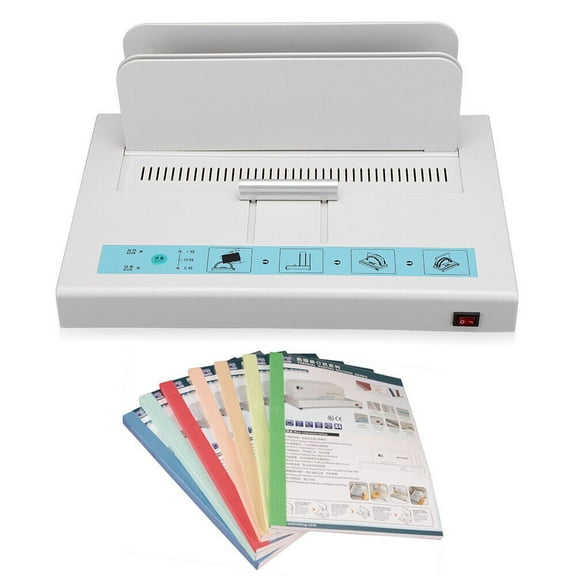
Wire styles create a polished edge, while thermal styles use heat for a sleek spine. You should compare how often you revise pages, because that decision changes which binding style fits your workflow.
Why your binding machines choice matters
The right binder maker helps you keep packets, proposals, and classroom materials organized. You can present multi-page documents in a format that looks neat and stays easy to handle.
- You can create lay-flat pages for training guides, recipe collections, and reference packets.
- You can bind updated handbooks, because comb spines let you revise pages later.
- You can finish office documents faster when your punching capacity matches your workload.
- You can prepare covers, reports, and inserts in common paper sizes without trimming every sheet.
For recurring projects, your page binder machine can help you standardize document sets across teams. You can keep proposals, client packets, and workshop materials looking consistent from cover to cover.
In school or home settings, you may need a notebook binding machine for class notes or project books. You can also use a calendar binding machine setup for monthly planning pages and hanging formats.
Comparing binding machine a4 and other sizes
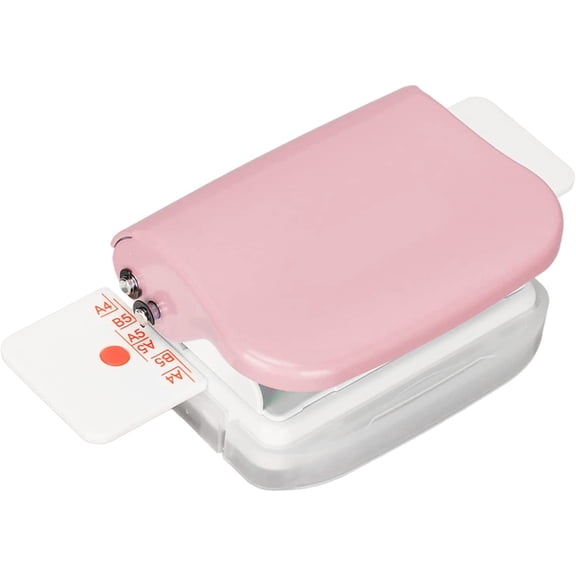
You should check whether your machine supports A4, letter, legal, or A5 paper before you choose. You can avoid rework when your documents match the punch pattern and edge width.
For a binding machine a4 project, you should look for clear size guides and adjustable alignment. You can keep holes centered when your machine includes margin depth controls for different cover thicknesses.
Letter-size documents remain common in many offices, while legal pages need extra width support. You should compare the maximum binding length, so your sheets fit evenly across the spine.
Peg disengagement matters when you punch smaller formats or custom layouts. You can switch off selected punches, so extra holes don't appear on A5 sheets or specialty inserts.
Choosing manual or electric punching capacity
You should compare manual and electric models based on how many sets you bind each week. You can handle light projects manually, while frequent batches may feel smoother with electric punching.
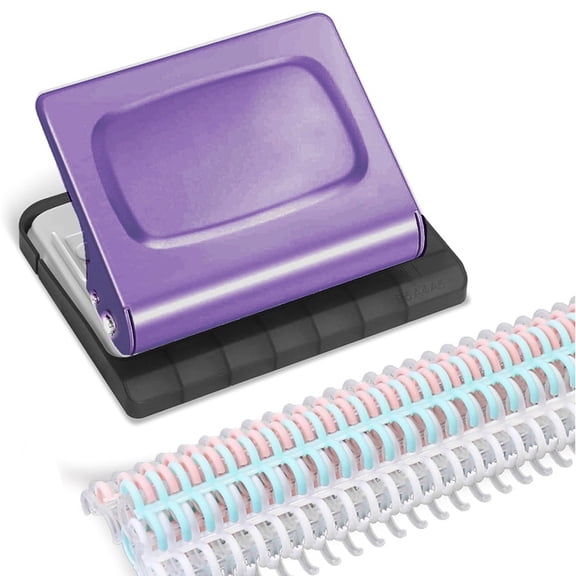
Manual units often suit desks, reception areas, and occasional reports with up to 10 sheets per punch. You can control each cycle directly, which helps when you align covers and mixed paper stocks.
Electric options often support heavier routines and repeated jobs up to 25 sheets per punch. You should also consider duty cycle, because frequent use calls for a machine designed for steady volume.
If you bind staff manuals every month, you may want a larger throat, stronger handle, or motorized punch. You can reduce repeated setup when your machine matches your document stack and schedule.
Binding machine for books, calendars, and notebooks
A binding machine for books should match the way your pages turn and how often you update content. You can choose comb styles for workbooks, employee guides, and church programs that may need edits.
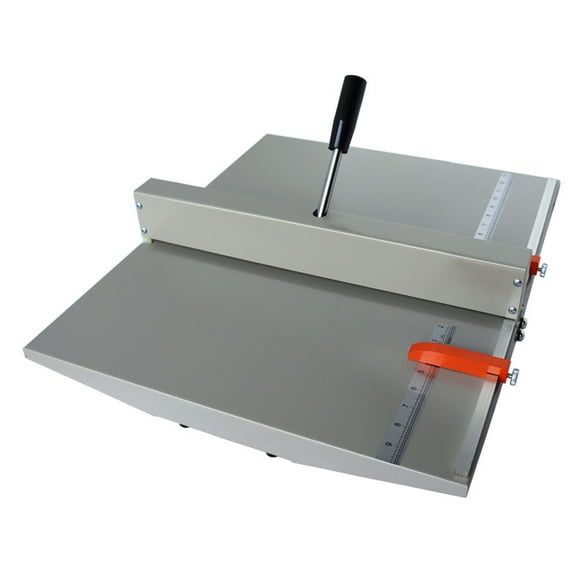
For calendars, you should compare formats that support top binding and easy page flipping. You can pair punched pages with covers and the correct spine or hanger components for a clean finished piece.
For notebooks, you may want pages that fold back or lie flat on a desk. You can compare comb, spiral, and wire styles based on note-taking, sketching, or workshop use.
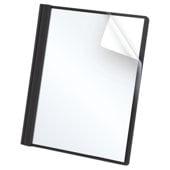
Presentations need a different balance of polish and practicality. You can pair clear covers, backing sheets, and the right spine size, so your final packet feels structured and easy to review.
What to look for before you choose
You should confirm whether spines, covers, and accessories come separately before you place your order. You can prepare faster when you already have combs, report covers, and paper stock on hand.
Look for simple paper stops, readable guides, and an easy waste tray cleanout. You can keep your setup tidy and your hole pattern consistent across repeated jobs.
You should also measure where your machine will sit, especially if your desk space is limited. You can choose compact binding machines for shared offices, or larger models for print rooms and admin areas.
When you compare these details carefully, your comb binding machine can support smoother punching, cleaner alignment, and more professional document sets. You can finish books, calendars, notebooks, and presentations with a format that fits your everyday workload.