

DJ Speakers in DJ Equipment




















About DJ Speakers in DJ Equipment - Walmart.com
DJ speakers help you fill dance floors, host events, and build a cleaner live setup with sound options tailored to your room, crowd, and gear. You can compare active and passive designs, woofer sizes, and connection types, so your setup matches mobile gigs, parties, and venue use.
How to choose dj speakers for your setup
You'll want to start with speaker type, because that choice shapes how much gear you carry and how quickly you can set up. You can usually get running faster with powered dj speakers, since you don't need a separate amplifier.
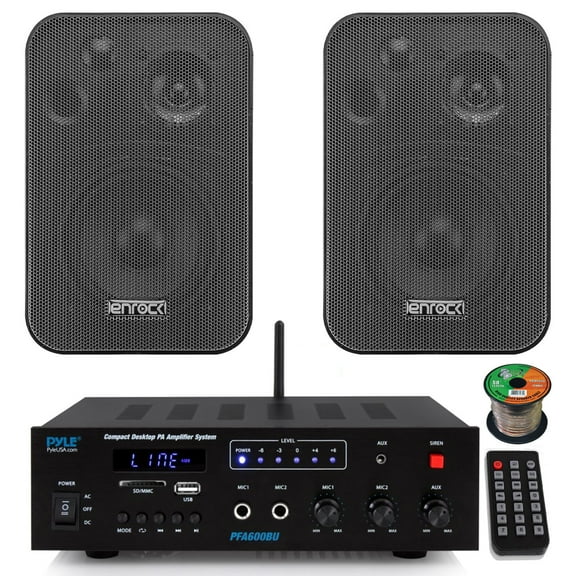
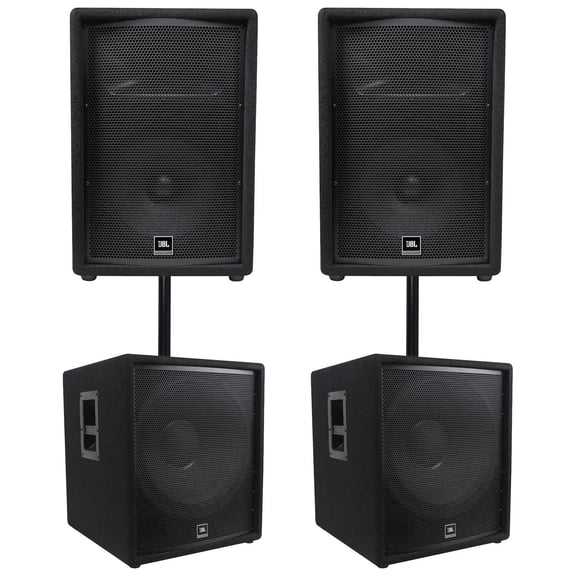
If you prefer a modular rig, you may compare passive models that pair with an external amp and separate signal chain. You can use that route when your rack setup already handles power, processing, and routing.
Room size matters too, so you should compare wattage with your typical event size instead of guessing by cabinet size alone. You'll usually want more output and larger drivers when your dance floor, open room, or outdoor area needs stronger coverage.
- You can simplify setup with active dj speakers that include built-in amplification.
- You can match woofer size to your bass needs, from tighter response to fuller low end.
- You can connect controllers and mixers easily by checking XLR, RCA, and TRS inputs first.
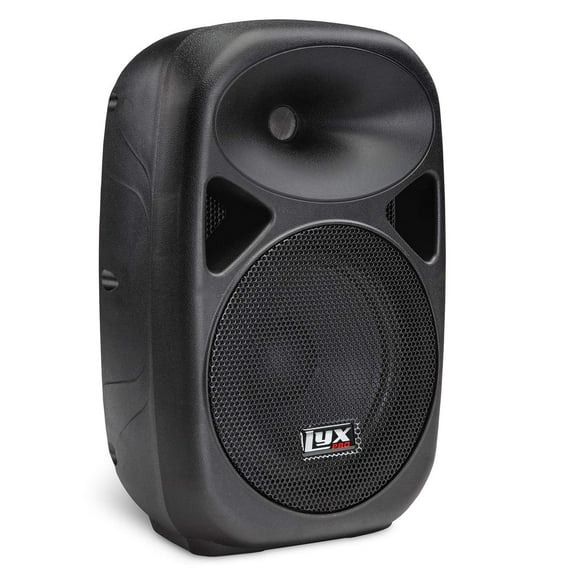
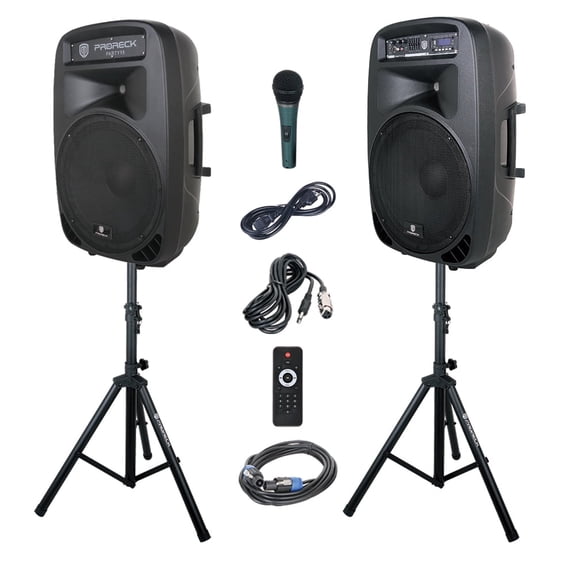
- You can move faster between gigs by choosing portable dj speakers with handles and tripod mounts.
Choosing between powered dj speakers and passive models
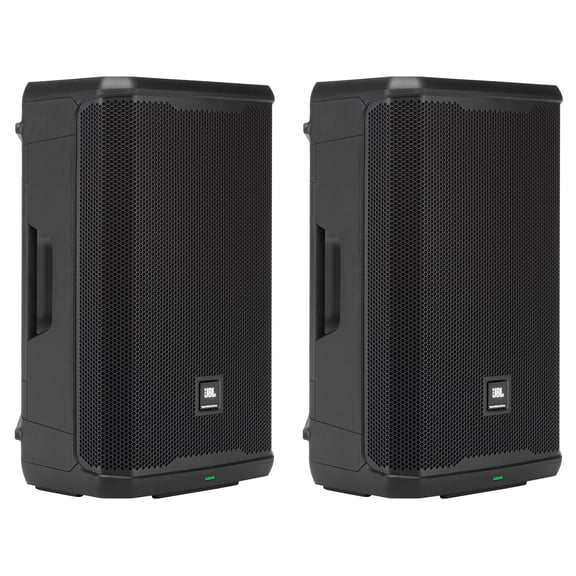
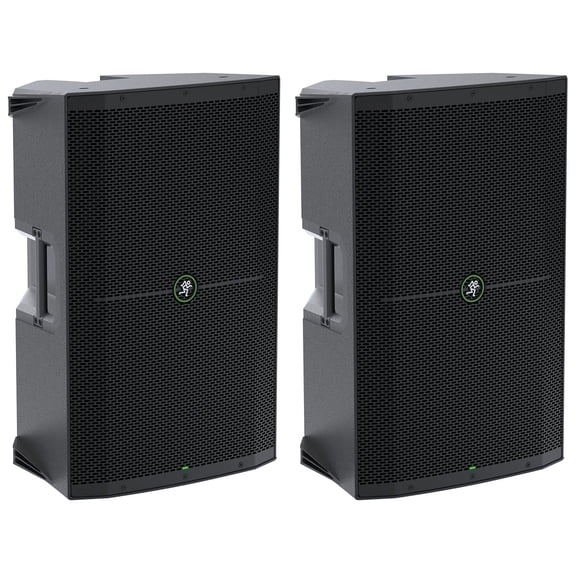
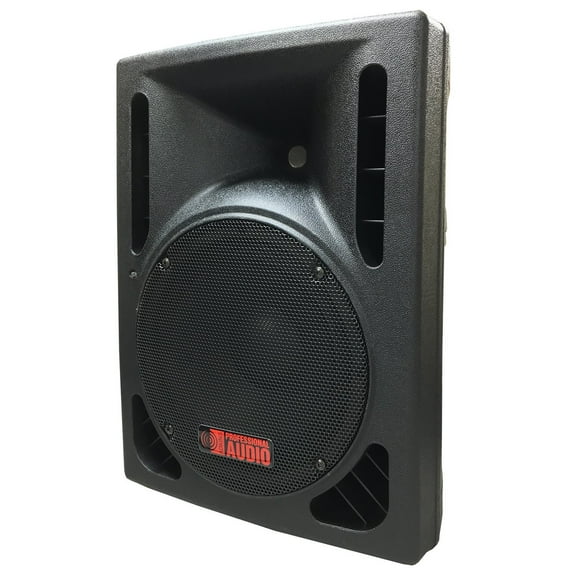
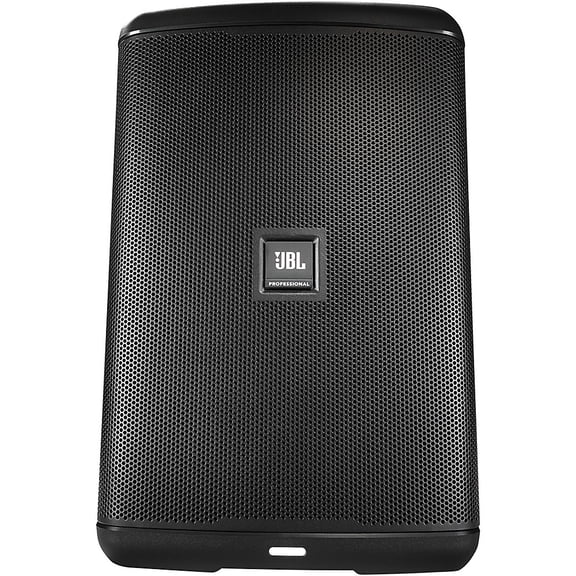
You should compare convenience against flexibility when you pick between powered and passive cabinets. You'll often find powered dj speakers easier for weddings, school events, and mobile work where setup time matters.
Built-in amplification means you can reduce extra components and keep cabling more straightforward. You'll usually have fewer separate pieces to load, which helps when your setup changes from one event to the next.
Passive speakers can make sense when you already use outboard amps, crossovers, or rack gear. You can adjust each part of your system more directly, especially when your venue setup stays consistent.
You'll also want to compare active dj speakers by control layout and rear-panel inputs. You can check whether level knobs, EQ options, and output links fit your mixer, controller, and extra speaker path.
What woofer size and power output mean for your sound
You should use woofer size as a simple guide for bass depth, portability, and room coverage. You'll often notice 8-inch and 10-inch models suit smaller rooms, speeches, and tighter booth spaces.
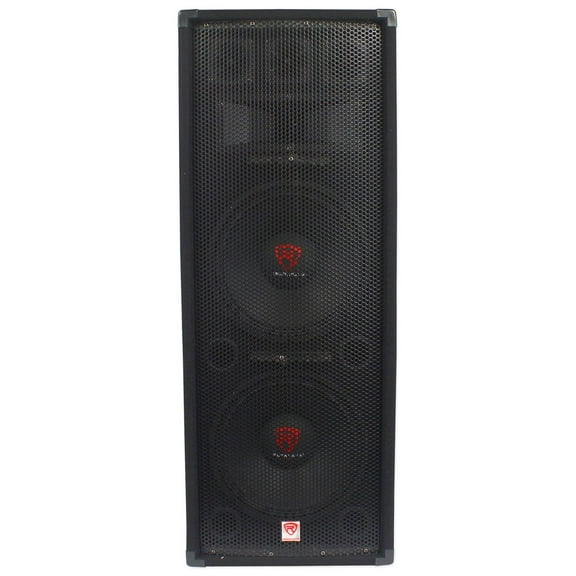
If your playlist leans bass-heavy, you may prefer 12-inch or 15-inch cabinets for fuller low-end presence. You can use those sizes for dance parties, larger halls, and event spaces that need stronger impact.
Power ratings matter when you need enough output for your crowd without pushing your speakers too hard. You'll want wattage that fits your room size, because a backyard set differs from a banquet hall or small club.
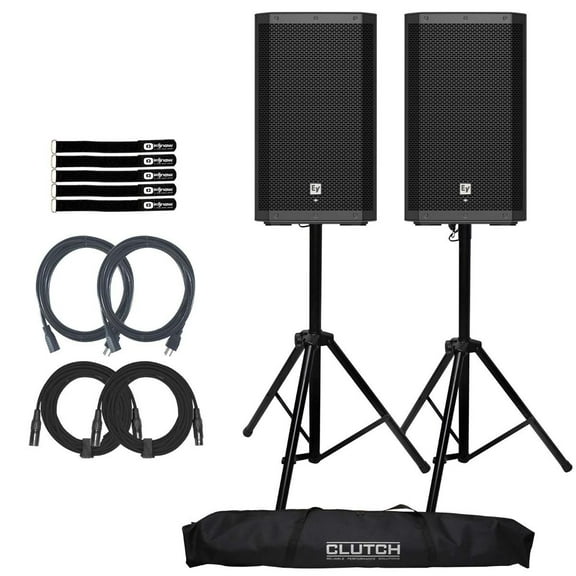
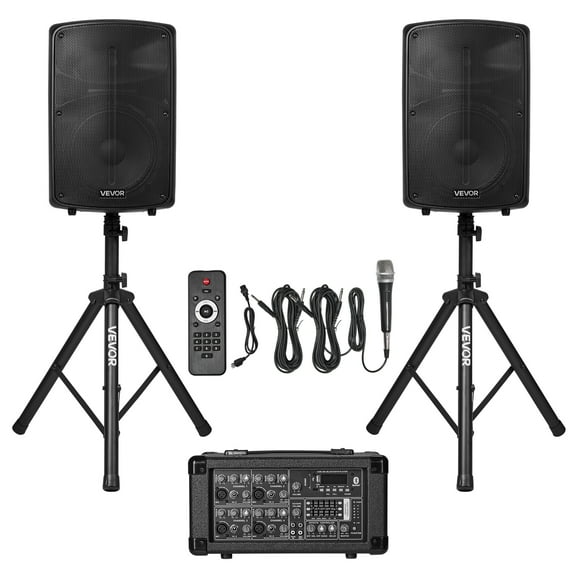
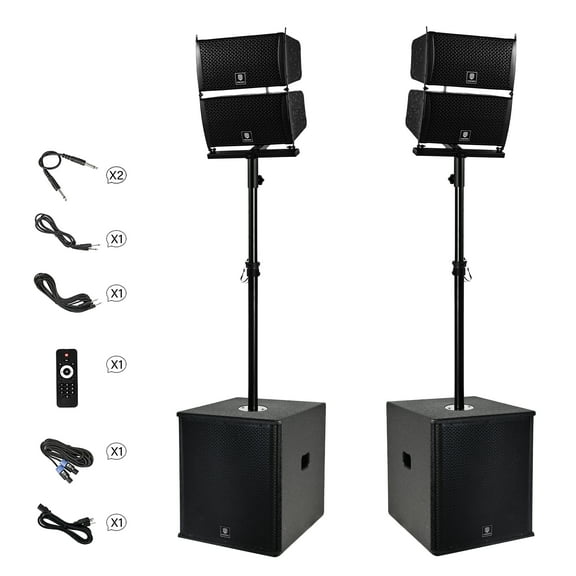
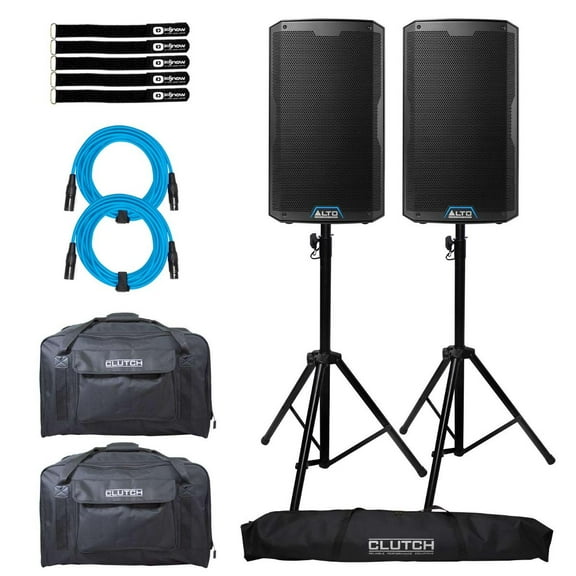
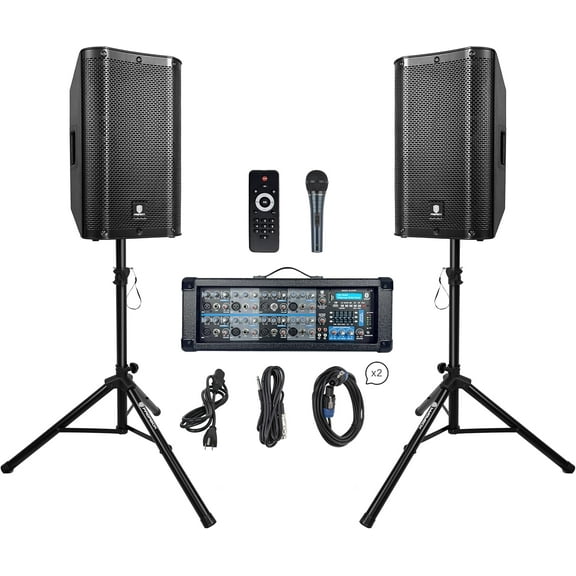
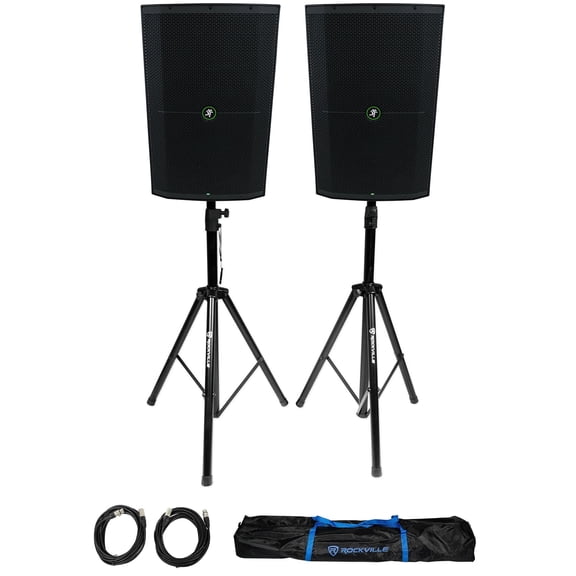
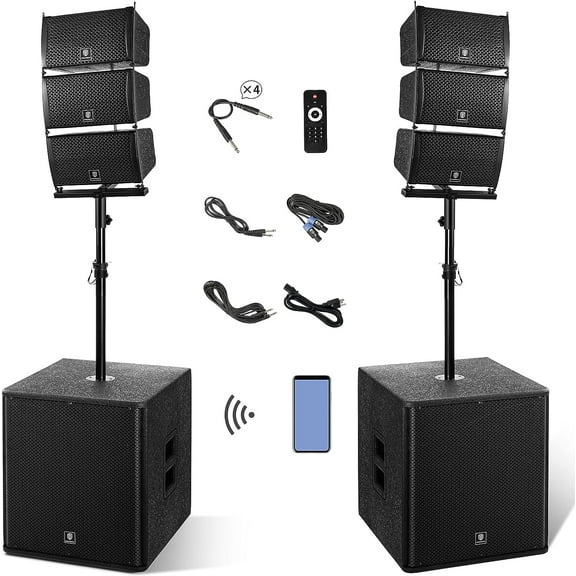
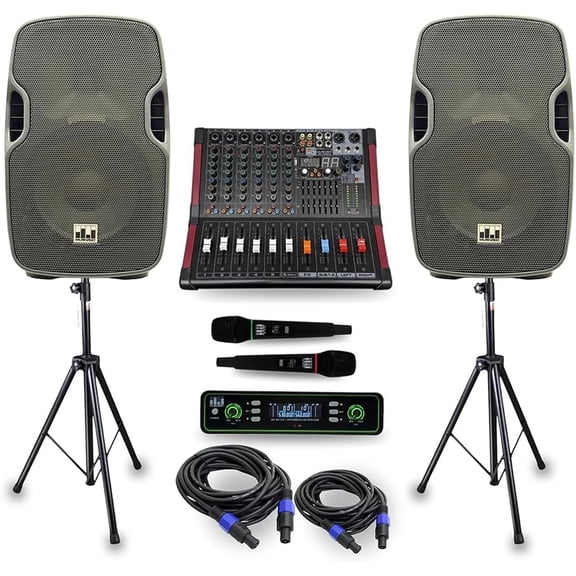
You can also compare a dj speaker system with matched speakers, stands, or paired output options for easier planning. You'll get a clearer picture of coverage when your components are built to work together.
Checking connectivity before you buy
You should confirm your input and output options before you choose any dj speaker system. You'll avoid setup delays when your speakers match the ports on your controller, mixer, laptop interface, or media player.
XLR connections usually support balanced audio, so you can run longer cables in event spaces with cleaner signal paths. You can use 1/4-inch TRS connections for many mixers and pro audio devices as well.
RCA inputs can help when your source uses consumer audio outputs or compact DJ gear. You'll want to check whether your speakers include multiple input choices if your setup changes often.
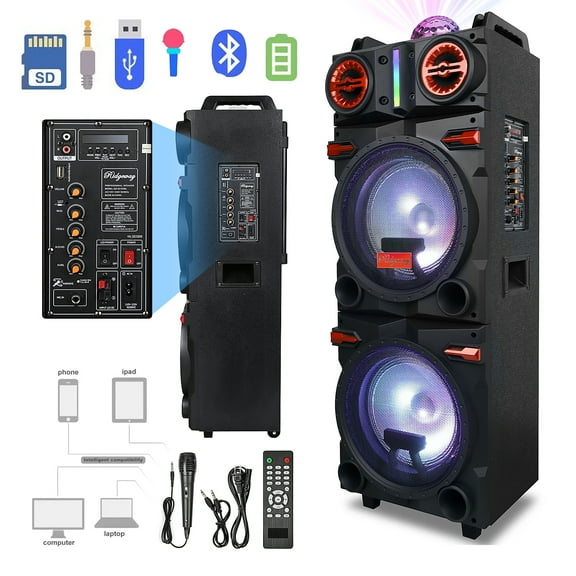
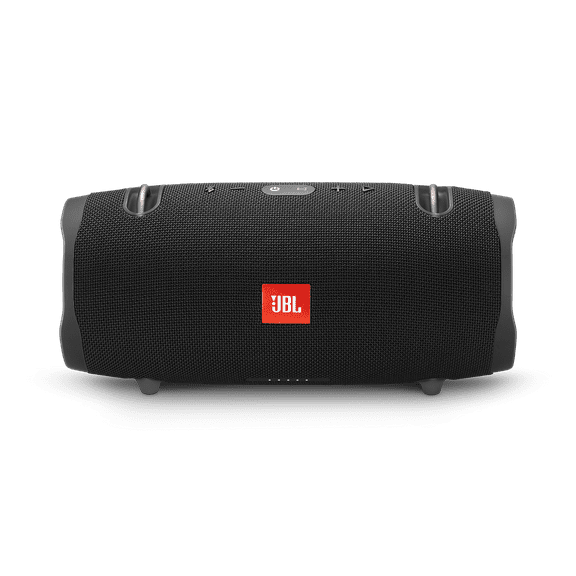
If wireless convenience matters, you may look at bluetooth dj speakers for casual events or flexible music playback. You should still verify wired inputs, because your live mixing setup often depends on stable controller connections.
You may also want dj monitor speakers when your booth needs close-range reference sound during mixing. You can use them differently from main PA speakers, since your listening distance stays short and focused.
Comparing portability and event use
You should measure portability by more than size alone, because weight, handles, and mounting options all affect your load-in. You'll appreciate tripod-mountable cabinets when you need wider coverage above the crowd.
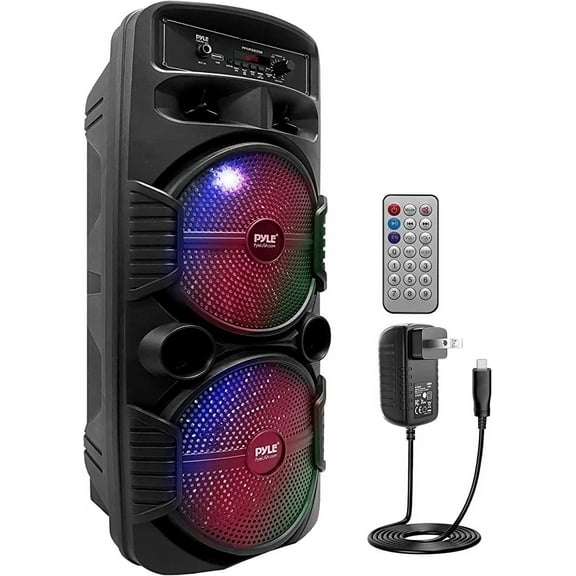
Battery-powered models can help when your event space changes or power access feels less convenient. You can consider them for outdoor gatherings, pop-up sets, and smaller hosted events where cable runs stay limited.
Portable dj speakers also help when you move between ceremonies, receptions, and private parties in one day. You'll spend less time repositioning heavy gear when your cabinets are easier to lift and place.
For venue use, you should compare your speaker choice with stands, XLR cables, DJ controllers, and booth layouts. You can build a smoother signal path when every piece in your system matches your connection and placement needs.
With the right dj speakers, you can shape clearer coverage, stronger bass, and faster setup around the way you actually perform. You'll feel more confident choosing a system that fits your gear, your crowd size, and your event schedule.