

Playskool Action Figures in Preschool Action Figures and Playsets




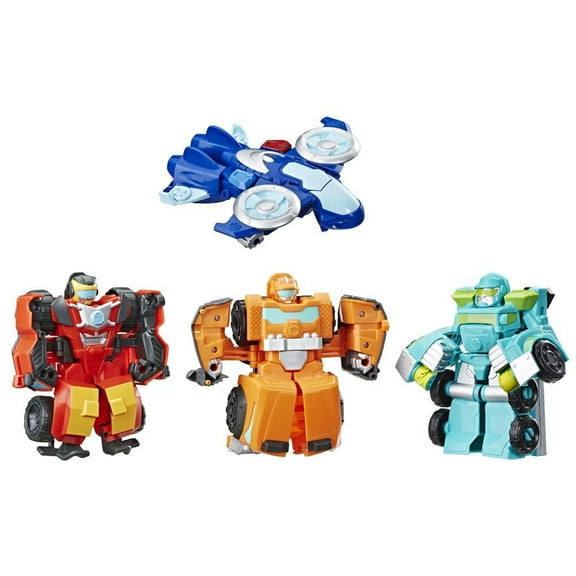
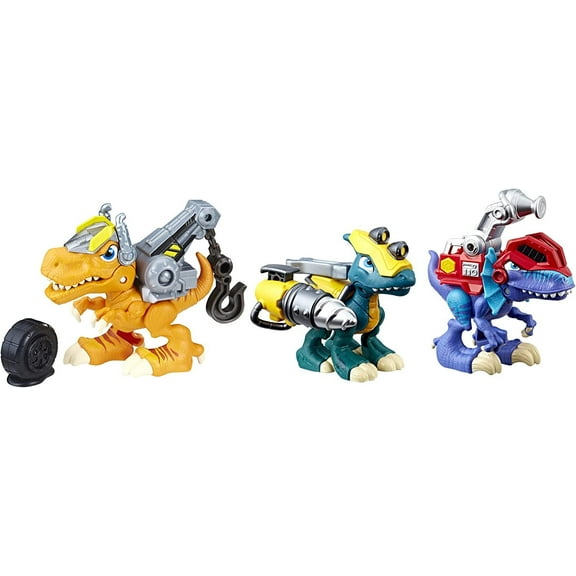


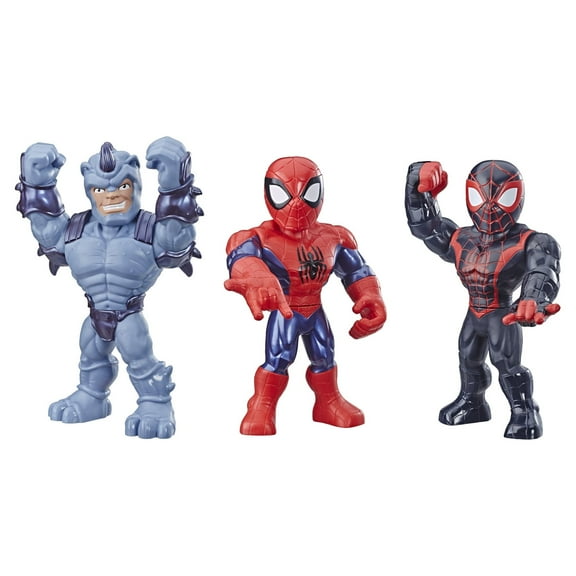
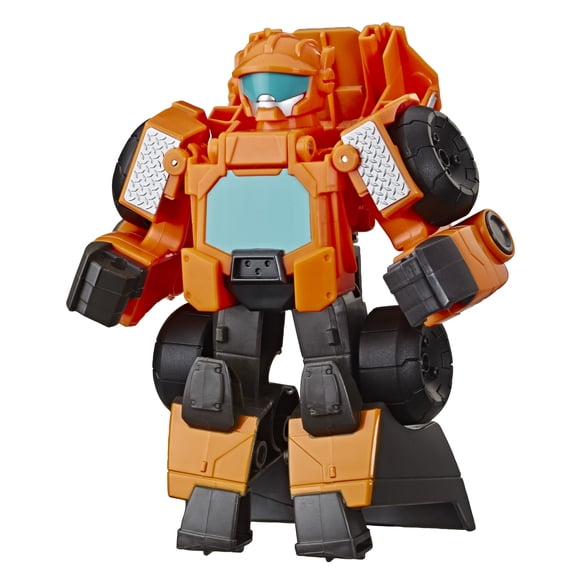
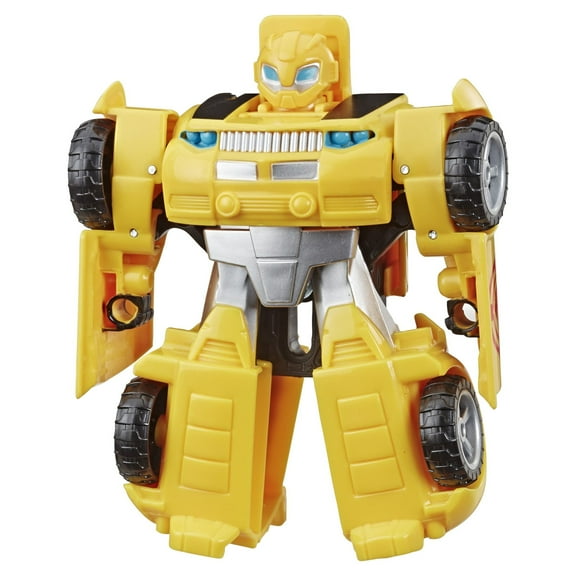

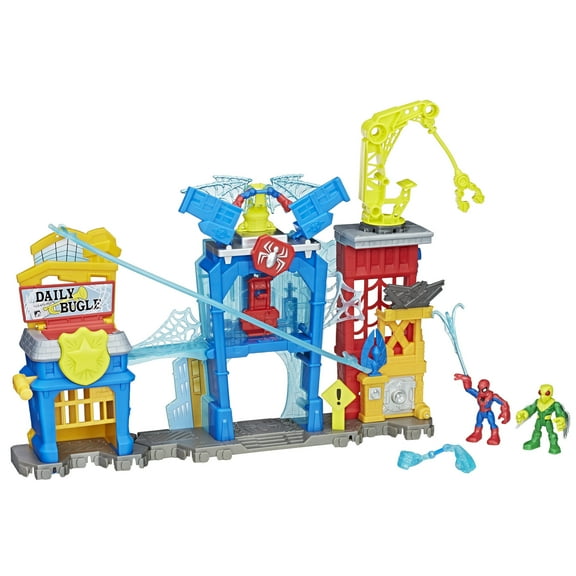
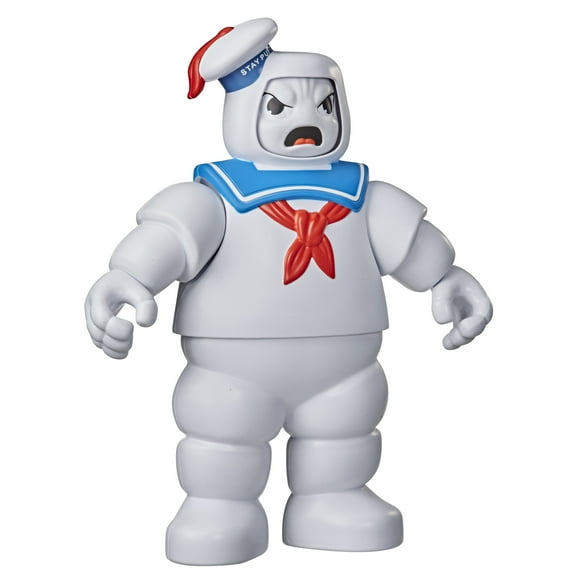


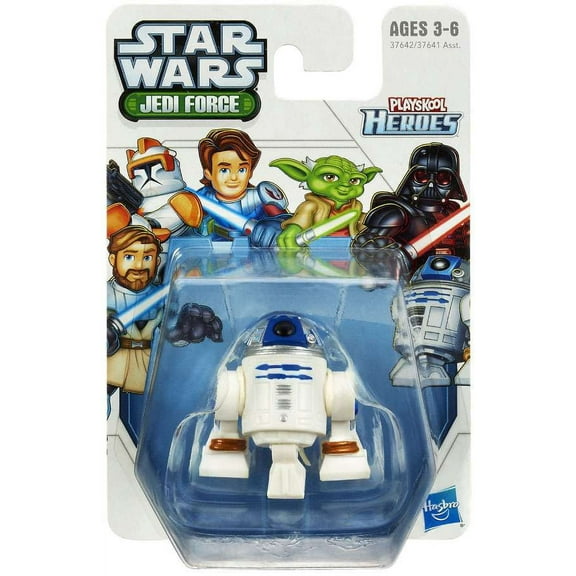
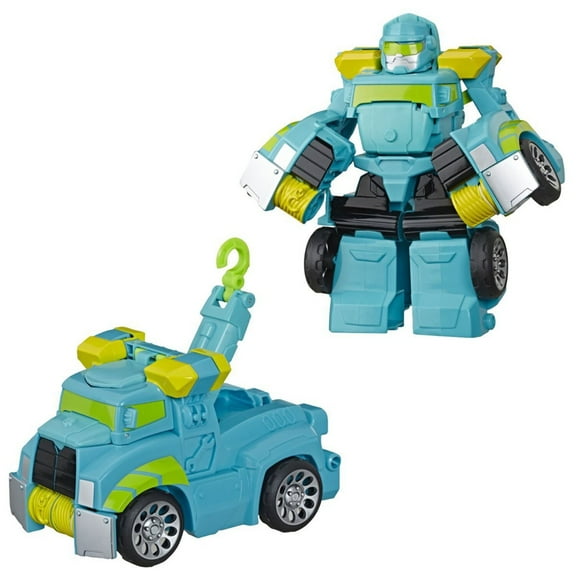

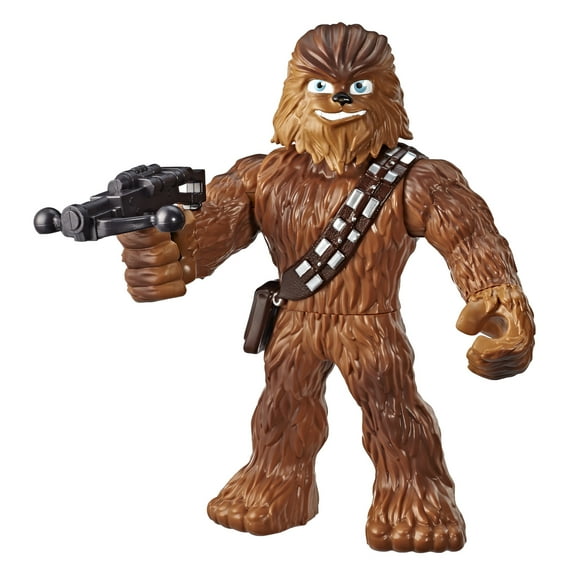
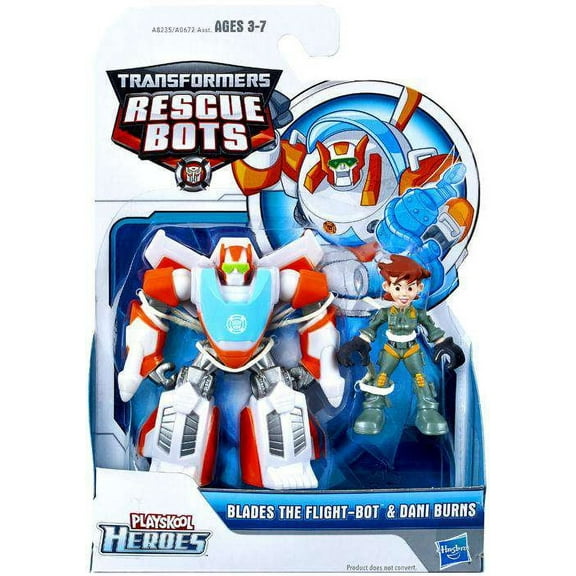

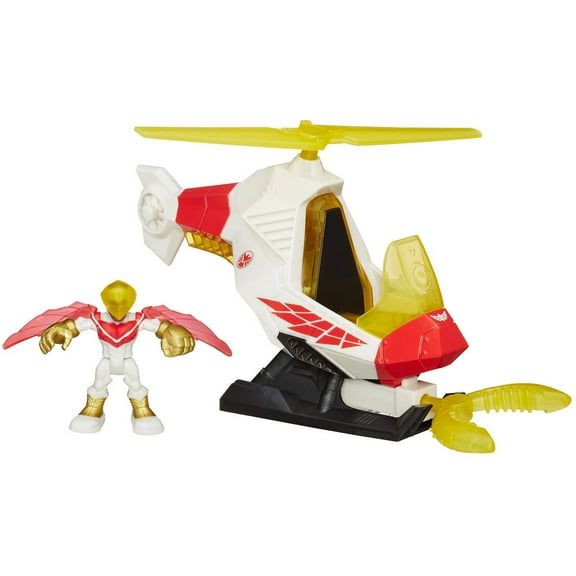

About Playskool Action Figures in Preschool Action Figures and Playsets - Walmart.com
Playskool gives you playful options for early learning, active fun, and hands-on discovery. You can compare age grades, toy types, and classic product lines to choose toys that fit your child’s stage.
How to choose playskool toys by age
When you shop playskool toys, you’ll want to start with age grade. You can use labels like infant, 9 months+, toddler, and preschool to narrow options quickly.
For infants and younger babies, you may prefer simple textures, easy-grip shapes, and gentle movement. You can focus on toys designed for early reaching, grasping, and sensory exploration.
As your child grows, you may look for playskool toddler toys with bigger actions and repeat play patterns. You can compare push, spin, pop, stack, and sort activities by attention span.
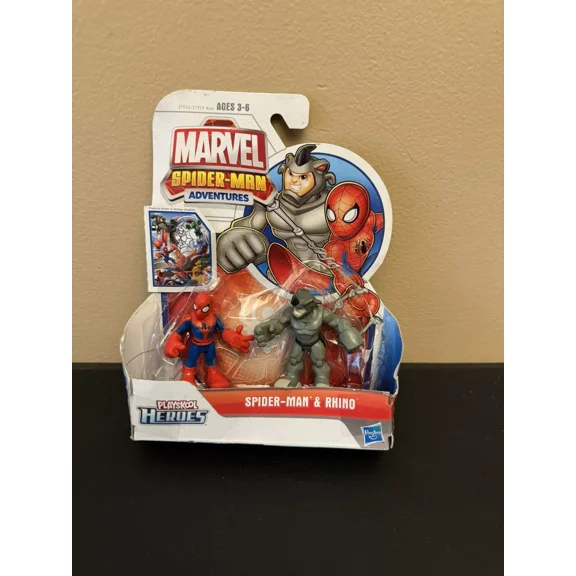
For preschool ages, you may want playsets, figures, and more imaginative setups. You can choose toys that support pretend play, simple problem-solving, and longer solo play sessions.
- You can match age grade to your child’s current play style.
- You can compare toy size and interaction level more confidently.
- You can focus on labels that fit early milestones and daily routines.
- You can choose options that feel engaging without feeling overwhelming.
What to look for in playskool toddler toys
You may notice that active play, educational formats, figures, and playskool playsets serve different needs. You can use toy category as a quick filter when you know how your child likes to play.
If your child loves movement, you may consider active play styles like Sit 'n Spin. You can support whole-body play with toys that encourage turning, pressing, or chasing motion.
If your child stays focused on cause and effect, you may compare poppers, sorters, and musical actions. You can keep playtime lively with repeated actions that reward every push or drop.
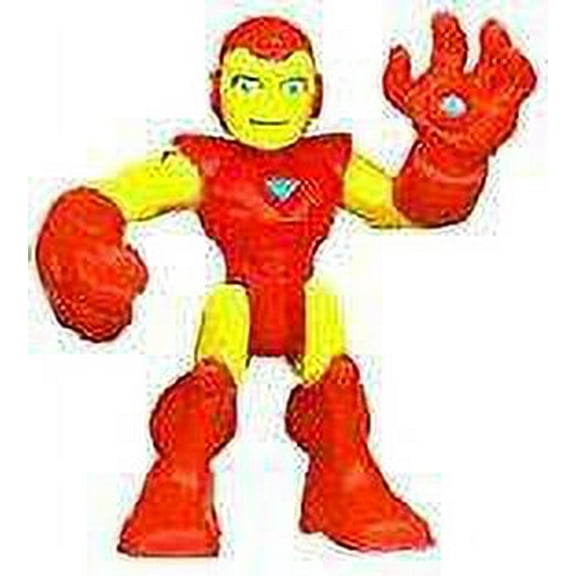
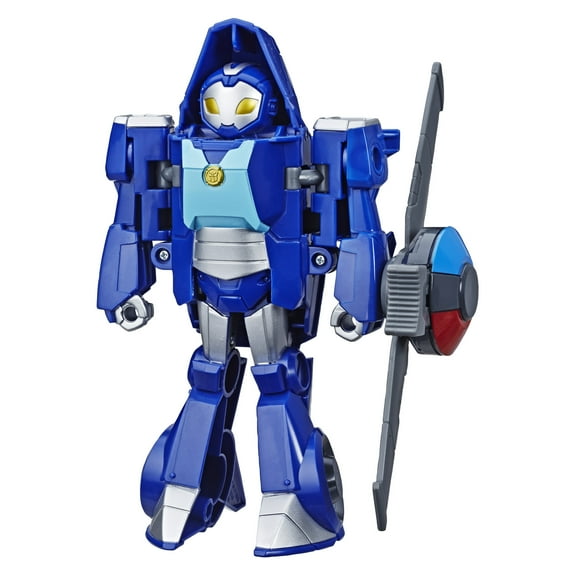
When you want more story-based play, you may look at figures and playsets. You can create simple scenes that help your child practice naming objects and acting out routines.
You may also compare playskool classic toys when you want familiar formats with lasting appeal. You can spot favorites like Busy Ball Popper and other recognizable early-learning styles.
Choosing developmental benefits that fit your routine
You can use developmental benefits as a simple buying guide, not a complicated checklist. You may choose toys that support fine motor skills, sensory stimulation, or cognitive growth during everyday play.
For fine motor focus, you can look for buttons, spinning parts, chunky pieces, and sorting actions. You’ll give little hands more chances to grasp, place, twist, and press.
For sensory stimulation, you may compare bright colors, movement, texture, and playful sounds. You can hold your child’s attention with toys that invite touching, watching, and repeating actions.
For cognitive growth, you can consider toys with patterns, matching, sequencing, and cause-and-effect results. You’ll help your child connect actions with outcomes through simple, repeatable play.
If you’re comparing educational toys for toddlers, you can think about your daily routine first. You may want quiet tabletop play, floor play, or active options for quick energy breaks.
Key features to compare before you decide
You can make a smoother choice when you compare materials, cleanup, batteries, and assembly. You may prefer surfaces that wipe clean easily after snacks, crafts, or busy playtime.
Many shoppers compare plastic and fabric details based on maintenance and feel. You can choose smooth plastic parts for quick wipe-downs or softer elements for different textures.
You should also check whether a toy uses batteries or works with manual action. You can avoid setup surprises when you confirm power needs before gifting or replacing favorites.
Assembly matters when you want a toy ready without extra steps. You can compare simple snap-together pieces, larger bases, and parts that store neatly between play sessions.
Age guidance is also an important decision point when you compare pieces and toy size. You can review labels carefully when you want play formats matched to earlier stages.
How playskool playsets fit real-life use
You can match product lines and toy types to the way your family uses playtime. You may prefer one kind of toy for morning floor play and another for short afternoon breaks.
If your child likes motion and laughter, you may choose active classics like Sit 'n Spin. You can make indoor play feel more engaging with toys that encourage movement and repetition.
If your child enjoys watching action happen, you may lean toward Busy Ball Popper styles. You can keep attention on colorful motion, button pressing, and simple cause-and-effect play.
When you want familiar formats that work across stages, you may choose playskool classic toys. You can use those recognizable designs for gifting, shared play, or everyday rotation.
For quieter moments, you may prefer educational formats with sorting, stacking, or shape-based play. You can support focused exploration during independent play or one-on-one time together.
If you’re building a fuller toy setup, you can mix playskool baby toys with toddler and preschool options. You can create a flexible collection that grows with changing interests and abilities.
With playskool, you can compare age grade, toy category, developmental focus, and classic product lines in one place. You’ll feel more confident choosing toys that fit everyday play, simple cleanup, and growing curiosity.