

Kids Play Tents & Playhouses for Indoor Outdoor Fun(915)
JoyStone 34PCS Kids Camping Tent Playset, Pretend Camping Toy Set with Light & Sound Lantern, Campfire & Stove, Play Food Accessories, Storage Bag, Indoor Outdoor Role Play Gift for Kids 3+


In 25+ people's carts Wilwolfer Princess Castle Kids Indoor Play Tent, Pink Hexagon Fabric Playhouse with Star Lights, Large with Carrying Bag KP-GZ-001-W

Willingheart 3 in 1 Rocket Ship Play Tent with Tunnel Ball Pit for Kids Space Themed Pop Up Playhouse Indoor Outdoor Astronaut Tent Set Toy Gift for Boys Girls Toddler Baby Child Games Birthday Party

Deal Joyfy Rocket Ship Play Tents Set for Child, Pop up Play house with Tunnel, 3-Piece Play Tent for Kids Pretend Play,Birthday Gift
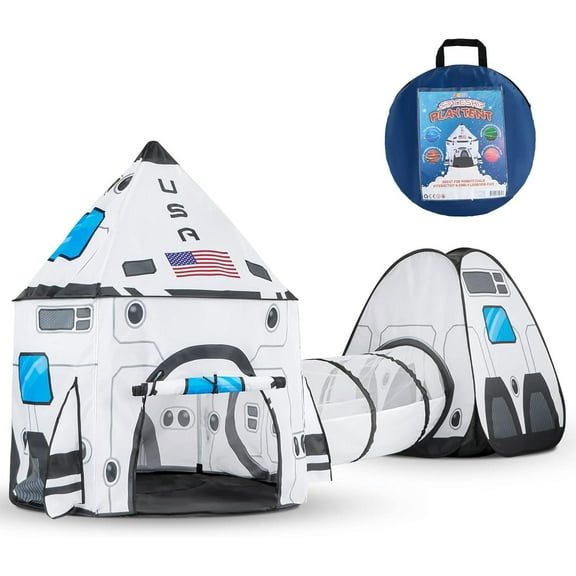
Overall pick Bluey Play House Pop Up Play Tent, Toys for Kids 3-6 Years

Best seller Crckt Kids Polyester Indoor Camping Play Tent with Majestic Design Print, 60"L x 36"W x 36"H
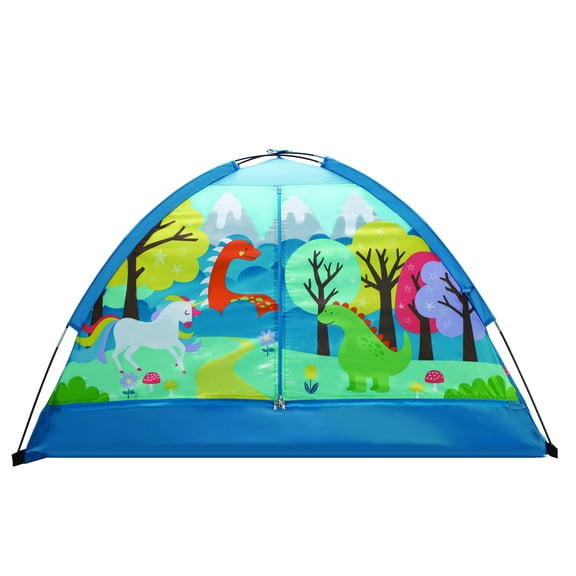
Battat Happy Camper Pop-Up Fabric Tent with 20+ Camping Accessories, Toddler and Preschool Toys

In 25+ people's carts Wilwolfer Princess Castle Kids Indoor Play Tent, Pink Hexagon Fabric Playhouse with Star Lights, Large with Carrying Bag KP-GZ-001-W


Deal PigPigPen Kids Indoor Play Tent with Mat and Star Lights, Princess Playhouse for Girls, Pink and Yellow, 47 x 41 x 51 in


Deal Wilwolfer Kids Play Tent for Toddlers with Padded Mat & Star Light Golden Indoor Playhouse
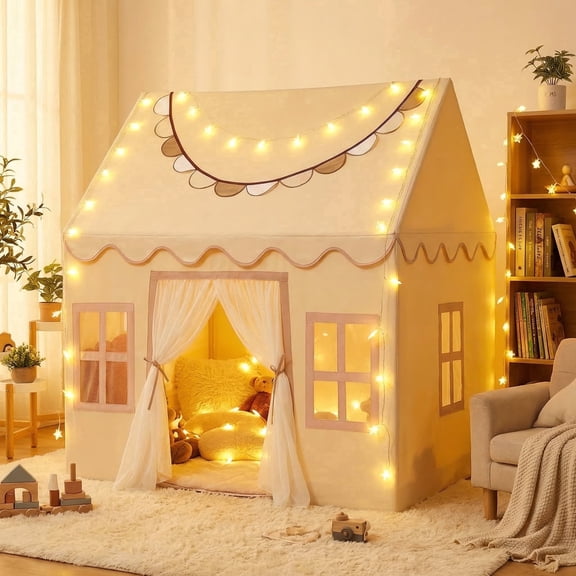


Deal Wilwolfer Kids Play Tent Toys for 3-12 Years Toddlers Girls Playhouse with Star Lights & Mat Indoor Outdoor (Pink & Yellow)

SweHouse Twin Kid Canopy Tent, Bed Tent for Kids Indoor, Toddler Pop Up Teepee Tent for Boys Girls with Star Lights & Flags, Queen Size for Inside Bedroom (Golden Beige)

Deal YSPUKY Kids Tent, Large Play Tent for Kids Toddler Outdoor Toys with Flags & Star Lights, Portable & Foldable Teepee, Dome Tent Playhouse, Christmas Birthday Gifts for Boys & Girls
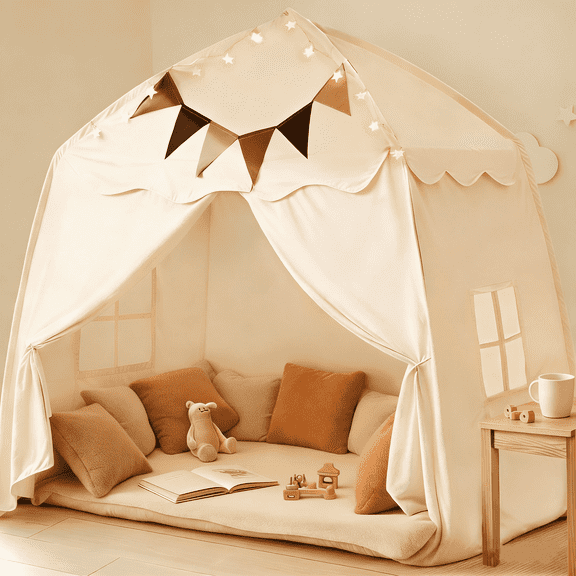


Deal ALLJOY Kids Princess Play Tents, Castle Playhouse Tent for Girls Toddlers, Indoor & Outdoor Toys

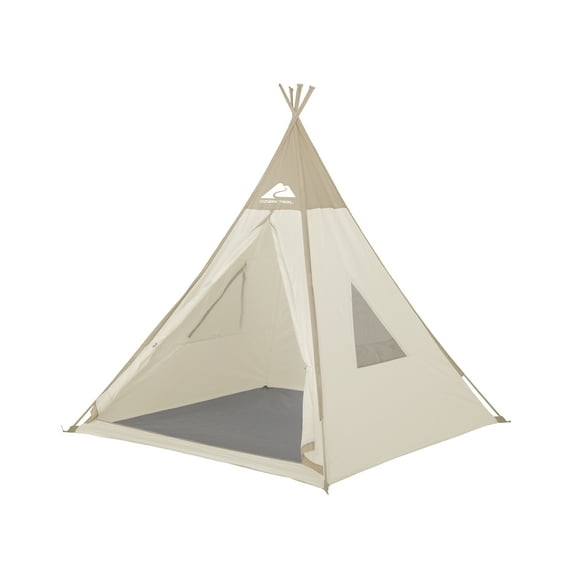
In 25+ people's carts Ozark Trail, 5' x 5' x 60", Kids Teepee Tent, Age Group: 2-12 Years
Deal Joyfy Rocket Ship Play Tents Set for Child, Pop up Play house with Tunnel, 3-Piece Play Tent for Kids Pretend Play,Birthday Gift
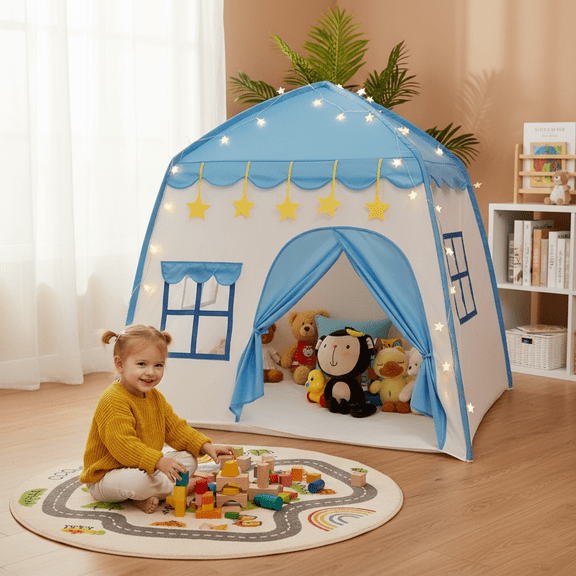
Princess castle play tent, Kids Teepee Tent, Large Children Playhouse, Oxford Fabric Children Playhouse for Indoor Outdoor with Carry Bag, Playhouse Boys & Girls Birthday Gift
Deal Yexmas 4 in 1 Kids Play Tent and Tunnels, Foldable Indoor Outdoor Pop Up Ball Pit, 2 Tents + 2 Crawl Tunnels Playhouse Tent Set for Boys Girls Kids(No Ball)


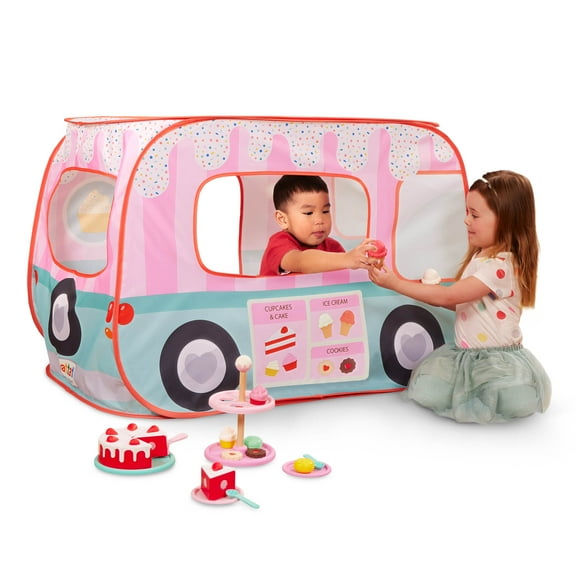
Battat Sweet Treats Pop-Up Shop Fabric Tent 25-Piece Dessert Set, Toddler and Preschool Toys
Willingheart 3 in 1 Rocket Ship Play Tent with Tunnel Ball Pit for Kids Space Themed Pop Up Playhouse Indoor Outdoor Astronaut Tent Set Toy Gift for Boys Girls Toddler Baby Child Games Birthday Party
Deal JoyStone Kids Play Tent Jungle Gym, Ball Pit, Pop Up Tents & Play Tunnel for Toddlers, Best Birthday Gift for Boys & Girls, Collapsible Children Play Tent Toy Indoor and Outdoor Games

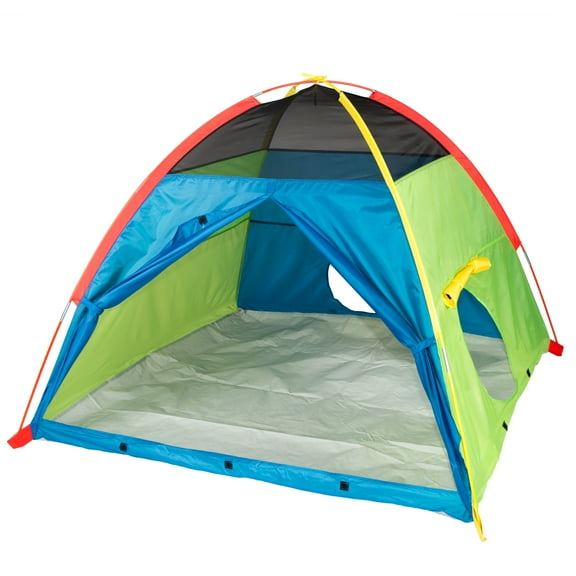
Pacific Play Tents Super Duper 4 Kid Play Tent, Child
Rollback SweHouse Princess Theme Kids Tent, Indoor Playhouse with Padded Mat, Toddler Play Space with Tassel Ball, Neutral Color Birthday Gift for Boys Girls (Gold)
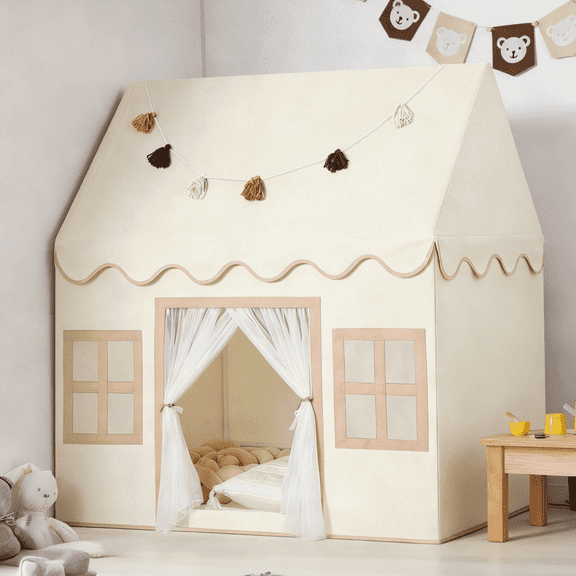


Deal BEEPRINCESS Portable Unisex Kids Space World Play Tents, Blue

Deal Kids Play Tent Playhouse Indoor Tent for Kids Boys Toddler, Large Castle Play House Bed Tents Spaceship Outer Space Rocket Blue
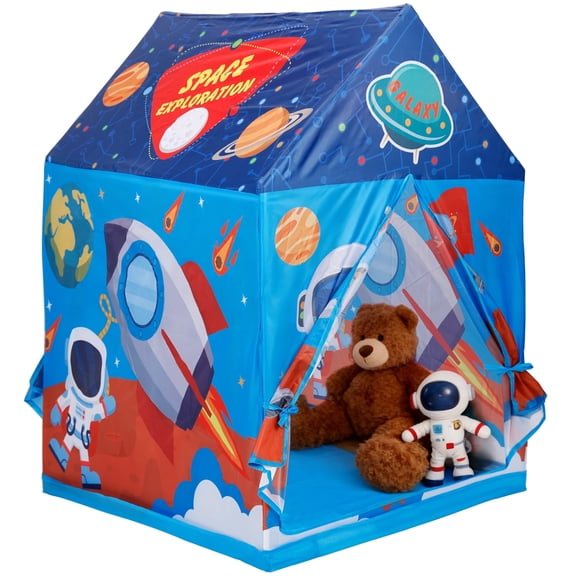


In 25+ people's carts BEEPRINCESS Princess Playhouse Tent for Toddlers and Girls, Indoor & Outdoor Pop Up Play Tent for Kids, Foldable Ball Pit with Carrying Bag, Kids Playhouse Play Tent for 1 2 3 Years Old Birthday Gift
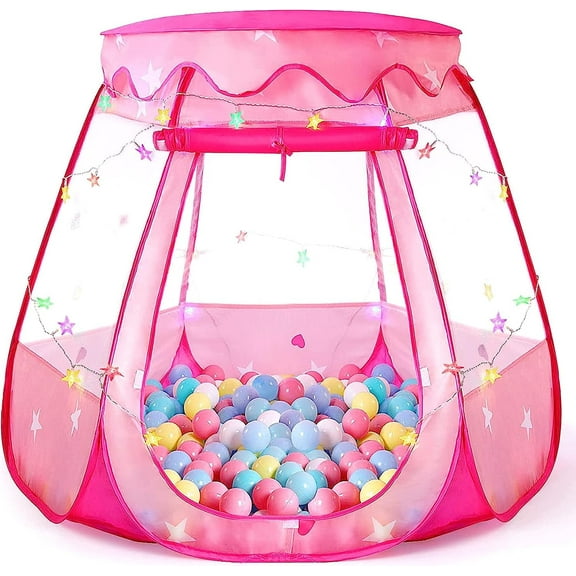


KEYAHAPPY Kids Tent Pink Princess Castle Playhouse Tent with Cloud Decoration and Ball Lights, Large Indoor Outdoor Play Tent for Girls, 47.2" L x 39.4" W x 51.2" H

Deal JoyStone Kids Camping Set with Tent, 42Pcs Camping Pretend Play Tent, Toy Campfire, Binoculars, Oil Lantern, Indoor and Outdoor Camping Toy Set, Gift Idea for Boys Girls


Nicecastle Dinosaur Kids Tent Play Tent Boys Girls Indoor Outdoor Pop up Tents Foldable Toddler Baby Playhouse Child Playroom Children's Pretend Party Toy Fort House Birthday Gift Kid Tent
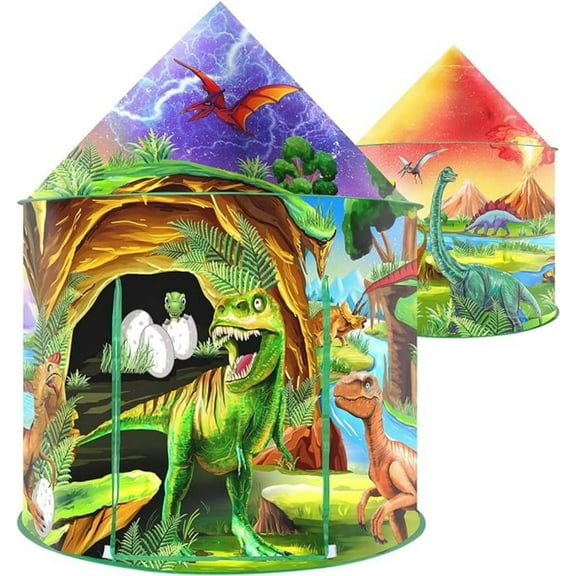
Joyfy Pink Play Tent for Girls Large Playhouse with Star Light Kids Castle Tent for Indoor and Outdoor Games


Nicecastle Dinosaur Kids Tent Play Tent Boys Girls Indoor Outdoor Pop up Tents Foldable Toddler Baby Playhouse Child Playroom Children's Pretend Party Toy Fort House Birthday Gift Kid Tent
Joyfy Pink Play Tent for Girls Large Playhouse with Star Light Kids Castle Tent for Indoor and Outdoor Games
YSPUKY Kids Tent, Play Tent for Kids: Firefighter Theme Playhouse Toddler Outdoor Toys 3-5 Kids Indoor Tent Christmas Birthday Gifts for Boys & Girls


Play Tent, Flower Kids Play Tent Children Indoor and Outdoor Castle Playhouse for Boys Toddlers Gift, Blue


SYNCFUN Rocket Ship Play Tent Pop up Play Tent Kids Indoor Outdoor Spaceship Playhouse Tent Set
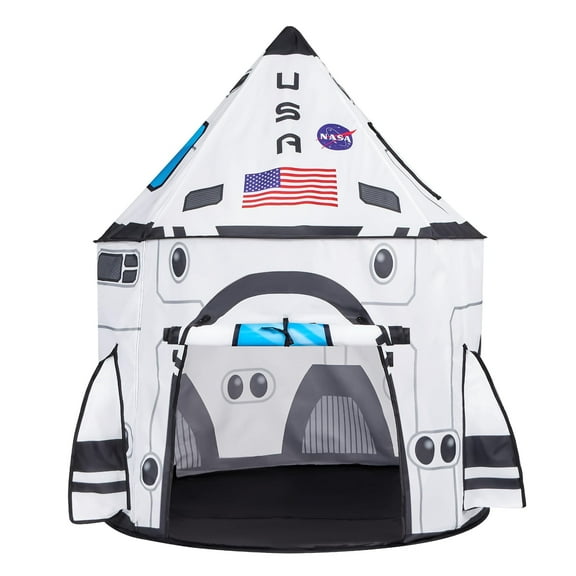
JoyStone Kids Play Tent Jungle Gym, Pop Up Tents & Play Tunnel for Toddlers, Best Birthday Gift for Boys & Girls, Collapsible Children Play Tent Toy Indoor and Outdoor Games


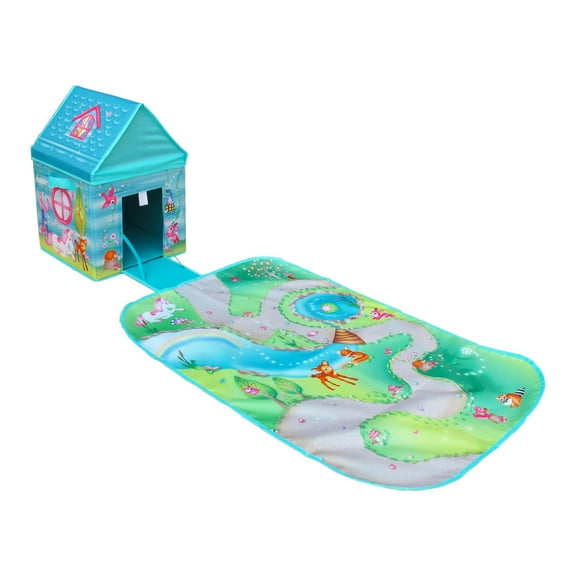
Fun2Give Pop-it-up Enchanted Forest Combo Set Play Box with Play Mat & Coloring Set
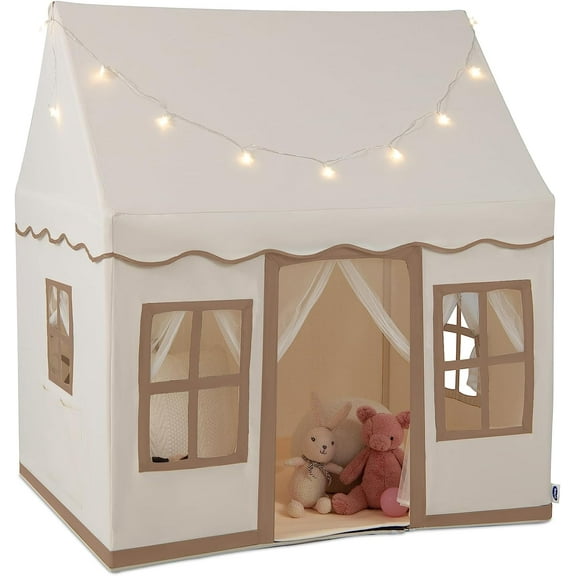
OLAKIDS Kids Play Tent with Washable Mat Star Light Windows, Anti-Trip Large Playhouse Toys for Children Boys Girls, Indoor Outdoor Princess Tents Castle for Toddlers (Beige)


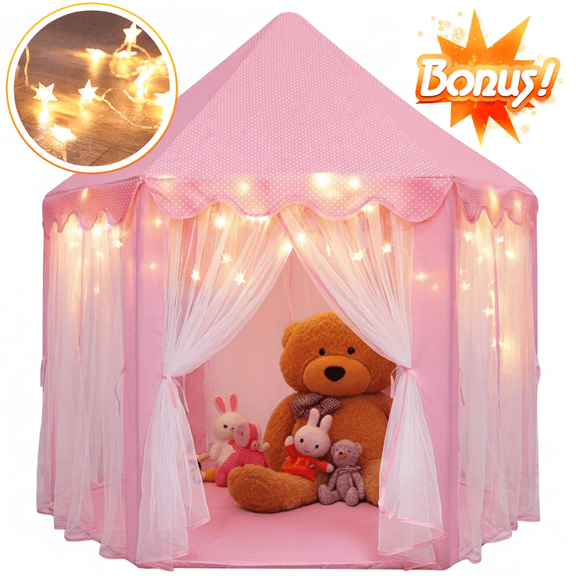
Princess Castle Playhouse Tent for Girls with LED Star Lights Indoor & Outdoor Large Kids Play Tent for Imaginative Games Princess Tent, 230 Polyester Taffeta. Pink 55"x53".
SweHouse Twin Kid Canopy Tent, Bed Tent for Kids Indoor, Toddler Pop Up Teepee Tent for Boys Girls with Star Lights & Flags, Queen Size for Inside Bedroom (Golden Beige)


Pacific Play Tents Super Duper 4 Kid Play Tent, Child
Dinosaur Discovery Kids Play Tent an Extraordinary Adventure Dinosaur Tent, Pop Up Tent for Kids, Dinosaur Toys for Kids Gift for Girls & Boys, Outdoor and Indoor Tents for Kids
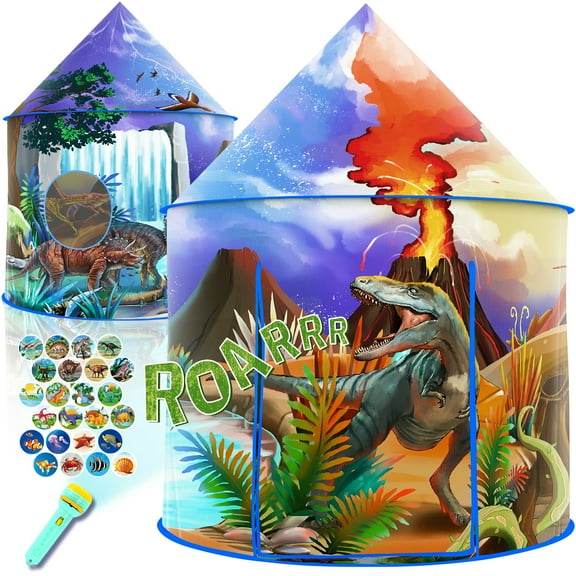
JoyStone Dinosaur Kids Play Tent, Discovery Dinosaur Pop up Tent, Indoor & Outdoor Playhouse Toys for Toddler Gift Boy & Girl


Barbie Cowgirl Camper Pop-Up Play Tent, Indoor Playhouse, Collectible Toy Storage, Children Ages 3+

INFANS Kids Bed Tent with Glow in The Dark, Portable Children Playhouse Privacy Space Twin with Mat Star Light Double Net Curtain, Indoor Outdoor Princess Tents Castle for Boys Girls
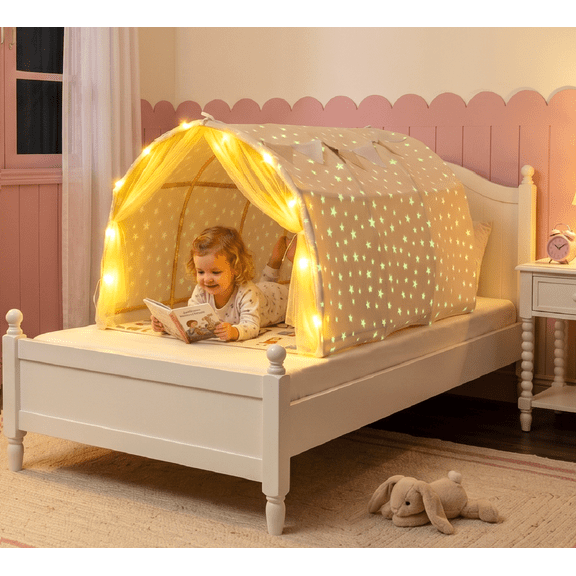
BSHAPPLUS Teepee Tent for Kids, Natural Cotton Canvas Teepee Play Tent Beige White, Toys for Girls/Boys Indoor & Outdoor Playing

Pacific Play Tents Glow in The Dark Firefly Bed Tent, Child
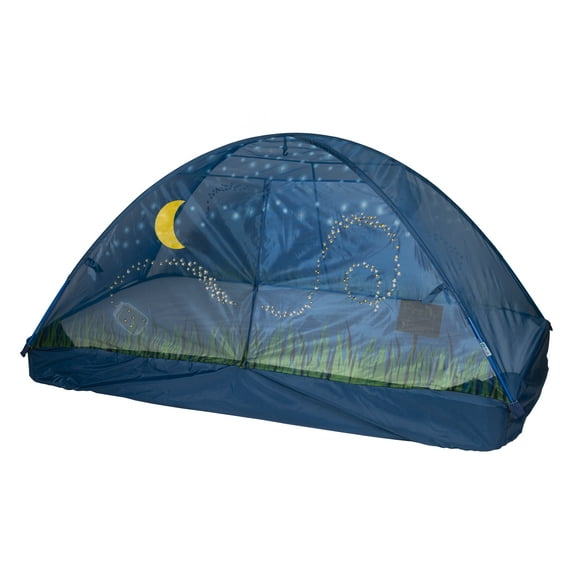
G3Elite Kids Play Tent, Childs 3 Piece Foldable Pop Up Indoor/Outdoor Vehicle, Tunnel & Tent with Carry/Storage Bag (Blue, Pink & Cream Camo)
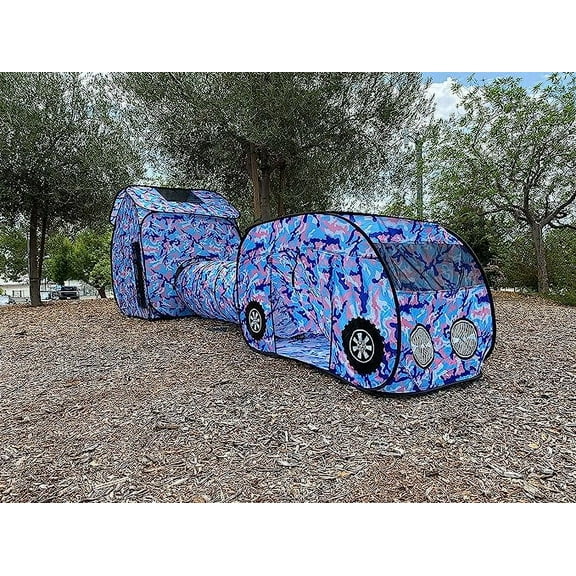


Girls Play Tent - Pink Play House Tent for Kids, Indoor Outdoor Play Tent for Toddlers Girls 3-8

QuanTara Play Tent for Kids,indoor Outdoor Playhouse with Carry Bag, Foldable Game Tent for Reading & Play, Pink (31.5x31.5x35.43in)
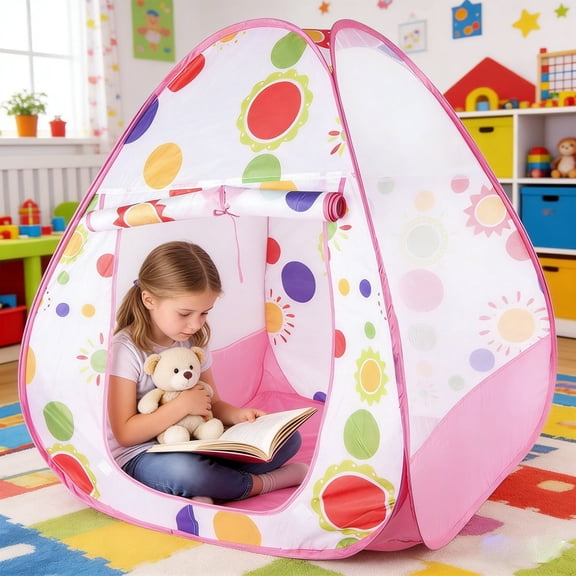


About Kids Play Tents & Playhouses for Indoor Outdoor Fun - Walmart.com
Make your Independence Day celebrations sparkle with kids play tents and tunnels—designed for joyful indoor and outdoor adventures. Whether you're setting up for a backyard party or a cozy family evening, these play spaces transform any area into a hub of imagination and fun.
- Effortless setup for instant play: Pop-up designs let you quickly create engaging play spots, perfect for spontaneous storytime or games during July 4th gatherings.
- Versatile enough for every setting: From teepees to themed castles, find styles that suit both indoor spaces and outdoor lawns, so kids stay entertained wherever your festivities unfold.
- Encourage creative explorations: Themed tents—think rockets or fire trucks—invite kids to expand their pretend play, fueling excitement for holiday activities.
- Practical storage and easy care: Lightweight, foldable tents can be stored or transported easily, and quick cleanup after your event keeps them ready for everyday use.
- Built for safety and comfort: Durable fabric and breathable mesh panels offer a comfortable spot for kids to play, so you can relax while they enjoy their new hideaway.
Shop at Walmart for kids play tents that bring energy and festive charm to your July 4th plans. Discover options for every space and spark lasting memories with creative, reliable playhouses.
Popular in Kids Play Tents & Playhouses for Indoor Outdoor Fun - Walmart.com
FAQ
What ages are play tents made for?
Play tents are designed for a wide range of ages, typically starting from toddlers around 2 years old up to pre-teens. Most tents list recommended age ranges—always check the product details for guidance. Some tents feature soft materials and simple designs for younger kids, while others offer larger spaces and themed elements for older children.
- Supervision is suggested for younger kids, especially with tents that include tunnels or small parts.
- Look for tents with easy access and sturdy construction for active play.
How is a teepee tent different from a play tent?
A teepee tent and a play tent differ mainly in shape and style.
- Teepee tents have a classic cone shape with poles and fabric, creating a cozy, enclosed space. They're often used for reading nooks or imaginative play.
- Play tents come in various shapes—like castles, rockets, or houses—and may include tunnels or ball pits. They tend to offer more themed designs and extra features.
What do kids do with play tents?
Kids use play tents for all sorts of activities, from imaginative games to quiet time.
- They might pretend the tent is a castle, spaceship, or shop.
- Some children use it as a cozy spot for reading or relaxing.
- Tents with tunnels or ball pits encourage active play and crawling.
Where can I find kids play tents?
You can find a wide selection of kids play tents right here at Walmart, both online and in stores.
- Browse the Toys section for different styles, sizes, and themes.
- Use filters to narrow down options based on age, features, or design.
- Check for convenient shipping or store pickup options.
Can play tents be used outside?
Many play tents are suitable for both indoor and outdoor use, but it's important to check the product description for details.
- Outdoor-friendly tents usually have durable materials and easy-to-clean surfaces.
- Some tents include stakes or anchors for stability on grass.
- Always bring the tent inside during bad weather to protect it.