

Pretend Play in Toys

























About Pretend Play in Toys - Walmart.com
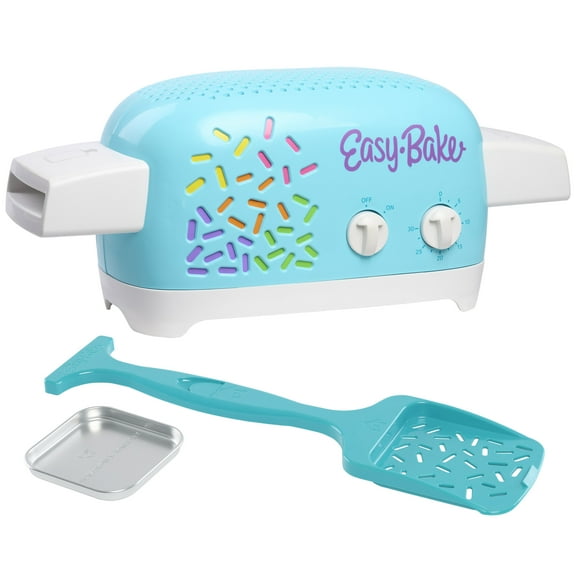
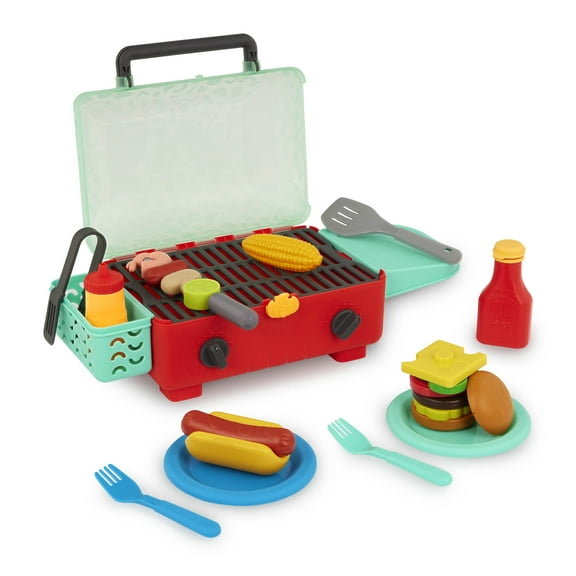
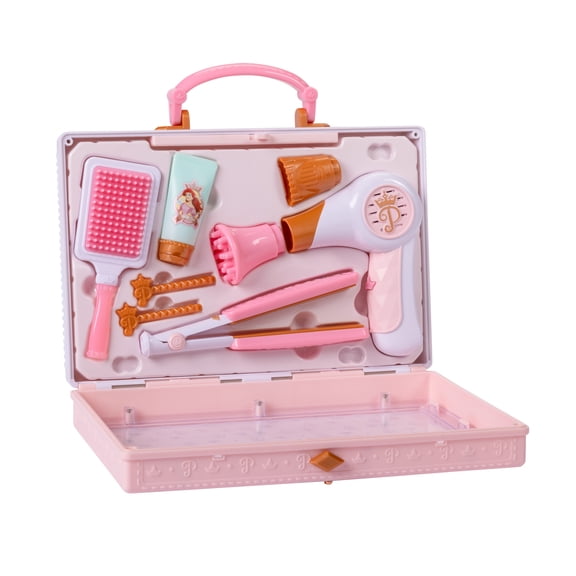
Pretend play toys help you turn everyday moments into imaginative adventures. You can compare themes, age ranges, materials, and storage needs to choose sets that fit your child’s play style.
How to choose pretend play toys by theme
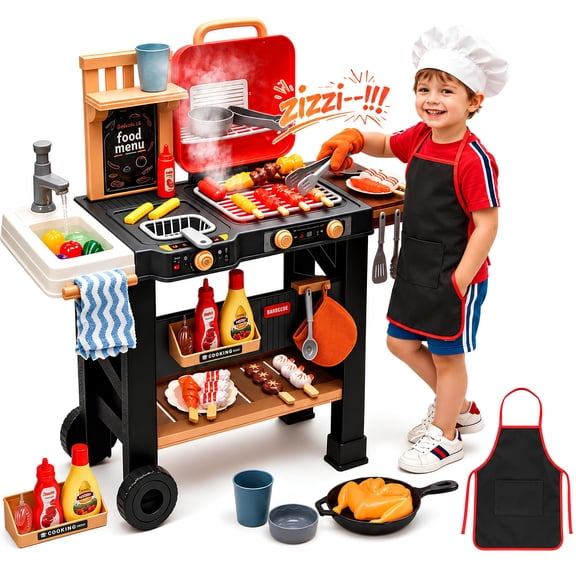
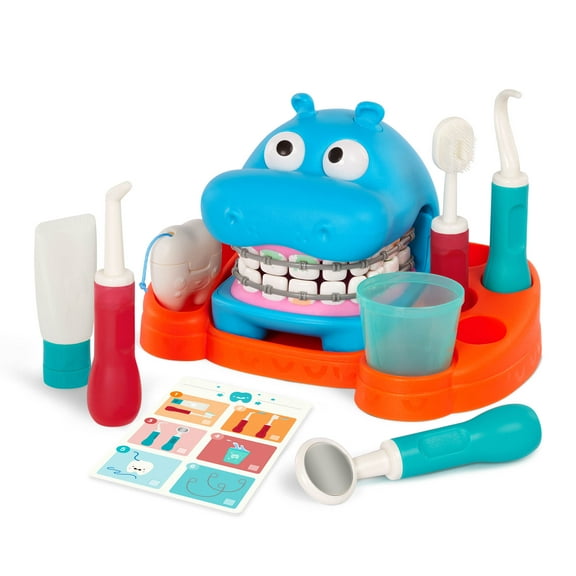
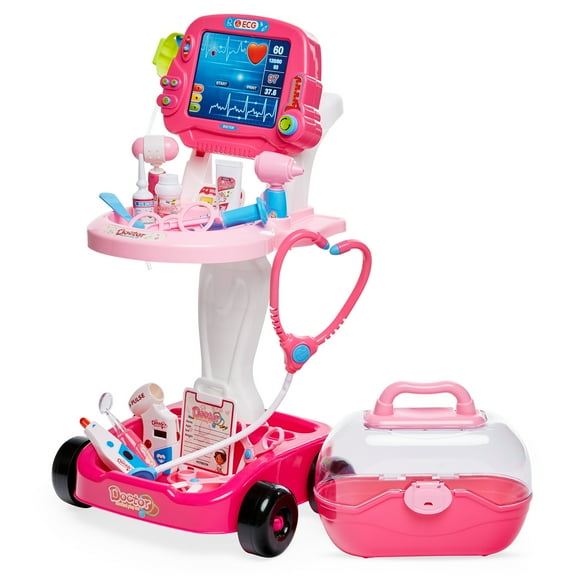
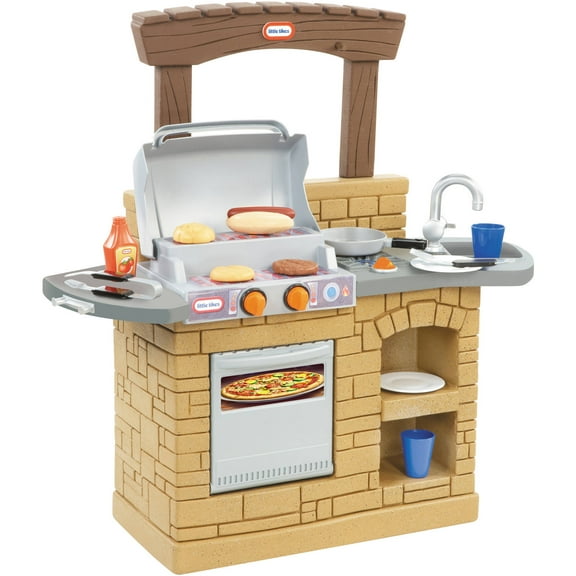
You’ll want to start with a play theme that matches your child’s interests. You can choose kitchen sets for cooking stories, doctor kits for care routines, or tool sets for building scenes.
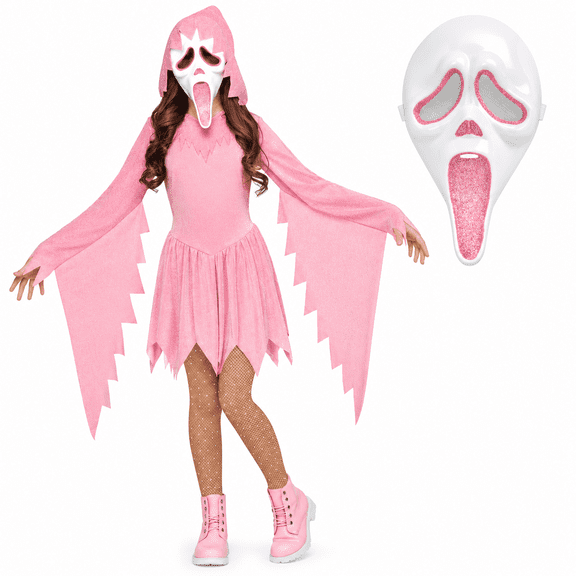
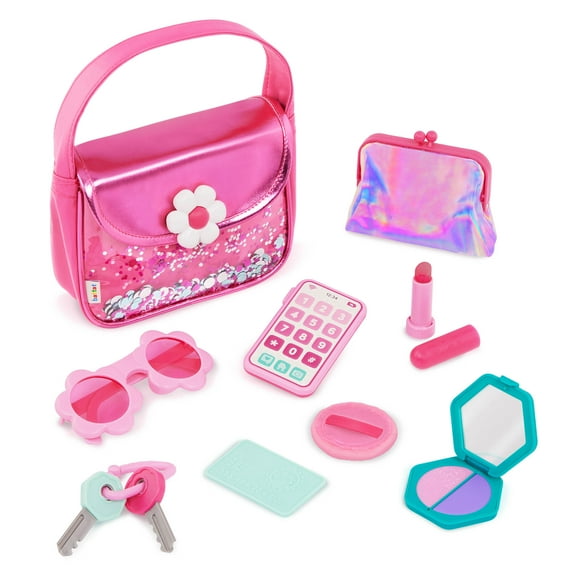
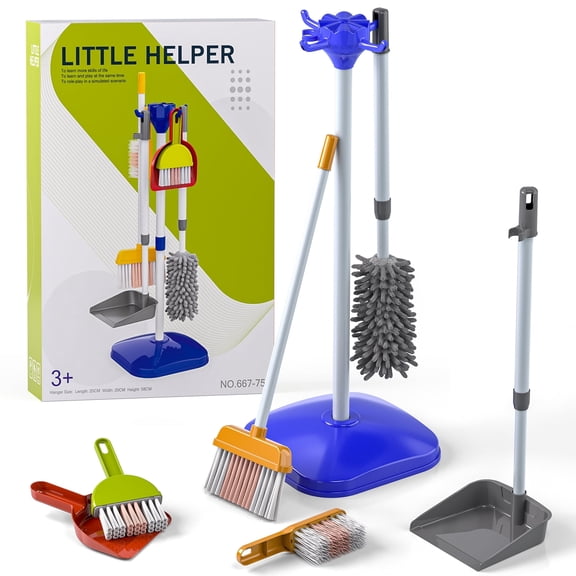
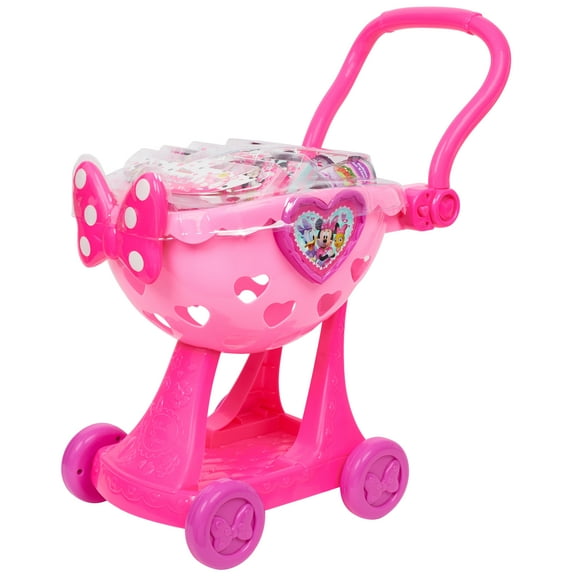
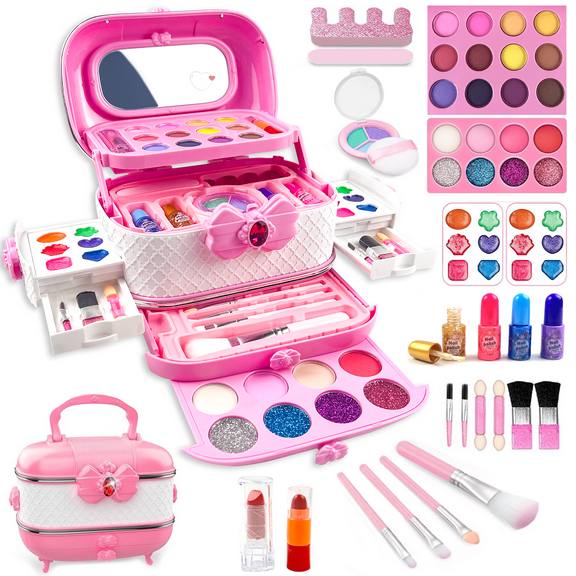
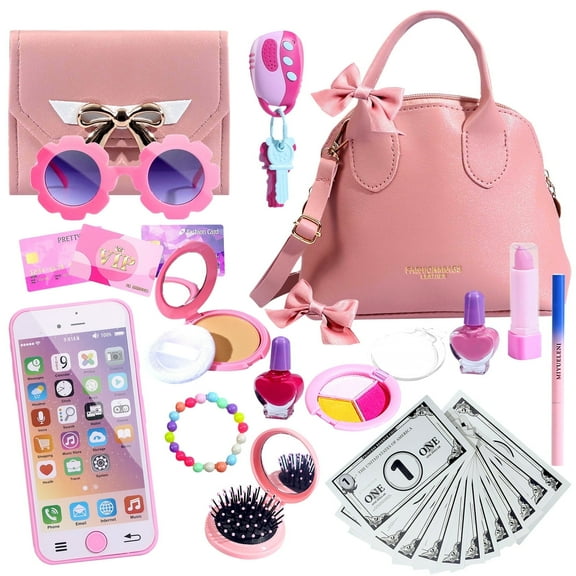
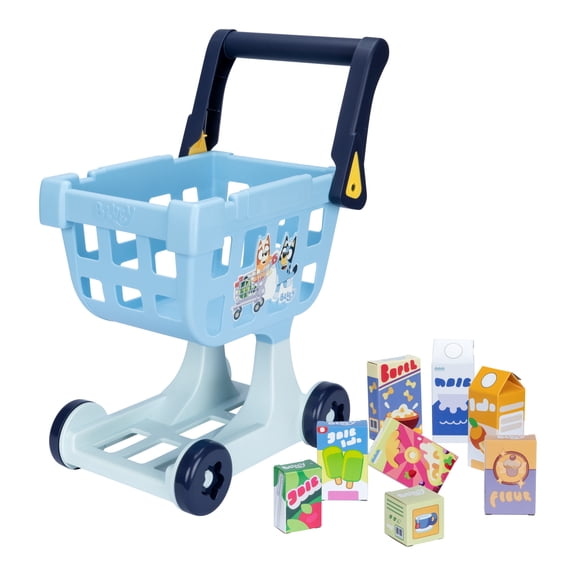
If your child loves costumes, you may prefer kids dress up toys with accessories and simple fasteners. If your child copies household routines, you can look for housekeeping sets with brooms, carts, and play cleaning tools.
You can also compare pretend play sets by how open-ended the story feels. You’ll often get guided role ideas from doctor or tool themes, while dress-up and kitchen play support many changing scenarios.
- You can encourage longer play sessions with themes your child already talks about.
- You can support shared play when siblings choose familiar roles like cook, builder, or doctor.
- You can match the set to your space by picking compact kits or larger stations.
- You can rotate themes easily when you want fresh stories without changing the whole playroom.
Choosing the right age range for role play toys
You should check age range first because size, complexity, and accessory count vary a lot. You’ll usually find toddlers need chunkier pieces, simpler actions, and sturdy parts they can grasp easily.
For toddlers ages one to three, you can look for large utensils, soft fabric pieces, and push-along carts. You should also check whether the set uses simple sounds, easy doors, or oversized knobs.
For kids ages three to five, you may want more detailed role play toys with pretend food, toy stethoscopes, or basic tool benches. You’ll often see more storytelling options at this stage because your child can sequence steps and copy routines.
For kids ages five to eight, you can consider fuller dress-up assortments, multi-piece kitchens, and themed workstations. You may appreciate extra accessories here because your child can manage character changes and more involved scenes.
What to look for in materials and durability
You can compare wooden, plastic, and fabric options based on feel, cleanup, and portability. You’ll often choose wooden sets for a solid feel, while plastic pieces stay light for quick movement.
If you want easier wipe-down care, you may lean toward plastic kitchens, doctor tools, or housekeeping carts. If you want softer dress-up storage, you can look for fabric costumes, aprons, and accessory bags.
You should also consider where your child plays most often before choosing material. You may prefer wooden pieces for a dedicated play corner, while lightweight plastic works well when you move toys room to room.
Storage matters too when you compare larger pretend play toys. You can measure playroom space, check countertop height, and look for bins, hooks, or foldable parts.
Using pretend play sets to support everyday skills
You can use pretend play sets to build social skills through turn-taking, dialogue, and shared roles. You’ll notice kitchen service, doctor checkups, and cleanup games give your child clear parts to act out.
Fine motor practice also shows up in simple ways during play. You can look for buttons, zippers, knobs, scoops, and toy tools that encourage grasping, twisting, and sorting motions.
Cognitive development often grows through sequencing and memory during make-believe routines. You can choose sets with menus, recipes, checklists, or repair steps when your child likes following a process.
You may also match skill focus to the theme your child enjoys most. If your child loves caregiving stories, you can choose doctor or housekeeping themes, while building fans may respond to tool play.
Matching pretend play toys to real-life spaces and routines
You can make shopping easier when you picture where and how your child will use the set. A pretend play kitchen often suits a dedicated corner, while doctor kits and tool cases travel easily.
If you need quick cleanup, you can look for handled cases, stackable accessories, or soft dress-up bins. If your child plays before dinner or after school, you may prefer sets that open fast and pack away simply.
You can also choose by household routine and family play style. Dress-up sets fit party play and sibling role swaps, while housekeeping toys work well when your child imitates daily chores.
When relatives visit, you may want themes that support group storytelling without a lot of setup. Kitchen, doctor, and dress-up themes usually let several kids join with clear roles and repeated actions.
Choosing pretend play toys with confidence
You can feel more certain when you compare theme, age range, material, and skill focus together. That approach helps you choose pretend play toys that fit your child’s interests, your space, and your everyday routine.