

Plaid Wallpaper in Wallpaper by Pattern
































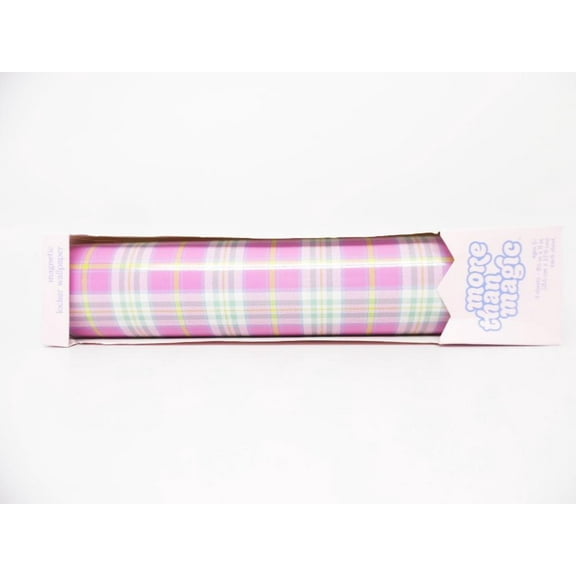





About Plaid Wallpaper in Wallpaper by Pattern - Walmart.com
Plaid wallpaper helps you bring structure and warmth to your walls with a pattern that feels classic, modern, or farmhouse-inspired. You can compare application type, color palette, room use, and pattern scale to choose a look that fits your space.
If you're updating a bedroom, bathroom, nursery, or accent wall, plaid wallpaper gives you a clear visual grid that shapes the whole room. You can use tartan lines, buffalo check, or micro-plaid layouts to create a tailored backdrop.
How to choose plaid wallpaper by application type
You should start with installation style because it affects prep time, repositioning, and the tools you'll need. You can narrow your options by comparing peel and stick, pre-pasted, and non-pasted formats.
If you want simpler setup, plaid peel and stick wallpaper lets you place panels, smooth bubbles, and adjust alignment as you go. You may prefer this format when you're decorating an apartment, testing an accent wall, or refreshing a smaller room.
If you want a more traditional approach, pre-pasted and non-pasted rolls give you added flexibility for larger walls. You can compare product instructions to see whether you'll activate adhesive with water or apply paste separately.
- You can choose peel and stick for easier repositioning during install.
- You can pick pre-pasted rolls when you want fewer separate materials.
- You can select non-pasted styles when you want broader traditional wallcovering options.
- You can check whether the wallpaper uses straight match or drop match before ordering.
- You can review repeat size in inches to plan cuts around windows, corners, and outlets.
Choosing modern plaid wallpaper and color direction
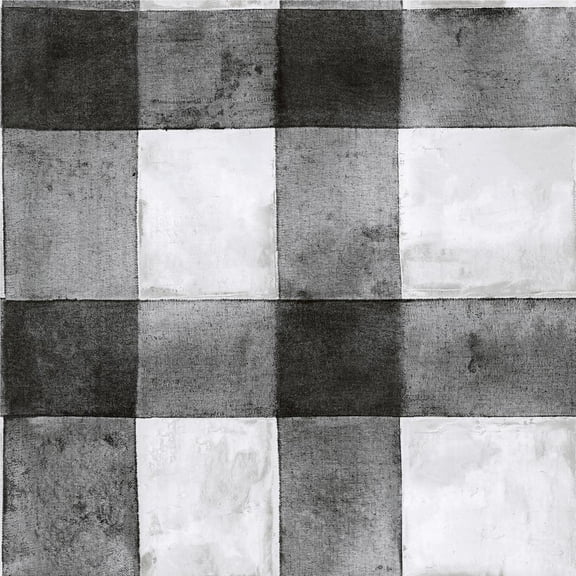
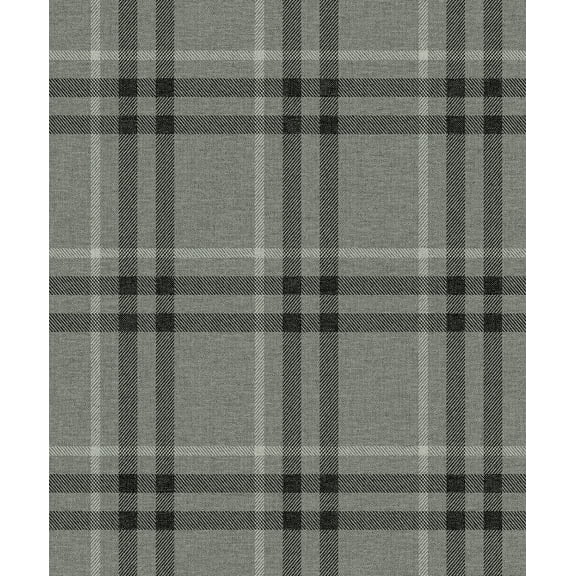
You can shape the mood of your room by selecting a plaid scale and color palette that works with your furniture. You may want black plaid wallpaper for contrast or white plaid wallpaper for a lighter, airy look.
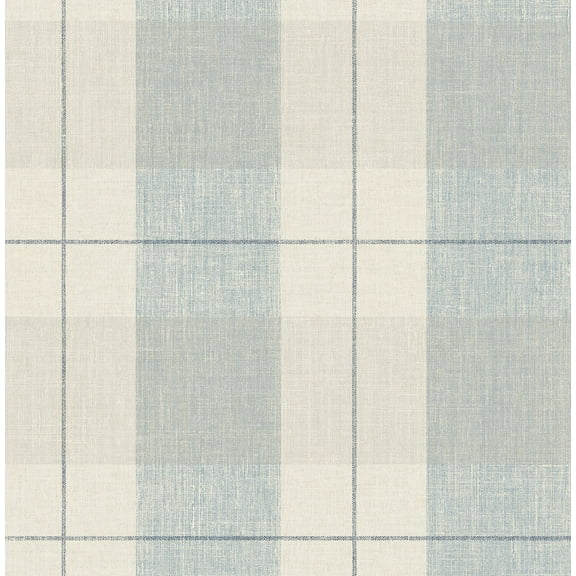
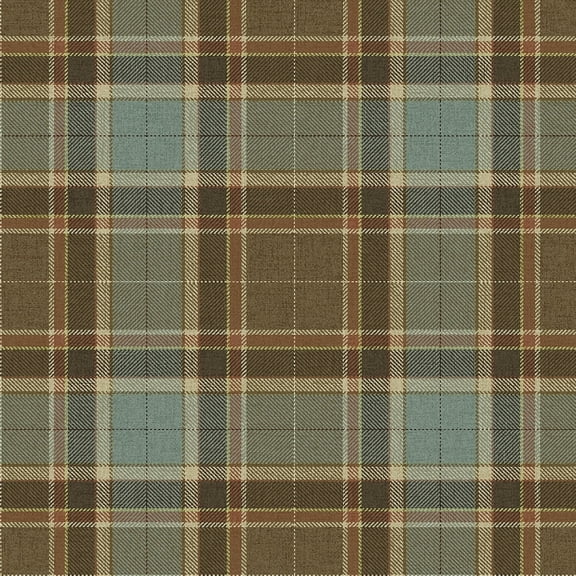
If your space has warm woods or neutral textiles, beige plaid wallpaper can soften the wall without losing pattern definition. You can also consider grey or blue options when you want a cooler palette with clean lines.
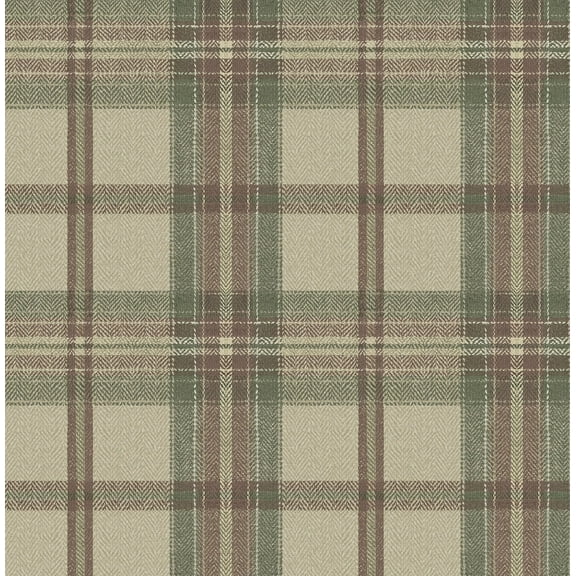
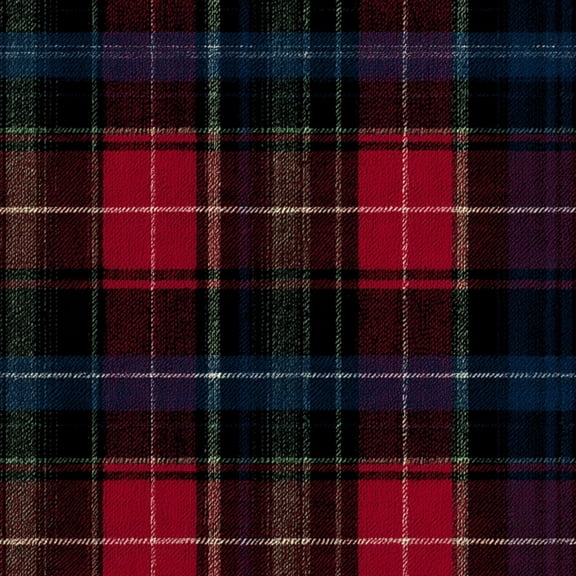
Modern plaid wallpaper often uses wider spacing, softer contrast, or simplified checks that feel current in newer interiors. If you like a heritage look, traditional tartan and rustic farmhouse styles give you a more established pattern story.
You should also compare buffalo check with finer grid designs before you commit to a roll count. You may find that bold checks anchor a focal wall, while micro-plaid works across more surfaces.
What to look for in pattern scale and repeat
You can avoid installation surprises by checking pattern scale before you choose large print or small print designs. Large plaid wallpaper creates stronger visual movement, while smaller checks keep the wall more subtle.
You should measure your wall height and width, then compare those numbers with the wallpaper's roll coverage. You can estimate how many rolls you'll need by dividing total wall area by the listed coverage per roll.
If your wallpaper has a larger repeat, you'll likely need extra material to align the lines from strip to strip. You can reduce waste by checking repeat size in inches before you finalize your quantity.
You should also confirm whether your pattern uses straight match or drop match because each affects cutting strategy. Straight match usually lines up at the same height, while drop match shifts the pattern between strips.
How to choose plaid wallpaper for bedrooms and bathrooms
You can tailor plaid wallpaper bedroom designs by balancing comfort, pattern size, and color contrast. Softer beige, white, and blue plaids can help your sleeping space feel calmer and more coordinated.
If you want a dramatic headboard wall, black plaid wallpaper can frame your bed and nightstands with crisp definition. You may prefer a small or medium check when you want pattern without overwhelming the room.
For a plaid wallpaper bathroom update, you should check washability and moisture resistance in the product details. You can look for surfaces designed for easier cleaning and better performance in humid spaces.
If you're styling a nursery, you may want micro-plaid or lighter tones that blend with simple furniture and soft textiles. You can also use plaid on one accent wall to add pattern without covering every surface.
You should think about sightlines when you choose plaid for hallways, powder rooms, or reading corners. A vertical and horizontal grid can make trim, shelving, and framed art look more intentional.
Key buying details that help you plan your project
You can make your project smoother by checking wall condition, surface type, and room layout before ordering. Flat, clean walls usually make alignment easier, especially when you want the plaid lines to stay consistent.
If your room has many doors, windows, or angled ceilings, you should allow extra material for cuts and pattern alignment. You can review each roll's dimensions to compare coverage across different wallpaper formats.
You may also want coordinating tools like smoothing tools, utility knives, measuring tapes, and seam rollers for a cleaner finish. You can get a more polished result when you plan around corners, outlets, and trim from the start.
Plaid wallpaper gives you a structured pattern that can read cozy, tailored, or modern depending on your choices. When you compare application type, repeat, room use, and color carefully, you can create a finished wall with clear visual balance.