

Scrapbooking Storage in Specialty Craft Storage and Organizers


































About Scrapbooking Storage in Specialty Craft Storage and Organizers - Walmart.com
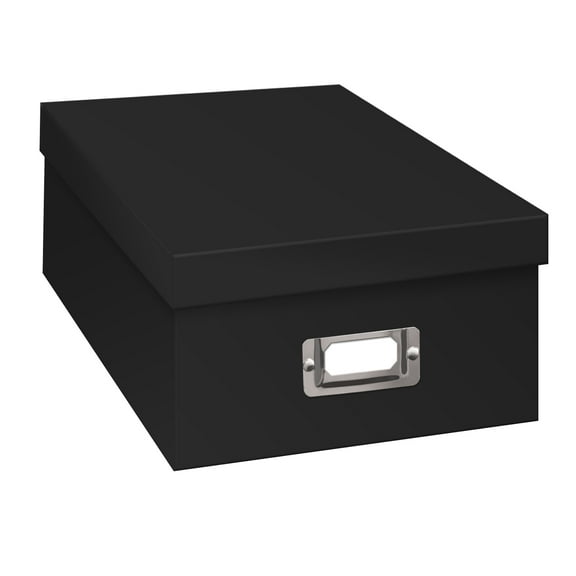
You can keep every album supply sorted with a scrapbooking storage box that fits paper, tools, and embellishments without turning your craft area into clutter. You’ll also find options designed for 12x12 paper, archival materials, and portable setups that match how you create.
When you compare storage for scrapbooking, you should look at format, size compatibility, portability, and material protection first. You’ll make a clearer choice when your storage matches your paper size, your workspace, and your crafting routine.
How to choose a scrapbooking storage box
You should start with the storage format that matches how you organize supplies each day. You may prefer boxes for stacked paper, bins for bulk items, or cases when your tools travel.
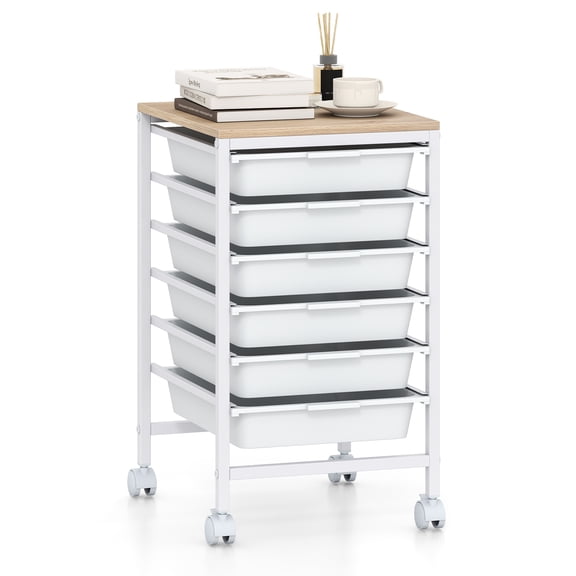
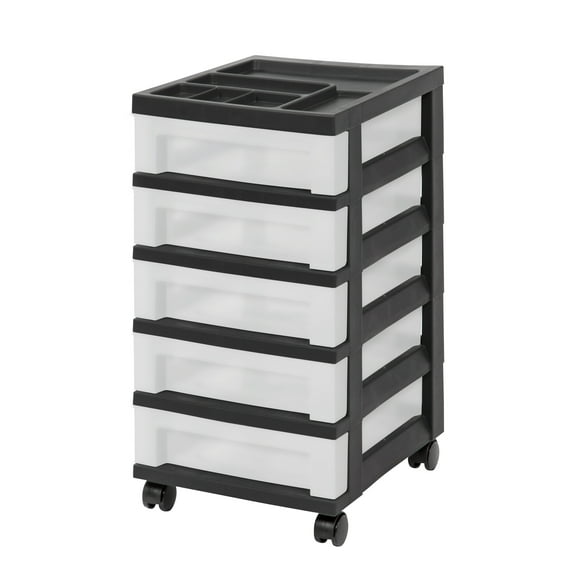
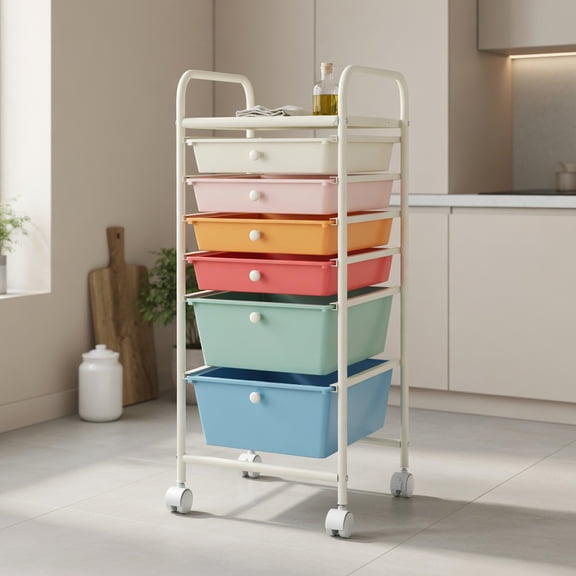
If your setup stays in one room, you may compare stationary shelves and carts for quick access. If you craft at classes or kitchen tables, you should check for handles, latches, and easy-carry shapes.
You’ll also want a scrapbooking organizer that separates stickers, punches, stamps, and ribbon from full paper packs. You can keep projects moving faster when each supply type has its own space.
- You can sort 12x12 paper, letter size sheets, and 8.5x11 materials with less bending or corner wear.
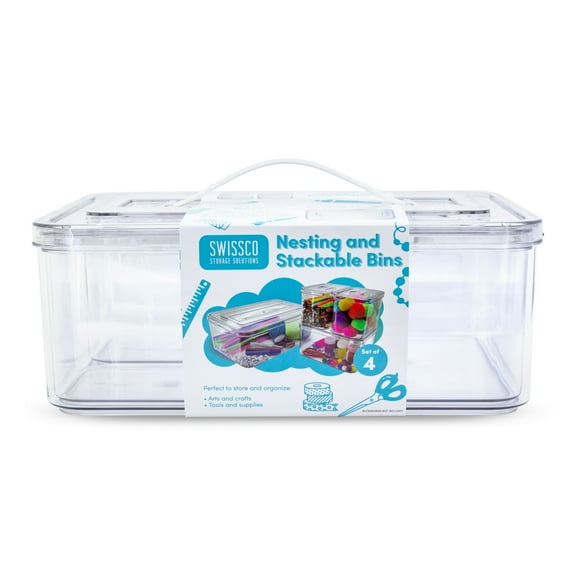
- You can stack modular boxes and scrapbook storage bins to use vertical space more efficiently.
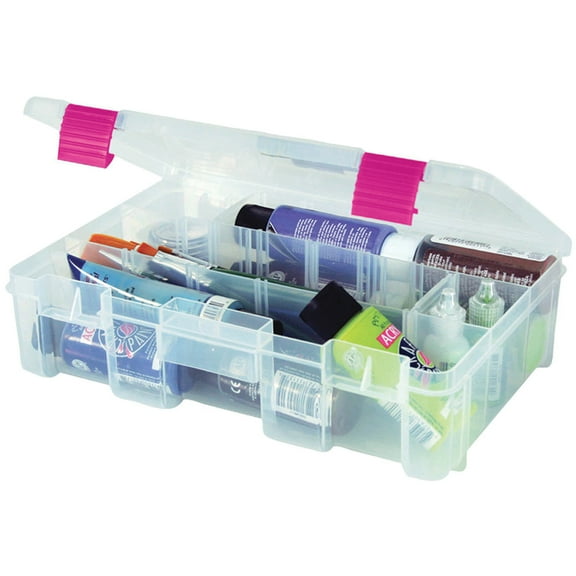
- You can carry a scrapbook case with handles and latches when your crafting happens in different rooms.
- You can choose acid-free plastic or other protective materials when your pages need cleaner long-term storage.
Choosing scrapbook storage containers and scrapbook bins
You should compare boxes, bins, cases, shelves, and carts as different ways to access the same supplies. You’ll usually want boxes for paper protection and bins for faster reach during active projects.
When you use scrapbook storage containers for paper collections, you should measure the interior space, not just the outer label. You need enough room for 12x12 sheets to slide in flat without curled edges.
If you organize embellishments in scrapbook bins, you may want wider openings and visible sides. You can spot buttons, chipboard, and washi rolls faster when your containers show what’s inside.
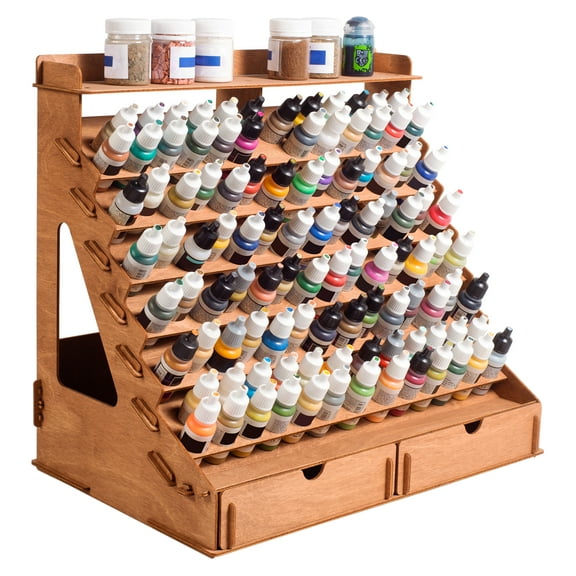
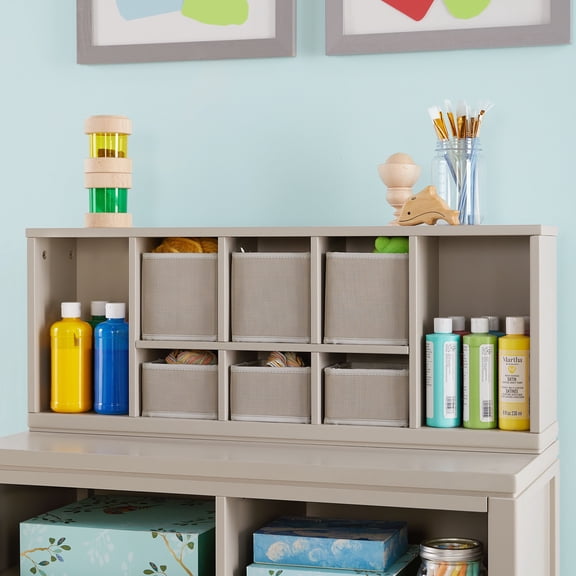
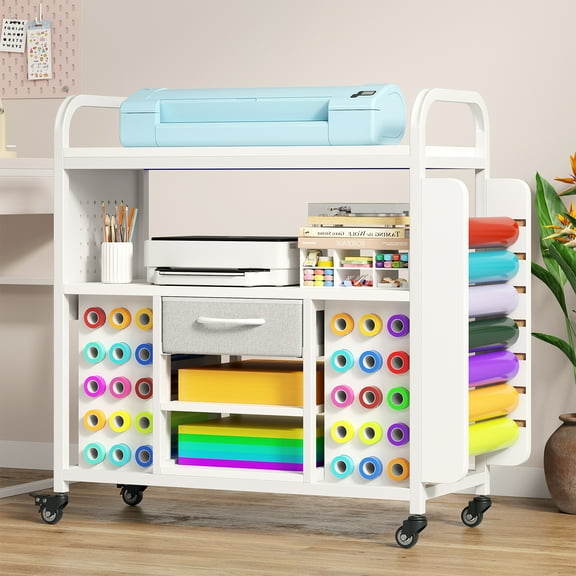
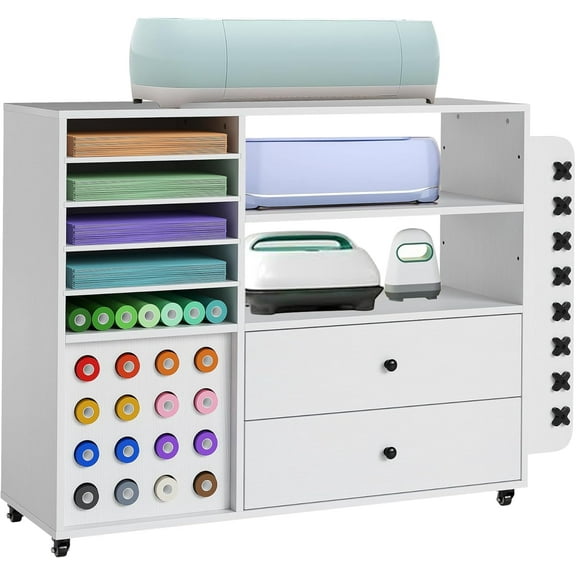
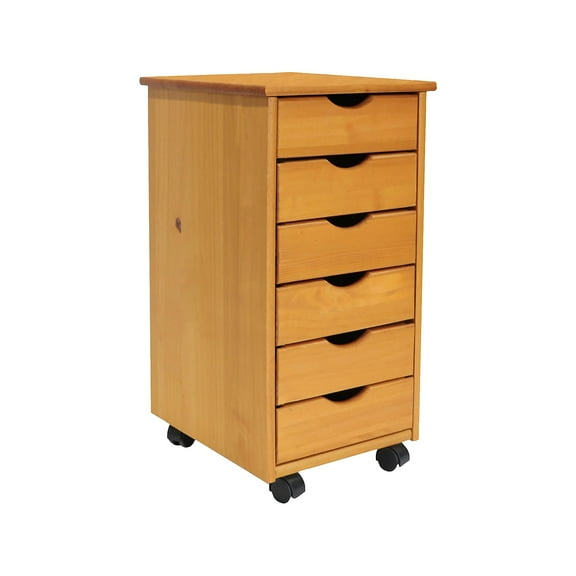
You may choose a scrapbook shelf when your craft room needs open visibility and quick grabbing. You should choose shelves carefully if you store loose paper that needs edge support.
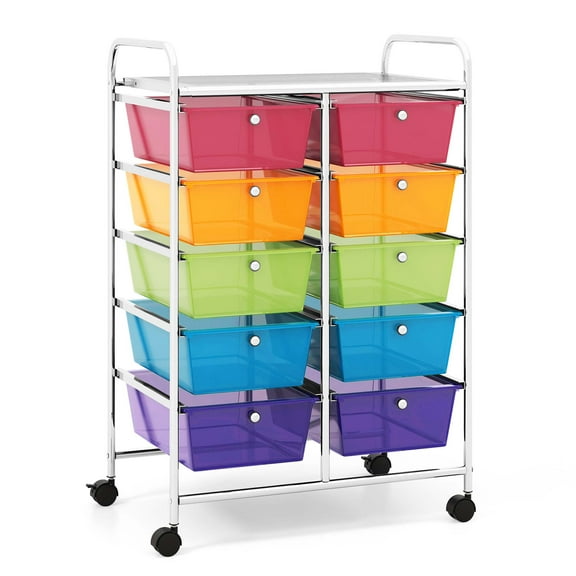
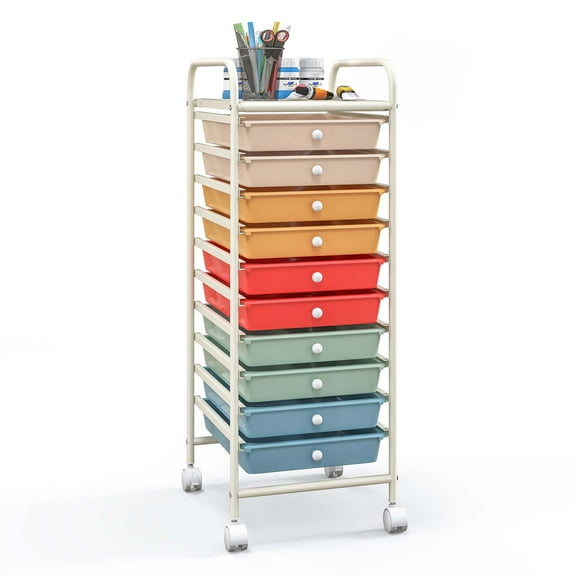
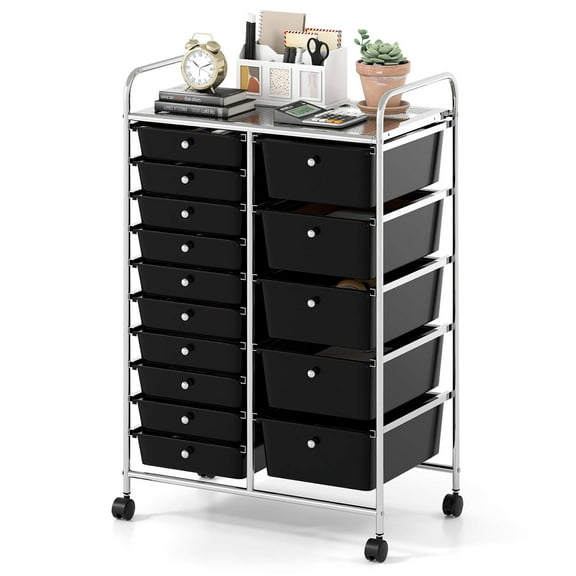
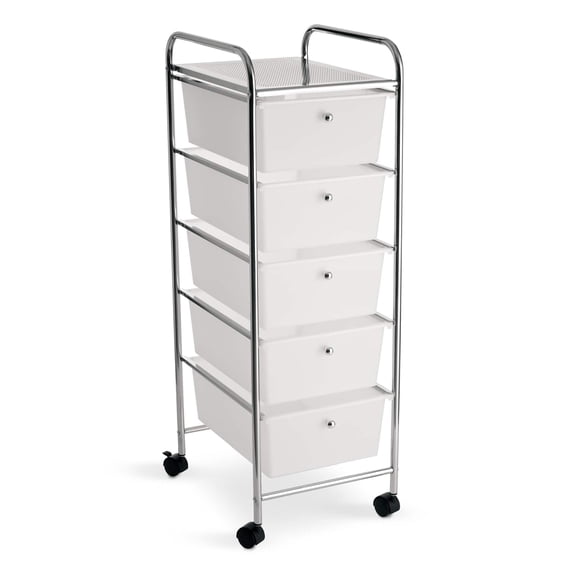
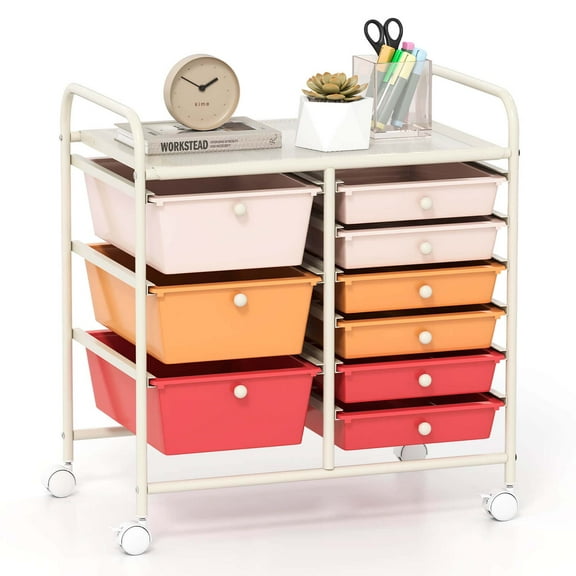
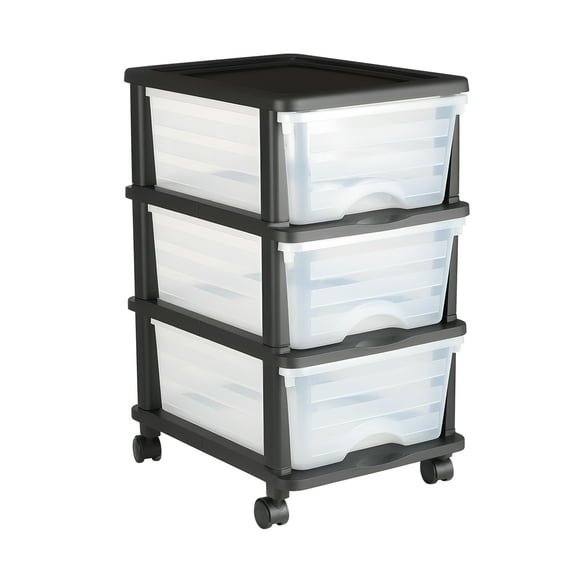
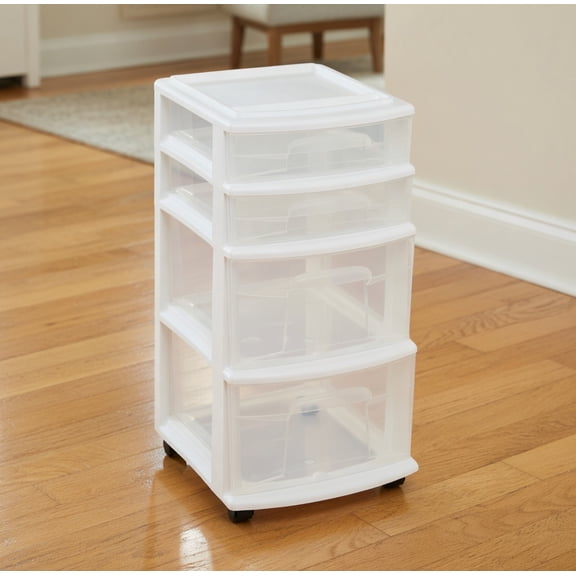
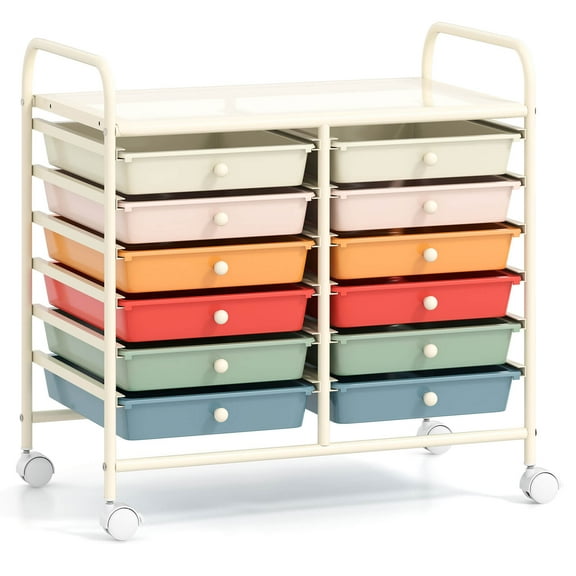
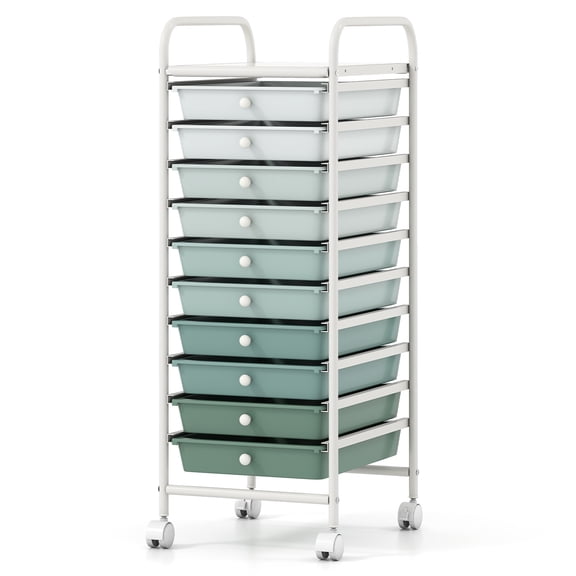
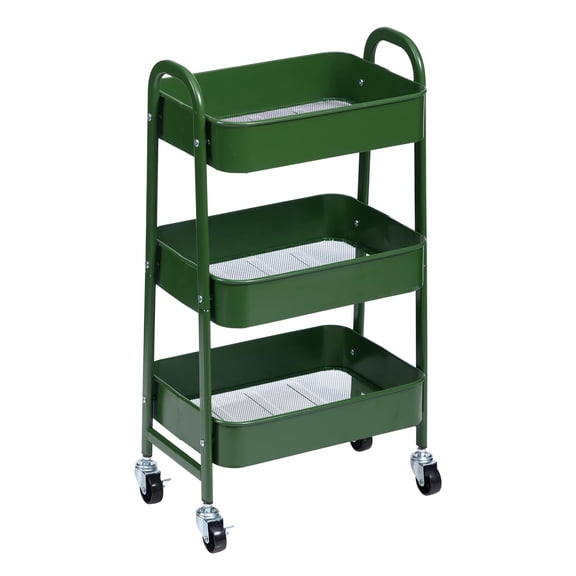
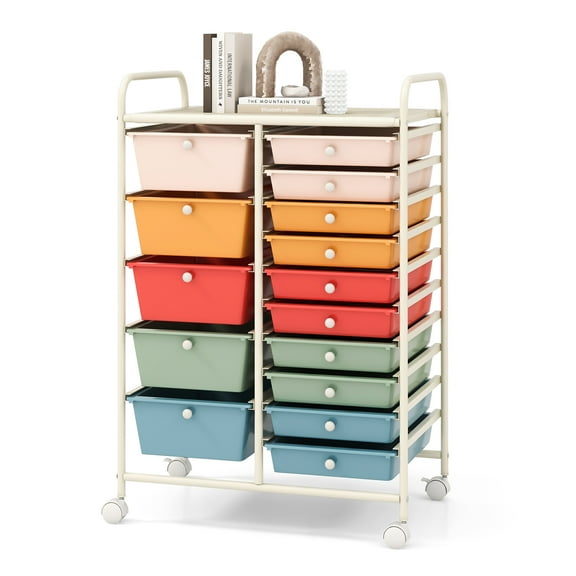
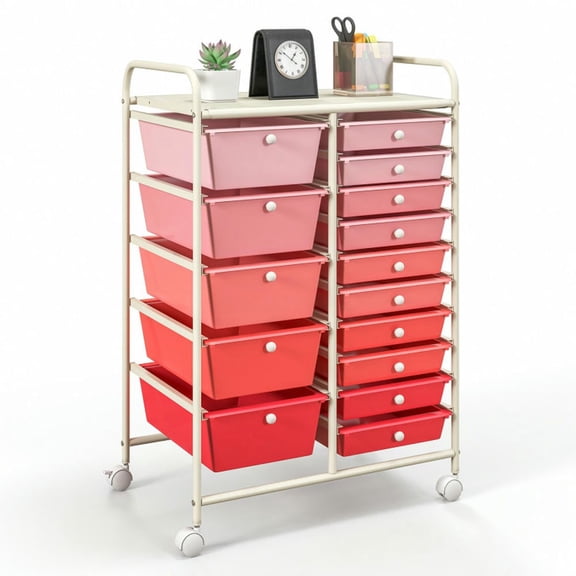
If your supplies move often, you should compare a scrapbook case storage setup with a rolling cart. You’ll get portability from cases, while carts help you move more tools at once.
What to look for in scrapbook boxes and scrapbook case storage
You should treat size compatibility as a key decision, especially if you use 12x12 albums and refill packs. You’ll avoid trimming, folding, or overstuffing when your container is built for scrapbooking dimensions.
If you use letter size printables or 8.5x11 pages, you may want a smaller footprint. You can reduce wasted shelf space when your storage fits the materials you actually buy.
You should also compare material choices based on what you plan to store long term. You may look for acid-free plastic and lignin-free storage when you keep finished pages, photos, or specialty papers.
Heavy-duty cardboard can work well when you want a lighter structure for sorted paper packs. Wire metal can help you see tools and supplies quickly when you use storage for active crafting stations.
You should check for secure closures if your supplies travel between rooms, crops, or classes. You’ll appreciate latches that stay shut and handles that feel balanced when your case is full.
Stackability matters when your collection grows over time and your table space stays limited. You can build a cleaner system with scrapbook organizers that align neatly on shelves or inside cabinets.
Matching scrapbooking storage to how you craft
You should match your storage format to your real crafting habits, not just your available shelf. If you scrapbook in short sessions, you may want a ready-to-grab case with your core tools.
When you build full albums at a dedicated table, you may prefer scrapbook boxes for paper and a shelf for frequent tools. You can keep cardstock flat while keeping scissors, trimmers, and adhesives within reach.
If you craft in shared spaces, you should consider portable boxes or a scrapbook case with compartments. You’ll be able to move your setup off the table without mixing pages and embellishments together.
When you attend crops or craft nights, you may want case storage with handles, latches, and divided sections. You can transport stamps, pens, and page kits in one organized system.
If your collection includes seasonal paper, extra albums, and bulk embellishments, you may lean toward scrapbook storage bins or rolling carts. You can separate current projects from backstock and still find what you need.
You should also think about how your storage works with related supplies you already use. You can pair your setup with scrapbooking paper, stickers and embellishments, or craft storage cabinets for a more organized workflow.
You’ll get more from your setup when your scrapbooking storage box fits your paper size. It protects delicate materials and supports how you craft from one project to the next.
You can create with less sorting, less searching, and more usable workspace every time. You’ll feel more prepared for each page when your storage keeps supplies visible and paper protected.