

Paint Sprayers in Paint Applicators




























About Paint Sprayers in Paint Applicators - Walmart.com
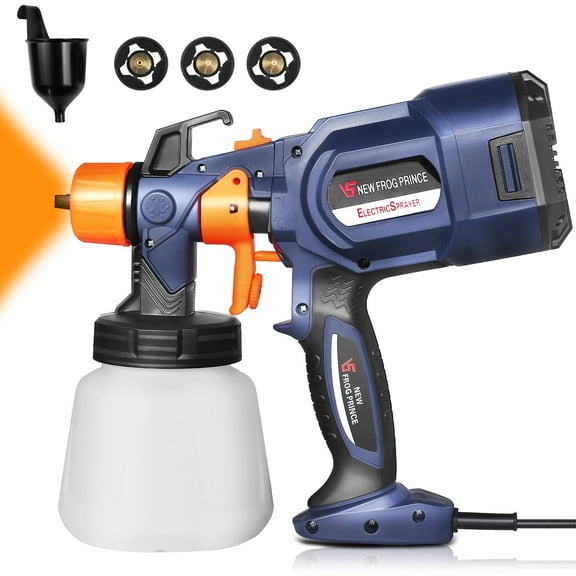
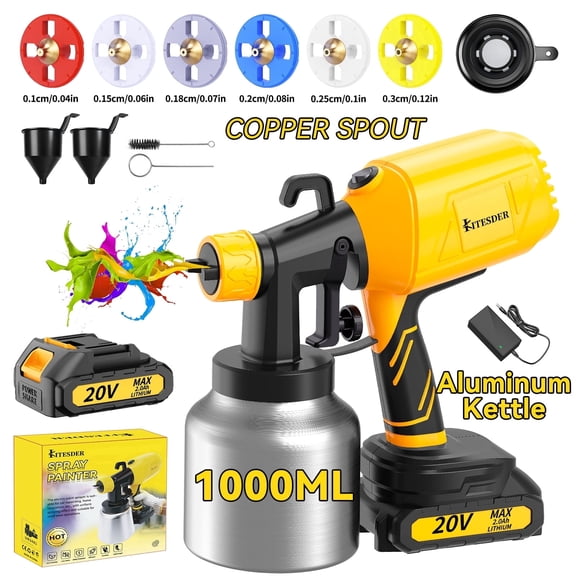
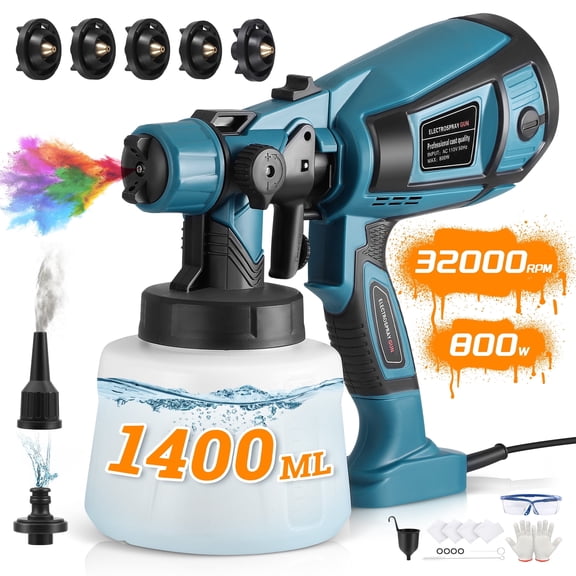
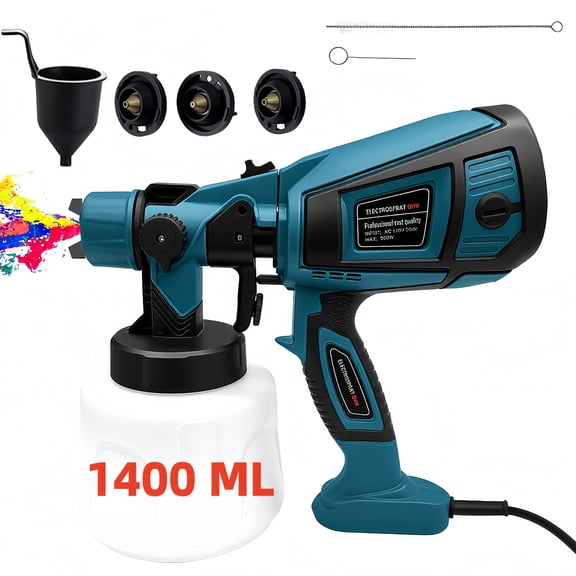
Paint sprayers help you cover walls, fences, cabinets, and furniture quickly compared to traditional brushes. You can compare sprayer type, power source, and flow control to match your project.
Choosing paint sprayers by sprayer type
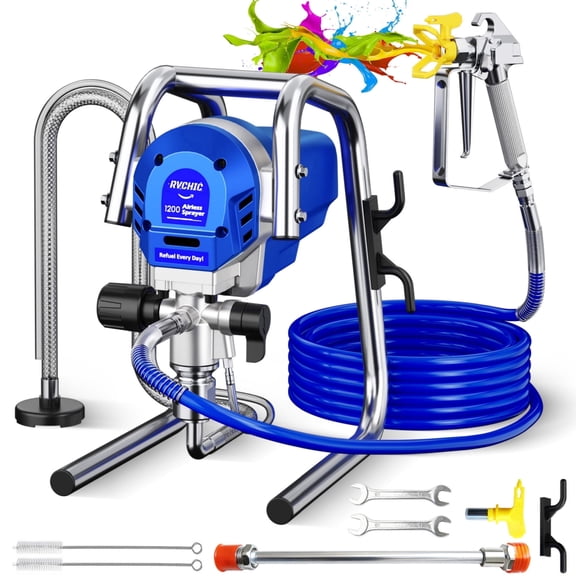
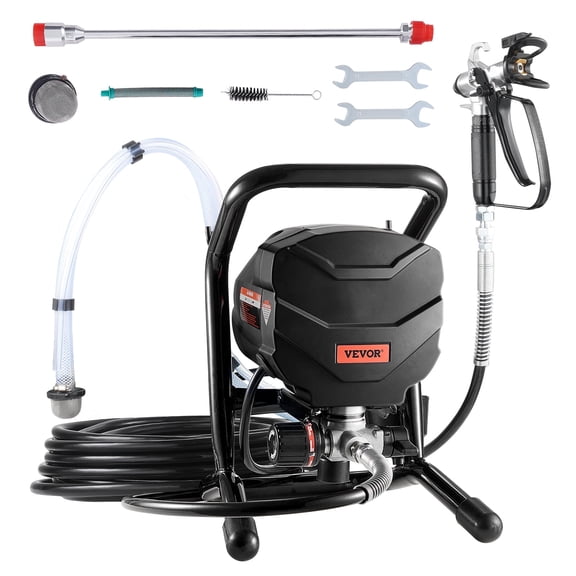
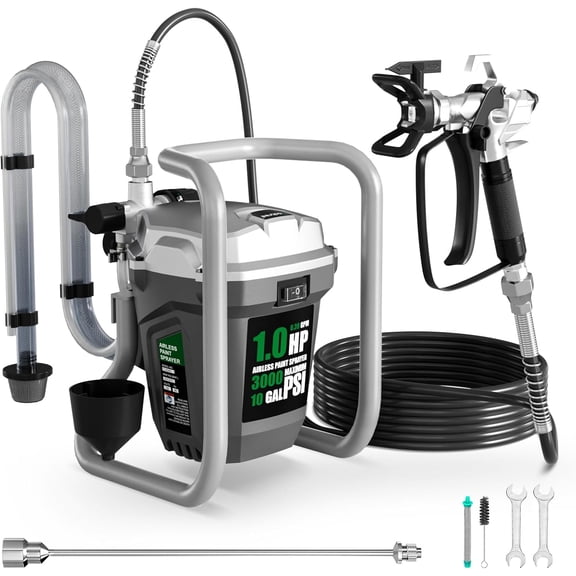
When you compare paint sprayers, you should start with the finish and coverage you want. For broad surfaces, you can use airless paint sprayers for steady, high-speed application.
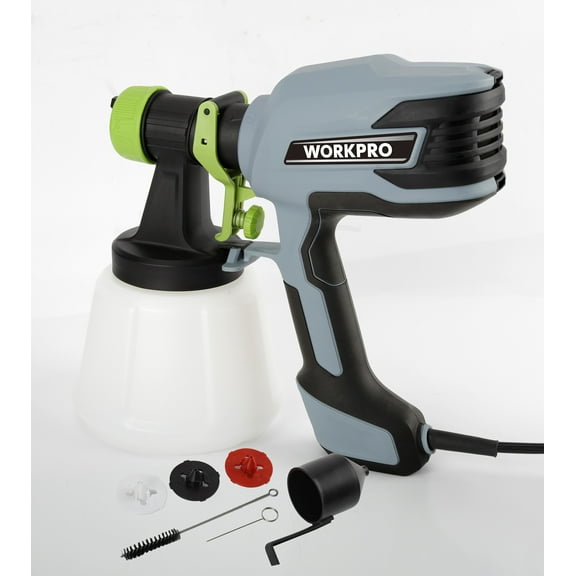
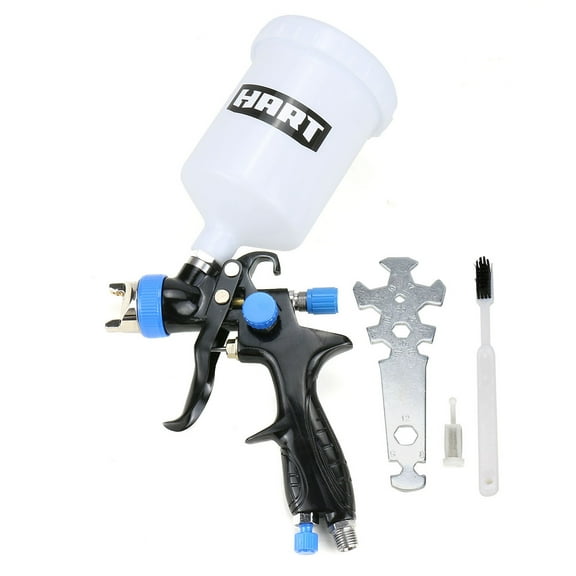
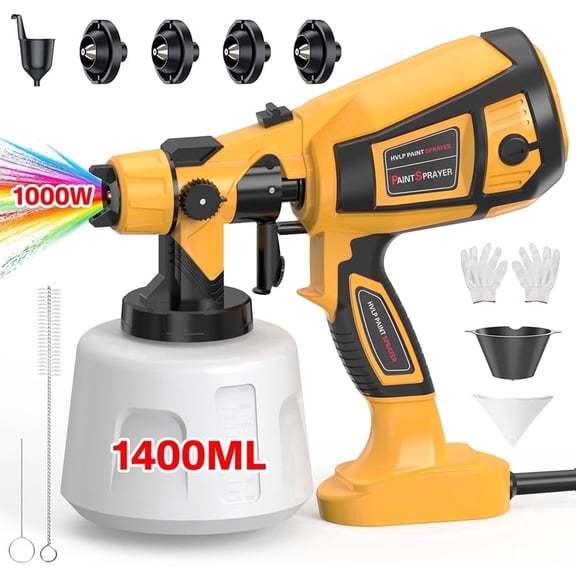
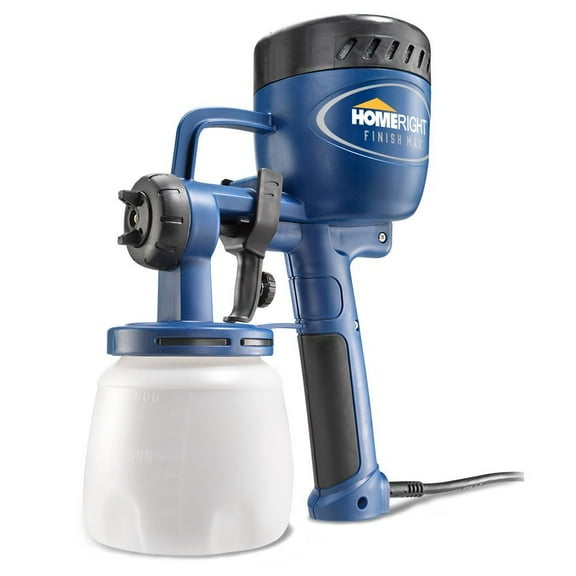
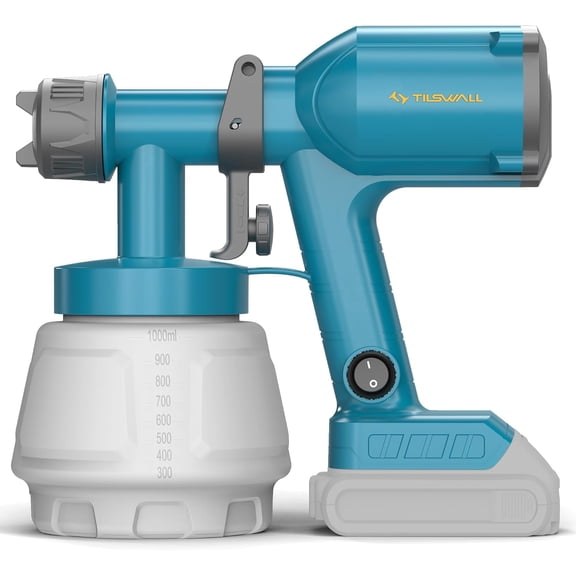
For smoother detail work, you may compare hvlp paint sprayers and handheld paint sprayers. You can use them for trim, doors, cabinets, and furniture where precise control is essential.
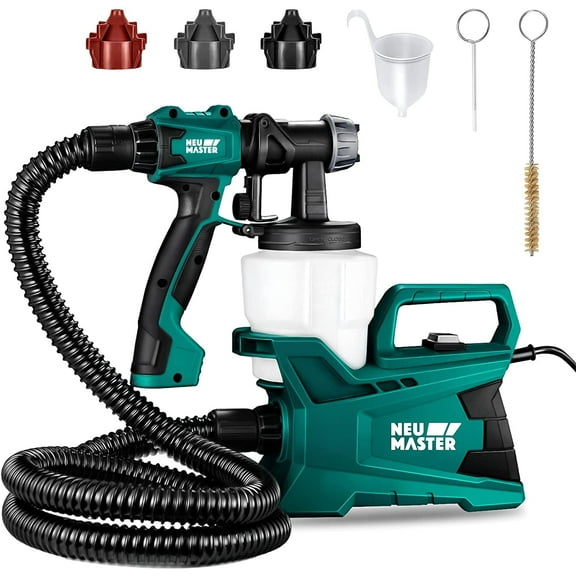
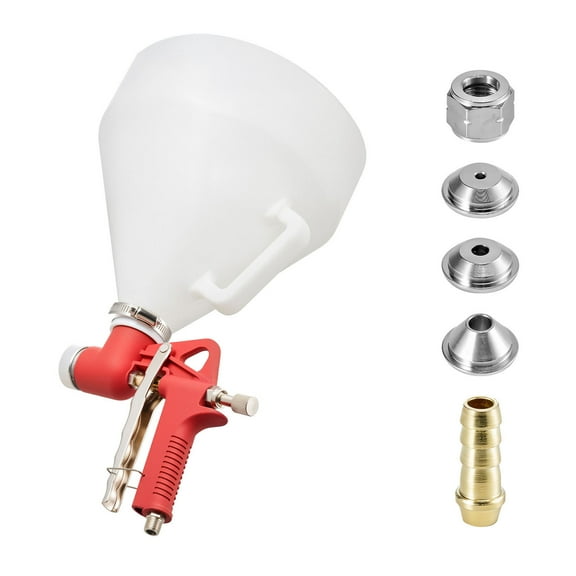
In workshop settings, you may also compare compressed air styles for steady airflow. You can often get a refined finish when your project calls for careful application.
- For siding or sheds, you can choose airless paint sprayers for wide, even coverage.
- With cabinets or trim, you can choose hvlp paint sprayers when precise control is essential.
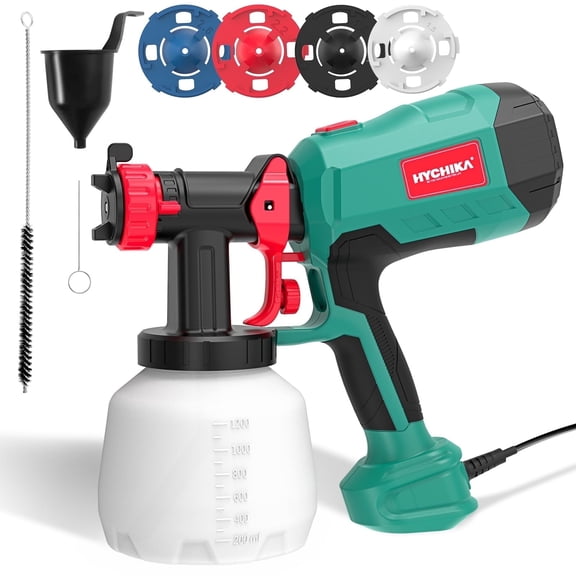
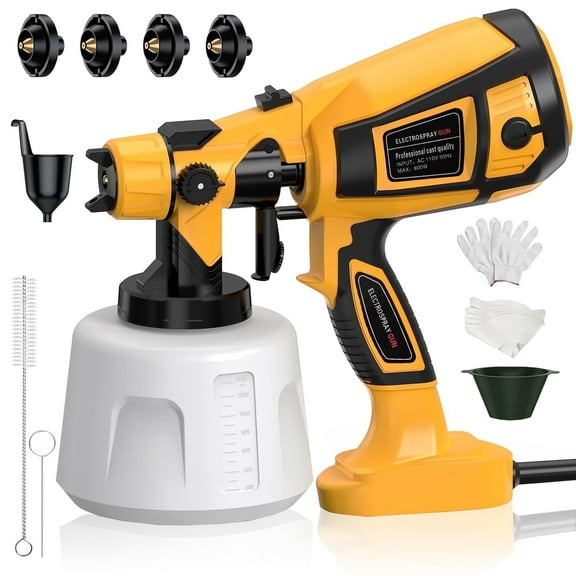
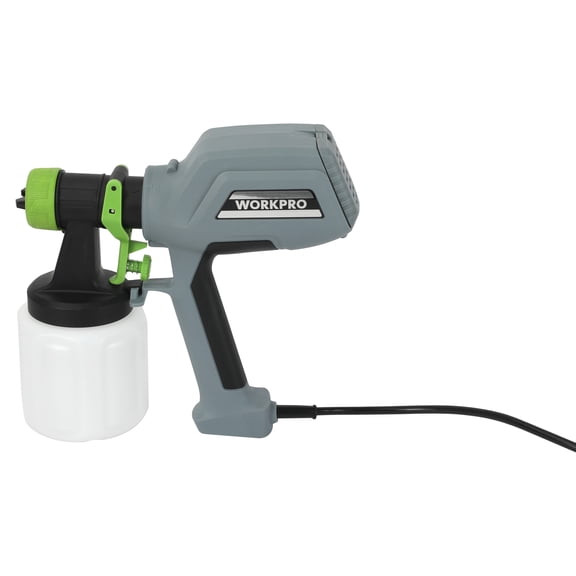
- When portability matters, you can choose handheld paint sprayers for touch-ups and smaller home projects.
- For repeated jobs, you can choose a professional paint sprayer style with longer run time and larger capacity.
Choosing the right power source
Your power source affects how freely you can move and how long you can spray. You can compare electric paint sprayers, cordless options, and gas powered models by job location.
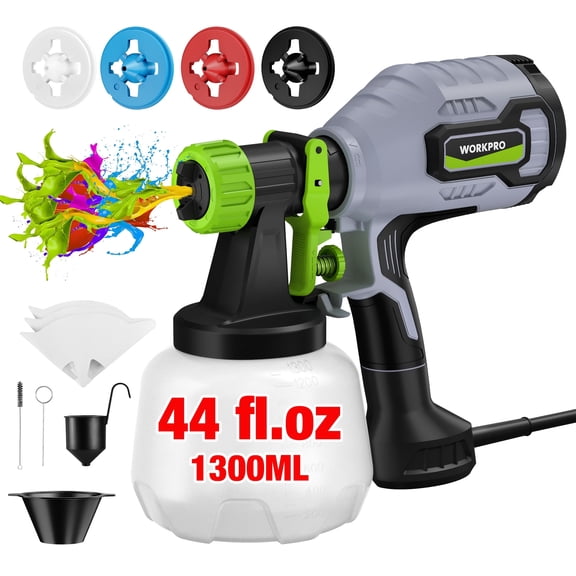
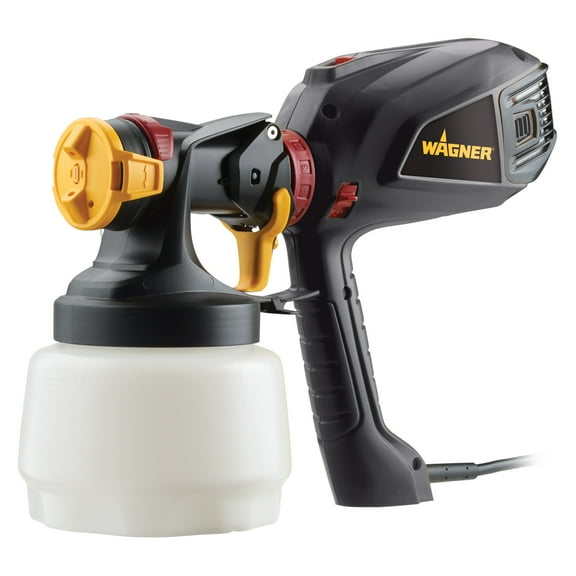
Near outlets, you may prefer electric corded units for steady runtime. You can keep working through longer sessions without stopping for a battery change.
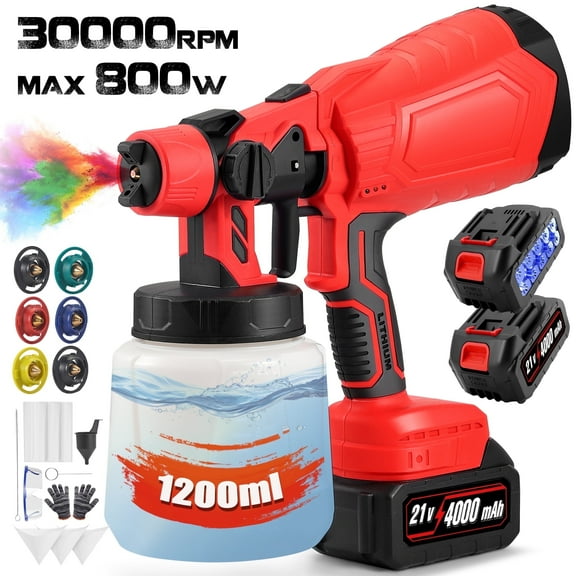
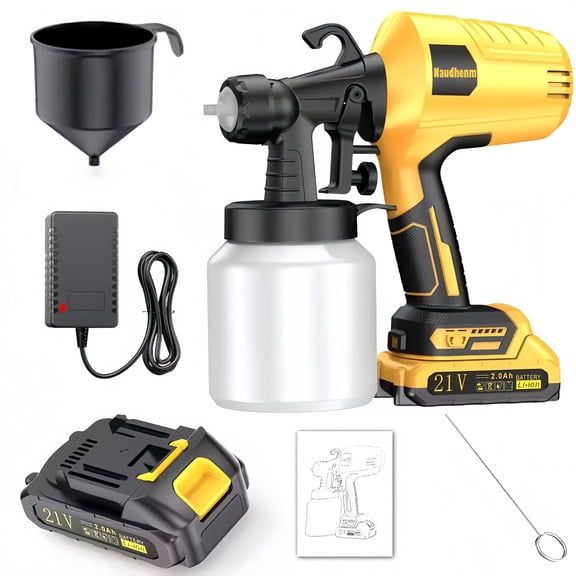
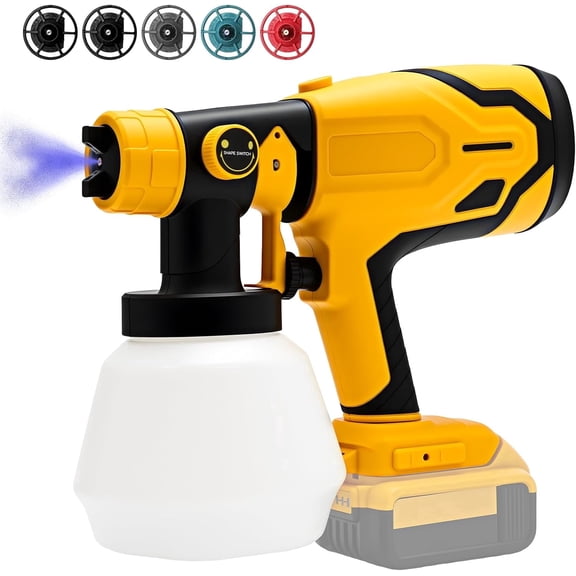
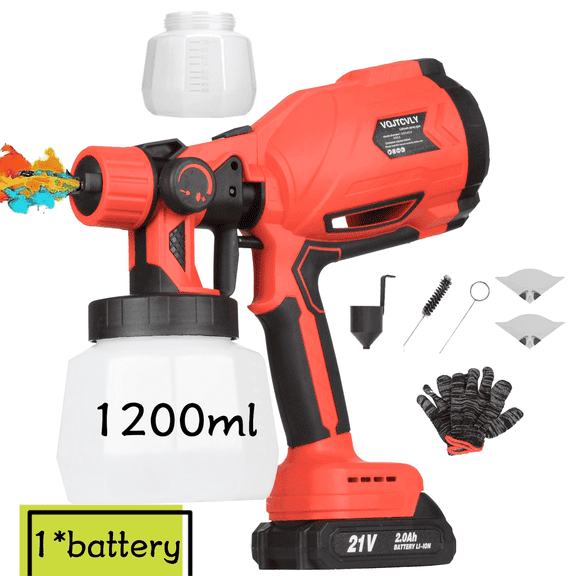
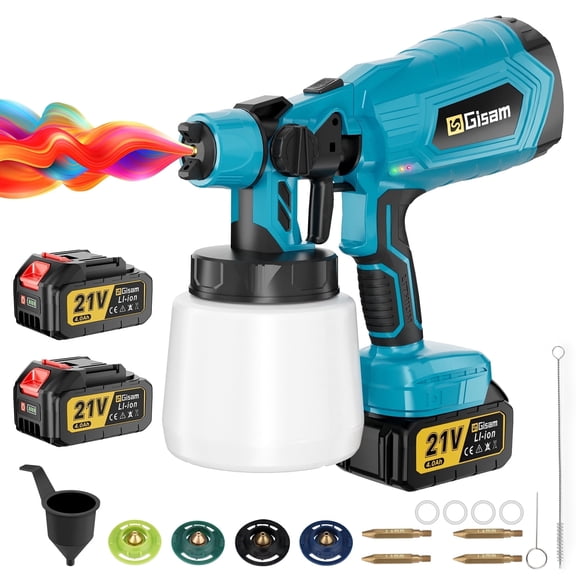
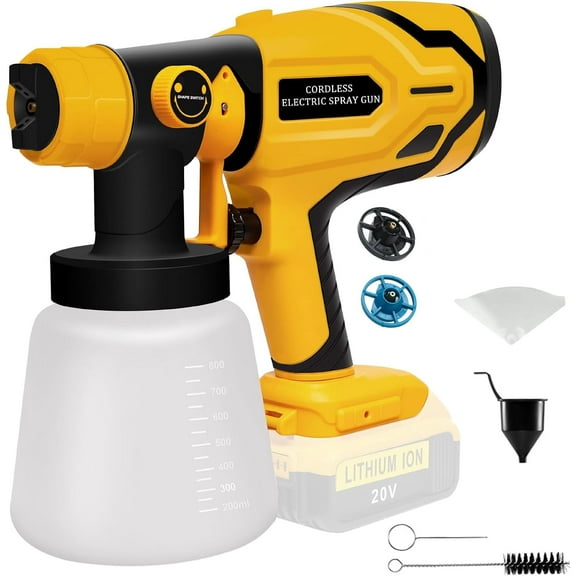
For more mobility, you may want a cordless paint gun or battery powered paint sprayer. You can move around ladders, gates, and yard projects with fewer cord limits.
On remote outdoor jobs, you may consider gas powered models for wider property work. You can use that setup when outlet access is less convenient and broad coverage matters.
Comparing project scale and finish goals
Your project size should guide the paint sprayer you choose. You can match large exterior jobs, fences and decks, cabinets and furniture, or crafts to the right format.
For large exterior surfaces, you may want faster coverage and wider output. You can use an outdoor paint sprayer for siding, garages, and outbuildings where speed counts.
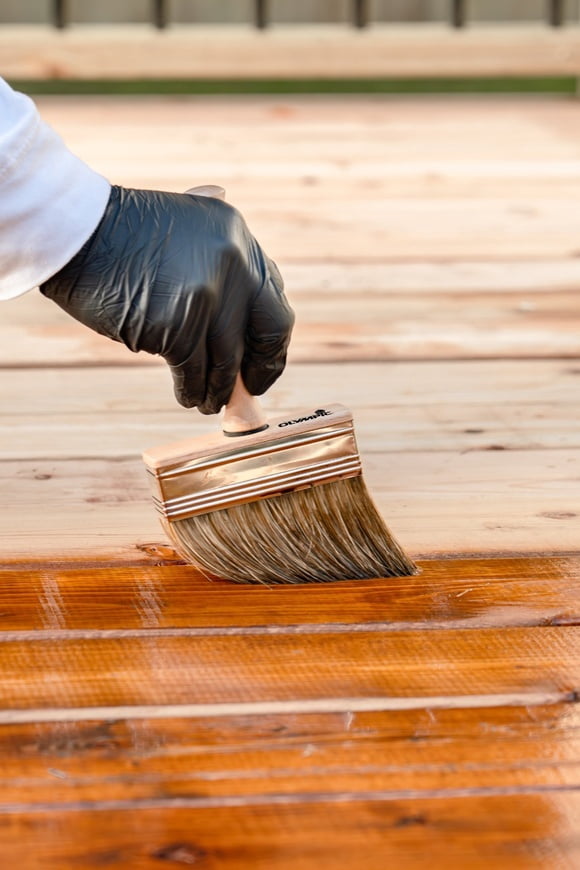
When you paint rails, stain a deck, or refresh perimeter boards, you may want a fence paint sprayer. You can reach repeated slats and edges quickly compared to a standard brush.
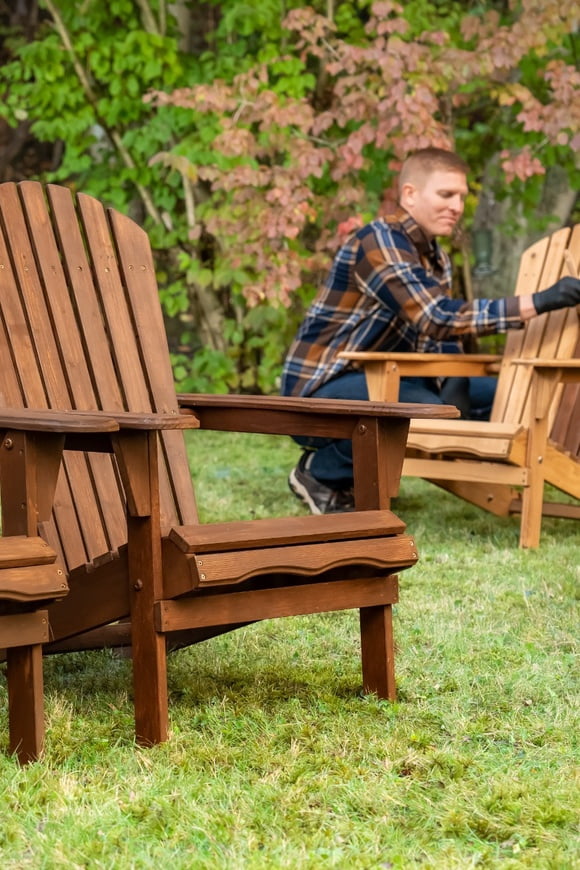
With cabinets and furniture, you should look for fine finish control and lighter handling. You can keep edges, corners, and smaller panels manageable during detailed projects.
If your work includes hobby pieces or crafts, you may want adjustable flow and smaller capacity. You can dial back output to suit detailed items and shorter spray sessions.
What to look for in flow rate and paint compatibility
Your finish often depends on how much material you spray and how well you can adjust it. You should compare high volume output, adjustable flow, and fine finish settings before choosing.
As you review paint compatibility, you should check viscosity rating and tip size. You can use those details to judge whether thicker coatings may need thinning.
If you plan to spray latex paint, stains, or sealers, you should confirm the supported material range. You can avoid mismatched setups by checking the label before you start.
Across mixed projects, you should look for adjustable flow controls that shift from broad walls to narrow trim. You can reduce overspray and keep more control with the right setting.
For furniture and cabinet work, you may prefer a smaller tip size and fine finish output. You can get a more even coat when detail matters more than speed.
Considering cleanup and maintenance
Your cleanup routine can shape how often you use your sprayer. You should compare how easily parts come apart and how simply the system rinses after a project.
If you switch colors often, you may want a design with straightforward disassembly. You can spend less time handling parts when the cup, tip, and filter remove easily.
During larger jobs, you may want a sprayer with accessible pathways for flushing and cleaning. You can keep your next project moving when maintenance feels clear and manageable.
Matching paint sprayers to common home projects
You can choose paint sprayers with more confidence when you match them to a real task. You should think about surface size, finish expectations, and how often you’ll spray.
If you’re painting house siding or a detached garage, you may lean toward airless paint sprayers. You can cover broad areas quickly and keep a larger project on pace.
If you’re updating kitchen cabinets or built-ins, you may lean toward hvlp paint sprayers. You can focus on smoother detail work and more controlled application around edges.
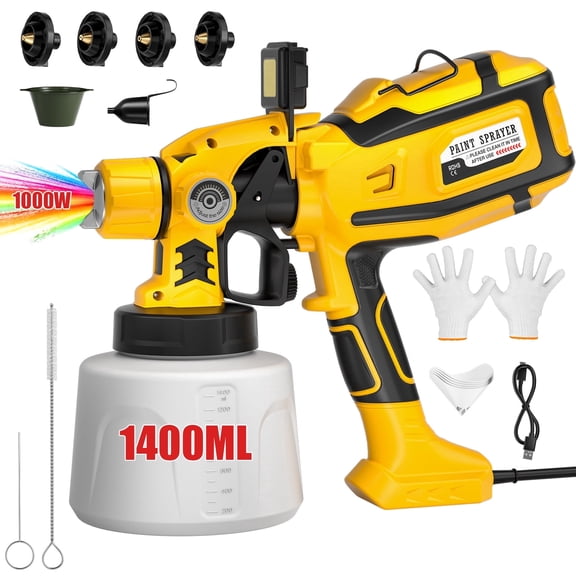
When you need portable help for shutters, chairs, or quick touch-ups, you may prefer handheld paint sprayers. You can carry them around smaller spaces with less setup.
If your projects move across a yard or property, you may want a battery powered paint sprayer. You can work around fences, gates, and deck sections with easier mobility.
By comparing sprayer type, power source, project scale, and flow control together, you can narrow your choice faster. You’ll finish with a paint sprayer setup that fits your space, material, and pace.