





Paddle Boards in Paddling


















































About Paddle Boards in Paddling - Walmart.com
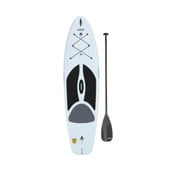
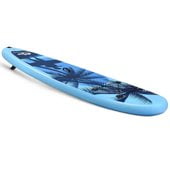
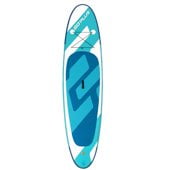
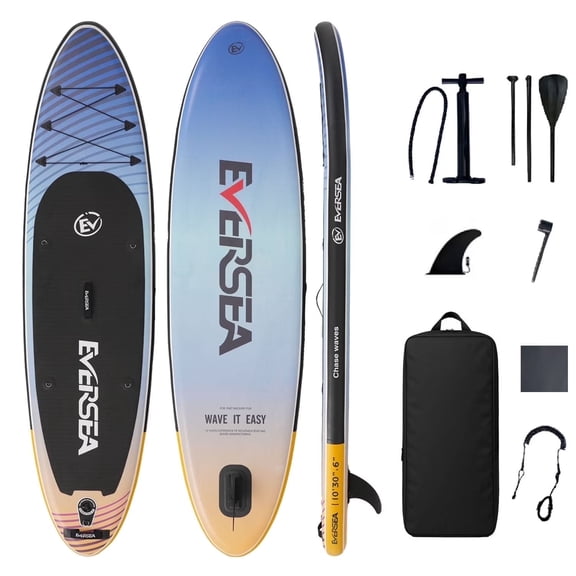
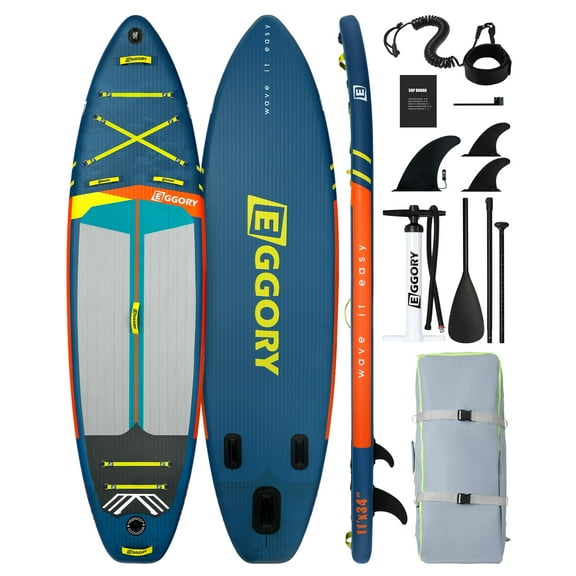
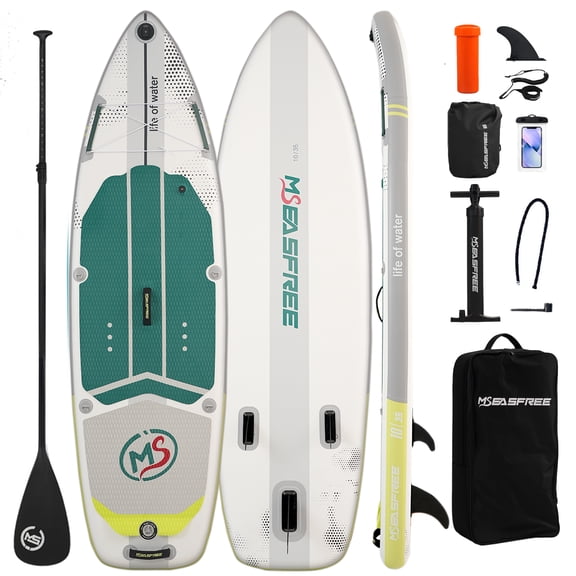
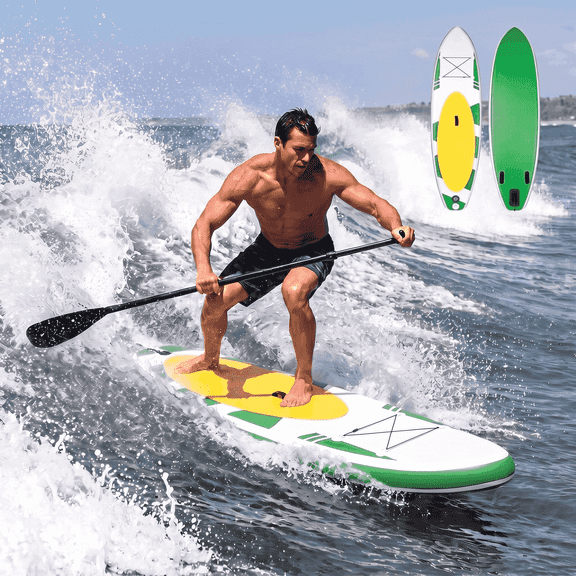
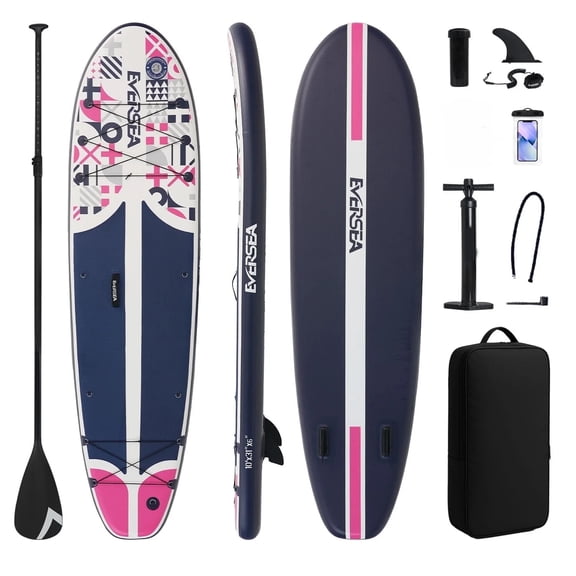
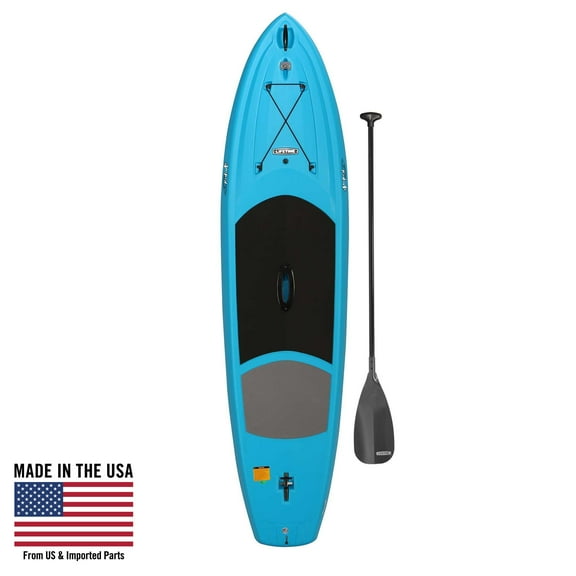
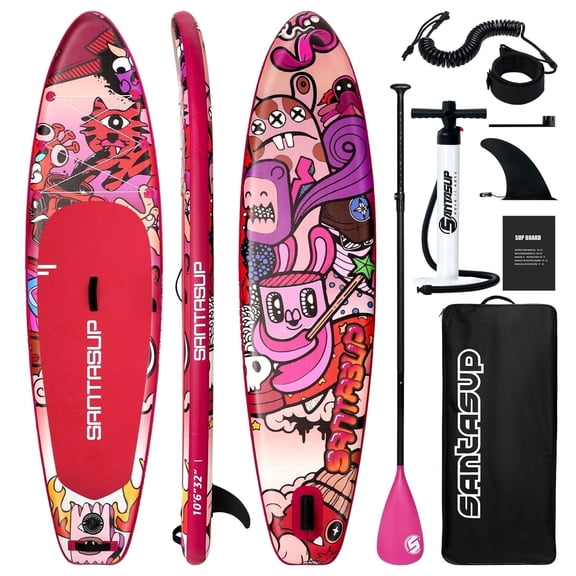
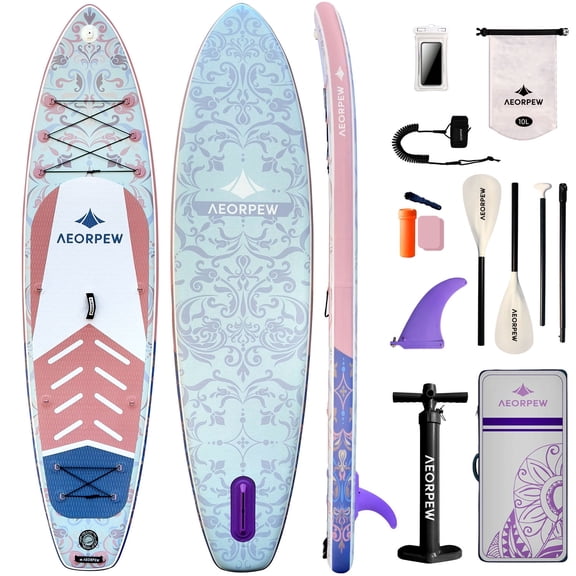
Paddle boards give you a flexible way to explore lakes, calm bays, and shoreline routes with gear that fits your plans. You can compare inflatable paddle boards and rigid shapes here, so your setup matches your storage, transport, and water time.
How to choose paddle boards for your plans
You may want to start with board type because storage and carrying needs often shape your final choice. You can choose inflatable paddle boards when your apartment, trunk, or garage space feels tight.
If your launch spot is close, you may like a rigid board that stays shaped and ready. You can use that choice to match your board to your routine before you compare other details.
Your activity also matters because different outlines support different days on the water. You can look for recreational boards for casual paddling, touring boards for distance routes, yoga boards for balance, and fishing boards for deck space.
- You can choose inflatable builds when your closet, trunk, or RV space is limited.
- You can look for wider recreational shapes when your first ride calls for stable footing.
- You can compare touring designs when your route includes longer distances and steady tracking.
- You can check fishing and yoga layouts when your gear or foot placement needs extra deck room.
Your board length changes how the ride feels under your feet. You may find under 10 feet useful for turning, while 10 to 12 feet gives you a balanced feel.
If your route calls for glide between strokes, you can compare boards over 12 feet. If you want a general adult paddle board for mixed use, you may start with 10 to 11 feet.
Choosing between inflatable paddle boards and rigid styles
You may notice construction affects transport, setup, and storage through nearly every trip. You can carry inflatable paddle boards in a closet, trunk, or RV compartment without taking up fixed floor space.
Rigid and solid options fit your routine when you want a board that keeps its shape without inflation steps. You can move from vehicle to water with a direct launch routine when your carrying distance is short.
Your weight capacity matters because it shapes how stable the board feels with you and your gear onboard. You can compare models under 250 lbs, 250 to 350 lbs, and over 350 lbs.
If your plans include a cooler, dry bag, or fishing tackle, you should check for extra capacity. You may feel stable when your loaded weight stays within the board's intended range.
You should also compare width with capacity because both affect balance on flat water. You can use a wider deck when your first sessions call for a stable platform.
What to look for in stand up paddle boards
You may find hull shape is a key decision when your route calls for tracking across open stretches. You can compare planing hull designs and displacement hull designs based on how you paddle.
A planing hull gives you a wider, surf-style feel that suits casual outings and all-around use. You may like that shape when your day calls for simple turning and relaxed paddling.
A displacement hull uses a pointed front, which helps you travel in a straight line through flat water. You can consider that shape when your route includes distance paddling or touring sessions.
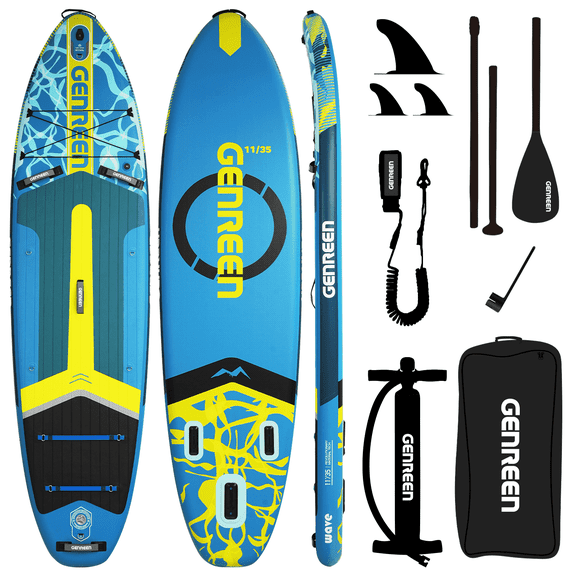
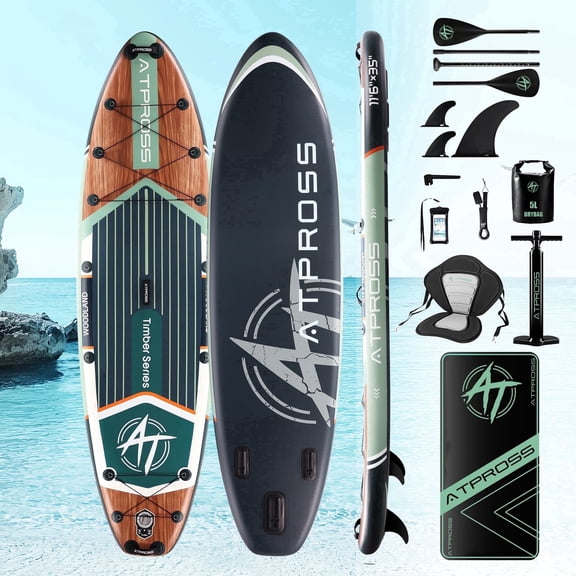
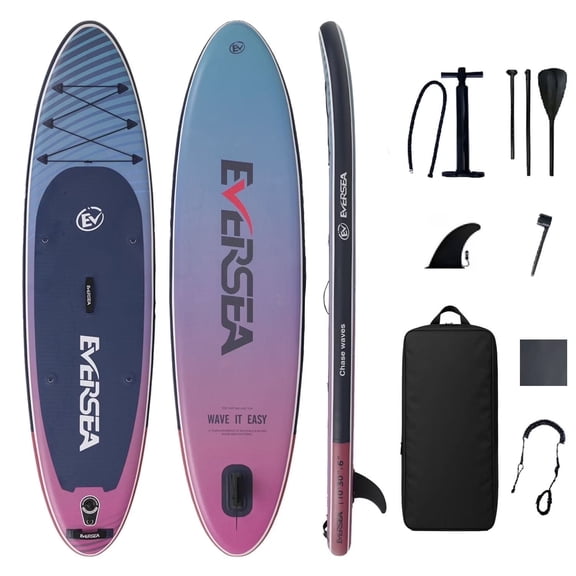
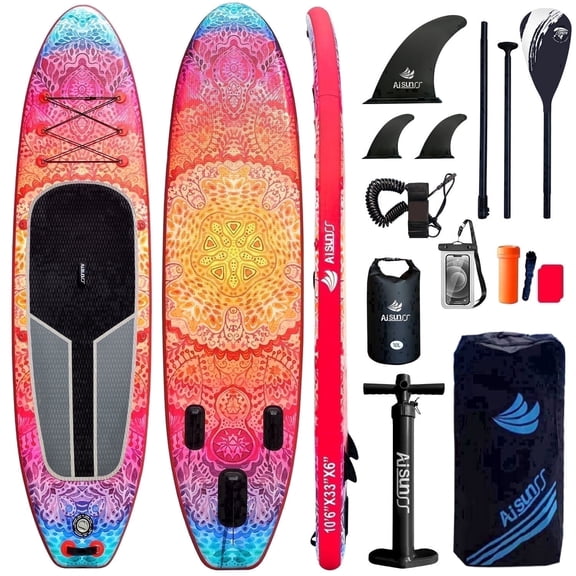
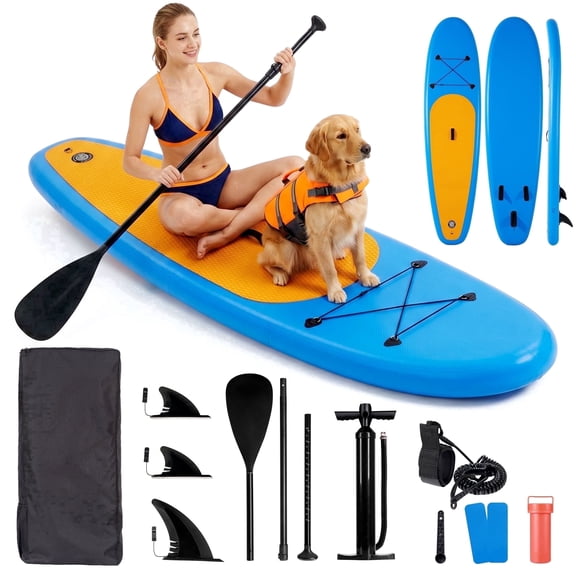
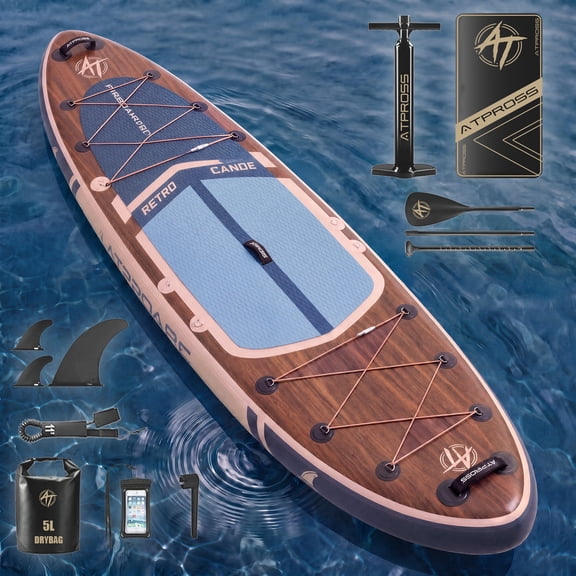
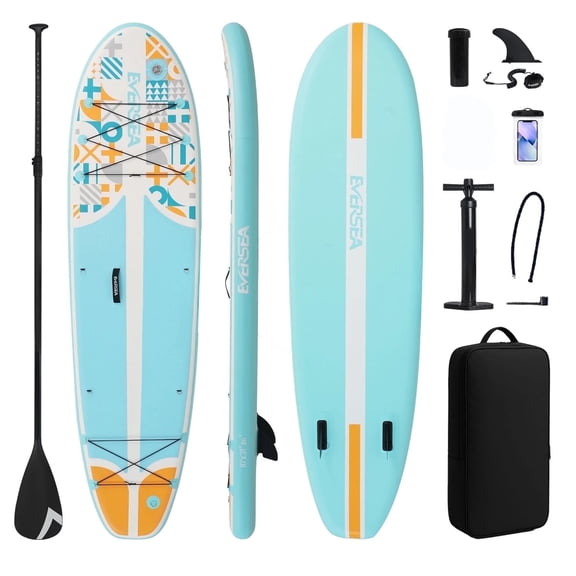
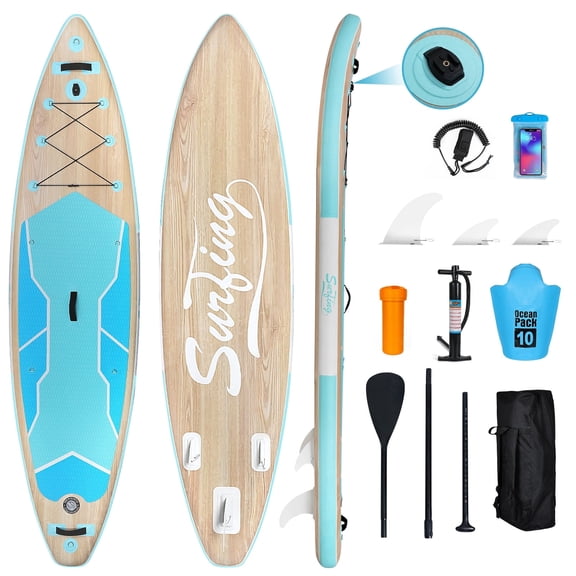
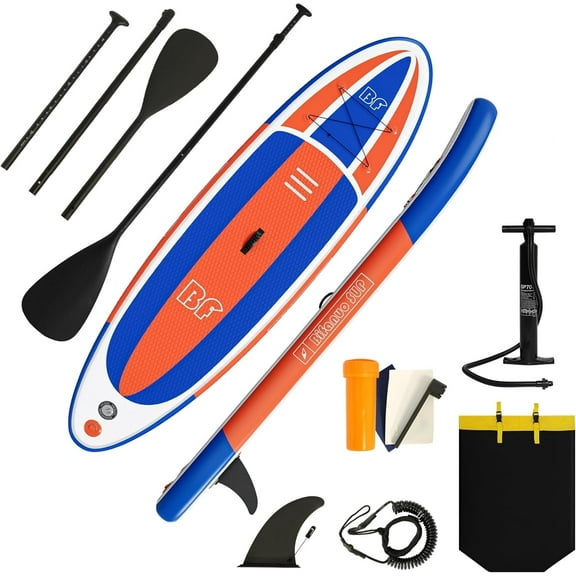
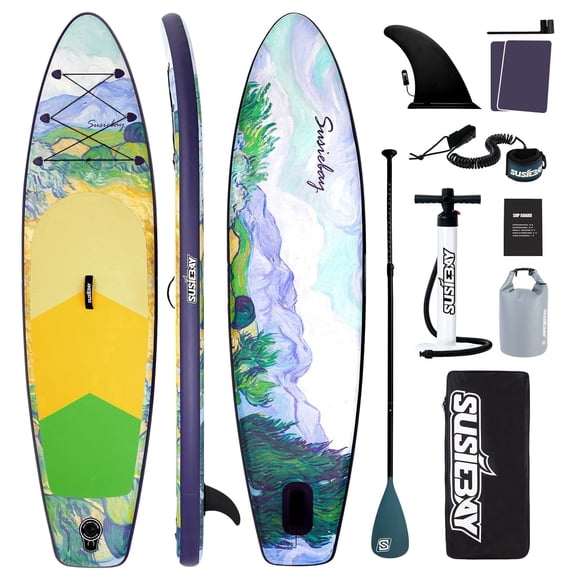
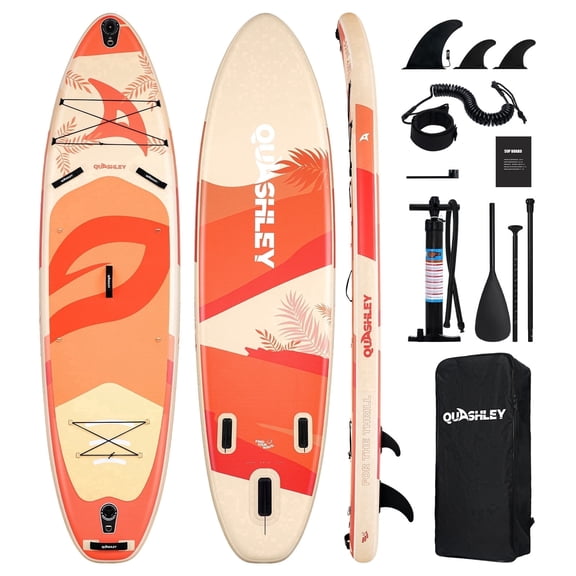
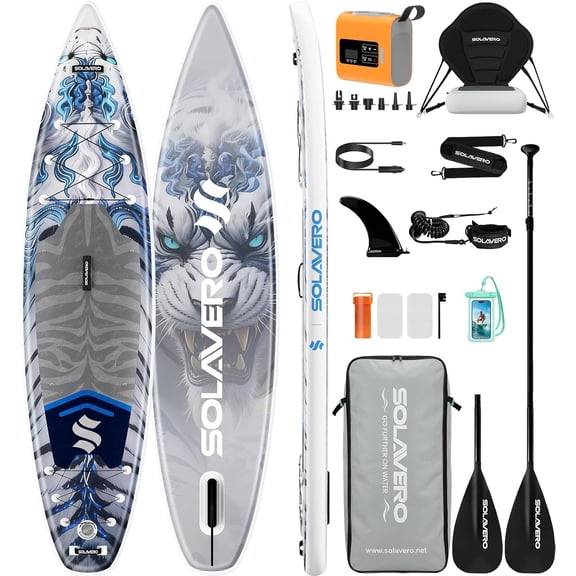
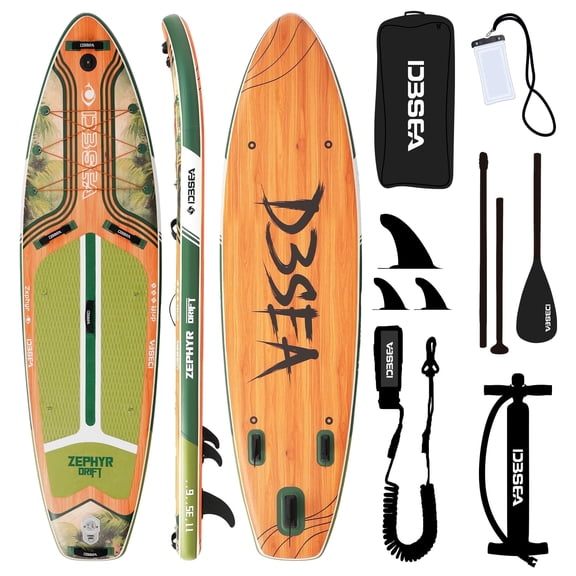
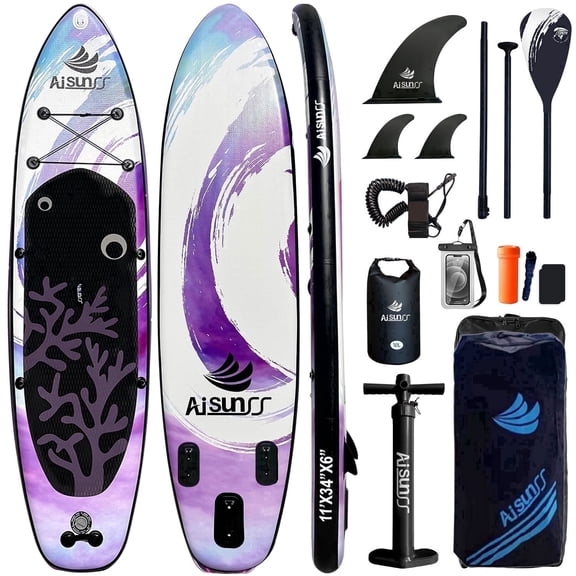
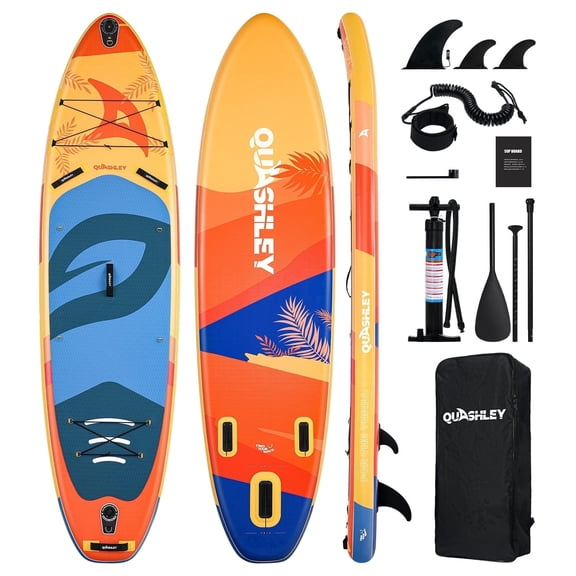
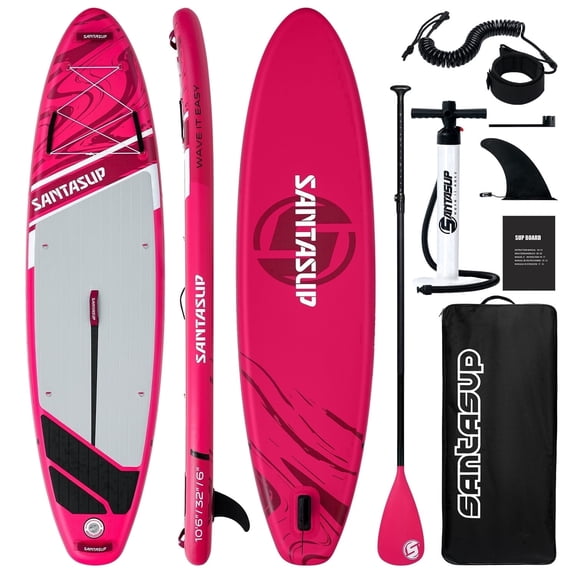
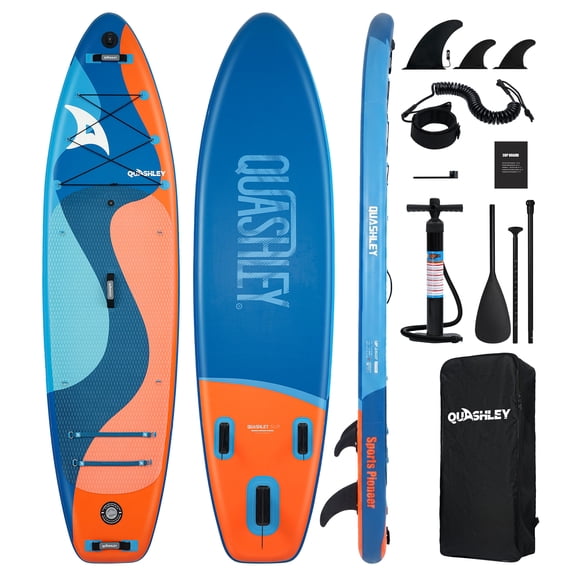
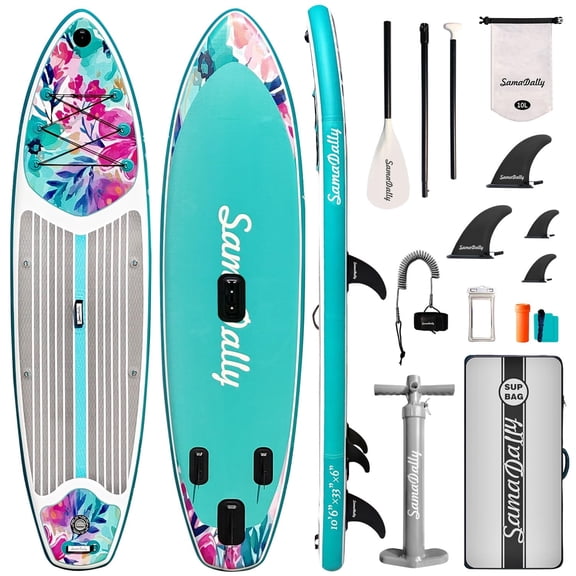
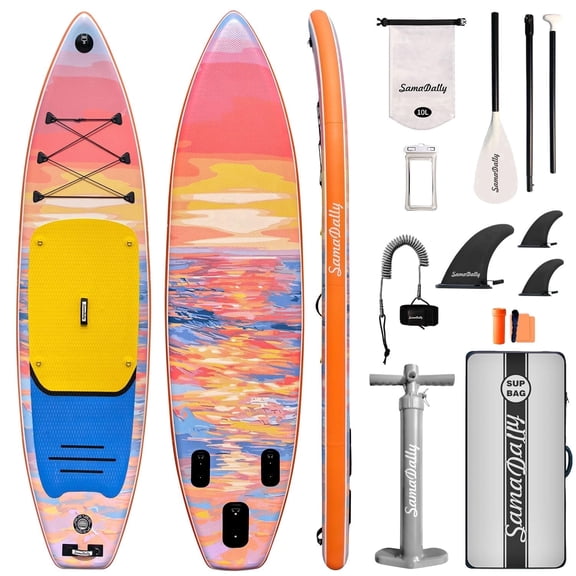
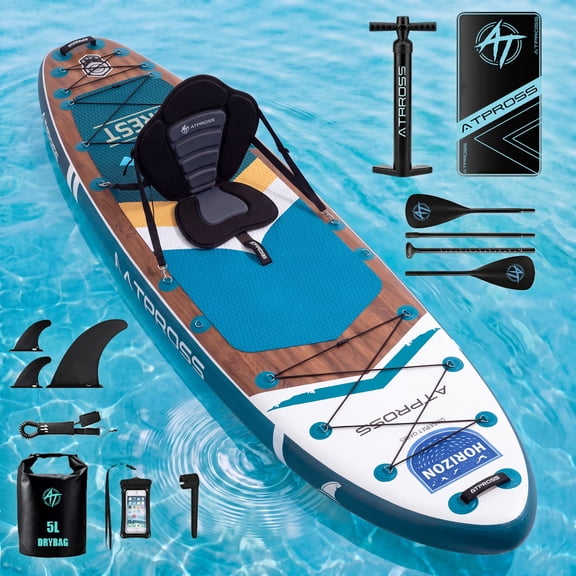
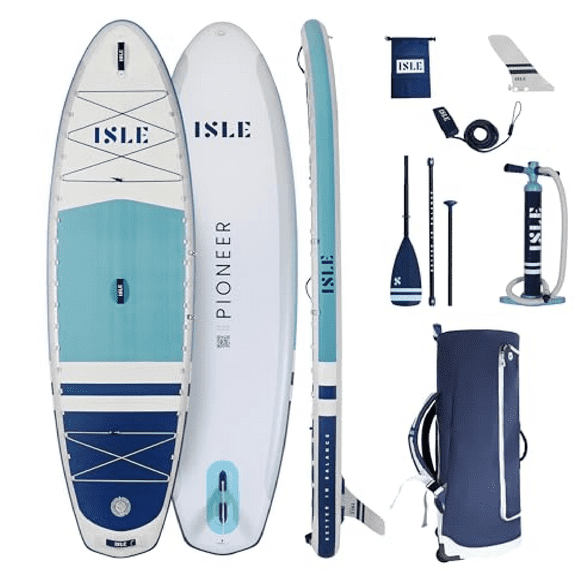
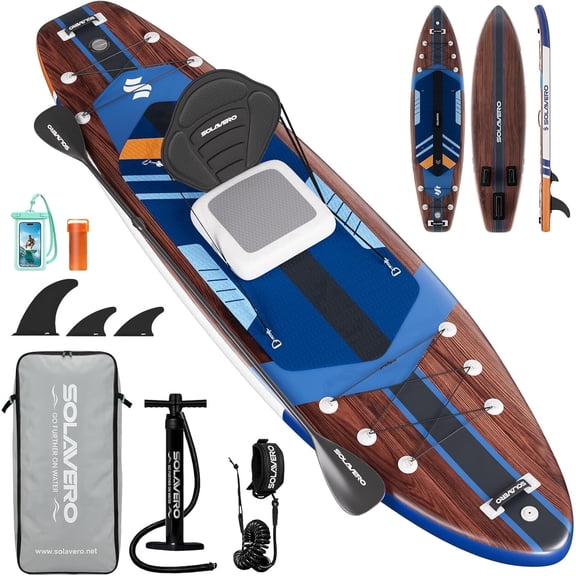
Your accessory bundle can also shape your decision, especially when your setup needs to feel ready for the water. You can look for packages that include a paddle, pump, leash, and backpack.
If you're choosing an inflatable model, a pump and carry bag bring simple storage and transport. You may also want paddle board accessories like replacement fins, deck bags, and electric pumps.
Your fin setup, deck pad coverage, and carry handles deserve a close look before you decide. You can use those details to judge portability, foot comfort, and tracking support.
Matching paddle boards to real water days
You may want different combinations for different outings, and that makes these choices practical. You can pair an isup paddle board with a backpack and pump when travel space matters during weekend trips.
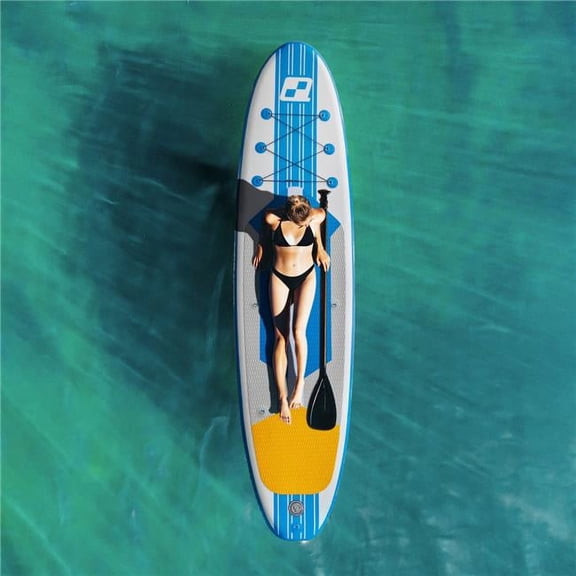
If your weekends center on a quiet lake, you may want a recreational shape around 10 to 11 feet. You can get a stable platform that feels approachable for first sessions and relaxed cruising.
For shoreline routes, you can look at touring boards from 11 to 12 feet or longer. You may notice straight travel and smooth glide between strokes on flat water.
If your plans include stretching poses, you can compare yoga styles with wider decks and open standing space. You may also prefer a stable shape when your foot placement changes through slow transitions.
For gear-heavy trips, you can consider fishing layouts with space for tackle and added cargo. You should also check higher capacity ranges when your setup includes extra equipment.
If you're shopping for a shared adult paddle board, you can focus on balanced dimensions and moderate length. You may get flexibility for mixed skill levels and changing weekend plans.
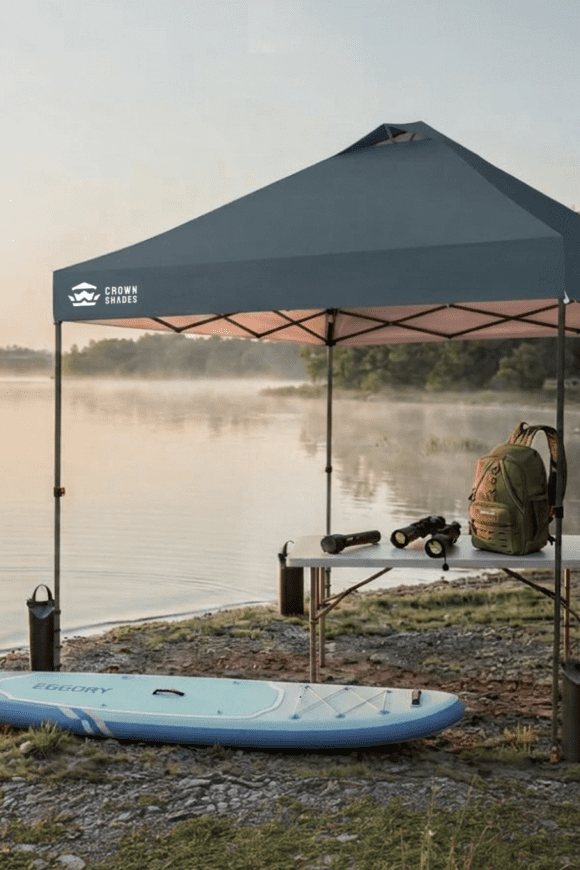
Your warm-weather setup can also include lake paddle boards for calm water paddling and summer paddle boards for vacation travel. You can match the board type to your vehicle space, launch style, and time on shore.
Why these paddle board choices matter
You can shop with confidence when you compare board type, activity, length, capacity, hull shape, and included gear together. You can narrow the field quickly and choose a board that fits your water routine from the first launch.