





Oscillating Tools in Power Tools







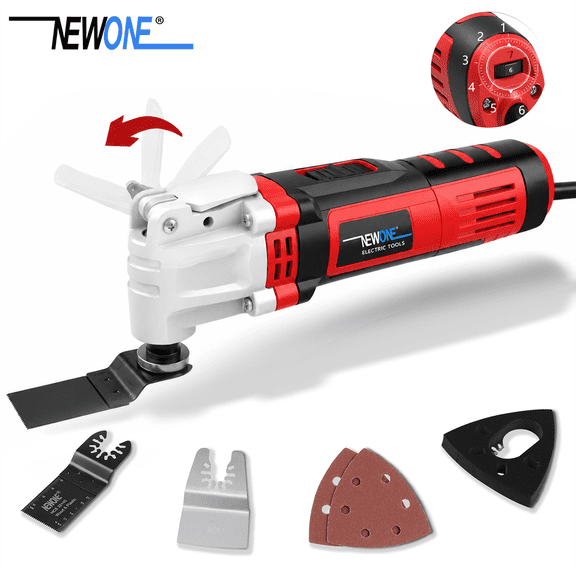


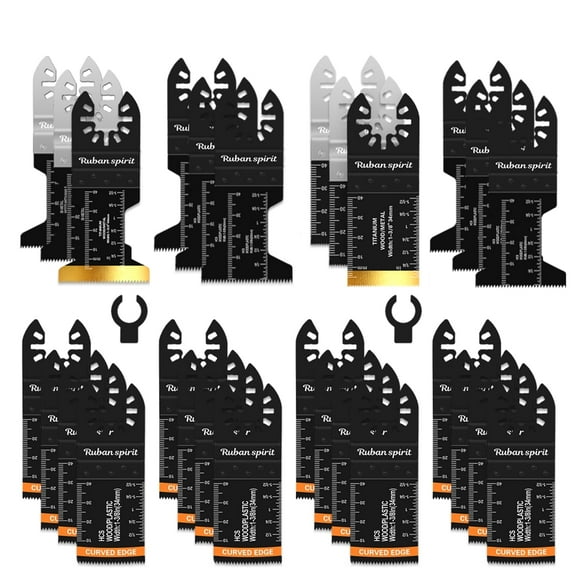
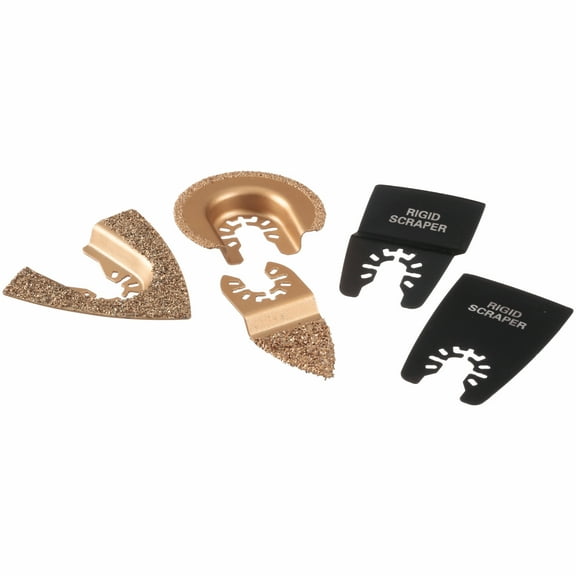

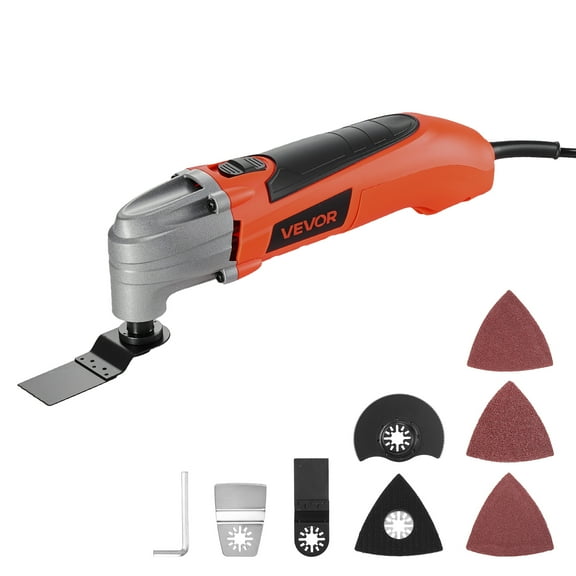
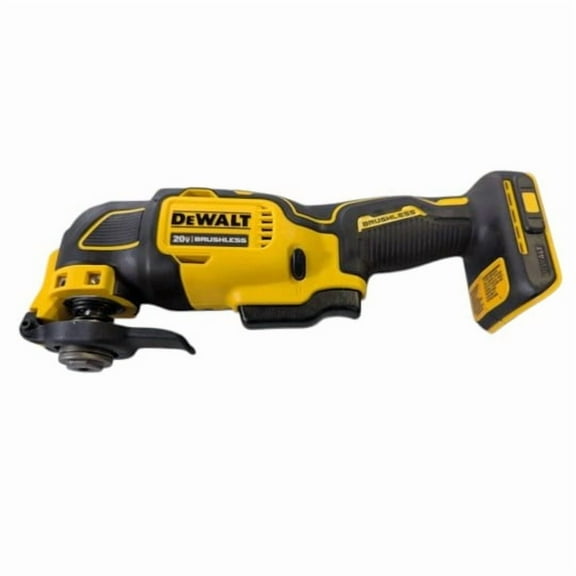
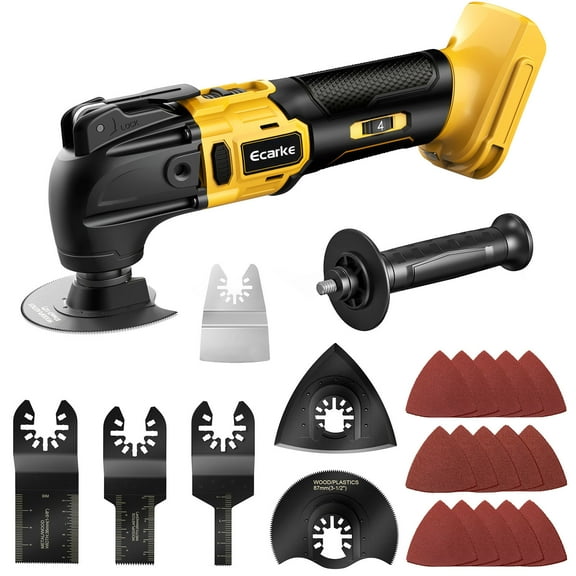
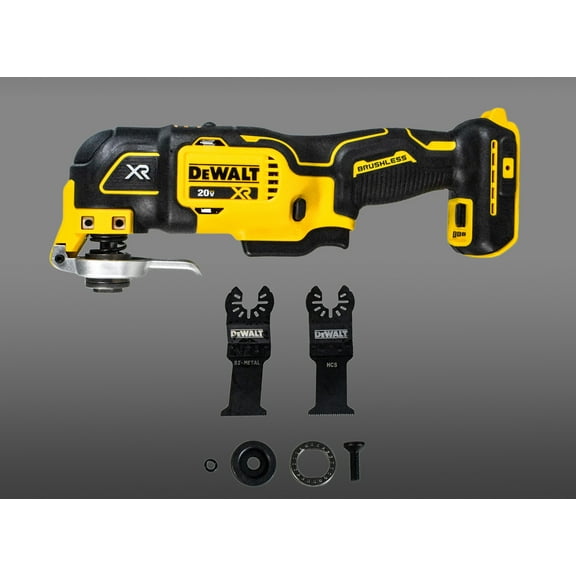
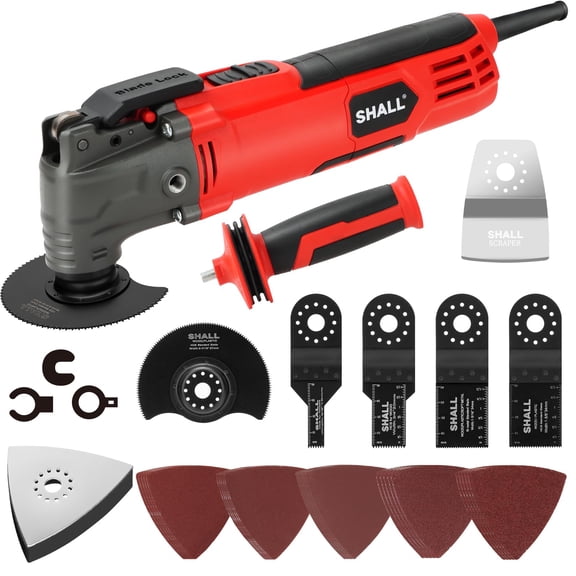





About Oscillating Tools in Power Tools - Walmart.com
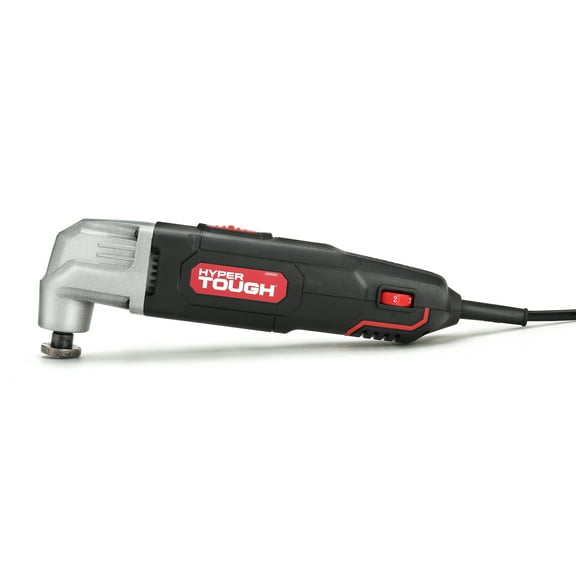
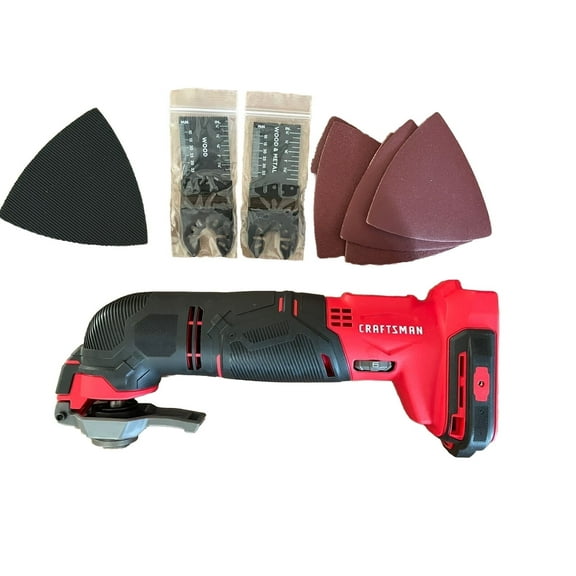
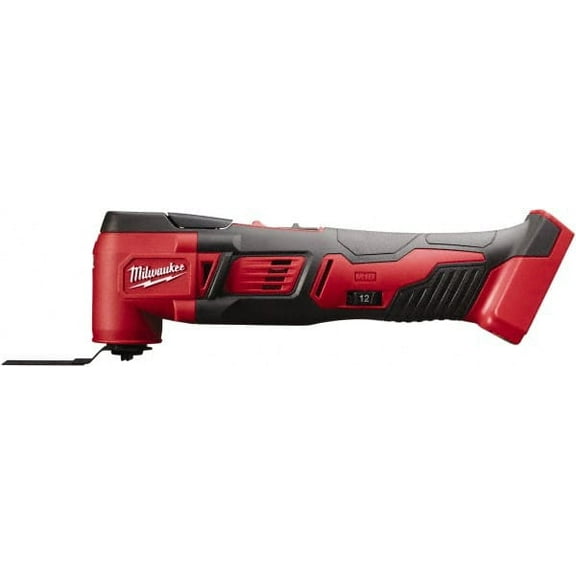
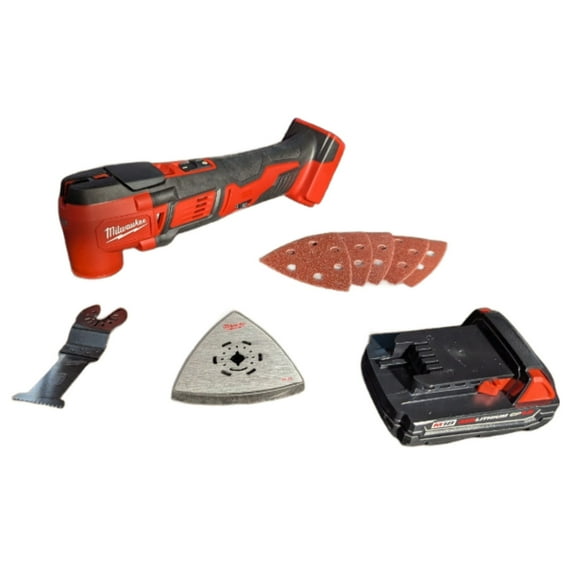
Oscillating tools help you cut, sand, scrape, and trim with one compact power tool. You can compare cordless carry, blade changes, speed control, and kit contents for tighter project matching.
How to choose oscillating tools for your projects
When you compare oscillating tools, you should start with the jobs you handle most often. You may need plunge cuts in trim, grout removal, detail sanding, or adhesive scraping.
That project list helps you quickly narrow down the right setup. You can focus on power source, accessory system, oscillating angle, and included attachments.
- You can make flush cuts in door jambs, baseboards, and trim with an oscillating saw attachment.
- You can sand corners, edges, and narrow spots where larger sanders feel bulky.
- You can scrape old caulk, flooring adhesive, and paint layers with flat scraping accessories.
- You can switch from cutting to sanding with one multi tool power tool body.
Those benefits matter because you often move between tasks without changing tools. You also get more control in tight spaces where circular motion would be awkward.
Choosing the right cordless oscillating tool or corded model
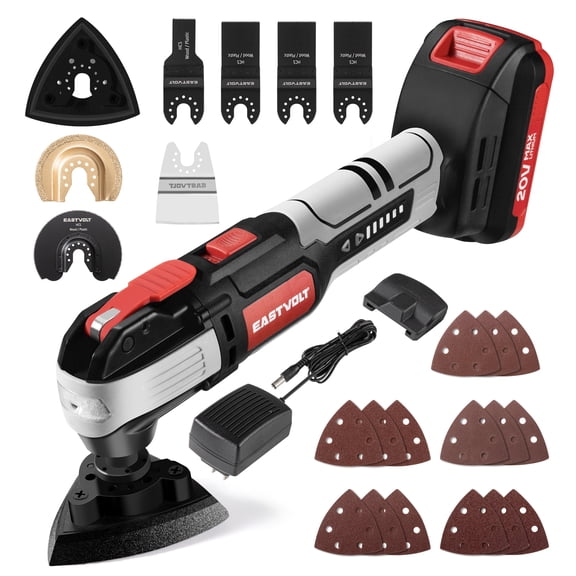
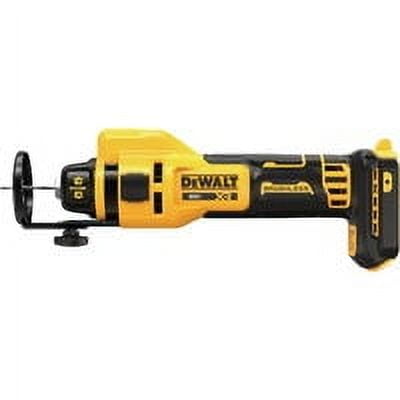
You should compare cordless and corded options based on where you work most often. You may want a cordless oscillating tool for stairs, outdoor repairs, or rooms without nearby outlets.
A corded model can suit longer sessions where you want continuous runtime. You can keep working on flooring, trim, or sanding jobs without planning around battery swaps.
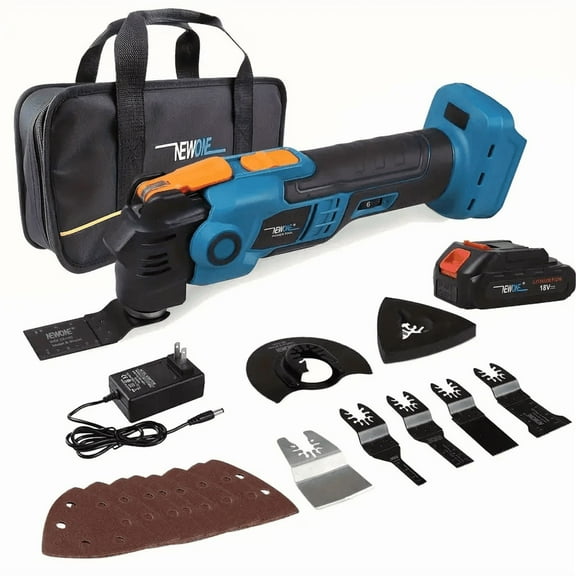
If you already own batteries in a matching platform, you should check compatibility before choosing a kit or bare tool. You can simplify charging and storage when your tools share one battery system.
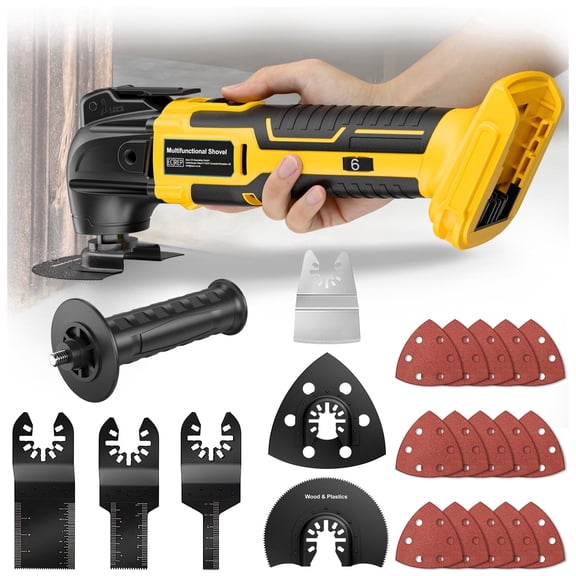
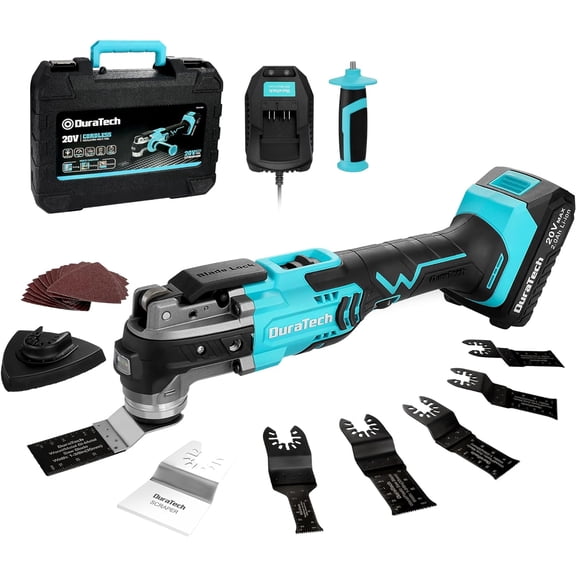
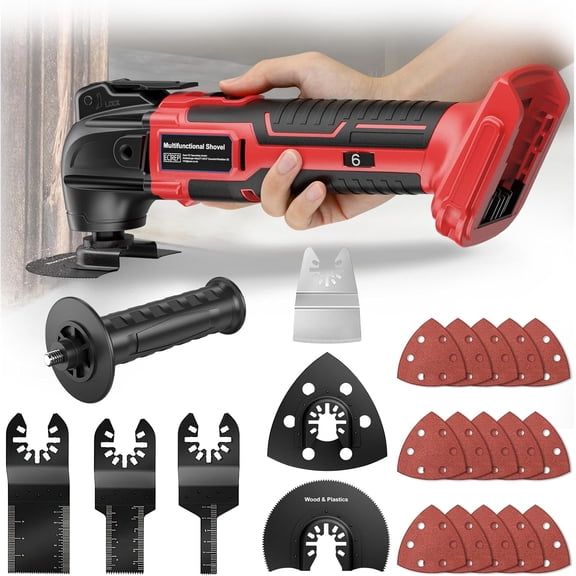
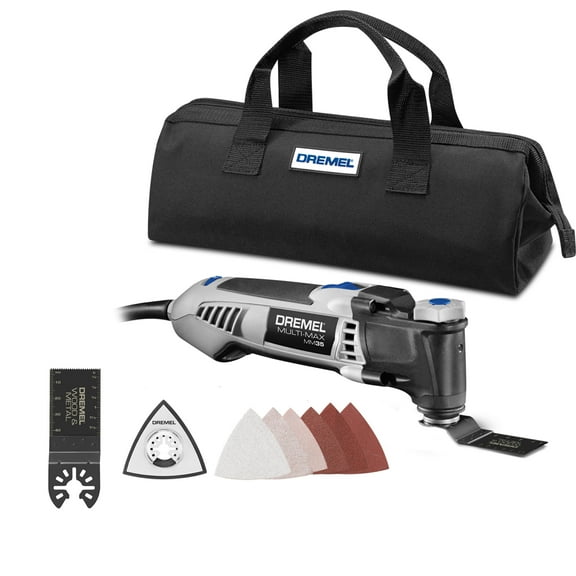
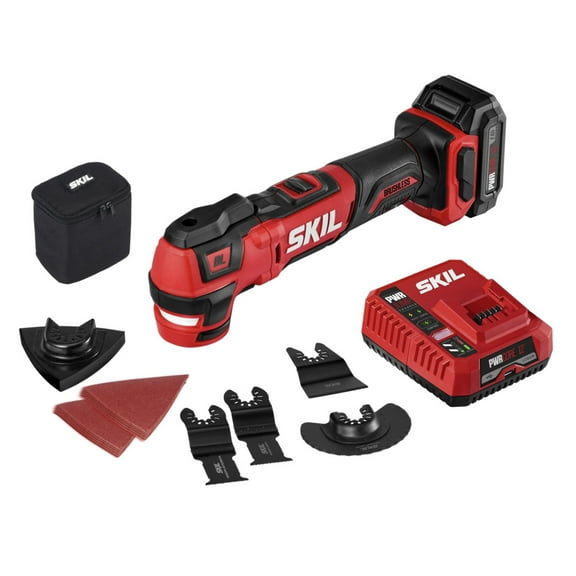
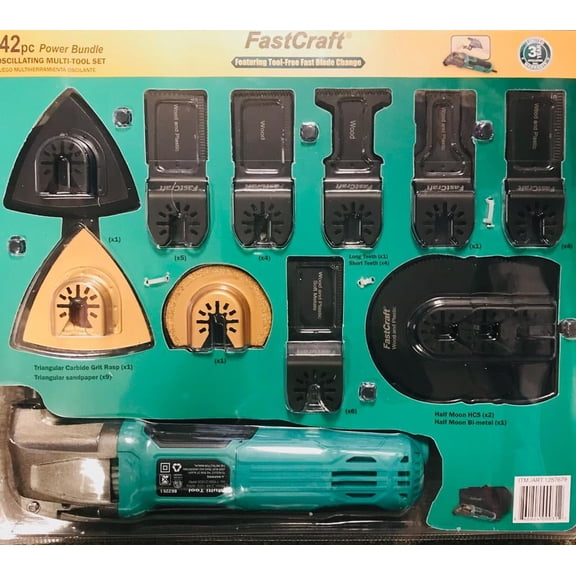
You should also compare kit contents against your current setup. You may prefer an oscillating multi tool kit when you want blades, sanding pads, batteries, or chargers included.
What to look for in speed control and OPM
You should check whether you want variable speed or single speed before you compare models. A variable speed oscillating tool gives you more control across wood, metal, plastic, and finish work.
OPM means oscillations per minute, and you can use it to match tool motion to the material. You may want lower settings for careful starts and higher settings for quicker stock removal.
If you handle mixed materials, you should consider a speed dial or multi-speed trigger response. You can make clean cuts and smooth sanding passes when your pace fits the surface.
You should also compare oscillating angle because it affects how the accessory moves through material. You may notice 1.4, 1.6, and 2.0 degree options as you review different models.
A smaller angle can help you keep a controlled feel on detailed tasks. A wider angle can help you cover material quickly during aggressive sanding or cutting passes.
Comparing oscillating tool blades and accessory systems
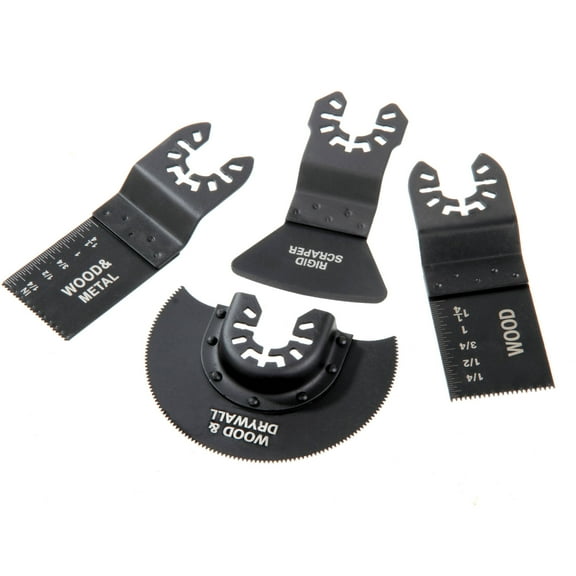
You should look closely at blade changes because accessory swaps happen often during real projects. You can move quickly with tool-free quick change systems when you switch from cutting to scraping.
A keyed system may still work well if you don't change accessories often. You should decide whether quick changes matter more than a familiar tightening method.
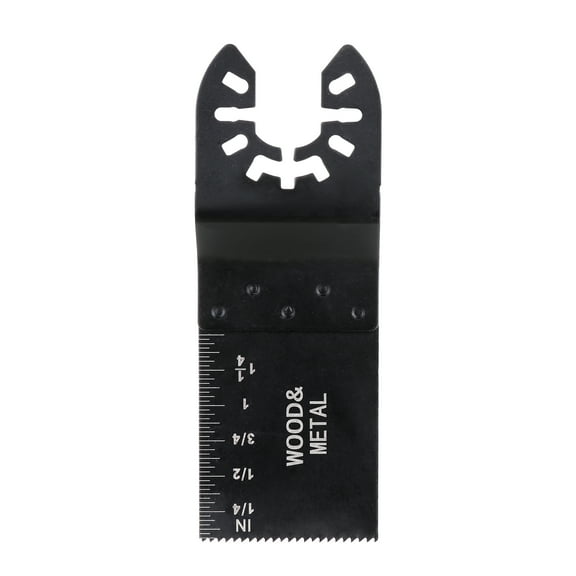
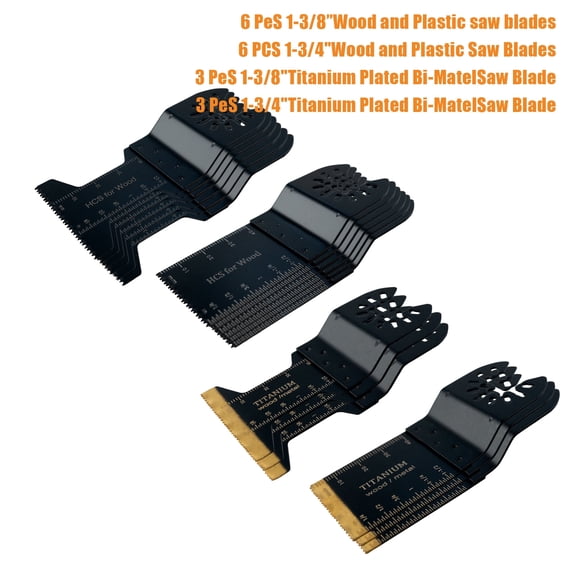
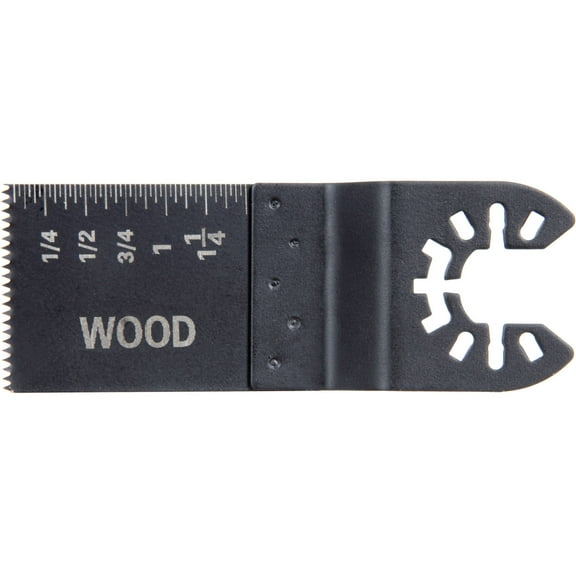
Blade fitment matters because you may want broad accessory choices for wood, metal, grout, and sanding work. You should check whether the interface supports common oscillating tool blades and adapters.
That detail can shape how easily you replace worn accessories later. You can keep project planning simple when your blade system matches widely available attachments.
Matching oscillating tools to real project needs
If you're installing flooring, you may want cordless carry, quick blade swaps, and scraping accessories in one kit. You can trim under door casings, remove residue, and sand edges without hauling multiple tools.
When you're updating trim or drywall, you may want a compact body and variable speed control. You can make plunge cuts for outlets, notch molding, or smooth filler in tight corners.
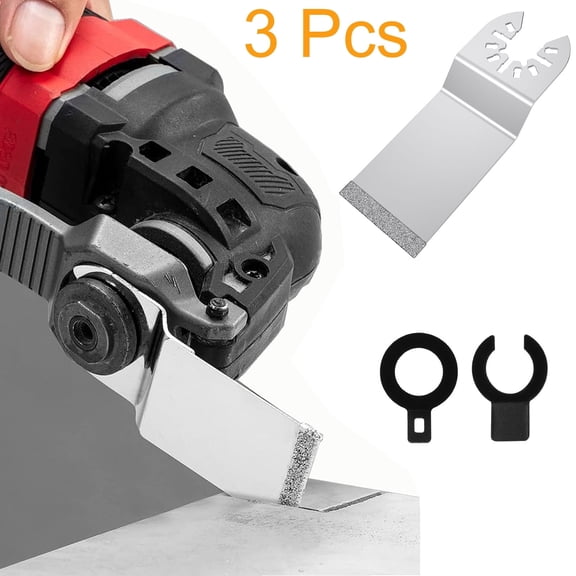
For bathroom or kitchen refresh work, you should compare grout blades and detail sanding pads. You can remove grout lines, cut caulked sections, and prep edges with one handheld system.
If you handle weekend repairs around the house, you may want a kit instead of a bare tool. You can start quickly when your package includes common blades and sanding accessories.
For workshop use, you should compare corded runtime with the accessories you use most often. You can keep a dedicated setup ready for sanding, flush cuts, and surface prep on repeat tasks.
Why these details matter when you compare oscillating tools
You make an informed pick when you compare power source, OPM control, blade changes, and angle together. You can choose an oscillating tools setup that fits your materials, workspace, and accessory habits.
That approach gives you clean cuts, smooth prep, and minimal interruptions during project work. You end up with a tool that stays useful across repairs, remodels, and finishing tasks.
Popular in Oscillating Tools in Power Tools - Walmart.com
- Best Sellers In Oscillating Power Tools
- Best Sellers In Tools Home Improvement Oscillating Power Tools
- Oscillating Tool Accessories
- Osilating Tools
- Ryobi Oscillating Tool
- Ridgid Oscillating Multi Tool
- Oscillating Tools Cordless Power
- Bare Tools
- Best Sellers In Power Oscillating Tool Accessories
- Max Tool
- Multimaster Fein