



Oscillating Fans for Cooling and Airflow





























About Oscillating Fans for Cooling and Airflow - Walmart.com
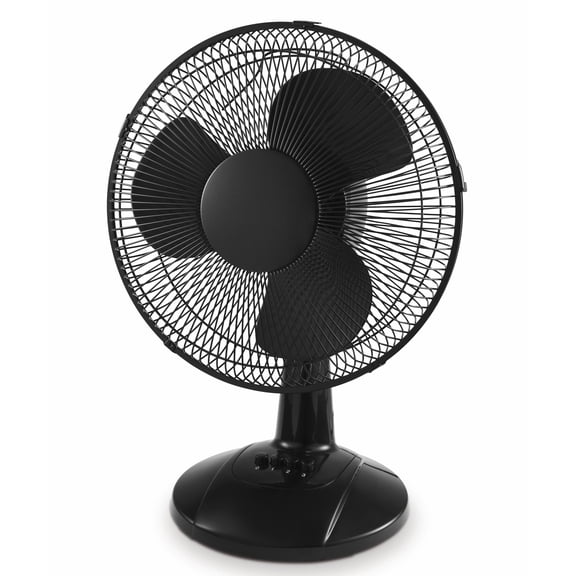
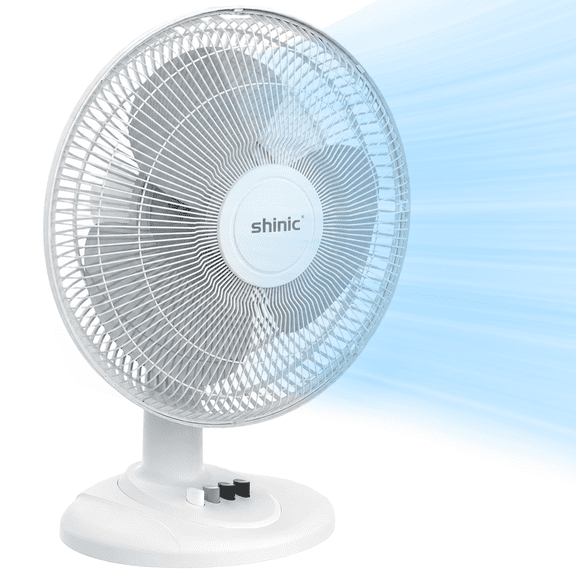
An oscillating fan helps move air across more of the room with each sweep. Walmart makes it easy to compare tower, pedestal, and floor designs for bedrooms, offices, and larger shared spaces.
Why an oscillating fan fits everyday cooling needs
Oscillation spreads airflow side to side instead of aiming at one fixed spot. That wider coverage can make a bedroom, desk area, or living room feel more comfortable.
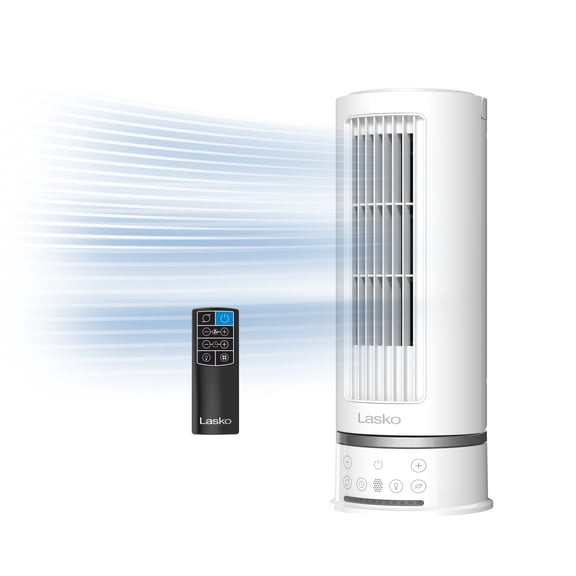
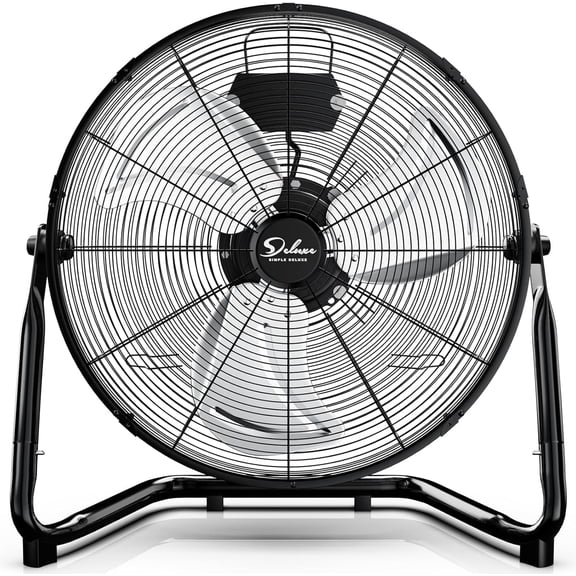
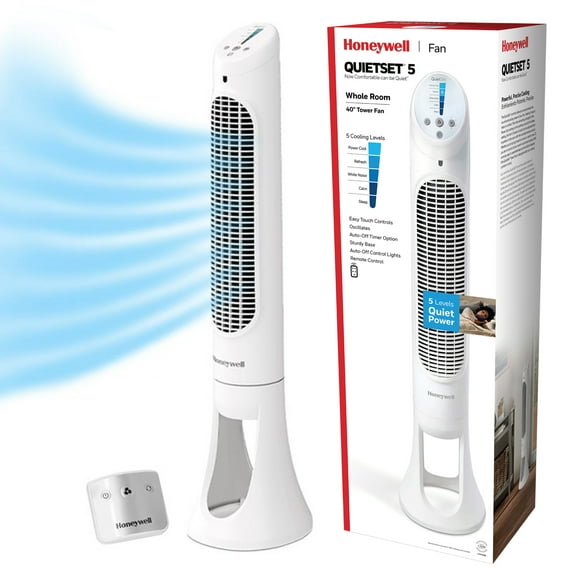
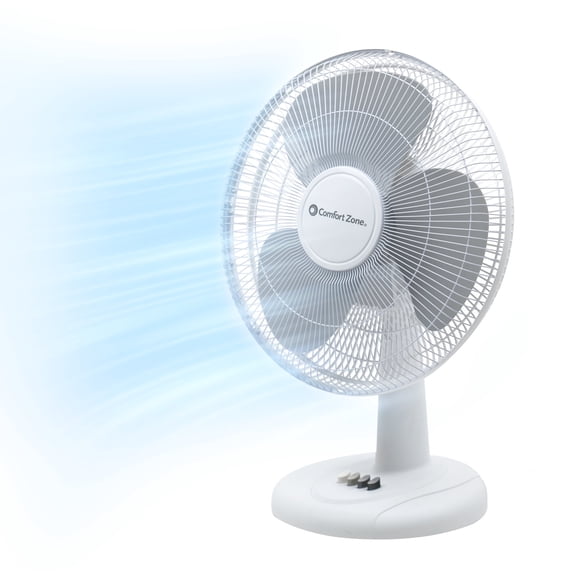
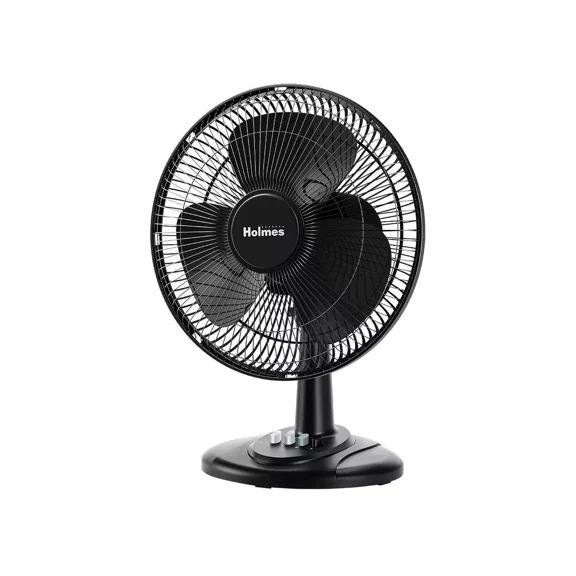
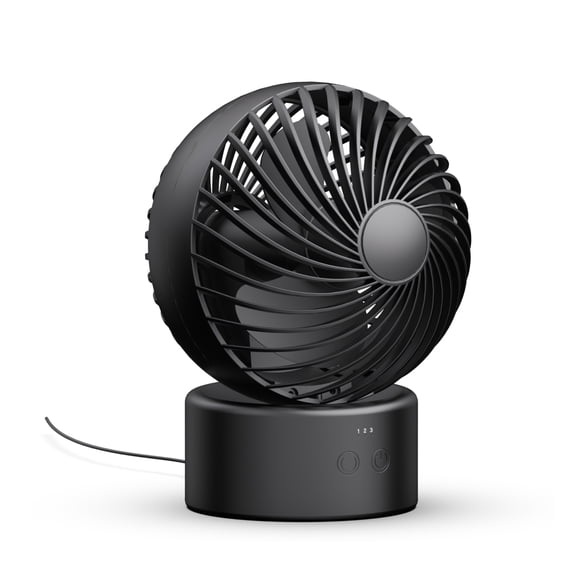
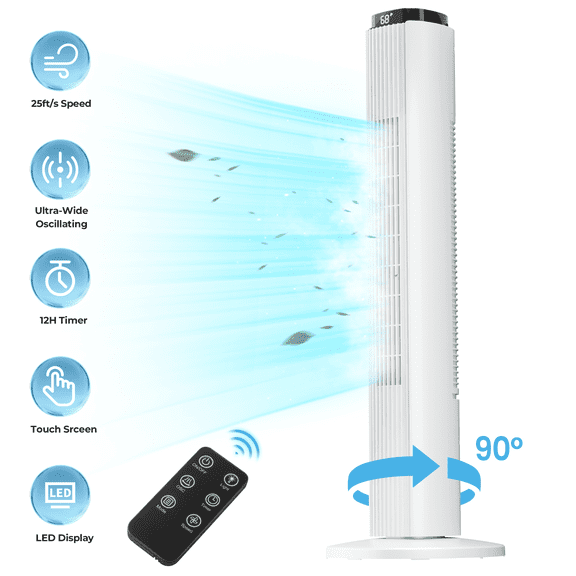
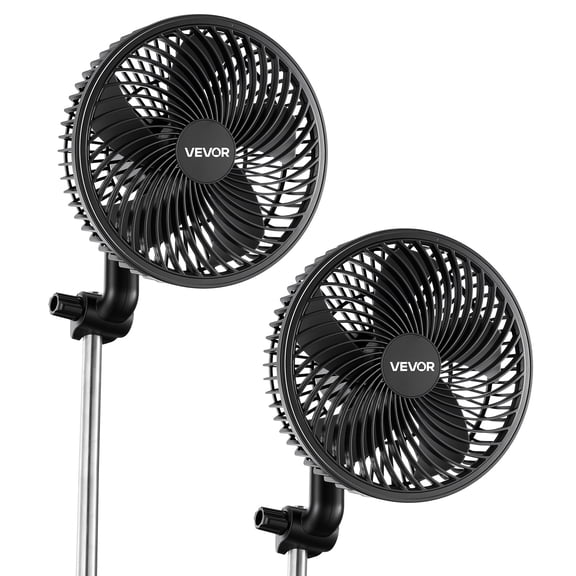
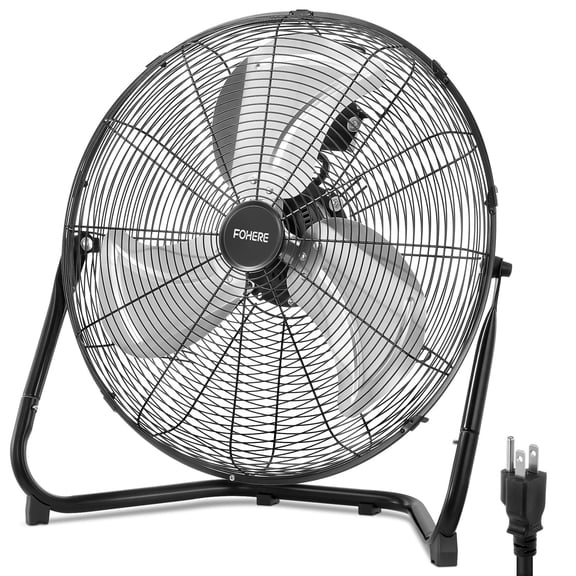
Different fan styles solve different placement needs. Tower models use a slim footprint, pedestal options raise airflow higher, and floor fans deliver strong circulation closer to the ground.
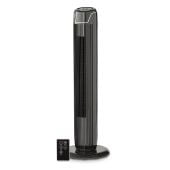
- Tower designs fit neatly beside dressers, desks, and nightstands.
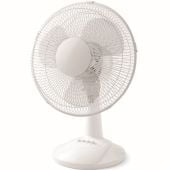
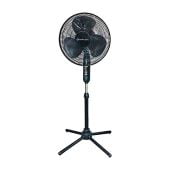
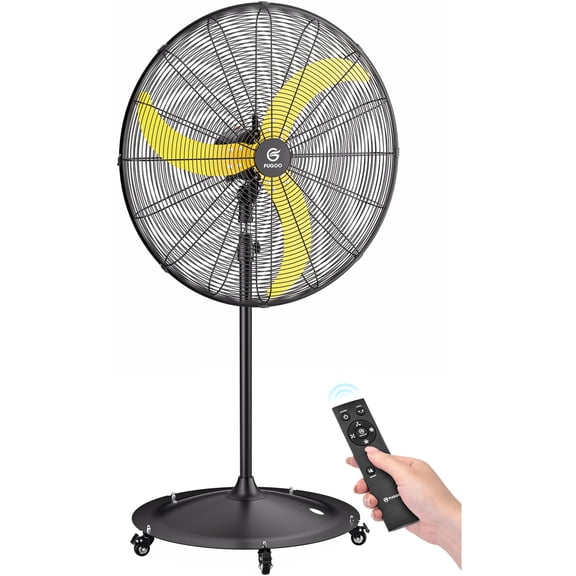
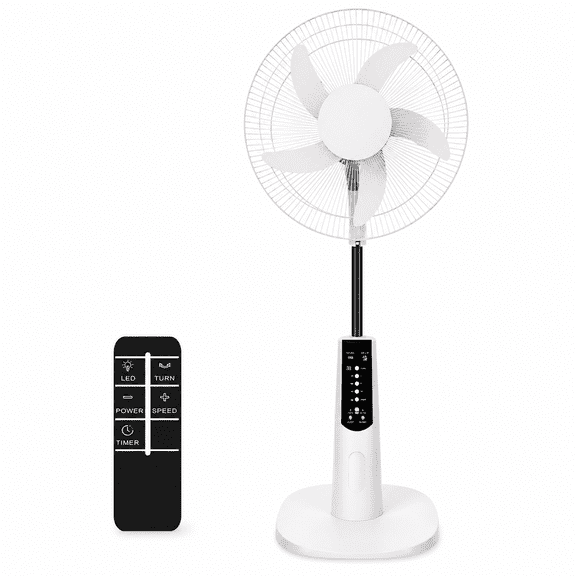
- Pedestal fans let you adjust height for beds, sofas, and tables.
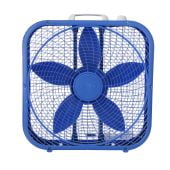
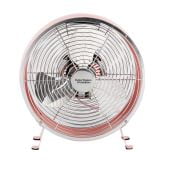
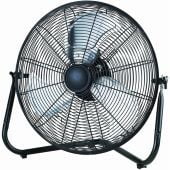
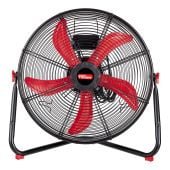
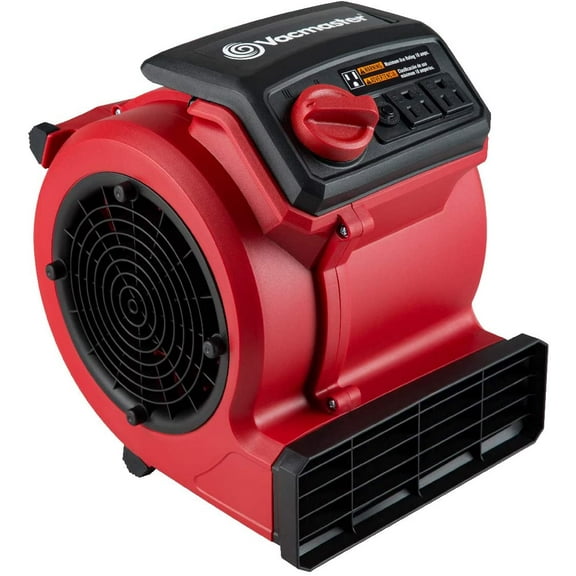
- Floor models move air across open areas, garages, and workout spaces.
- Multiple speed settings help match airflow to the room and time of day.
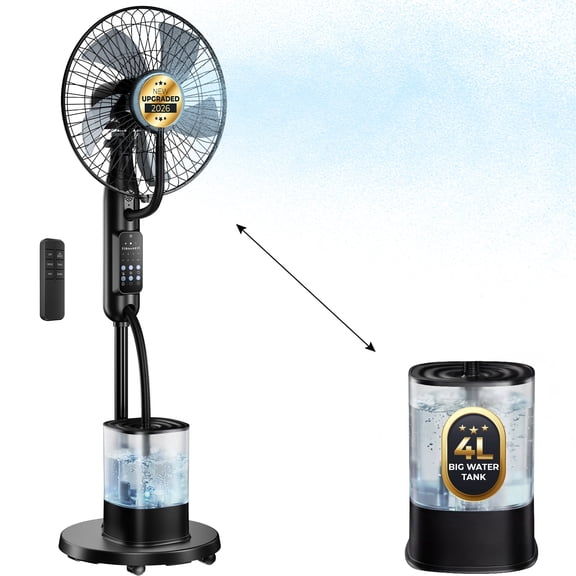
- Remote controls and timers add convenience during work, reading, or sleep.
A rotating fan can also help reduce hot spots in corners and seating areas. That matters when one room serves several people at once.
How to choose between tower, pedestal, and oscillating floor fan styles
Start with the room size and where the fan will sit. A tower fan works well in narrow spaces, while a pedestal unit suits open areas.
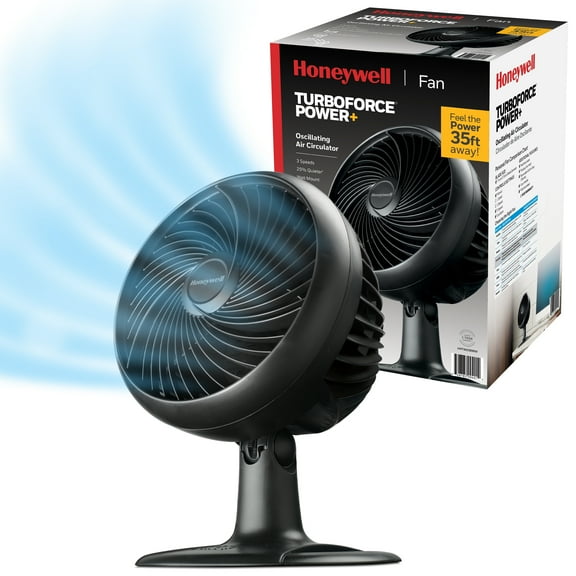
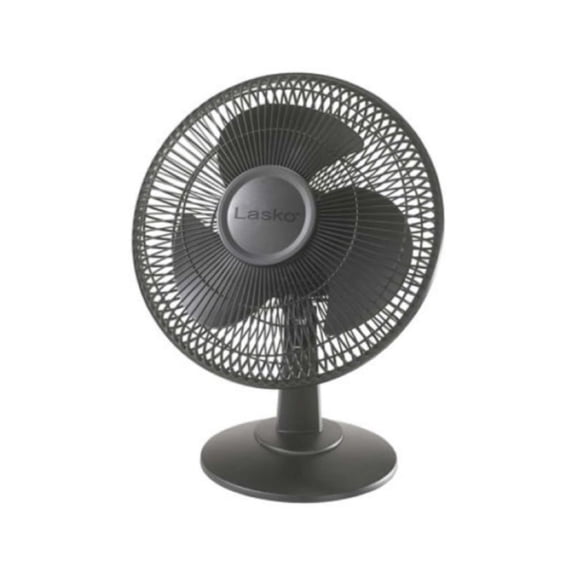
An oscillating floor fan often delivers a wider, stronger breeze for basements, home gyms, and multipurpose rooms. Its lower profile also works well near windows or doorways.
Blade size, housing design, and base shape all affect placement. Pedestal and stand models usually offer height adjustment, while tower units keep controls in a compact vertical body.
Look at the oscillation range if you want broader room coverage. Some fans focus airflow in a smaller arc, while others sweep across wider seating zones.
Noise level matters for overnight use and focused work. Many shoppers prefer quiet controls, lower speed settings, and timer functions for a bedroom setup.
Control style can change the day-to-day experience. Touch panels, dial controls, remotes, and digital displays each offer a different level of convenience.
Features shoppers compare on oscillating fans
Speed settings are one of the first details to check. More settings give you finer control over airflow during afternoons, evenings, and overnight hours.
Timer functions help automate shutoff without extra steps before sleep. That feature is especially useful for an oscillating fan for bedroom placement.
Adjustable height is important on an oscillating stand fan. It lets you direct airflow above bedding, across a couch, or toward a desk chair.
Base design affects stability and footprint. Round pedestal bases, slim towers, and wide floor frames each suit a different room layout.
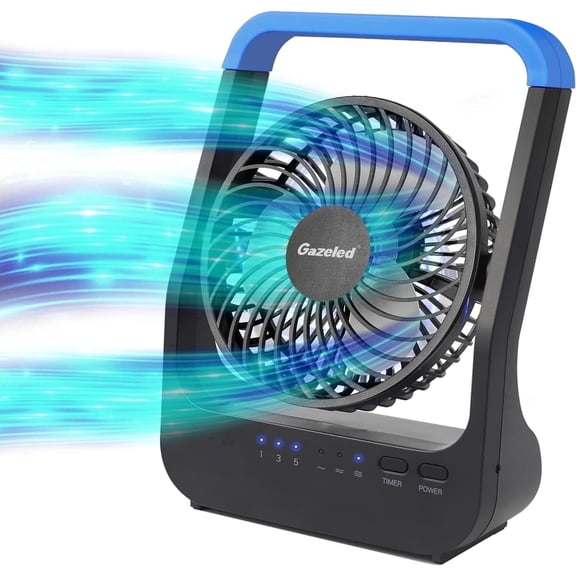
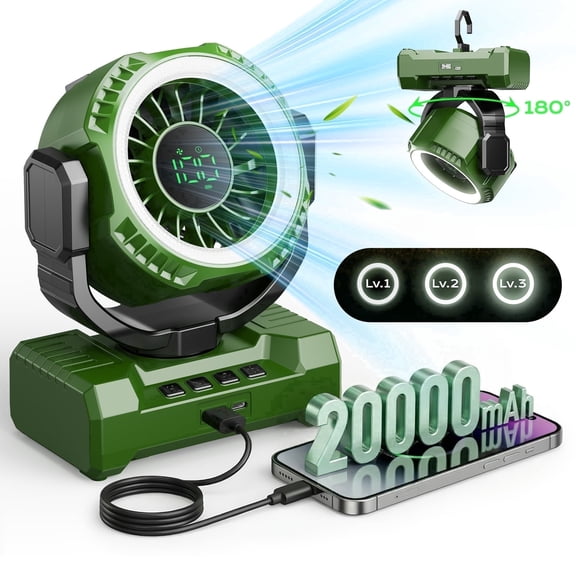
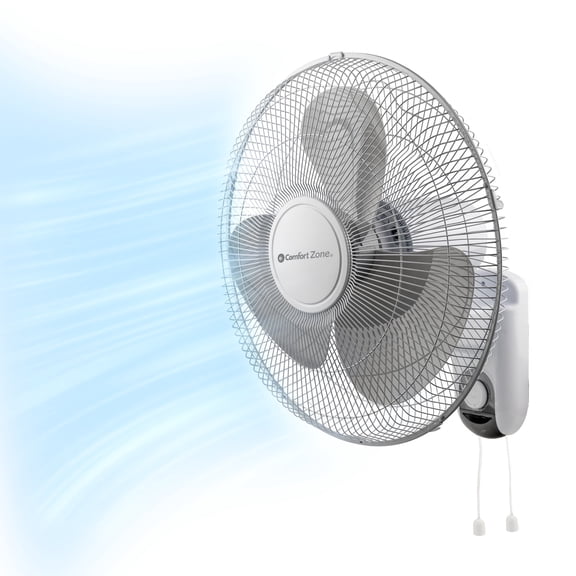
Some fans include carry handles for easier movement between rooms. Others focus on fixed placement with a shape designed for corners or wall-adjacent spaces.
Grille style and housing design also shape cleaning routines. Removable covers, smooth exterior surfaces, and accessible controls can simplify regular upkeep.
Powerful circulation means different things across this category. For one shopper, it means broad bedroom airflow. For another, it means stronger movement across an open family room.
Rotating fan and bedroom use cases
A rotating fan works well in spaces where people move around often. Side-to-side motion can cover a bed, vanity, and doorway without constant repositioning.
In a bedroom, tower designs often suit tight layouts beside furniture. Their slim body leaves more floor area open near dressers and nightstands.
Pedestal fans fit guest rooms, craft rooms, and home offices that need adjustable airflow height. You can raise the fan for seated use or lower it closer to the bed.
Floor models make sense in larger rooms with open walking space. They also suit garages, enclosed patios, and exercise areas where broader circulation matters.
Shared living spaces benefit from wider airflow coverage across sofas and chairs. Oscillation can help one fan serve several seating positions during movies, reading, or conversation.
For workspaces, remote controls and timers add convenience during long desk sessions. Quiet settings can also feel more suitable for calls, studying, or late-night planning.
If you’re comparing fan types, focus on placement first, then controls, then airflow style. That approach helps narrow choices without getting lost in extra features.
Choose oscillating fans with room-ready details
The right fan matches your room size, layout, and preferred controls. With tower, pedestal, and floor options available, it’s easier to get steady airflow where you’ll notice it most.