

Bolts in Fasteners







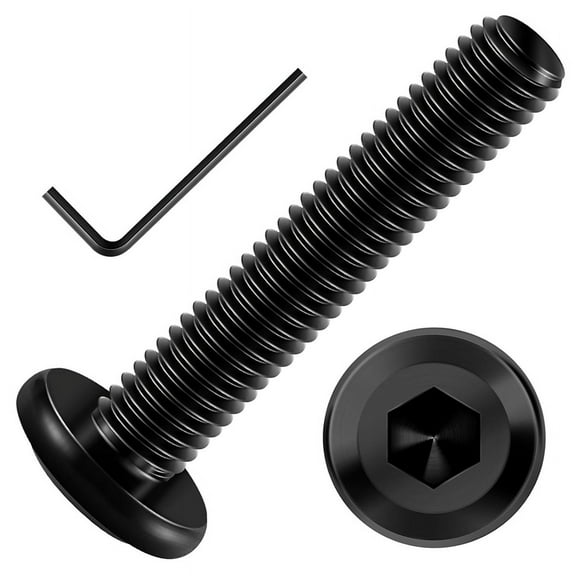
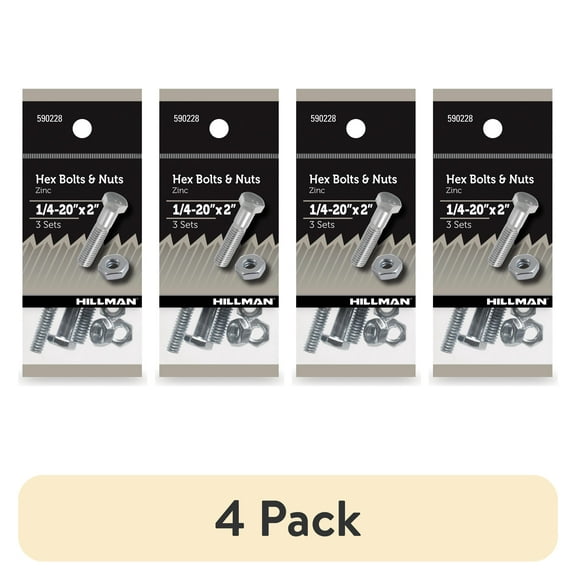












About Bolts in Fasteners - Walmart.com
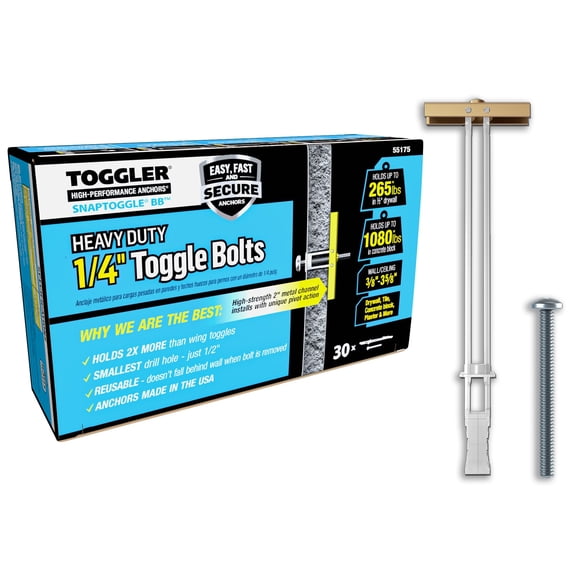
Bolts help you secure parts with lasting hold, whether you’re fixing equipment or finishing home projects. You can compare thread size, length, bolt type, and material strength to match the job.
How to choose bolts by thread size and diameter
When you shop bolts, you’ll want the right thread size before you choose anything else. You should match the diameter and thread pitch to the nut, tool, or mounting point.
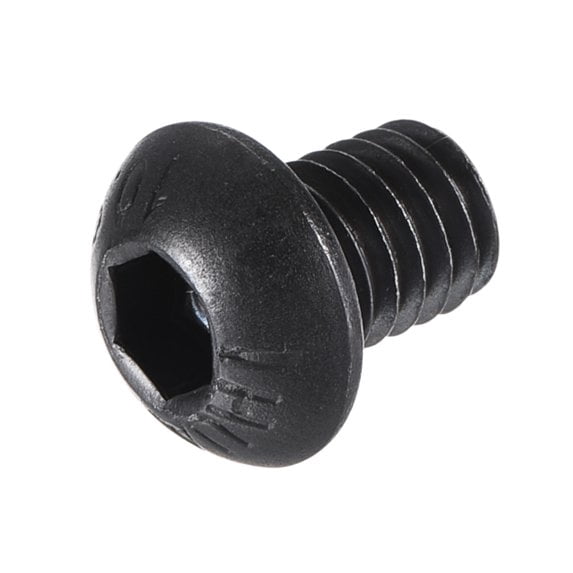
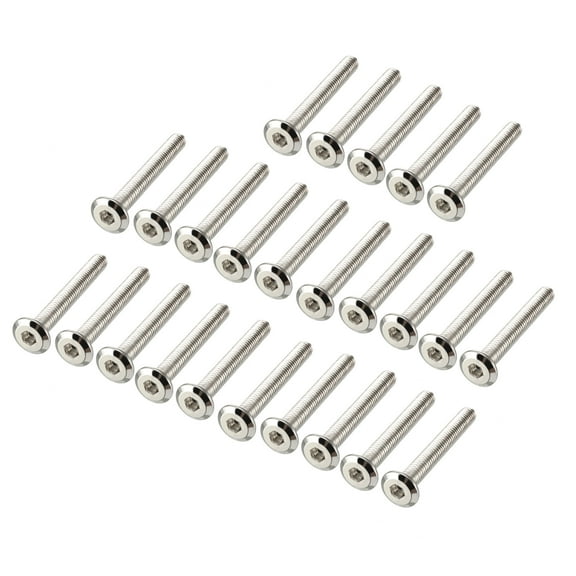
If you’re comparing metric bolts, you may see sizes like M5 or M6 for major diameter. You’ll also notice size searches like m6x12 bolt, m6x45 bolt, or 90 m5 during project planning.
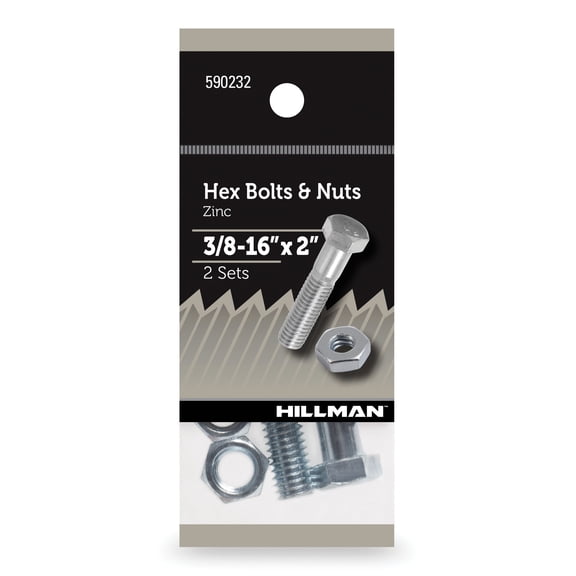
For standard hardware, you may look for sizes like 3/8 inch when your existing parts use inch-based threads. You should avoid mixing metric and standard threads because the fit can feel close but finish poorly.
- You can use M5 or M6 bolts when your parts call for metric thread sizing.
- You can choose 3/8 inch options when your equipment uses standard measurements.
- You should check thread pitch so your bolt turns smoothly without forcing the connection.
Choosing bolt length and measurement method
You should measure bolt length the same way manufacturers list it on product pages. You’ll usually measure from under the head on hex bolts, while eye bolts often use overall length.
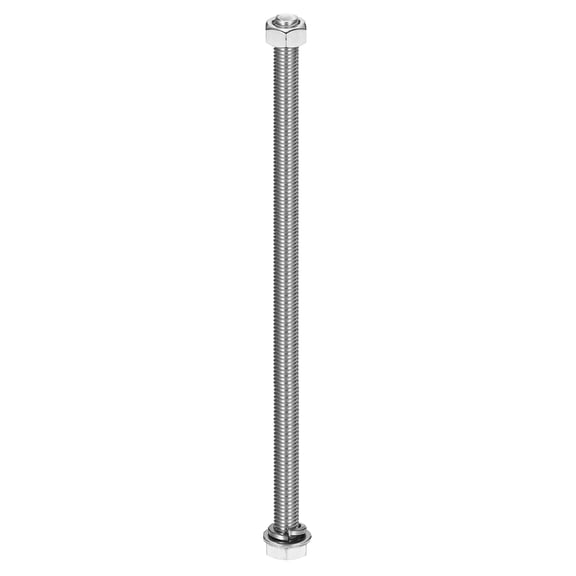
If you need long bolts, you can compare short metric lengths like 12mm with extended lengths like 45mm or 90mm. You may also need larger options, such as a 10 inch length, for deep assemblies.
During replacement work, you can use your old fastener as a guide for length and diameter. If you’re trying to match an m5 x 90mm bolt, you should confirm both the thread size and the measured length.
What to look for in hex bolts, eye bolts, and carriage bolts
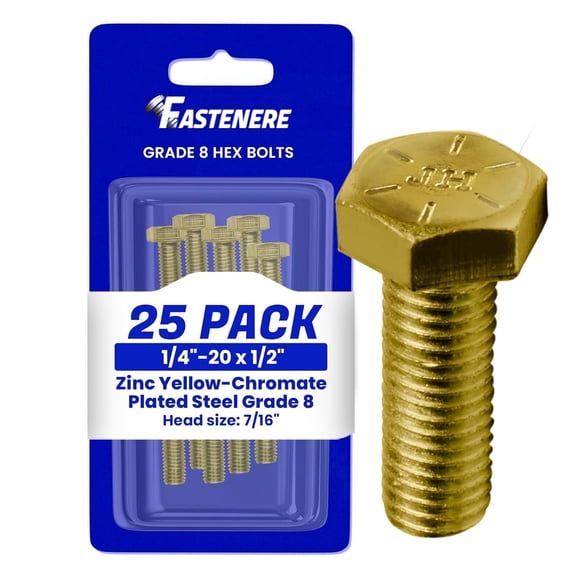
You can narrow your choice faster when you understand how each bolt type works in a finished assembly. You’ll often choose hex bolts for wrench-driven fastening, carriage bolts for smooth exposed surfaces, and eye bolts for attachment points.
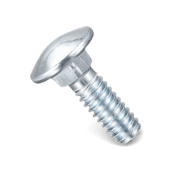
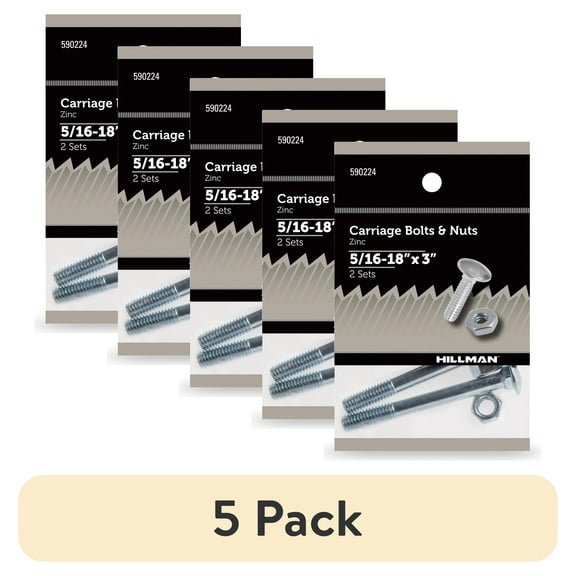
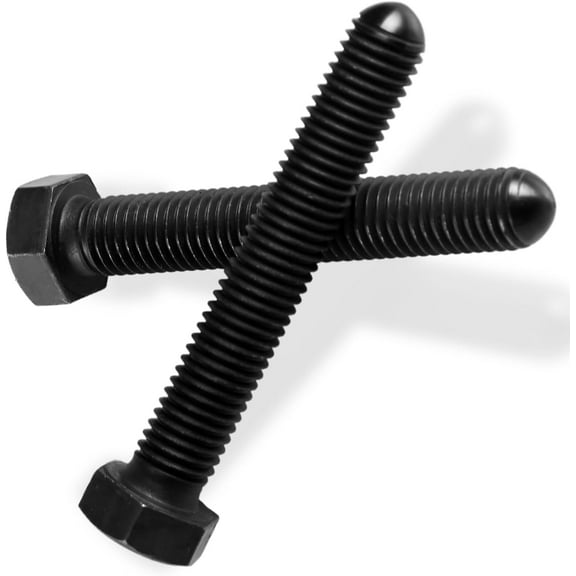
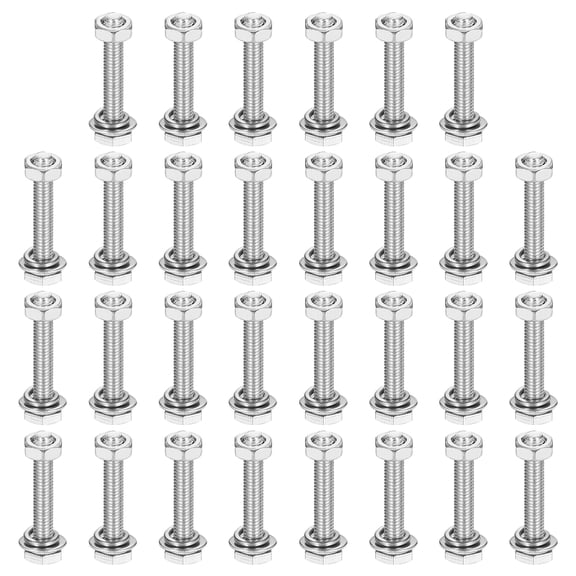
Hex bolts give you flat sides under the head, so you can tighten them with common hand tools. Carriage bolts give you a rounded head, which helps your visible surface look cleaner.
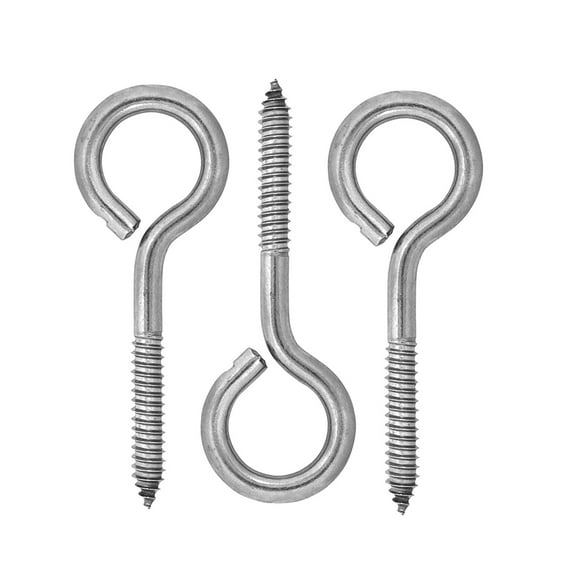
If you need a looped connection point, eye bolts can support hanging, tie-down, or routing tasks. You may also search for large eye hooks or a 3/8 x 10 eye bolt when your setup needs extra reach.
Comparing heavy-duty bolts, grades, and materials
You should compare strength and finish based on where your bolt will work and what it will hold. Heavy-duty bolts can suit demanding assemblies, while standard options can fit lighter repairs and routine installs.
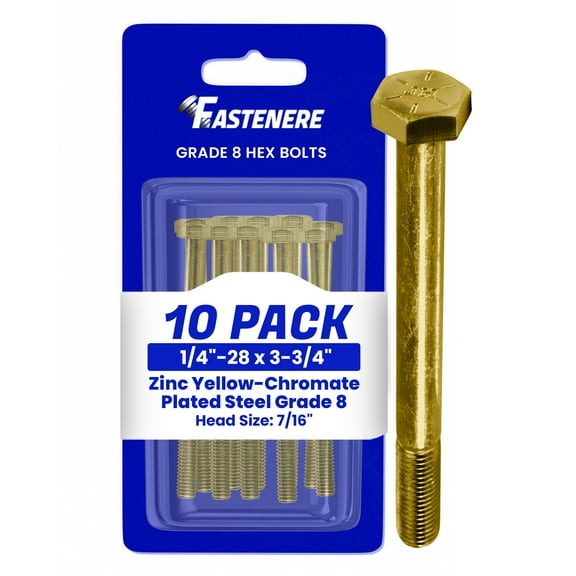
If you’re reviewing grade markings, you may see Grade 5 and Grade 8 on some inch-based fasteners. You can treat those grades as a quick strength guide, with higher grades supporting tougher mechanical demands.
For indoor projects, you may choose zinc-plated bolts when you want a familiar finish for general hardware use. For outdoor or moisture-prone areas, you may prefer stainless steel when you want stronger corrosion resistance.
- You can use heavy-duty bolts for trailers, equipment frames, and structural hardware connections.
- You can choose standard bolts for furniture assembly, gates, and workshop repairs.
- You can compare zinc-plated and stainless steel finishes based on exposure and maintenance needs.
Using bolts for home, auto, and equipment projects
You can use bolts across home improvement, automotive work, shop builds, and outdoor hardware tasks. Your project may need one exact size, or it may need several lengths and types in the same repair.
For home projects, you might use carriage bolts on wood connections where you want a smooth finished face. For garage or equipment work, you may choose hex bolts when you need firm tool-driven tightening.
If you’re planning utility, marine, or tie-down setups, you may reach for eye bolts with the right diameter and length. You should match the thread and material to your mounting hardware so the connection fits cleanly.
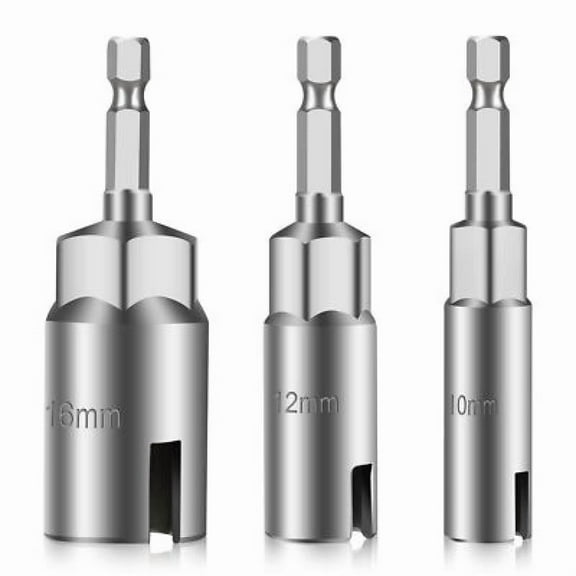
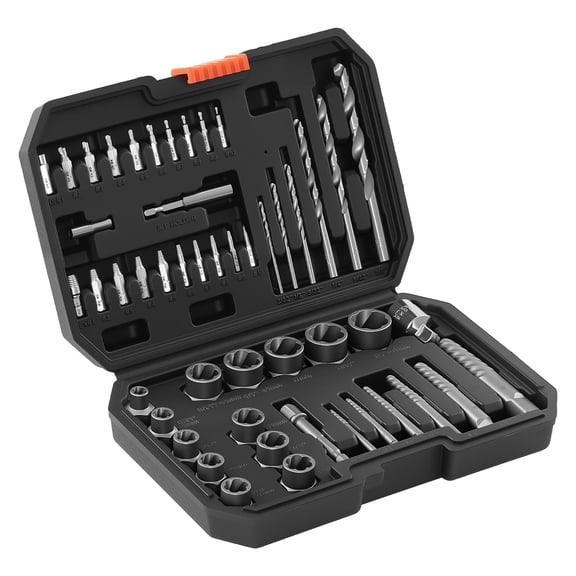
When you’re comparing assortment depth, you may look for metric bolts, eye bolts, and long bolts in one place. You can also pair your order with nuts, washers, and specialty hand tools for a smoother install.
Bolts buying guidance that helps you order accurately
You’ll make a more accurate choice when you check diameter, thread pitch, length method, type, grade, and finish together. Your order can align more closely with the job when you use those details before checkout.
With bolts for metric and standard projects, you can match hardware to repairs, builds, and replacements with less guesswork. You’ll finish with fastening parts that fit your assembly and support a cleaner installation.