

Nesting Tables in End Tables






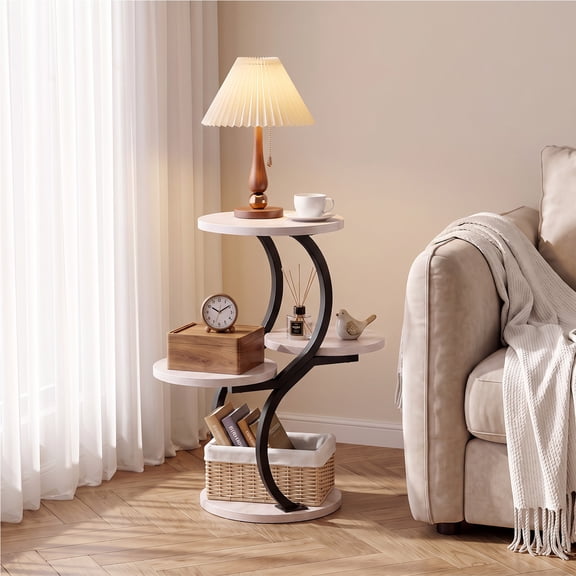

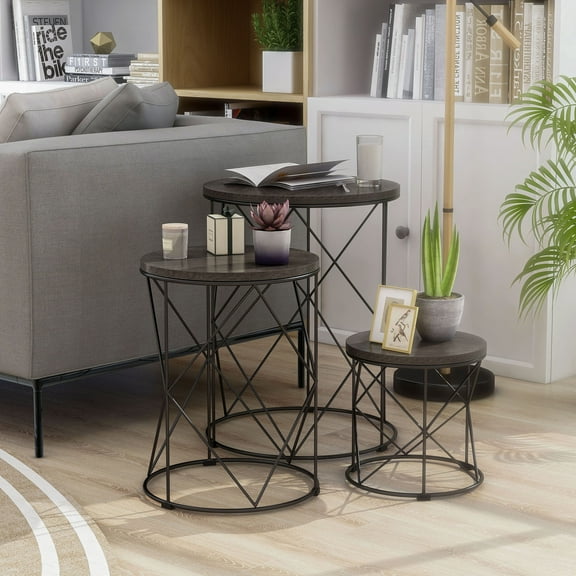


About Nesting Tables in End Tables - Walmart.com
Nesting tables help you add flexible surface space without crowding your room. You can slide them together between uses, which makes them especially useful in apartments, condos, and compact living rooms.
When you shop this category, you can compare shapes, materials, and set sizes that change how your space works. You can also match your tables to sofas, accent chairs, and media stands for a more pulled-together look.
How to choose nesting tables for your space
You should start by measuring where your tables will sit and how often you need extra surface area. You’ll want enough room for the largest table, plus easy clearance when you pull smaller tables out.
If you host guests or move furniture often, you may prefer a set of nesting tables that separates quickly. If you want a cleaner footprint daily, you can keep the tables stacked until you need them.
- You can create extra drink and snack space without adding a full-size coffee table.
- You can tuck smaller tables underneath to keep walkways open in tight rooms.
- You can spread tables around the room for guests, then nest them again after use.
- You can use different heights to layer lamps, books, or decor with less visual bulk.
For small homes, you’ll notice the biggest benefit is flexibility. You can use one table beside a chair today, then separate the full set during movie night.
In larger rooms, you can still use nesting side tables to break up empty areas with lighter-scale furniture. You can get function near seating without the heavier look of one bulky piece.
Choosing materials and shapes in nesting end tables
You should compare material first, because it affects weight, care, and the overall look in your room. Wood nesting tables usually give you a warmer feel, while metal frames can look cleaner and more architectural.
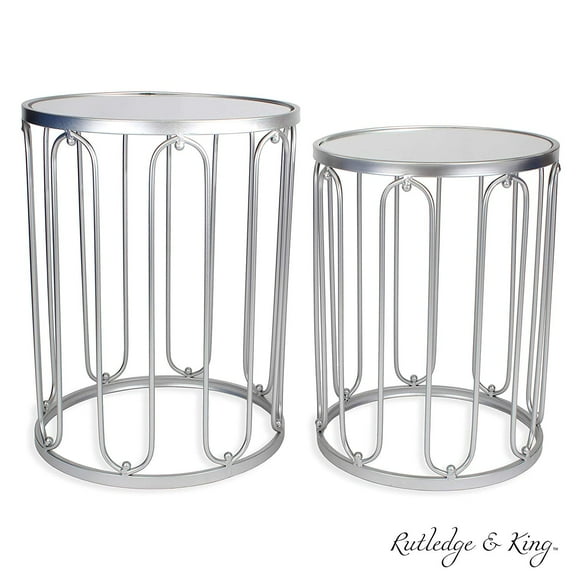
If you want a lighter visual effect, you may consider glass tops or open metal bases. If you want a grounded statement, you can look at marble-inspired tops or darker wood finishes.
Shape also changes how your tables fit around seating. Round nesting tables can soften sharp room lines, while square and rectangular options can align neatly with sectionals and straight sofas.
You may prefer oval shapes when you want a softer outline with a little more usable length. You should check tabletop size if you plan to hold remotes, coasters, or a lamp.
For everyday styling, you can match finishes to nearby hardware, lighting, or legs on other furniture. You can also mix materials when you want contrast, such as wood tops with black metal frames.
Comparing set sizes and styles
You’ll usually choose between a set of 2 and a set of 3, depending on how much flexibility you need. A smaller set works well beside a sofa, while a larger set gives you more spread-out placement.
If your room changes often, you may like three tables because you can move one to another corner. If you want a simpler layout, you may prefer two coordinated surfaces.
Style matters because your nesting tables should connect with the rest of your living room furniture. Modern nesting tables often feature clean lines and mixed materials, while rustic looks can bring warmer finishes and textured details.
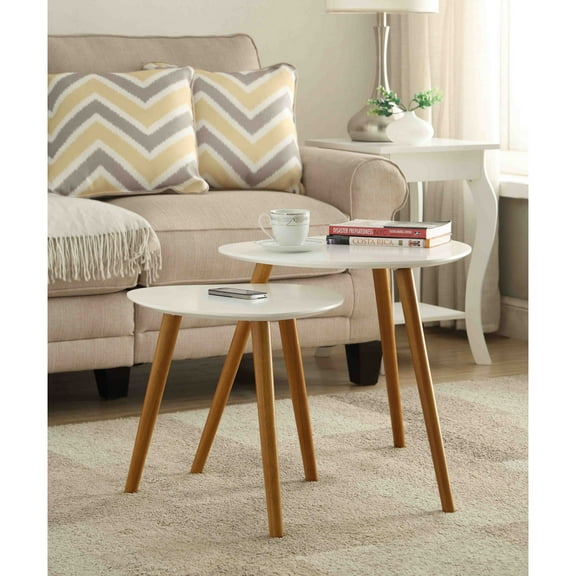
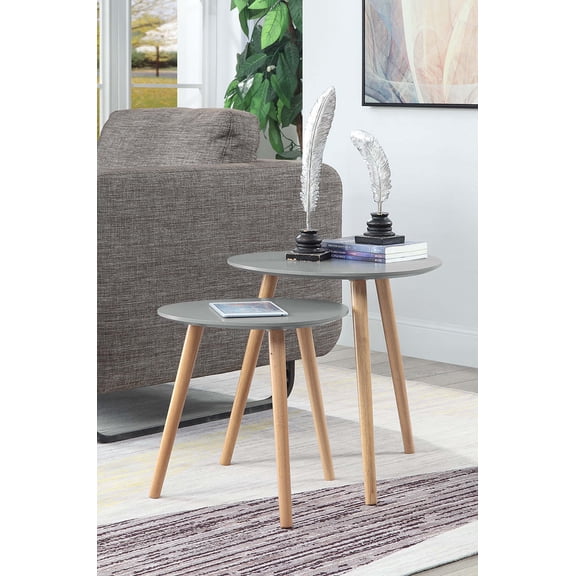
If you lean toward industrial decor, you can look for darker metal frames and weathered wood tones. If you prefer mid-century modern styling, you can consider tapered legs, rounded edges, and lighter finishes.
You should compare leg shape, top thickness, and finish color when you want an easy match. You can make your room feel more consistent when those details echo your coffee table or TV stand.
Using nesting coffee tables and nesting side tables at home
You can use nesting coffee tables in front of a sofa when you want adaptable surface space. You can spread them out for drinks and trays, then slide them back together after guests leave.
Beside seating, nesting end tables work well when you want room for a lamp, a book, or a cup. You can pull out the smaller table during busy evenings, then tuck it away later.
In open layouts, you can move individual tables between conversation areas without making the room feel crowded. You can also use them near a window seat, reading chair, or entry bench.
If you decorate seasonally, you’ll appreciate how easy these tables are to restyle. You can place a plant on one, a candle on another, and still keep a clear surface nearby.
For compact homes, you should look closely at nesting side tables with slimmer frames and balanced proportions. You can get usable tabletop space while keeping the floor plan easier to navigate.
When you compare material, shape, set size, and style, you can narrow the category quickly. You can choose nesting tables that fit your room, support daily routines, and keep your space feeling open.