

Nausea Medicine in Digestive Health














About Nausea Medicine in Digestive Health - Walmart.com
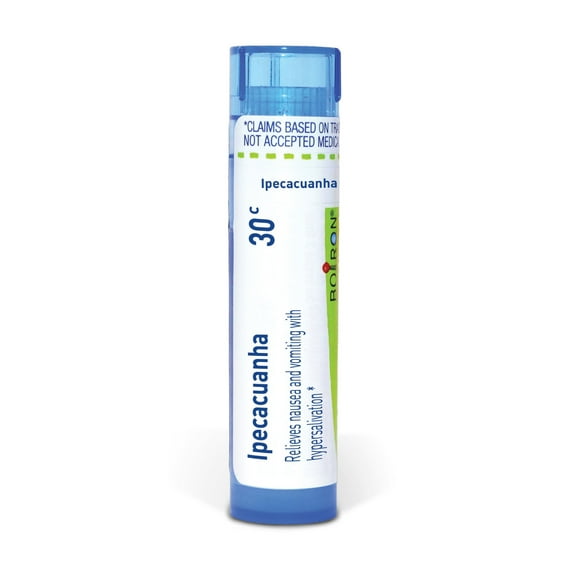
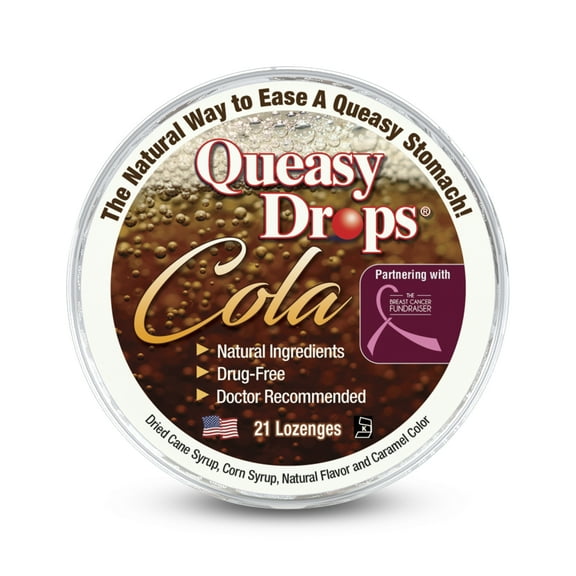
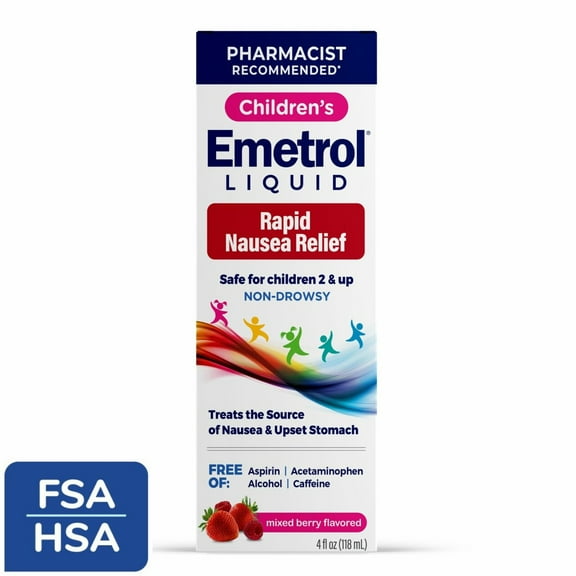
Over-the-counter nausea medication helps you compare fast formats, active ingredients, and travel-ready options for steady nausea relief at home or on the go. This category brings together chewables, liquids, caplets, and dissolvable choices, so you can match the format to your routine. You’ll also find products commonly used for motion sickness medicine, upset stomach support, and vertigo relief needs.
Why over-the-counter nausea medication stands out
Different symptoms call for different formats and ingredients. That’s why this category includes swallowable tablets, chewables, liquids, and anti nausea medication under tongue options. Those format choices matter when you want something simple to take during travel, after meals, or before a boat ride.
Some shoppers focus on motion support for car trips and flights. Others want stomach-settling options for everyday routines. You can compare products by format, serving style, and active ingredient instead of guessing from the front label alone.
- Travel-friendly packs fit easily in a purse, backpack, or glove box.
- Dissolvable and chewable options offer a simple format when water isn’t convenient.
- Liquid formulas can be useful when you prefer measured servings over tablets.
- Ingredient variety helps you choose products for motion support, stomach discomfort, or occasional queasiness.
Because this is a focused nausea medicine page, the assortment reflects real shopper needs. You’ll see motion sickness formulas, stomach-calming liquids, and compact caplets that wouldn’t belong on a general wellness page.
Types of over the counter nausea meds
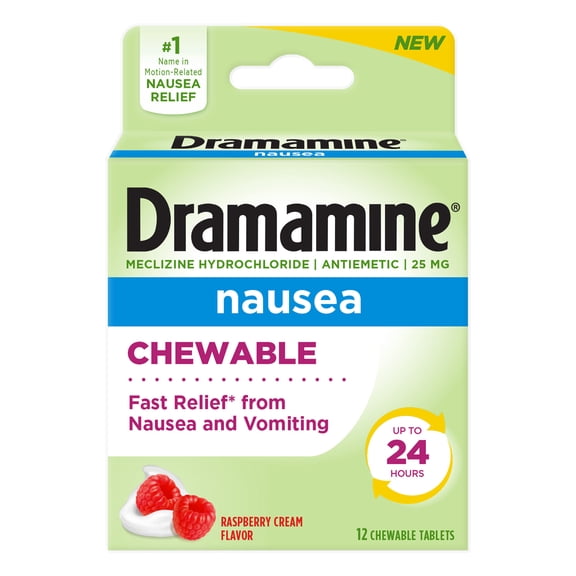
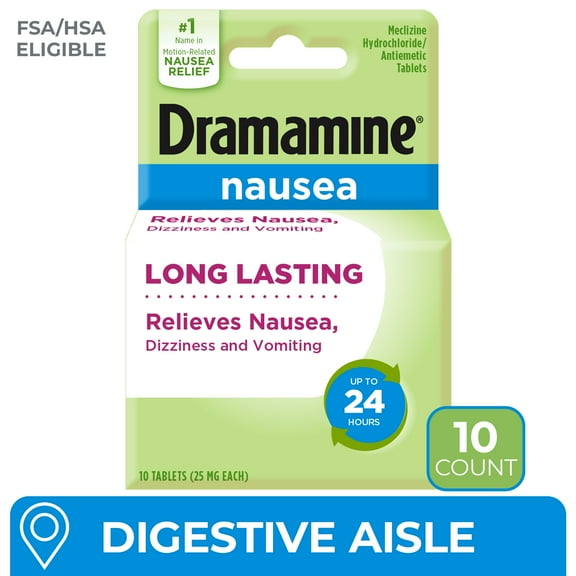
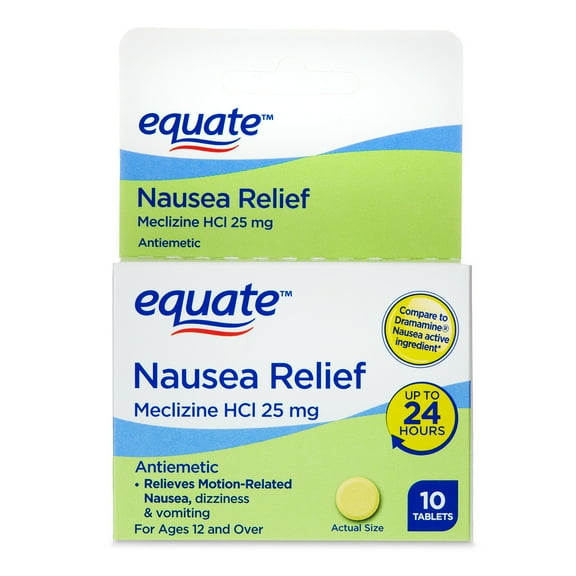
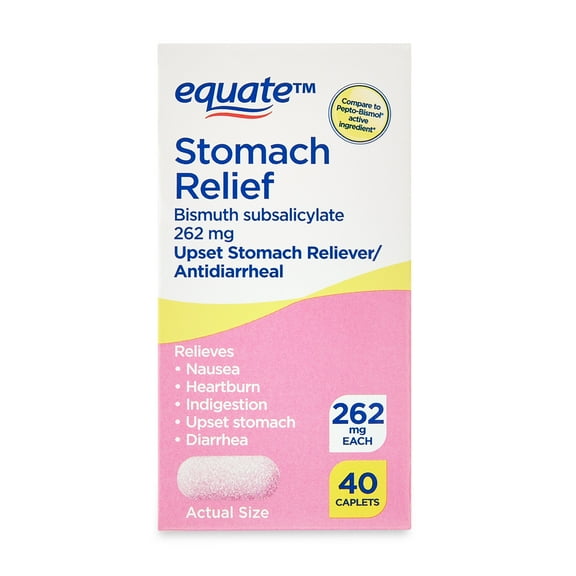
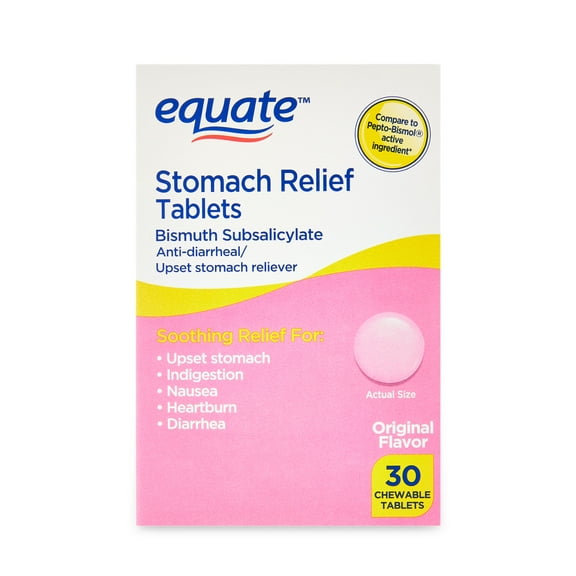
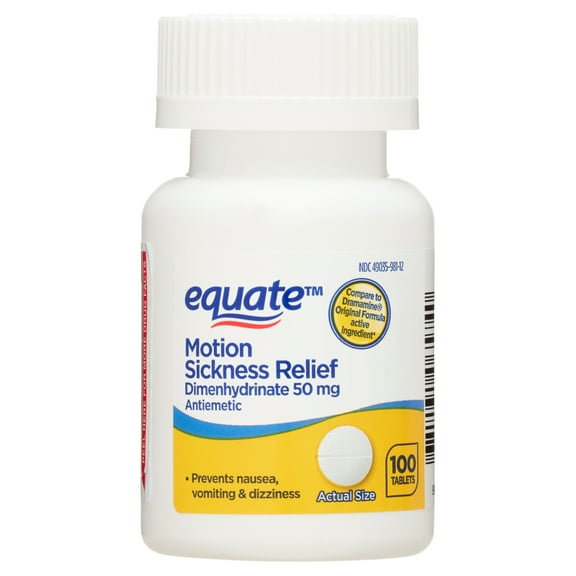
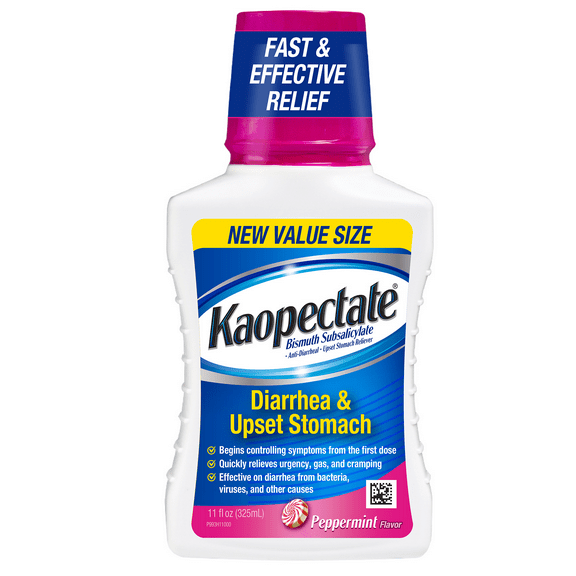
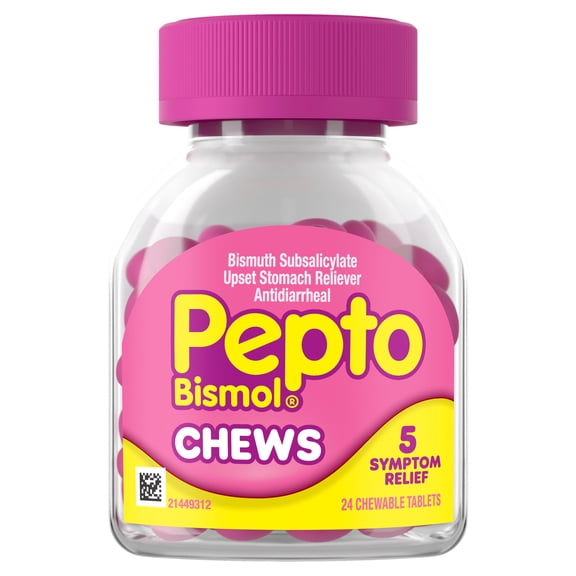
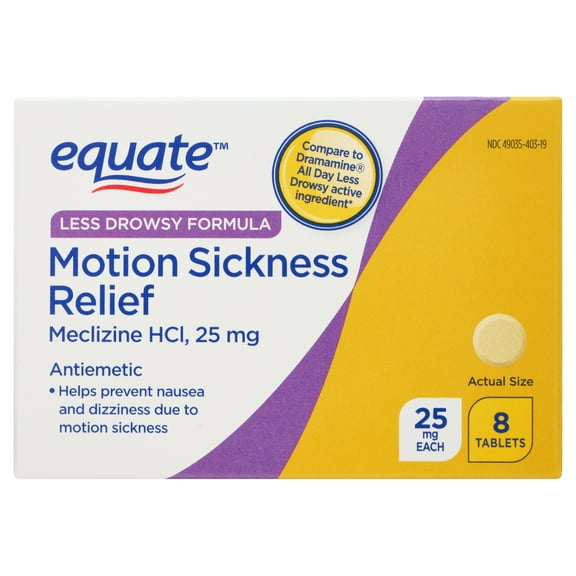
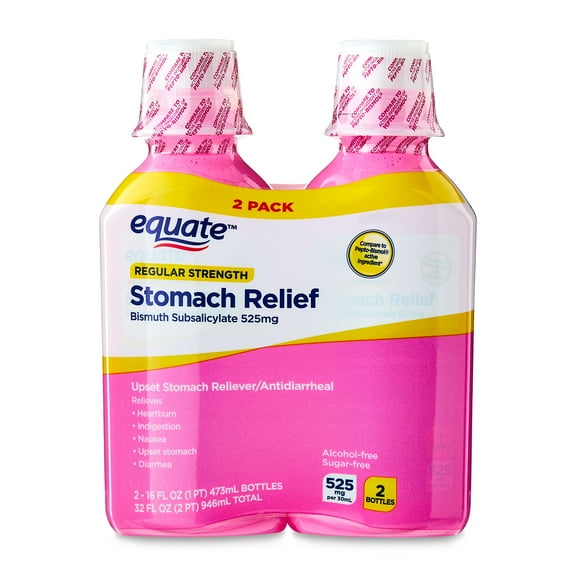
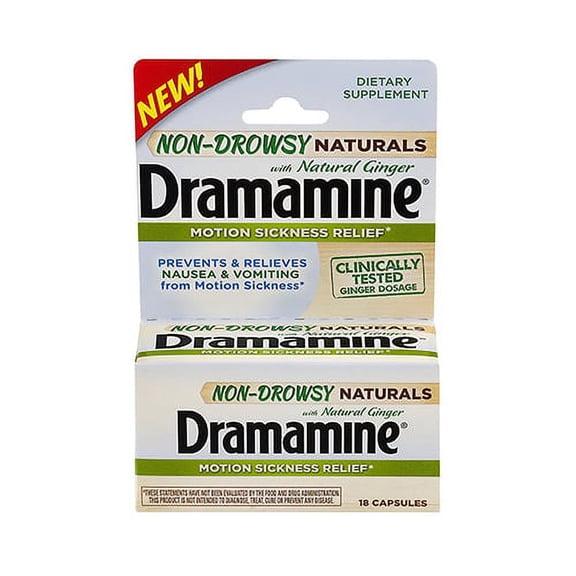
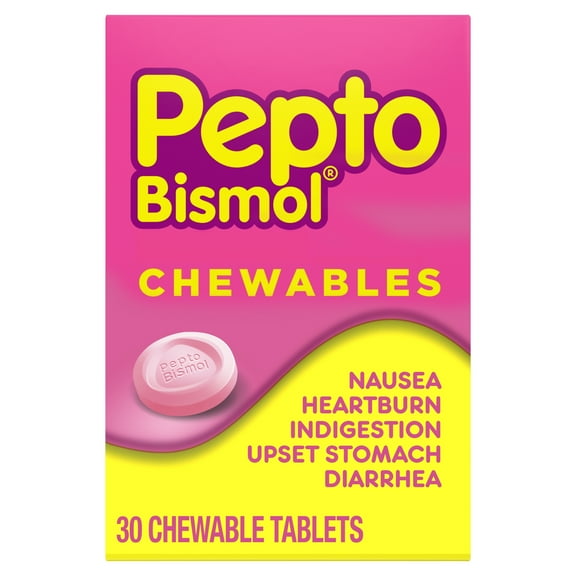
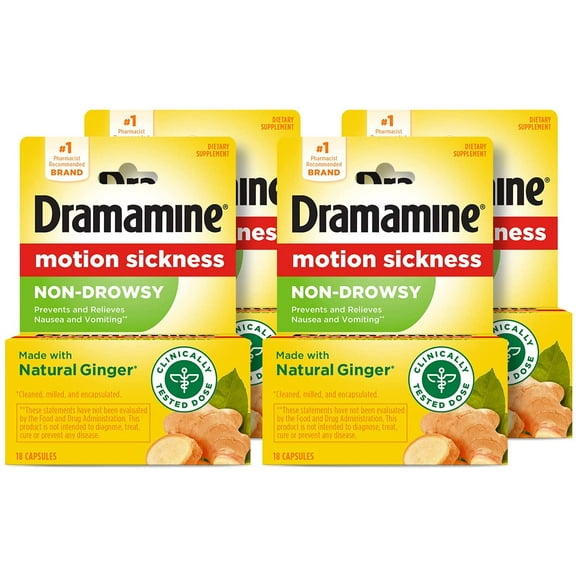
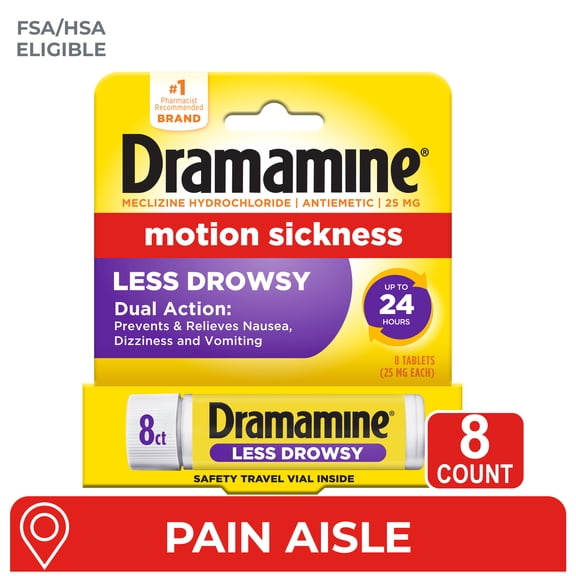
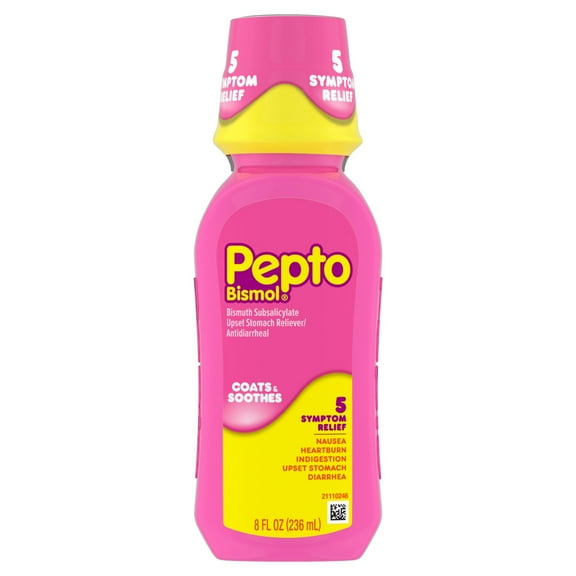
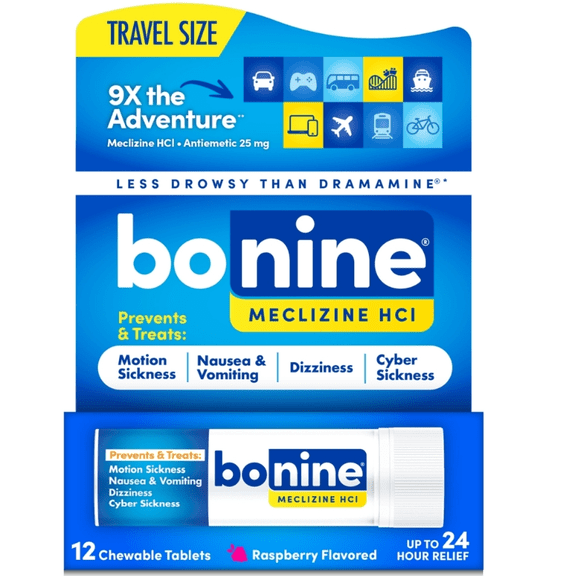
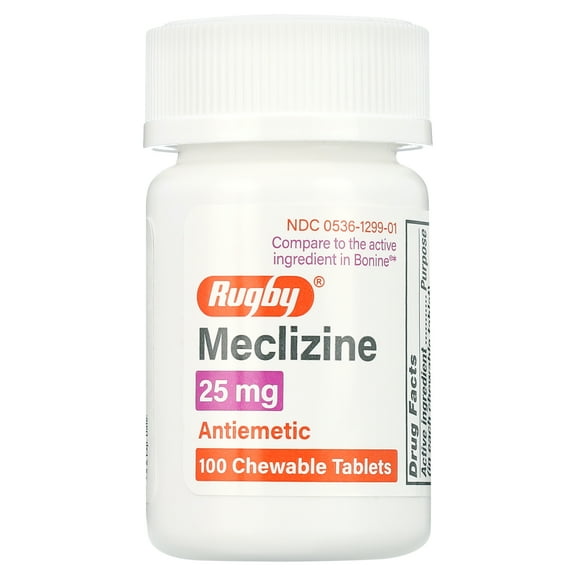
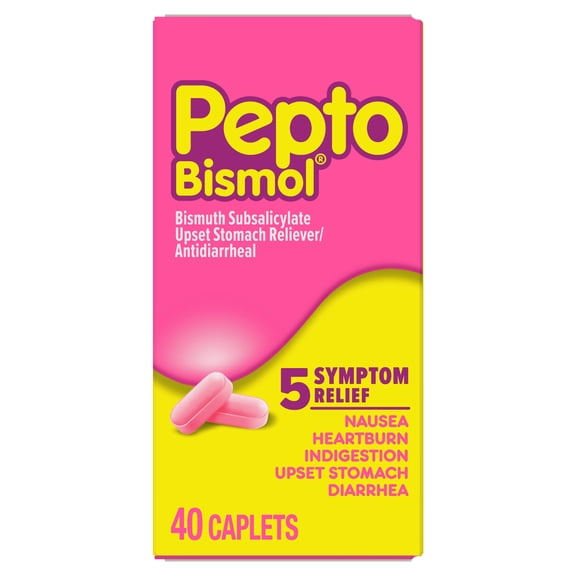
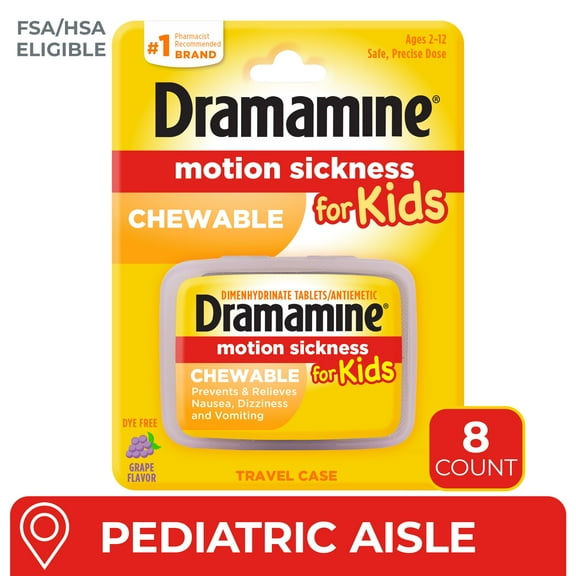
Active ingredients help narrow the field quickly. Meclizine products are often chosen for motion-related situations, including cruises, road trips, and flights. Bismuth subsalicylate formulas appear in liquids and chewables for stomach-focused support. Dimenhydrinate options are another familiar pick for motion-related use.
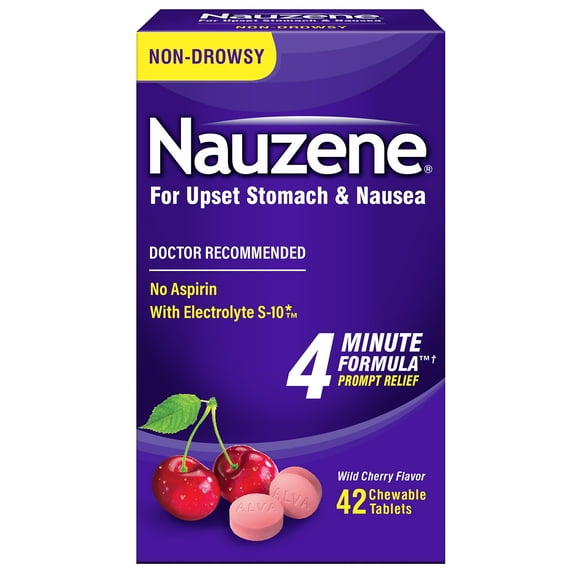
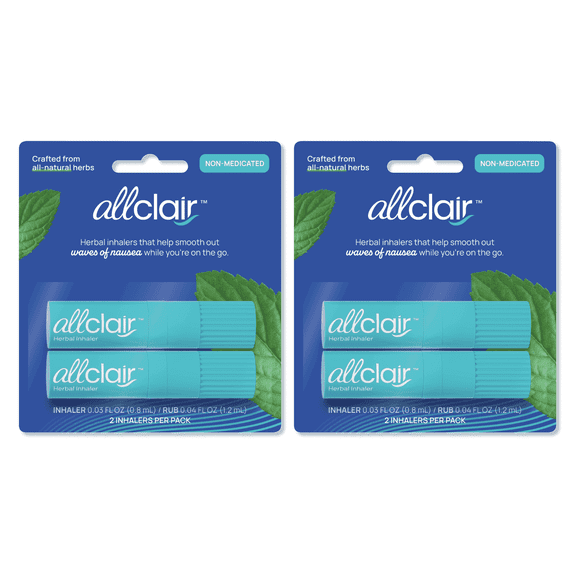
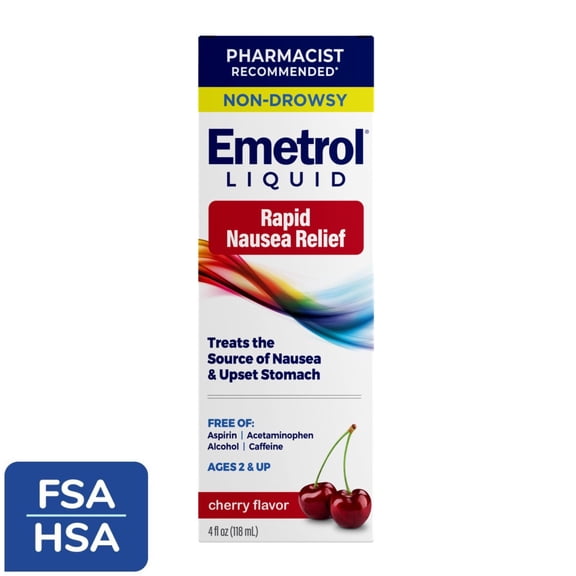
Format also shapes the shopping decision. Caplets and tablets suit structured routines and travel kits. Chewables work well when you want a no-water option. Liquids let you review serving details clearly on the bottle. Dissolvable styles connect with searches for anti nausea medication under tongue.
Non-drowsy and fast-acting labels matter to many shoppers, but package details vary by product. That’s why comparing directions, age guidance, count, and format on one page can be helpful. Instead of scanning unrelated categories, you can focus on products made for nausea relief and motion support.
Experienced shoppers often check count size before choosing. A smaller pack may suit occasional travel, while a larger bottle fits a bathroom cabinet or family trip bag. These are practical details that make a difference for car rides, theme park days, and boat excursions.
When to use nausea medicine options
Travel is one of the clearest use cases in this category. Motion sickness medicine is often packed before cruises, flights, long drives, or amusement park visits. Compact packs are easy to keep close when your plans include winding roads or choppy water.
Home use looks different. Some people prefer liquids or chewables after a heavy meal or during a busy day. Others want a simple tablet format they can keep in a kitchen drawer or work bag. That flexibility is why format filters matter here.
This page also supports bilingual shopping habits. You may see terms like pastillas para vómito and remedio para enjoo nos eua reflected in search behavior. Including those phrases helps preserve useful paths for shoppers who compare products in Spanish or Portuguese.
Another niche need involves dissolvable options. Shoppers searching for under-the-tongue styles usually want a compact format with simple use. That’s a specific browsing goal, and it wouldn’t make sense on categories such as cough drops or pain relievers.
How to compare formulas with confidence
Start with the reason you’re buying. If your concern centers on travel, look closely at motion-focused formulas and count sizes. If your focus is stomach comfort, liquids and chewables may be the formats you review first.
Next, compare ingredient names and serving directions. Package details can guide your selection faster than broad marketing language. You can also review age ranges, dosage form, and whether a bottle or blister pack fits your storage preference.
It also helps to think about timing. A purse-sized blister pack suits quick access during commutes and day trips. A larger bottle makes sense when you want a home supply with multiple servings ready in one place.
Because this assortment centers on nausea-related products, the details are more relevant than on a broad medicine shelf. You can focus on meclizine, dimenhydrinate, bismuth subsalicylate, and dissolvable formats without sorting through unrelated cold or pain items.
Relief formats for everyday plans
Over-the-counter nausea medication is easier to choose when the page highlights ingredients, formats, and travel use in one place. From chewables for the car to liquids for the cabinet, this assortment supports a smoother routine with less guesswork and more relevant options.