


Cuckoo Clocks in Clocks





















About Cuckoo Clocks in Clocks - Walmart.com
You can compare cuckoo clocks by movement, sound, and style, so your wall decor feels intentional and your time display adds character. You’ll also find options that suit compact rooms, statement walls, and homes that need quieter nighttime operation.
When you’re choosing a cuckoo clock, you’re often balancing tradition with everyday convenience. You may want carved wood details, a cuckoo clock with sound, or a quartz design that keeps setup simple.
How to choose cuckoo clocks by movement type
You should start with movement type because it shapes how your clock runs, sounds, and fits into your routine. You’ll usually compare mechanical one-day, mechanical eight-day, and quartz battery-operated options.
If you choose a mechanical one-day clock, you’ll wind it daily and enjoy classic weights, pendulum motion, and bellows-driven sound. If you choose an eight-day version, you’ll wind less often and keep a traditional look.
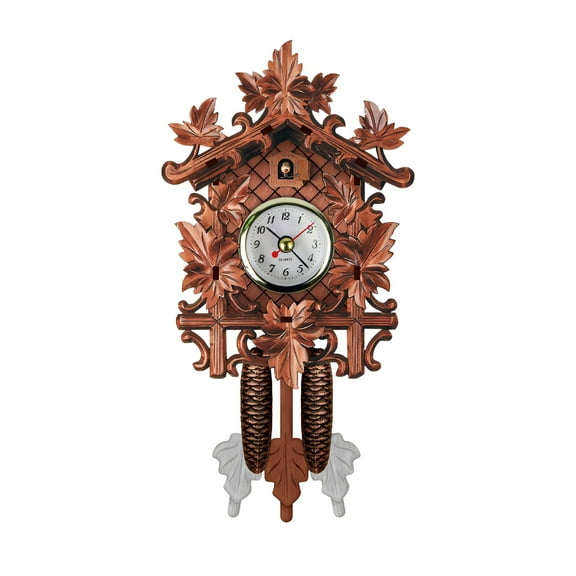
When you pick quartz cuckoo clocks, you’ll get battery-powered operation that often feels easier for busy households. You may also find features like automatic sound schedules and simpler time adjustment.
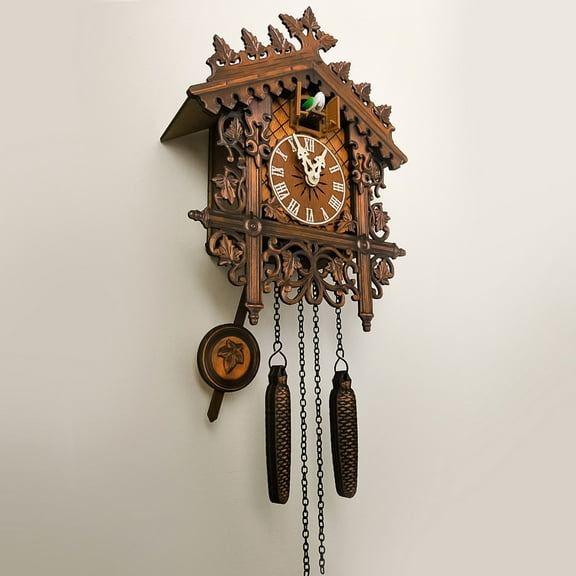
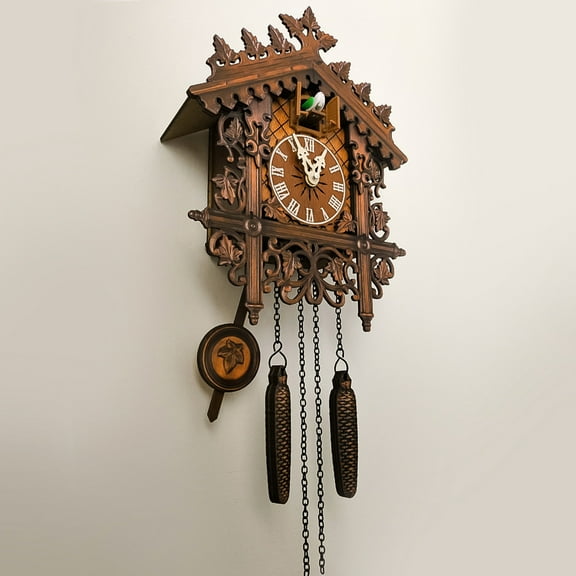
You should also check whether you want visible pinecone weights and chains on your wall. You’ll notice those details matter more with traditional cuckoo clocks than with many modern quartz styles.
What to look for in a cuckoo clock with sound
You’ll want to compare sound features carefully, especially if your clock hangs near bedrooms, nurseries, or shared living spaces. You can narrow your choice by looking at cuckoo calls, melodies, and silence controls.
- You can choose a traditional cuckoo call for a classic hourly sound.
- You may prefer musical melodies if your decor leans playful or chalet-inspired.
- You should look for automatic night shut-off if your home needs quieter evenings.
- You can check for volume control when your room size changes how sound carries.
If you’re shopping for a cuckoo clock with sound, you should check whether silence features use a light sensor or manual switch. You’ll get more control when your schedule changes during weekends or guests’ visits.
You may also want to know how the clock produces sound. If you choose mechanical models, you’ll often hear bellows create the call, while quartz versions may use recorded sound.
Choosing style and materials for cuckoo clocks for home
You should match design style to your room before you focus on smaller details. You’ll commonly see traditional Black Forest, chalet style, carved hunter style, and modern or contemporary looks.
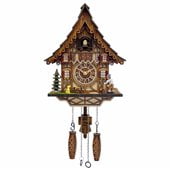
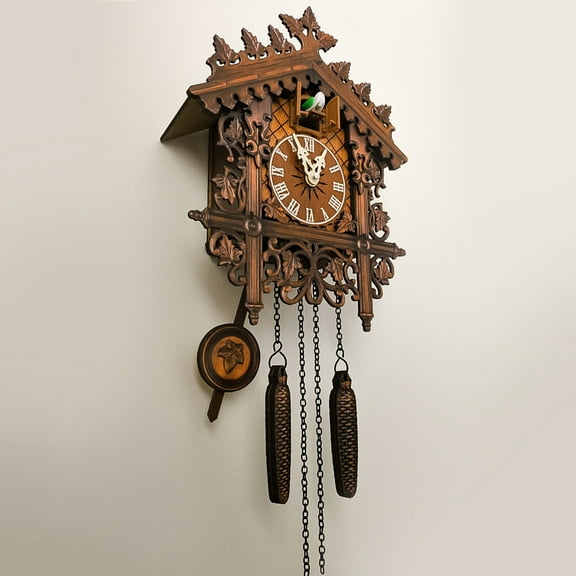
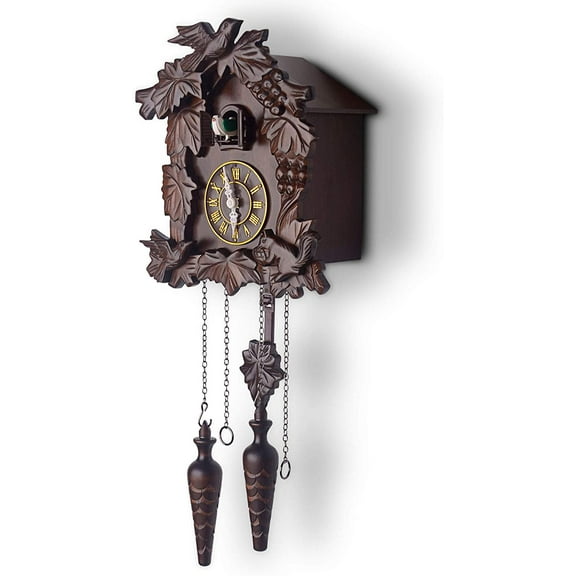
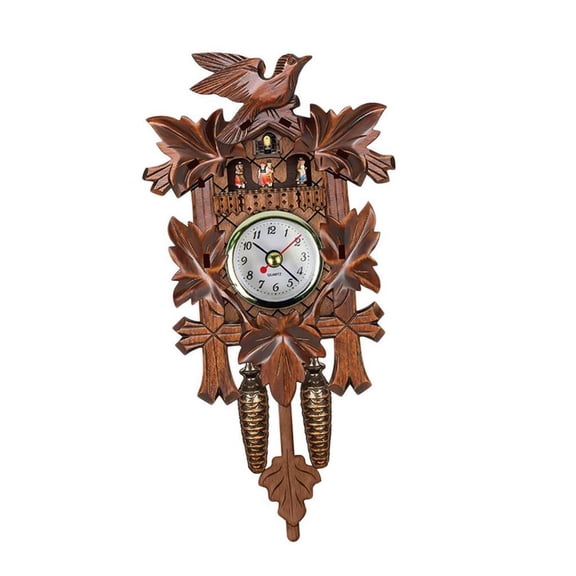
If you like old-world decor, you may gravitate toward traditional Black Forest clocks with carved leaves, birds, and detailed cases. You should check whether the design references Black Forest Clock Association certification when authenticity matters to you.
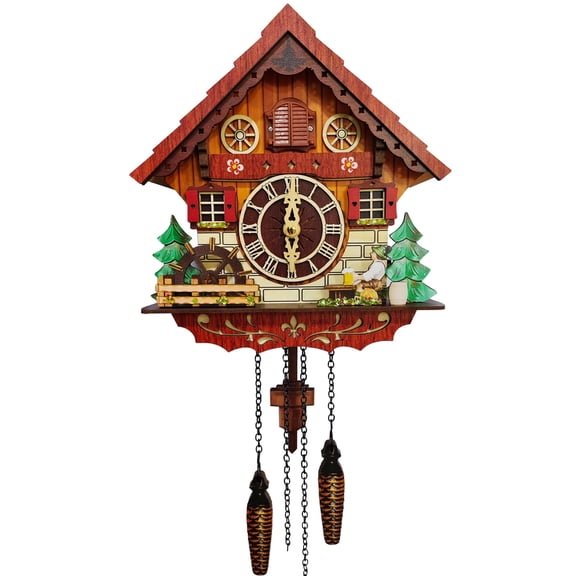
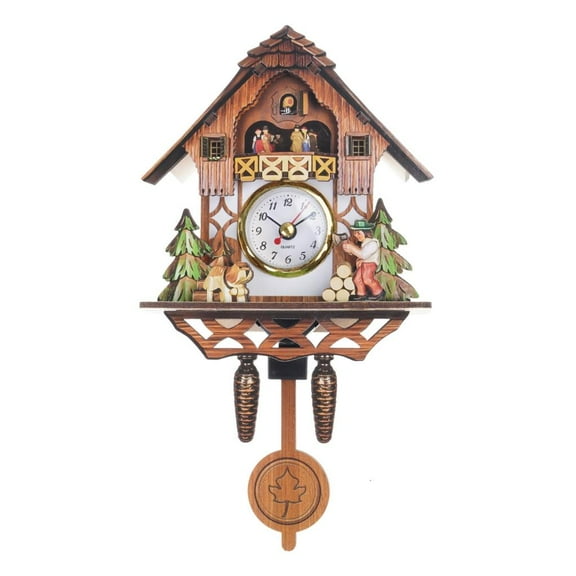
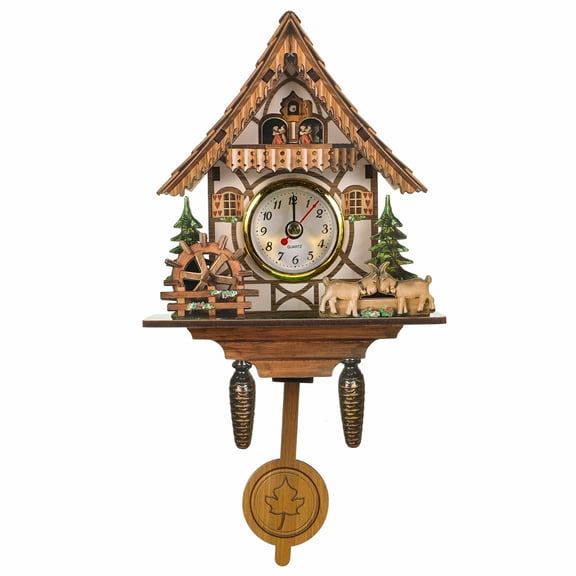
When you prefer a cozy cabin feel, you’ll likely notice chalet styles with roofs, tiny figures, and scene-based carvings. If you want a bolder woodland look, you can compare carved hunter style details like animals, antlers, and forest motifs.
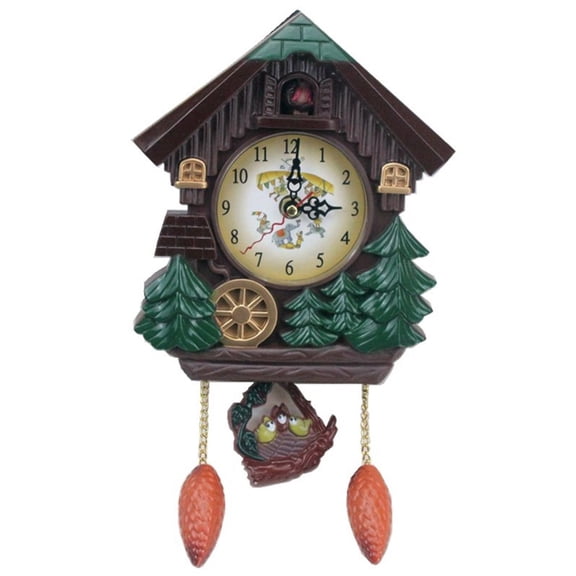
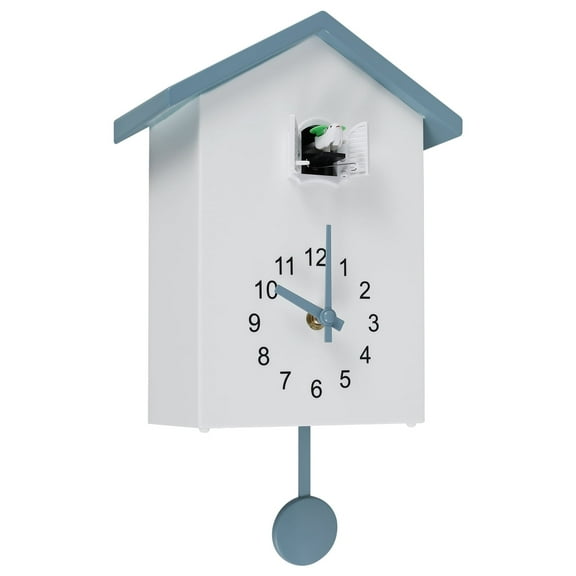
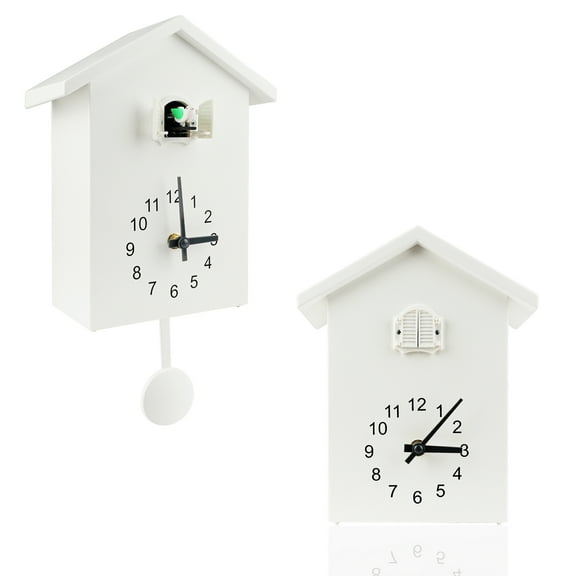
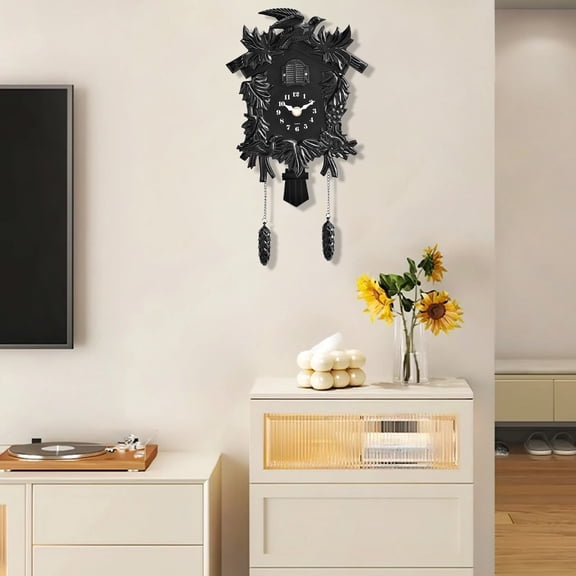
If your room feels clean and minimal, you may want modern coo coo clocks with simpler shapes and quieter finishes. You’ll often find those styles pair well with quartz movement and streamlined controls.
You should also compare materials because they affect appearance, weight, and upkeep. You may prefer solid wood or hand-carved linden wood for richer detail, while synthetic materials can feel lighter on your wall.
Key features to compare before you hang your cuckoo clock
You should measure your wall space before you choose a case size, pendulum drop, and hanging location. You’ll want enough vertical clearance for weights and enough width for carvings or chalet roofs.
If you’re considering heavier wooden cuckoo clocks, you should check your wall’s support and mounting method. You’ll want a secure hanging point that suits the clock’s size and the pull of moving chains.
You can also compare one-day and eight-day winding based on how hands-on you want to be. If you enjoy ritual and display, you may like daily winding, while weekly winding feels simpler.
When you compare a singular cuckoo clock to another, you should watch for plain-language feature details. You’ll benefit from listings that explain movement, sound controls, dimensions, and hanging needs clearly.
How different cuckoo clocks fit real rooms and routines
You can match movement and style combinations to the way your home actually works. You’ll make a clearer decision when you picture placement, sound timing, and maintenance in daily life.
If your entryway needs a focal point, you may want a traditional wooden cuckoo clock with carved details and visible weights. You’ll get a decorative statement that feels especially suited to rustic, lodge, or heritage-inspired spaces.
When your family room stays active all day, you might prefer quartz cuckoo clocks with volume control and automatic night shut-off. You’ll keep the charm of scheduled sound without extra winding.
If your dining area or den has a chalet theme, you can look for scene-based carvings and musical melodies. You’ll create a display that feels coordinated with cabin accents, wood furniture, and seasonal decor.
When your apartment or hallway has limited wall space, you should compare case dimensions and pendulum length first. You’ll avoid choosing a clock that overwhelms narrow walls or low ceilings.
If authenticity is part of your decision, you should compare origin details and certification language carefully. You’ll feel more informed when listings clearly explain craftsmanship claims instead of implying them.
You can feel confident choosing cuckoo clocks when you compare movement, style, material, and sound as connected decisions. You’ll end up with a wall clock that fits your space, your schedule, and your preferred level of tradition.