

Motorcycle Coolants in Antifreeze & Car Coolants

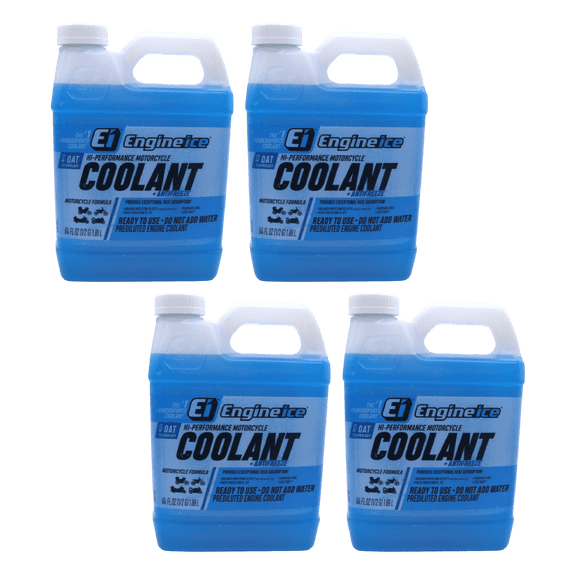
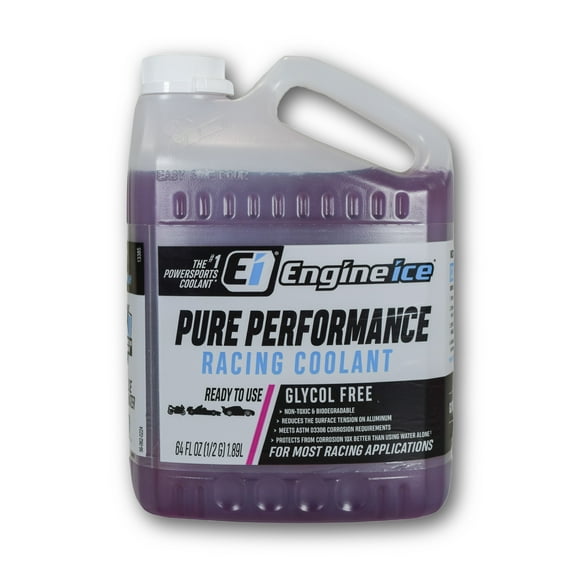
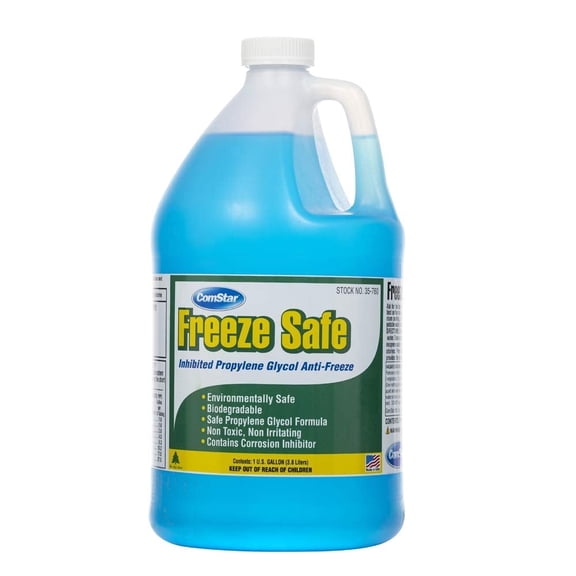


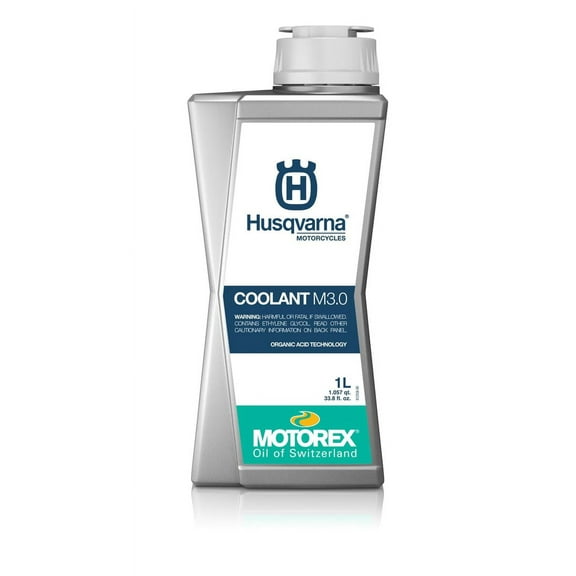





About Motorcycle Coolants in Antifreeze & Car Coolants - Walmart.com
You can choose motorcycle coolant with more confidence when you compare formulation, compatibility, and riding conditions before you refill your system. You need coolant made for motorcycle engines, because your bike may use an aluminum radiator, tight passages, and high revs.
You may be replacing old fluid before riding season, topping off after maintenance, or stocking up for routine garage work. You’ll want clear guidance on OAT and HOAT formulas, pre-diluted mixes, and options for dirt bikes, street bikes, and cruisers.
How to choose motorcycle coolant
You should start with radiator and engine compatibility, because that choice shapes how your cooling system performs over time. You’ll often look for silicate-free and phosphate-free formulas when your bike has an aluminum radiator and narrow passages.
You can also compare coolant chemistry by reading labels for organic acid technology, hybrid organic acid technology, propylene glycol, or ethylene glycol. You’ll use those terms to match your refill to your owner’s manual and OEM specification requirements.
You may narrow your options faster when you focus on practical differences that affect how you maintain your bike. You’ll usually compare these decision points first before choosing a formula for your system.
- You can choose pre-diluted 50/50 formulas when you want a ready-to-pour fill.
- You can choose concentrate when your manual calls for mixing with distilled water.
- You can choose waterless formulas when your setup calls for that format.
- You should check whether the manufacturer lists 2-stroke or 4-stroke compatibility.
- You may look for labels that mention dirt bike, street bike, or cruiser use.
- You should confirm the formula aligns with aluminum, magnesium, or copper component needs.
Choosing antifreeze for motorcycles by formulation
You can simplify your decision by comparing pre-diluted 50/50, concentrate, and waterless options side by side. This helps provide a more straightforward refill process when you want to pour fluid in without measuring water.
You may prefer concentrate when you want more control over the mix for climate or maintenance needs. You should only mix it as directed, because your system depends on the right water ratio.
You can also consider waterless motorcycle radiator fluid when your setup calls for that format. You’ll want to confirm system compatibility first, because waterless formulas aren’t a universal replacement for every bike.
You may also compare propylene glycol and ethylene glycol bases when you’re matching product labels to your manual. You’ll often use that detail to narrow choices before you compare color, riding style, and temperature range.
Checking compatibility and motorcycle radiator fluid specs
You should confirm your coolant meets your motorcycle manufacturer’s specifications before you choose a bottle size or color. You’ll reduce guesswork when you match the label to the OEM spec listed in your service information.
You may also check whether the manufacturer lists a formula for aluminum radiators and modern seals. You’ll often see silicate-free and phosphate-free wording when you need coolant for motorcycle cooling systems.
You can compare formulas for mixed-metal systems by checking label details about non-corrosive additives. You’ll want that guidance when your engine or cooling system includes magnesium or copper components.
You should treat coolant color as an identifier, not as a universal compatibility rule. You may see blue, green, yellow, or red options, but you’ll still need to verify chemistry and spec alignment first.
Matching coolant for motorcycles to your bike type
You can narrow coolant for motorcycles by thinking about how and where you ride most often. You’ll often want different emphasis for dirt bikes, street bikes, and cruisers, even when the chemistry category looks similar.
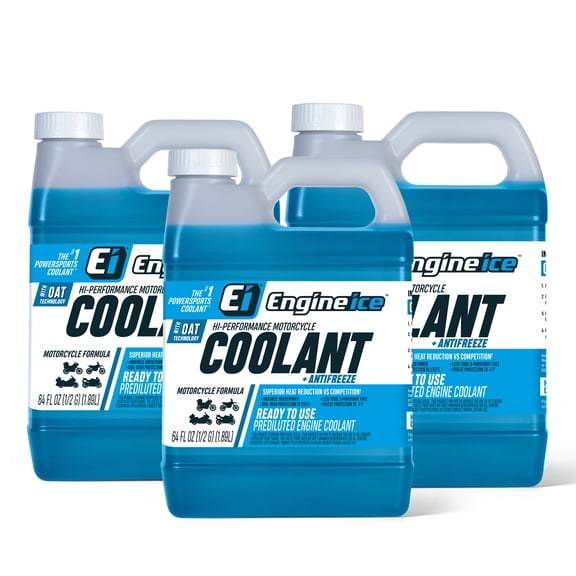
You may look for dirt bike coolant when you ride slower technical trails and spend time in mud or tight woods. You’ll often prioritize stable high-temperature performance, because low-speed airflow can warm a small radiator quickly.
You can compare street bike options by focusing on everyday all-season use and manufacturer spec compliance. You’ll want a formula that fits regular commuting, weekend rides, and routine service intervals without extra mixing complexity.
You may choose cruiser-friendly options by checking capacity needs and maintenance habits before longer rides. You’ll often appreciate pre-diluted fills when you want cleaner garage work and simpler top-offs between scheduled service tasks.
Using motorcycle antifreeze for climate and riding conditions
You can compare motorcycle antifreeze by the temperature protection listed on the bottle and the conditions you ride through. You’ll want a formula that matches extreme cold protection, all-season use, or high-temperature riding demands.
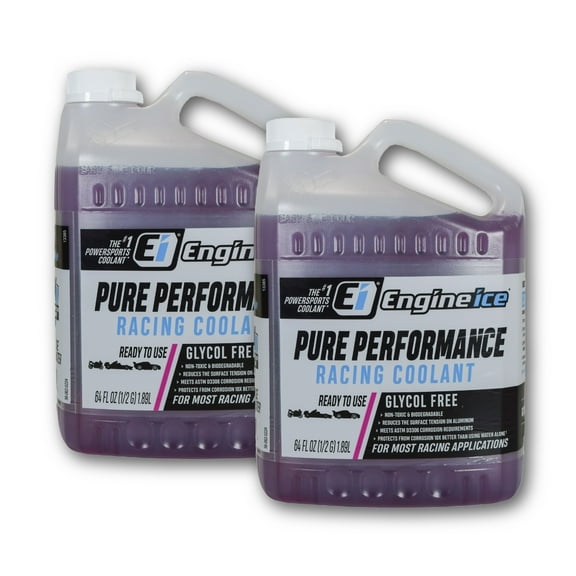
You may look for high-temperature racing formulations when your bike sees track sessions, hard pulls, or long summer runs. You should check whether the manufacturer intends the product for closed-course use or everyday street service.
You can also choose all-season options when you want one dependable fill across changing weather and steady commuting. You’ll usually find that approach easier when your bike stays in regular rotation throughout the year.
You should finish your selection by matching chemistry, formulation, and bike type to your manual. You’ll get a cleaner fit for your cooling system when your motorcycle coolant aligns with your radiator materials and service requirements.