

Motion Sensor Doorbells in Doorbells



















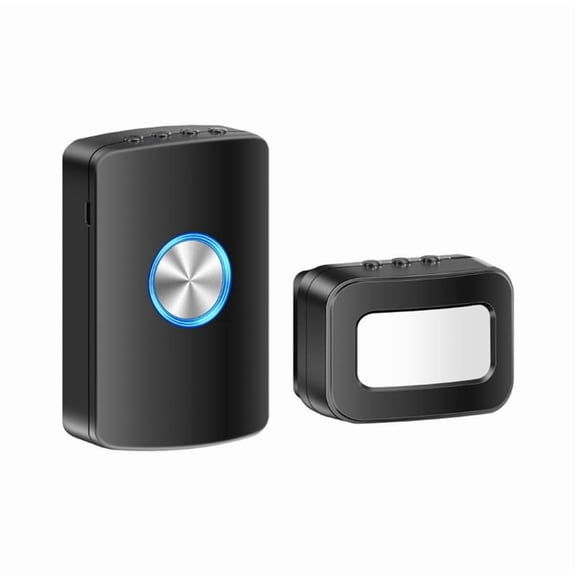

About Motion Sensor Doorbells in Doorbells - Walmart.com
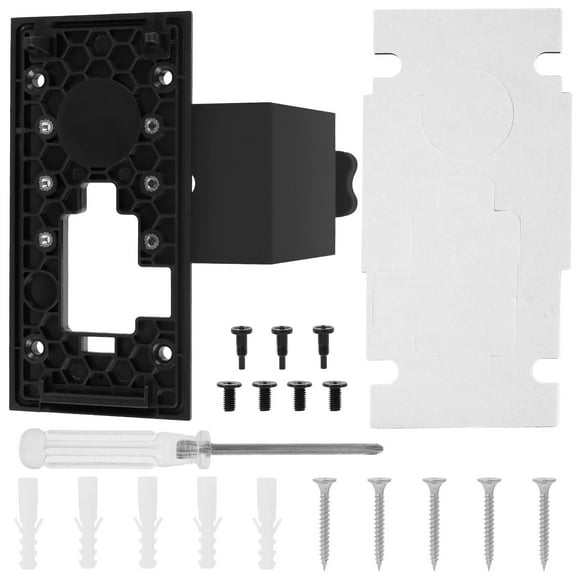
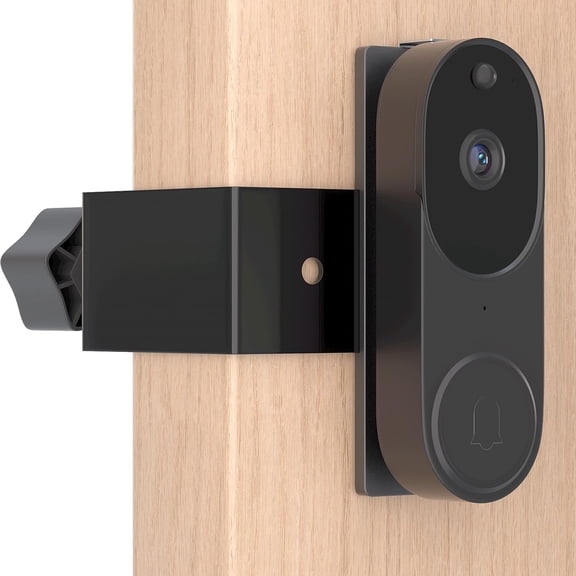
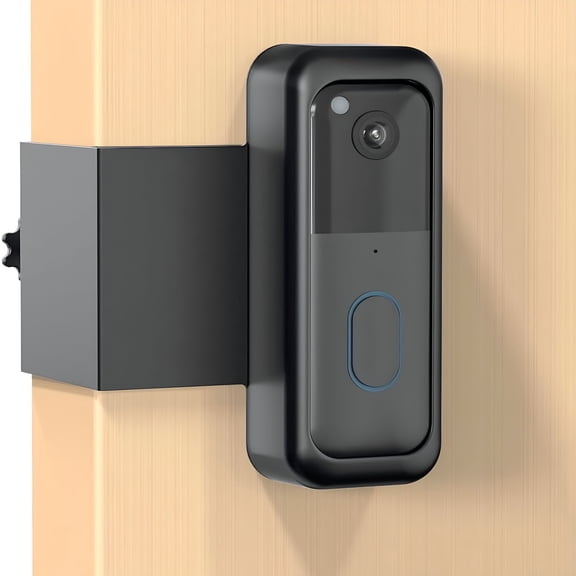
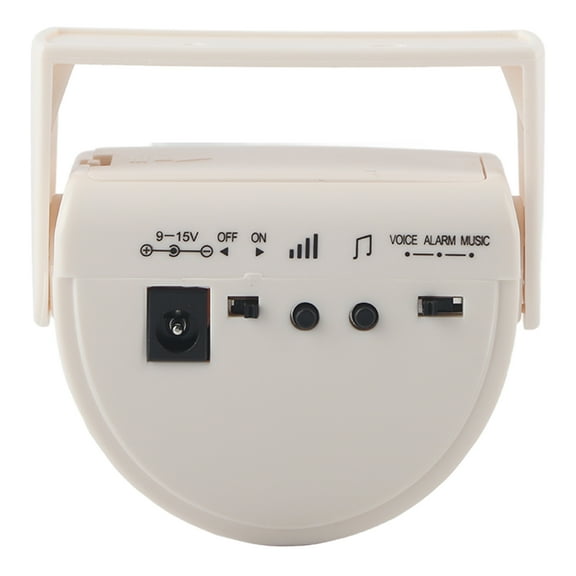
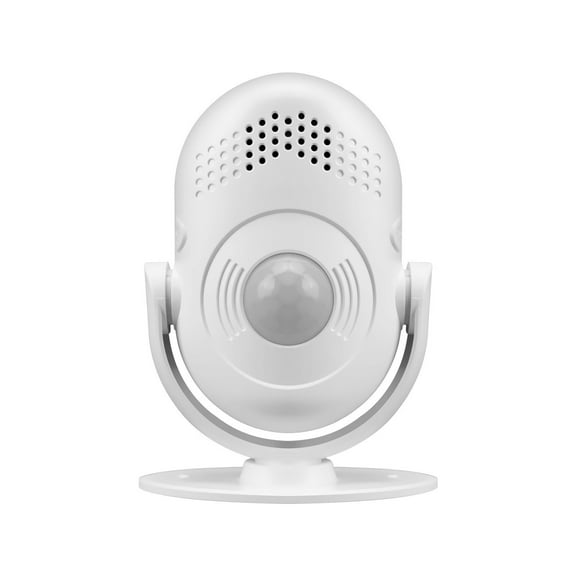
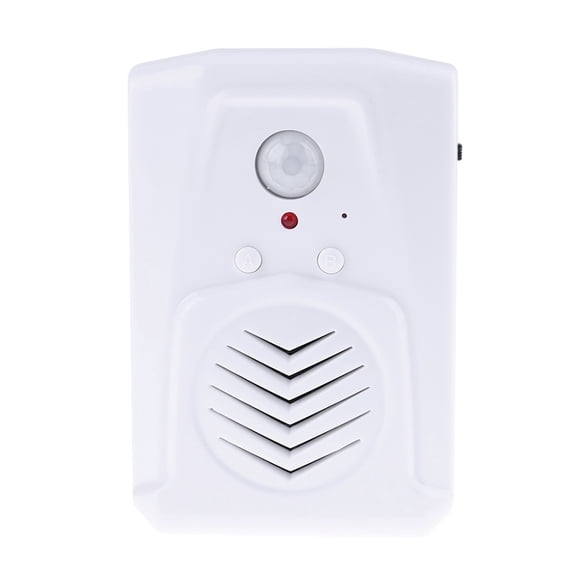
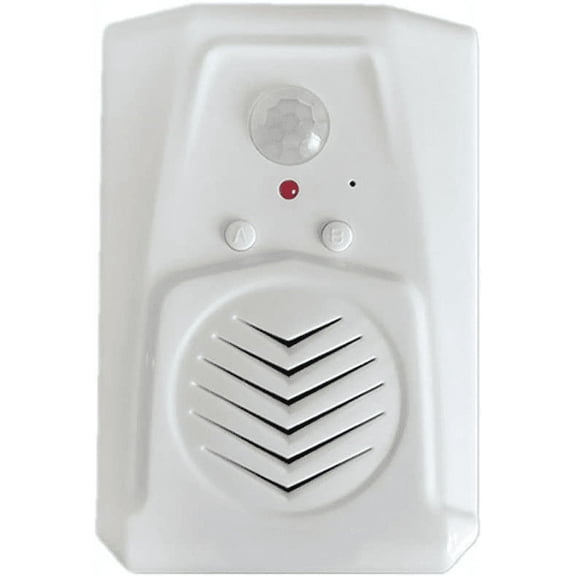
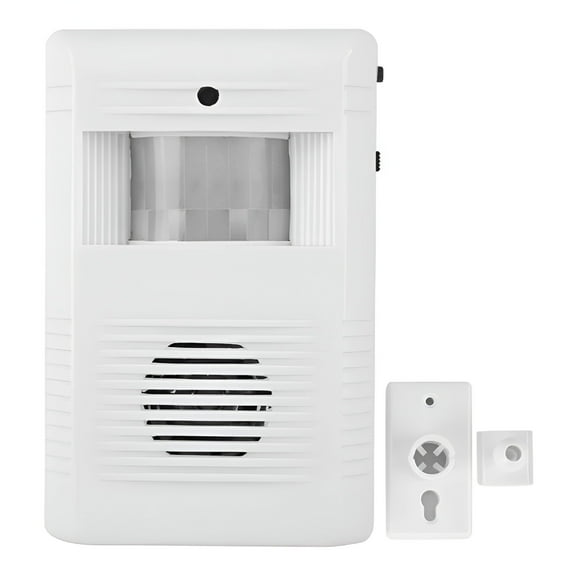
Motion sensor doorbells help you monitor your entryway with instant alerts and flexible setup options. You can compare power, range, connectivity, and chime style to match your home routine.
If you want fast awareness at the front door, you can choose options built for porches, garages, gates, and side entries. You can also narrow your choice by battery use, wireless installation, or smart home pairing.
Choosing motion sensor doorbells for your setup
When you compare motion sensor doorbells, you should start with how and where you'll install them. Your placement affects power needs, alert style, and the kind of coverage you'll want.
For a renter, you may prefer battery operated doorbells with motion sensor support because you can mount them with fewer installation steps. For a fixed entry, you may prefer hardwired models when your wiring is already in place.
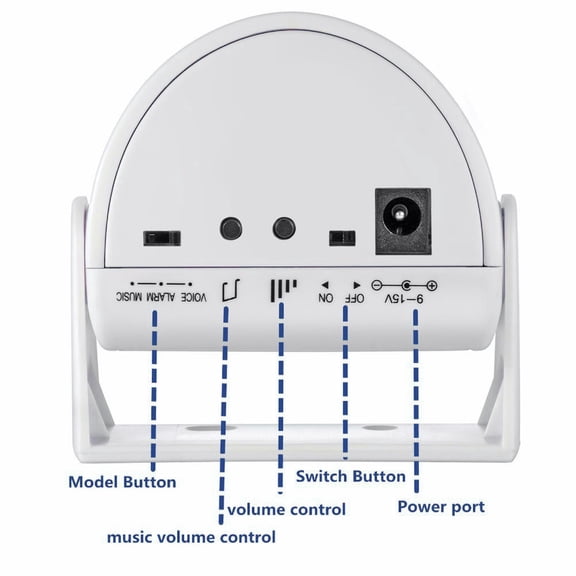
You can also look at plug-in receivers and solar-supported options for added flexibility around your doorway. Your setup may feel simpler when your doorbell matches your power source and daily traffic pattern.
How to compare wireless motion sensor doorbells
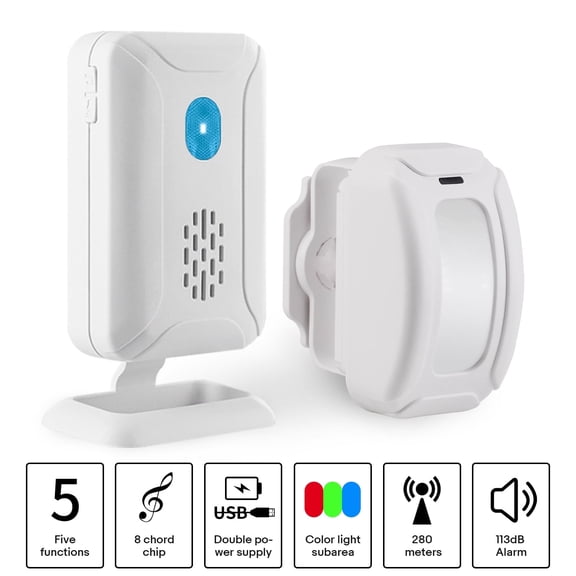
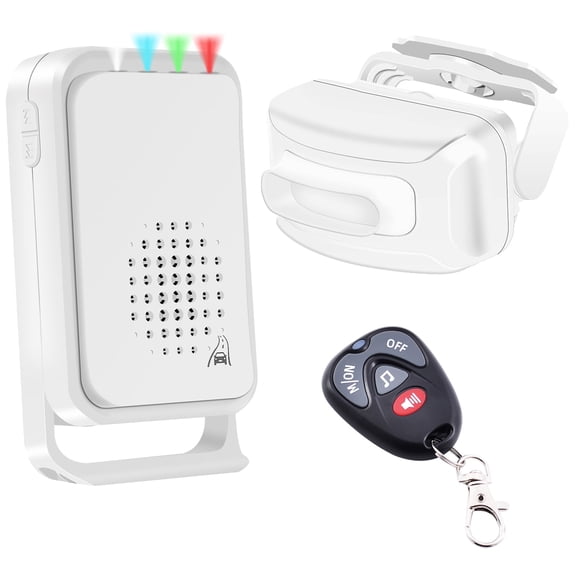
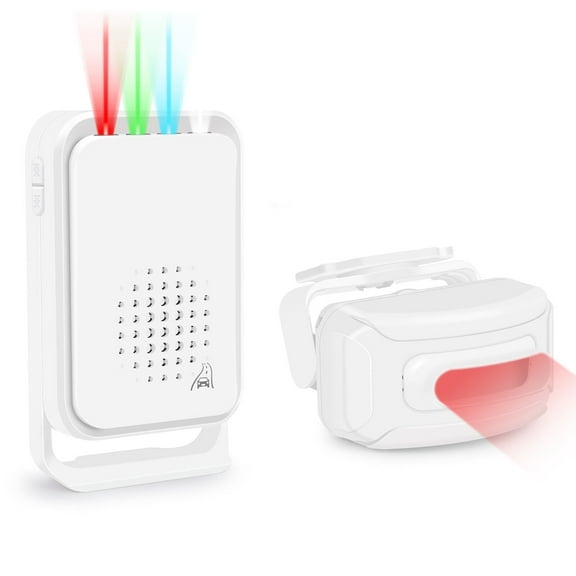
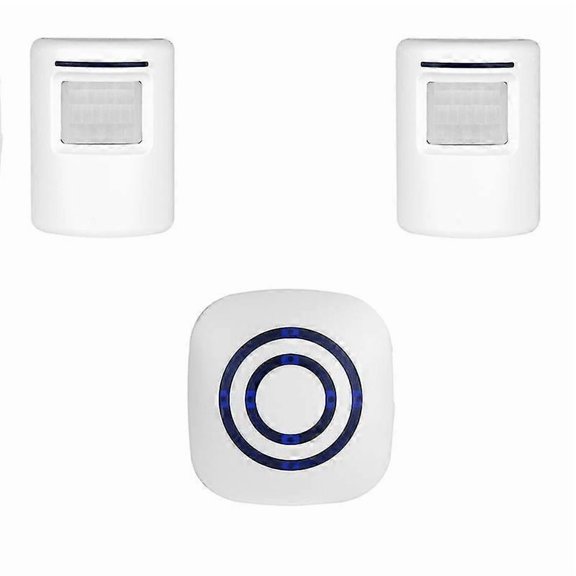
Wireless motion sensor doorbells can help you place a sensor and receiver without planning around existing wiring. You may find this useful when your gate, detached garage, or back entrance needs a separate alert.
If you want app-based control, you should compare Wi-Fi enabled models with your home network and phone habits. If you want a straightforward alert, you may prefer local frequency or Bluetooth-connected entry alert doorbells.
You should also check whether you want a standalone chime or a connected system with phone notifications. Your choice often depends on whether you need a simple sound indoors or remote awareness while you're away.
- You can choose battery power when you want easier placement and flexible mounting.
- You can choose hardwired designs when your entry already supports fixed installation.
- You can choose adjustable range when you want to fine-tune motion coverage around a porch or path.
- You can choose smart integration when you want phone alerts, app settings, or voice assistant support.
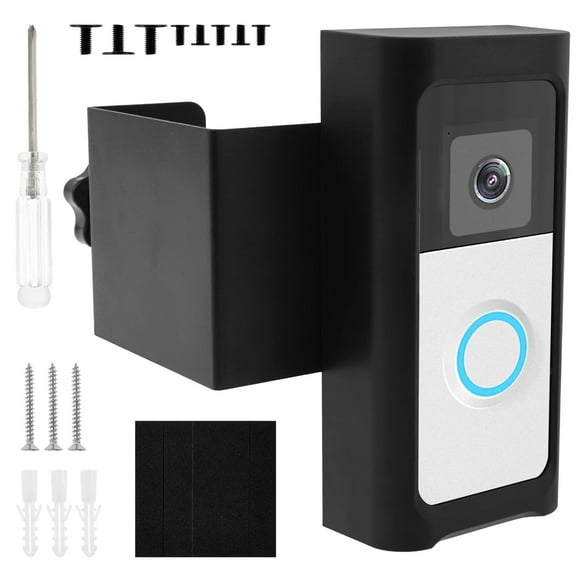
- You can choose audio-only alerts or video options based on how much detail you want at your door.
What to look for in battery life, range, and alerts
You should compare sensor range in the same way you compare doorway width and walkway distance. A 10-foot range may suit a tight entry, while 30 feet may fit a driveway approach.
Adjustable range can give you more control when your porch faces a sidewalk or shared path. You can reduce extra triggers by matching the detection distance to your actual entry zone.
Detection angle matters too because you want the sensor to detect motion where visitors approach, not across unrelated areas. You should check how wide the sensor reaches and how that fits your steps, gate, or front walk.
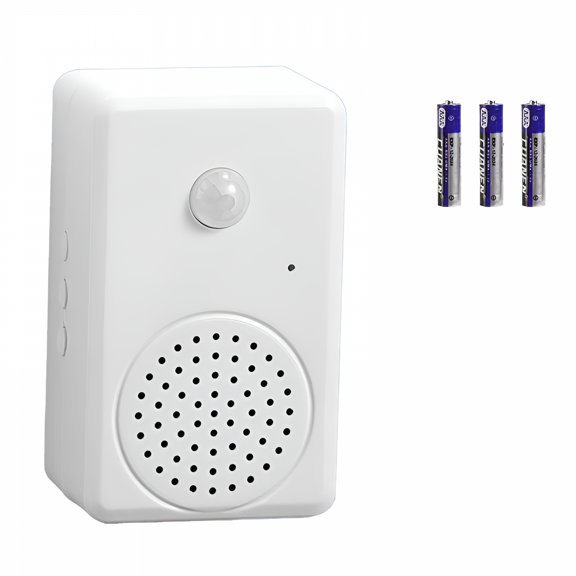
When you compare motion detector doorbells, you should also consider the type of alert you'll receive. Some options focus on a chime indoors, while others add app alerts, light indicators, or paired receivers.
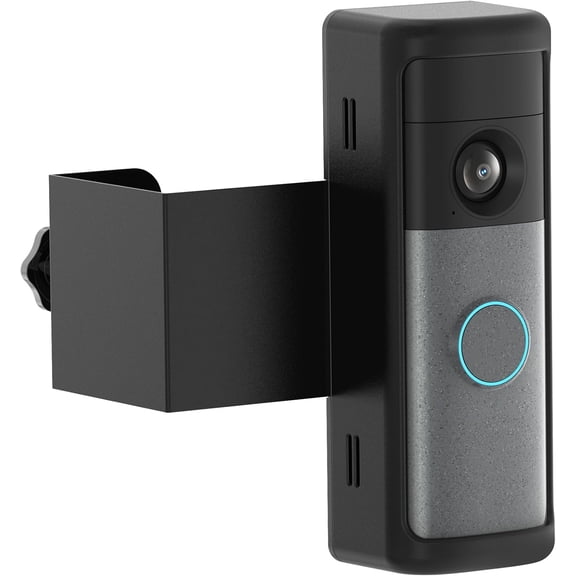
If you want more visual detail, you may prefer a model with video capability and motion activation. If you only need awareness, you may prefer an outdoor motion sensor chime with an audio alert.
Choosing smart motion doorbells and compatibility
Smart motion doorbells can fit households that already use connected devices and voice assistants every day. You should check whether your preferred model works with Alexa, Google Assistant, Ring systems, or an independent app.
Wi-Fi protocols are worth comparing because you want your doorbell to connect smoothly with your home network. You should confirm whether your setup uses the supported band and app requirements.
If you want fewer connected steps, you may prefer an independent model with a local receiver and simple controls. If you want broader automation, you may look for routines, app history, and linked smart home actions.
You should also think about whether you want your motion alert to trigger lights, recordings, or announcements. Your smart home setup can feel more useful when your doorbell works with devices you already use.
Matching features to your daily routine
If your packages usually arrive at the front porch, you may want a wider detection area and a louder indoor chime. You can also look for adjustable settings when your walkway gets frequent passersby.
For an apartment entry, you may want wireless installation and battery operation for simpler placement. You may also prefer a compact design that gives you alerts without permanent changes.
If your side door gets family traffic, you may want a shorter range to focus on that path only. You can keep alerts more relevant by matching the sensor reach to that smaller approach.
For a gate or detached building, you may want wireless motion sensor doorbells with a plug-in receiver inside. You can hear activity sooner when your entry point sits farther from your main living space.
If your household already uses connected speakers or displays, you may want smart motion doorbells with compatible voice support. You can hear announcements or check alerts in a way that fits your current setup.
When you compare these category options carefully, you can choose an entry alert system that fits your space and routine. Your final pick can give you clearer awareness the moment someone approaches your door.