









Miter Saws










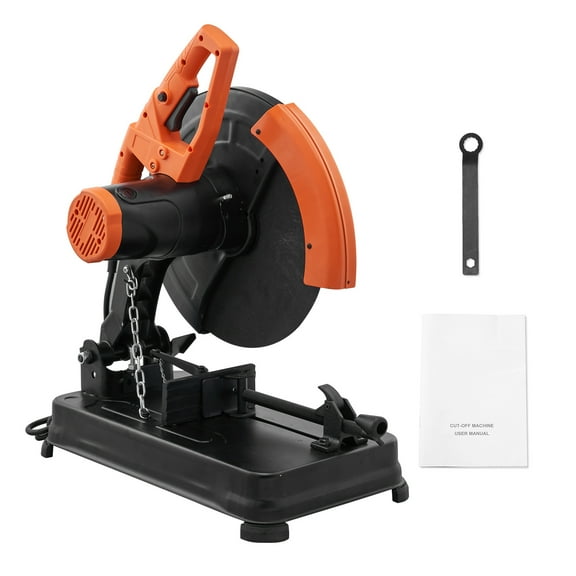
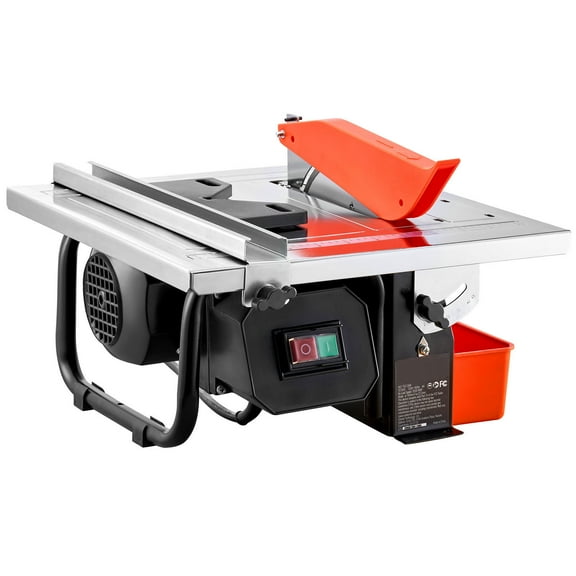
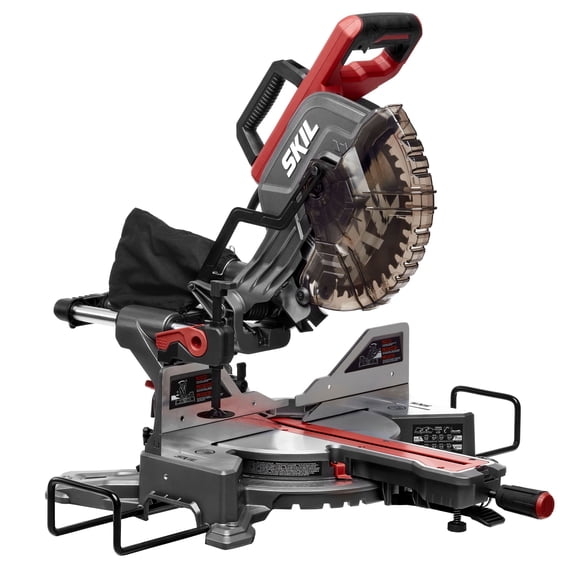




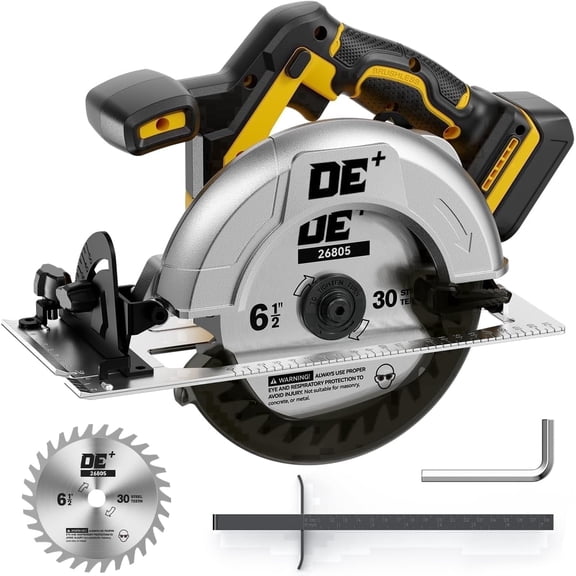


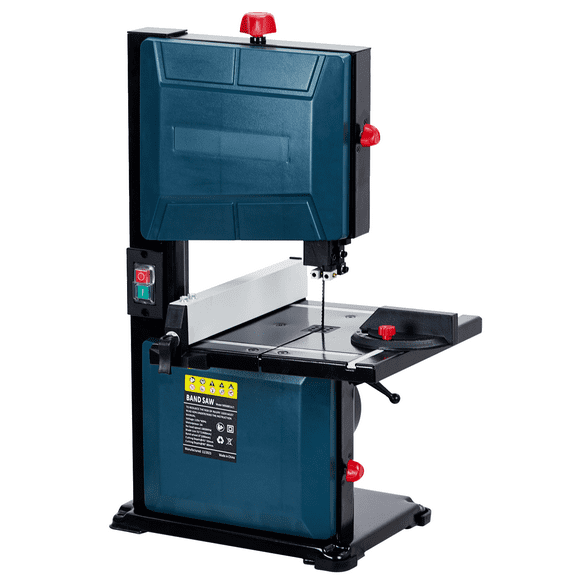

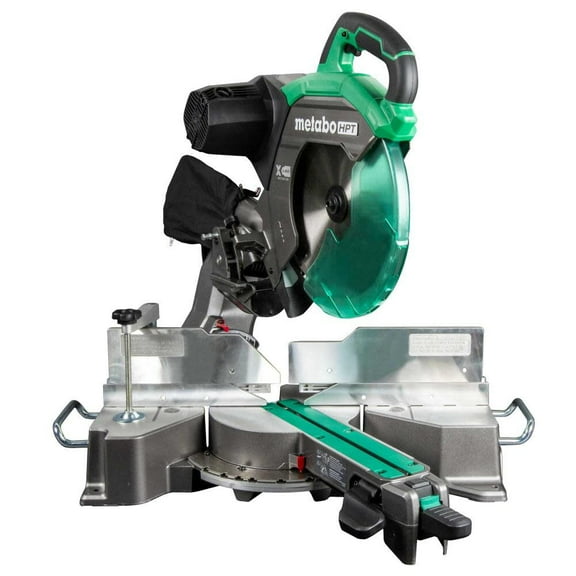


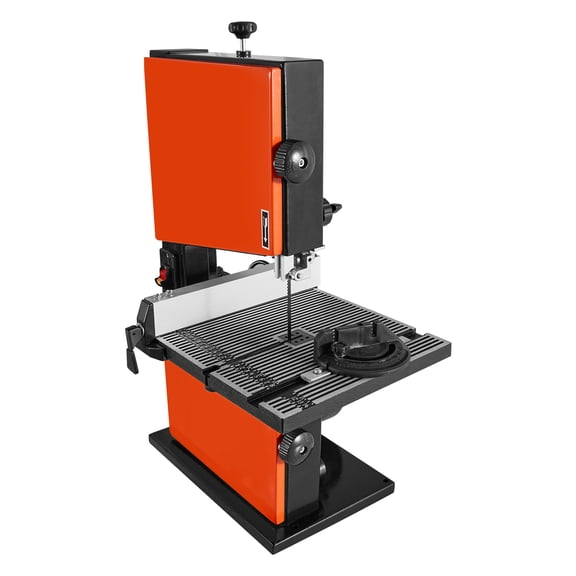


About Miter Saws - Walmart.com
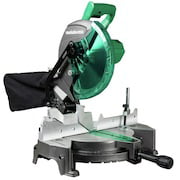
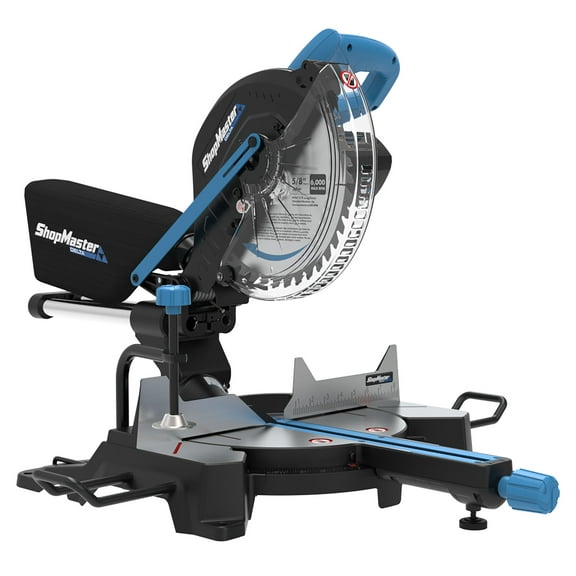
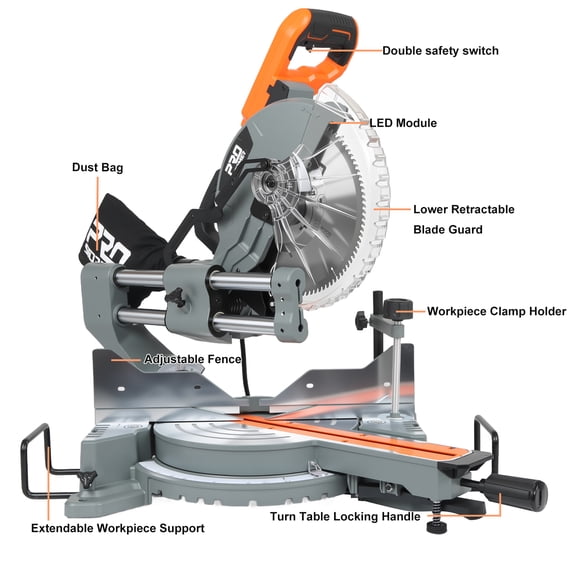
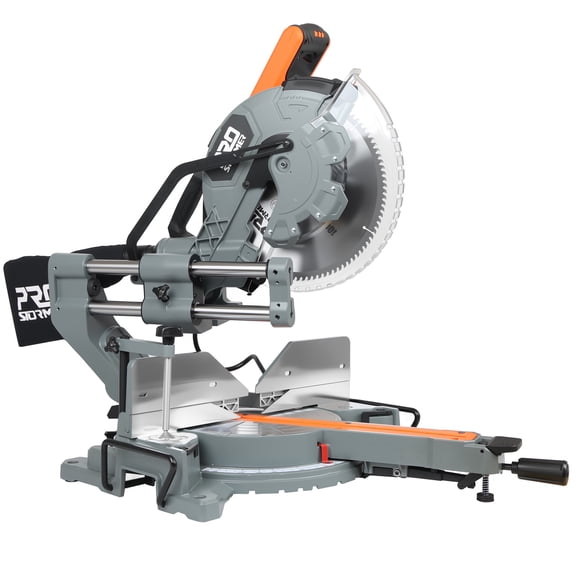
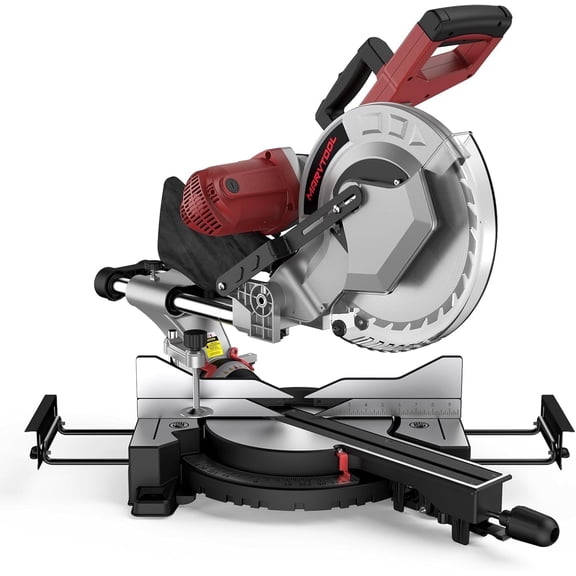
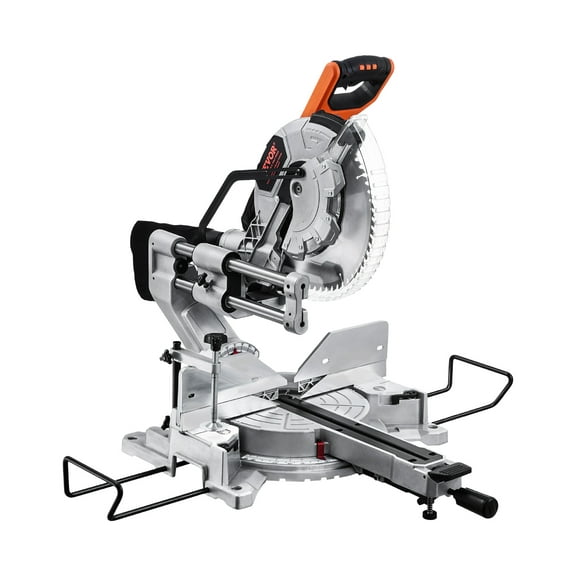
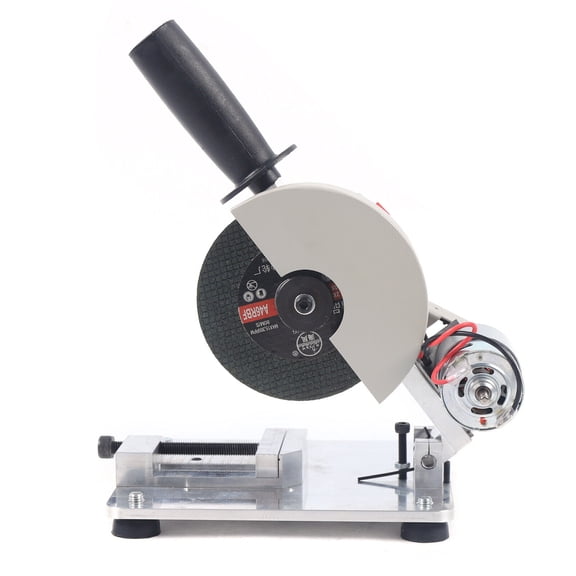
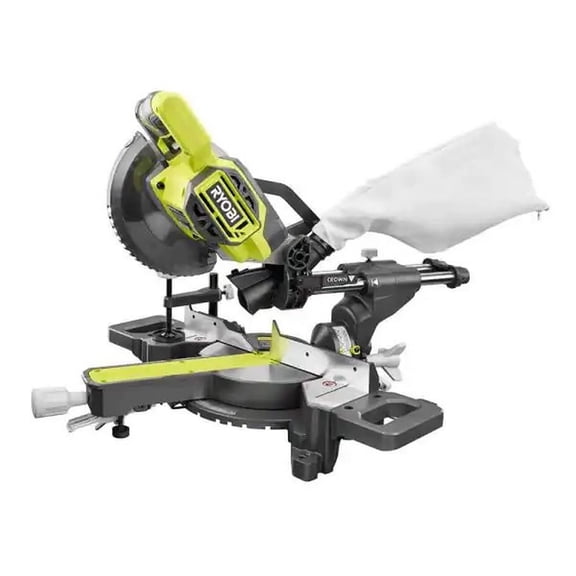
A miter saw delivers fast, accurate crosscuts and angled cuts for trim, framing, and woodworking projects. This category highlights corded and cordless options, sliding rails, and bevel adjustments that shape cleaner results.
DIY updates and jobsite builds both depend on repeatable cuts. A dedicated saw station, clear angle markings, and stable fences help you work with confidence on boards, molding, and baseboards.
Why choose a miter saw
The right tool helps you cut crown molding corners, picture frame joints, and deck boards with less guesswork. You get cleaner alignment and more consistent angles than many general woodworking saws.
- Make precise crosscuts for trim, casing, and dimensional lumber.
- Set common angles quickly for repeated cuts on flooring and molding.
- Handle wider stock with sliding models built for larger boards.
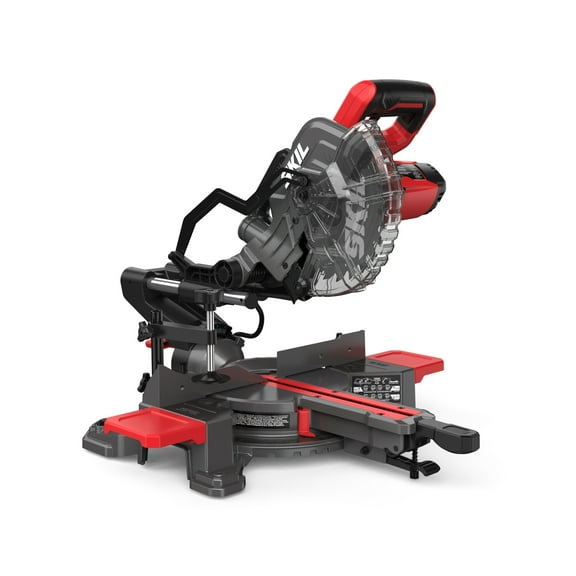
- Choose cordless power miter saws for flexible setup around the jobsite.
Compound designs tilt for bevel cuts, which matters for crown molding and nested trim work. Dual-bevel models reduce flipping the workpiece, keeping your workflow smoother on detailed projects.
Sliding versions extend cut capacity for shelving, stair treads, and broader boards. Compact non-sliding options fit smaller workshops and suit common trim jobs without taking much bench space.
Key features that shape your cut
Blade size affects capacity and footprint. Many shoppers compare 10-inch and 12-inch models based on the material width they cut most often.
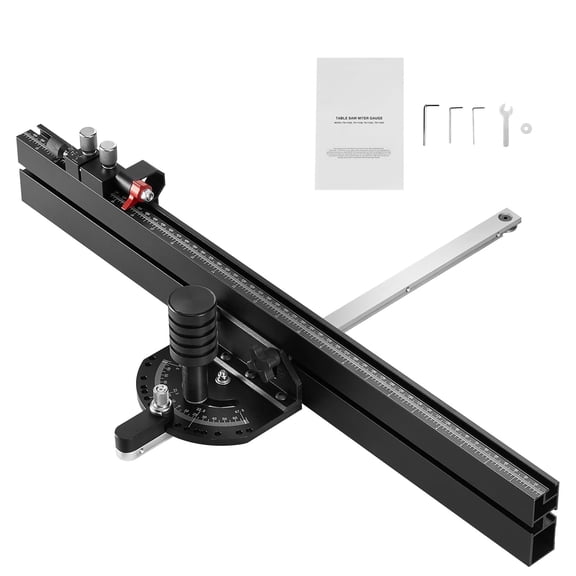
A tall fence supports baseboard and crown molding placement. Positive miter stops help lock in common angles, which is useful for repetitive casing and trim installations.
Motor type also changes how the saw feels in use. Corded units offer steady runtime, while battery-powered models simplify setup in garages, yards, and unfinished spaces.
Look closely at miter range, bevel range, and detents. These details matter when youu're cutting inside corners, outside corners, and multi-piece assemblies that need tight joins.
Dust collection ports can help manage sawdust around your station. Integrated LED shadow lines or laser guides also make cut lines easier to follow on marked stock.
If youu're comparing mitre saws across brands, check rail design and table support. Those details influence stability when youu're cutting longer trim pieces or heavier lumber.
Compound vs. sliding miter saw options
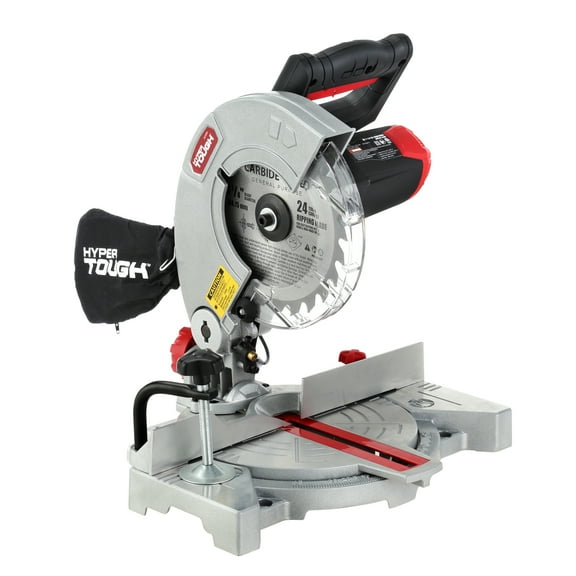
Compound models handle straight cuts, miter cuts, and bevel cuts in one tool. Theyu're a strong fit for trim refreshes, framing touchups, and many home workshop tasks.
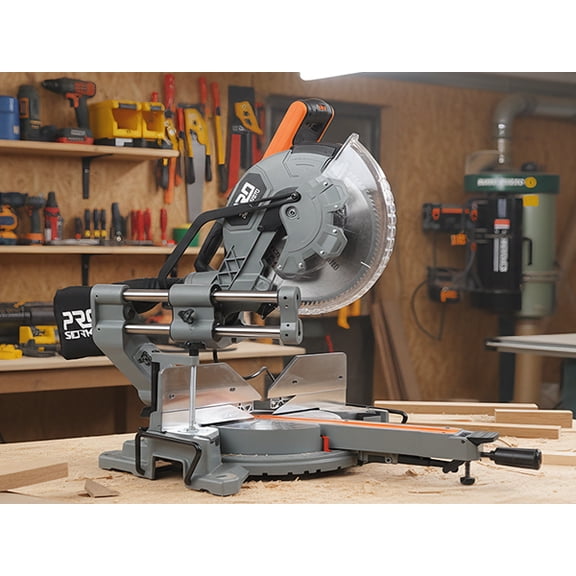
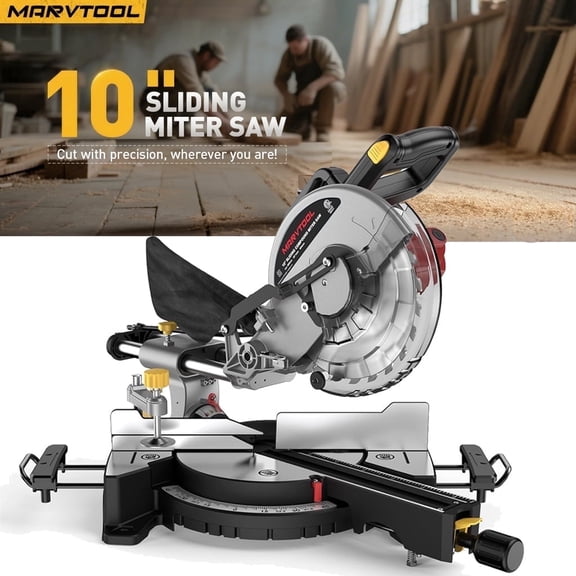
Sliding units add forward travel, which increases crosscut capacity on wider boards. That extra reach helps with laminate flooring planks, shelving panels, and larger finish materials.
Single-bevel saws tilt one direction and keep controls straightforward. Dual-bevel saws tilt both ways, which can speed up repeated crown molding cuts on room-to-room installs.
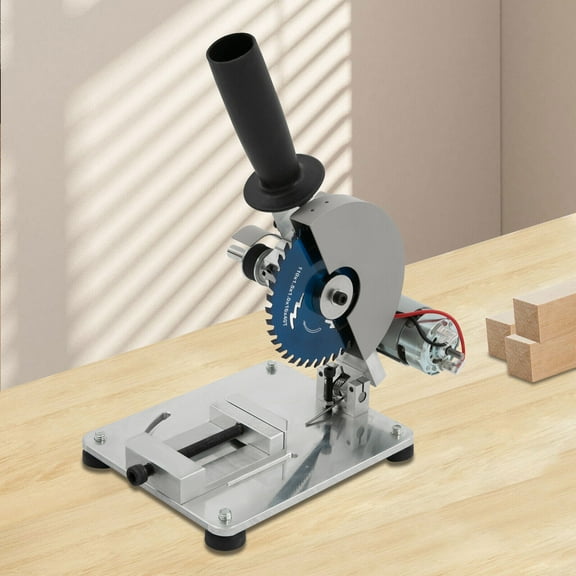
For chop saw for wood comparisons, think about your common material sizes first. Then match the sawu's capacity, bevel direction, and stand compatibility to that workflow.
Shoppers also compare miter saw cost by motor size, guide features, and included accessories. Blade diameter, stand bundles, and battery platform compatibility can influence the final choice.
Use cases for woodworking and home projects
Trim carpentry is one of the clearest reasons to choose this tool. Door casing, window trim, and baseboards all benefit from repeatable angles and smooth crosscuts.
Furniture and décor projects also pair well with a miter saw. You can cut frame stock, slats, and edging pieces with reliable lengths for cleaner assembly.
Outdoor projects often need quick, square cuts on treated boards and rails. A stable stand and portable design help when youu're building planter boxes, gates, or deck accents.
Renovation work can call for different capacities from room to room. A sliding model may suit shelving and stair parts, while a compact unit handles punch-list trim updates.
Many shoppers pair these tools with replacement blades, eye protection, and work benches. That setup supports cleaner cutting sessions and a more organized workspace from the first project onward.
Whether youu're upgrading a workshop or replacing an older chop saw for wood, the right configuration keeps cuts accurate and setup simple. Clear scales, steady support, and suitable capacity help every board fit as planned.
What experienced buyers check first
Seasoned shoppers usually start with cut capacity, bevel flexibility, and fence height. Those three details often decide whether a saw suits trim-heavy work or wider stock.
They also review handle feel, onboard wrench storage, and dust port placement. Small design choices can make repeated adjustments and cleanup easier during long project days.
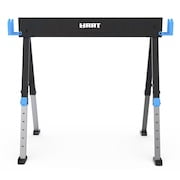
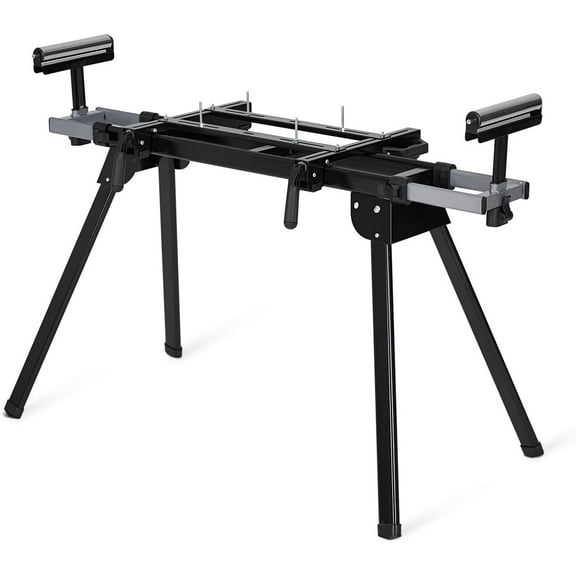
Stand compatibility matters if you move between rooms or jobsites. Folding supports and extension arms help manage long boards without sacrificing alignment at the blade.
Choosing with these details in mind leads to cleaner joints and fewer recuts. Thatu's the concrete benefit that keeps projects moving from first measurement to final installation.