

Small Air Conditioners in Air Conditioners






















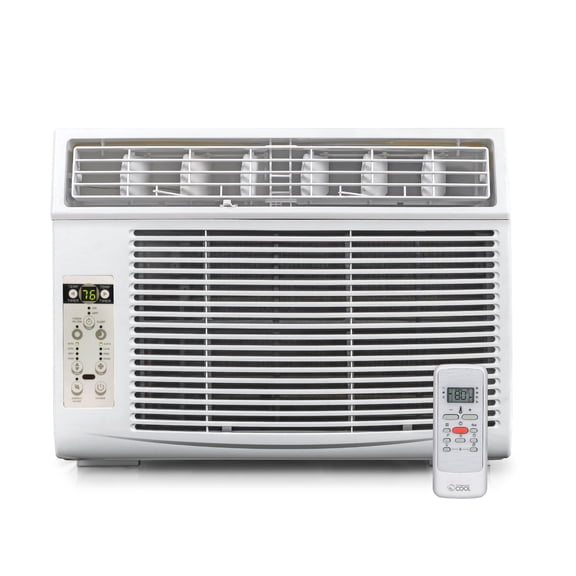
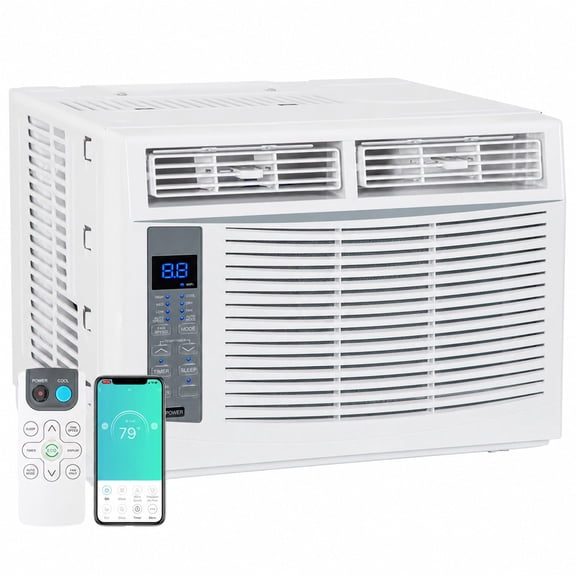


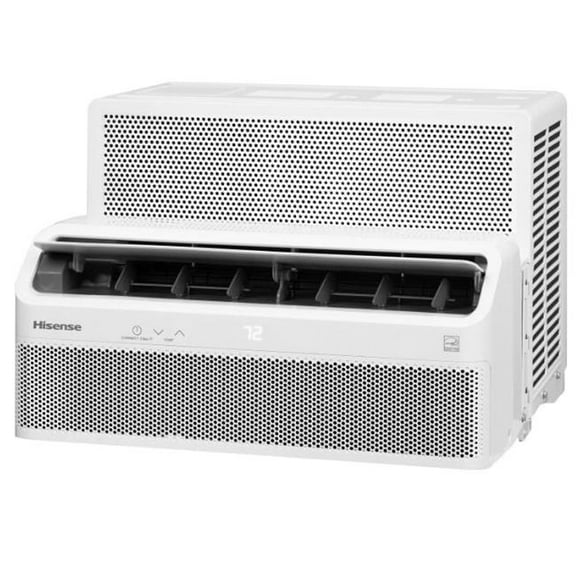
About Small Air Conditioners in Air Conditioners - Walmart.com
Small air conditioners help you cool tight spaces without giving up floor area or window access. You can compare compact formats, room coverage, and controls to match your space with less guesswork.
If you're cooling a bedroom, office, dorm, or studio, you need size guidance that fits real layouts. You can use BTU, installation type, outlet needs, and sound levels to narrow choices quickly.
How to choose small air conditioners for your space
Before you compare models, you should measure your room and decide where the unit will sit. You can avoid fit issues when you check window width, sill depth, and nearby outlet access.
Room size matters because cooling power changes how the unit performs in a closed space. You can start with an air conditioner for small room setups by matching square footage to the right BTU range.
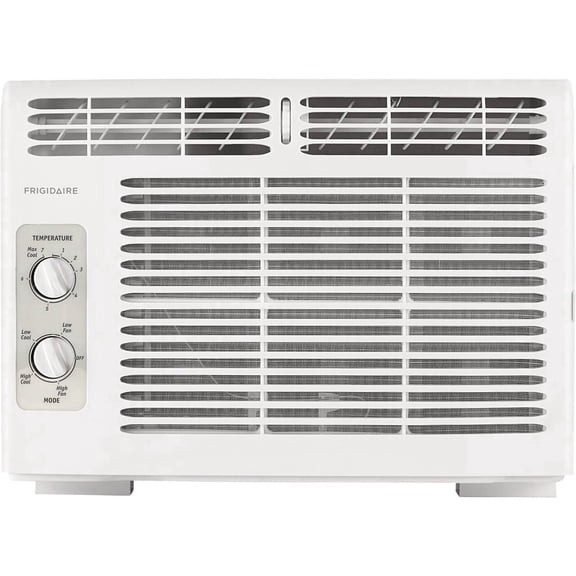
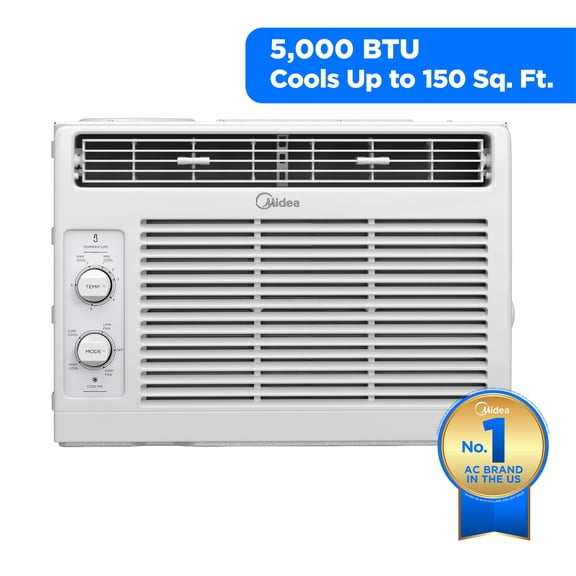
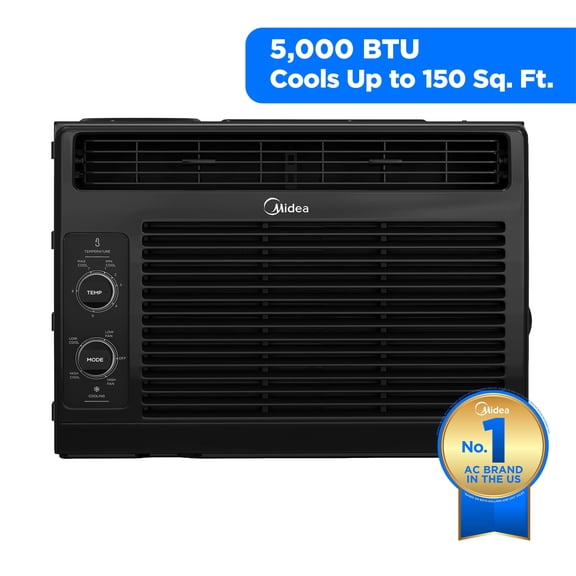
- You can use a 5,000 BTU air conditioner for spaces up to 150 square feet, like small bedrooms or home offices.
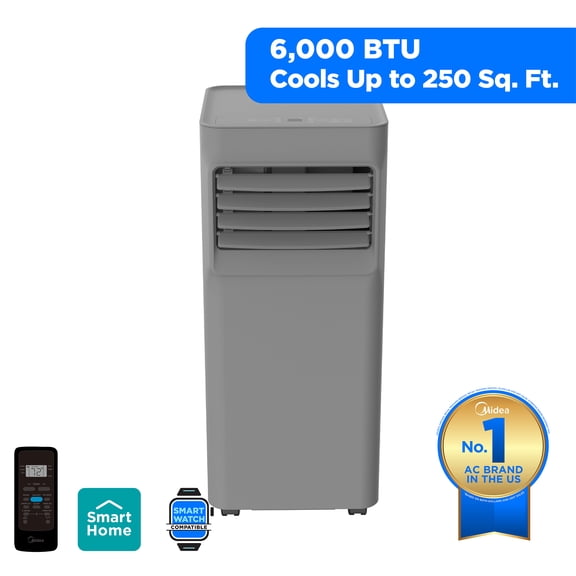
- You can step up to 6,000 BTU for rooms up to 250 square feet when you need extra coverage.
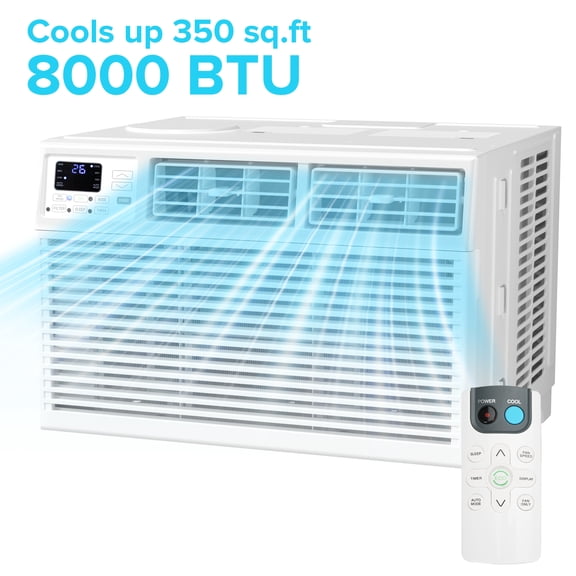
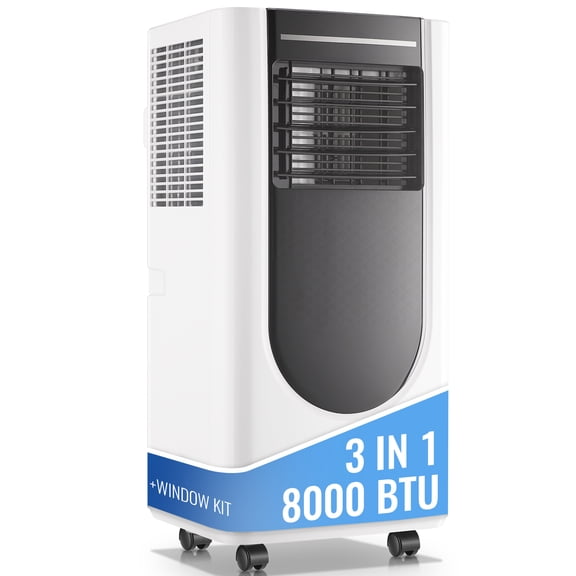
- You can consider 8,000 BTU options for spaces up to 350 square feet, including larger studios or living areas.
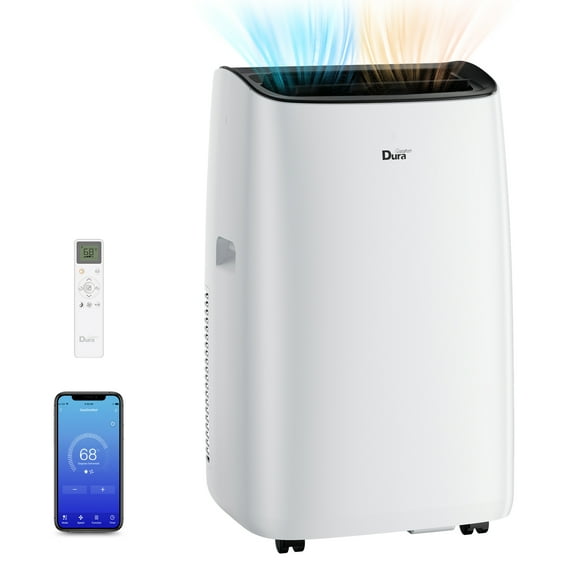
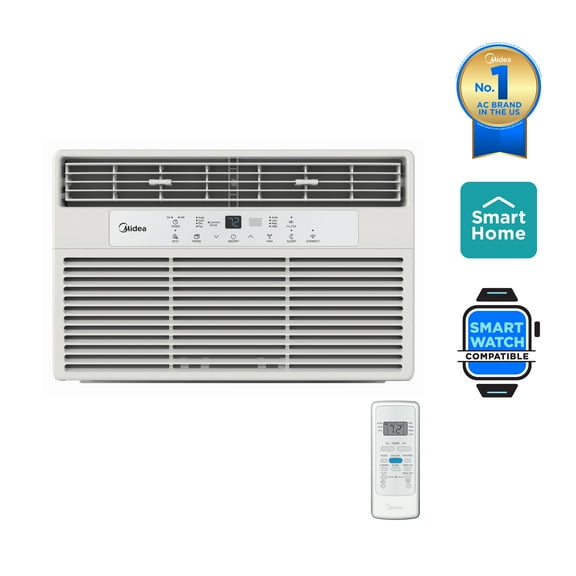
- You can choose window, portable, or wall-mounted styles based on layout, window access, and floor space.
- You can look for remote control, smart WiFi, or manual dial controls based on how hands-on you want operation to feel.
You'll also want to think about daily comfort, not just cooling numbers. You can focus on noise, airflow direction, and timer settings when the unit will run overnight.
Choosing the right small window air conditioners
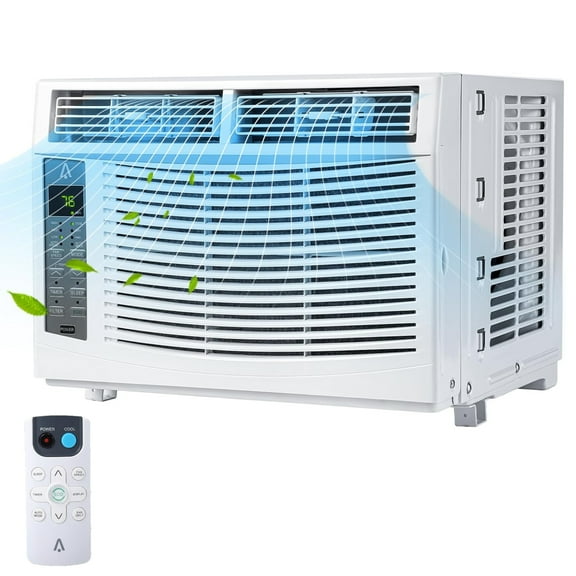
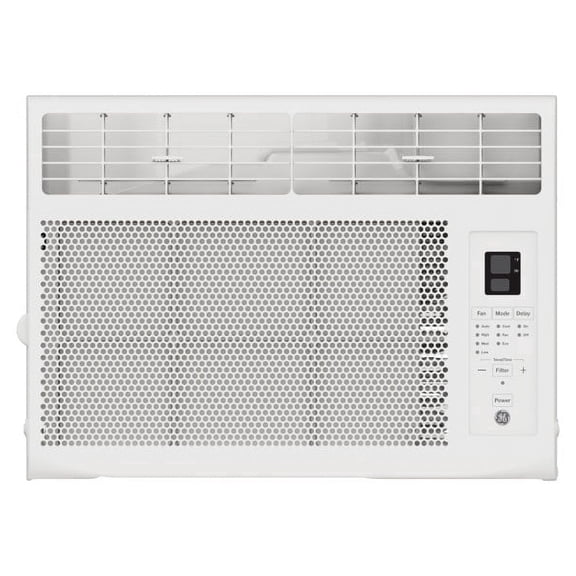
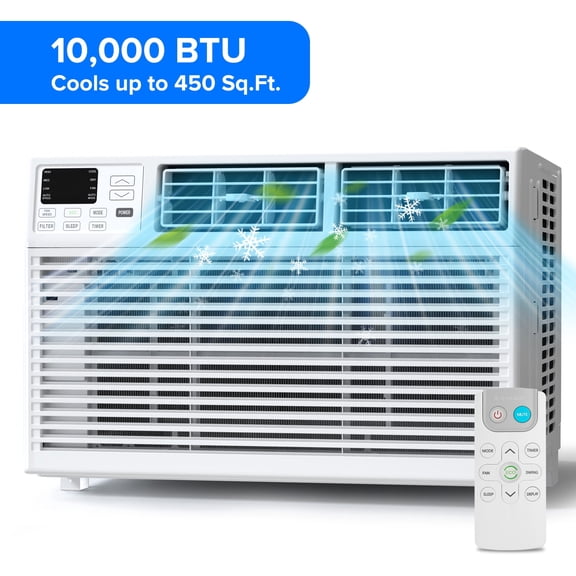
Small window air conditioners work well when you want steady cooling without taking up indoor floor space. You can mount them in many standard windows, but you should measure width and height before you choose.
Window fit is a key decision because side panels and brackets vary by model. You can check whether your window opens high enough and whether the frame supports the listed installation hardware.
If you're comparing a small window air conditioner with a portable model, placement is the main difference. You can keep more floor space open with a window unit, while a portable model stays inside the room.
Electrical setup matters too, especially when you're replacing an older unit. You can confirm whether the model uses a 115V standard outlet or a 230V plug type before delivery.
Understanding BTU, coverage, and compact air conditioner sizing
BTU tells you how much cooling output you can expect in a given space. You can think of it as the sizing guide that helps your compact air conditioner match the room.
A 5,000 BTU air conditioner often fits small sleeping spaces, study nooks, and single workrooms. You can cool up to 150 square feet without jumping to a larger footprint.
If your room is slightly larger, you may want 6,000 BTU or 8,000 BTU coverage. You can use those sizes for up to 250 or 350 square feet, depending on your layout.
Sun exposure and ceiling height can affect how a unit feels during the day. You can compare airflow settings and coverage guidance when your room gets strong afternoon light.
Comparing portable, wall-mounted, and control options
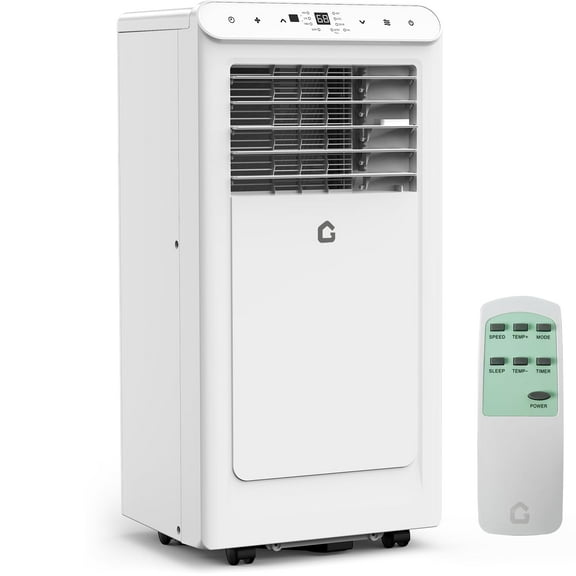
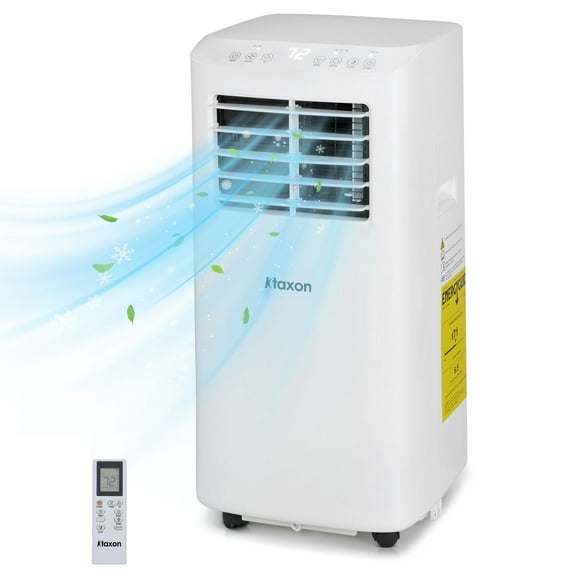
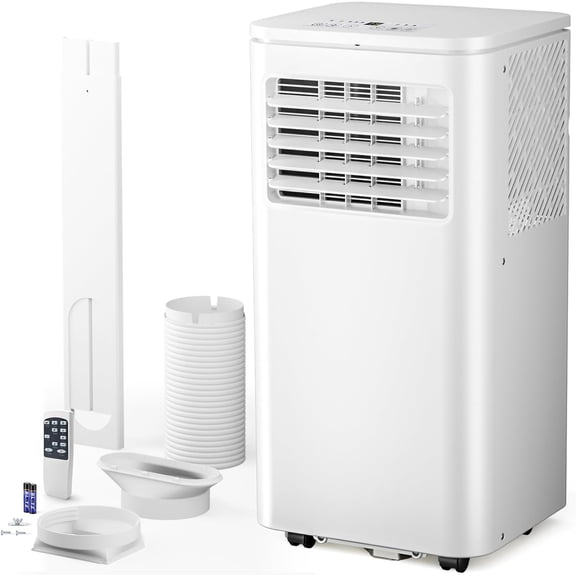
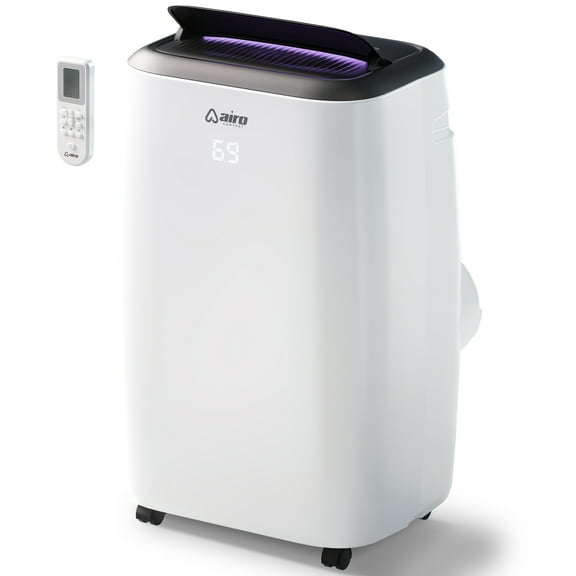
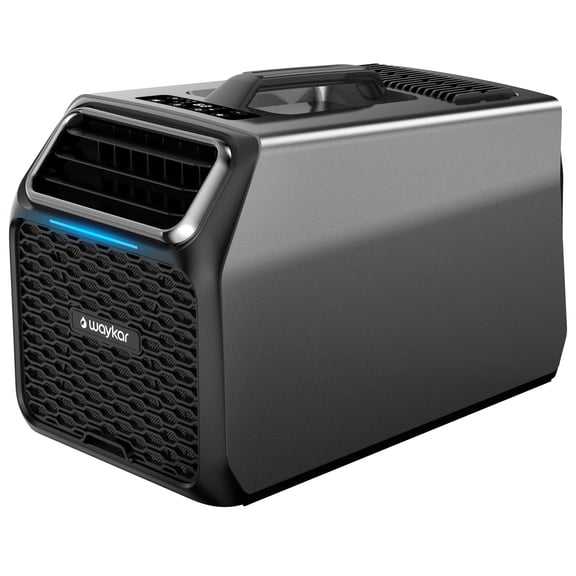
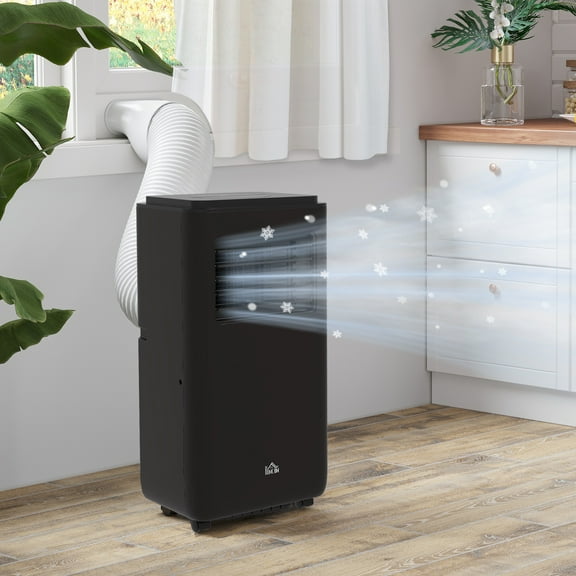
A small portable air conditioner can suit spaces where window mounting isn't your first choice. You can move it within the room more easily, though you'll still need venting through a window.
Wall-mounted styles can help you keep windows clear in fixed layouts. You can consider them when your room setup supports a more permanent installation plan.
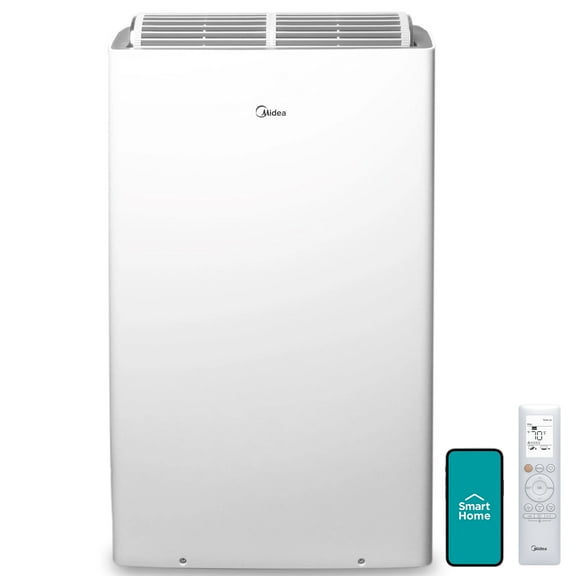
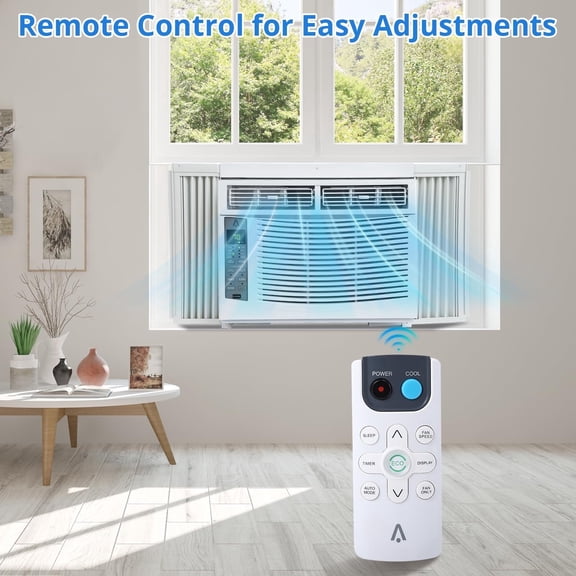
Control type changes how easily you adjust settings from across the room. You can choose remote control access for convenience, smart WiFi for app-based changes, or manual dials for simple operation.
If you're shopping for a quiet small air conditioner, control features can shape nighttime comfort. You can look for sleep modes, timer settings, and lower fan options for more relaxed bedroom use.
Using small air conditioners in everyday rooms
You can use small air conditioners in bedrooms, dorms, guest rooms, and home offices where full-size units feel oversized. You can also fit them into studio apartments where every inch matters.
For a small AC unit for bedroom setups, you may want lower sound levels and scheduled shutoff options. You can pair the right BTU size with sleep-focused settings for a calmer overnight setup.
If you're cooling a desk area or hobby room, a compact footprint can matter as much as output. You can compare depth, width, and control placement when your furniture limits installation space.
In rented spaces, you may prefer formats that match the room without major changes. You can review installation type, outlet requirements, and vent design before choosing a unit for everyday use.
When you match BTU, fit, and controls to your room, small air conditioners feel easier to shop. You can land on a cooling setup that fits your space, your outlet, and your daily routine.