

Meguiar’s Polishing Compound in Car Polish




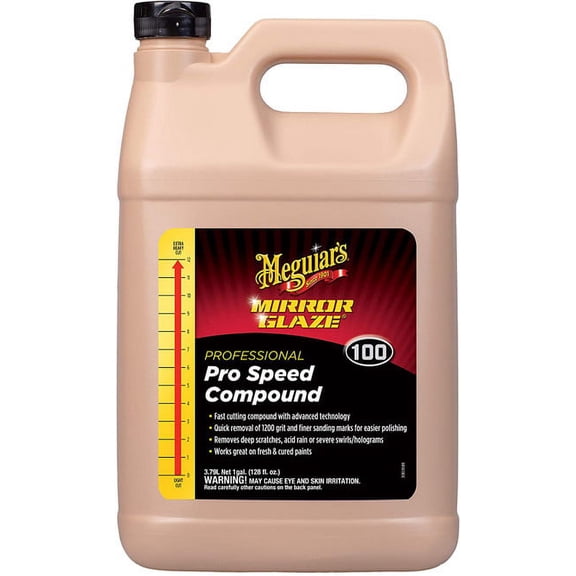


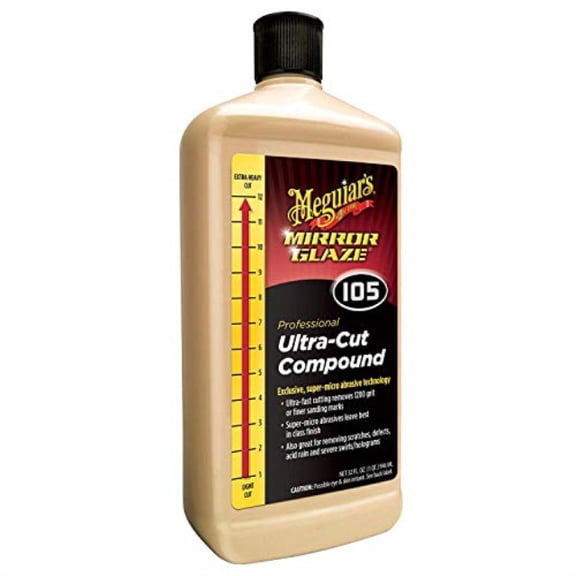
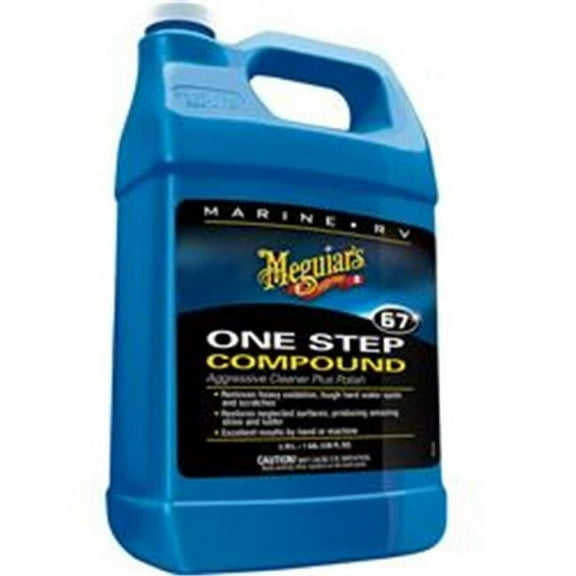

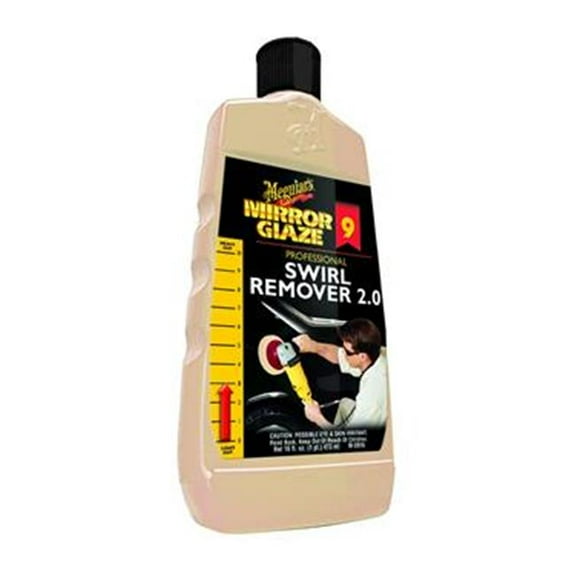
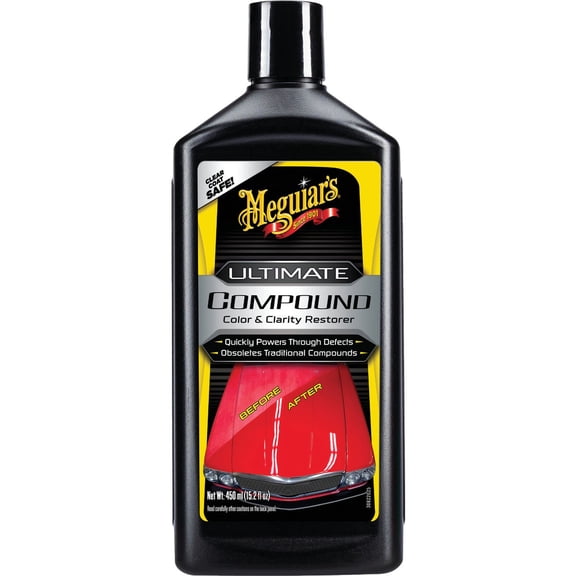


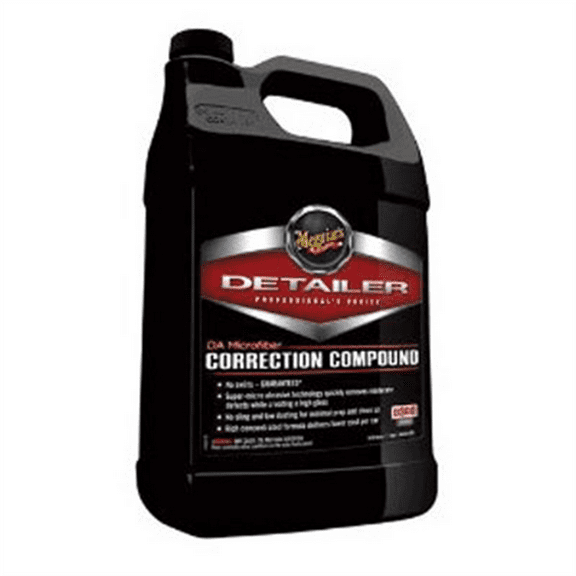
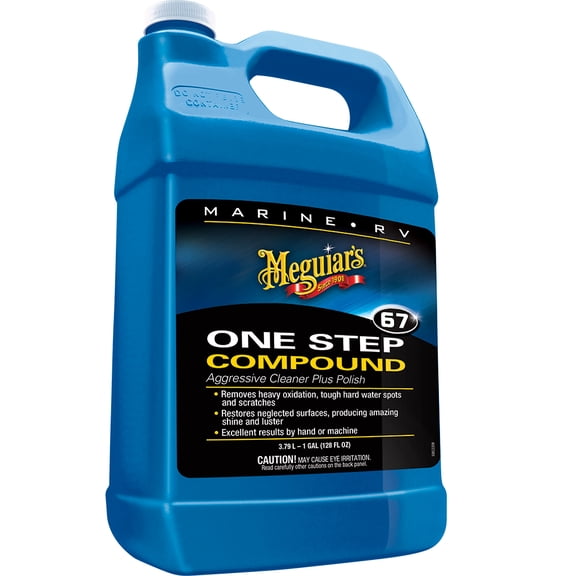
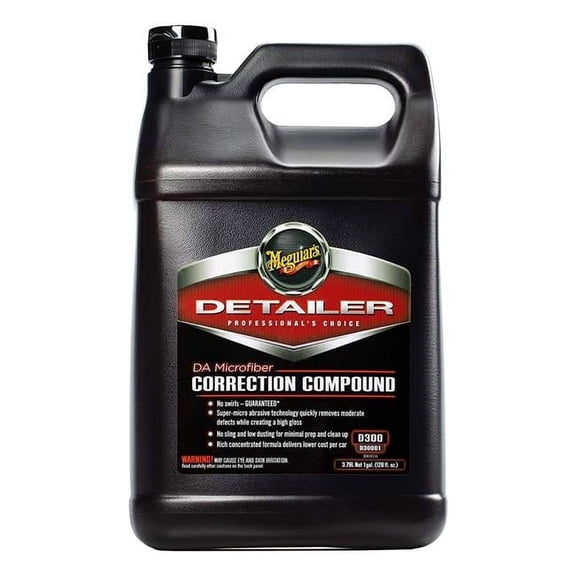

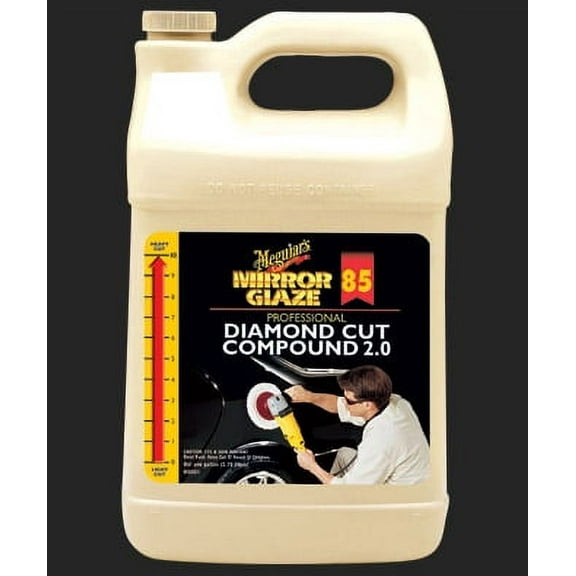
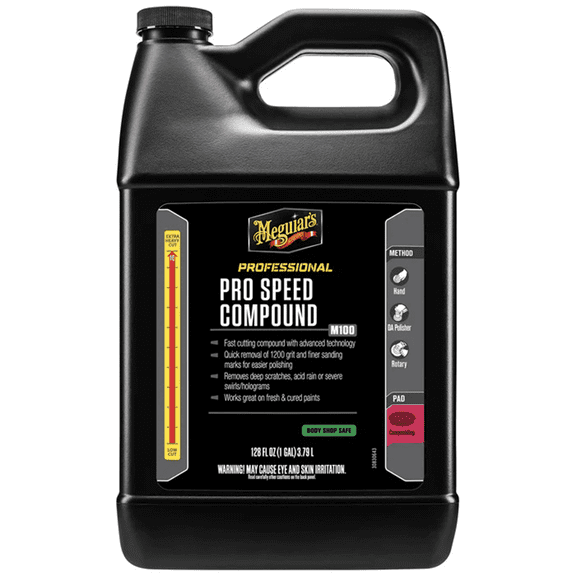
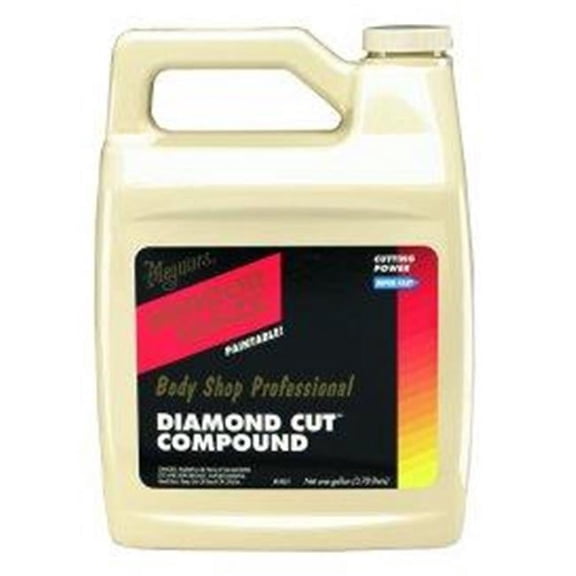
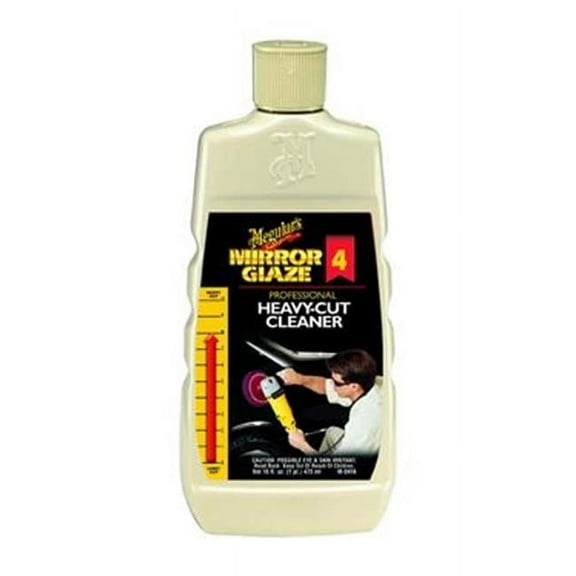

About Meguiar’s Polishing Compound in Car Polish - Walmart.com
You can compare meguiars polishing compound options by cut level, application method, and finish compatibility before you start paint correction. You’ll also find formulas for swirl removal, oxidation cleanup, and gloss refinement on clear coat, single-stage paint, and gel coat.
If you’re correcting haze, light scratches, or deeper defects, you’ll want to match the formula to your paint condition first. You can get a cleaner result when your compound, polish, and pad choice work together.
How to choose meguiars polishing compound
You should start with paint damage severity because cut level affects how quickly you remove visible defects. You’ll usually compare heavy cut, medium cut, and fine finishing polish before you pick an approach.
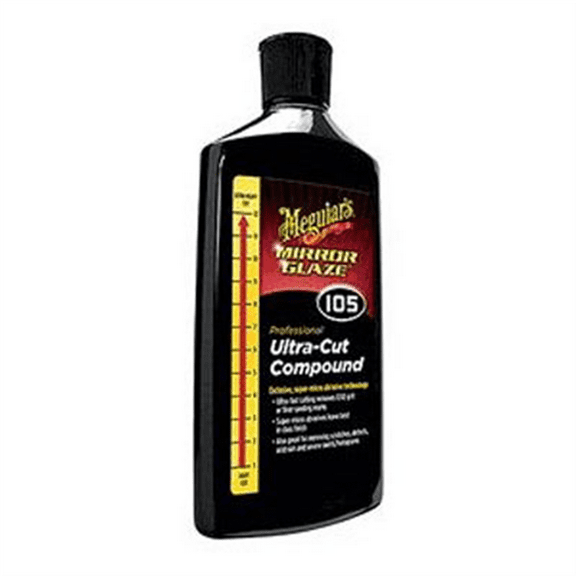
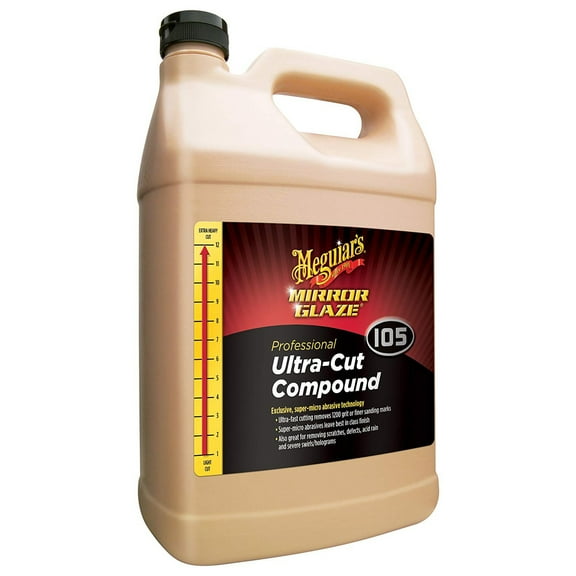
If your paint shows stronger oxidation or more visible scratches, you may consider a heavier-cut option like meguiars ultra cut compound. If your finish only needs gloss refinement, you’ll usually want a finer polish with less correction.
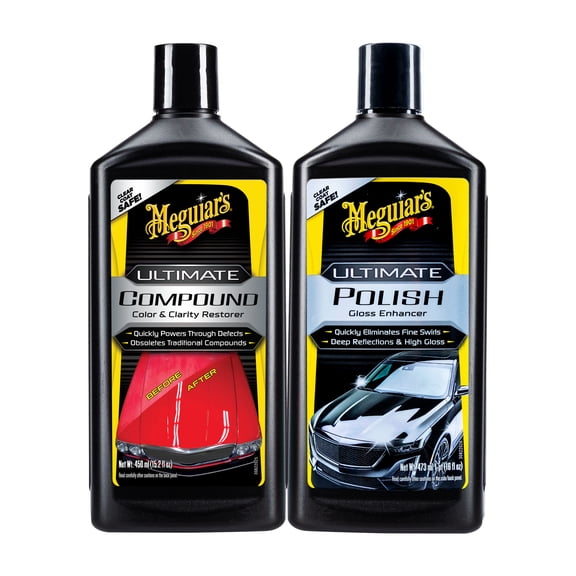
You can think of compounding as the correction step and polishing as the gloss step. You’ll often use meguiars compound and polish products in sequence when you want a clearer, more reflective finish.
Key benefits you can notice during paint correction
You can remove swirls, dullness, and surface haze more efficiently when you match the abrasive level to the defect. You can also avoid doing extra passes when your product fits your paint condition.
With the right formula, you can improve clarity before wax or sealant goes on. You’ll usually see a smoother-looking surface that reflects light more evenly after correction.
- You can target light swirls, oxidation, and moderate defects with the right cut level.
- You can choose hand application or machine use based on your comfort and project size.
- You can restore gloss after compounding by following with a finishing polish.
- You can compare formulas that suit clear coat, single-stage paint, or gel coat.
You’ll also benefit from choosing the right abrasive technology for your work style. You can compare Super Micro-Abrasive Technology and diminishing abrasives based on consistency, finish, and polishing speed.
Comparing meguiars buffing compound application methods
You should compare hand application, dual-action polishing, and rotary buffer use before you buy. You’ll want a method that matches your experience level, physical effort, and correction goals.
If you’re working by hand, you can handle smaller spots and lighter defects with more control. You’ll usually spend more time, but you can work trim areas, edges, and isolated marks carefully.
When you use a dual-action polisher, you can cover larger panels with more even movement. You’ll often find DA polishing easier for hoods, doors, and roofs because the machine helps maintain a steady pattern.
If you use a rotary buffer, you can get stronger cutting action for harder correction jobs. You should compare pad type, speed range, and your comfort level because this method calls for more experience.
What to look for in abrasive technology and finish safety
You can compare SMAT and DAT formulas to understand how the abrasives behave while you work. With SMAT, you’ll get consistent cutting particles from start to finish, which helps you control your passes.
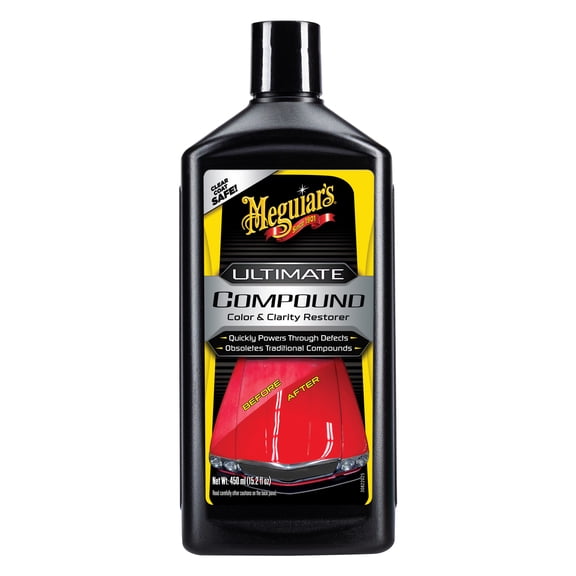
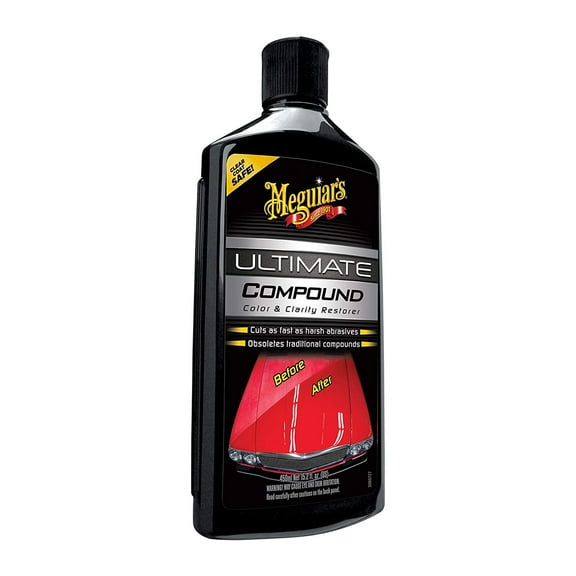
If you choose a formula linked with ultimate compound and polish routines, you may notice easier defect leveling on neglected paint. You’ll often use meguiars ultimate compound when you need stronger correction before refining gloss.
With diminishing abrasives, you’ll notice the particles break down as you continue polishing. You can use that behavior to transition from correction toward a smoother-looking finish during longer work cycles.
You should also check whether the formula is clear coat safe and suitable for your paint type. You’ll want product guidance that matches single-stage paint or gel coat when your vehicle finish calls for it.
Using meguiars compound and polish for real detailing jobs
You can use rubbing compound meguiars shoppers often seek when older paint shows oxidation, water spotting, or stronger swirls. You’ll usually follow that correction step with polish when you want deeper gloss and cleaner reflections.
For a daily driver with wash marks, you may start with a medium-cut option on a DA polisher. You can then switch to a finishing polish to refine the surface before your last-step protection.
If you’re refreshing a dark-colored vehicle, you’ll want to compare cut level carefully because dark paint reveals haze quickly. You can improve final appearance by stepping down from stronger correction to finer polishing.
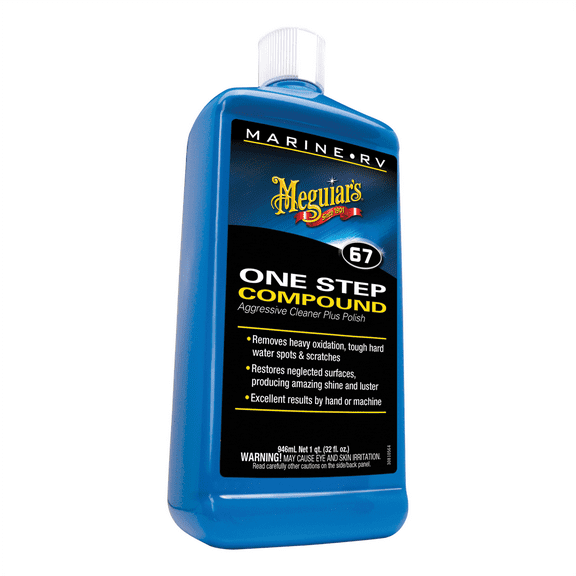
On boats or specialty surfaces, you should check finish compatibility before you begin. You can compare meguiars compounds that fit gel coat work when you need correction on marine-style surfaces.
You may also compare meguiars compounds for spot correction versus full-vehicle polishing sessions. You’ll often choose hand use for isolated scratches and machine use for larger, uniform panel correction.
When you understand cut, application method, abrasive technology, and finish compatibility, you can choose with more confidence. You can achieve a smoother correction process and a clearer, glossier finish that fits your paint type.