


Find auto parts that fit
Let’s search for parts that fit your vehicle.Car Polish in Exterior Car Detailing



















About Car Polish in Exterior Car Detailing - Walmart.com
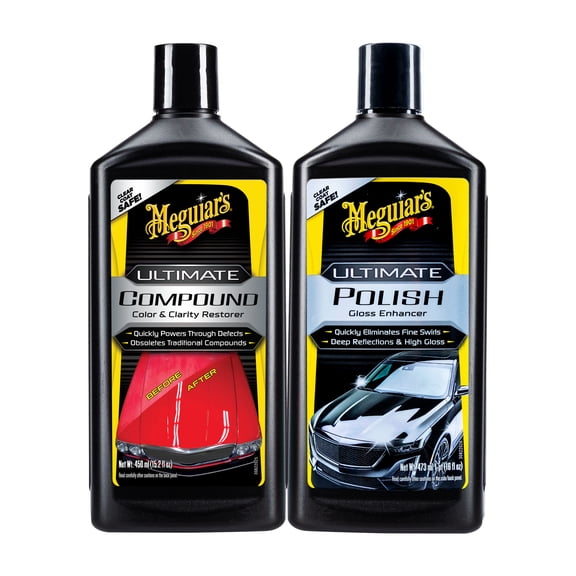
With car polish options tailored to paint correction, gloss refinement, and machine compatibility, you can match your finish goals without guessing. You’ll find category guidance here that helps you compare abrasiveness, formulation type, and protection levels for your vehicle’s paint.
If you’re correcting haze, refreshing clear coat gloss, or refining a freshly washed finish, you need more than a wax-only product. You can use this guide to compare paint polish, buffing compound for cars, and car paint conditioner options with more confidence.
How to choose car polish for your finish
When you compare car polish products, you should start with the amount of visible paint marring on your vehicle. You’ll usually want a lighter formula for mild haze and a stronger cut for deeper swirl patterns.
Because abrasive grit rating affects correction speed, you should compare heavy cut, medium cut, fine polish, and finishing glaze formulas carefully. You’ll often use heavy cut for stronger correction, while fine polish helps you refine gloss after compounding.
Clear coat thickness matters during paint correction, so you should check product guidance before using a more aggressive option. You’ll get a more controlled result when you match abrasiveness to the finish instead of jumping straight to a strong compound.
- You can target swirl marks and dullness with the right cut level for your paint.
- You can refine gloss after compounding by moving to a fine polish or finishing glaze.
- You can choose wax-infused or ceramic/SiO2 formulas when you want shine and added surface protection in one step.
- You can select pure polish formulas when you plan to apply a separate wax or sealant afterward.
Comparing formulation types and paint polish options
Formulation type changes how a product spreads, wipes off, and fits your detailing routine. You should compare liquid, paste, spray, and clay options based on the finish work you plan to do.
Liquid formulas usually give you easy spreading and consistent coverage across larger panels. You may prefer them when you’re working with a dual-action polisher or doing full-vehicle paint polish sessions.
Paste formulas often feel more focused during small-area correction, especially when you’re treating isolated marks. You might choose them when you want a slower working product with a more deliberate application style.
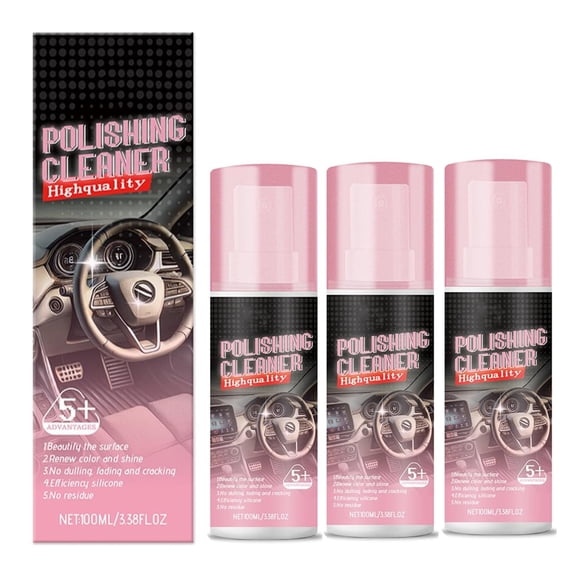
Spray formats can support quick gloss enhancement and lighter polishing steps between deeper correction sessions. If you’ve searched polish para carros or spray para pulir carros, you’re often looking for that faster, lighter format.
Clay options fit preparation steps rather than final gloss refinement, so you should view them as part of surface prep. You’ll often use clay to lift bonded contamination before applying polish for smoother contact on the paint.
Choosing surface compatibility and application method
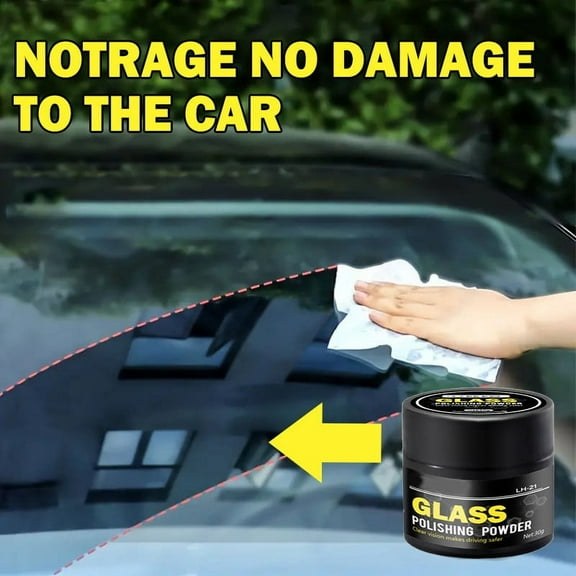
You should always compare surface compatibility before starting, because paint, trim, and metal surfaces can respond differently. You’ll want formulas marked for clear coat, single-stage paint, chrome, or plastic trim based on the panel you’re treating.
Clear coat finishes often benefit from a staged approach that starts with measured correction and ends with gloss refinement. If your vehicle has single-stage paint, you should check whether the formula suits that older paint structure.
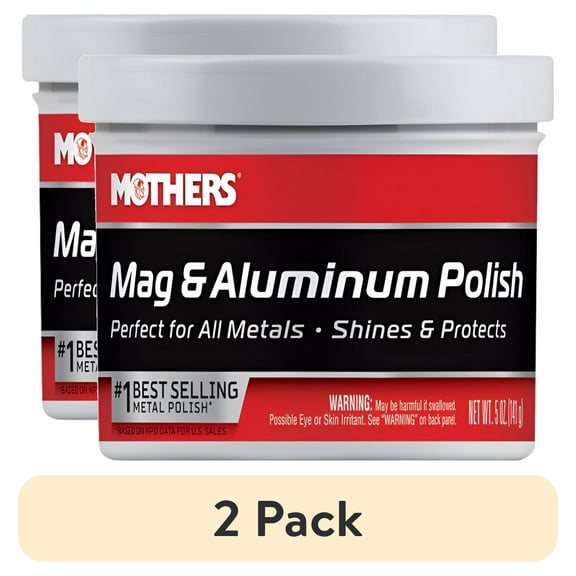
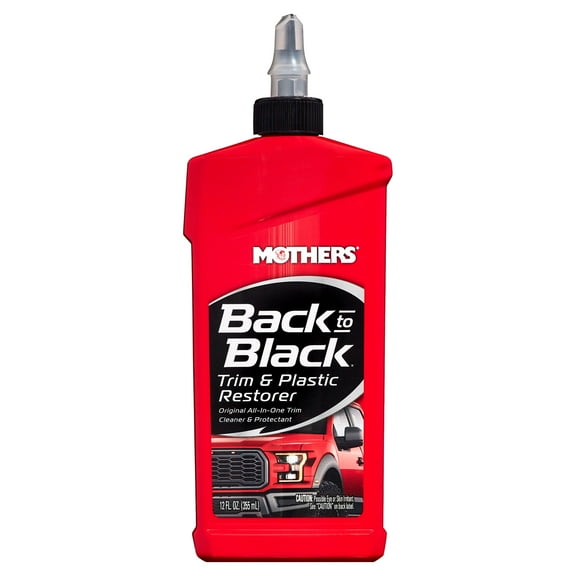
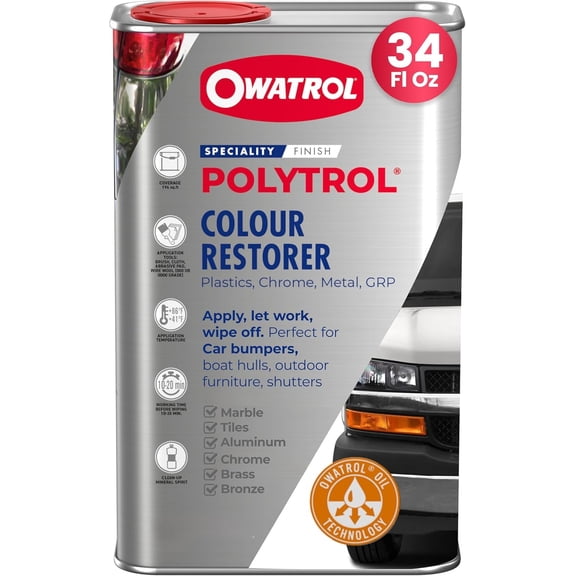
Chrome and plastic trim need specialized attention, so you should avoid assuming one polish works everywhere. You may notice terms like trim rz or metal-specific polish signals, which point you toward more surface-matched detailing products.
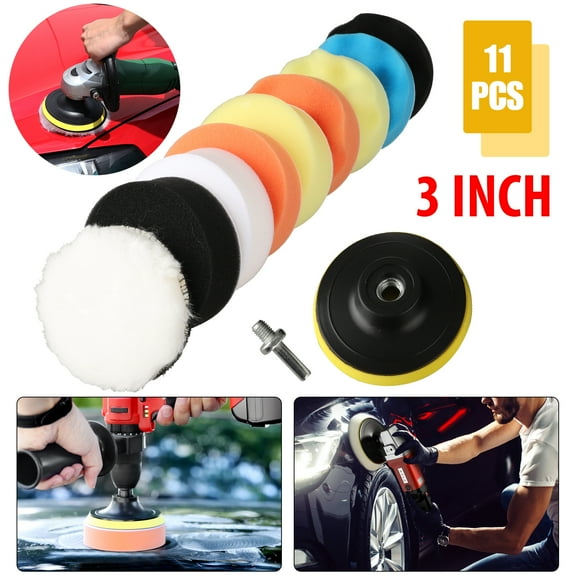
Application method also shapes your result, because hand application and machine polishing create different levels of cut. You should check whether the formula supports hand application, a dual-action polisher, or a rotary buffer.
Hand application can suit lighter polishing, spot correction, and smaller panels where you want more control. You may prefer a dual-action polisher when you want a more even finish with less effort across broad painted surfaces.
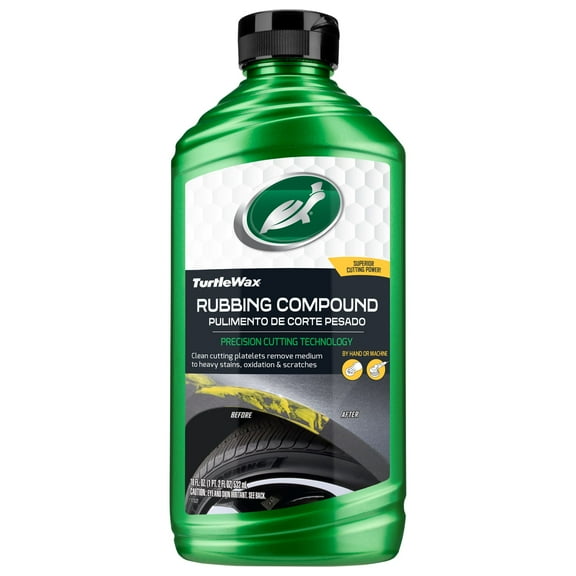
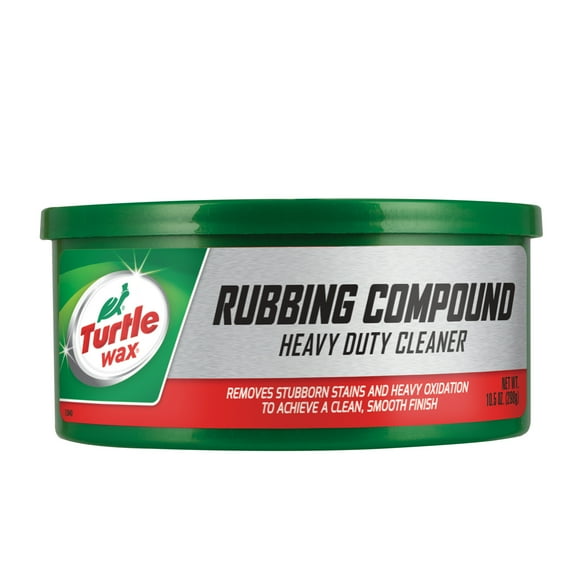
Rotary buffer use usually calls for more product awareness, pad selection, and finish monitoring during correction. If you’re comparing buffing compound for cars, you should make sure the formula matches your machine and your experience level.
How to match shine and protection to your detailing routine
You should decide whether you want correction only or correction with added protection before you choose a formula. You’ll usually see three common paths here: wax-infused, ceramic or SiO2, and pure polish.
Wax-infused options can leave a wax polish shine that combines gloss with a finished look in fewer steps. You may choose them when you want a simpler routine after a wash and light polishing session.
Ceramic or SiO2 blends often appeal when you want slickness and a more modern finishing step. You should still check label guidance, because some formulas focus on gloss enhancement while others prioritize finishing protection.
Pure polish formulas focus on refining the paint surface without adding a final protective layer. You’ll often choose these when you want to follow with a separate wax, sealant, or ceramic topper.
For regular upkeep, you can keep a lighter car paint conditioner or finishing polish in your detailing kit. For correction work, you may step up to a stronger compound first, then refine the finish with a finer product.
When you match abrasiveness, surface compatibility, and protection style carefully, you can build a cleaner detailing process from start to finish. You’ll get more consistent gloss, clearer reflections, and a finish that suits your vehicle and your tools.